
Highway aggression can turn a normal trip into a stressful experience. Tailgating, sudden lane changes and drivers who refuse to let small issues go can escalate quickly if you react the wrong way. Staying calm and creating space keeps you safe while helping the situation fade. These eight tricks give you control in moments when someone else is losing theirs.
Give Them Space Before Anything Else
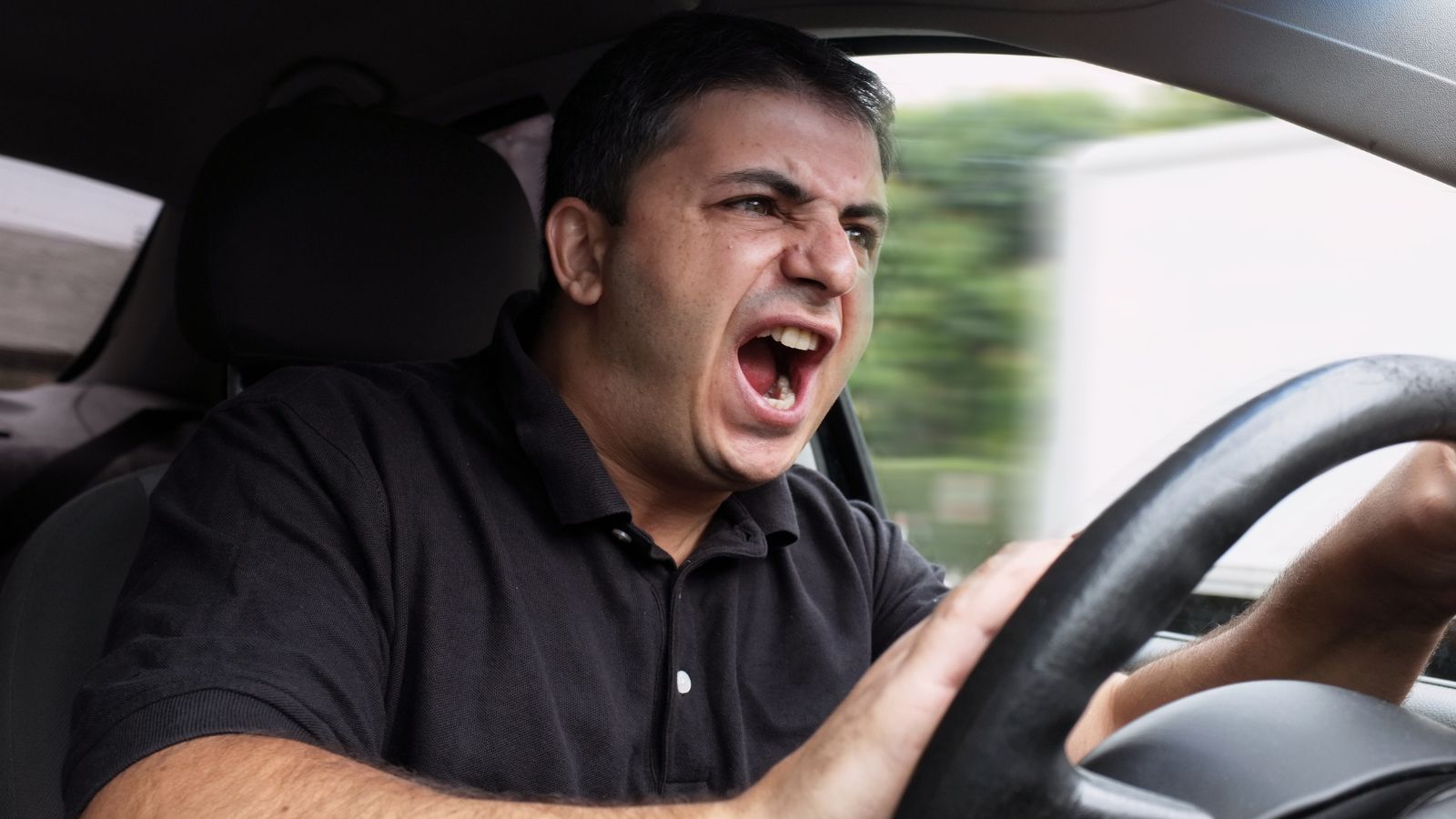
Aggressive drivers feed on tension. The easiest way to stop that cycle is to add distance between you and them. Slow slightly and let them move ahead so you no longer share the same pace. Once the gap grows they lose interest because there is nothing left to challenge. Space removes the emotional trigger and restores calm on your terms.
Do Not Make Eye Contact
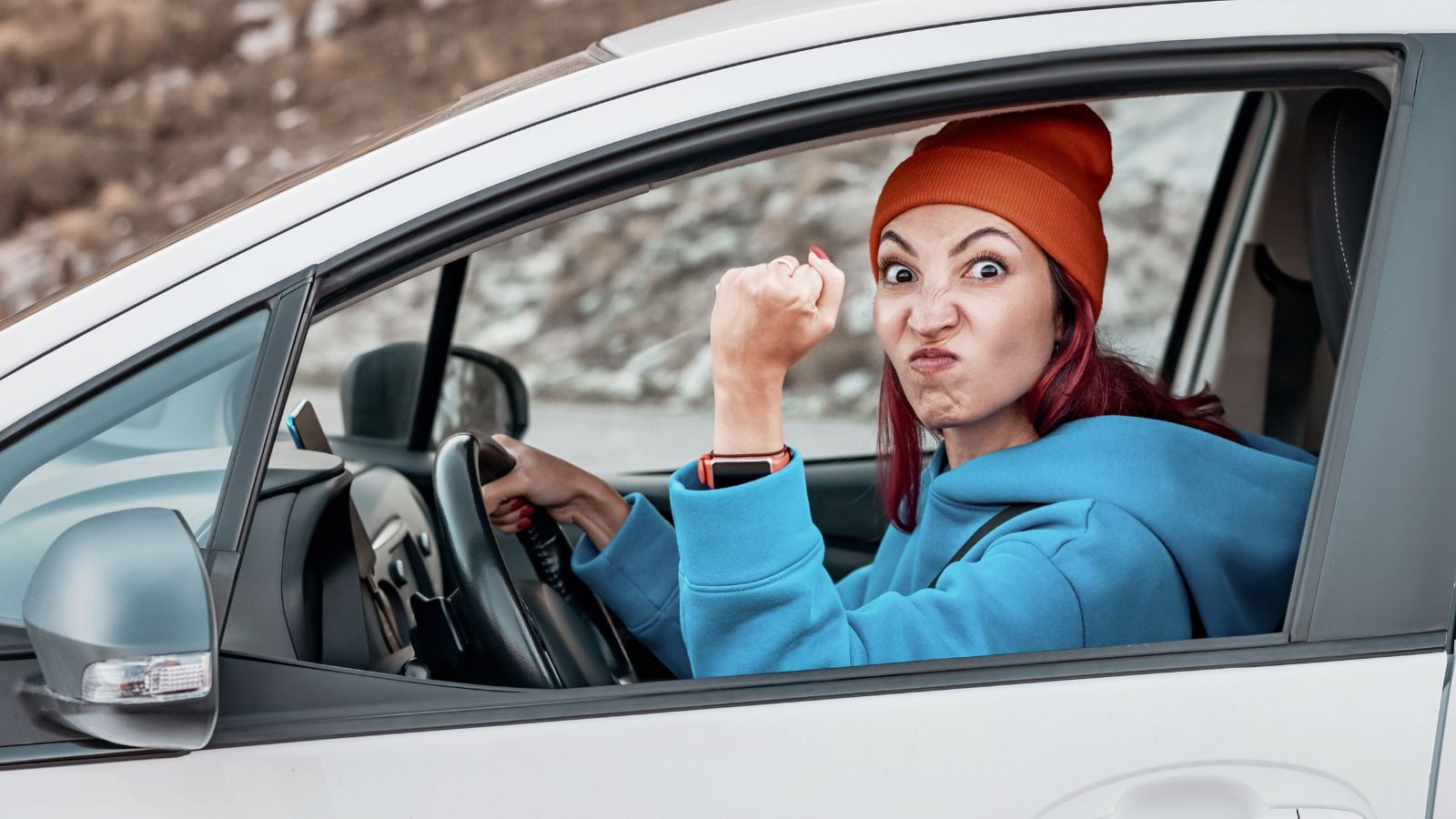
Eye contact feels harmless yet it can escalate road rage instantly. Drivers who are already heated see it as a challenge. Keep your gaze forward and avoid any acknowledgment. When you refuse to engage the aggressive driver loses the audience they want. This simple tactic prevents misunderstandings and stops small frustrations from turning into bigger confrontations.
Use Smooth, Predictable Movements

Unpredictable lane changes or sudden braking can make aggressive drivers react even worse. Keep your movements smooth and clear. Signal early, keep a steady speed and remain visible. Predictability lowers tension because the other driver cannot claim you surprised them. Smooth driving also keeps your own stress low which makes clearer decisions easier.
Change Lanes Early if They Are Tailgating
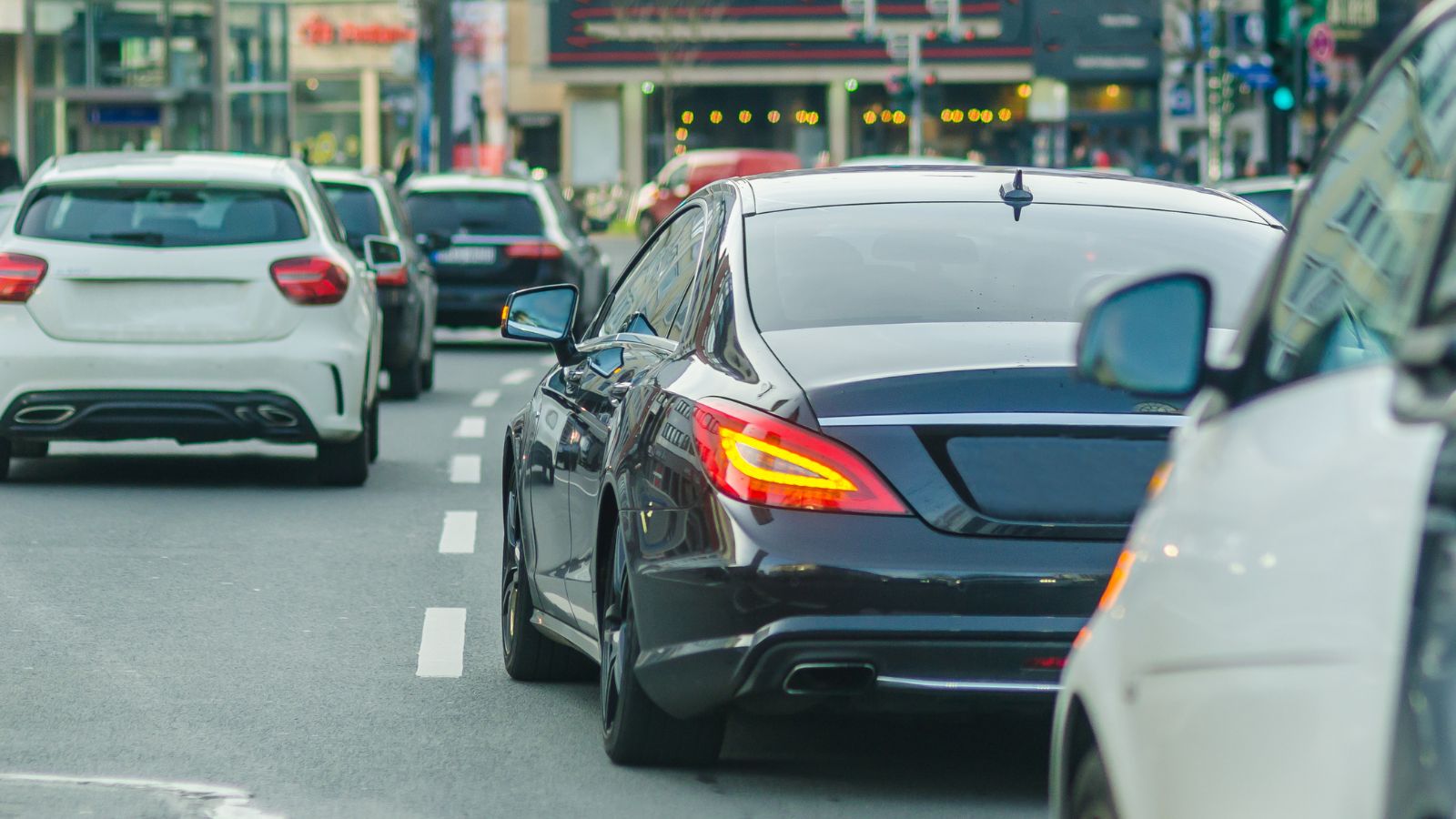
Tailgating is one of the most common forms of highway aggression. If a driver sits inches from your bumper, ease into another lane at the earliest safe moment. Do not speed up and do not brake suddenly. Let them pass and remove yourself from their impatience. Once they are ahead you regain control of the moment without conflict.
Avoid Gestures or Visible Reactions

Even harmless gestures can be misinterpreted by someone already fired up. Keep your hands on the wheel and your face neutral. Aggressive drivers often want a reaction so they can escalate the situation. When you remain silent and still they lose that momentum. Your calm response becomes the key to diffusing their behaviour.
Position Your Vehicle with an Exit Route
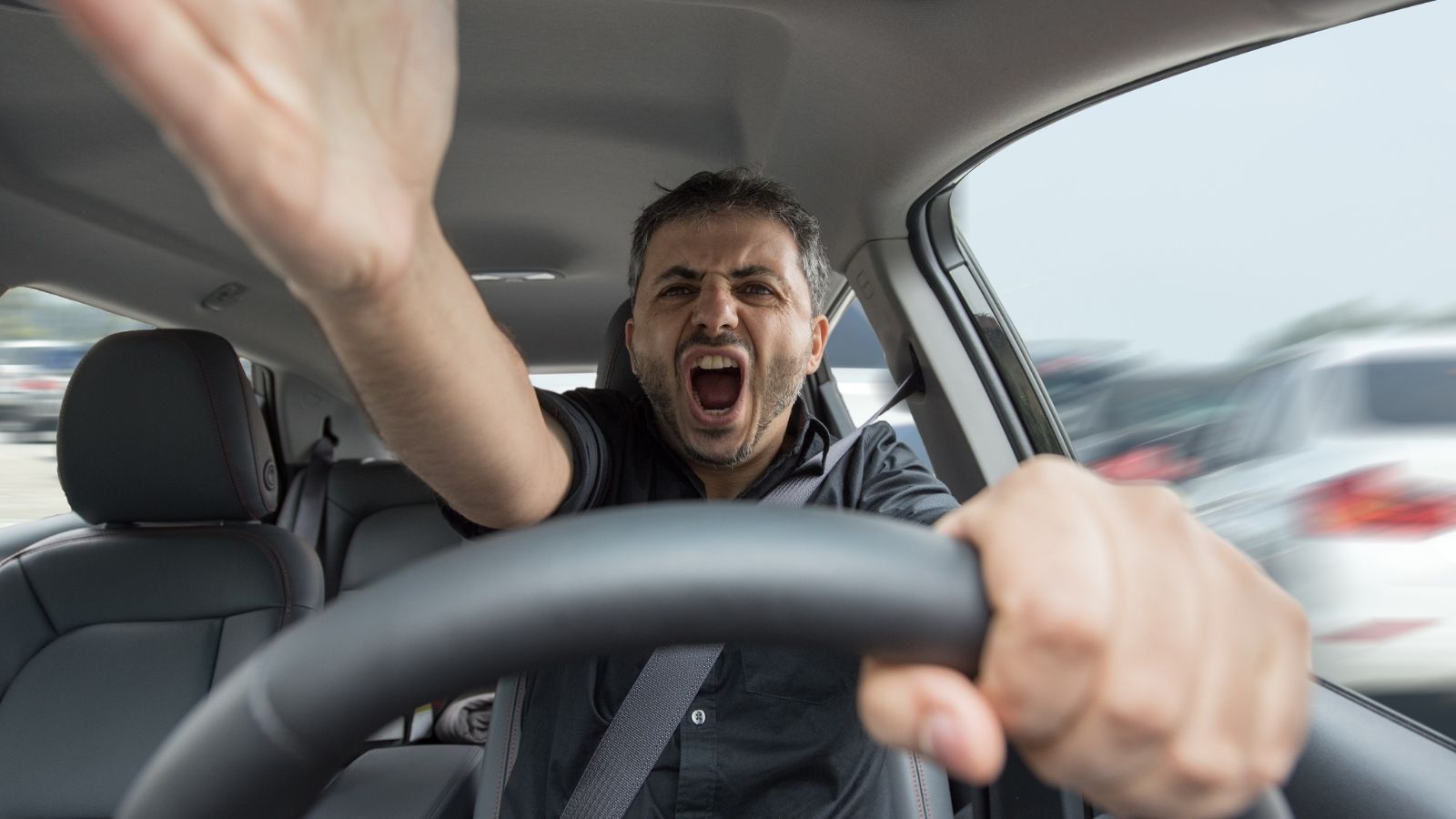
If an aggressive driver continues to match your speed or box you in, adjust your positioning. Move to lanes with a shoulder or clear escape space ahead. This gives you options if their behaviour becomes unpredictable. Strategic positioning does not invite confrontation. Instead it gives you safety room which breaks the sense of being trapped.
Let Them Pass Even If They Are Wrong

Many drivers feel tempted to stand their ground when someone is behaving badly. In highway aggression that mindset creates danger. Letting the other driver pass is not a sign of weakness. It is a strategy. Once the aggressive driver is ahead they usually move on to their next target. You return to your normal pace and end the conflict without stress.
Take an Exit if Necessary

If the behaviour continues and the driver refuses to go away, take the next exit. This removes you from their presence and resets the environment. Aggressive drivers rarely follow because their anger is usually tied to the moment not the person. A quick detour gives you safety and breaks the emotional loop. Arriving a minute later is always better than staying in a dangerous encounter.
25 Facts About Car Loans That Most Drivers Don’t Realize

Car loans are one of the most common ways people fund car purchases. Like any other kind of loan, car loans can have certain features that can be regarded as an advantage or a disadvantage to the borrower. Understanding all essential facts about car loans and how they work to ensure that you get the best deal for your financial situation is essential. Here are 25 shocking facts about car loans that most drivers don’t realize:
25 Facts About Car Loans That Most Drivers Don’t Realize
