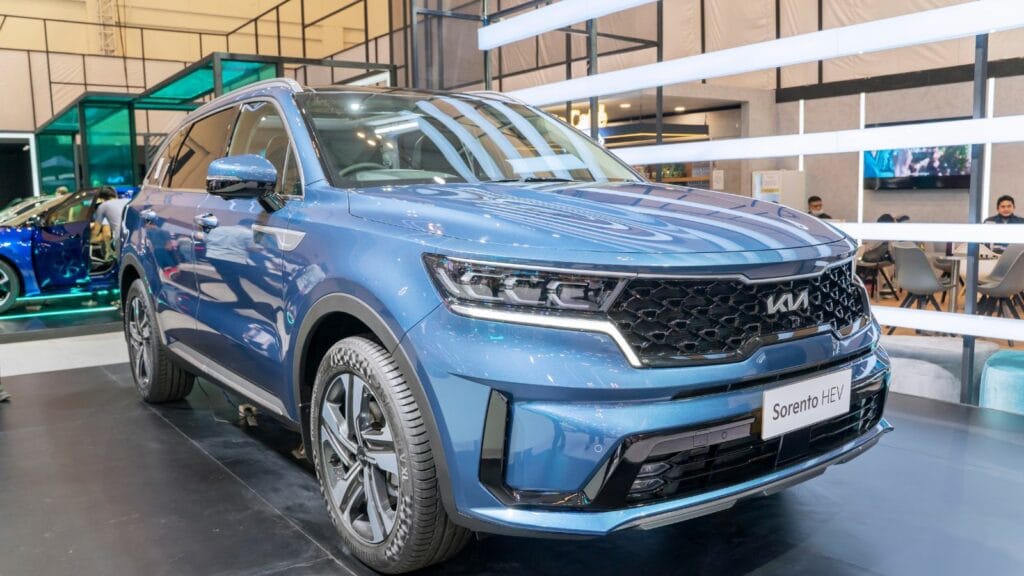
Walk into many Toyota or Lexus dealerships across Canada and you’ll notice something strange. The showroom feels emptier than usual. Popular models are missing. Sales teams talk about long wait lists instead of negotiation. These brands haven’t lost steam, far from it. Their cars are vanishing because demand and supply have collided in a way dealers haven’t seen in years. Here’s what’s really driving the shortage.
Demand Has Exploded Thanks to Reliability and Resale Confidence
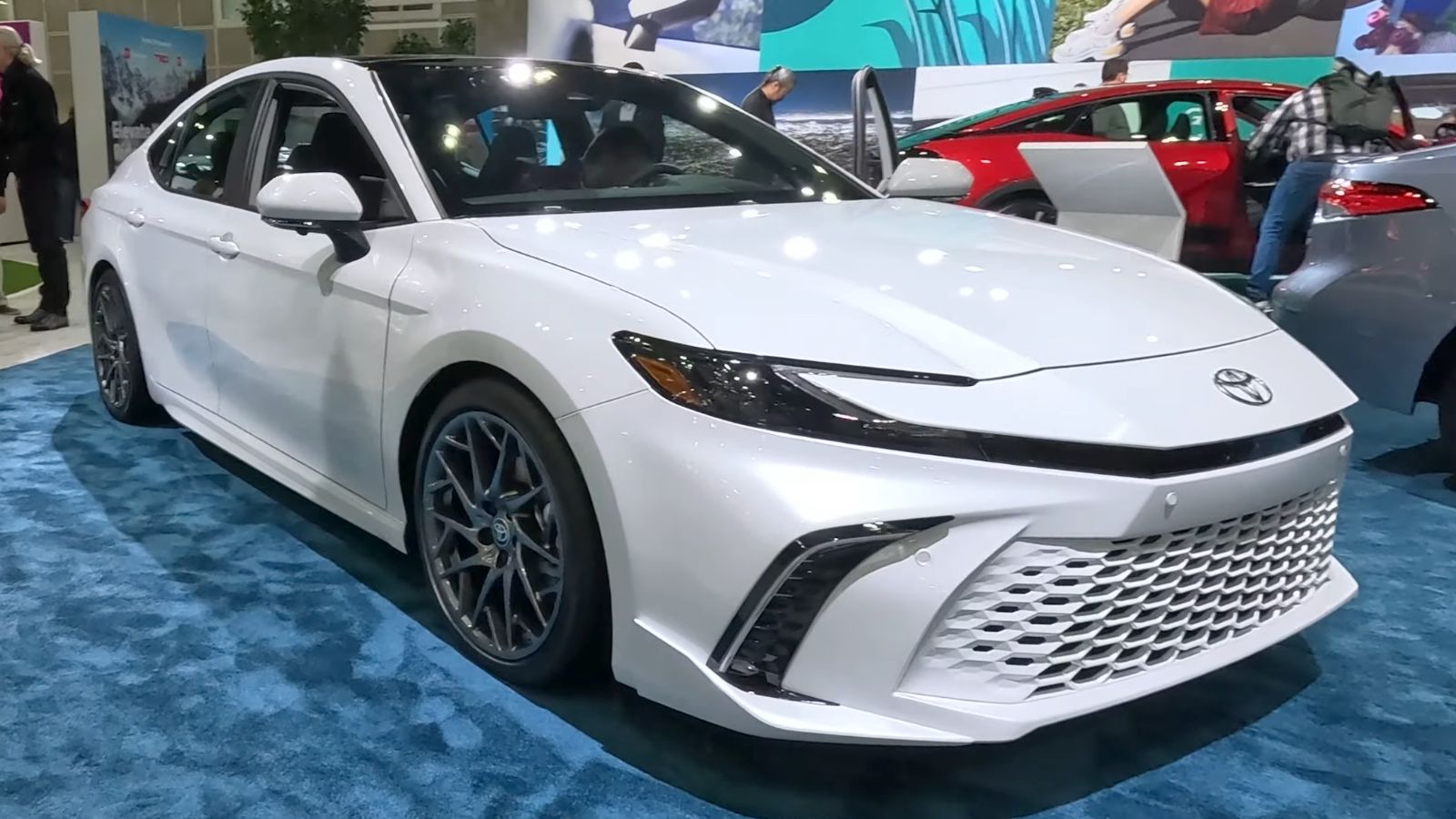
Toyota and Lexus built their reputations on dependable engines, simple engineering and long term ownership value. In a market full of recalls, high repair bills and complicated tech, buyers are gravitating toward brands they trust. Sedans like the Camry and ES continue attracting drivers who want stress free ownership, while the RAV4 and RX dominate the crossover market. Word of mouth is powerful, and both brands benefit from families recommending these cars generation after generation. Demand soared faster than factories could match, and every new shipment is often presold long before the trucks arrive.
Hybrid Models Are Selling Faster Than Toyota Can Build Them
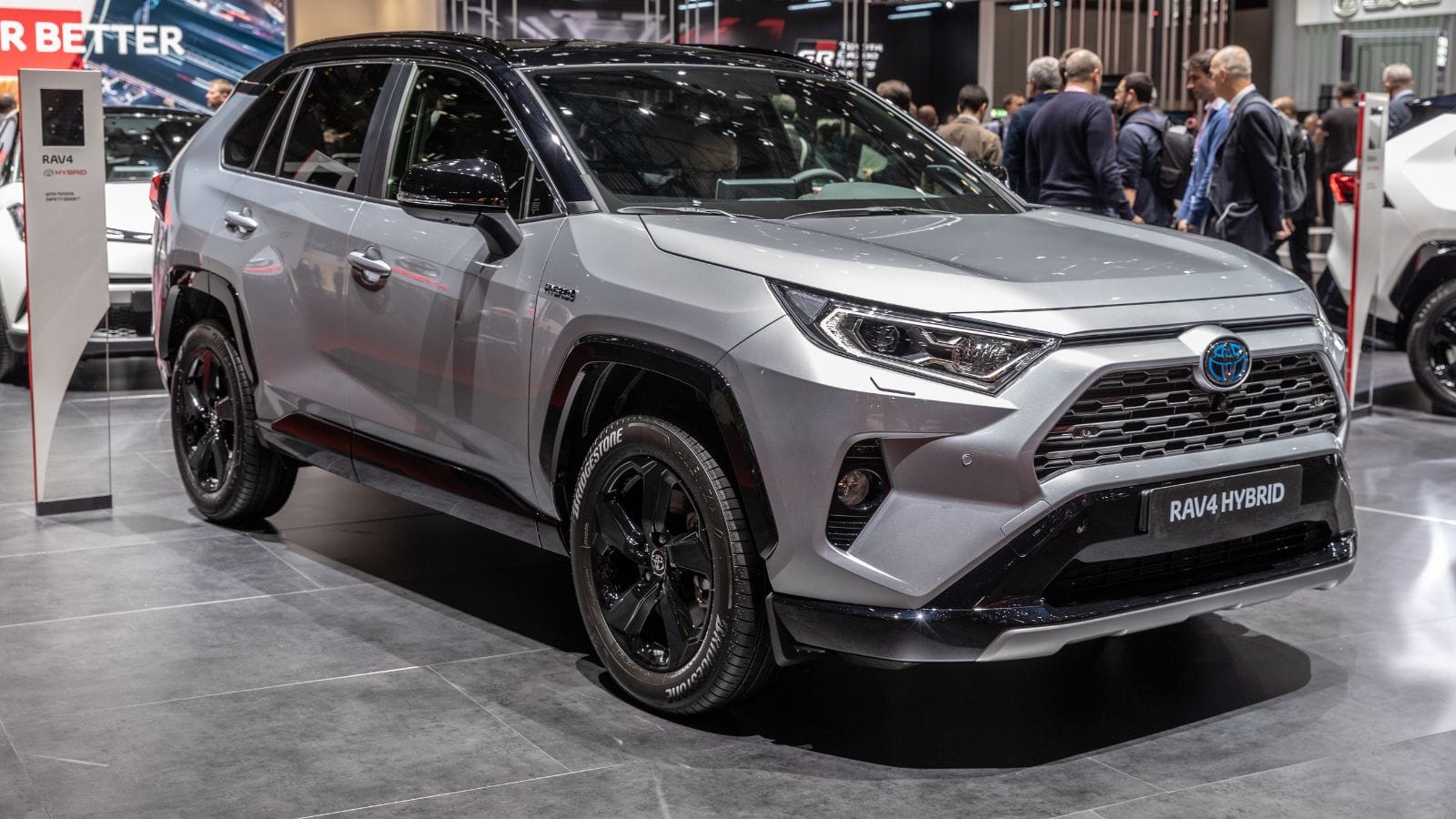
Toyota’s hybrid tech is miles ahead of most competitors. Drivers want fuel savings without the charging anxiety of full electric, and Toyota became the go to choice. Models like the RAV4 Hybrid, Highlander Hybrid and Prius are disappearing immediately because buyers know the systems last and deliver excellent efficiency. Lexus hybrids follow the same pattern. The surge in hybrid popularity caught the entire industry off guard, and Toyota simply cannot build enough to satisfy Canadians who want lower fuel bills now.
Supply Chain Issues Still Haunt Key Components
Even though the broader automotive industry is slowly stabilizing, Toyota and Lexus still face parts shortages in areas that matter most. Batteries for hybrids, semiconductor chips and even certain interior electronics remain bottlenecks. Toyota’s production strategy traditionally relies on tight scheduling and minimal excess inventory, which worked brilliantly before the global shutdowns. Today, it means even minor delays ripple across factories. Less production combined with higher demand equals empty showrooms.
Toyota Prioritizes Global Markets Based on Strategic Demand
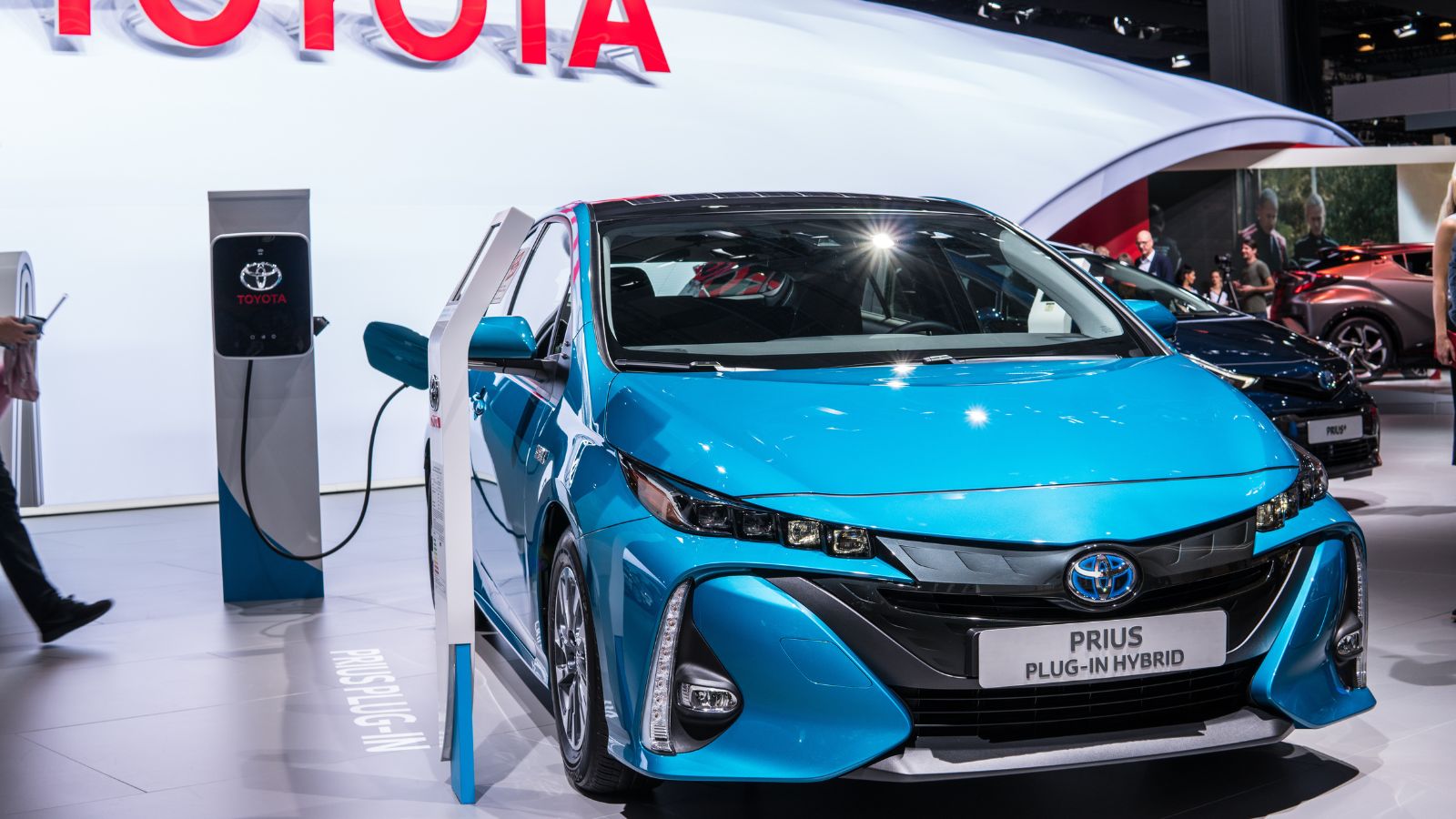
Some of Toyota’s highest volume vehicles are promised to markets outside Canada where demand is even stronger or where governmental pressure pushes hybrid and efficient models aggressively. Canada, being a smaller market, does not always receive the highest allocation. Dealers often receive fewer units than they request, especially for hot models. This global balancing act results in longer Canadian wait times and sparse inventory.
Lexus Faces Its Own Luxury Supply Crunch
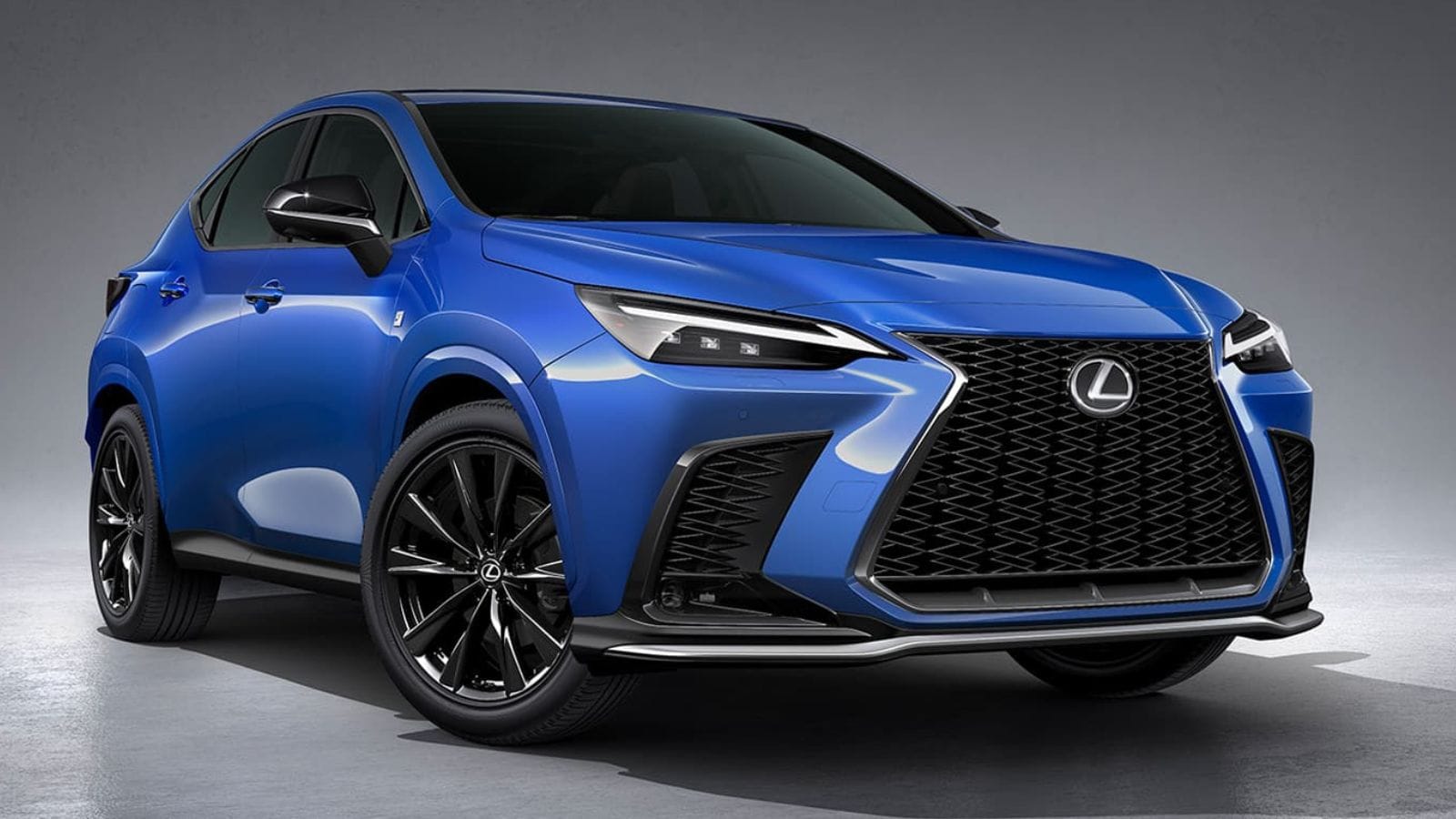
Lexus produces fewer vehicles than Toyota, and many of them share the same advanced hybrid platforms. When supply tightens, Lexus feels the pressure even more. Demand grew from buyers fleeing unreliable European luxury options and seeking lower long term costs. This left Lexus unable to stock enough NX, RX or ES models to keep up. Even fully loaded trims, once known for sitting on lots, now vanish as soon as they arrive.
Increased Fleet and Corporate Demand Eats Up Inventory
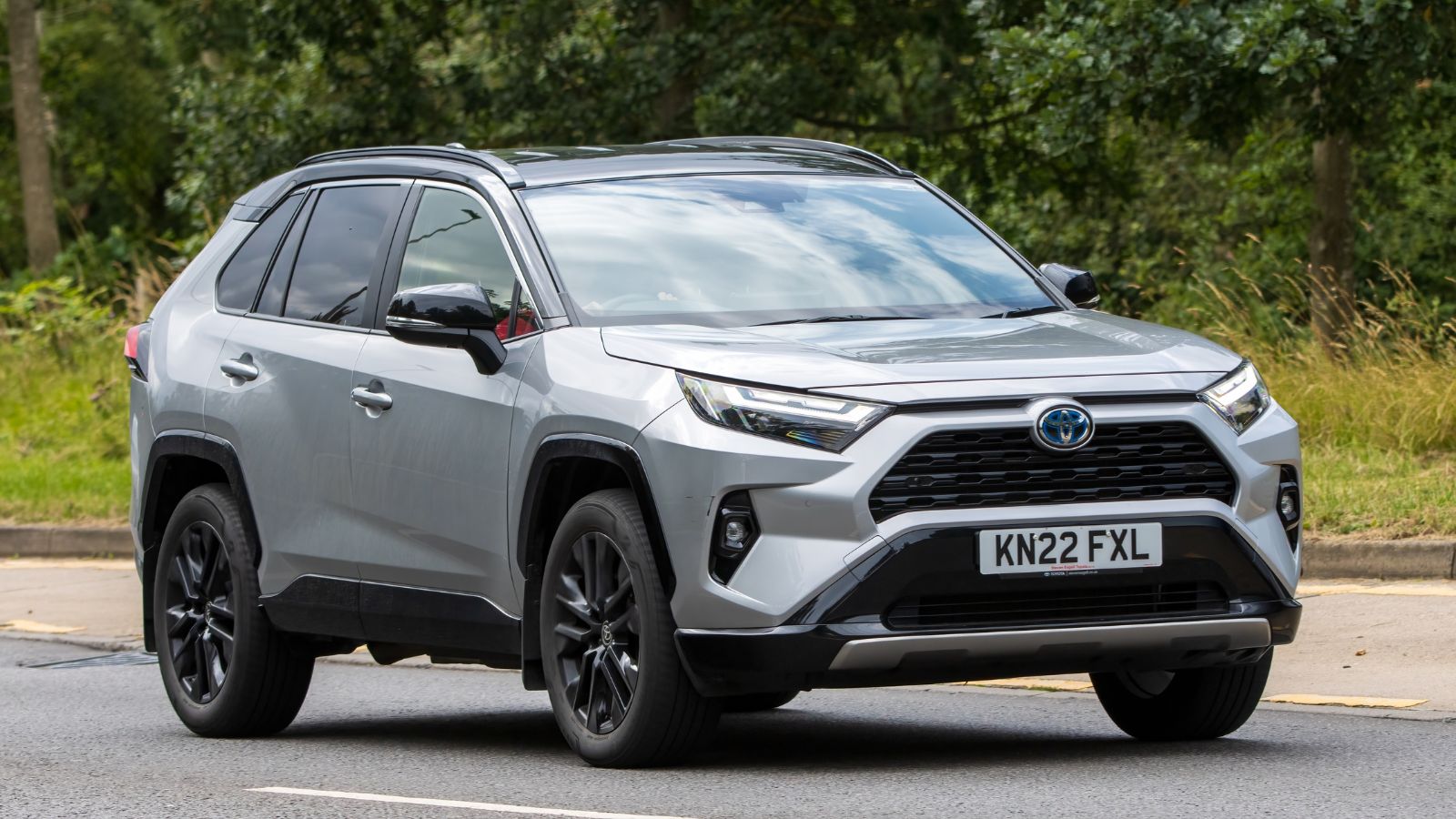
Ride share fleets, rental companies and corporations have quietly increased their orders for Toyota models because they offer a lower total cost of ownership. These fleet contracts consume a chunk of production capacity, especially for proven models like the Corolla, Camry and RAV4. When fleets are renewing their aging inventory with reliable cars, retail customers feel the shortage first.
Toyota’s Slow EV Rollout Redirects Interest Back into Hybrids
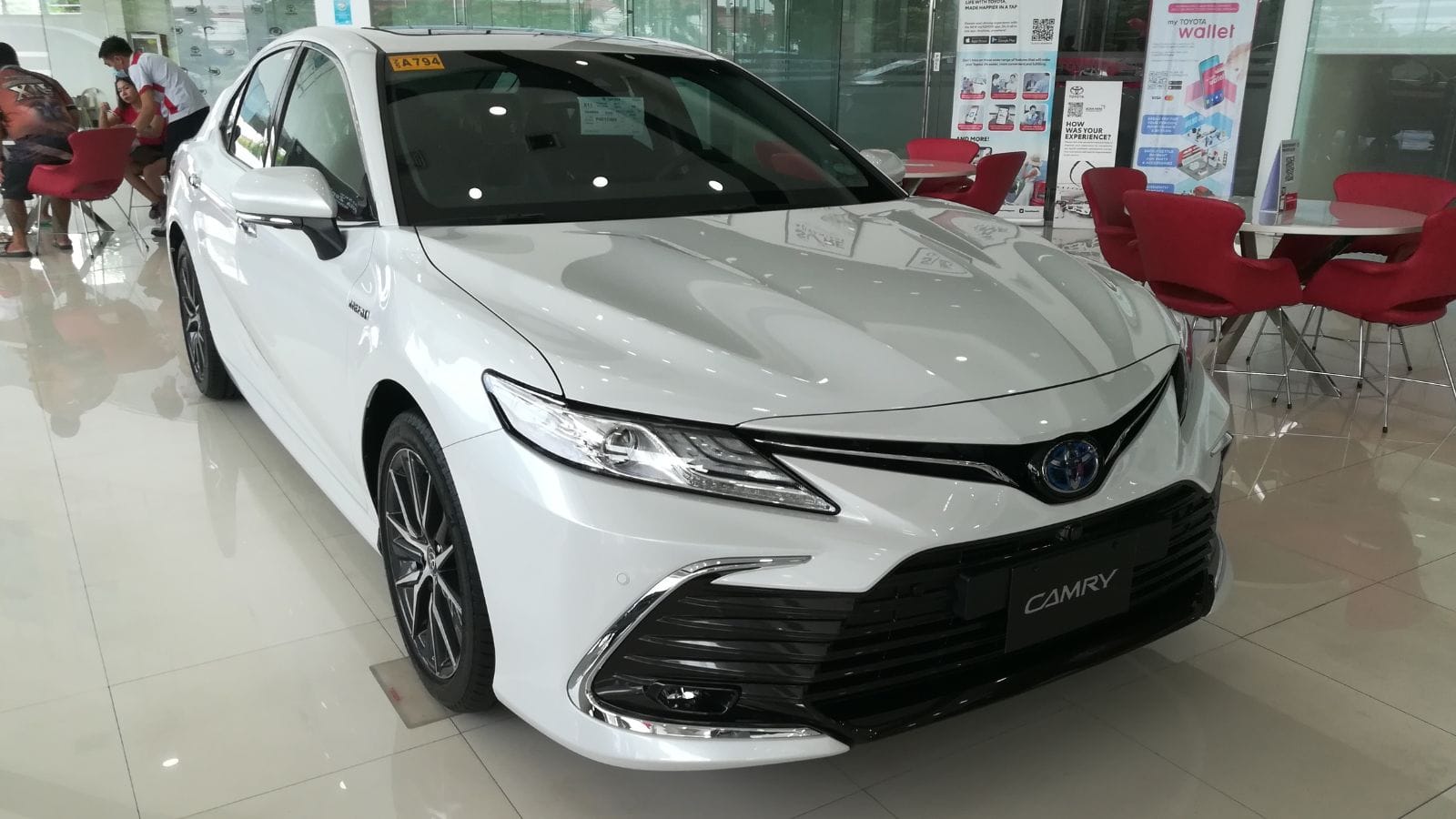
Unlike some competitors, Toyota has taken a cautious approach toward full electric vehicles. That means buyers wanting efficiency still flock to Toyota’s hybrid lineup instead of spreading out across electric models. The backlog grows, and the showroom thins. Every hybrid Toyota builds already has a customer waiting.
Canadian Buyers Are Holding On to Their Cars Longer
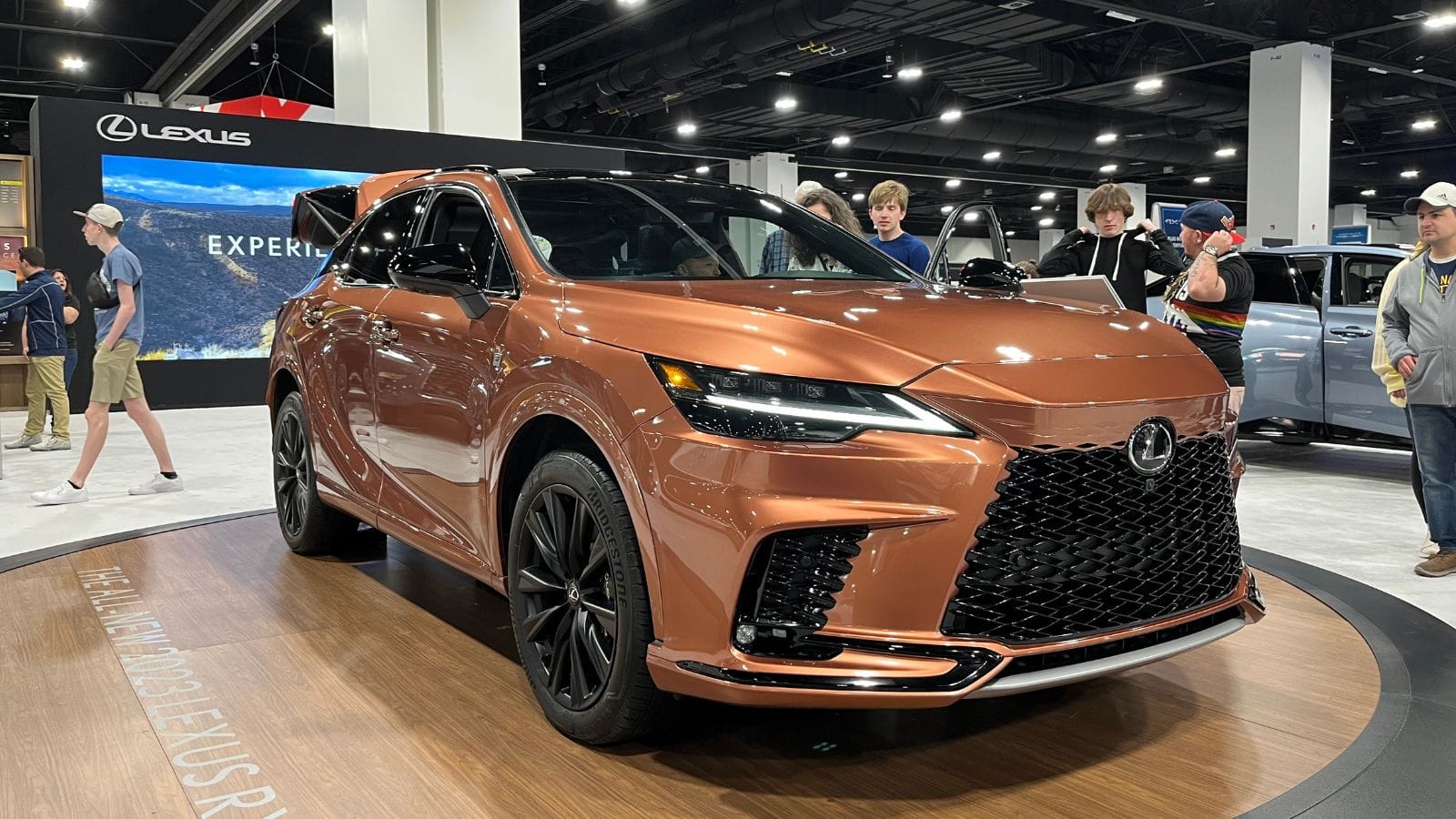
Used Toyota and Lexus vehicles are incredibly hard to find because owners simply do not want to part with them. This reduces trade ins and limits dealer supply even further. When new inventory is low and used inventory dries up, the shortage becomes more visible. Toyota and Lexus stores feel the crunch from both ends.
Dealers Are Receiving Fewer Physical Units and Relying on Preorders

Many Toyota and Lexus dealers now operate on a preorder model. Cars are sold before they arrive, so dealers keep fewer units on the floor. From the outside, it looks like a supply collapse. In reality, customers are buying everything before it even gets unloaded. The physical floor no longer represents true sales volume.
The Real Answer It’s Both Demand and Supply Working Together

Toyota and Lexus cars are disappearing because demand for reliable, efficient vehicles skyrocketed while global supply chains remain strained. Add in hybrid popularity, fleet orders, and limited Canadian allocations, and the result is empty showrooms. Both brands are selling every unit they can build, but until production stabilizes, Canadians will keep seeing sparse floors and growing wait lists.
25 Facts About Car Loans That Most Drivers Don’t Realize

Car loans are one of the most common ways people fund car purchases. Like any other kind of loan, car loans can have certain features that can be regarded as an advantage or a disadvantage to the borrower. Understanding all essential facts about car loans and how they work to ensure that you get the best deal for your financial situation is essential. Here are 25 shocking facts about car loans that most drivers don’t realize:
25 Facts About Car Loans That Most Drivers Don’t Realize
