
Bringing a car across the border can save money, expand your options and unlock models that never officially sold in Canada. But the process is not as simple as driving north and filling out a form. Importing a vehicle involves paperwork, taxes, inspections and rules that can catch buyers off guard. Here are ten things every Canadian shopper should think about before committing to a US import.
Check the RIV Eligibility List Before You Buy

Canada’s Registrar of Imported Vehicles controls what can and cannot cross the border. Not every US model is admissible. Some require modifications and others are banned entirely. Before you send a deposit, make sure the car appears on the RIV list. It sounds obvious, yet many shoppers discover too late that their dream car cannot legally enter Canada without heavy changes, which ruins the savings.
Confirm the Car Meets Canadian Safety Standards

Canadian safety rules differ from US requirements. Daytime running lights, child seat anchor points and specific speedometer markings are only some of the items that may need adjusting. A quick inspection before purchase helps ensure the car can pass provincial certification. Otherwise, you may find yourself paying a shop to retrofit systems you assumed were already present.
Understand the Exchange Rate and Its Hidden Costs

A deal in US dollars can look irresistible until you convert it at today’s rate. A stronger US dollar can erase your savings quickly. Add wire transfer fees, travel expenses or shipping charges and the bargain becomes less appealing. Before making a decision, calculate the true landed cost in Canadian dollars, not just the sticker price.
Prepare for Border Taxes and Duties

Importing a car usually triggers GST at the border, and some vehicles with non-North American origins may also attract duty. Luxury cars can become expensive quickly if you miscount the taxes. Make sure you have payment ready because the border will not release the car without clearing the fees. Understanding the tax structure prevents surprises and keeps the process smooth.
Check for Open Recalls Before You Cross
Canada requires all recalls to be closed before a car can be registered. Some US models have outstanding recalls that American owners never addressed. If the recall cannot be resolved in Canada, you may end up with a vehicle that fails inspection. Verifying the recall status takes minutes and avoids major headaches after the car arrives.
Know the 72 Hour Export Rule at the US Border

The US requires the title to be submitted to the border crossing at least seventy two hours before export. Many new importers learn this rule only when they show up at the gate and get turned around. Each crossing has its own specific process, so confirm which documents they want and how to submit them. Missing this step delays everything.
Plan for Transport, Weather and Road Conditions
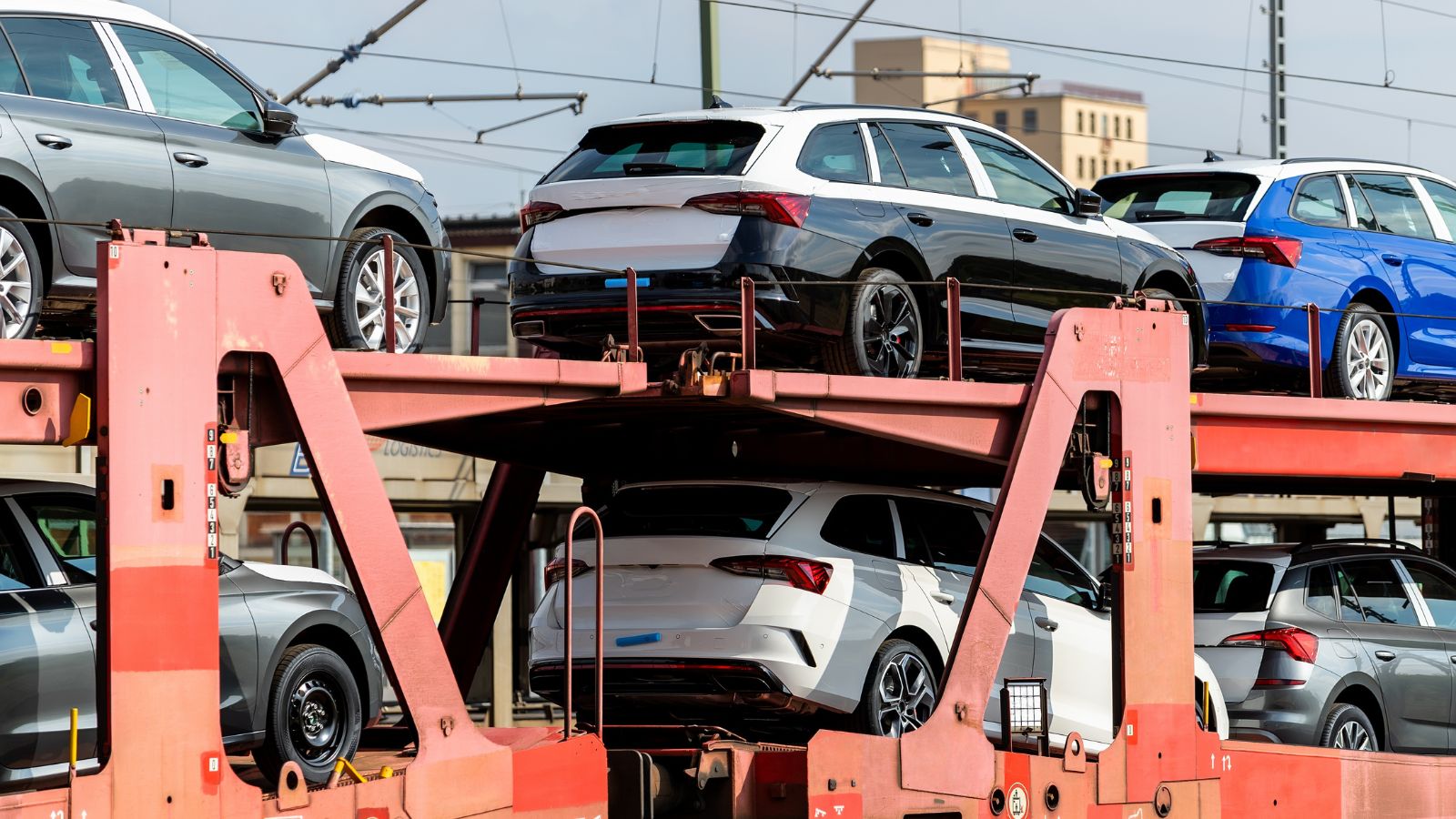
Driving a newly purchased car across multiple states might sound fun, but many imports need shipping. Some cars are uninsured, some are not winter ready and others cannot handle long highway journeys until inspected. Budget for enclosed transport if the car is valuable or delicate. Weather can also complicate timing, especially with performance cars that hate snow or salt.
Consider Warranty and Service Limitations

Many US vehicle warranties do not transfer to Canada. Even if they do, Canadian dealerships may refuse coverage on certain items or require proof of service history. Specialty models with limited support networks become even trickier. Knowing what coverage you lose helps you decide whether the price difference is worth it.
Budget for RIV Fees and Provincial Inspections

After you cross the border, the car must pass an RIV inspection and a provincial safety check. Some provinces add emissions testing or insurance inspections. These fees are usually small but add up, especially if the car needs modifications. Planning for these costs avoids scrambling during registration.
Be Honest About Why You Are Importing

Sometimes the savings are real. Sometimes the car is rare. Other times the US market simply offers better choices. Whatever the reason, make sure the numbers, rules and effort align with your goal. A bargain is only a bargain if the process is smooth, legal and financially sensible. A little research upfront saves a lot of frustration later.
25 Facts About Car Loans That Most Drivers Don’t Realize

Car loans are one of the most common ways people fund car purchases. Like any other kind of loan, car loans can have certain features that can be regarded as an advantage or a disadvantage to the borrower. Understanding all essential facts about car loans and how they work to ensure that you get the best deal for your financial situation is essential. Here are 25 shocking facts about car loans that most drivers don’t realize:
25 Facts About Car Loans That Most Drivers Don’t Realize
