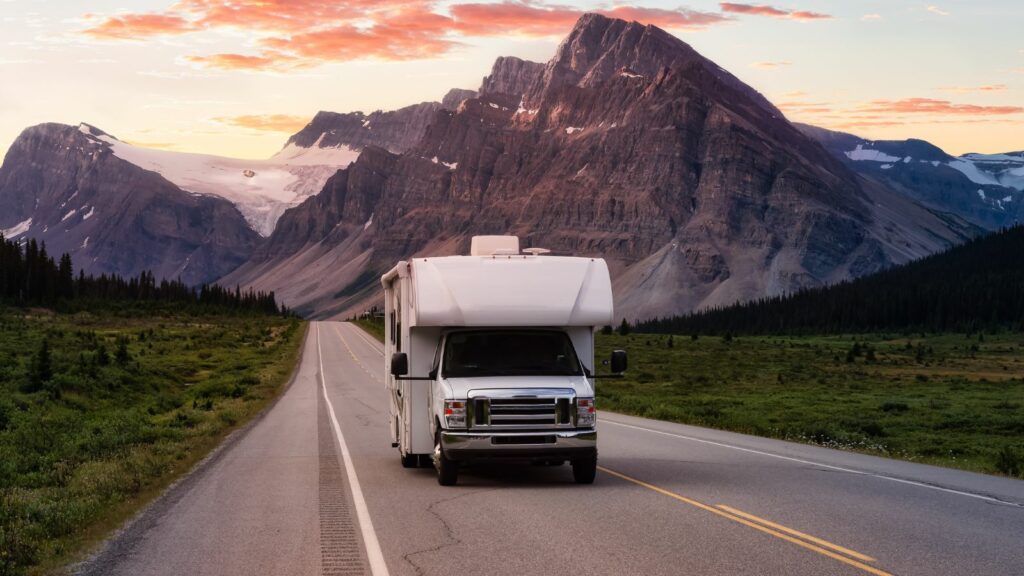
For many Canadians, RV travel represents freedom and adventure. It is a way to see the country on your own schedule, with the comforts of home following you down the road. You can cook your meals, sleep in your own bed, and yes, you even have a bathroom at your disposal. But one question sparks curiosity and debate among both new RV owners and seasoned travelers. If your RV has a bathroom, can you legally use it while the vehicle is in motion? The answer is not as simple as many think, and it comes down to safety, seat belt laws, and how Canadian traffic regulations view RVs.
The Temptation of RV Convenience

The idea is easy to understand. You are driving through rural Saskatchewan or northern Ontario, with long stretches of road between towns, and someone in the back suddenly needs the bathroom. Stopping might mean pulling off onto the shoulder of a busy highway, or waiting half an hour until the next service station. With the washroom just a few steps away, why not use it? This is where the unique appeal of RVs collides with the reality of Canadian driving laws. While the RV may look like a small apartment on wheels, the law does not treat it as one. The moment the vehicle is on the road, it is first and foremost a motor vehicle, subject to the same rules as cars, vans, or buses.
Seat Belt Laws Come First
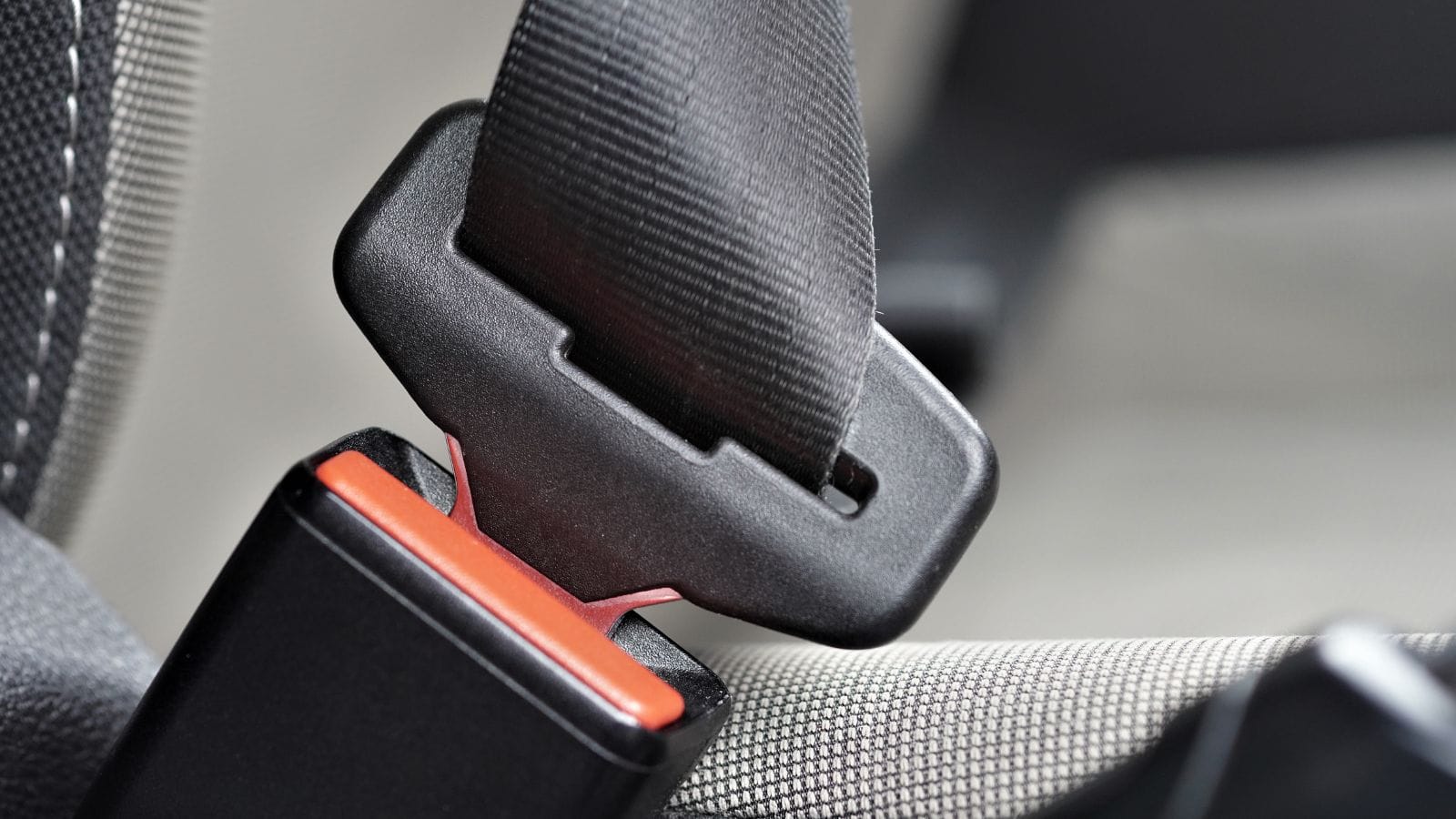
Across Canada, every province and territory enforces strict seat belt laws. Passengers must wear seat belts if they are installed in their seating position. In most RVs, the only seat belts are located in the driver’s and front passenger’s seats, as well as in a few designated bench seats or dinettes. Bathrooms are never equipped with seat belts, and for good reason. They are small, enclosed spaces with no secure seating positions. If a passenger leaves their seat to use the bathroom while the RV is moving, they are automatically breaking seat belt laws.
In provinces like Ontario, Alberta, and British Columbia, being caught unbelted can lead to fines. More importantly, if there is an accident, anyone not properly restrained faces far greater risk of injury. Police officers are unlikely to overlook someone walking around inside a moving RV, particularly if the vehicle is stopped for a roadside check.
Safety Risks Behind the Wheel
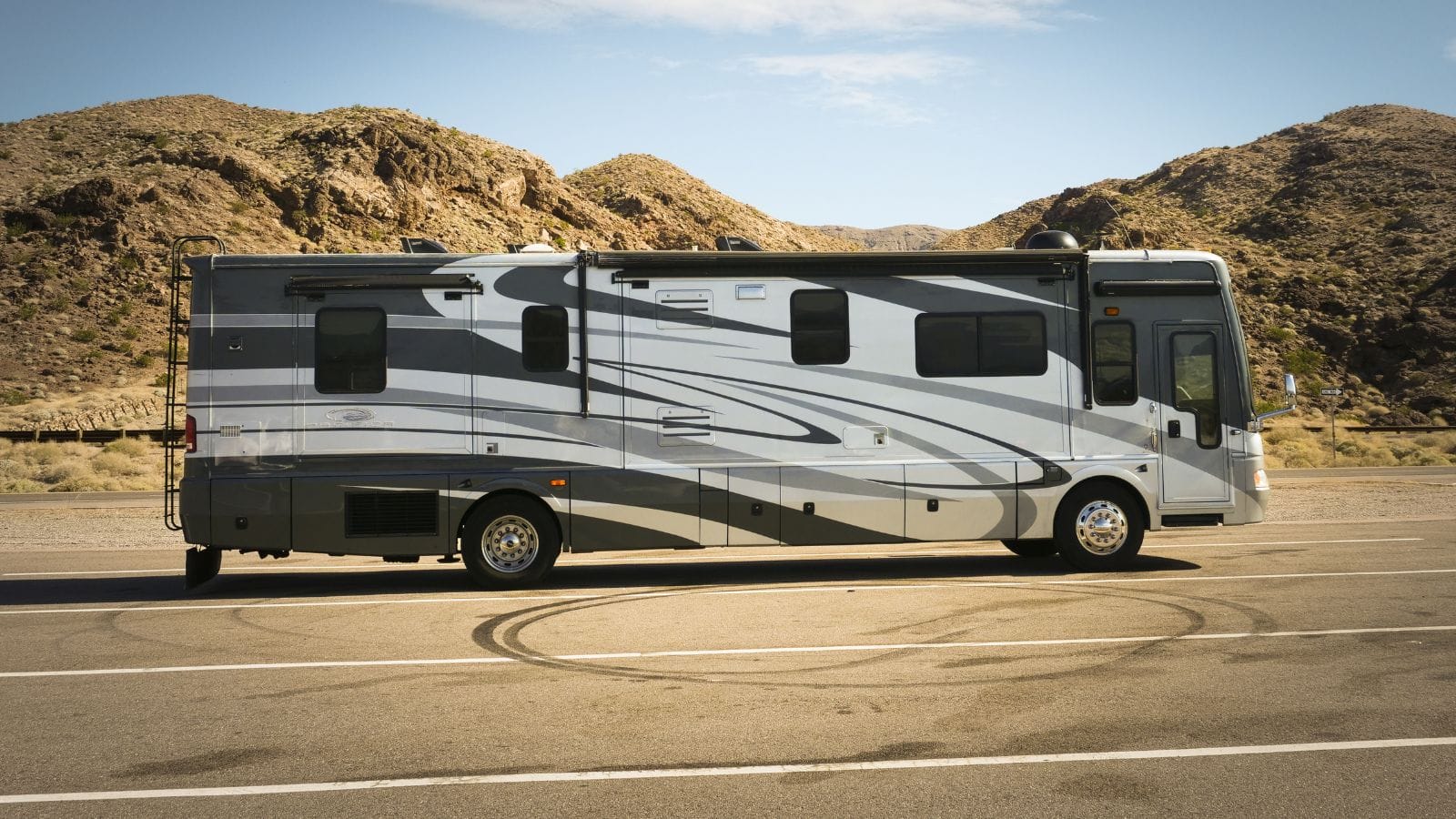
Legality aside, safety is the bigger concern. RVs are large, heavy, and often top heavy, making them more difficult to handle in sudden situations. If the driver needs to brake hard or swerve to avoid wildlife, road debris, or another vehicle, anyone moving inside the RV could be thrown against walls, cabinets, or fixtures. Bathrooms are made of lightweight materials and are not designed to protect a person in a collision. Even at low speeds, the impact can be severe if someone is not secured by a seat belt.
Many seasoned RV owners can share stories of passengers who stood up to grab something or move around, only to be thrown off balance when the driver tapped the brakes. Multiply that by the confined space of a bathroom, and the risks become even greater.
How the Law Views RV Bathrooms
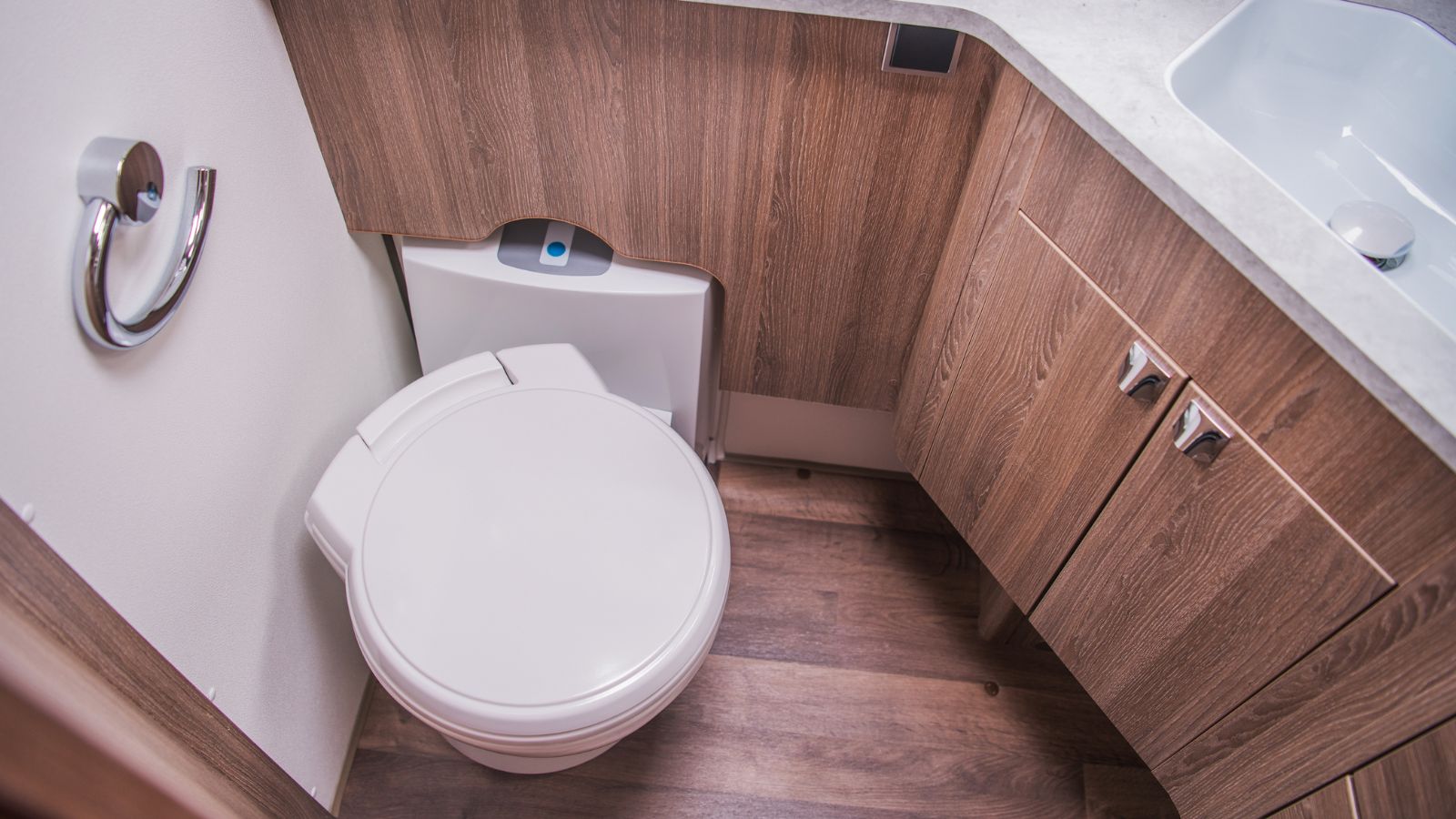
Canadian traffic laws make no special allowances for the fact that RVs contain kitchens, beds, and bathrooms. A moving RV is a vehicle, not a living space, in the eyes of the law. That means everyone inside is expected to remain seated with a seat belt fastened whenever it is on the road. There is no grey area written into provincial codes that permits bathroom use while in motion.
If an accident occurs and someone is injured while unbelted, not only is the legal risk significant, but insurance companies may reduce payouts if they determine passengers were not following seat belt requirements. Even if a driver is not at fault for a crash, the fact that a passenger was out of their seat could complicate claims.
What Seasoned RVers Do
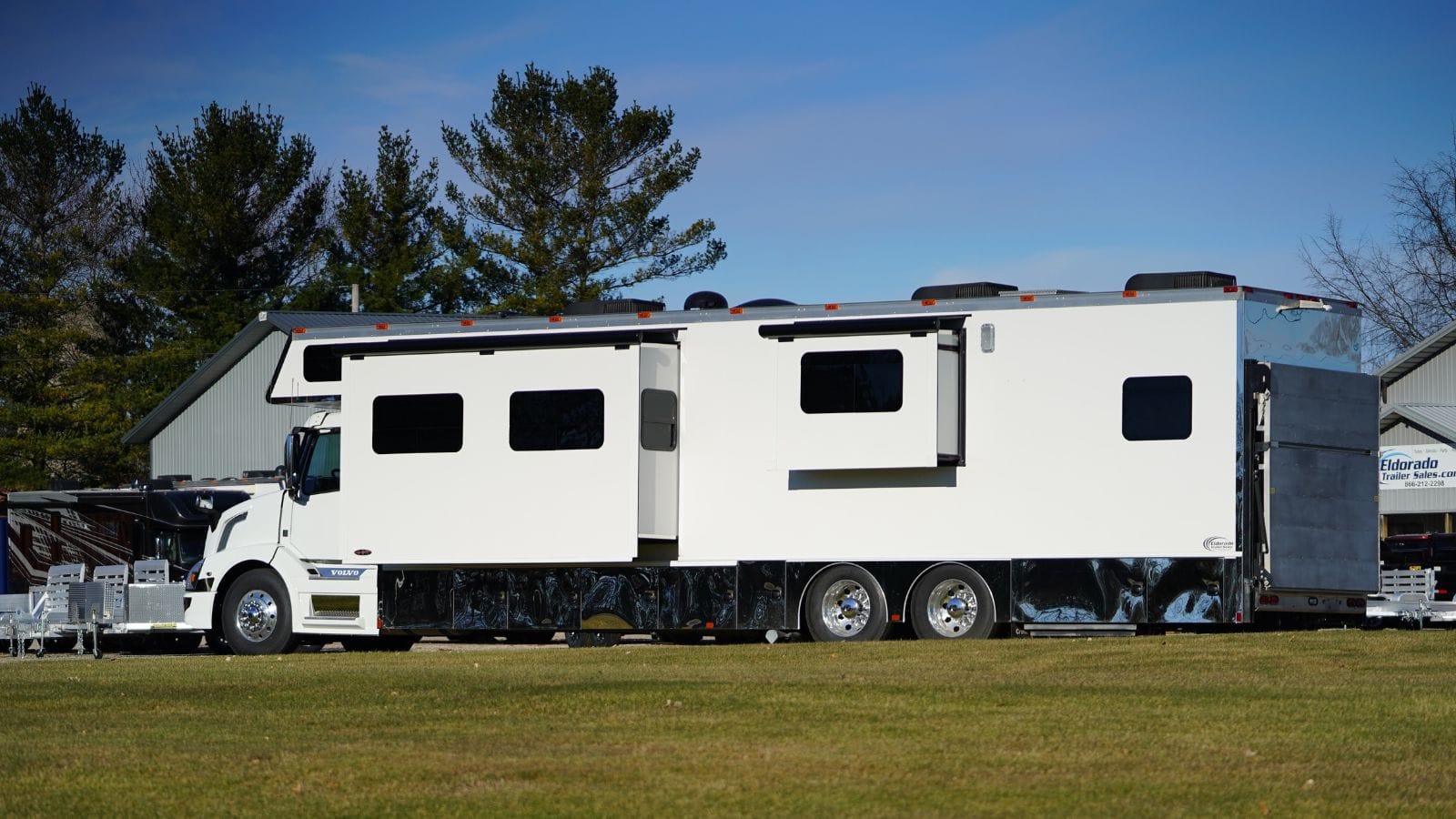
Experienced RV travelers in Canada usually plan bathroom breaks as part of their driving routine. Many recommend stopping every two to three hours, which lines up with fuel stops, meal breaks, or quick stretches to avoid fatigue. This rhythm ensures drivers stay alert and passengers get a chance to use the facilities safely. On long hauls through provinces with fewer rest stops, planning ahead becomes even more important.
Some RVers use apps and travel guides to locate service stations, campgrounds, and roadside rest areas where they can stop comfortably. Others build extra time into their schedule to avoid the temptation of pushing on when nature calls. The consensus among seasoned travelers is clear. Using the bathroom while the RV is moving is not worth the risk or the potential fines.
The Practical Reality
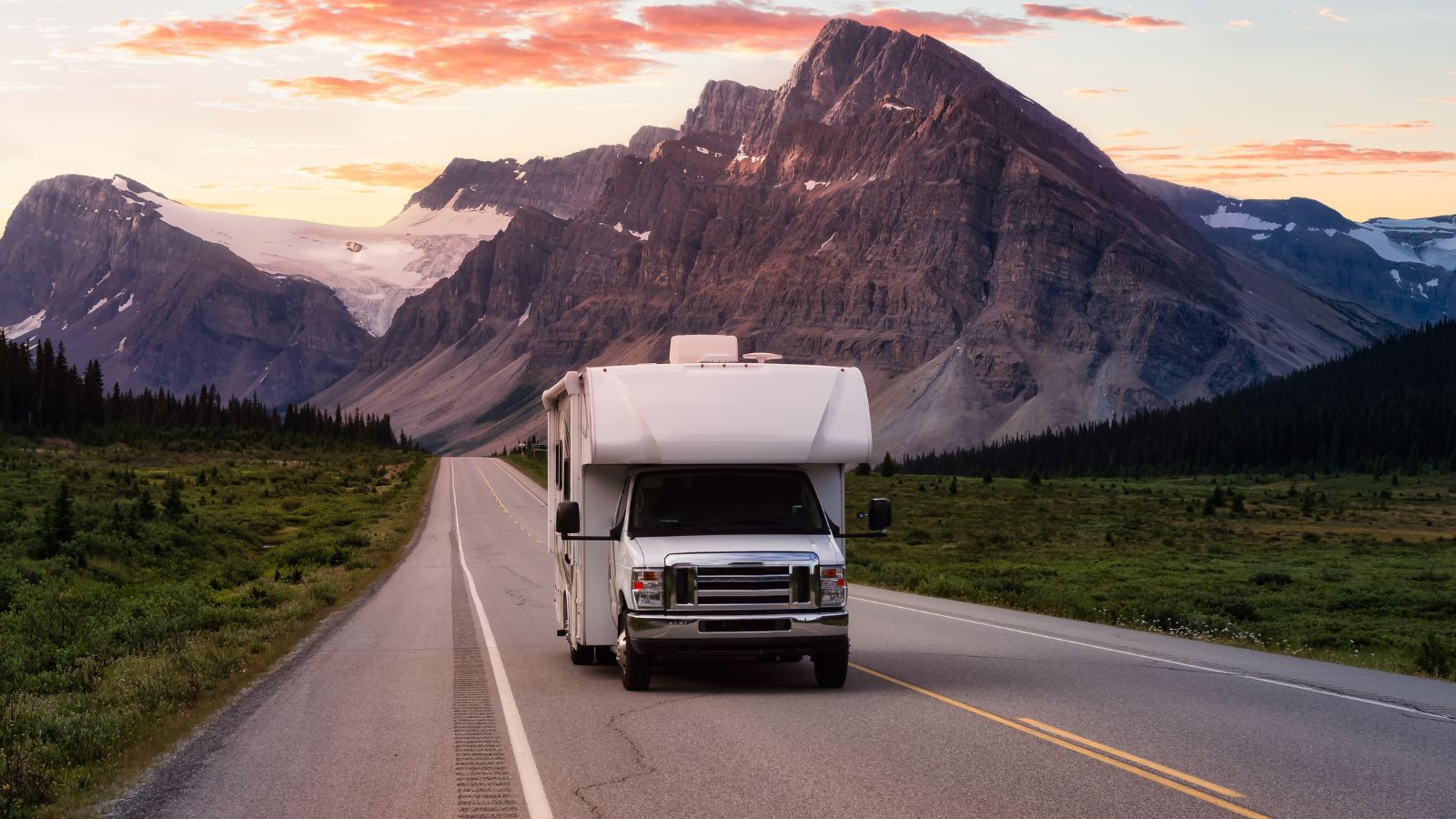
The bathroom is still one of the biggest perks of owning an RV. It allows families to camp in remote areas, avoid long lines at rest stops, and travel with confidence. But its use is best reserved for when the vehicle is parked. In motion, it becomes just another unsecured space in a moving vehicle. Treating it as such keeps everyone safe and keeps drivers compliant with Canadian laws.
The Canadian RV’ers
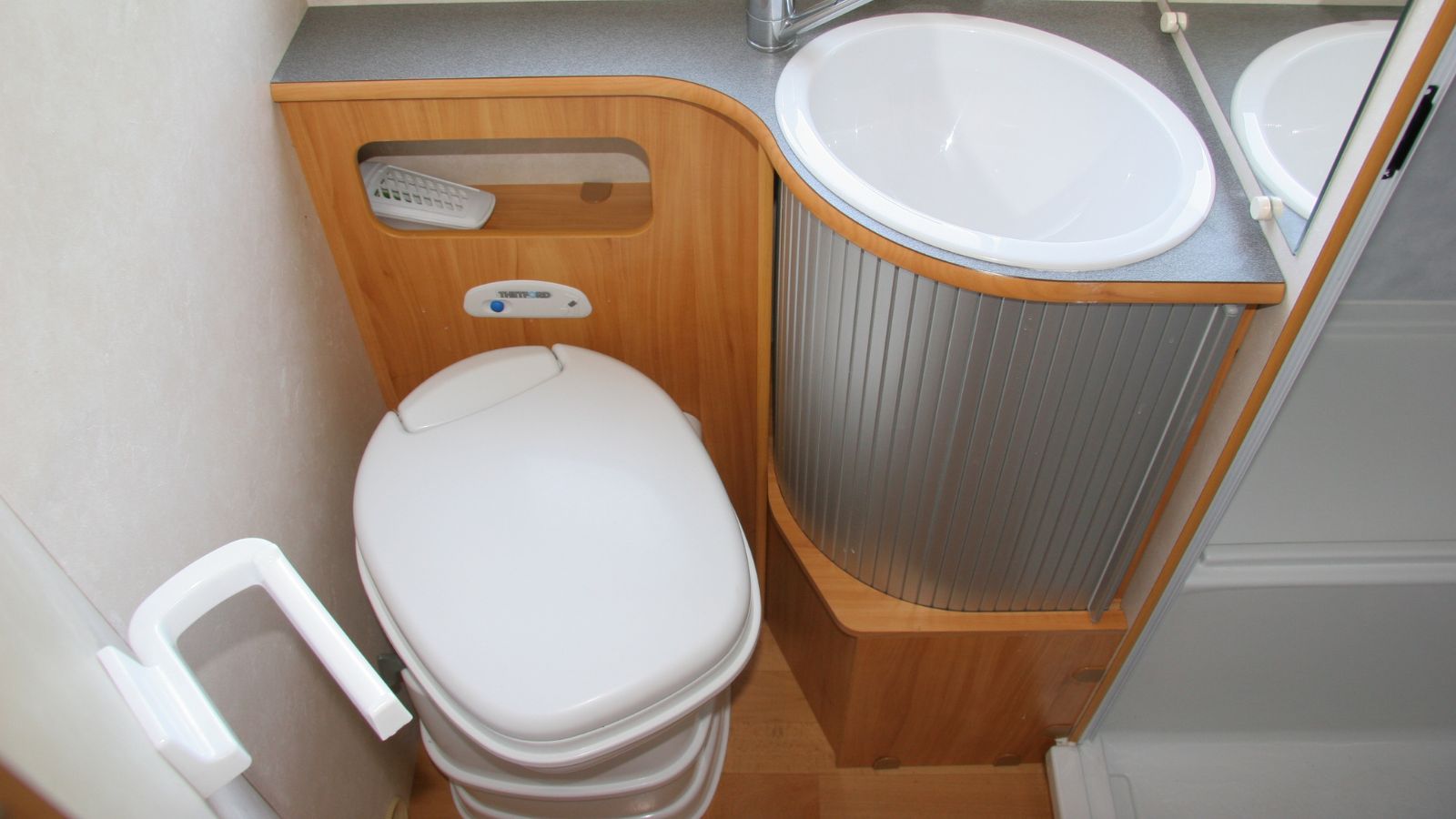
In Canada, using the bathroom while an RV is being driven is not legal because it requires leaving your seat and not wearing a seat belt. The law is clear and the safety risks are real. While it might seem inconvenient during long drives, it is far safer to plan ahead and make regular stops. The bathroom in an RV is one of its greatest conveniences, but it is meant to be used when parked, not rolling down the Trans Canada Highway.
25 Facts About Car Loans That Most Drivers Don’t Realize

Car loans are one of the most common ways people fund car purchases. Like any other kind of loan, car loans can have certain features that can be regarded as an advantage or a disadvantage to the borrower. Understanding all essential facts about car loans and how they work to ensure that you get the best deal for your financial situation is essential. Here are 25 shocking facts about car loans that most drivers don’t realize:
25 Facts About Car Loans That Most Drivers Don’t Realize
