
A bad engine can ruin an otherwise decent car. Sometimes it is flawed design, sometimes rushed engineering, sometimes cost cutting taken too far. In every case, the vehicle bolted around it ends up taking the blame. These ten engines earned reputations so damaging that they permanently scarred the cars unlucky enough to carry them.
Chevrolet Vega
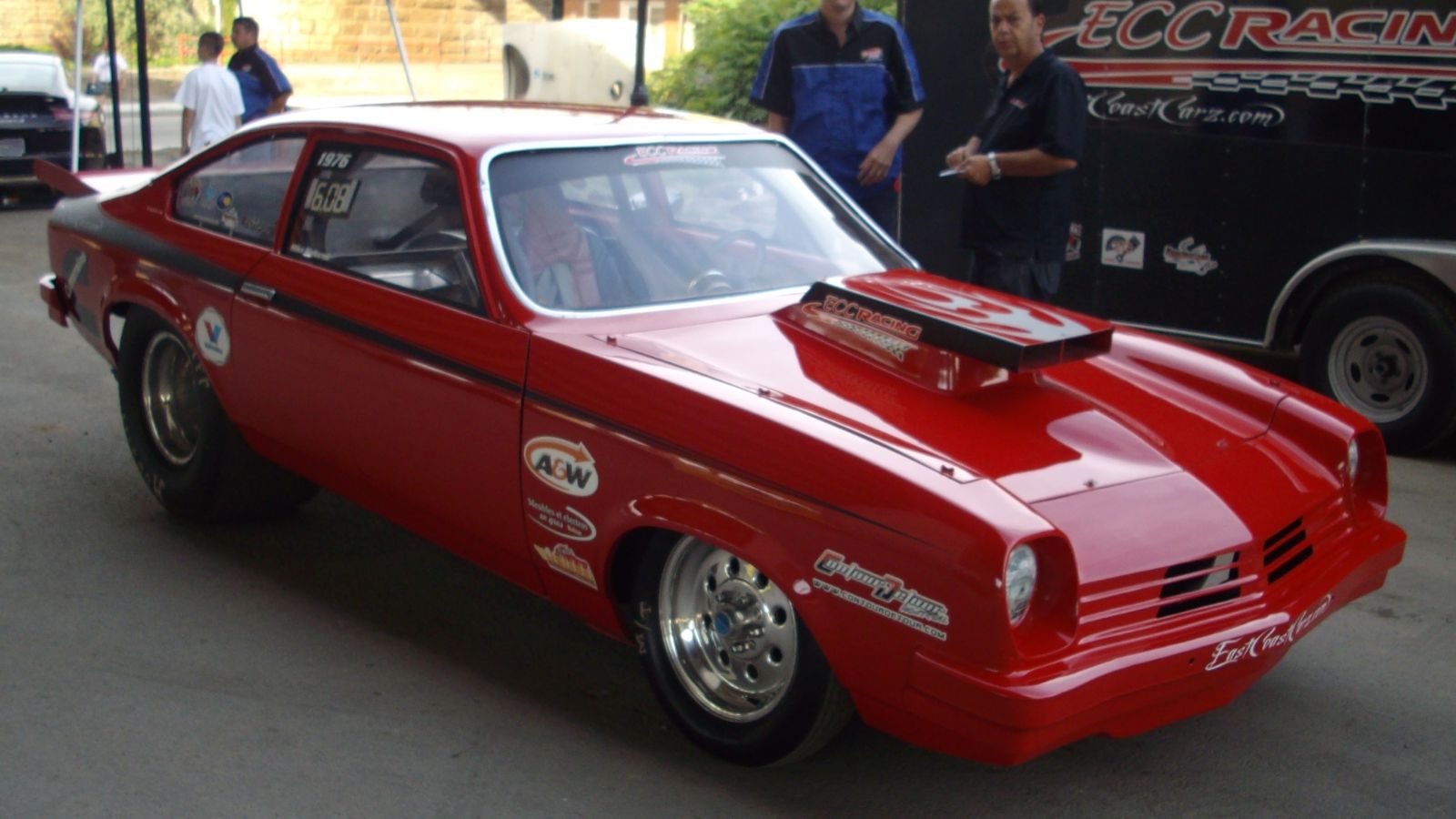
The aluminum 2.3-litre four cylinder in the Vega became infamous for overheating, warped blocks and oil consumption. Poor cooling design and fragile materials meant engines often failed early, even with careful owners. The Vega itself was stylish and promising, but the engine destroyed any chance it had of long term credibility.
Oldsmobile Cutlass Supreme Diesel
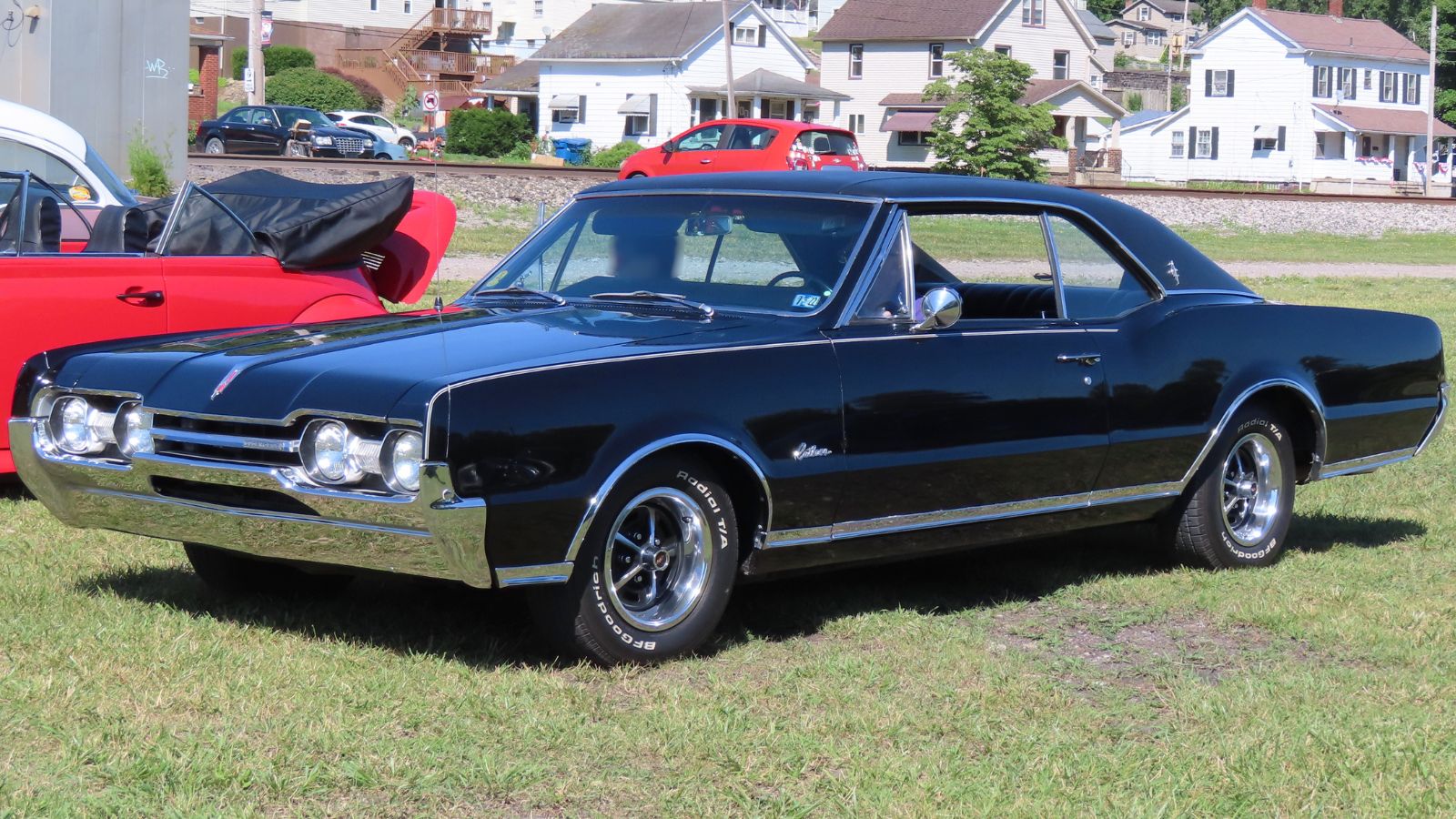
GM’s 5.7-litre diesel V8 was rushed to market without proper strengthening. Head bolts stretched, blocks cracked and fuel systems failed constantly. Owners expected diesel longevity and instead got catastrophic breakdowns. This engine single-handedly poisoned North American trust in diesel cars for decades.
Ford Pinto
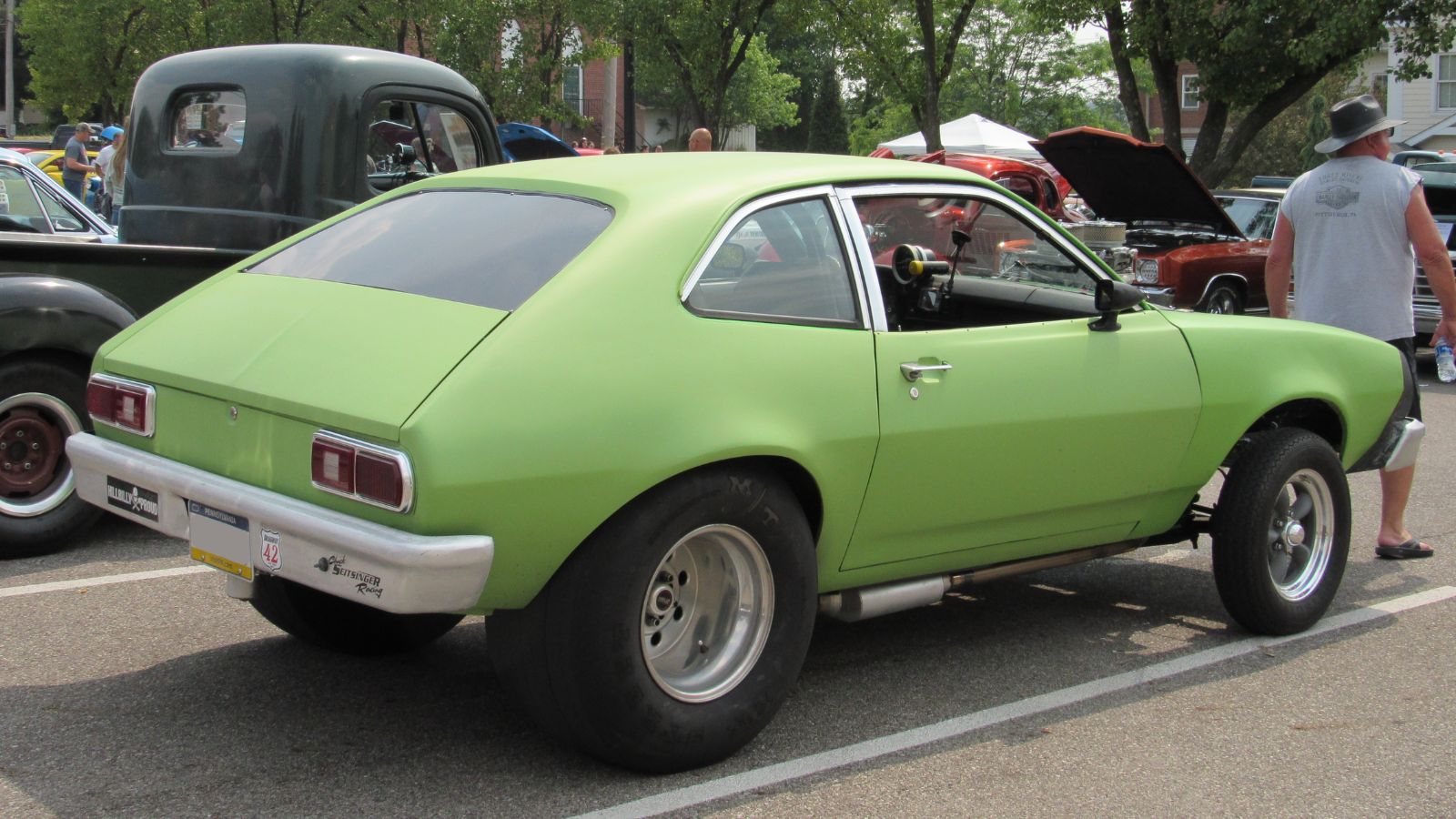
The Pinto’s 2.3-litre four cylinder was underpowered and coarse, but its real problem was durability. Cooling issues and poor quality control plagued early engines. While safety scandals defined the Pinto’s legacy, the engine itself offered little redemption and reinforced the car’s negative reputation.
Cadillac Cimarron
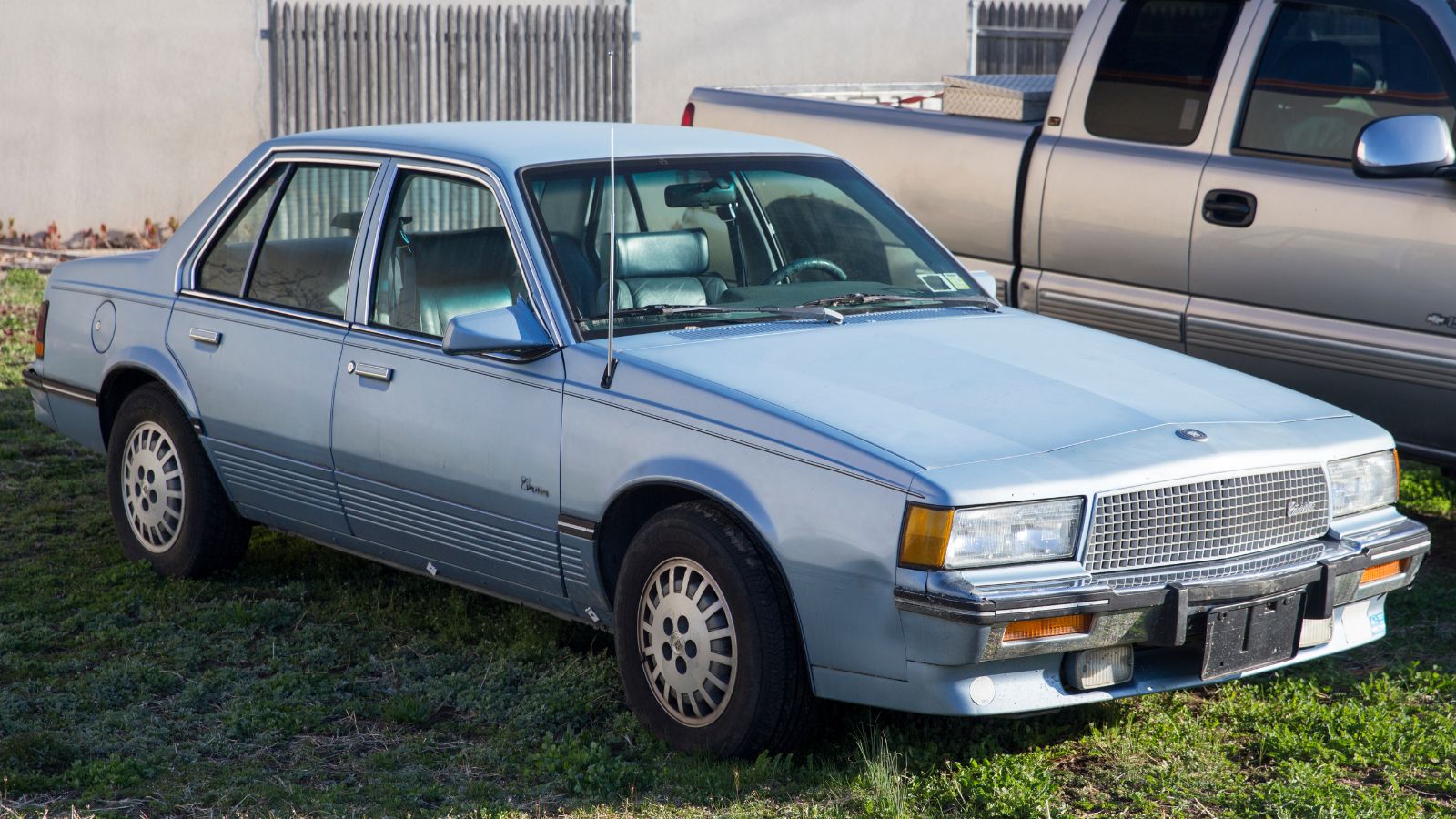
The Cimarron’s underwhelming four cylinder engine was never worthy of a Cadillac badge. It lacked power, refinement and reliability. Buyers expecting luxury performance were left disappointed, and the engine became a symbol of everything wrong with badge engineering in the 1980s.
Jaguar X-Type
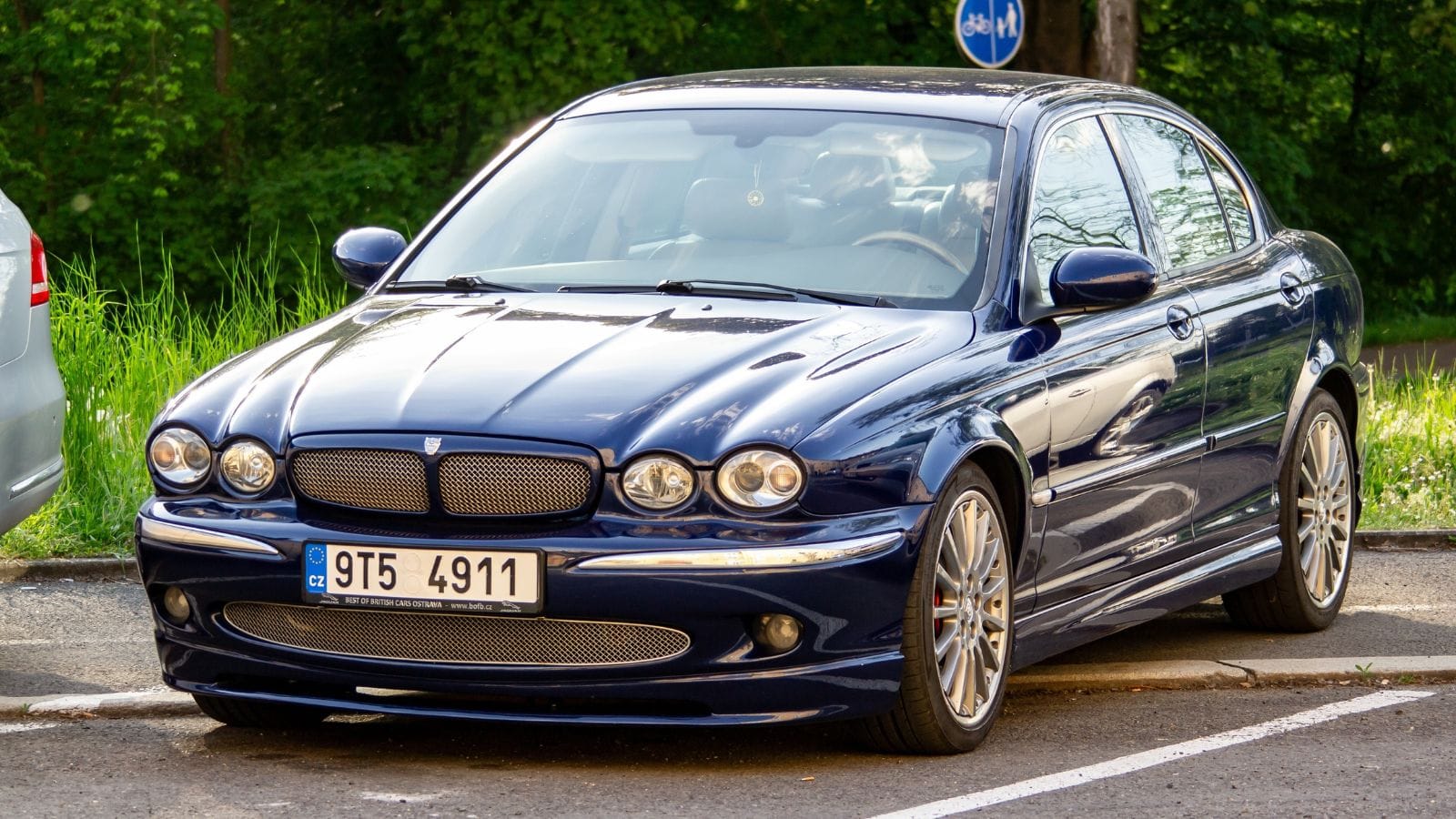
Jaguar’s early 2.5-litre and 3.0-litre V6 engines suffered from timing chain tensioner failures and cooling problems. While the chassis was competent, engine reliability issues eroded buyer confidence. For a brand built on refinement, repeated engine failures were devastating.
Volkswagen Passat
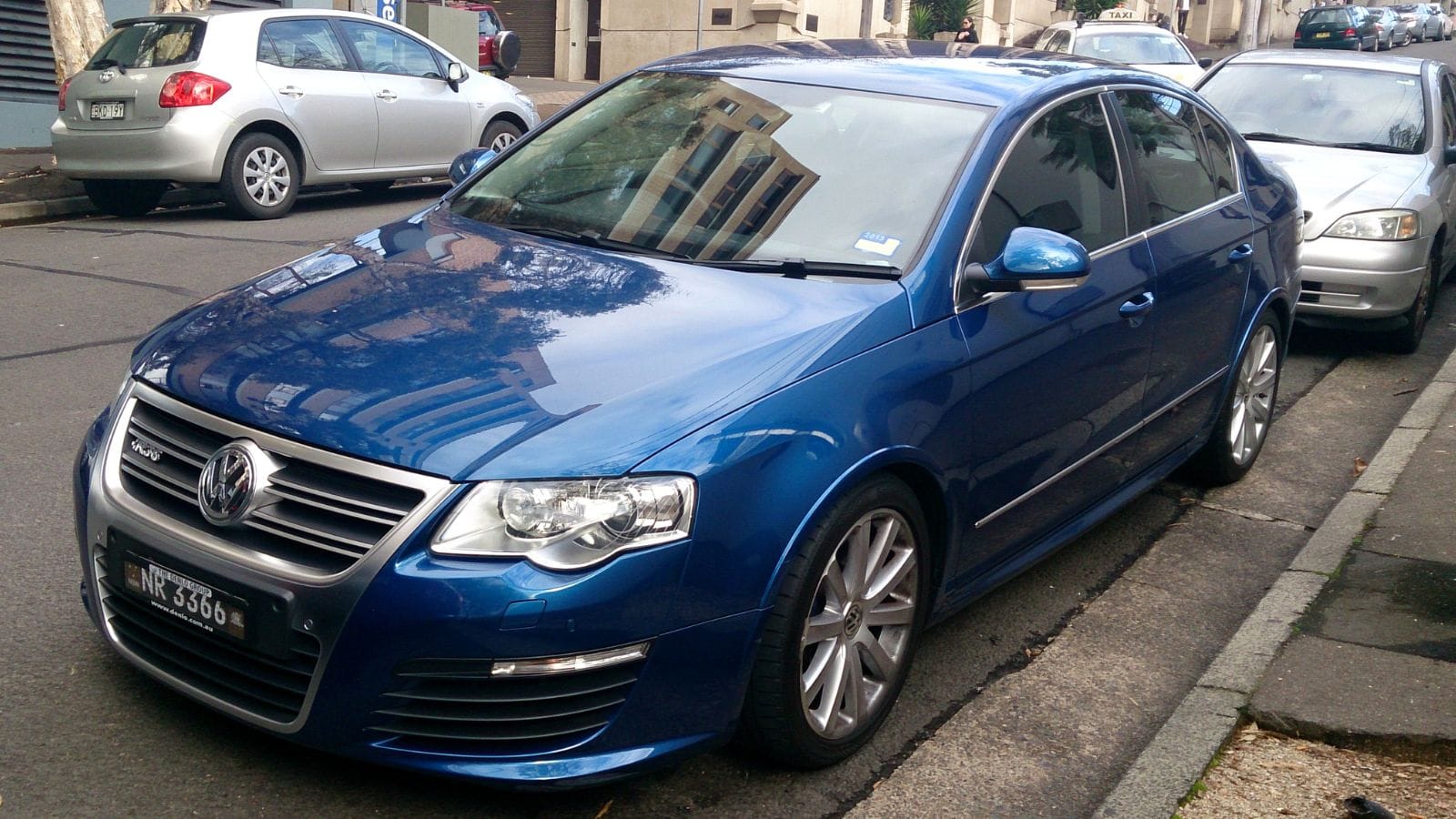
Volkswagen’s early 2000s 1.8T turbo four delivered good performance but came with sludge issues caused by oiling design flaws. Engines failed quietly and expensively. Owners who followed standard service intervals still found themselves facing catastrophic repairs.
Subaru Legacy
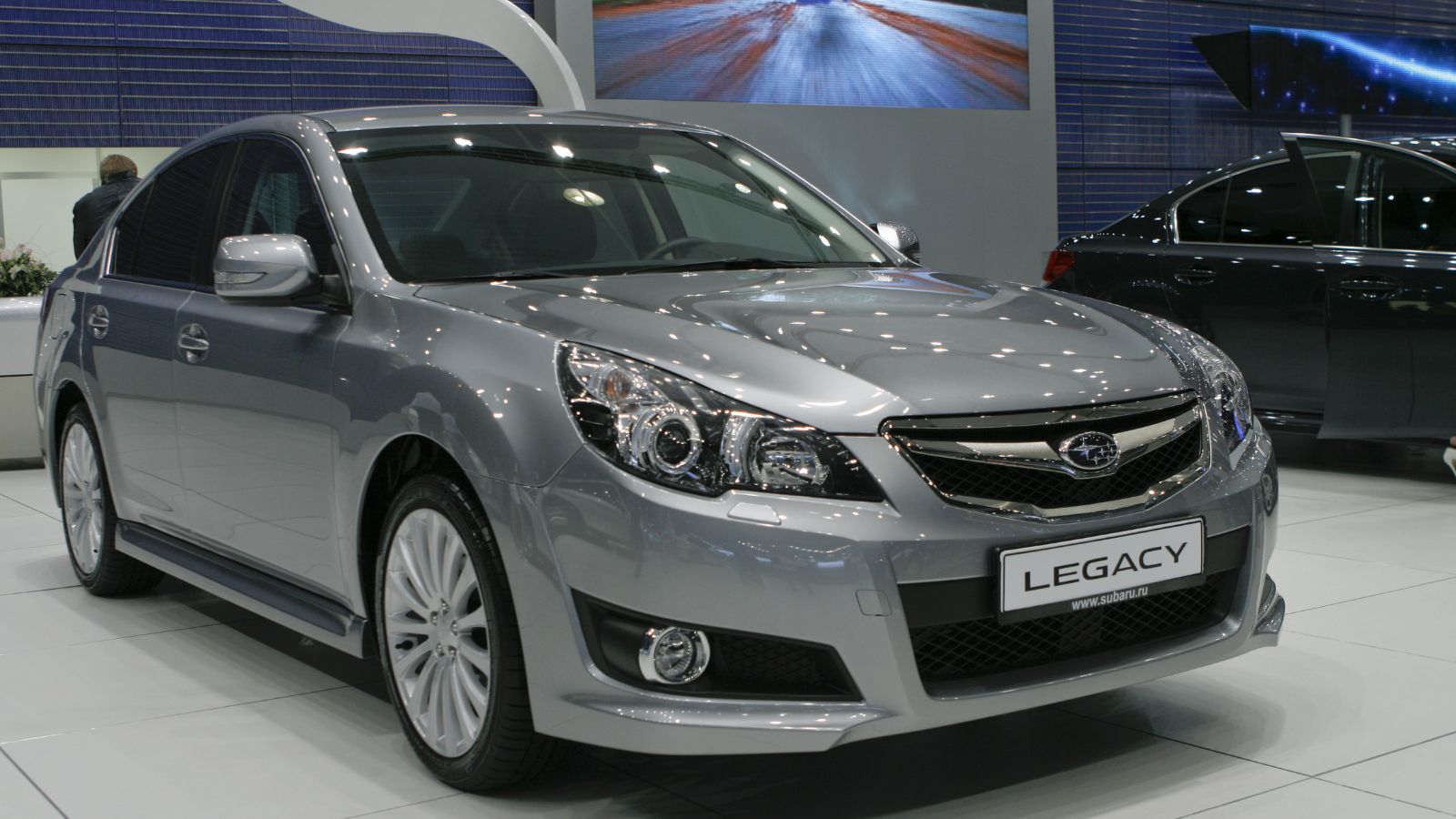
Subaru’s 2.5-litre boxer four from the late 1990s and early 2000s became infamous for head gasket failures. The cars themselves were capable and well liked, but engine repairs were so common that many owners simply gave up. Reliability reputation suffered badly.
Mini Cooper
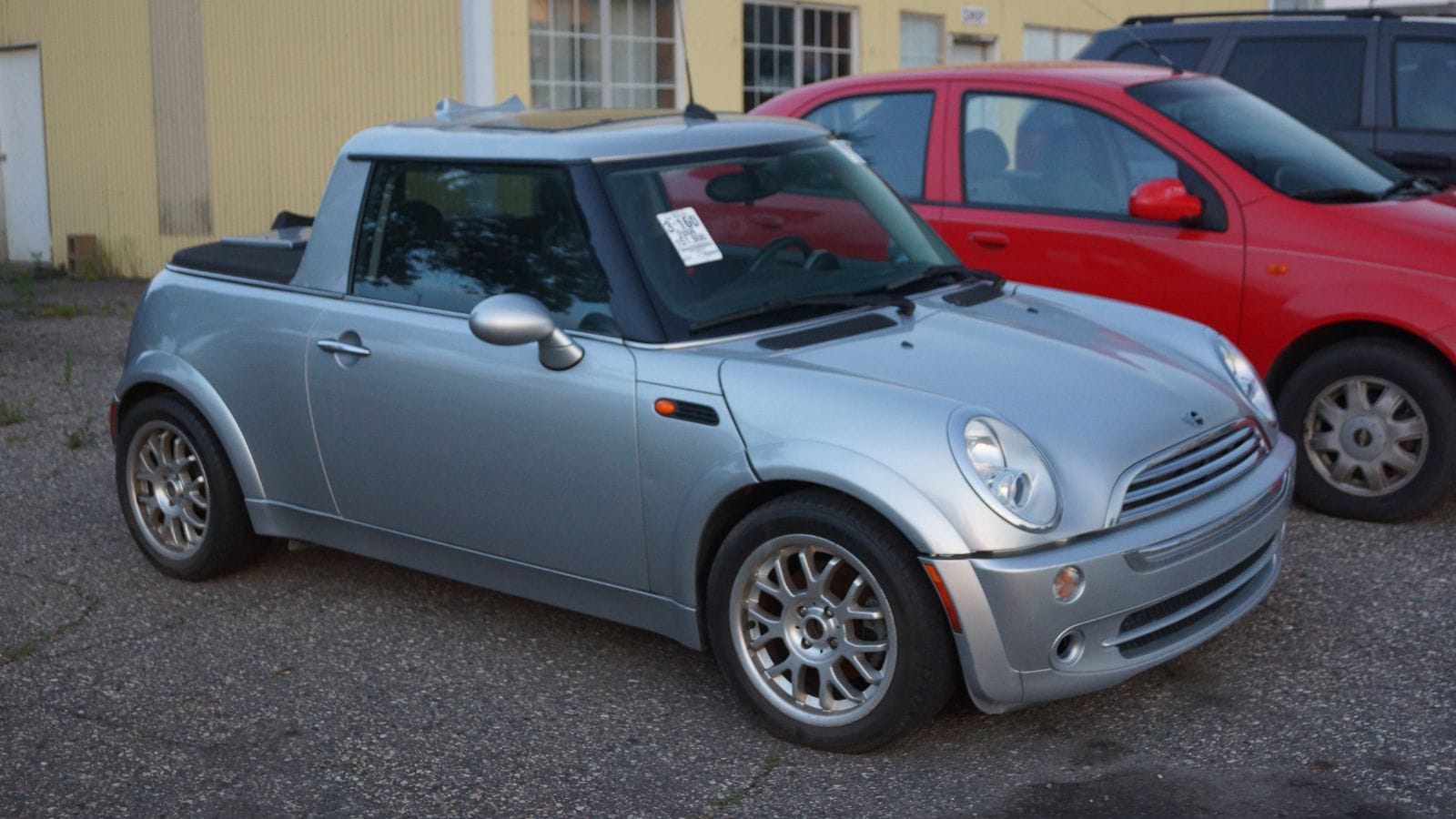
Early turbocharged engines developed with outside partners suffered timing chain failures, oil consumption and cooling issues. The Mini’s sharp handling and style were overshadowed by repair bills. Many owners loved driving them and hated owning them.
Chrysler Sebring
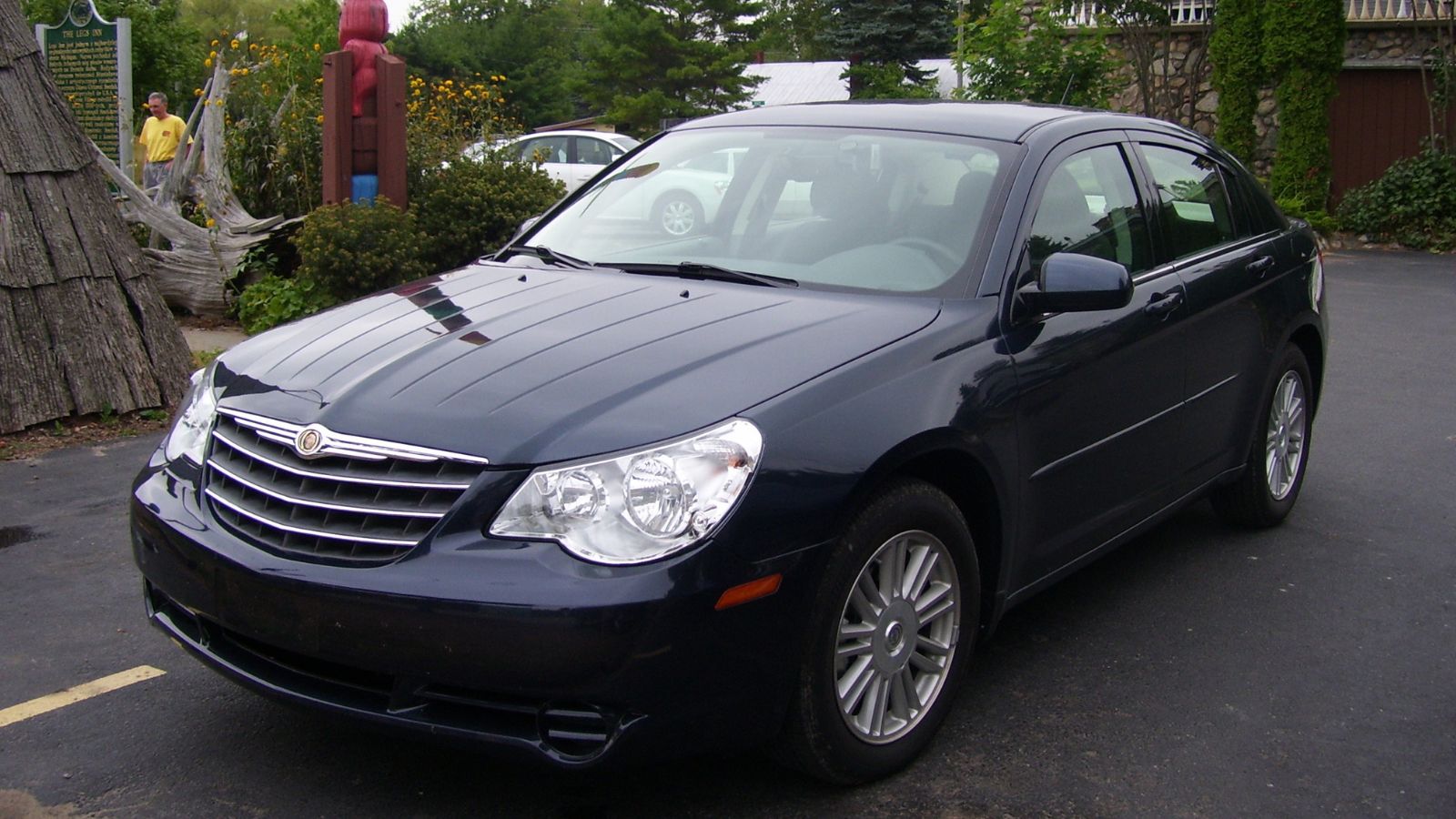
The Sebring’s V6 engines were rough, inefficient and prone to internal failures. Combined with weak transmissions, they turned the Sebring into a reliability nightmare. The engine offered neither performance nor longevity, leaving the car with no redeeming mechanical qualities.
Saturn Ion
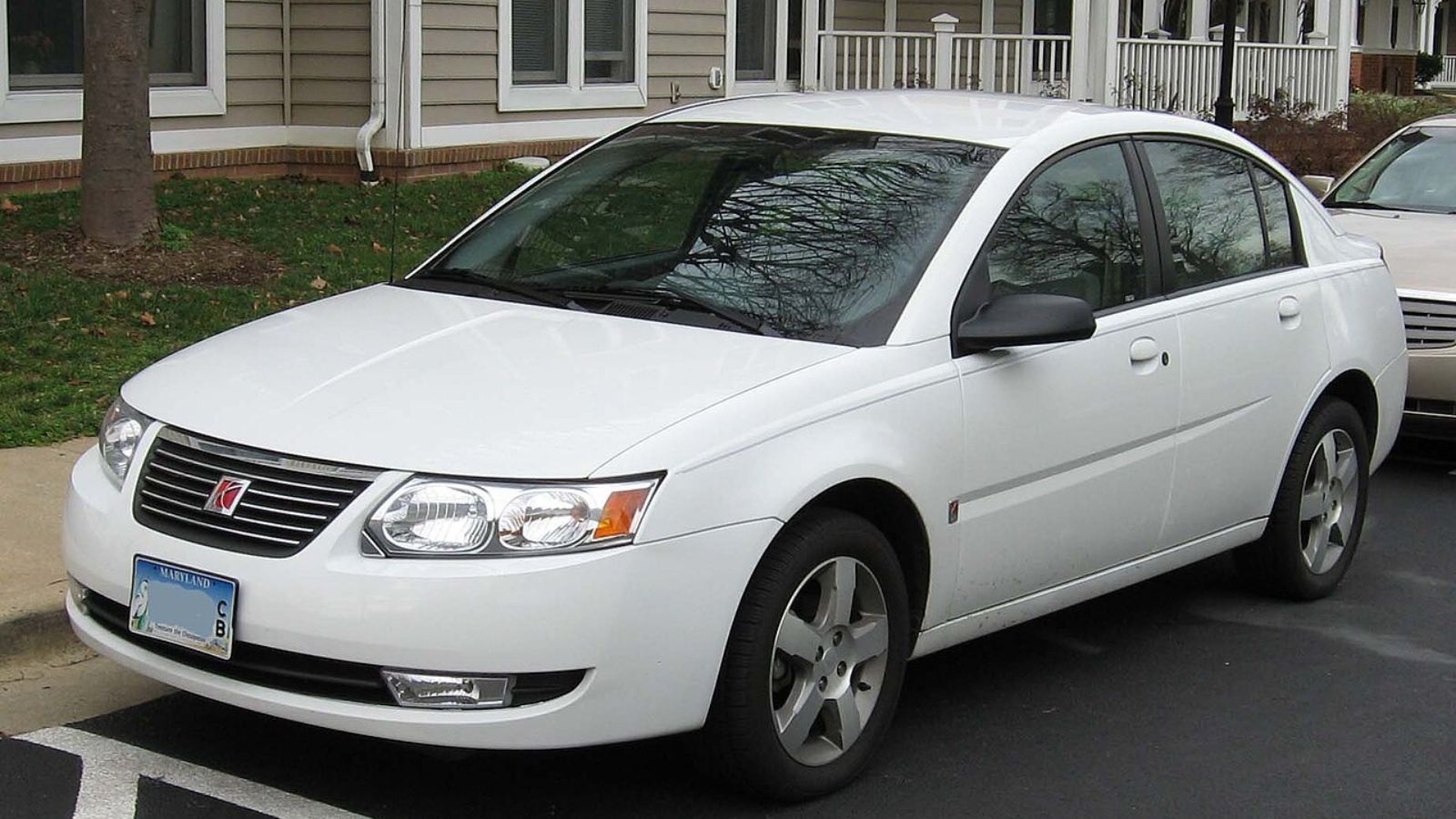
The Ecotec engine itself was not inherently terrible, but early implementations suffered ignition failures, timing issues and quality problems. Owners experienced sudden stalling and repeated breakdowns. The Ion’s reputation never recovered, and the engine problems accelerated Saturn’s decline.
25 Facts About Car Loans That Most Drivers Don’t Realize

Car loans are one of the most common ways people fund car purchases. Like any other kind of loan, car loans can have certain features that can be regarded as an advantage or a disadvantage to the borrower. Understanding all essential facts about car loans and how they work to ensure that you get the best deal for your financial situation is essential. Here are 25 shocking facts about car loans that most drivers don’t realize:
25 Facts About Car Loans That Most Drivers Don’t Realize
