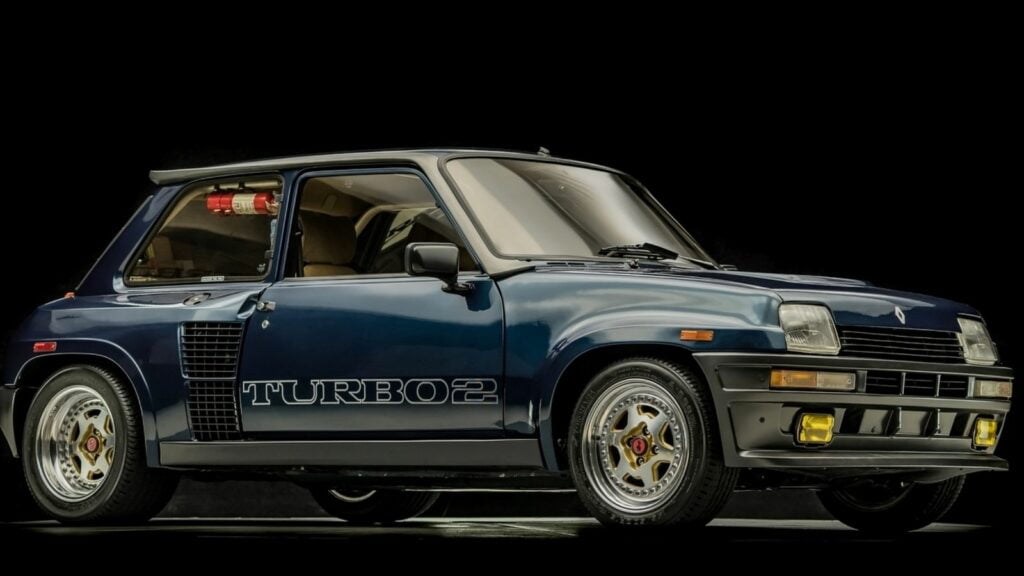
Canada gets a wide mix of vehicles from Japan, Europe, Korea and the United States, but the global car world is far bigger than what shows up in local showrooms. Many major manufacturers enjoy massive popularity overseas yet remain completely absent from Canada because of regulations, market size, brand strategy or simple economics. These ten automakers are household names abroad but rarely, if ever, seen on Canadian roads.
Peugeot A French Giant That Stepped Away From North America
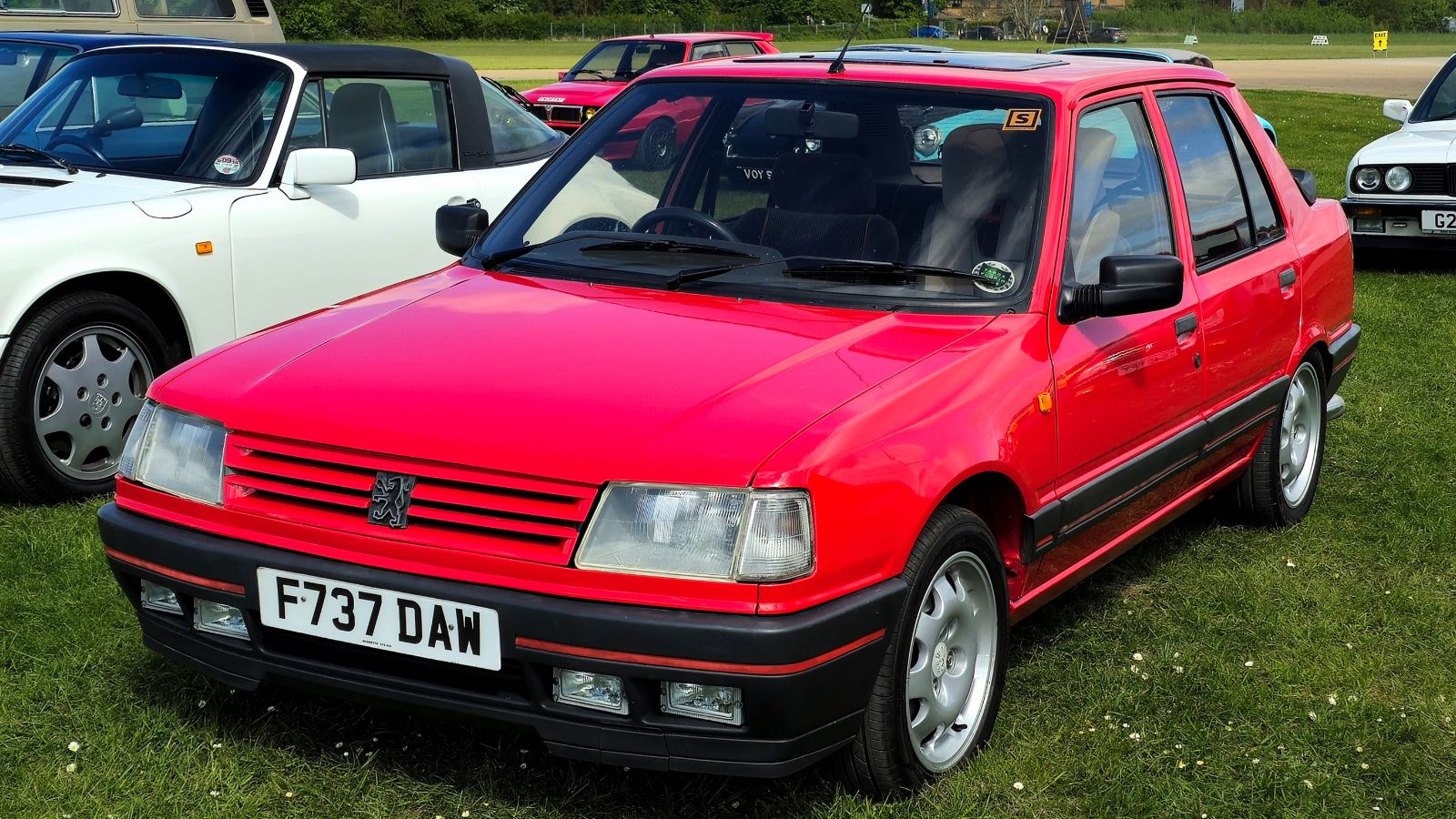
Peugeot is one of Europe’s most recognizable brands and a dominant force in France. Its small hatchbacks, stylish crossovers and diesel experts built decades of loyalty overseas. Yet Peugeot left North America decades ago after struggling with reliability concerns and tough emissions rules. Although modern Peugeots are far better engineered, the brand has never returned. Canadians who travel abroad often wonder why these sleek French cars never made a comeback.
Citroën The Quirky French Innovator Missing From Canada
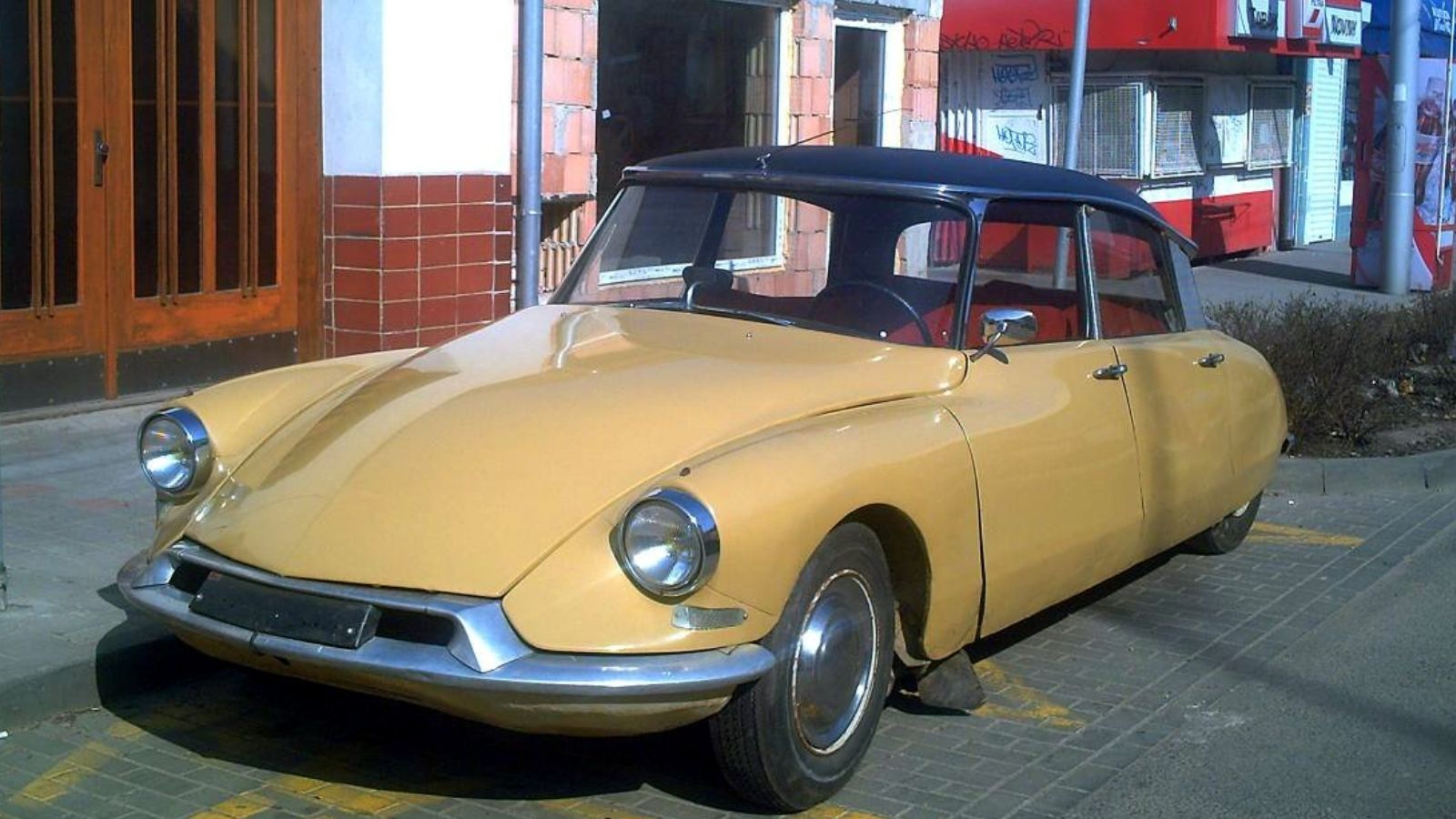
Citroën is famous for unconventional styling and bold engineering choices. Cars like the classic DS and the modern C4 Cactus showcase the brand’s creative streak. But Citroën’s suspension tech and niche appeal did not translate well to North American tastes. The company chose to focus on markets where small, quirky cars dominate. As a result, Canadians never get to experience the brand’s playful, comfort focused personality.
Renault A Global Powerhouse With No Canadian Presence
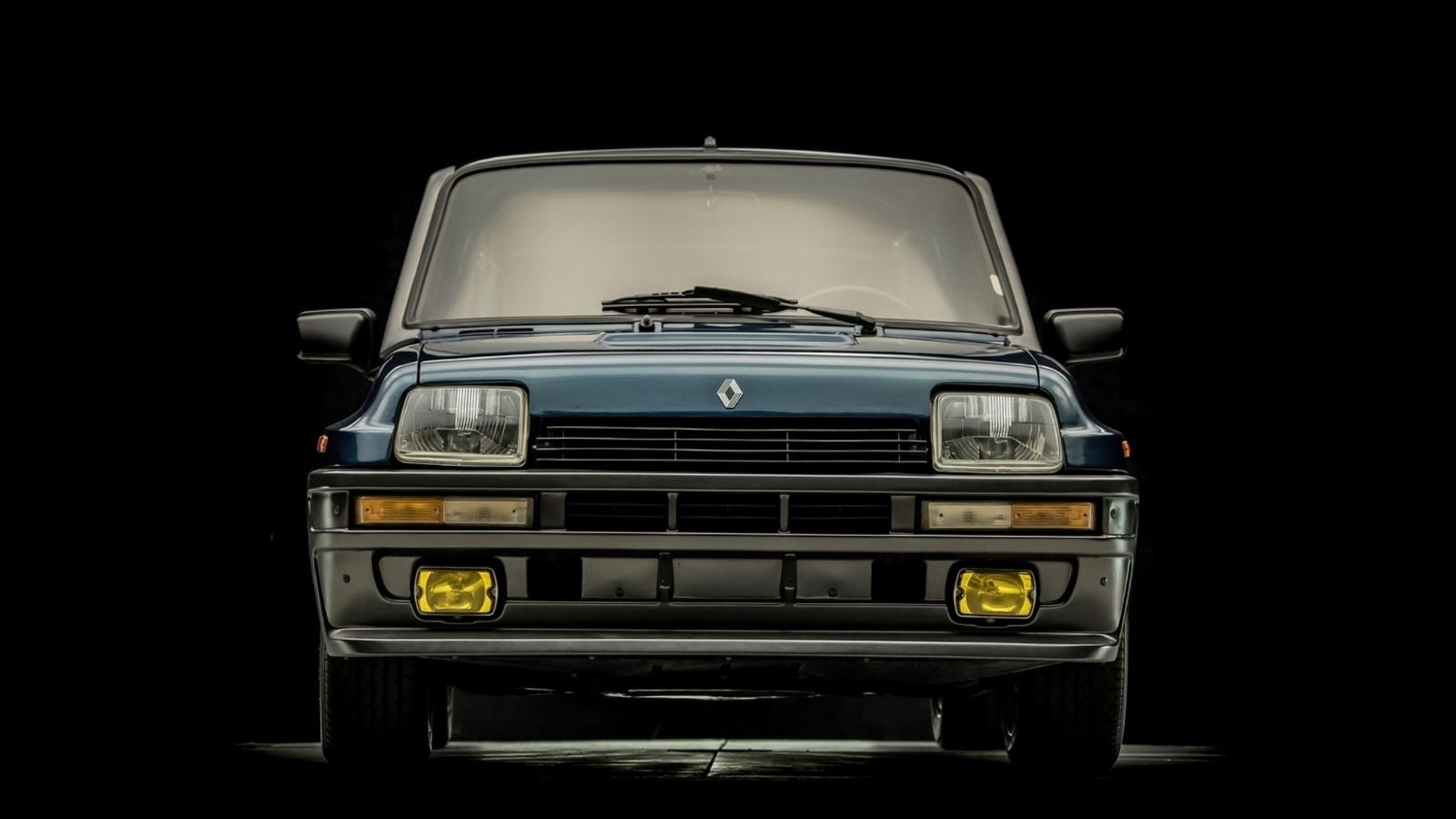
Renault builds everything from city cars to Formula One engines, yet it has no dealership network in Canada. Strong sales across Europe, South America and Africa make it one of the world’s biggest automakers. But regulatory hurdles and past failures in North America convinced Renault to stay away. Canadians might know the badge from racing or European rentals, but not from their neighbourhood streets.
SEAT Spain’s Sporty, Youthful Brand That Stays in Europe
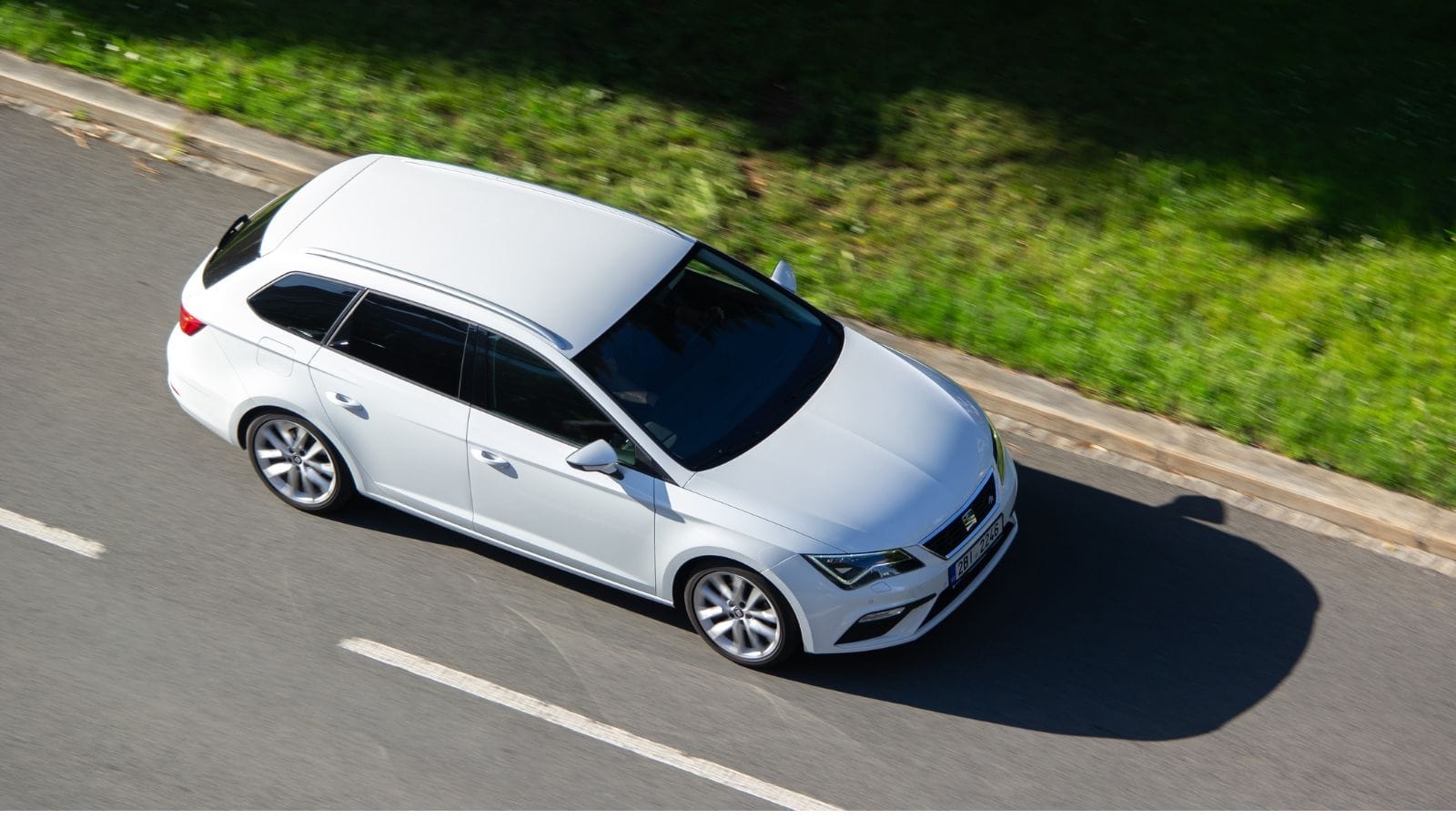
SEAT is part of the Volkswagen Group and offers fun, sporty versions of VW platforms at attractive prices. Models like the Leon and Ibiza are favourites among younger drivers in Europe. Despite their German engineering roots, SEAT vehicles have never been sold in Canada. Volkswagen prefers to maintain clear separation between its brands in North America, leaving SEAT firmly on the other side of the Atlantic.
Škoda A Czech Brand With Serious Value
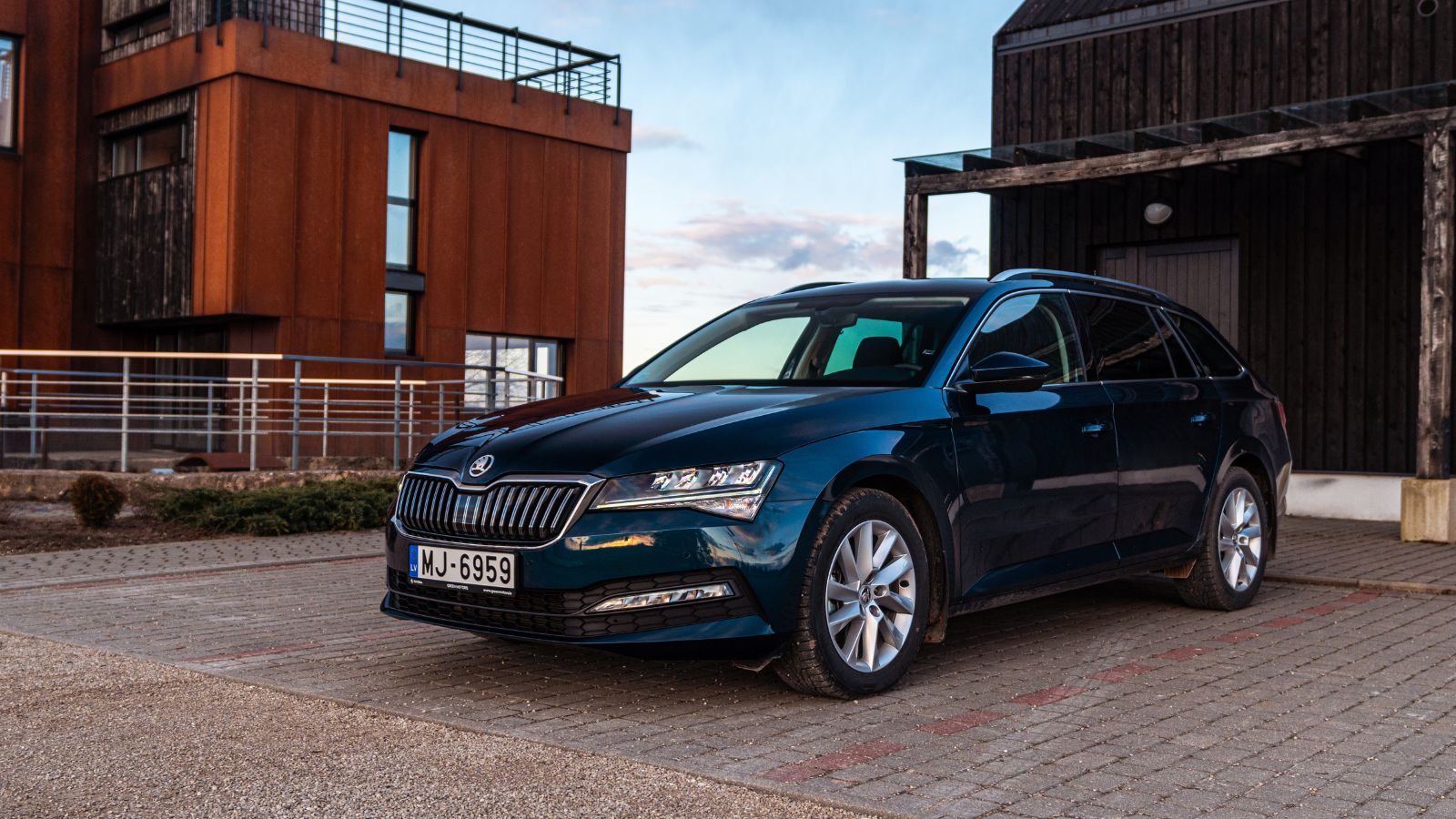
Škoda transitioned from a bargain brand into one of Europe’s smartest buys. Owned by Volkswagen, its models mix VW engineering with practical design and excellent pricing. Cars like the Octavia and Superb constantly win comparison tests overseas. But Škoda never entered the Canadian market because VW already sells its core products through other brands here. Canadians miss out on a lineup known for durability and surprising refinement.
Dacia Europe’s Budget King
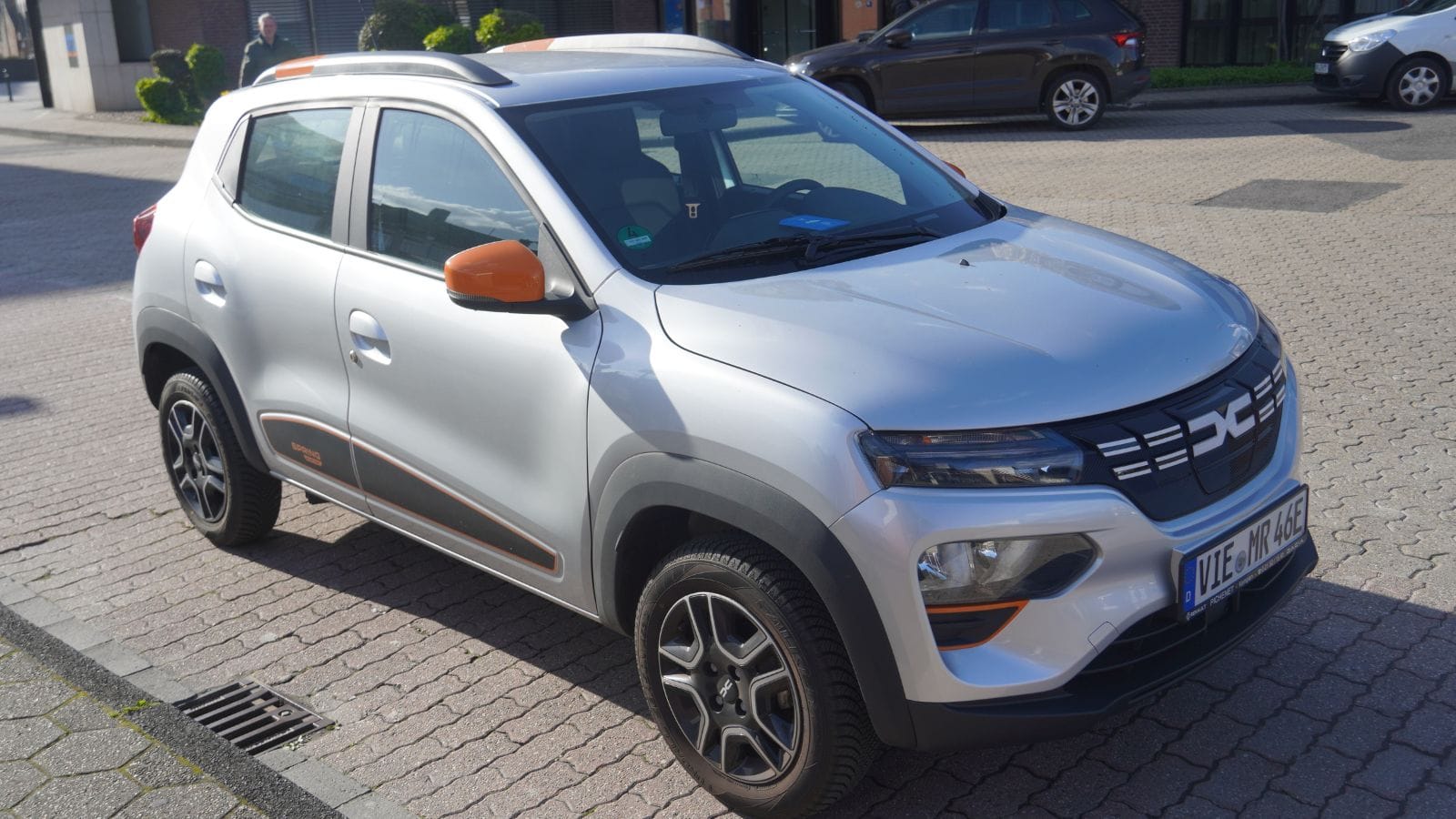
Dacia, part of the Renault Group, sells rugged, cheap and simple vehicles that thrive in tough conditions. The Duster SUV and Sandero hatchback are massive hits in Europe thanks to low ownership costs. But Canada’s strict safety and emissions rules make it difficult for ultra budget brands to compete. Dacia thrives on affordability, and bringing its lineup to Canada would raise prices enough to defeat its entire identity.
Tata Motors India’s Automotive Giant
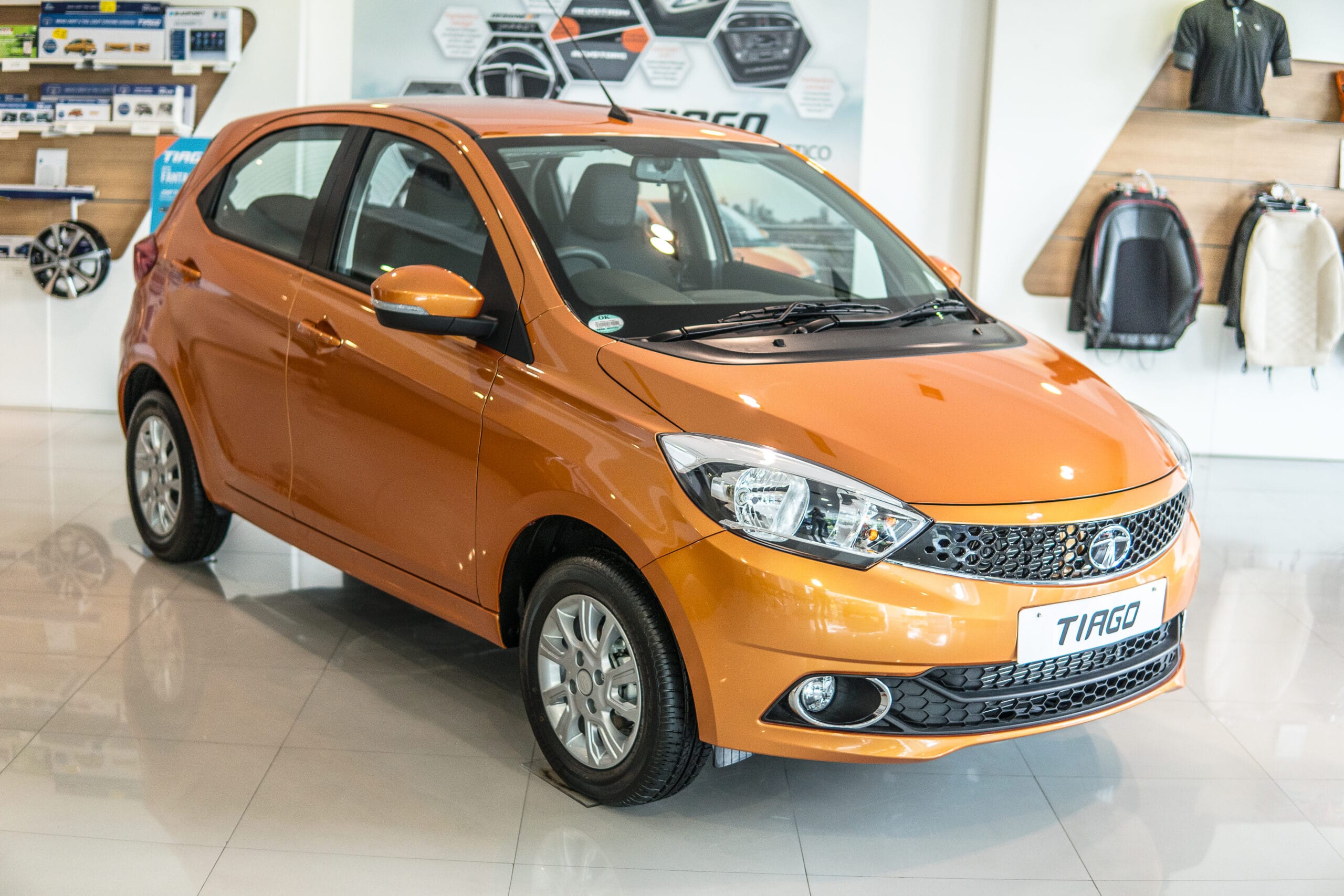
Tata Motors owns Jaguar Land Rover and sells millions of vehicles across India and Southeast Asia. Its domestic products include compact cars, electric city vehicles and rugged workhorses built for challenging conditions. These models are not engineered for Canadian regulations or winter standards. Tata focuses on markets where simplicity and cost efficiency matter more than premium features, keeping it far from Canadian showrooms.
Mahindra Rugged and Popular in Asia and Africa
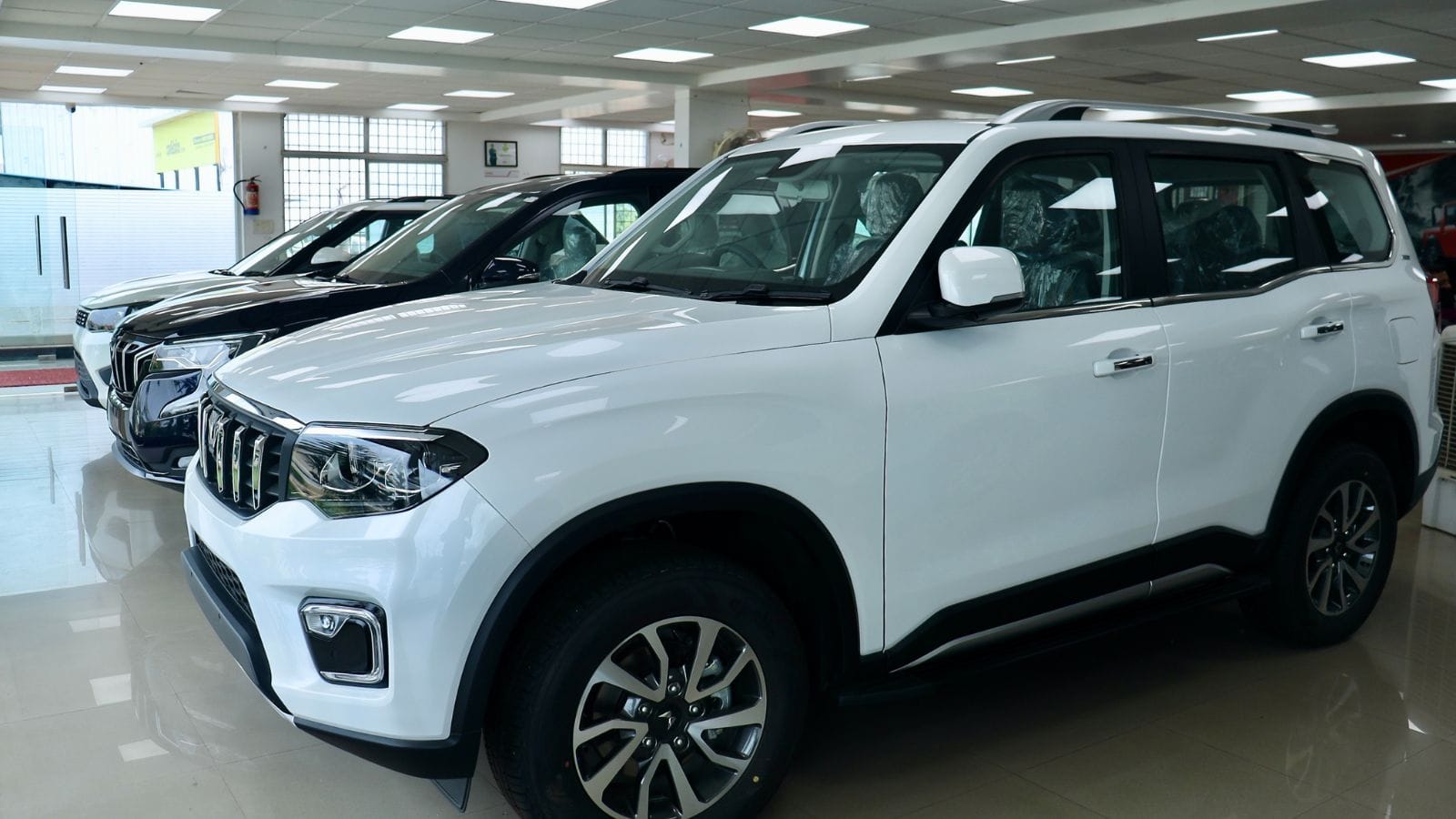
Mahindra builds capable SUVs, trucks and off road machines at prices that dominate developing markets. Though the brand once attempted to enter the U.S. with compact diesel trucks, it never materialized because of regulatory problems. Mahindra’s focus remains on regions with fewer compliance hurdles, which keeps it away from Canada despite strong global popularity.
Great Wall Motors China’s Fast Growing Exporter
Great Wall builds SUVs and pickups that have earned strong followings in Asia, Australia, South America and parts of Europe. The company offers solid value, attractive pricing and increasingly competitive engineering. But Canada’s safety and emissions requirements have slowed any attempt at entry. Chinese manufacturers will likely arrive one day, but Great Wall has yet to make the leap.
BYD The Electric Giant Canadians Keep Hearing About

BYD is one of the world’s largest electric vehicle makers, selling millions of EVs globally and rivaling Tesla in key markets. Its affordable electric models dominate China and are expanding quickly across Europe. But despite growing presence worldwide, BYD has not launched personal vehicles in Canada. Regulatory approvals, dealership strategies and political tension all play a role. For now, Canadians watch this rising EV powerhouse from afar.
25 Facts About Car Loans That Most Drivers Don’t Realize

Car loans are one of the most common ways people fund car purchases. Like any other kind of loan, car loans can have certain features that can be regarded as an advantage or a disadvantage to the borrower. Understanding all essential facts about car loans and how they work to ensure that you get the best deal for your financial situation is essential. Here are 25 shocking facts about car loans that most drivers don’t realize:
25 Facts About Car Loans That Most Drivers Don’t Realize
