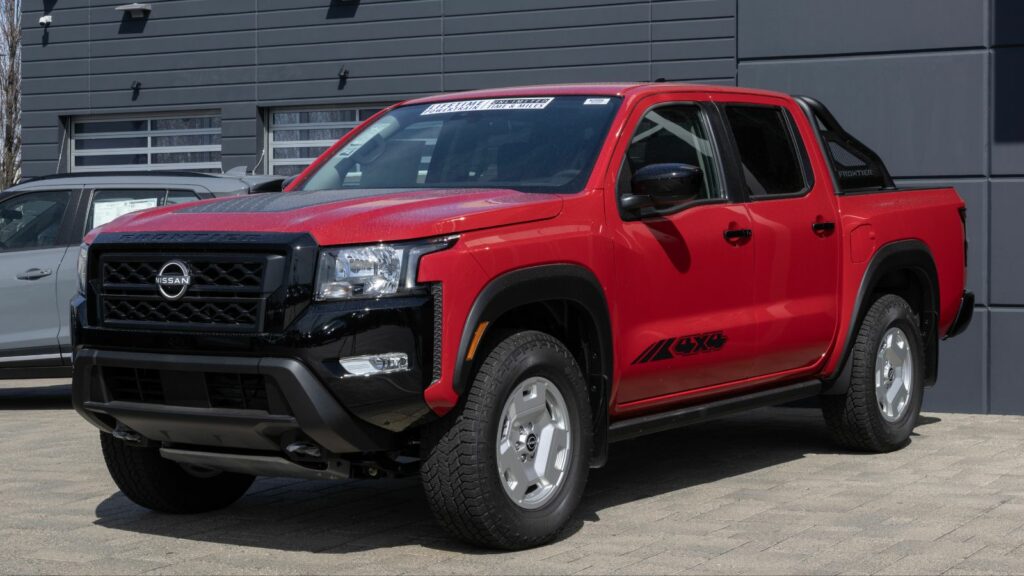
Pickup trucks have grown dramatically over the past two decades, gaining height, width and weight with every redesign. What began as work focused tools are now luxury machines with towering hoods, massive tires and curb weights that rival commercial vehicles. In dense Canadian cities these trucks strain parking infrastructure, block sightlines at intersections and raise serious safety concerns for pedestrians and cyclists. Supporters argue they remain legal private vehicles. Critics counter that city streets were never designed for machines of this scale. These ten trucks sit at the center of that debate.
Ford F 350 Super Duty Pushes Beyond Urban Scale
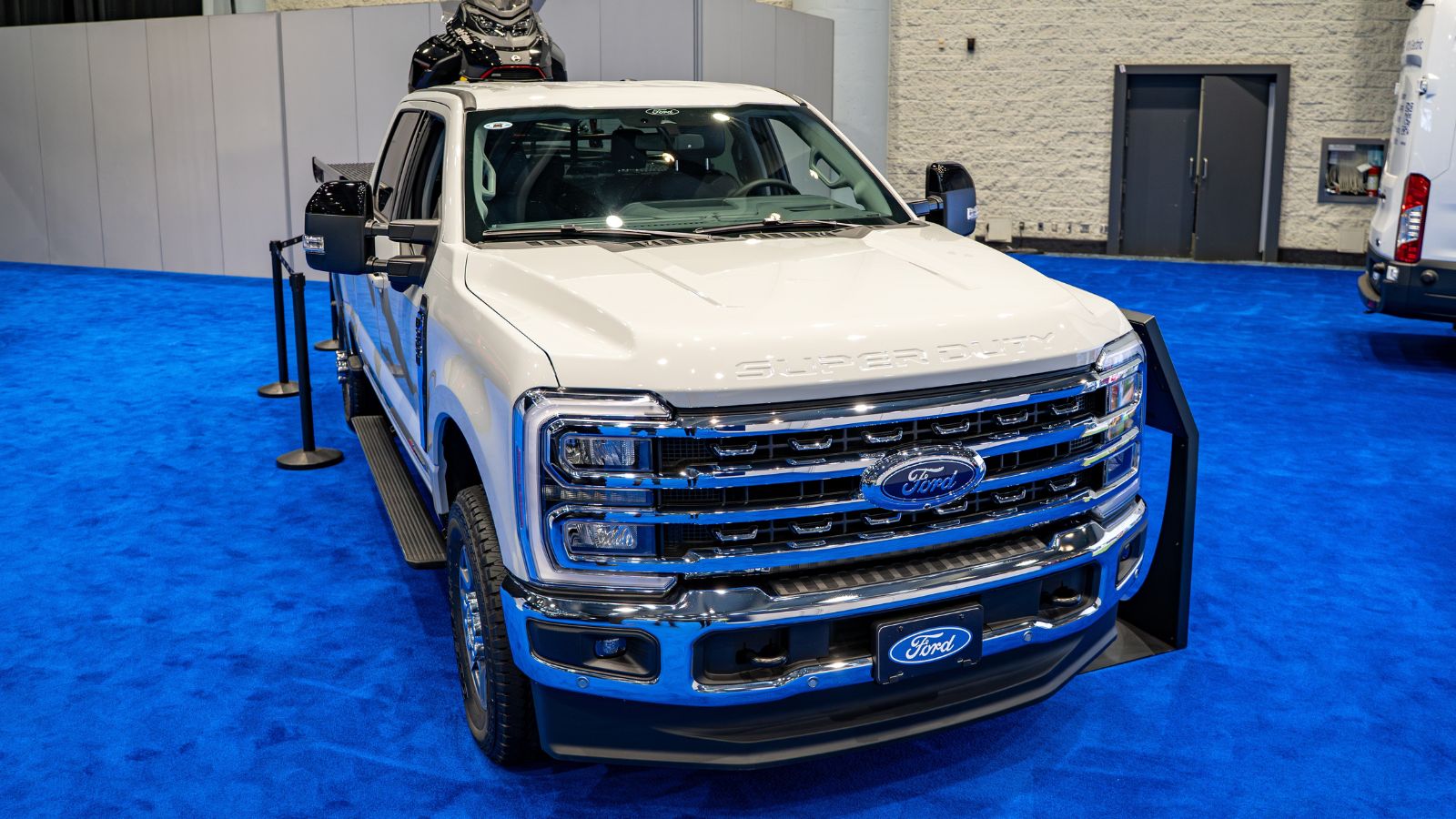
The Ford F 350 Super Duty was engineered for heavy towing, construction sites and long haul work, not downtown commutes. Its sheer height makes front visibility poor in tight traffic and its turning radius overwhelms narrow streets. Parallel parking often becomes impossible without blocking adjacent lanes. In older Canadian neighborhoods the truck dominates curb space and disrupts traffic flow. While extremely capable in the right environment, its size far exceeds what most urban owners ever need.
Ram 3500 Dominates Space Wherever It Goes
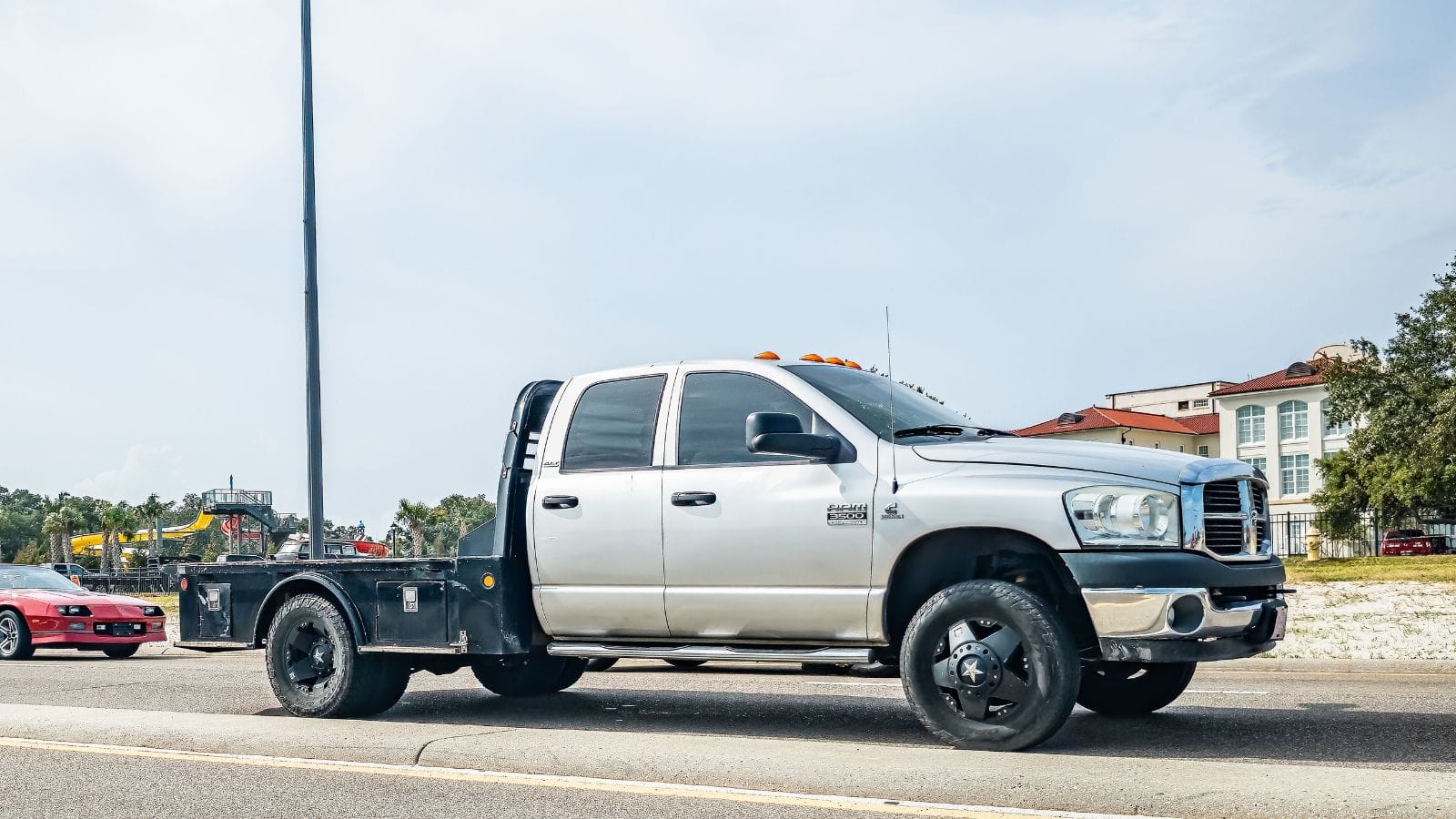
The Ram 3500 delivers enormous torque and payload ratings meant for serious work. In city use those strengths become liabilities. Parking garages frequently bar entry due to height or weight limits and curbside spots become unusable for other drivers. The wide body and long wheelbase crowd bike lanes and reduce maneuverability in tight turns. The truck works perfectly as designed, but city streets are simply not its intended habitat.
Chevrolet Silverado HD Overwhelms Older Street Layouts
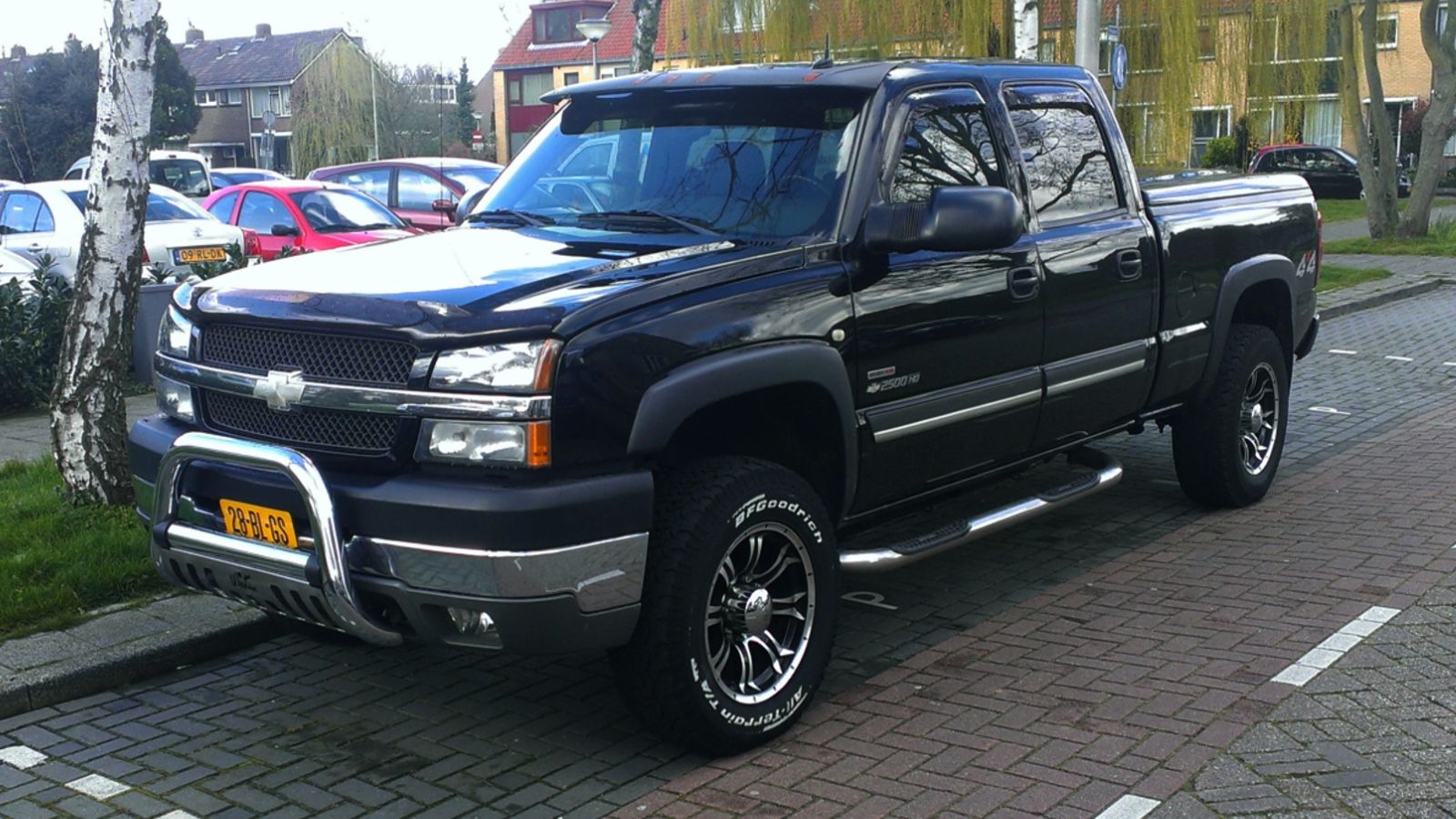
Canadian cities were built long before modern heavy duty pickups existed. The Silverado HD exposes that mismatch immediately. Its length challenges short city blocks and its tall hood reduces visibility of crosswalks and smaller cars. The truck’s weight also places additional stress on aging roads and underground infrastructure. While legal, it highlights how modern truck growth has outpaced urban planning.
GMC Sierra HD Mirrors the Same Urban Problems
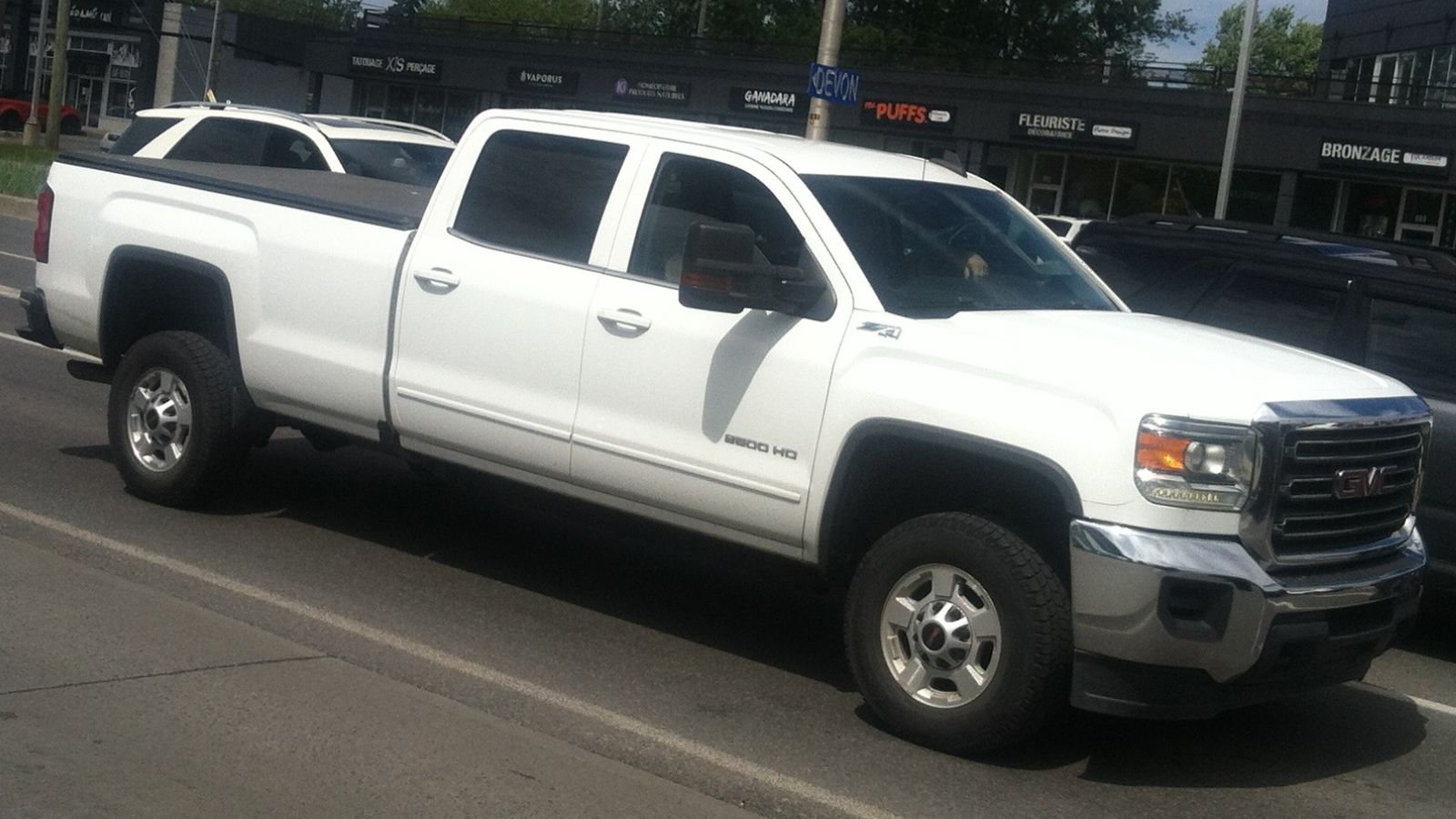
Sharing its platform with the Silverado HD, the Sierra HD brings identical challenges. Its wide mirrors extend deep into adjacent lanes and its high bumper height raises concerns in pedestrian heavy zones. In dense neighborhoods the truck functions more like a commercial vehicle yet faces none of the access restrictions applied to delivery trucks. Critics argue that this imbalance creates unnecessary risk in city cores.
Ford F 450 Turns City Driving Into a Daily Chore
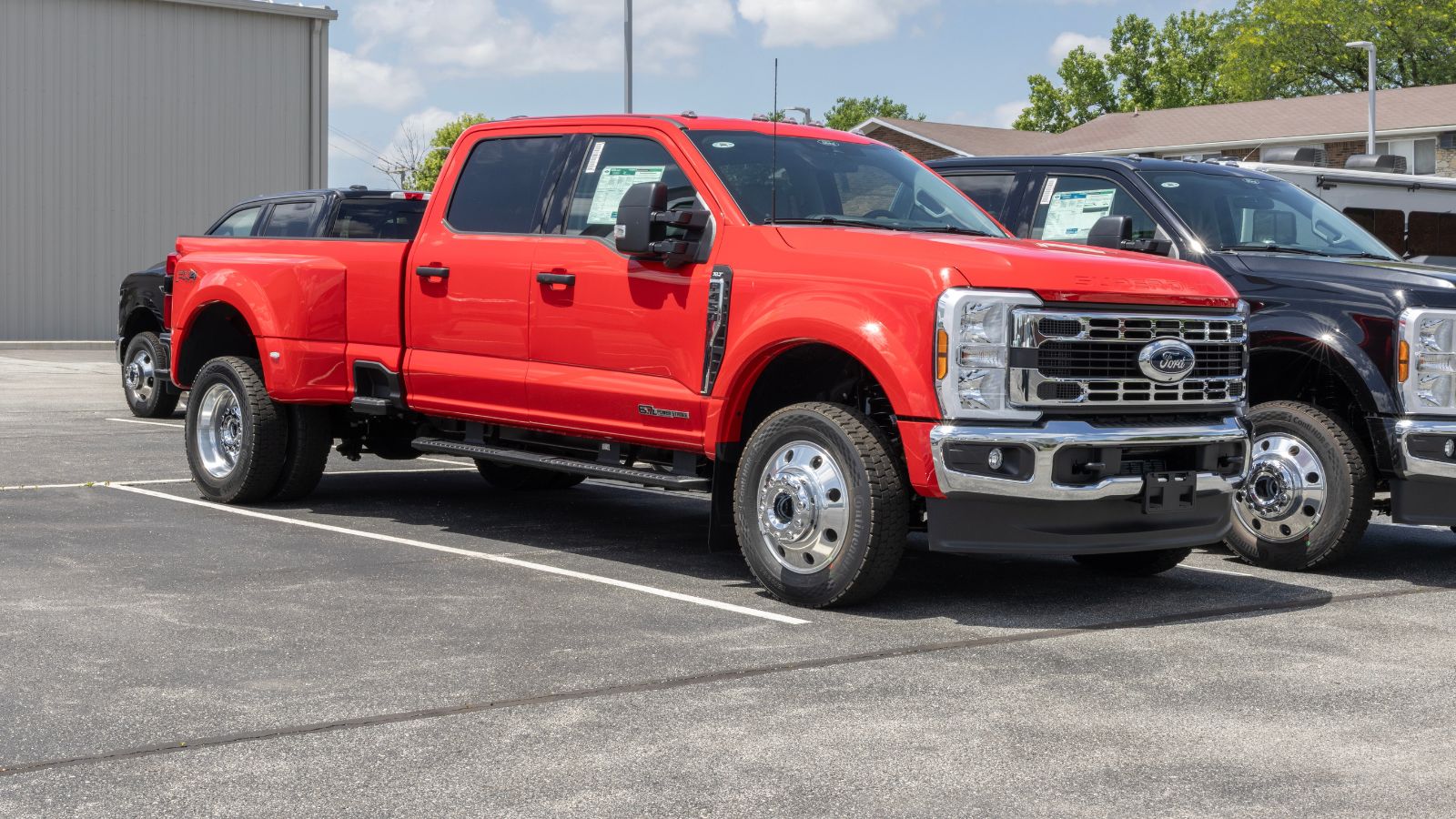
The Ford F 450 exists for extreme towing and industrial duty. In cities it becomes inefficient and awkward. Fuel consumption spikes in stop and go traffic and simple tasks like turning into a side street require careful planning. Few owners ever use its full capability within city limits. That gap between purpose and usage fuels calls for zoning or licensing rules based on vehicle size rather than ownership bans.
Ram TRX Brings Supercar Power With an Oversized Footprint
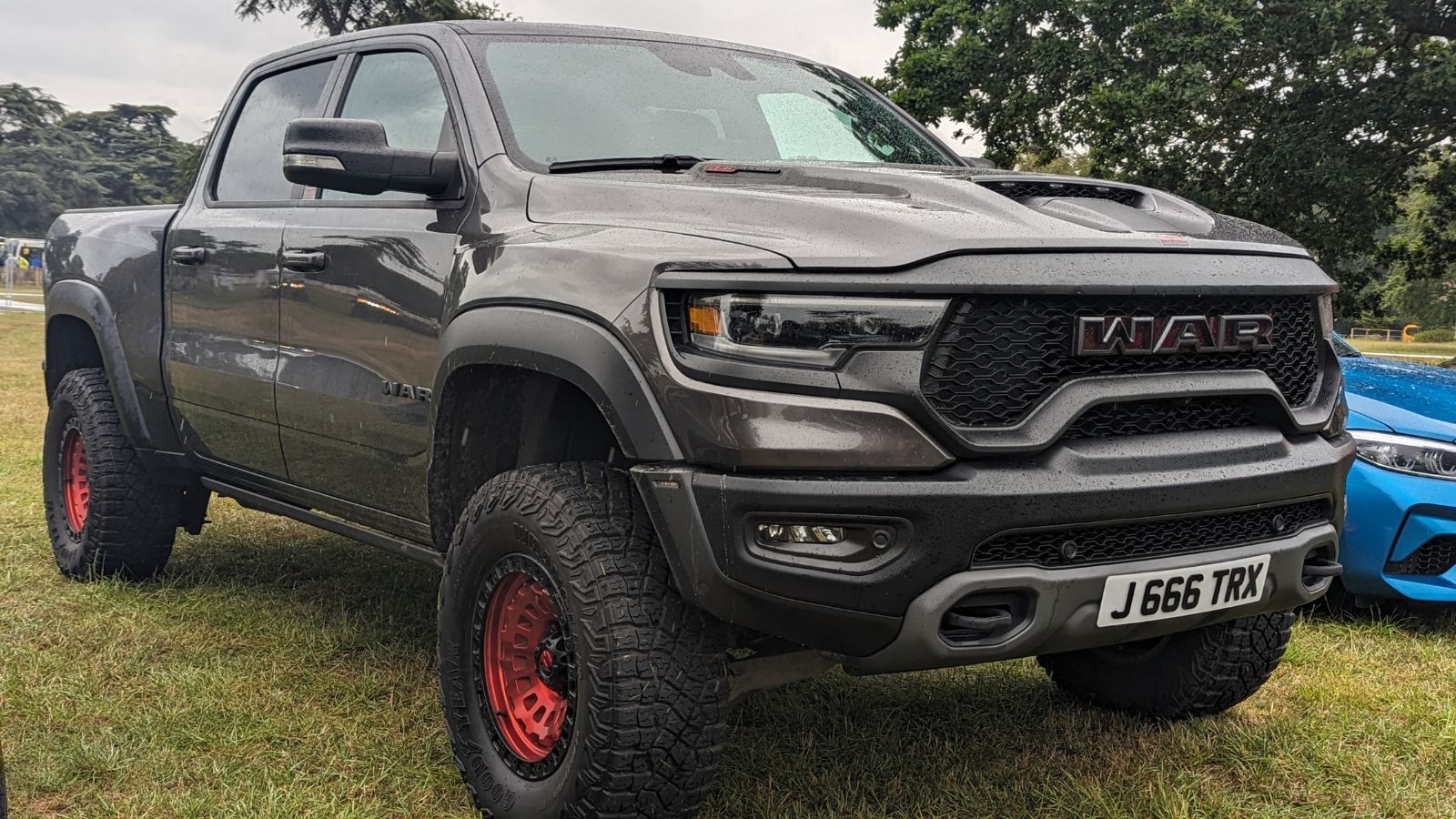
The Ram TRX combines massive dimensions with supercharged performance. While impressive on paper, its noise level, width and acceleration potential clash with pedestrian focused streets. Speed capability becomes irrelevant in traffic while size remains a constant burden. The TRX raises an uncomfortable question about whether performance branding should excuse an urban footprint that affects everyone sharing the road.
Ford Raptor R Trades Agility for Excess
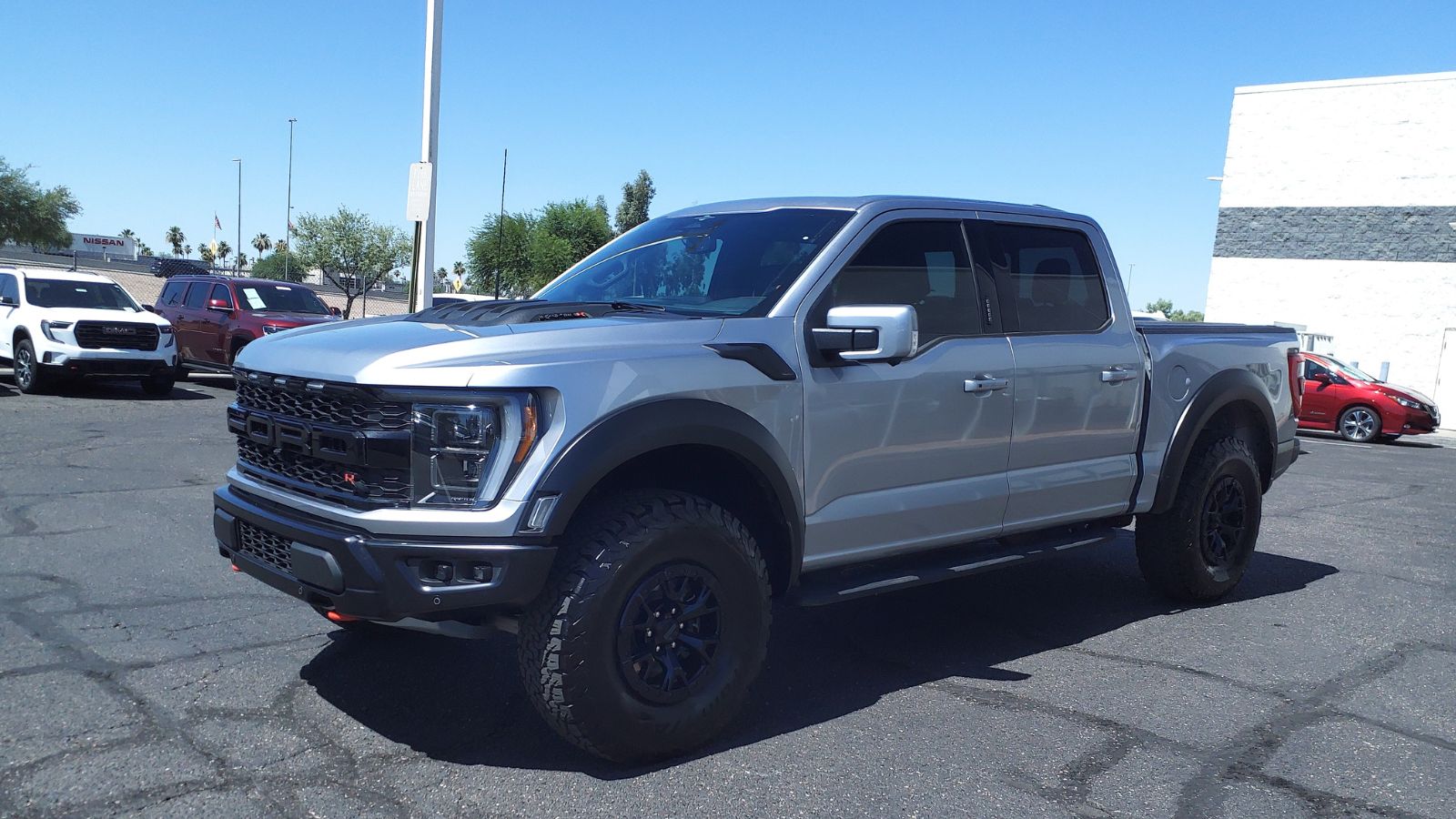
The Raptor R pushes off road capability and power to extremes. Its wide stance and aggressive suspension make it ill suited for narrow lanes and underground parking. In downtown use it sacrifices agility for presence. Owners enjoy the image and performance, but the everyday drawbacks spill into surrounding traffic and public space.
Chevrolet Silverado ZR2 Still Too Large for Downtown Use
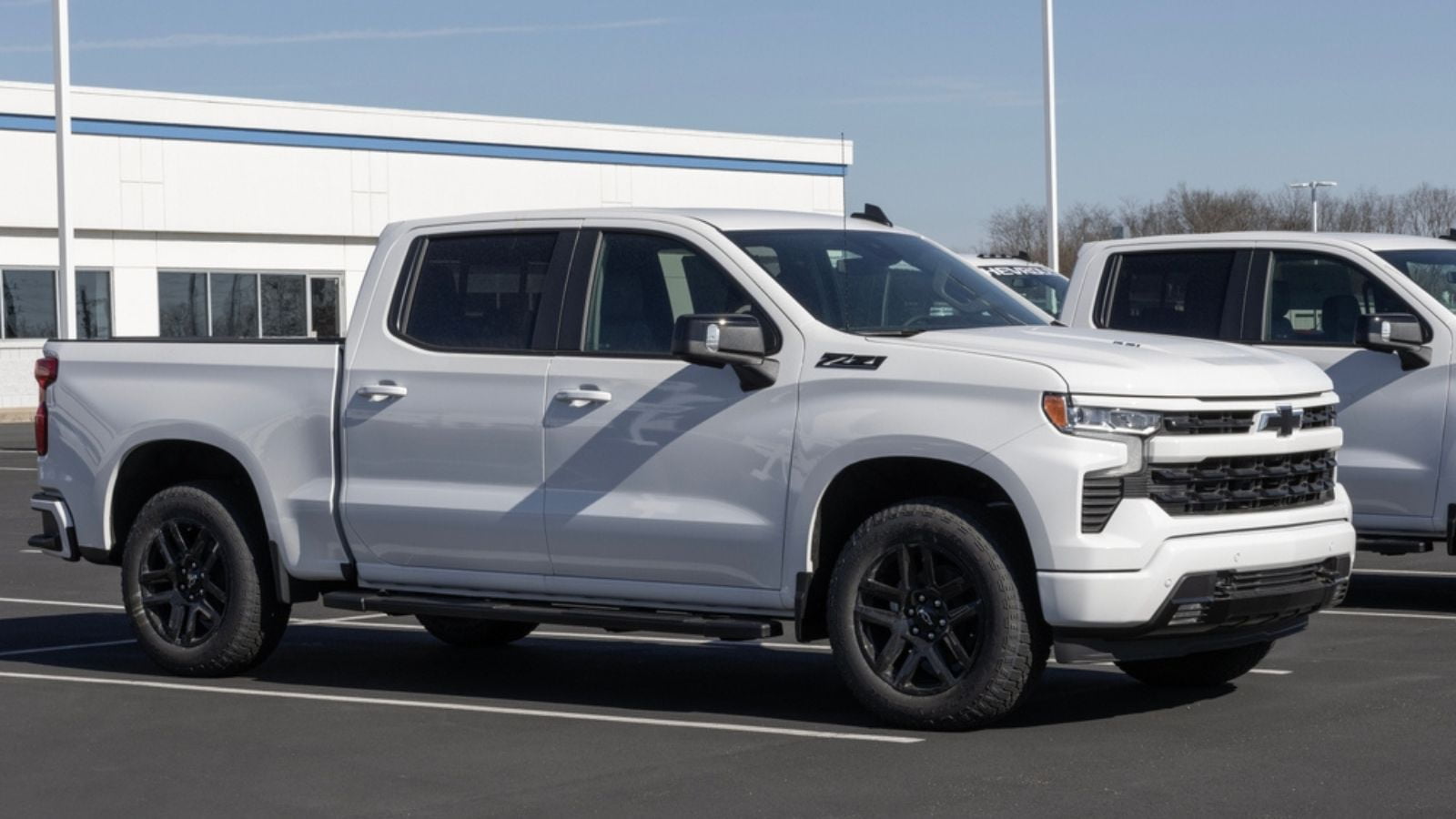
Even off road focused trims like the Silverado ZR2 struggle in city environments. While smaller than HD trucks, it still pushes width and height limits that complicate parking and visibility. It shows that the issue is not limited to heavy duty models. Even lighter duty trucks have grown beyond what many city streets comfortably support.
GMC Hummer EV Pickup Redefines Excess
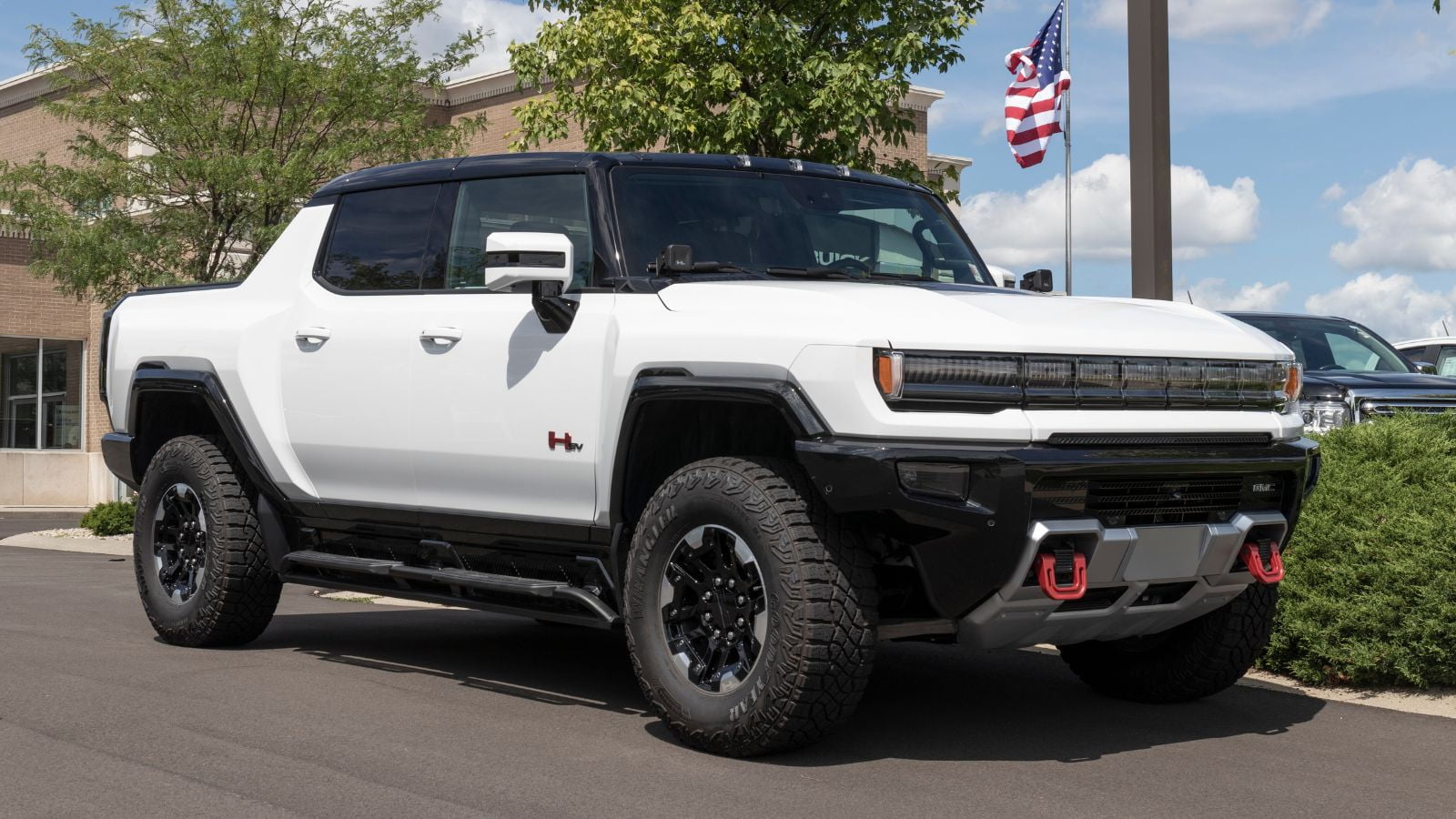
The GMC Hummer EV pickup weighs over four thousand kilograms and fills an entire lane visually. Its mass raises real safety concerns in pedestrian zones and its size challenges parking and charging infrastructure. Electric power does not reduce its physical impact. For many urban planners it represents the extreme end of vehicle growth colliding with dense city design.
Tesla Cybertruck Challenges Regulations Entirely
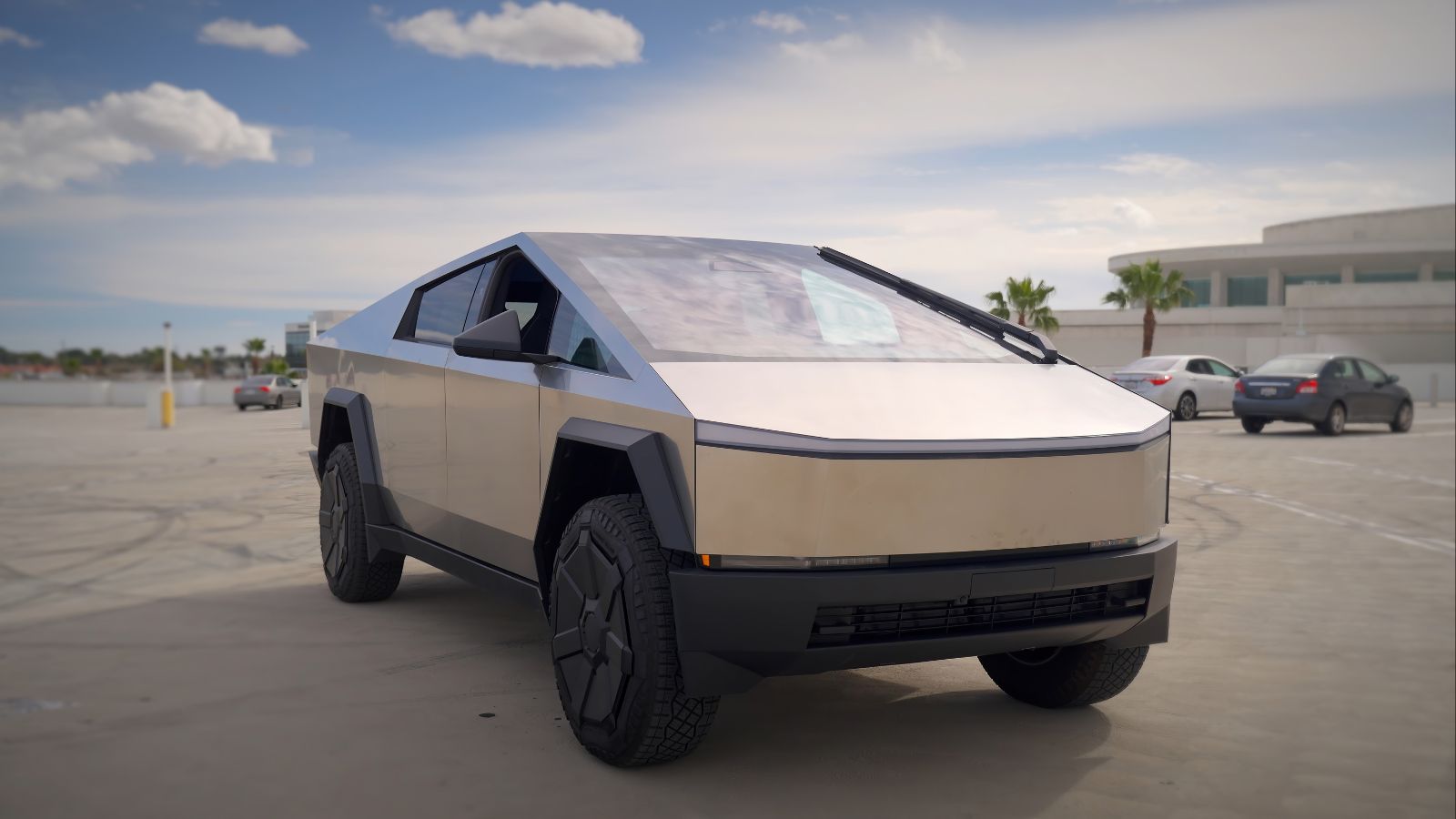
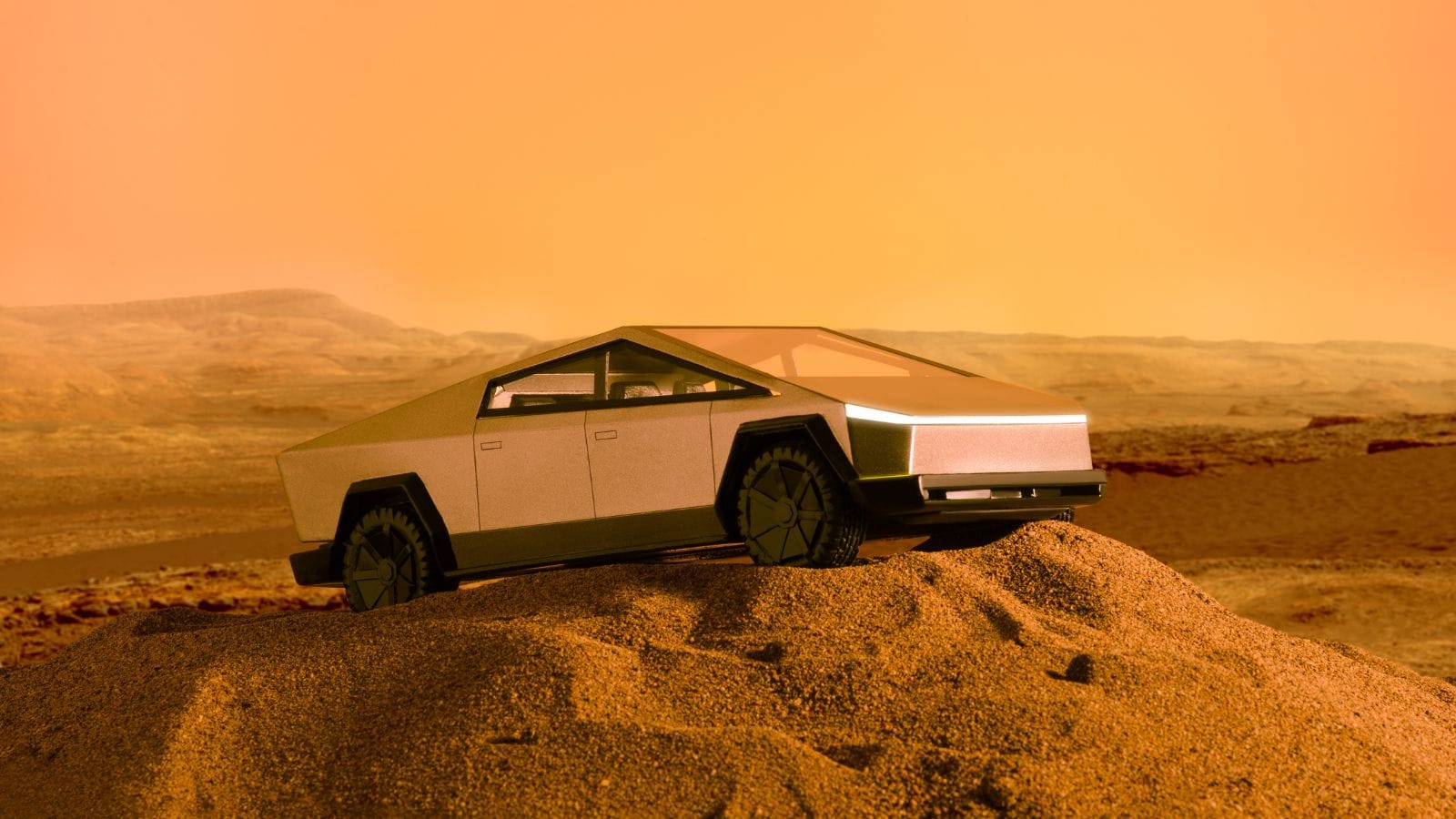
The Tesla Cybertruck brings unconventional dimensions, sharp body lines and significant weight. Its design has already triggered regulatory discussions around pedestrian safety and visibility. City planners face rules written for traditional pickups that struggle to accommodate something this large and unusual. It has become a symbol of how quickly vehicle design can outrun existing urban regulations.
Should Cities Ban Them or Rethink Access
Outright bans would be controversial and difficult to enforce. A more realistic approach focuses on size based parking rules, weight based licensing and restricted access zones in dense urban cores. Trucks built for work would still have a place where they are needed. Personal use in crowded downtowns would face practical limits. The debate is less about punishing owners and more about aligning vehicle scale with street design, safety and livability.
25 Facts About Car Loans That Most Drivers Don’t Realize

Car loans are one of the most common ways people fund car purchases. Like any other kind of loan, car loans can have certain features that can be regarded as an advantage or a disadvantage to the borrower. Understanding all essential facts about car loans and how they work to ensure that you get the best deal for your financial situation is essential. Here are 25 shocking facts about car loans that most drivers don’t realize:
25 Facts About Car Loans That Most Drivers Don’t Realize
