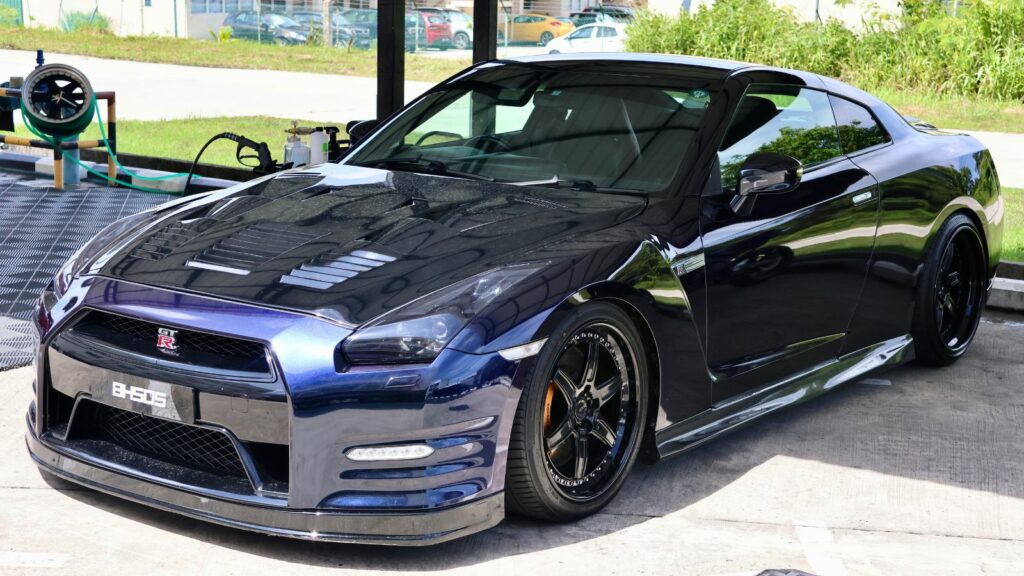
North America has always embraced fast, loud, emotional sports cars. For decades enthusiasts have relied on big engines, sharp handling and the freedom to buy cars that prioritize excitement over efficiency. But environmental rules, noise restrictions, pedestrian safety standards and fleet wide emissions targets have changed the landscape. Automakers now face an uphill climb certifying performance models that were once easy to sell. Some cars require costly redesigns, others face unavoidable retirement and a few may never return in their original form. These ten sports cars show how legislation, not demand, may determine the future of performance driving.
Nissan GT R A Legend Challenged by Modern Emissions Standards
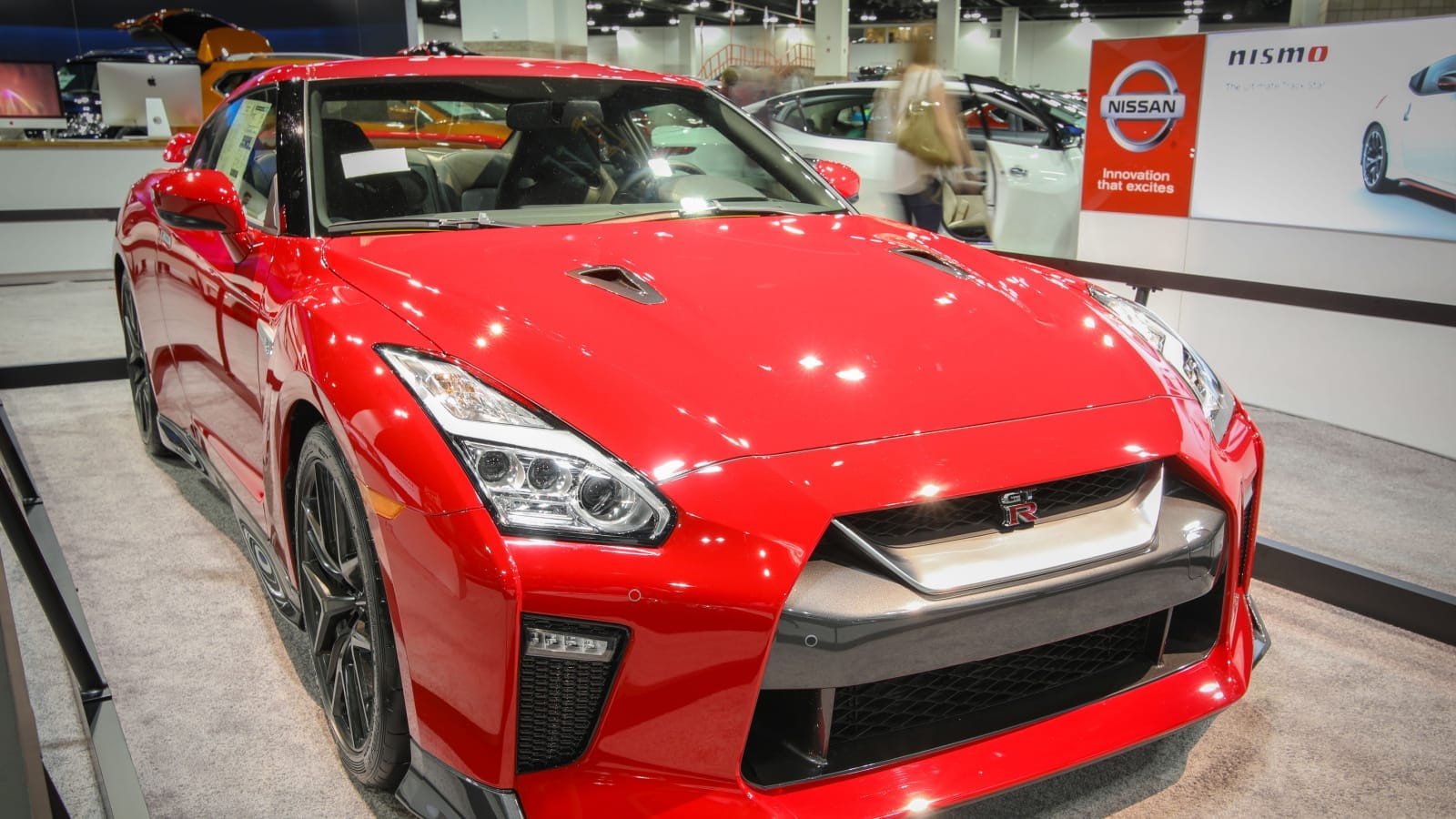
The GT R built its reputation on brute force and astonishing grip. Its twin turbo V6 and all wheel drive system rewrote performance expectations when it arrived. But its basic platform is now more than a decade old and meets modern emissions regulations with difficulty. Noise restrictions also challenge its aggressive exhaust tone. Nissan would need a complete redesign with far cleaner powertrains to keep it North America ready. Without that investment, the GT R risks being quietly phased out despite its cult following. Fans are desperate for a successor, but the clock is ticking faster than Nissan seems willing to move.
Toyota GR86 and Subaru BRZ Stricter Crash Rules Could Force Changes
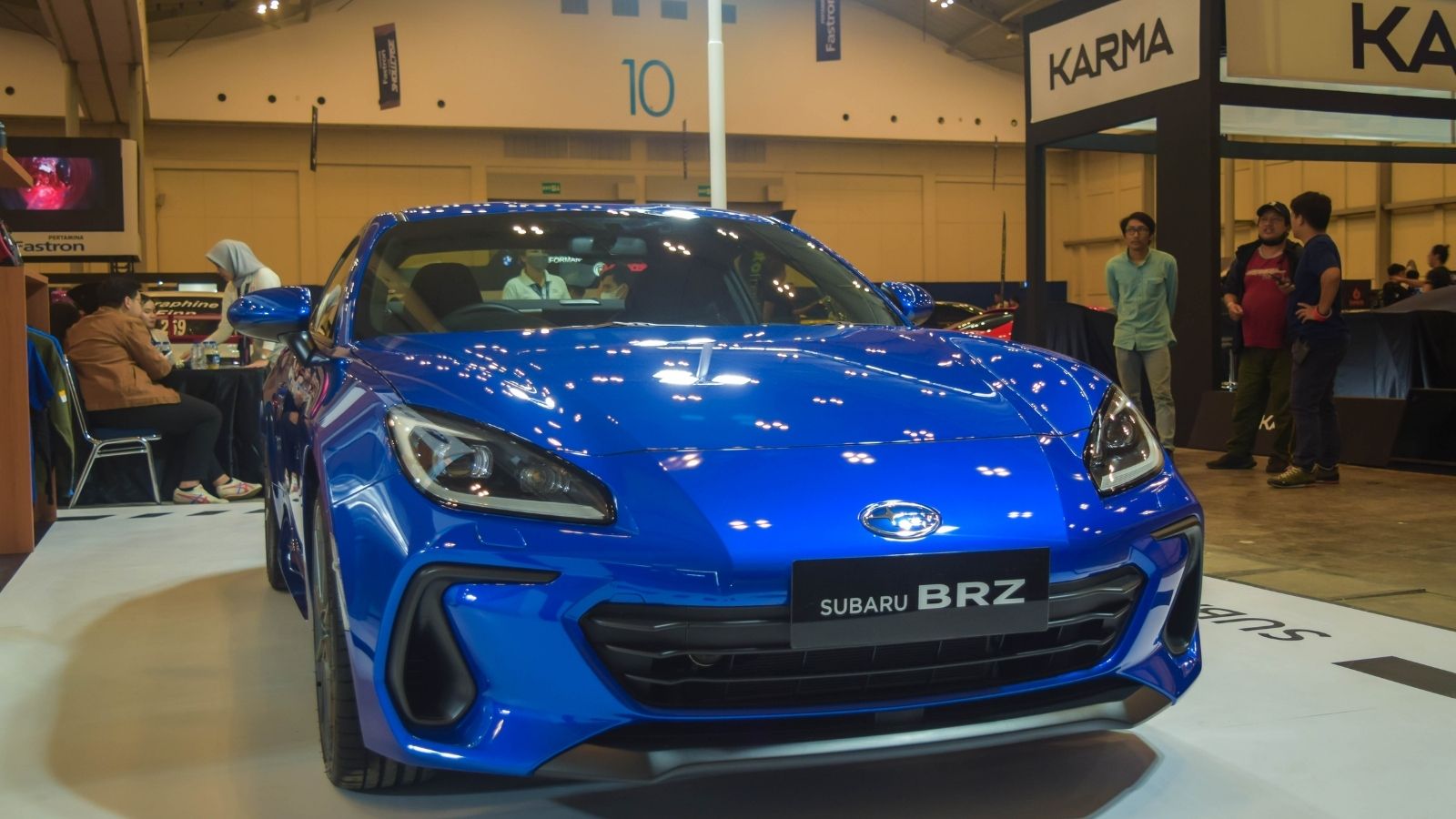
The GR86 and BRZ represent something rare in today’s market lightweight, affordable sports cars built around balance rather than horsepower. Their low roofs and compact frames may struggle to meet upcoming side impact and roof strength tests. Adding reinforcements could compromise the cars’ agility, one of their strongest selling points. Their high revving flat four engines also face tougher emissions testing cycles. Both companies want these cars to survive, but future regulations may force heavier structures, hybridization or substantial redesigns. The simplicity enthusiasts love is exactly what regulations threaten most.
Mazda MX 5 Miata Noise and Emissions Restrictions Tighten the Squeeze
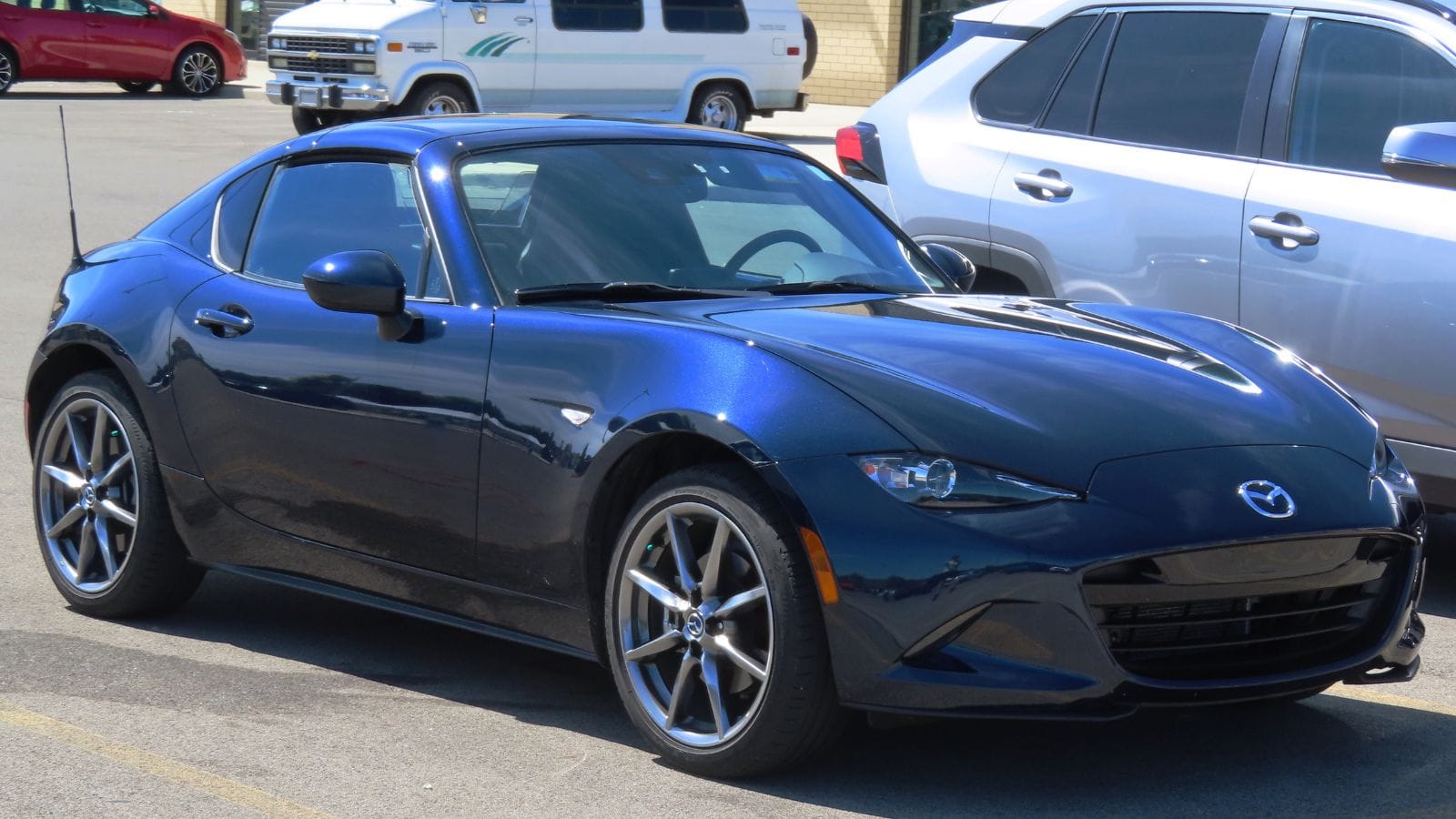
The Miata survives on charm, lightness and purity. Its tiny footprint, rev happy four cylinder engine and classic roadster shape make it a favourite worldwide. But stricter noise limits challenge its energetic exhaust, and new pedestrian impact rules may require a longer, softer hood that alters its proportions. Mazda has already hinted that electrification is inevitable which could dramatically change the Miata’s character. A lightweight electric version may appear one day, but the familiar stick shift, high rev sound and featherweight agility may not survive unchanged. The Miata can adapt, but not without losing some of what makes it magical.
Dodge Challenger and Charger V8 Variants Air Quality Rules Hit Hard
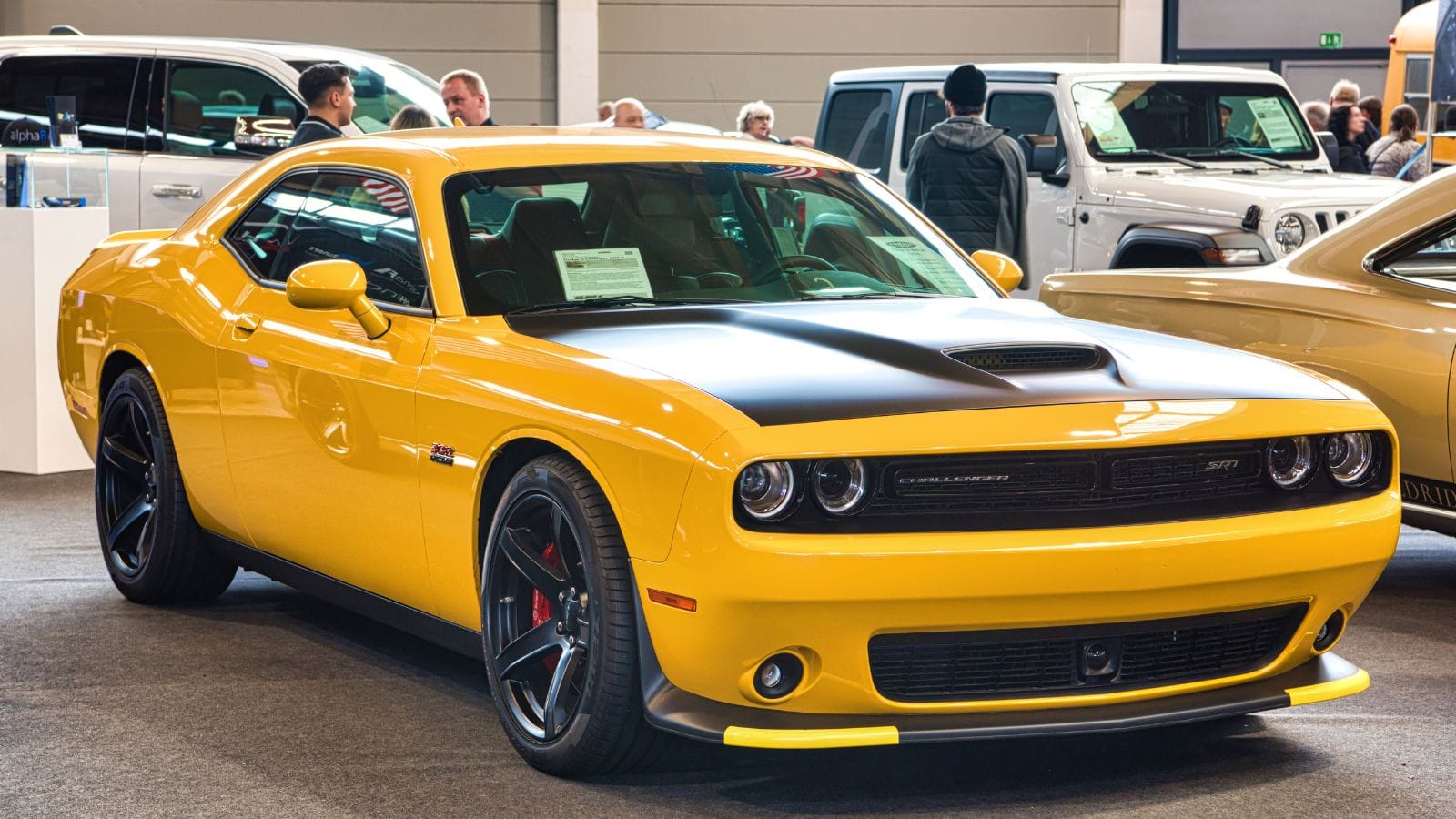
The large V8 engines powering the Challenger and Charger have become symbols of old school American power. Unfortunately those engines also face intense emissions scrutiny. Fleet average fuel targets are rising across North America which makes high consumption models more difficult for automakers to justify. Noise restrictions also collide with the rumbling soundtrack these cars are famous for. Electric replacements are coming, but many drivers worry the personality and raw theatre of big displacement muscle will not translate. The gas powered era of these icons is nearly over and legislation, more than demand, is responsible.
Ferrari 812 Superfast Big Engines and Big Output Face Big Pressure
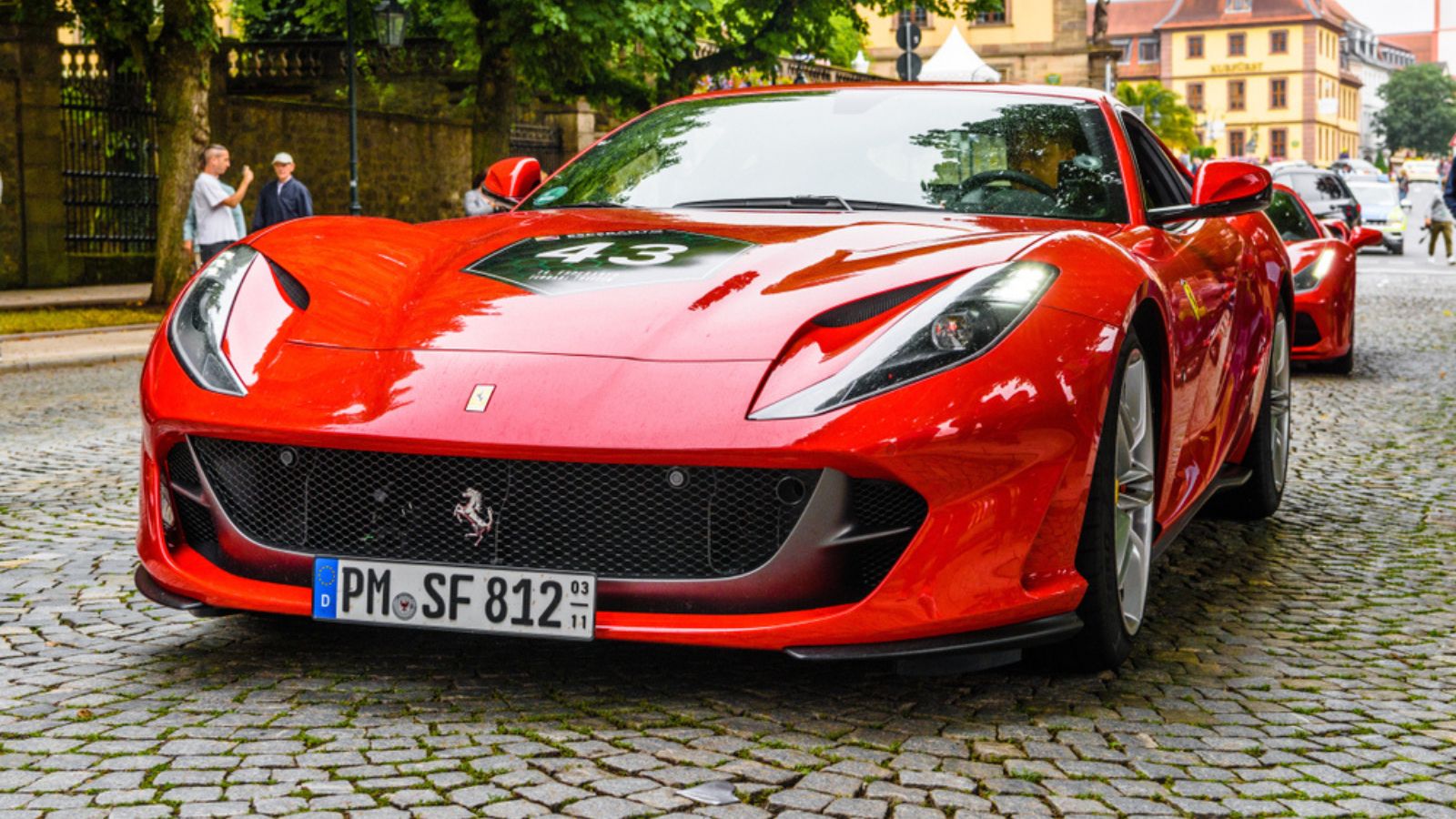
The 812 Superfast represents Ferrari’s commitment to large displacement, naturally aspirated V12 engines. These engines create incredible sound and unmatched throttle response but they emit far more CO2 than modern standards comfortably allow. Certifying a V12 in future North American cycles becomes more difficult each year. Ferrari will move deeper into hybridization and downsizing which means the 812 may be one of the last pure V12 Ferraris legally sold here. Enthusiasts understand that they are witnessing the final chapter of a legendary format.
Porsche 718 Cayman and Boxster Four Cylinder Turbos Still Not Safe
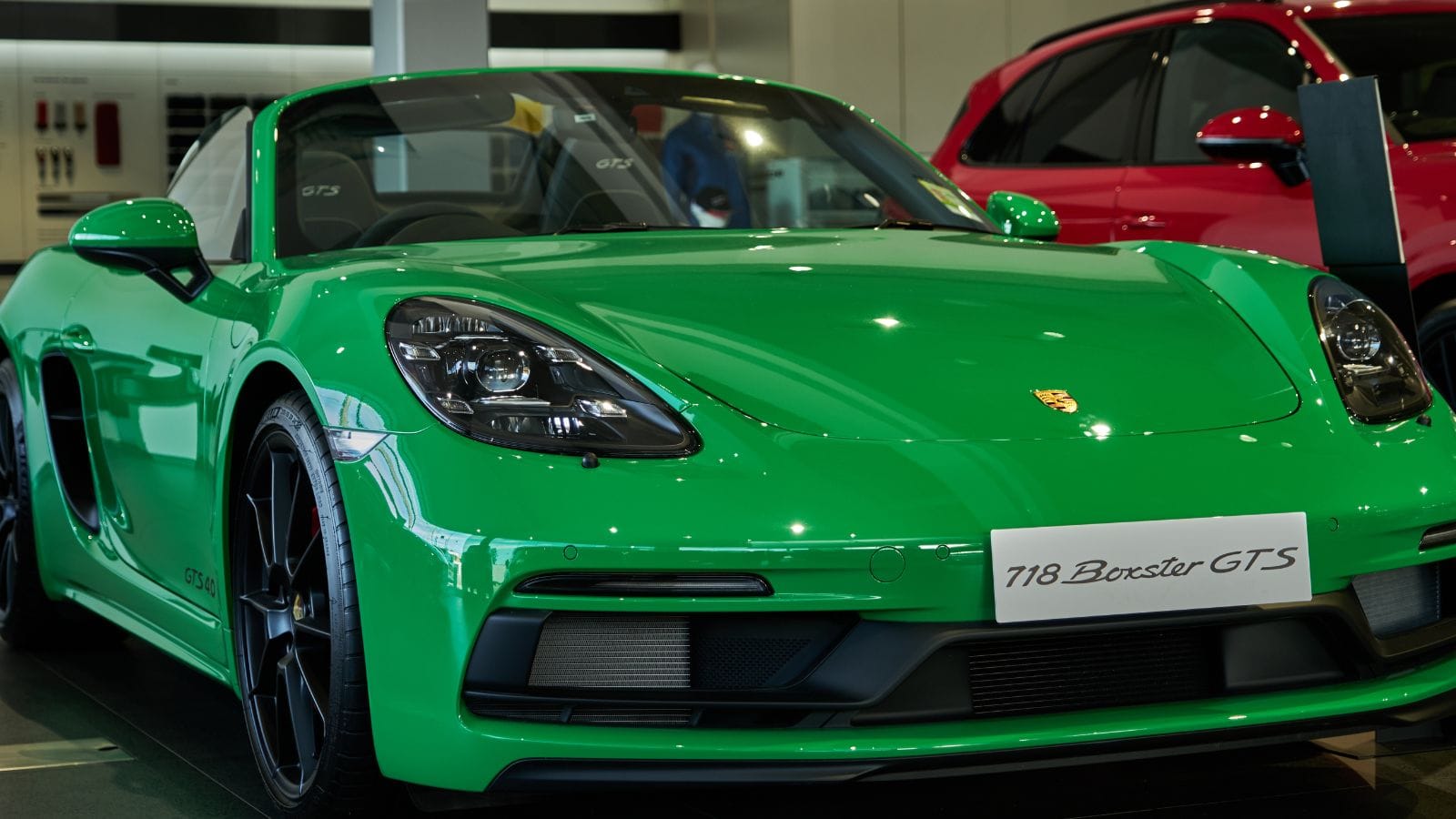
Even with smaller engines, the 718 lineup faces an uncertain path. New rules for particulate emissions, noise limits and safety structures push Porsche toward electrifying its mid engine sports cars sooner than originally planned. The company confirmed the next generation will be electric which puts a sunset date on the combustion versions currently on the road. The compact, agile personality of the Cayman and Boxster may live on, but the sharp sound and mechanical feel that define them will be replaced by electric silence.
BMW M2 and M4 High Output Engines Meet Harsh Regulations
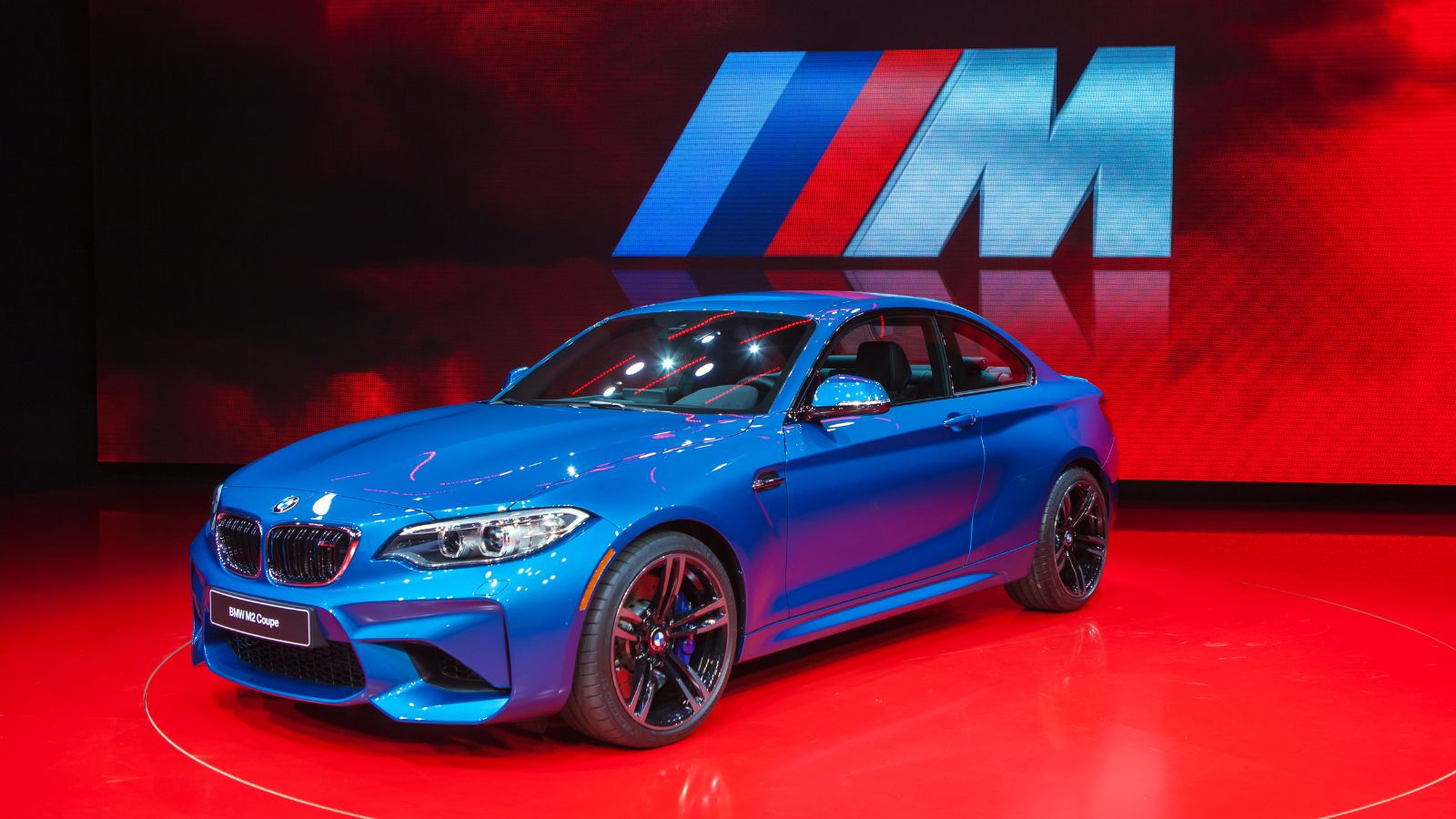
BMW’s celebrated inline six engines push impressive horsepower while maintaining smoothness and durability. But squeezing so much performance from gasoline engines brings emissions challenges. Cold start pollution levels, particulate output and noise at full throttle all sit under increasing regulatory pressure. European markets are already shifting, and North American guidelines will follow closely. BMW will likely hybridize the next generation M cars which could change their weight distribution and driving dynamics. The pure combustion M experience is nearing its limit.
Audi R8 Naturally Aspirated V10 Too Loud and Too Thirsty
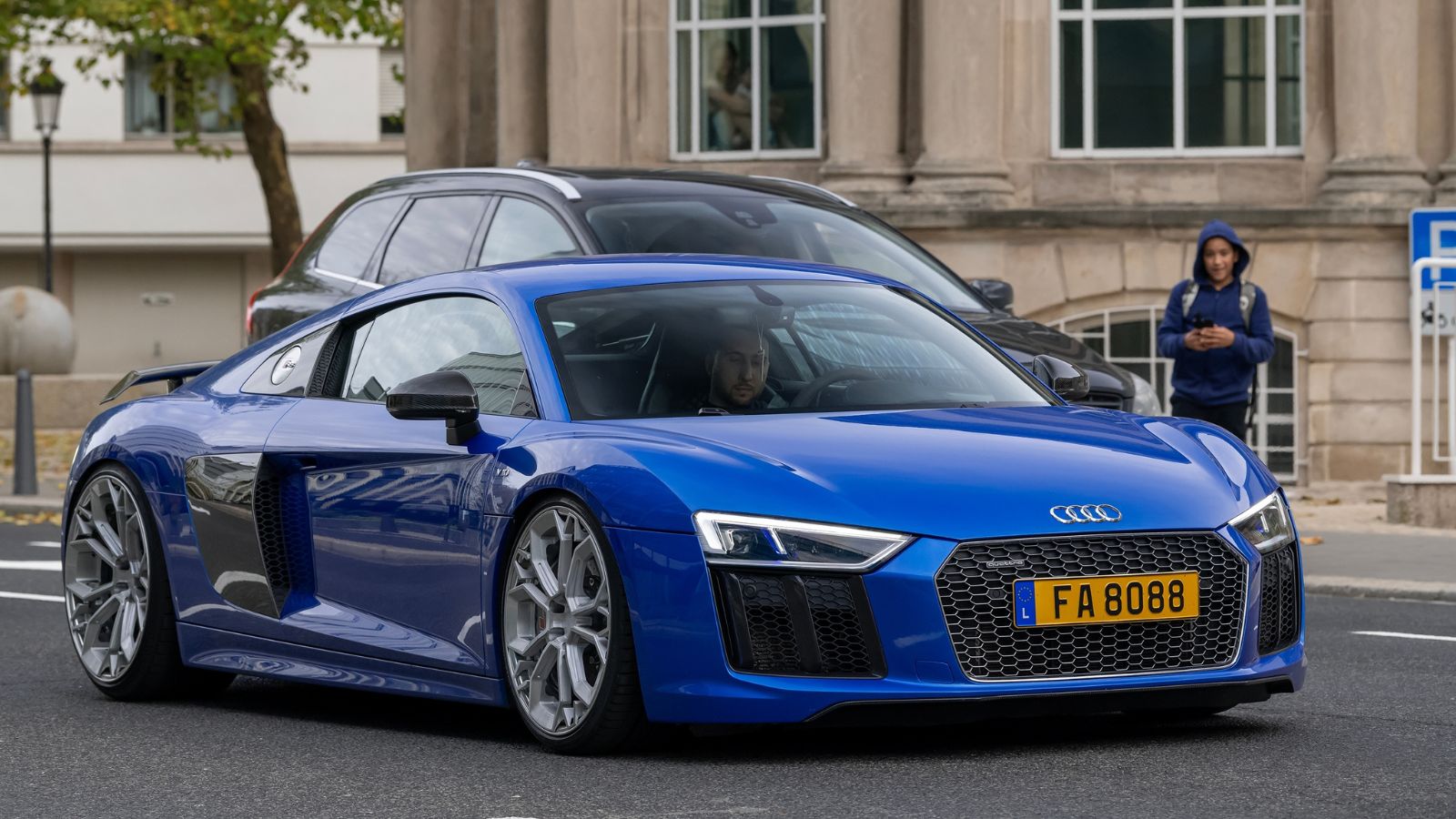
The R8 carved out a special place in the market by offering an exotic V10 in a daily drivable package. But giant naturally aspirated engines attract regulatory attention. Noise levels exceed new standards and fuel economy targets place heavy financial strain on automakers selling such models. Audi already confirmed the R8’s discontinuation and any future replacement will almost certainly be electric. The visceral experience of that high revving V10 will not return under current rules.
Lotus Emira Last of the Lightweight Gas Cars
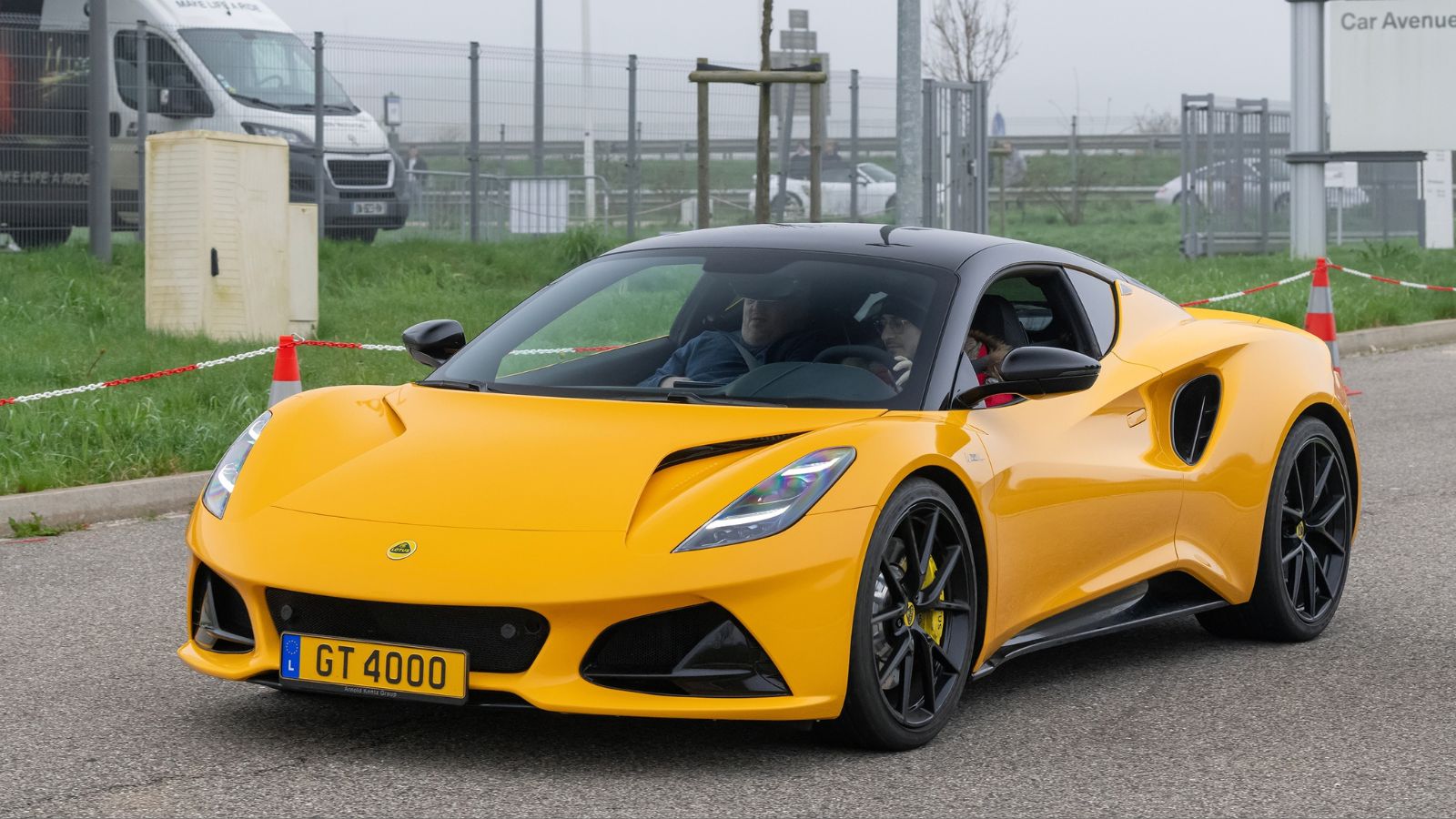
The Lotus Emira carries the brand’s final combustion engine lineup. Its low profile, compact chassis and lightweight structure clash with new collision requirements designed around larger vehicle masses. Emissions targets also push Lotus toward full electrification. Without significant modifications the Emira cannot meet upcoming rules long term in its current form. It may become one of the last truly analog sports cars sold in North America.
Alfa Romeo 4C A Car Too Raw for Modern Regulations
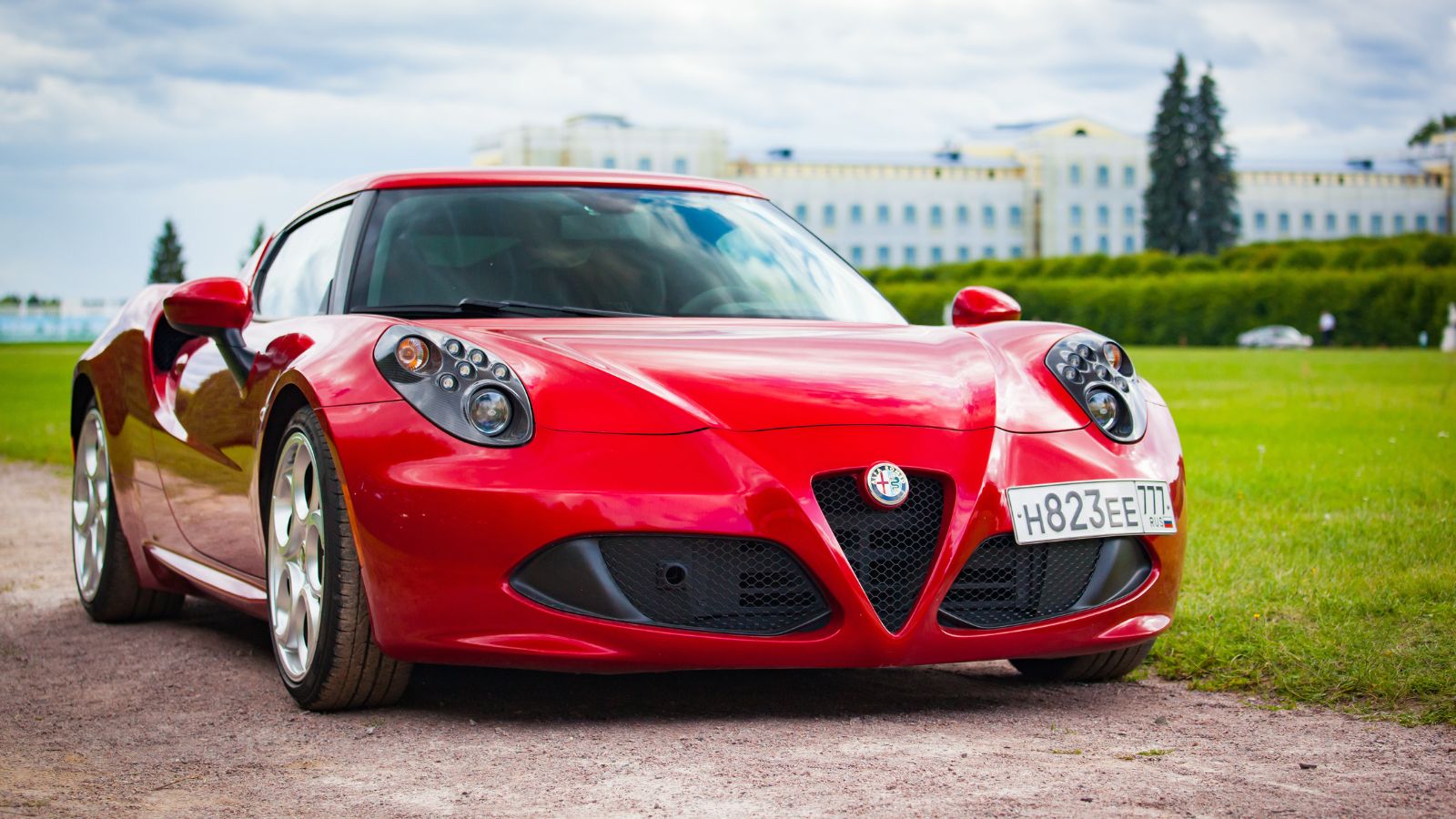
The 4C was discontinued early, but its exit foreshadows the fate of similar cars. Its carbon tub, tiny cabin and loud exhaust were exciting for drivers and unsettling for regulators. Modern safety requirements expect more crumple zones and insulation than lightweight sports cars naturally provide. Reintroducing something this raw under current rules would be nearly impossible without sacrificing the very traits enthusiasts love. The 4C became a victim of tightening standards before the public was ready to say goodbye.
25 Facts About Car Loans That Most Drivers Don’t Realize

Car loans are one of the most common ways people fund car purchases. Like any other kind of loan, car loans can have certain features that can be regarded as an advantage or a disadvantage to the borrower. Understanding all essential facts about car loans and how they work to ensure that you get the best deal for your financial situation is essential. Here are 25 shocking facts about car loans that most drivers don’t realize:
25 Facts About Car Loans That Most Drivers Don’t Realize
