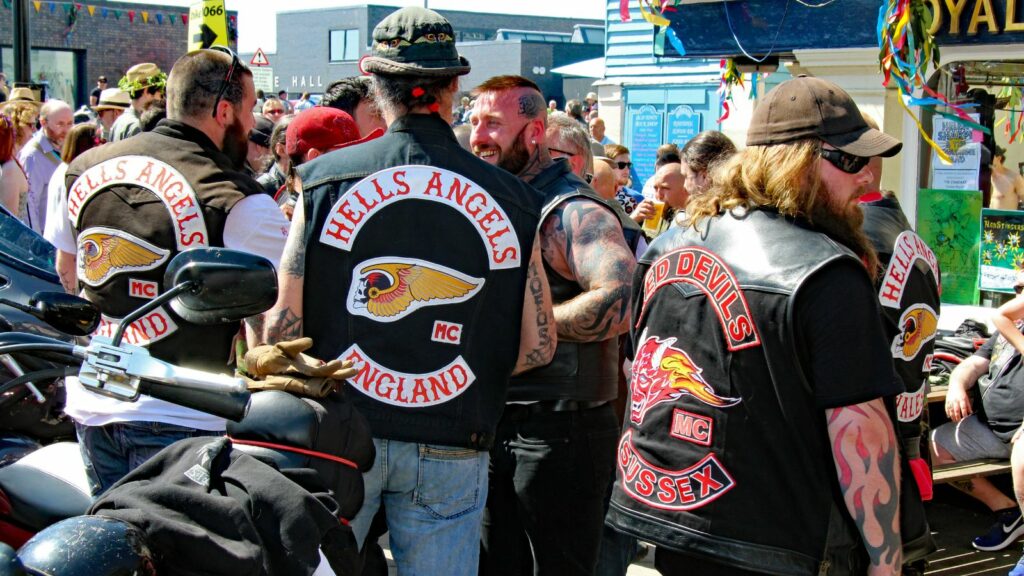
Outlaw motorcycle gangs still play a major role in Canada’s organized crime landscape. They run chapters across multiple provinces, control territory, form alliances and compete for influence. While many Canadians only hear about these clubs when something dramatic makes the news, they remain active behind the scenes every single day. These are the eight outlaw biker clubs considered the most active in the country right now, based on visibility, membership, history and ongoing criminal-intelligence reporting.
Hells Angels Motorcycle Club
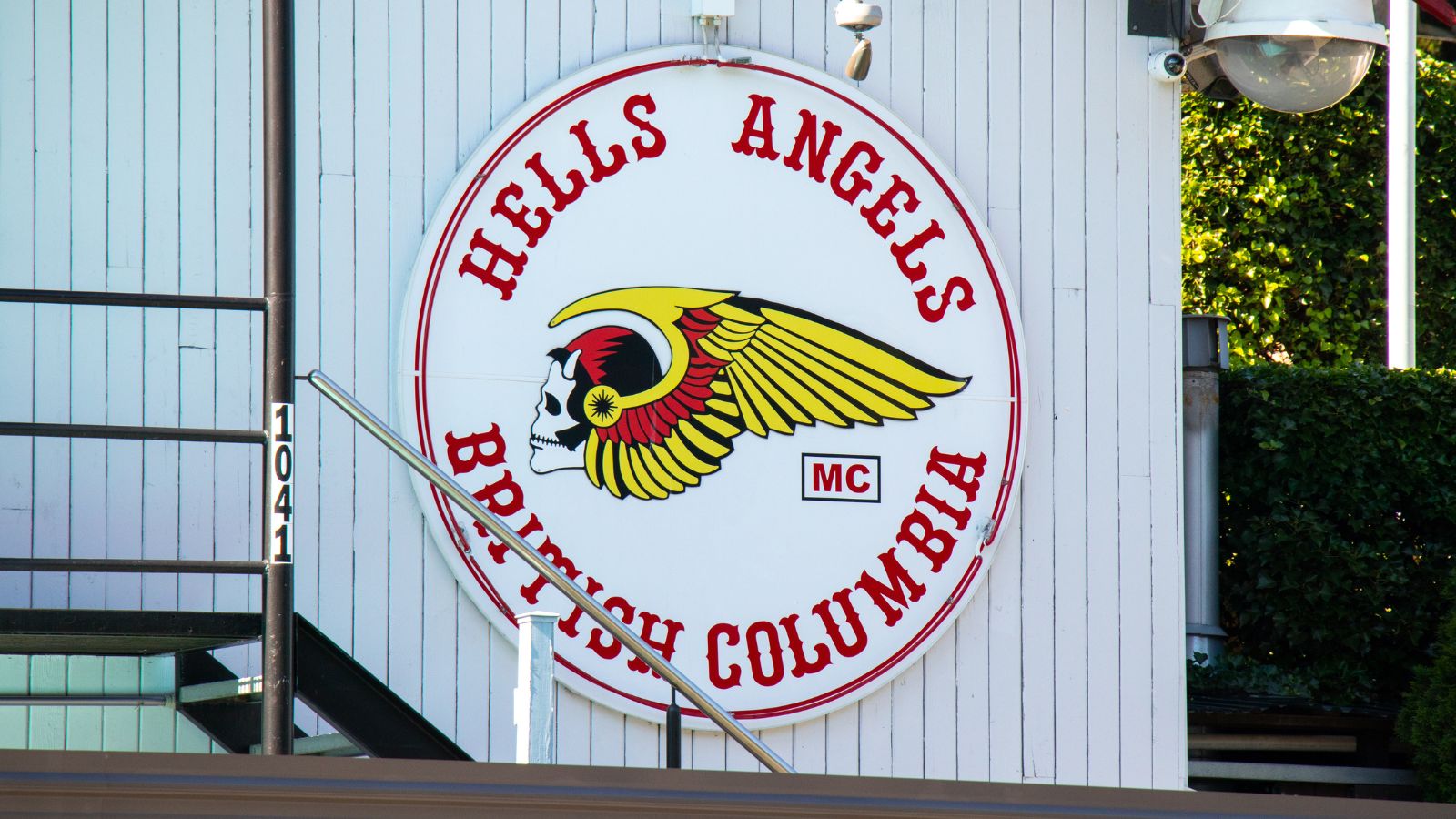
The Hells Angels are the dominant outlaw motorcycle club in Canada. They operate dozens of chapters from British Columbia to the Atlantic provinces and maintain a deep hierarchy with massive influence. Their presence is felt in major cities, small towns and everywhere in between. The Angels exercise control over territory, drug markets, support clubs and affiliated groups. Their long history in Quebec and British Columbia made them the most recognizable outlaw biker brand in the country, and their organizational structure allows them to operate with precision. Even when they appear quiet, law enforcement still considers them Canada’s strongest and most entrenched outlaw biker club.
Rock Machine
The Rock Machine rose to prominence during the Quebec Biker War in the nineties, when they fought an extremely violent turf battle against the Hells Angels. They survived that conflict, reformed and then expanded again in the years that followed. Today they operate chapters not only in Quebec but also in parts of Ontario, Manitoba and western Canada. Their ability to rebuild and expand has surprised law enforcement more than once. While smaller than the Angels, the Rock Machine remain active, aggressive and determined to maintain a foothold in Canada’s outlaw motorcycle scene.
Outlaws Motorcycle Club
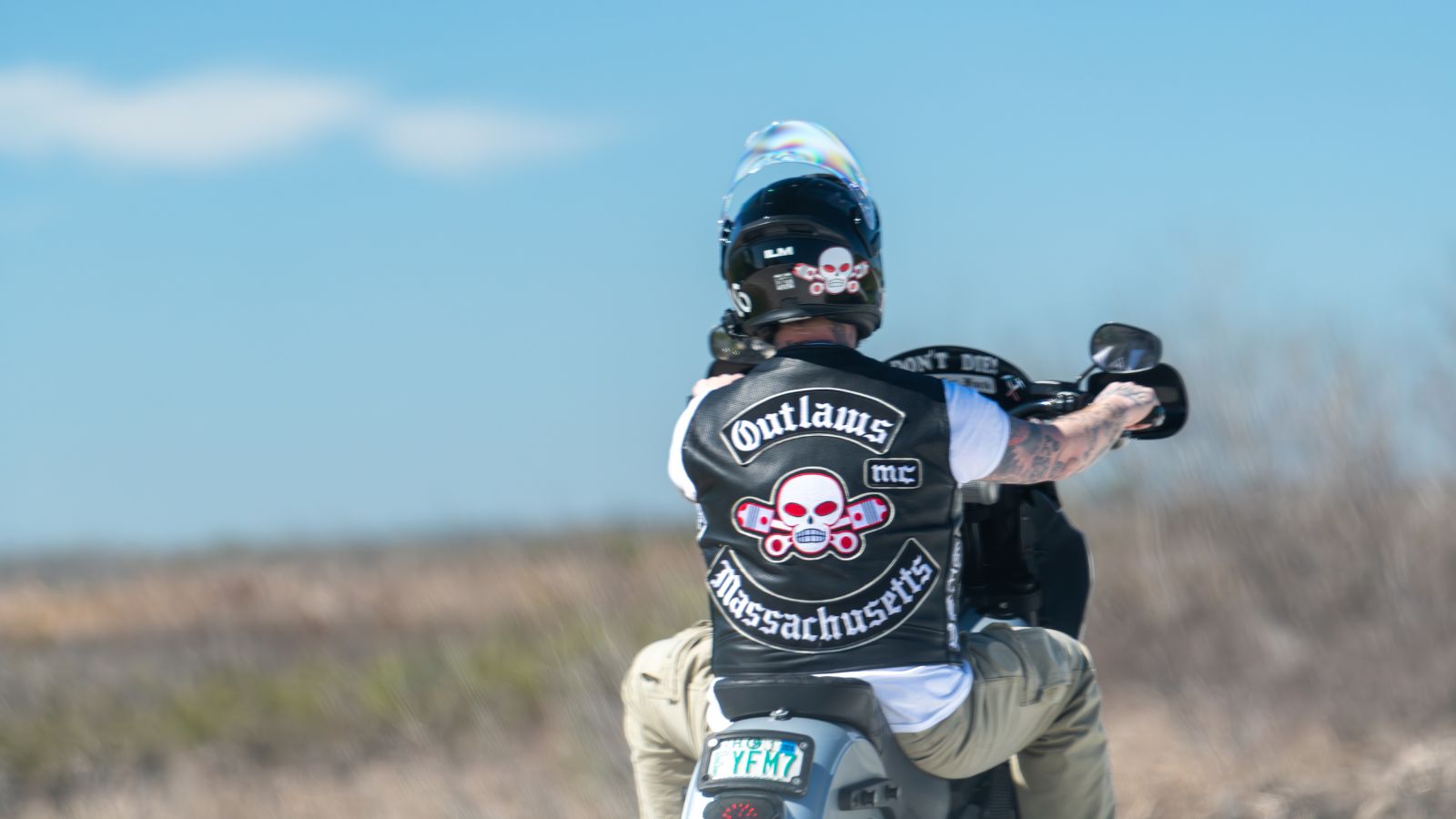
The Outlaws are another major international outlaw motorcycle club with a long rooted presence in Canada. They maintain chapters in Ontario and other eastern regions and have historically competed with both the Hells Angels and the Rock Machine for influence. Their rivalry with the Angels stretches back decades, and they remain one of the only clubs willing to challenge them directly. The Outlaws are known for strict discipline, a defined hierarchy and a willingness to protect their territory fiercely. Even when their public activity fades, the club continues to operate with steady membership and regional influence.
Bandidos Motorcycle Club
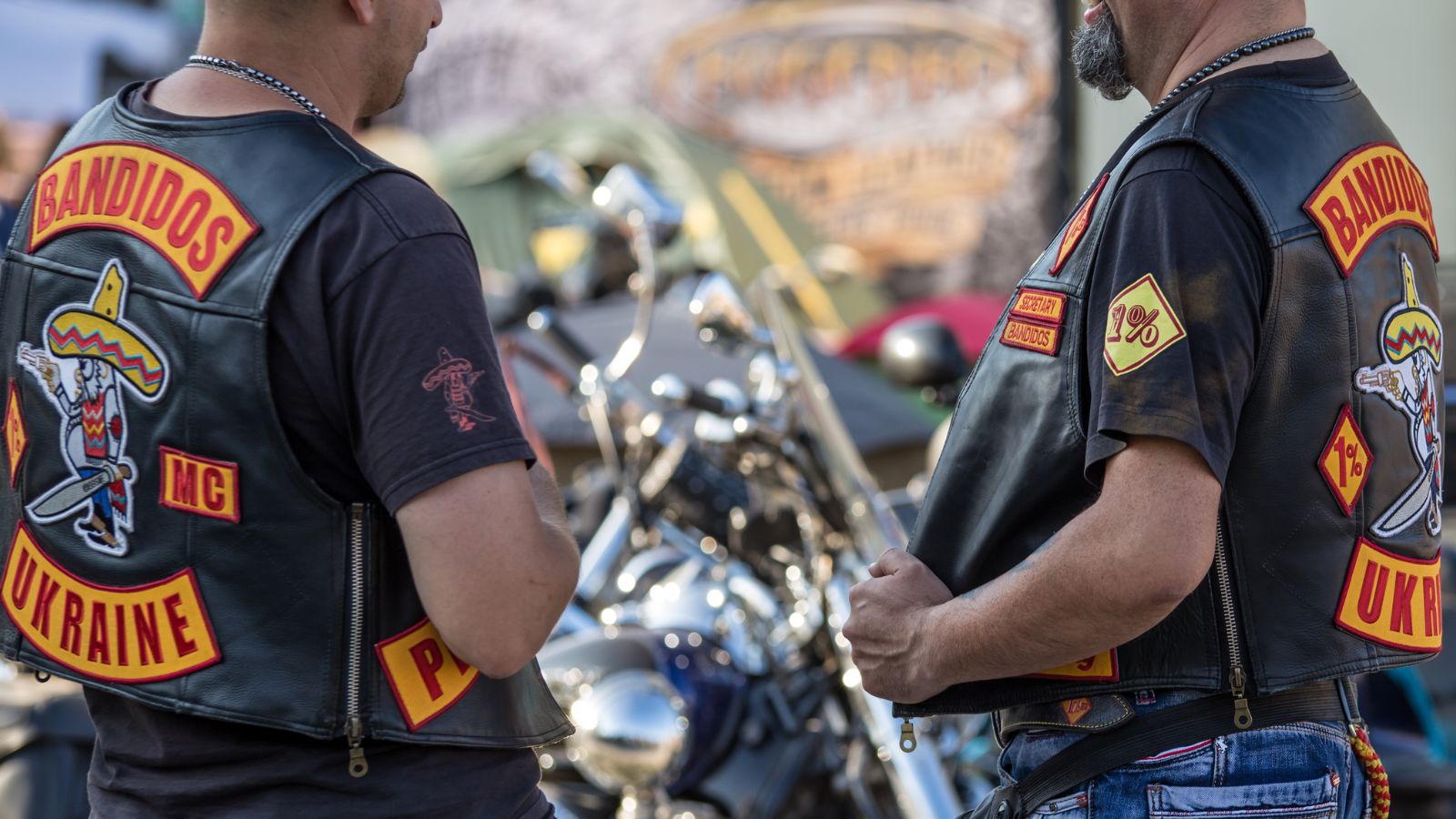
The Bandidos have a complicated history in Canada, especially after the events of the mid two thousands when internal conflict led to the elimination of an entire faction. Yet despite this violent past, the club still influences smaller groups and remains active in certain regions. Some former Rock Machine and independent biker clubs have aligned themselves with the Bandidos internationally, which keeps the brand present in Canada. While much smaller than the Hells Angels or Outlaws, the Bandidos still appear in police briefings as an active and organized player in the outlaw biker landscape.
Loners Motorcycle Club
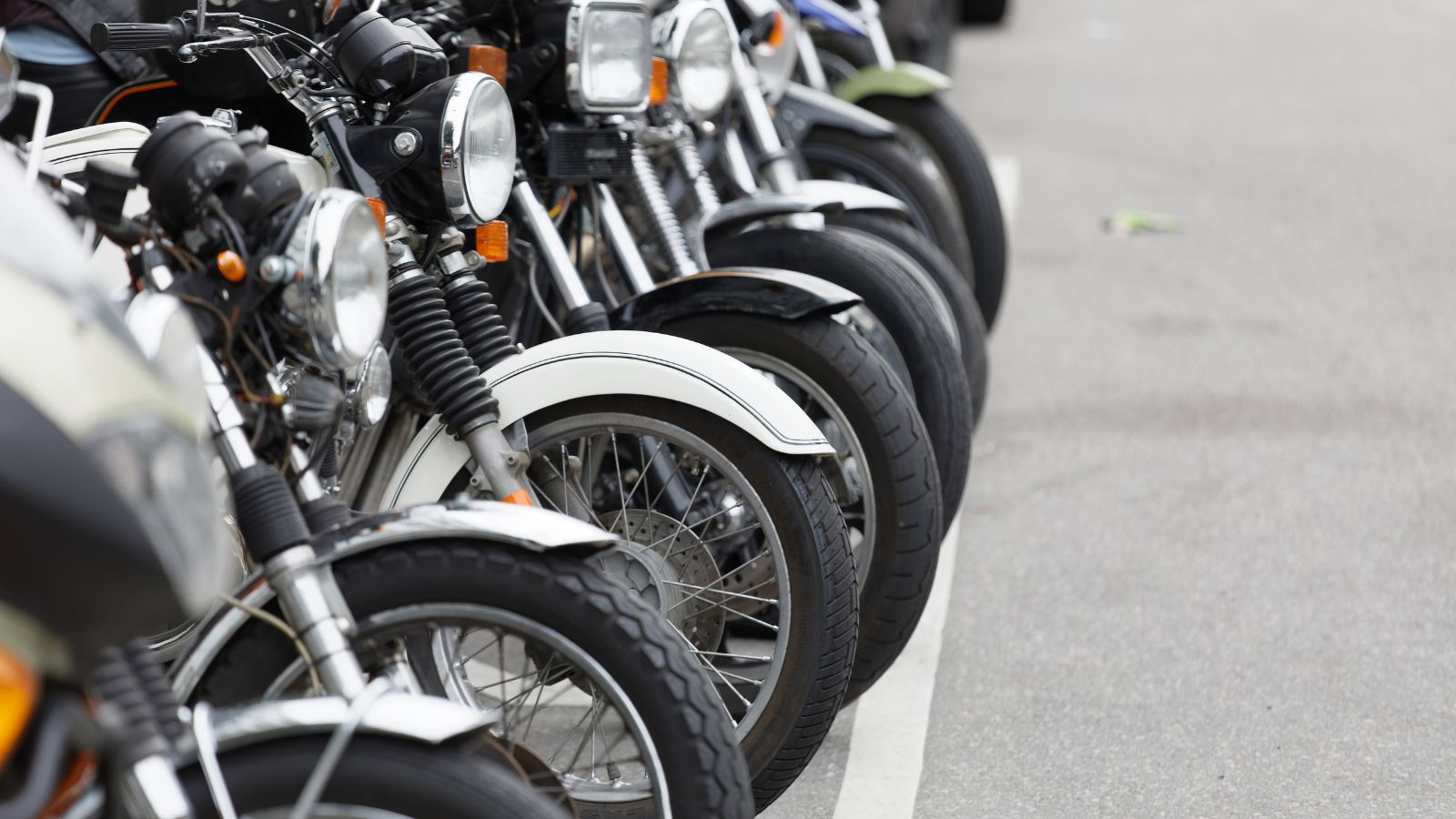
The Loners originally formed in Ontario and steadily expanded across Canada and beyond. Unlike some of the flashier clubs, the Loners tend to operate with lower visibility while still maintaining strong local influence. They recruit steadily, move quietly and hold chapters that continue to grow. Over the years they have had associations, conflicts and shifting alliances with larger clubs, which keeps them firmly on law enforcement radar. Their ability to stay active without drawing constant headlines makes them one of the more resilient outlaw motorcycle clubs in Canada.
Bacchus Motorcycle Club
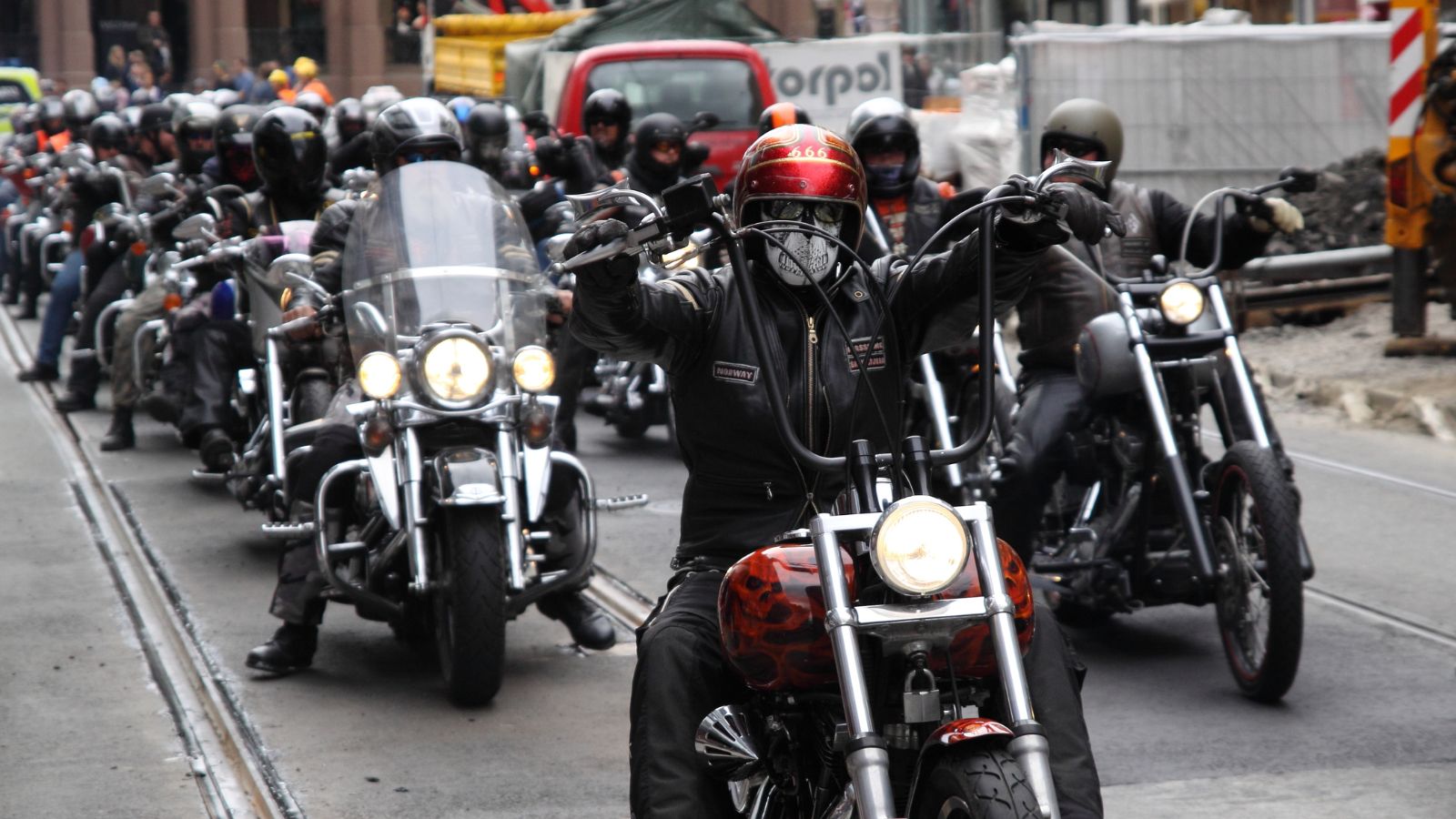
Bacchus is one of Canada’s oldest homegrown outlaw motorcycle clubs. They began in the Atlantic provinces and later expanded into Ontario. Their deep roots in smaller communities give them strong regional influence, especially in the Maritimes where they remain one of the most active clubs. They maintain a traditional outlaw biker structure and have long standing ties with other domestic and international groups. Their longevity, territorial stability and steady membership make them one of the key outlaw clubs operating in Canada today.
Mongols Motorcycle Club
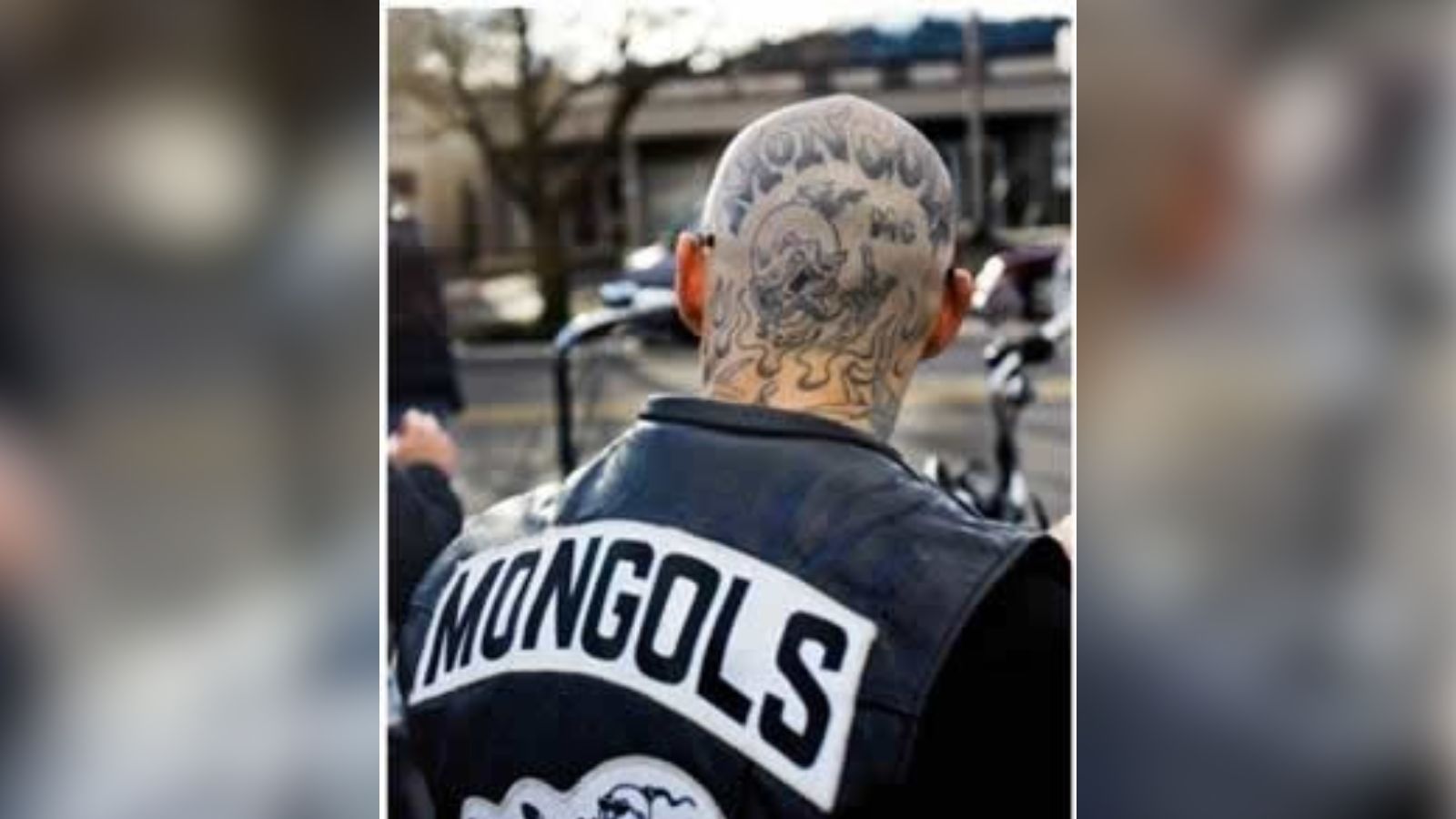
While not as publicly visible in Canada as some of the larger clubs, the Mongols maintain connections and activity that cross into Canadian territory. They are considered one of the most powerful outlaw motorcycle clubs globally, and their growing international presence includes emerging influence in parts of Canada. Smaller affiliated groups, support clubs and loose alliances help maintain their presence without requiring a large number of official chapters. Their reputation alone keeps them under constant observation, and intelligence agencies consistently list them among active international clubs with Canadian activity.
Sons of Silence
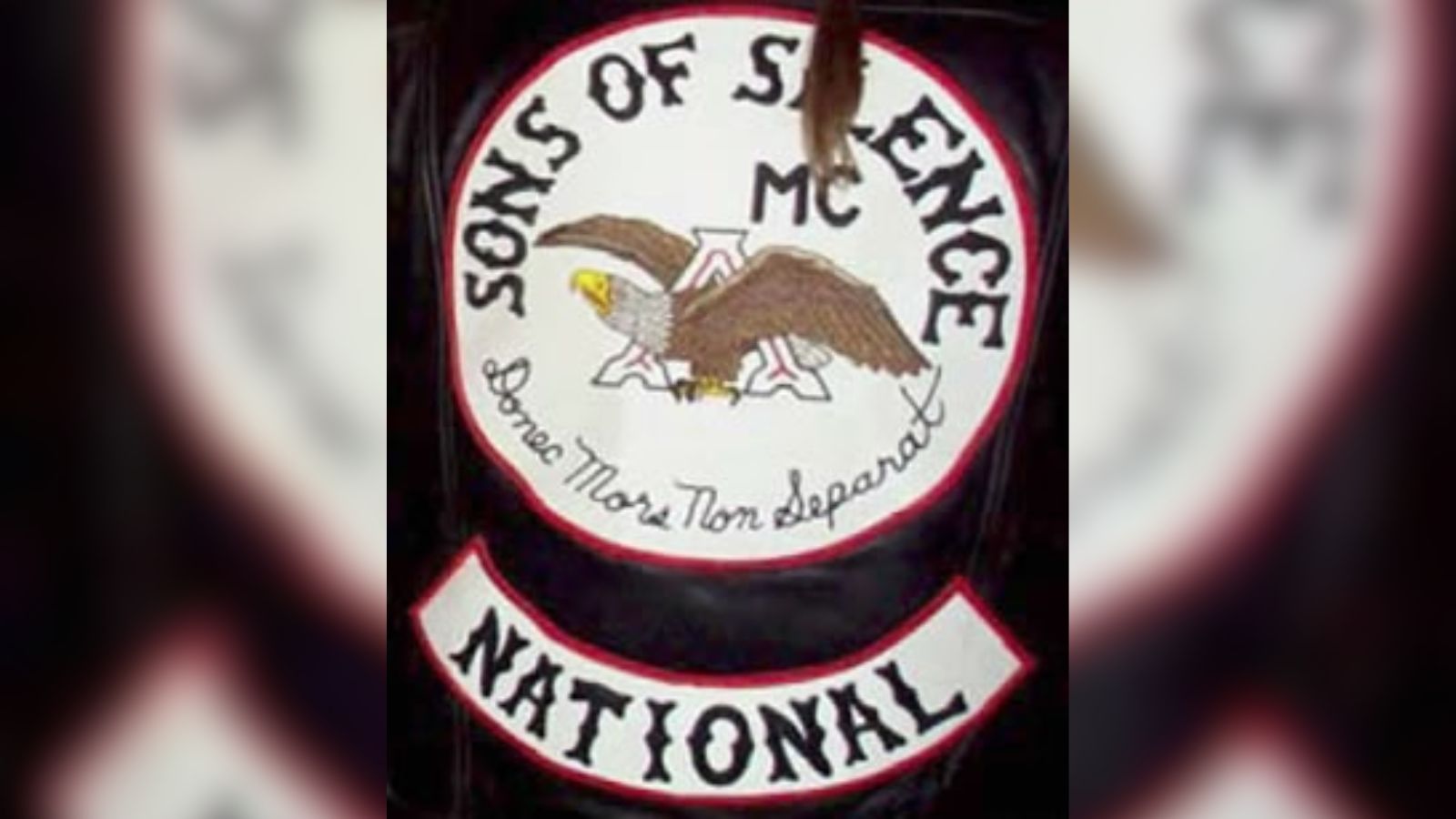
The Sons of Silence are another international outlaw motorcycle club with smaller footprints in Canada but significant cross border influence. Their operations in the United States often connect with Canadian groups, especially in smuggling networks and regional alliances. Even without widespread Canadian chapters, law enforcement continues to classify them as active due to their involvement in operations that move across provincial and national borders. Their ability to operate quietly makes them harder to track than some of the louder, more public clubs.
Why These Clubs Remain Active
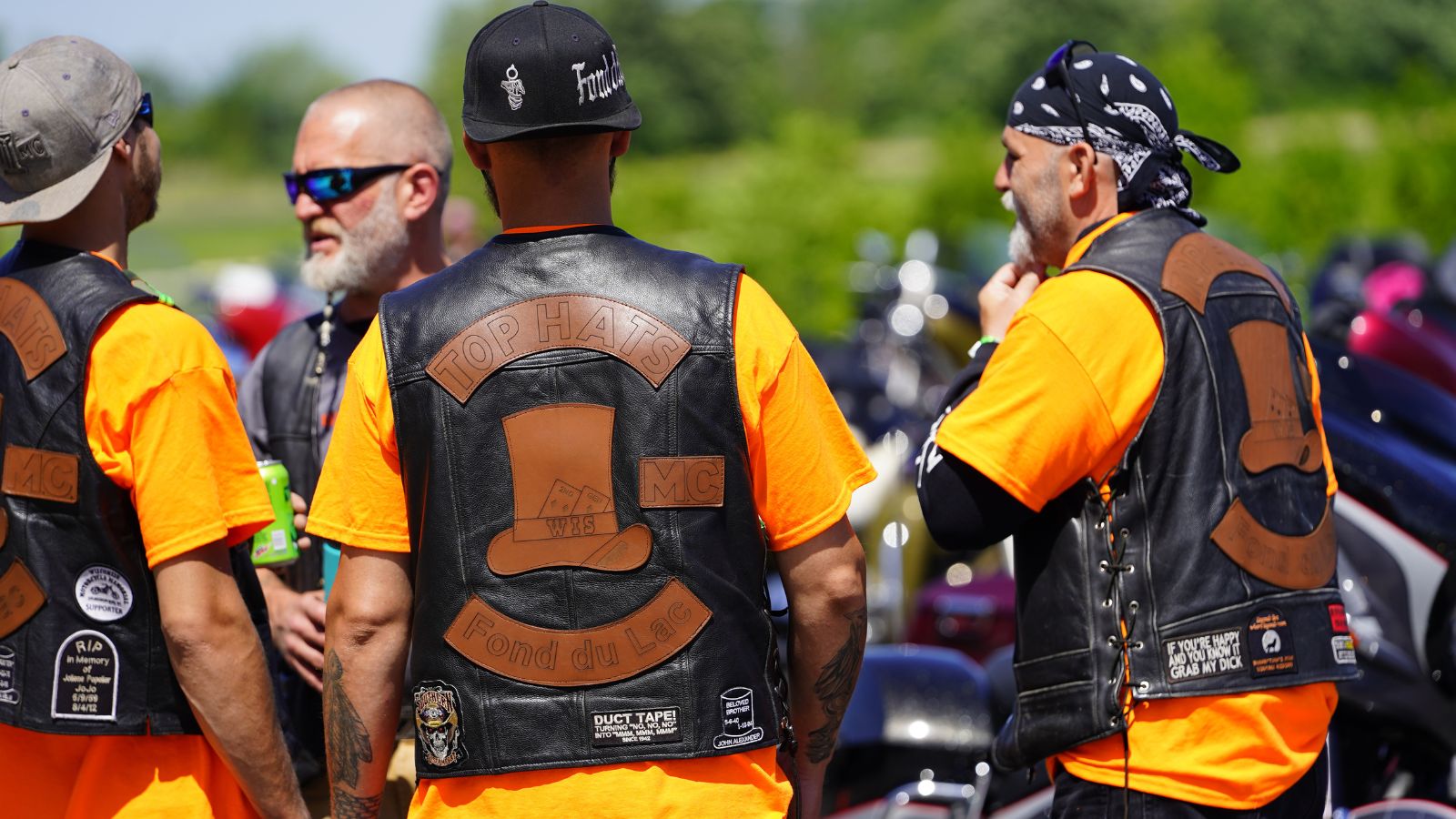
Outlaw motorcycle clubs maintain a presence in Canada because they have established networks, long standing hierarchies and the ability to adapt to shifting criminal markets. They work across borders, form alliances when needed and retreat when pressure rises. Some dominate large cities while others thrive in smaller communities where law enforcement resources run thin. No matter the province, these eight clubs remain the groups most frequently mentioned in intelligence circles for ongoing activity, influence and organizational strength.
25 Facts About Car Loans That Most Drivers Don’t Realize

Car loans are one of the most common ways people fund car purchases. Like any other kind of loan, car loans can have certain features that can be regarded as an advantage or a disadvantage to the borrower. Understanding all essential facts about car loans and how they work to ensure that you get the best deal for your financial situation is essential. Here are 25 shocking facts about car loans that most drivers don’t realize:
25 Facts About Car Loans That Most Drivers Don’t Realize
