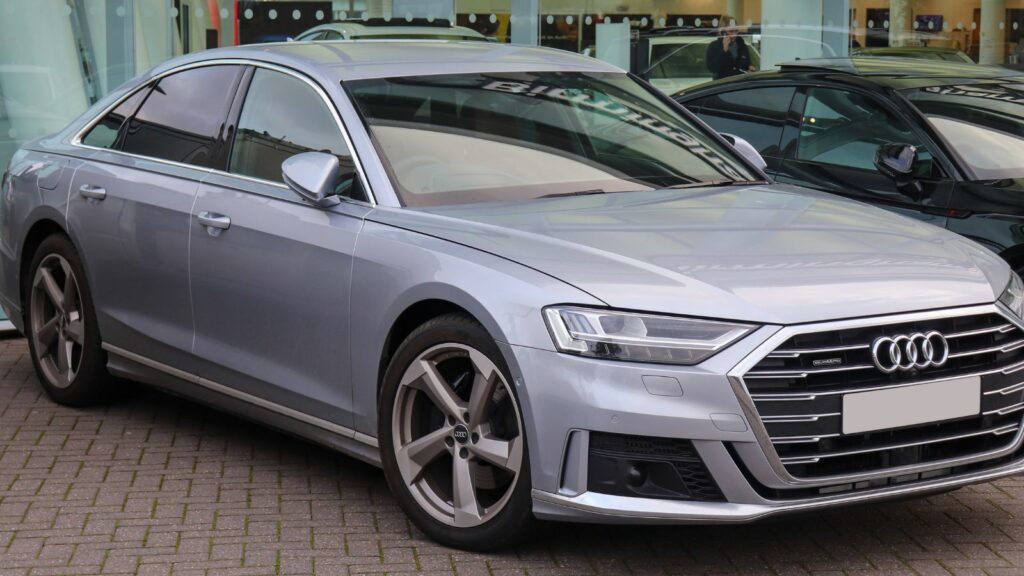
Depreciation is the silent killer of car ownership. Some vehicles lose value gently over time, others fall off a cliff almost immediately. For buyers who paid full sticker price, the first five years can feel brutal when resale numbers finally appear. These ten cars dropped value hard and fast, leaving early owners feeling the sting.
BMW 7 Series
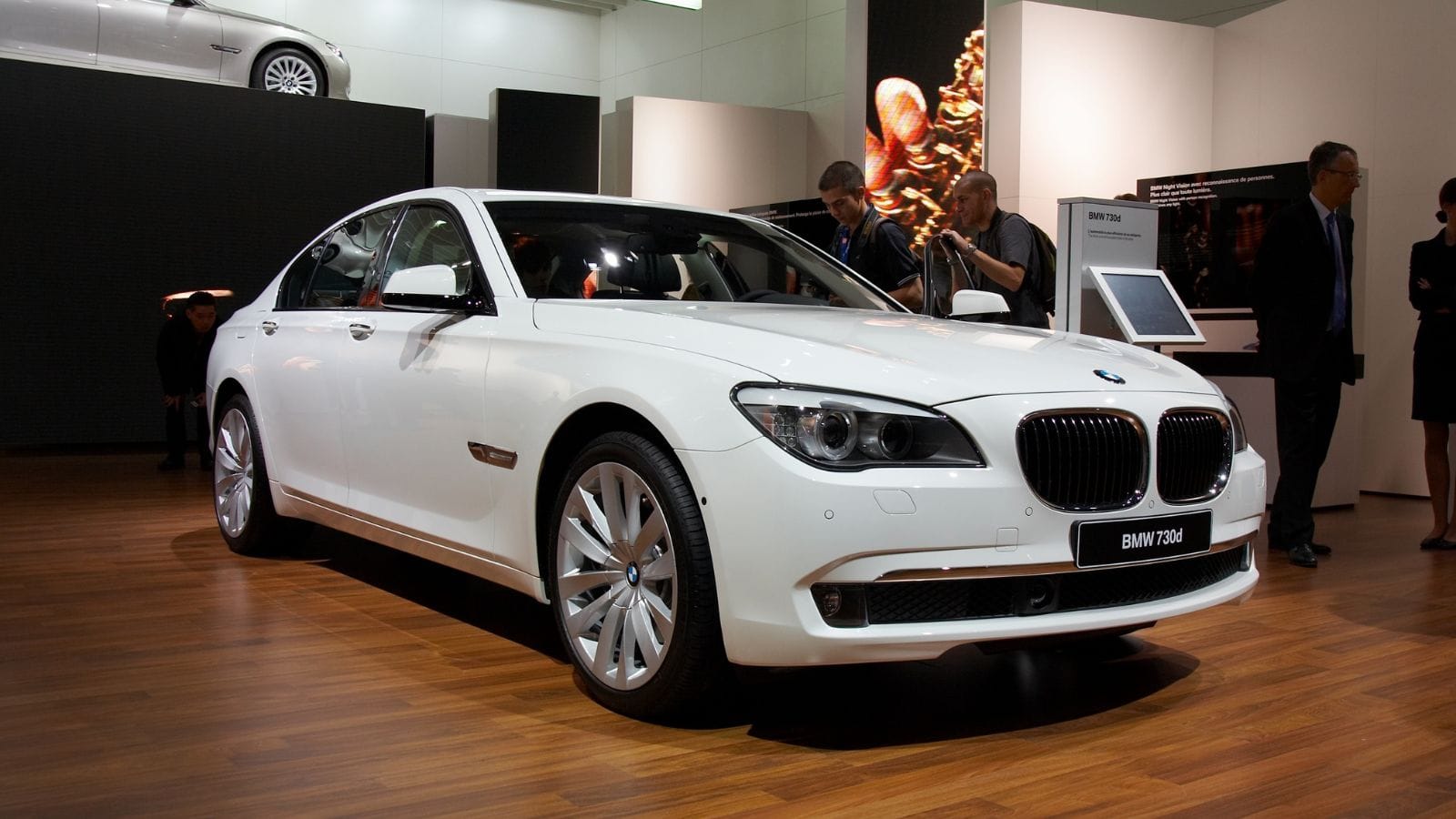
The 7 Series has always been packed with technology, and that is exactly what hurts it. Advanced electronics age quickly and scare second owners who fear repair bills. Leasing dominated sales, which flooded the used market with identical cars at the same time. Within five years values often fell by more than half, making it one of the most painful luxury sedans to buy new.
Mercedes Benz S Class
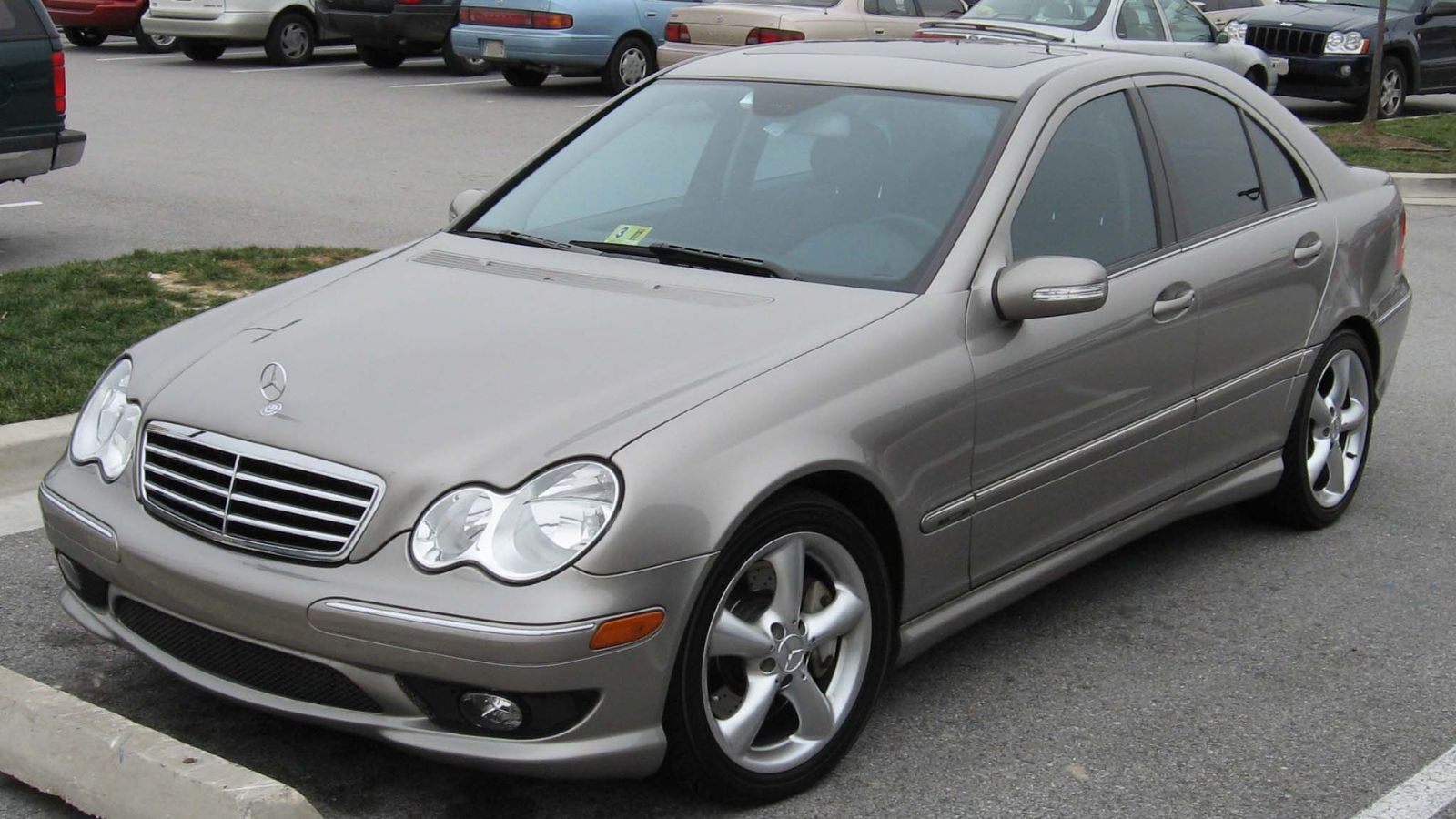
The S Class sets benchmarks when new but becomes intimidating as it ages. Complex air suspension systems, advanced driver aids and costly maintenance crush resale demand. Buyers love them new and avoid them used. Five year old examples routinely sell for a fraction of their original price, despite still feeling incredibly luxurious.
Audi A8
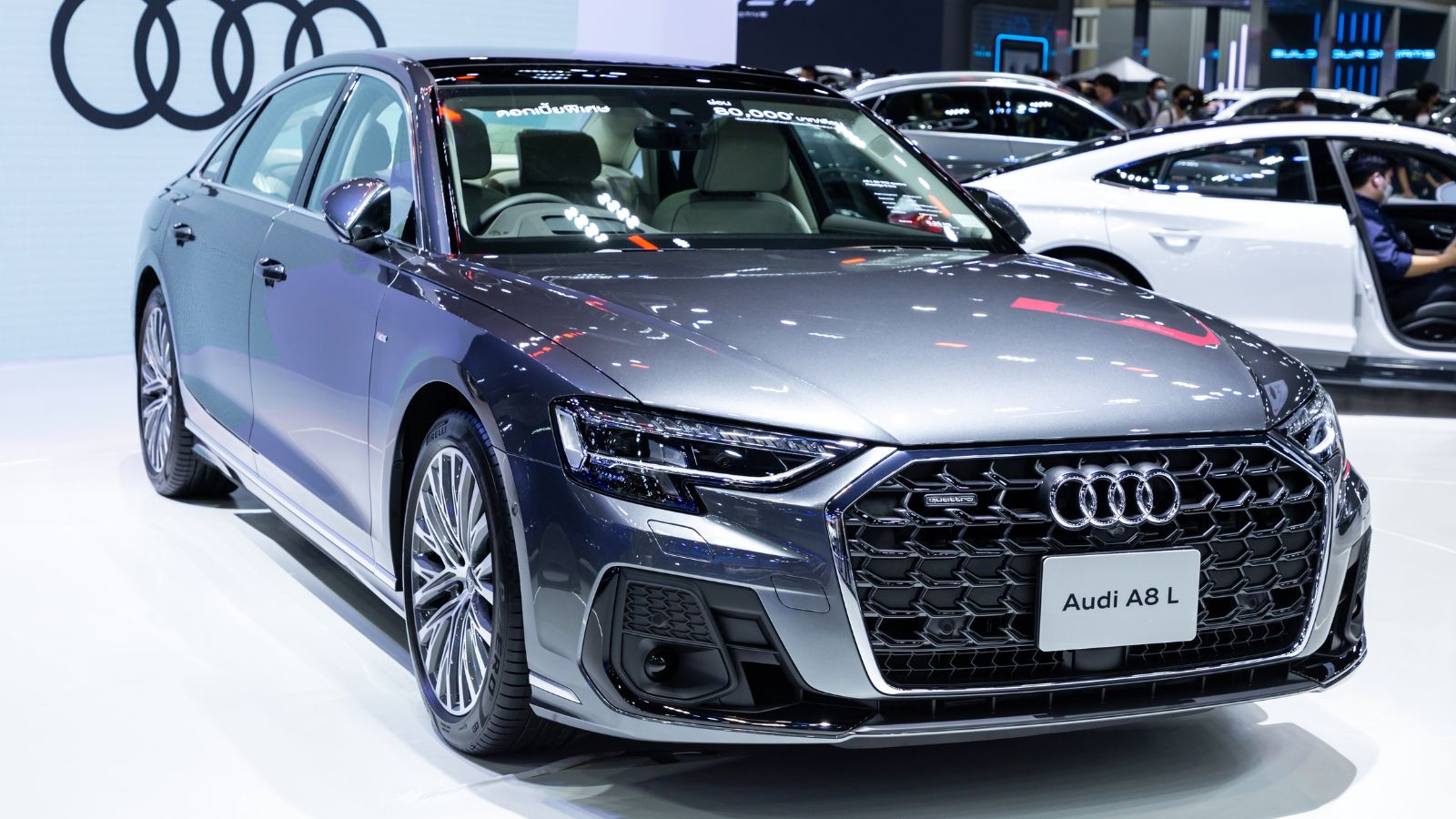
Audi’s flagship suffered from the same problem as its German rivals. High tech features, aluminium construction and expensive parts drive ownership fear. Depreciation hit fast once warranties expired. Early owners paid dearly while used buyers enjoyed massive bargains. The A8 became a classic example of how quickly top tier luxury can lose value.
Jaguar XJ
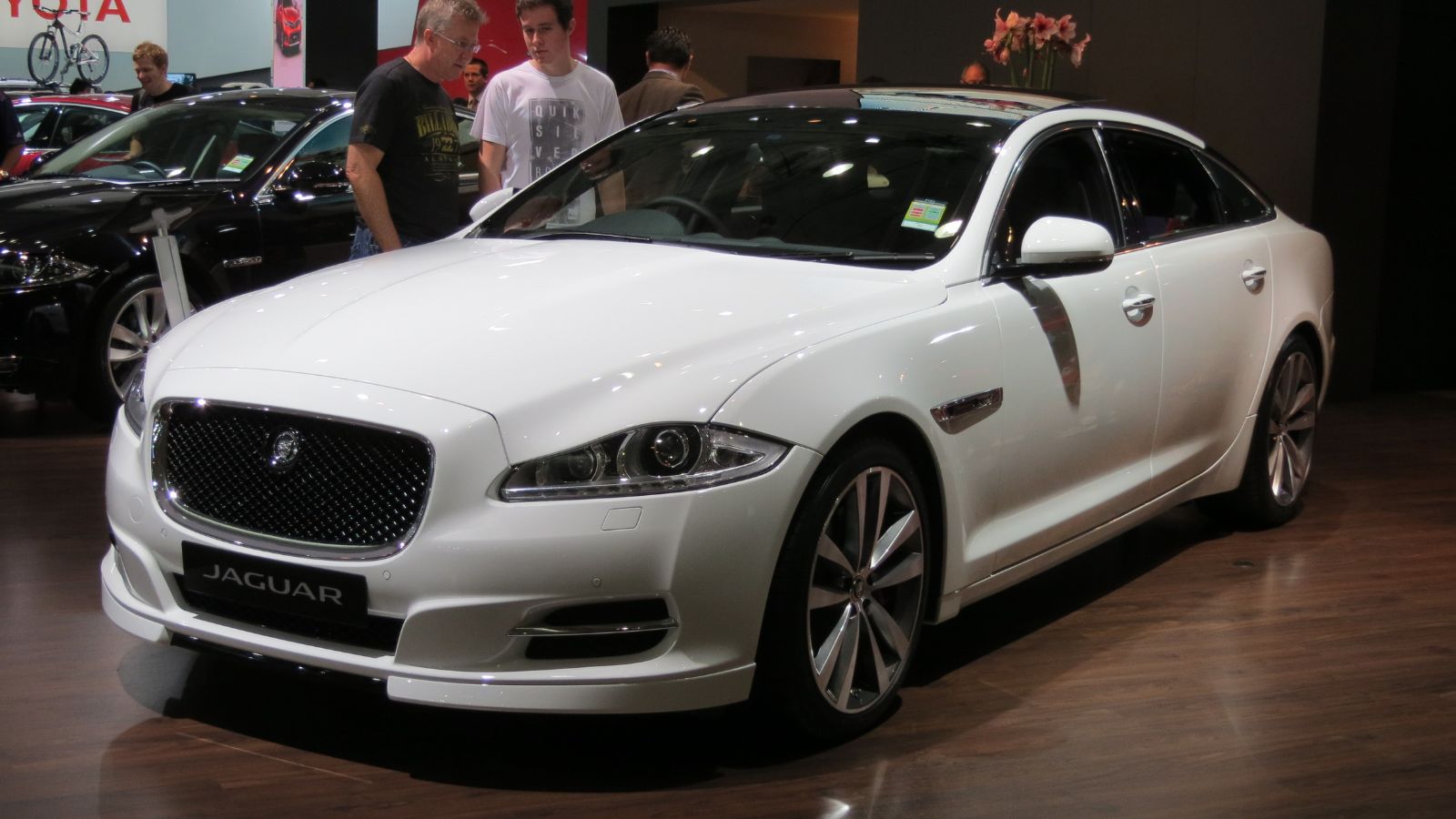
The aluminium bodied XJ looked stunning and drove beautifully, but brand perception hurt it badly. Reliability concerns and limited dealer networks pushed used buyers away. Even well maintained examples lost value aggressively in the first five years. It was a car admired from afar but avoided in classifieds.
Cadillac ELR
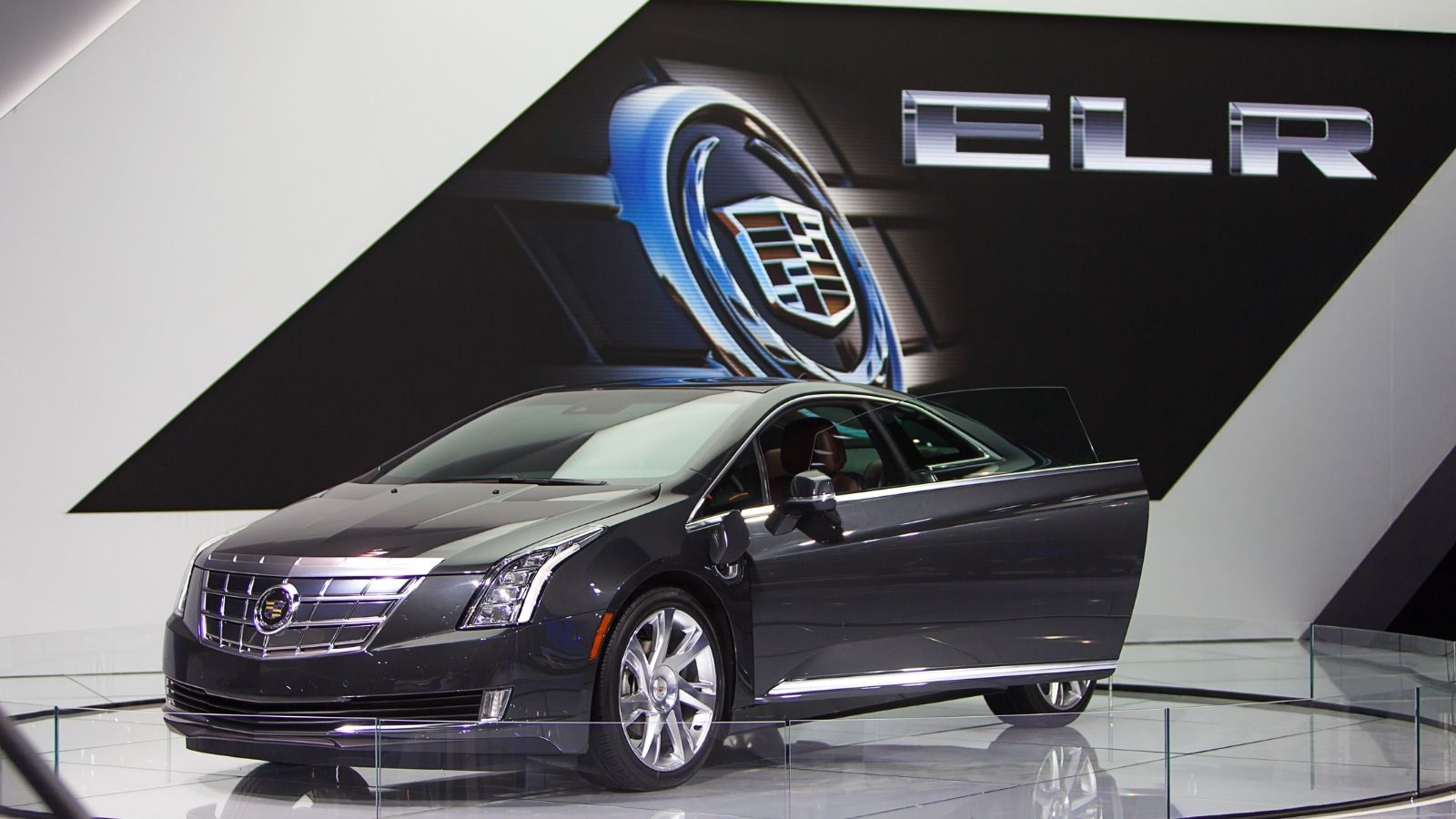
The ELR arrived with an eye watering price and confused positioning. It cost far more than competitors while offering limited electric range and modest performance. Buyers never fully understood its purpose. Depreciation was savage, with values collapsing as soon as incentives disappeared. Early adopters paid dearly for that experiment.
Nissan Leaf (Early Models)
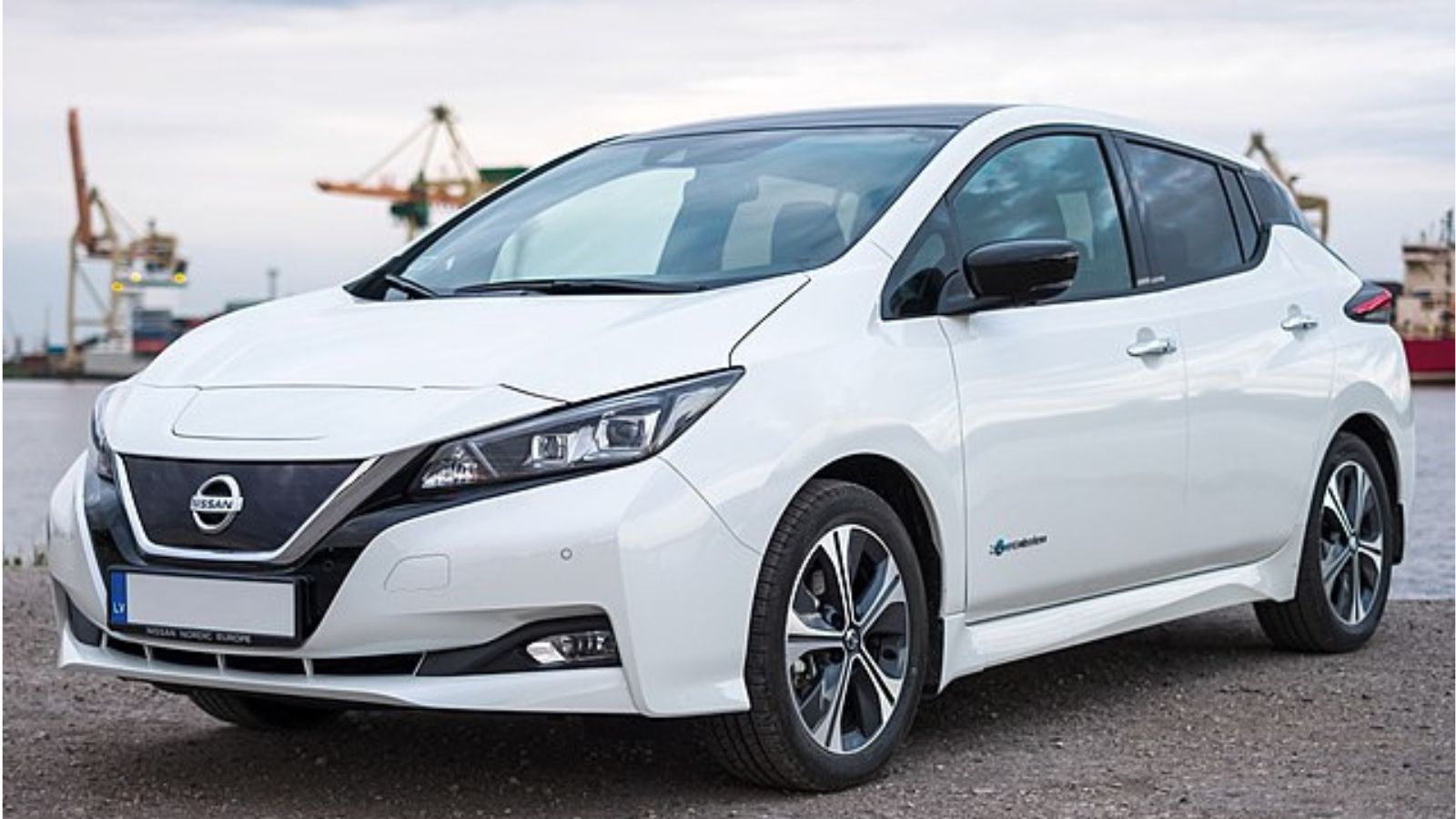
Early Leafs suffered from rapid battery degradation and short real world range. As newer EVs improved quickly, older Leafs felt outdated almost overnight. Used buyers discounted them heavily due to battery replacement fears. Five year depreciation was extreme, especially in colder climates where range loss was more noticeable.
Maserati Ghibli
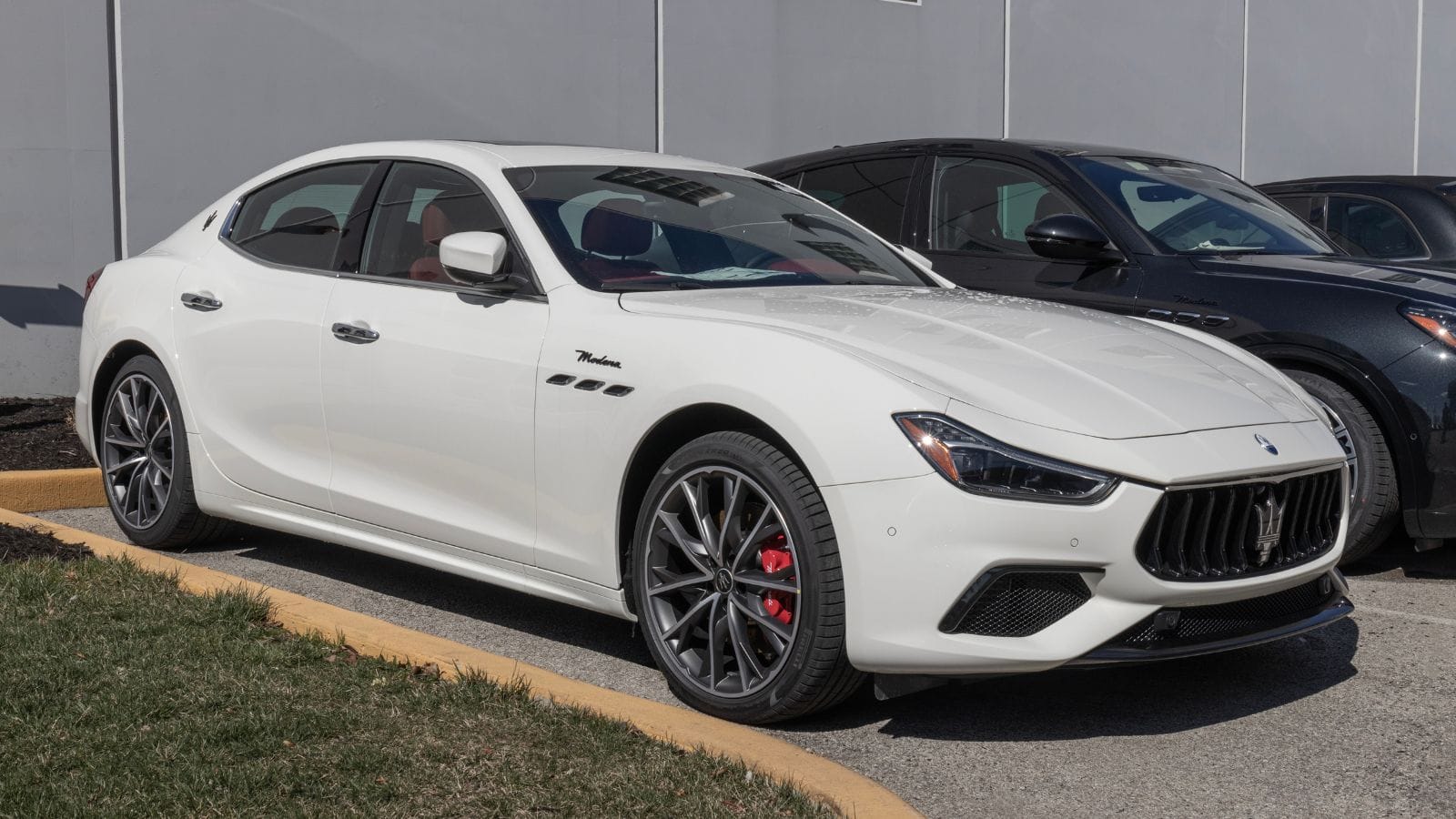
The Ghibli promised Italian style at a lower entry point but flooded the market with leased cars. Interior quality complaints and reliability concerns damaged long term confidence. Values dropped fast once the novelty wore off. Buyers who leased were protected, buyers who purchased outright felt the pain.
Infiniti QX80
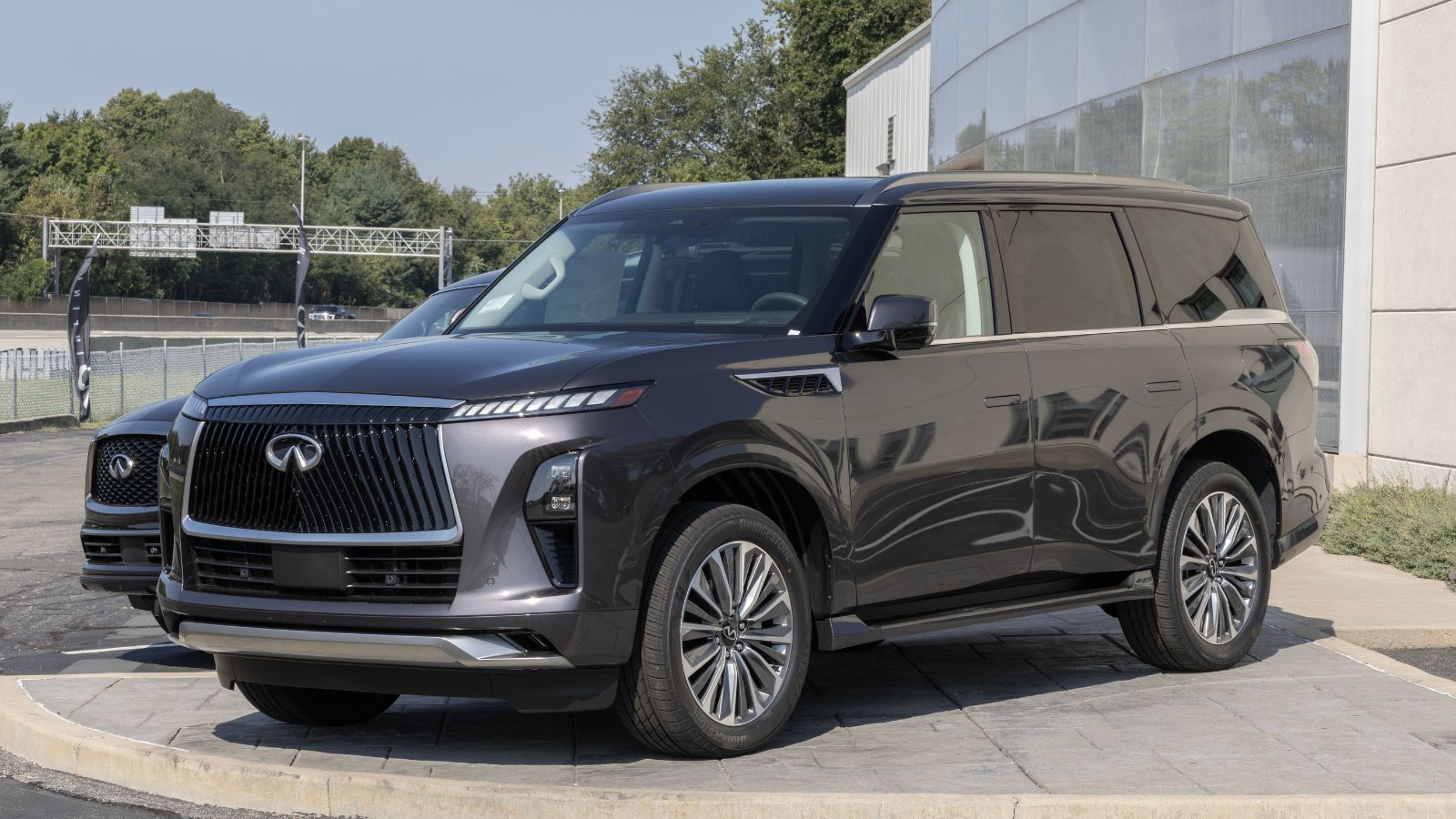
Big luxury SUVs normally hold value well, but the QX80 struggled due to high fuel consumption and dated interior tech. As fuel prices fluctuated, demand softened dramatically. The result was steep depreciation early in ownership. Despite being capable and comfortable, resale numbers told a harsh story.
Lincoln MKZ
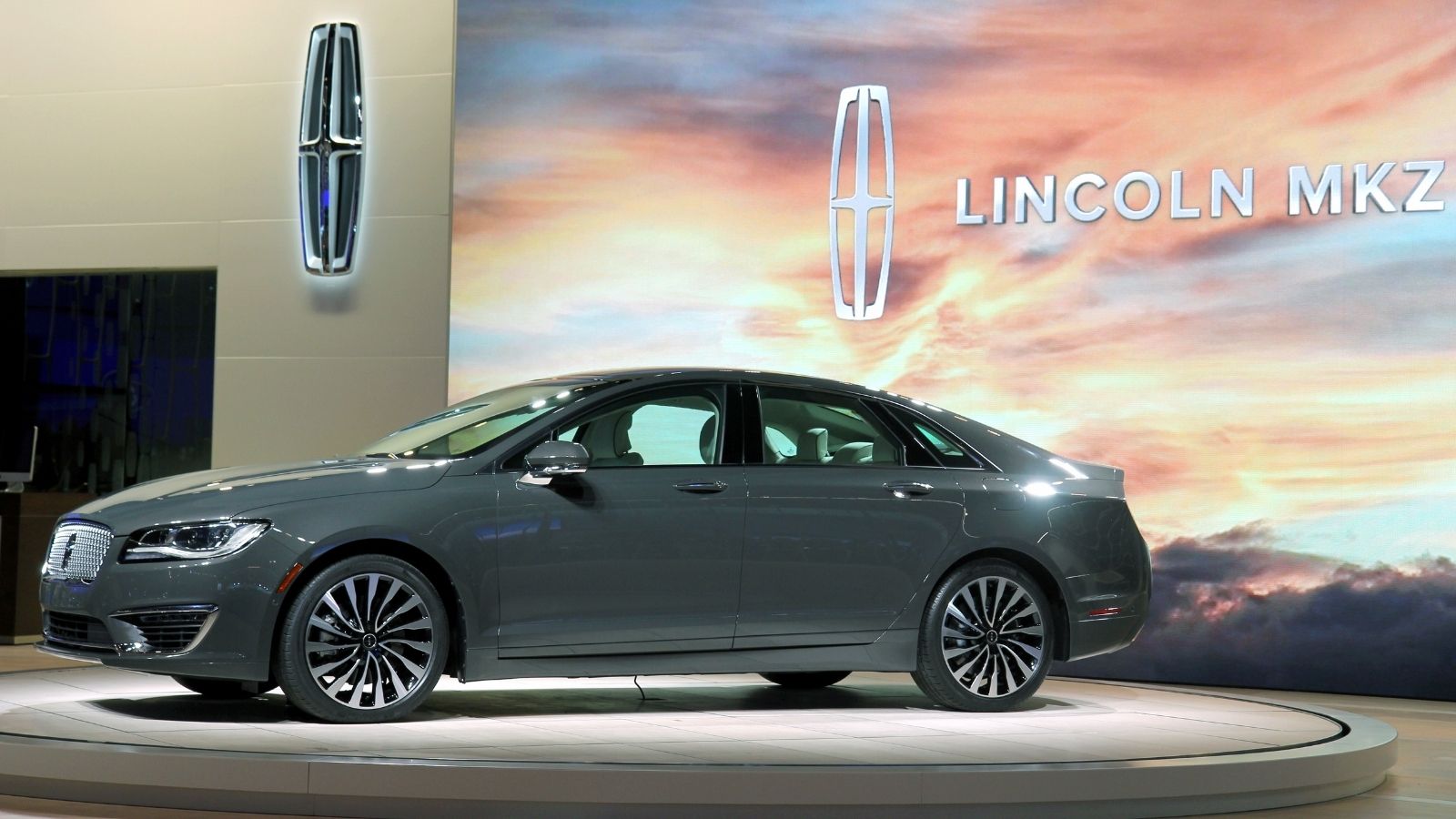
The MKZ never found a clear identity in a crowded midsize segment. It was priced too close to luxury rivals while lacking strong brand pull. Fleet sales pushed used values down further. Within five years depreciation made it one of the weakest performers in its class.
Chevrolet Volt
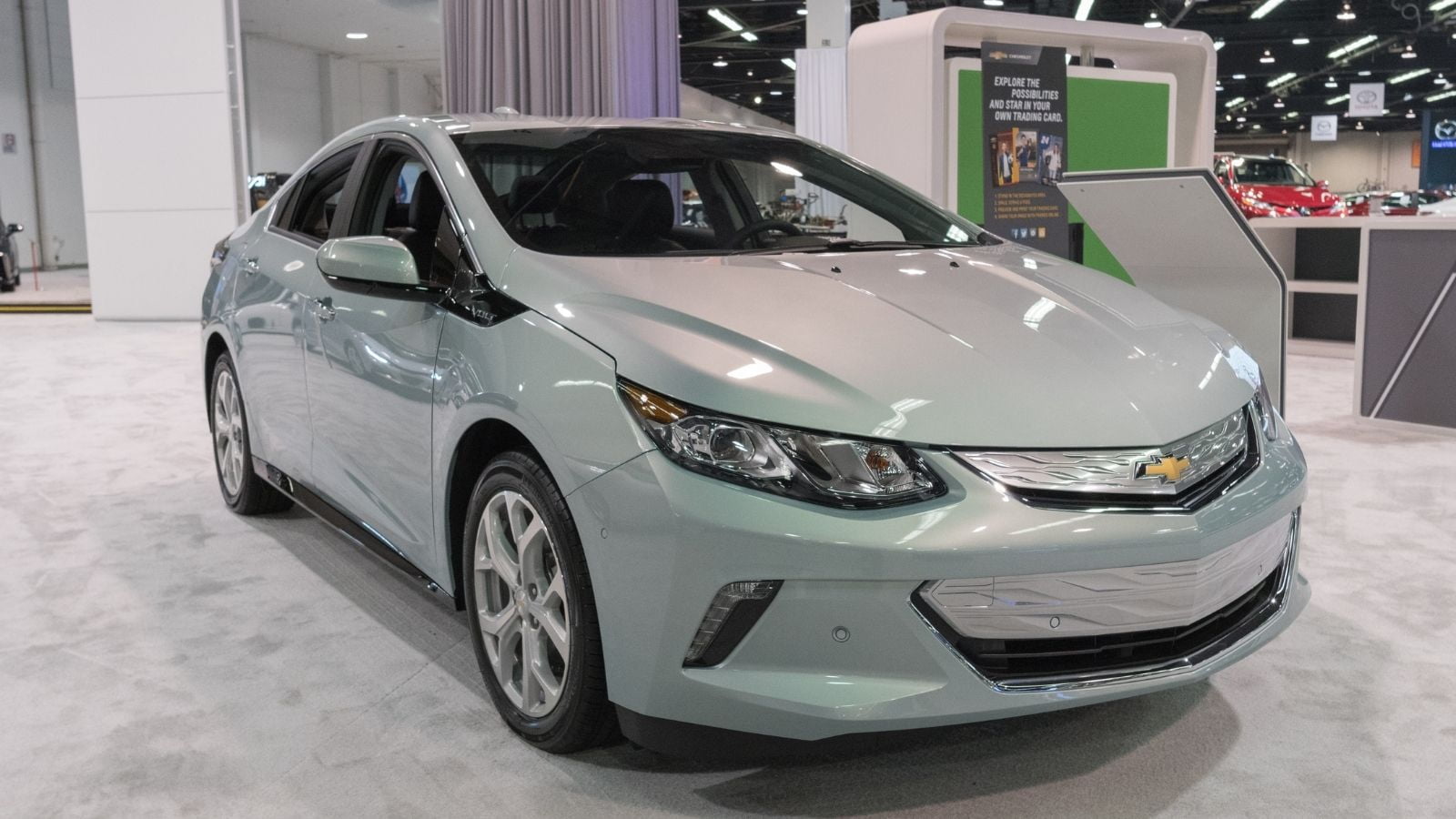
The Volt was brilliant technology released at the wrong time. Early versions were expensive and incentives distorted resale values. Rapid advances in EV and hybrid tech made older Volts feel obsolete quickly. Five year depreciation was heavy, even though owners often loved the car itself.
25 Facts About Car Loans That Most Drivers Don’t Realize

Car loans are one of the most common ways people fund car purchases. Like any other kind of loan, car loans can have certain features that can be regarded as an advantage or a disadvantage to the borrower. Understanding all essential facts about car loans and how they work to ensure that you get the best deal for your financial situation is essential. Here are 25 shocking facts about car loans that most drivers don’t realize:
25 Facts About Car Loans That Most Drivers Don’t Realize
