
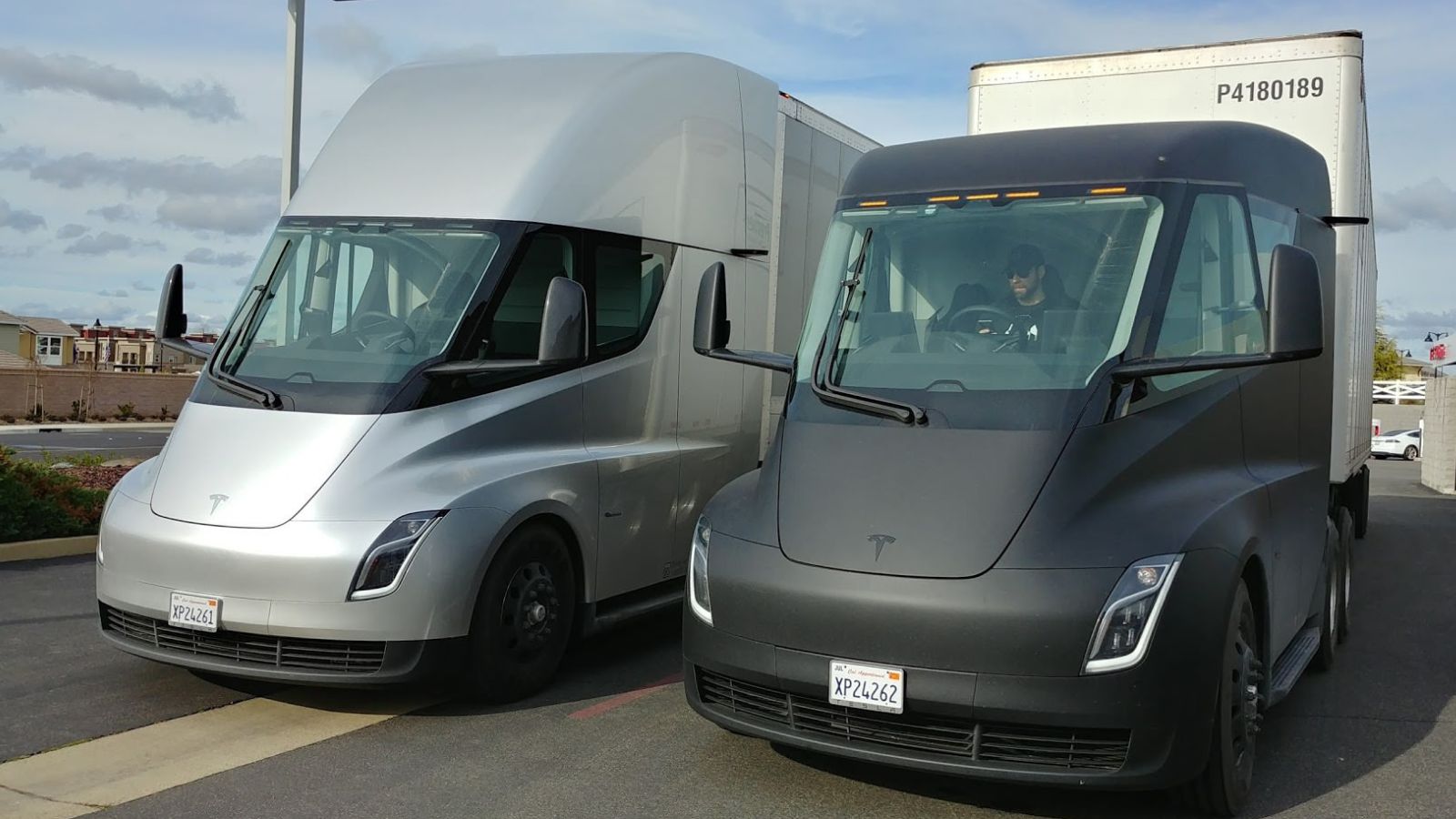
When Tesla unveiled the Semi, the headline claim grabbed everyone’s attention. Five hundred miles of electric range while hauling a full load sounded like the moment diesel dominance might finally crumble. Years later the reality on the road paints a different picture. Drivers report far shorter ranges, bigger compromises and real world limits that matter even more in a country as vast and cold as Canada. The dream of an all electric trucking fleet is still distant, and diesel continues to hold its ground for reasons rooted in geography, climate and economics.
What Tesla Promised
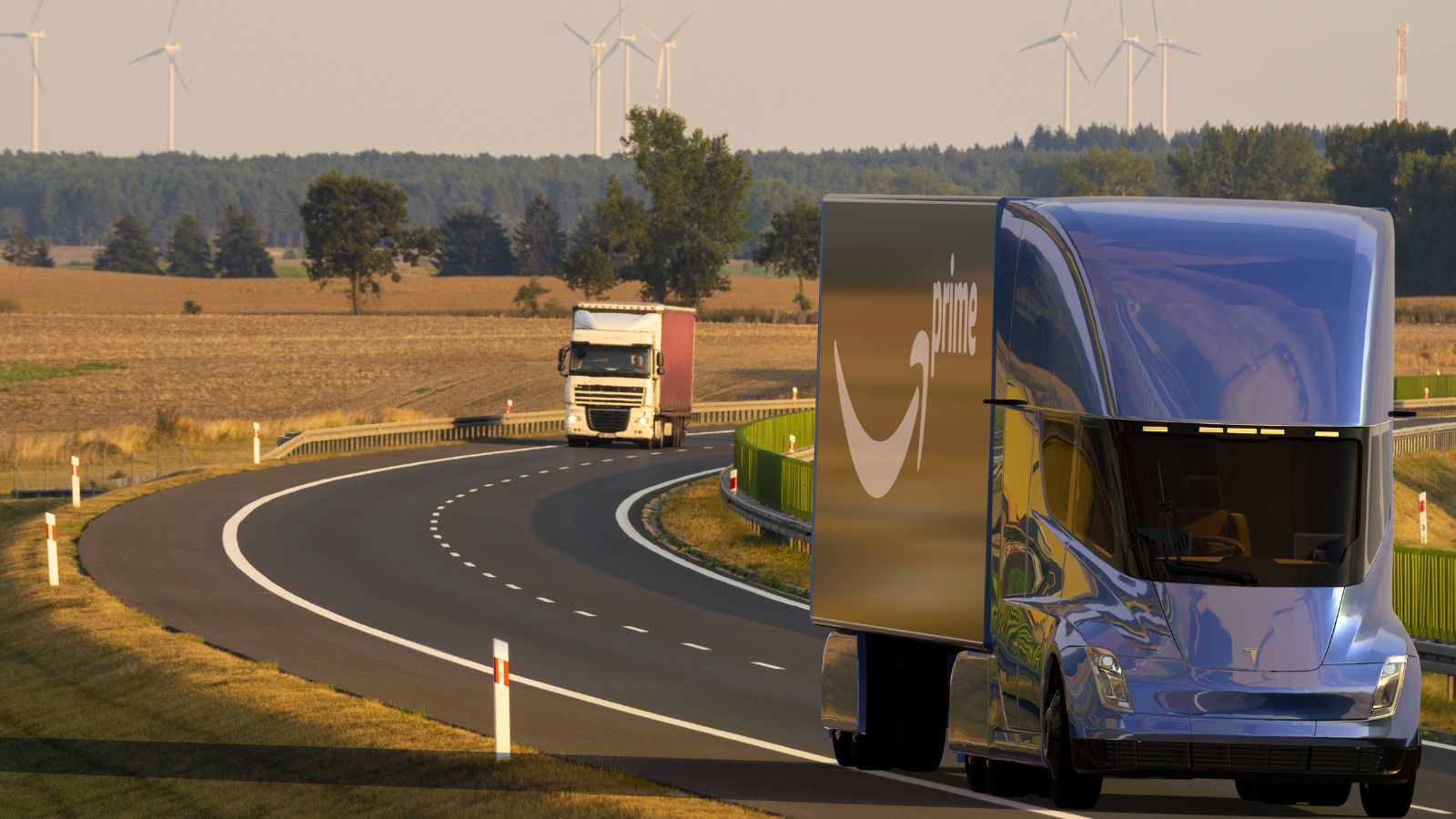
Tesla sold the Semi as the clean revolution long haul trucking had been waiting for. Five hundred miles of fully loaded range was supposed to eliminate range anxiety, match diesel practicality and silence critics who doubted electric transport. The pitch was bold and confident. No drop in performance when towing, no concern about temperature, no compromise on highway speed. In theory it all sounded like the final step toward true heavy duty electrification.
What Drivers Are Actually Seeing
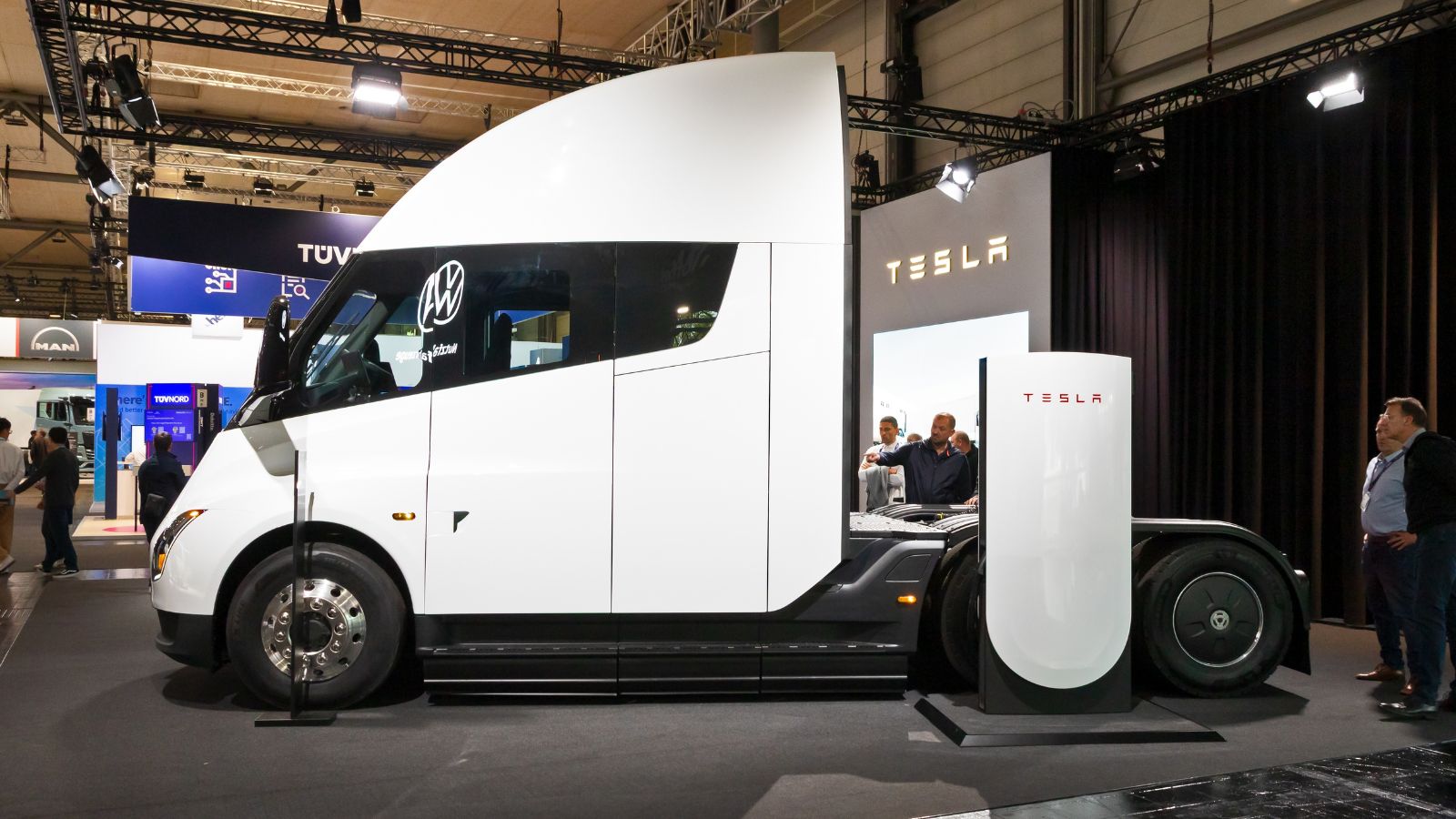
Out on the road the Semi’s numbers shift dramatically. Drivers report that the 500 mile target becomes unreachable once real world variables appear. Grade changes, full load weight, headwinds, winter temperatures and highway speeds all cut deep into the battery. Some drivers struggle to reach three hundred miles during cold conditions. Even in mild weather the expected range shrinks when the truck is pushed at a normal commercial pace. The claims may be achievable in controlled testing but the open road writes its own rules.
Cold Weather Crushes Range

Canada poses the biggest challenge because cold weather punishes EV batteries more than almost any other factor. As temperatures drop the Semi devotes a huge amount of energy to warming both the cabin and the battery pack. The chemistry simply cannot deliver the same output in freezing climates. Trucks running in minus twenty find their range slipping far below published estimates even with lighter loads. For Canadian operators this creates unpredictable downtime and routing headaches that diesel trucks never face.
Charging Takes Longer Than Advertised
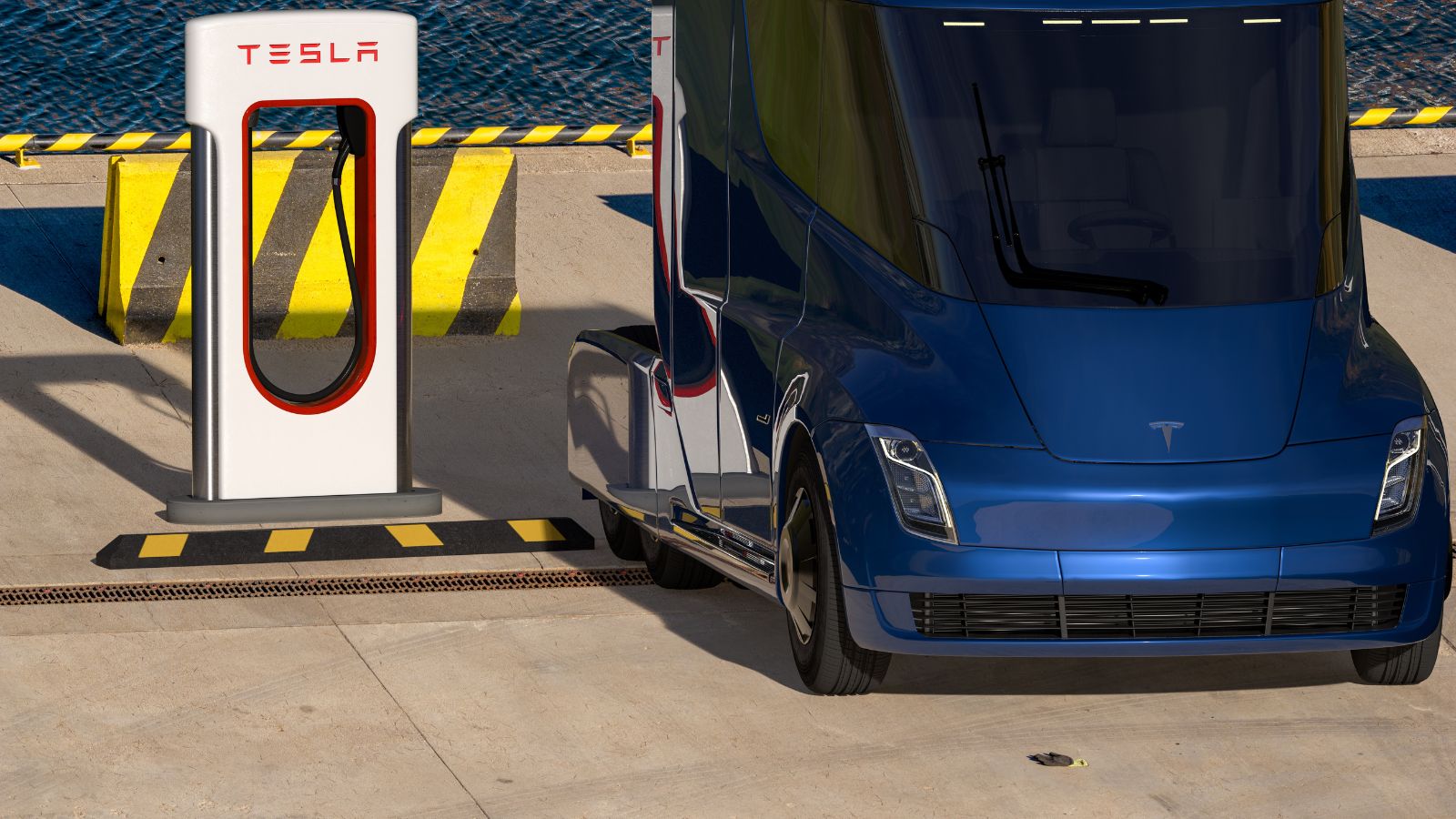
Tesla’s megachargers promise fast turnaround times but real world sessions often take longer due to grid limitations, charger availability and cold soaked batteries needing preheating. Diesel drivers top off in minutes while electric trucks might sit for an hour or more before rolling again. For long haul schedules those delays compound quickly. A truck that spends too much time charging instead of driving loses its economic purpose.
Infrastructure Cannot Support Long Haul Freight

Canada’s trucking routes run through mountains, remote stretches and towns where charging stations do not exist. Even well developed corridors struggle to support heavy duty charging demands. The power required to charge a fleet of Semis is enormous and most regions do not have the grid strength to sustain it at scale. Diesel fills every gap with total reliability which is why companies still depend on it.
Battery Weight Reduces Cargo
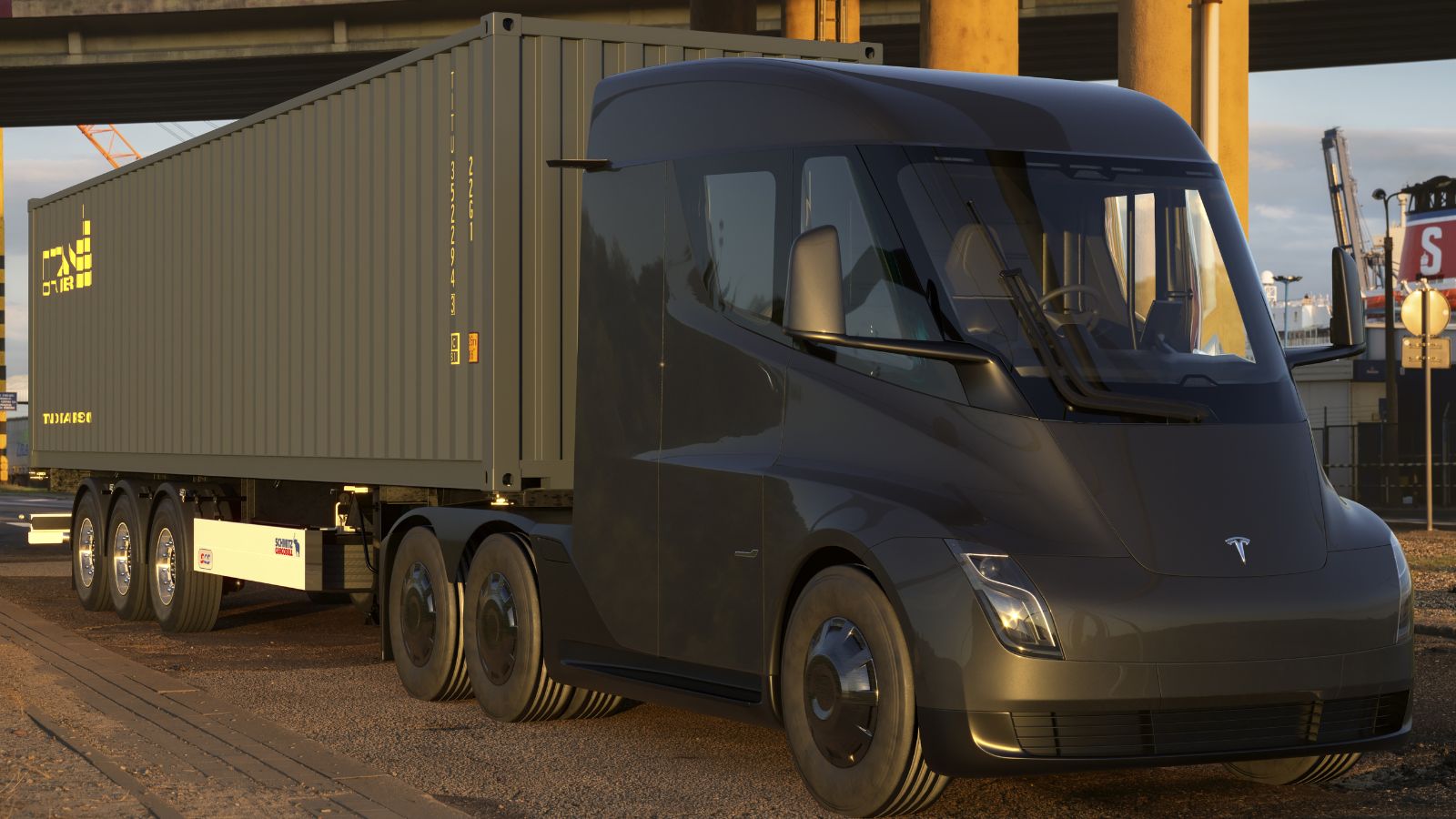
Large battery packs give the Semi its promised range but they come at a price. Weight. Heavy packs reduce the amount of cargo a truck can legally carry which eats into revenue. Hauliers operating on tight margins cannot afford to lose payload. Diesel trucks maintain their range without sacrificing carrying capacity which keeps them profitable on long distance freight.
Diesel Thrives in Harsh Conditions

While electric trucks struggle with cold temperatures, diesel engines thrive in them. With proper winter fuel and block heaters, diesel trucks operate with consistent performance from coast to coast. They refill quickly, carry full weight loads without penalty and climb mountain grades without draining a battery halfway through the trip. The reliability and predictability matter more in Canada than almost anywhere else.
Canada’s Geography Favors Diesel

The country’s sheer size and its reliance on long distance freight create an environment where electric trucks face constant disadvantages. Freight runs from Vancouver to Calgary, from Toronto to Winnipeg or from Montreal to Northern Quebec require consistent range in weather that swings from mild to brutal. Diesel handles that variability with ease. Electric trucks struggle with it every kilometre.
Operating Costs Are Not as Simple as Promised
Electricity is cheaper than diesel on paper but the cost of downtime, charging delays, grid upgrades and reduced payload complicate the equation. Companies test Semis, discover the hidden expenses and often return to diesel for reliability and predictable margins. Lower maintenance costs help EVs, but they do not make up for lost range and longer travel times in Canadian conditions.
Why Diesel Is Still Needed

Canada’s economy depends on freight that moves quickly, regardless of weather, terrain or distance. Diesel gives that ability right now with no compromise. Electric trucks will eventually improve, but today their range limitations, charging infrastructure gaps and sensitivity to cold weather prevent them from replacing diesel in heavy haul applications. Until EV technology solves those fundamental challenges, diesel remains the backbone of Canadian transport.
25 Facts About Car Loans That Most Drivers Don’t Realize

Car loans are one of the most common ways people fund car purchases. Like any other kind of loan, car loans can have certain features that can be regarded as an advantage or a disadvantage to the borrower. Understanding all essential facts about car loans and how they work to ensure that you get the best deal for your financial situation is essential. Here are 25 shocking facts about car loans that most drivers don’t realize:
25 Facts About Car Loans That Most Drivers Don’t Realize
