
For decades car ownership meant exactly that. You bought the car, you owned the car and everything bolted to it was yours. Today things are shifting into unsettling territory. Modern vehicles are so deeply connected to the cloud that automakers can switch features on or off without ever touching the car. Owners across Canada and the United States are learning that the heated seats, driving aids or performance modes they thought they bought can be disabled remotely. This new reality has created a wave of frustration and a fresh debate about who truly owns the modern automobile.
BMW Remote Locks on Comfort Features
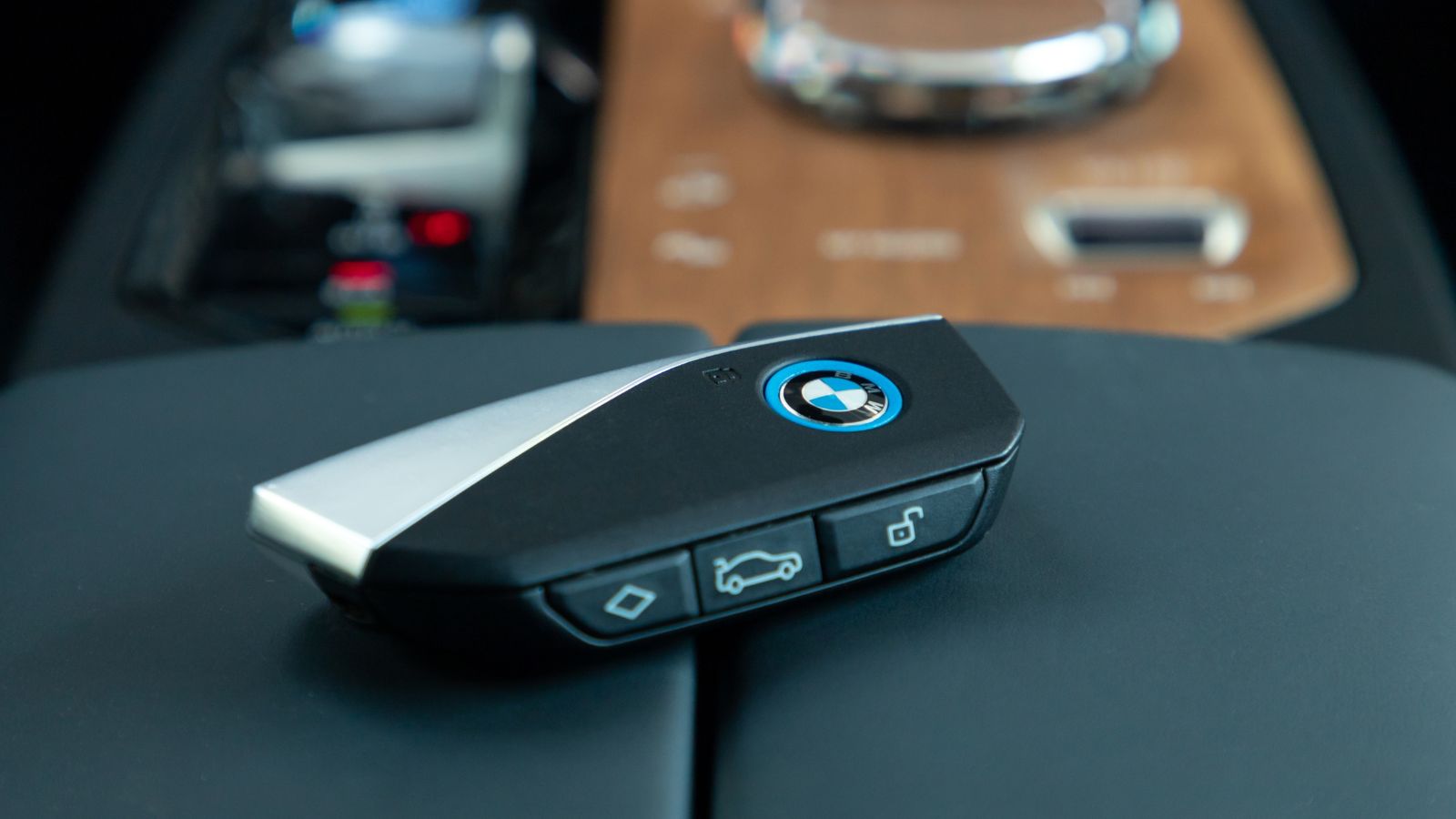
BMW drew worldwide attention when drivers discovered the company could disable heated seats, heated steering wheels and even advanced lighting features. Everything is controlled through software permissions tied to the car’s digital profile. If a subscription lapses, comfort features already installed in the vehicle can go dark instantly. For many Canadians this felt like buying a winter jacket and learning the zipper only works if you pay monthly. It set the tone for what would become a growing industry trend.
Tesla Features That Come and Go at the Press of a Button

Tesla’s over the air system is one of the most advanced in the world and it comes with enormous power. The company has already disabled autopilot or performance upgrades on used Teslas when ownership changed hands because the options were linked to the original buyer’s account rather than the vehicle itself. Owners also report losing connectivity features without warning after software changes. The idea that a car can lose capabilities overnight because of a server based decision leaves many drivers uneasy about long term ownership.
General Motors Remote Start and App Based Locks
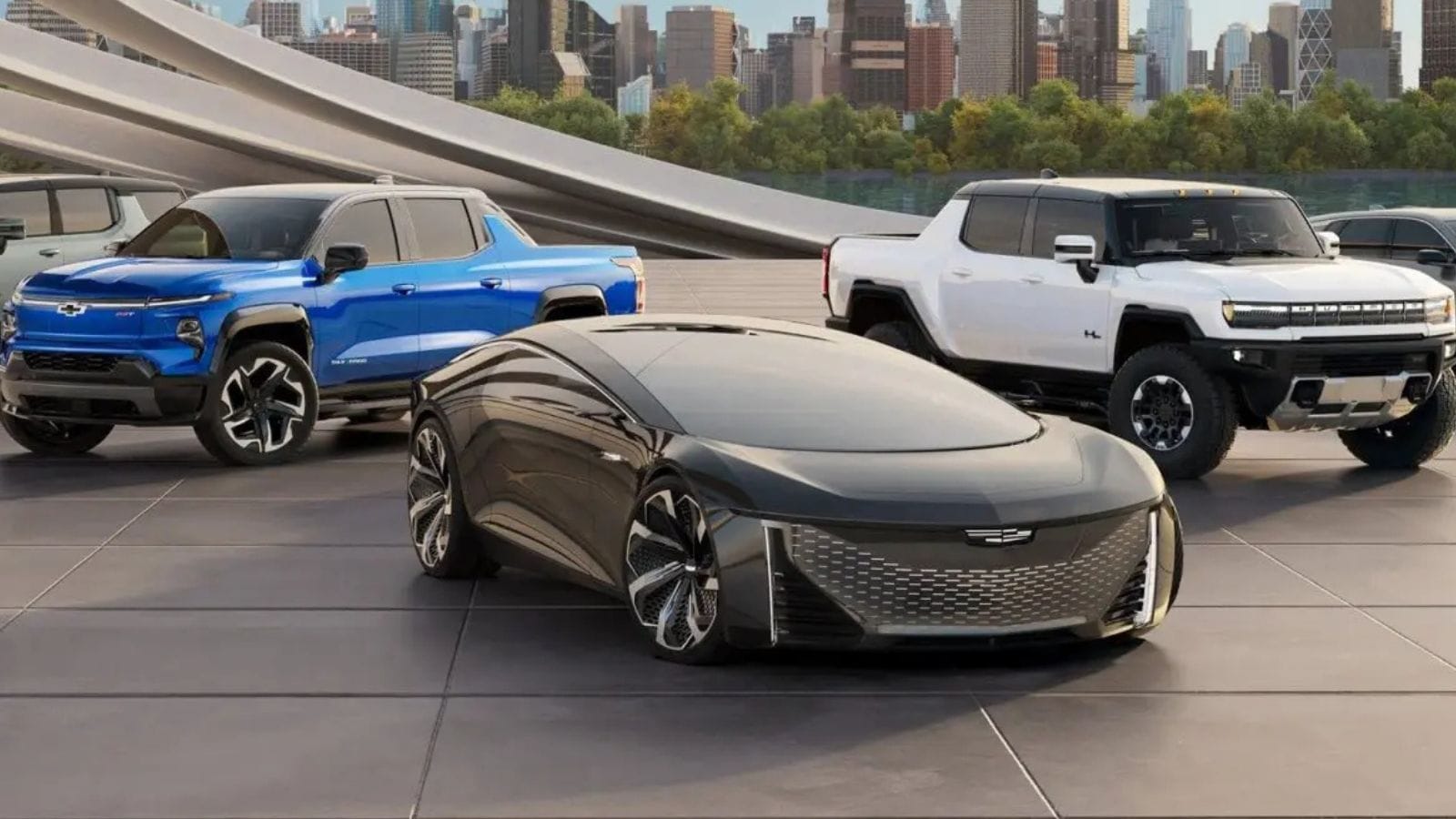
GM has integrated a wide set of features into its connected services app. What many owners did not expect was how closely those features are tied to subscriptions. Remote start, remote unlock, vehicle diagnostics and even some driver assistance functions can stop working the moment the subscription expires. The hardware sits in the vehicle ready to operate yet the software locks it out. For Canadians in winter, losing remote start over a payment deadline feels like the definition of corporate coldness.
Mercedes Benz Performance Features That Switch Off
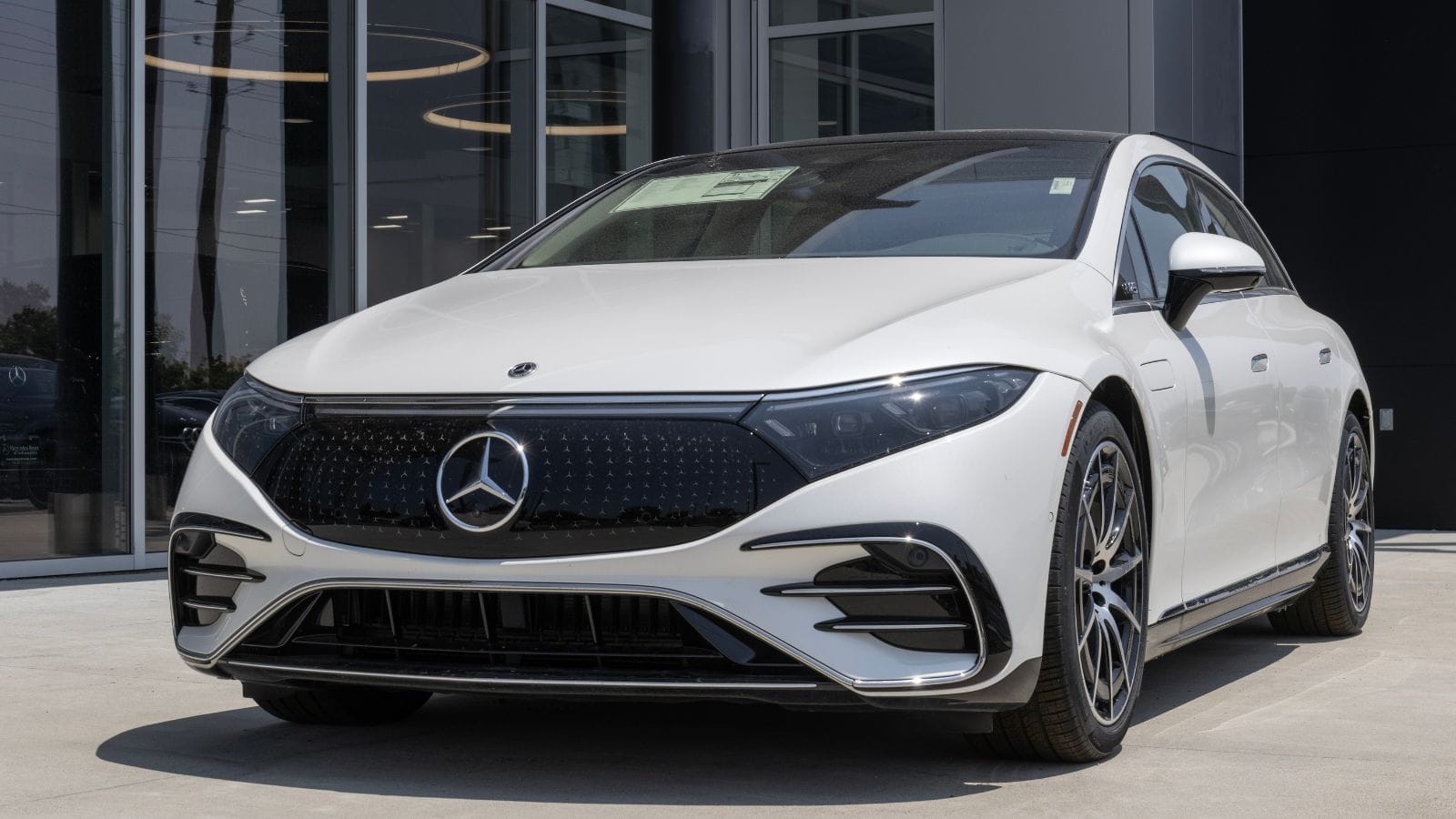
Mercedes found itself in controversy when it began locking higher performance drive modes behind subscription upgrades. The hardware is fully capable of delivering the extra power, but the system blocks it unless the customer pays. Some owners discovered that if the subscription ended during ownership transfer, the new driver lost those features entirely. Even functions like rear steering assistance can be remotely restricted. It creates a strange world where a luxury car can deliver less than what the physical machine is capable of.
Volkswagen and the Rise of Cloud Controlled Options

Volkswagen’s latest digital platform ties many convenience features to the connected services ecosystem. Climate preconditioning, advanced navigation tools and certain comfort functions can be activated or deactivated depending on subscription status. The brand claims this allows buyers to pay only for what they use, but owners argue it feels more like renting parts of their own car. Since many Volkswagens operate in harsh Canadian climates, losing heated features due to software limitations has become a sore spot for drivers.
Why This Trend Has Drivers Worried
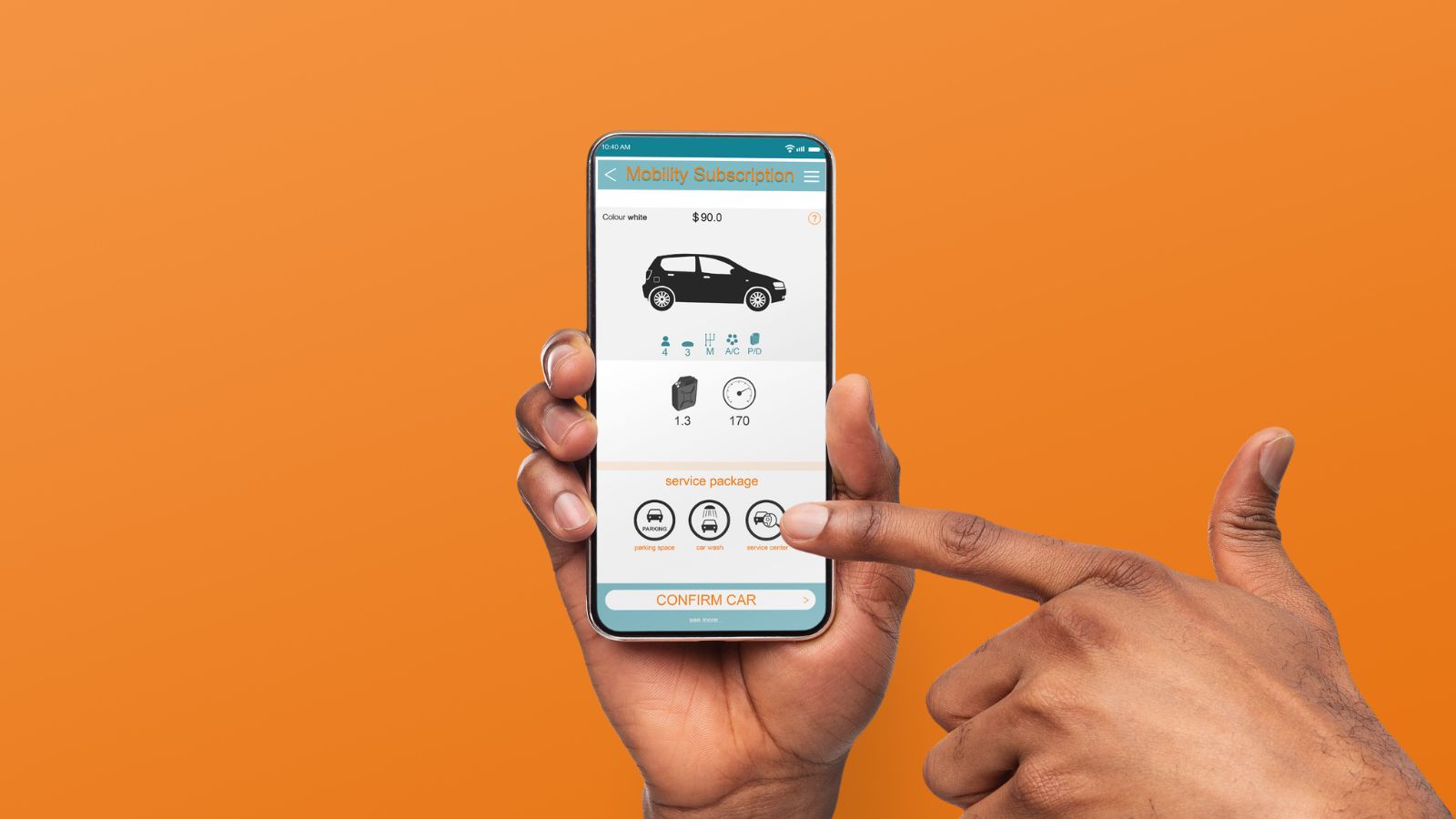
Remote disabling changes the relationship between driver and machine. Instead of a simple mechanical product, cars now behave like digital devices where ownership is conditional. Drivers fear losing features during outages, subscription confusion or account errors. There is also the uncomfortable idea that an automaker can control a product that legally belongs to the buyer. It blurs the line between ownership and licensing in a way the industry never addressed openly.
A Shift in Power Away From the Customer
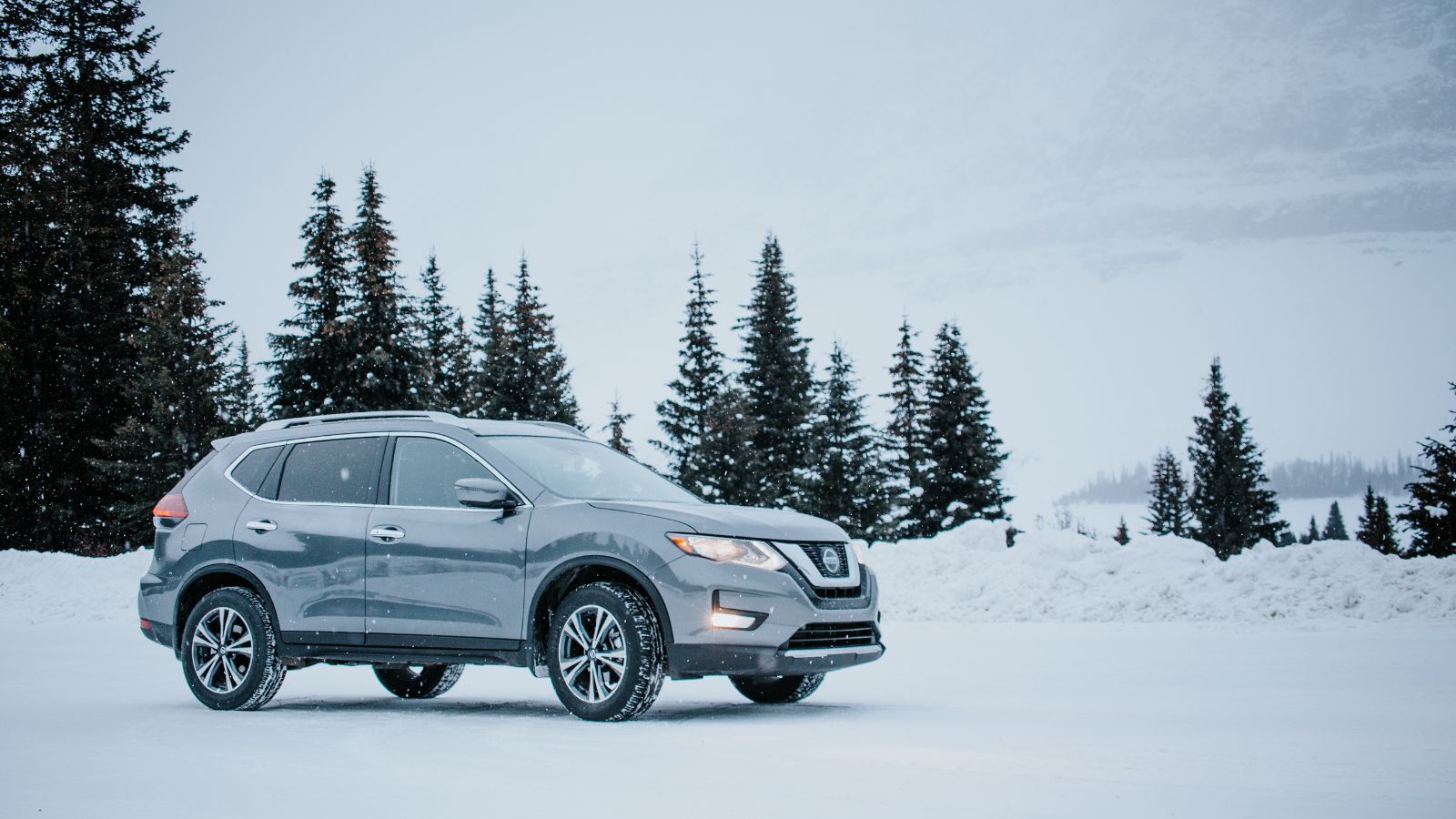
For automakers this approach opens the door to endless recurring revenue. For drivers it feels like losing autonomy. When a company can flip a switch and suddenly remove something your vehicle once had, trust erodes quickly. Canadians especially find it frustrating because many of the locked features involve winter comfort and safety. Heated seats, remote start and defrost systems feel essential, not optional amenities.
The Future Drivers Did Not Ask For
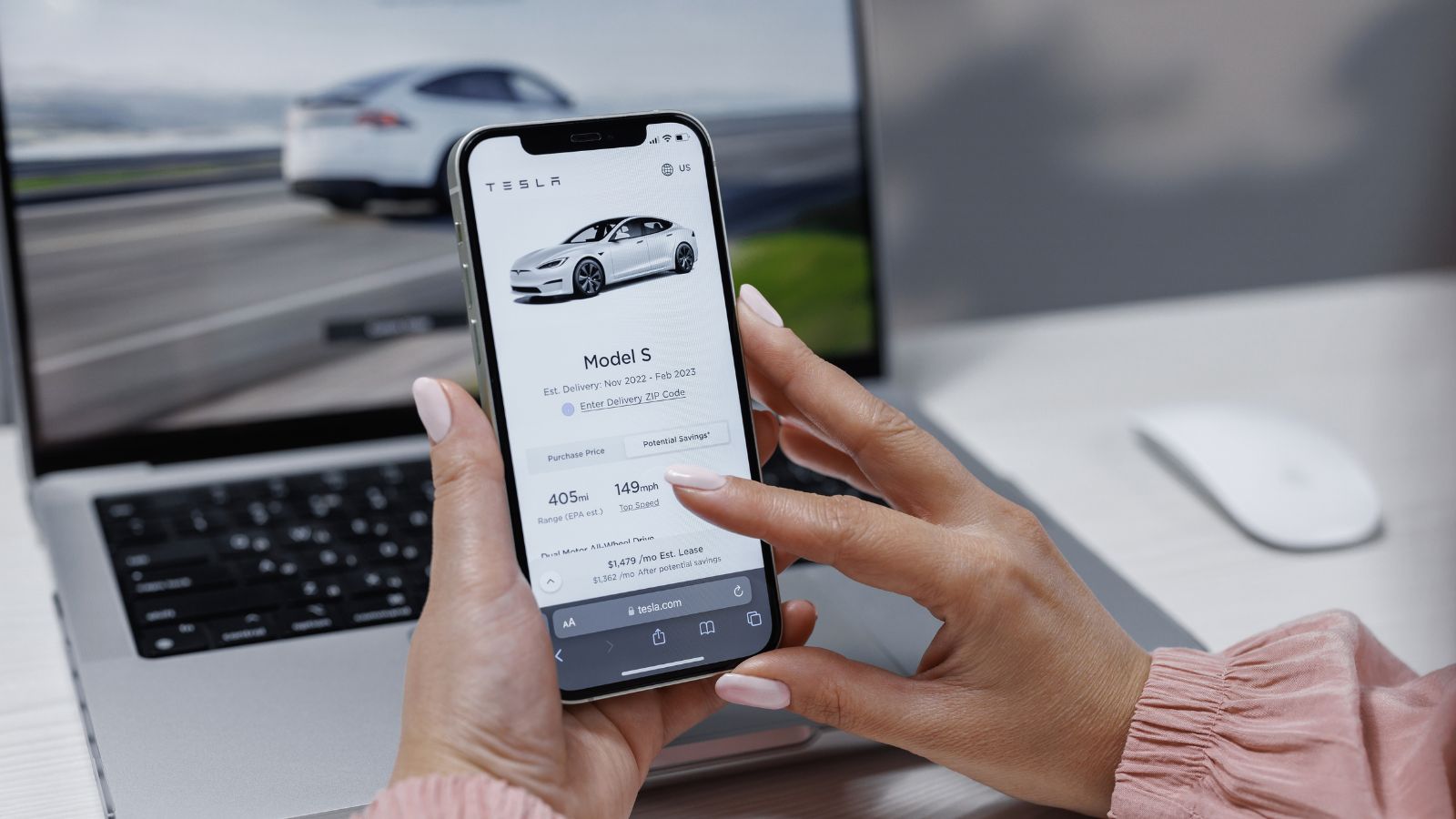
Unless regulations change, remote disabling will become more common. Cars will rely even more on servers, accounts and subscriptions. Some owners are already looking for older vehicles simply to avoid the constant connectivity. Others worry that future cars may lock out basic functions without warning. The modern automobile is turning into a software service disguised as a physical machine and drivers are only beginning to grapple with what that means.
25 Facts About Car Loans That Most Drivers Don’t Realize

Car loans are one of the most common ways people fund car purchases. Like any other kind of loan, car loans can have certain features that can be regarded as an advantage or a disadvantage to the borrower. Understanding all essential facts about car loans and how they work to ensure that you get the best deal for your financial situation is essential. Here are 25 shocking facts about car loans that most drivers don’t realize:
25 Facts About Car Loans That Most Drivers Don’t Realize
