Electric vehicles promise a cleaner future and lower running costs, but daily ownership tells a more complicated story. Beyond the marketing and incentives, there are tradeoffs that matter to real drivers. From climate challenges to ownership stress, EVs bring a different set of compromises compared to gas powered cars. These ten downsides are the ones owners most often talk about after the honeymoon period ends.
Charging Still Dictates Your Life

Owning an EV means planning around charging, whether you like it or not. Long trips require advance thinking, route planning, and charger availability checks. Home charging helps, but not everyone has a driveway or garage. Public chargers can be occupied, broken, or slow. Unlike fuel stops, charging is rarely quick or predictable, which adds friction to everyday driving.
Cold Weather Hits Range Hard
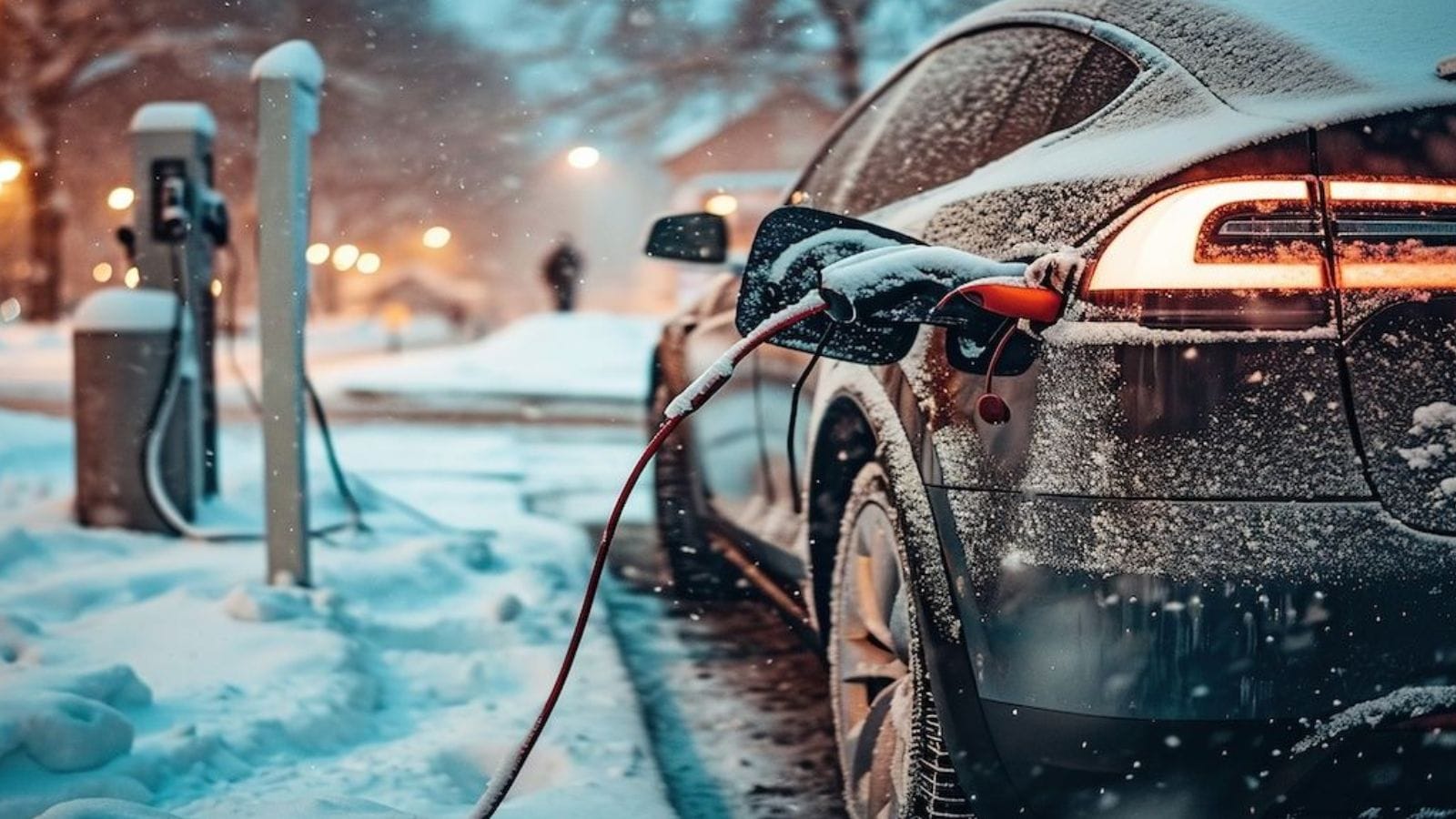
Cold climates are one of the biggest weaknesses for EVs. Battery efficiency drops sharply in winter, sometimes by thirty percent or more. Cabin heating pulls energy directly from the battery, further reducing range. For drivers in colder regions, winter range anxiety becomes a constant companion. Gas cars lose some efficiency in winter, but not to the same degree.
Repairs Can Be Expensive and Complicated
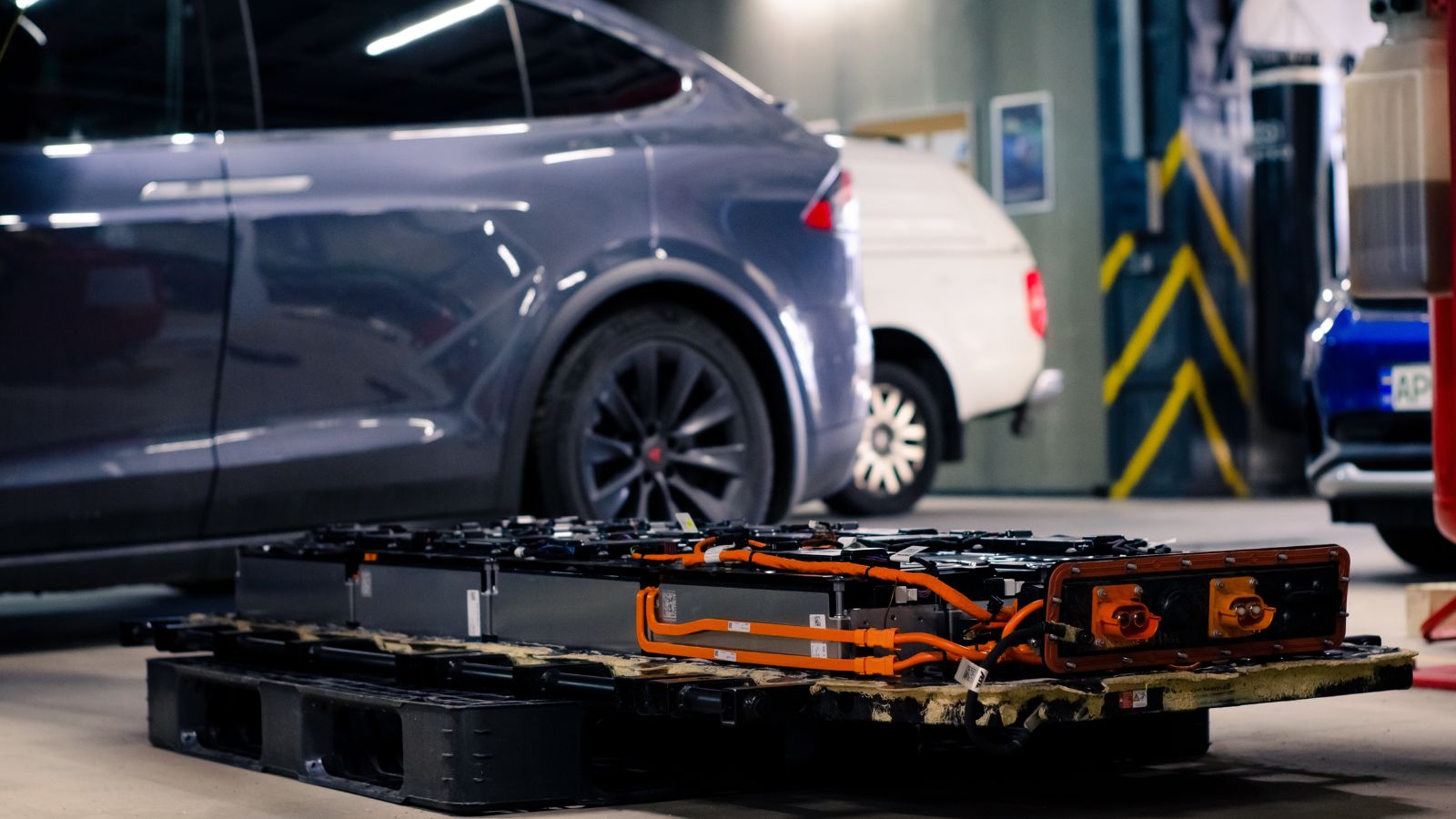
EVs have fewer moving parts, but when something goes wrong, repairs can be costly. Battery packs, inverters, and electronics require specialized service. Independent repair options are limited compared to traditional cars. Parts availability and labor costs often surprise owners. A minor accident can turn into a major insurance claim due to high component replacement costs.
Insurance Costs Are Often Higher
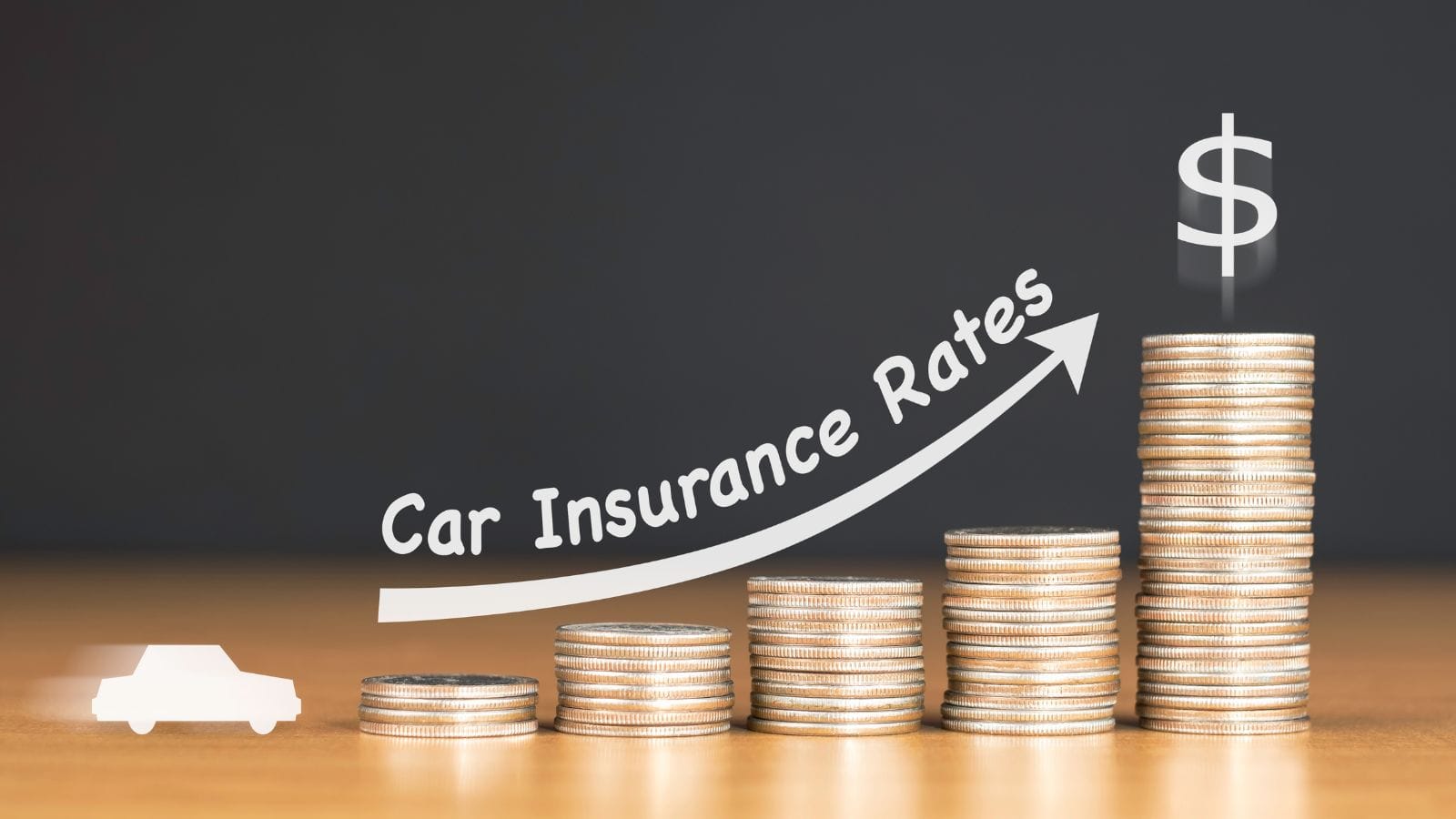
Many EV owners are shocked by insurance premiums. High vehicle values, expensive body repairs, and advanced sensors push rates up. Even small fender benders can involve costly recalibration. Some insurers treat EVs as higher risk simply due to repair complexity. Over time, insurance can erase much of the expected fuel savings.
Battery Degradation Is Real

Batteries do not last forever. Over time, capacity declines and usable range shrinks. While degradation is gradual, it affects resale value and long term satisfaction. Unlike an aging engine that can be rebuilt or repaired in stages, battery replacement is a major expense. Even when warranties apply, long term ownership uncertainty remains.
Build Quality Can Be Inconsistent
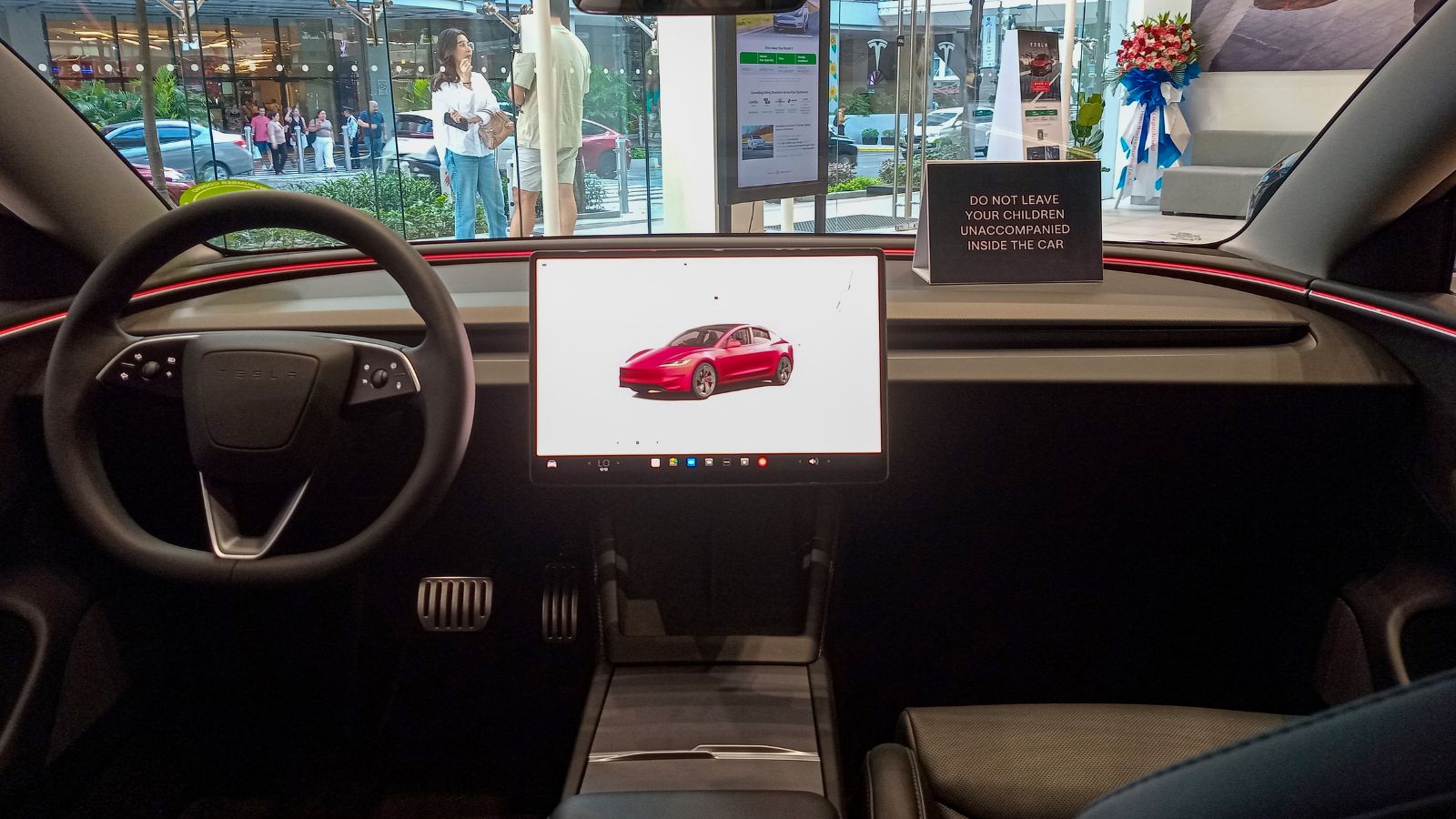
Many EV buyers expect premium quality but encounter fit and finish issues instead. Panel alignment, interior materials, and long term durability vary more than expected. Software updates can fix some problems, but hardware issues remain hardware issues. For buyers coming from well built gas cars, this can be disappointing.
Towing and Heavy Loads Drain Range Fast

EVs struggle with towing and heavy cargo. Range drops dramatically under load, sometimes by more than half. This limits usefulness for campers, trailers, and work tasks. Gas and diesel vehicles handle these demands far more consistently. For drivers who need versatility, this limitation becomes hard to ignore.
Public Charging Is Not as Reliable as Promised
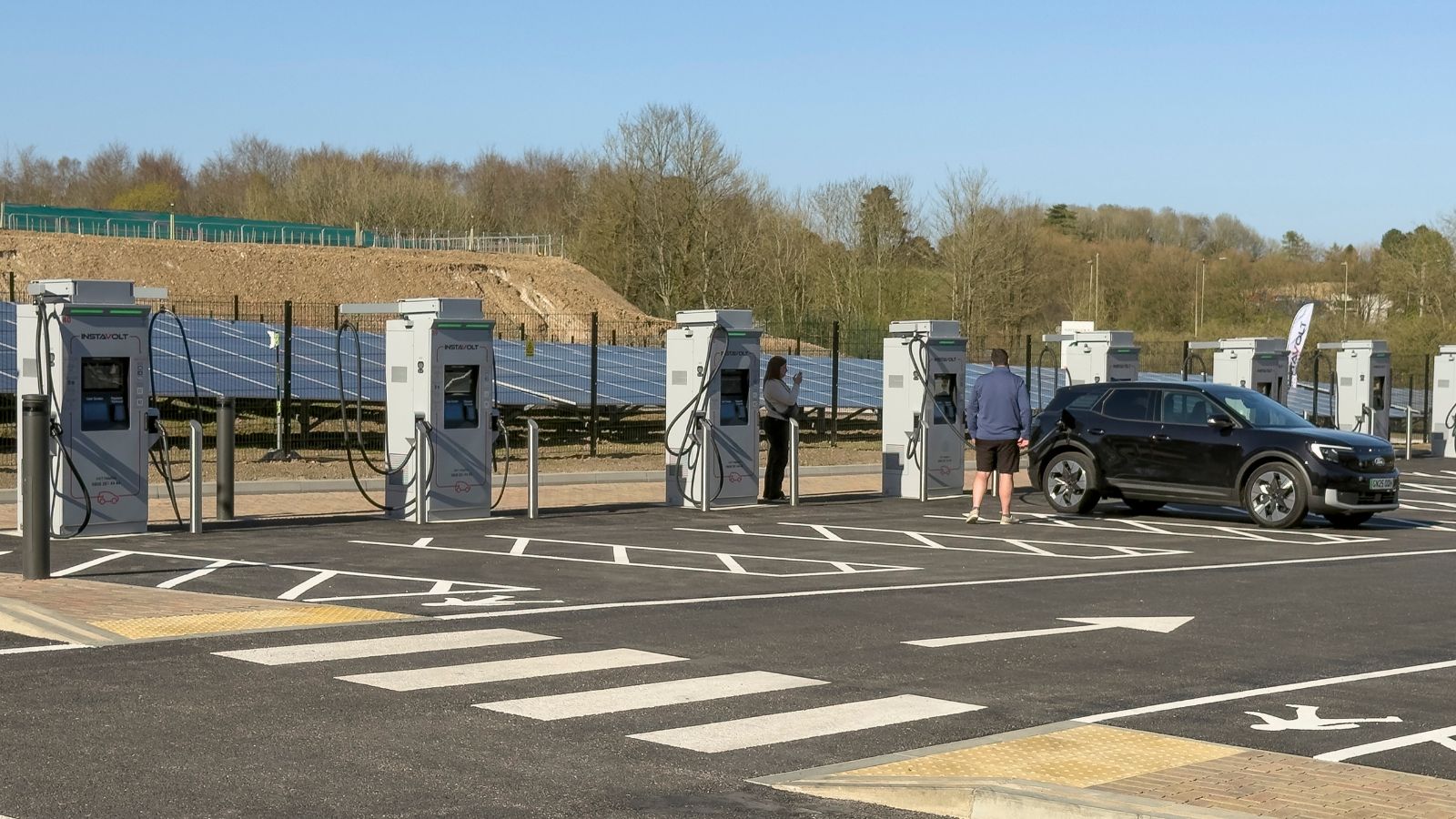
Charging networks look good on maps but feel different in reality. Chargers can be offline, blocked, or slower than advertised. Payment systems vary and sometimes fail. Unlike gas stations, there is no universal standard experience. This unpredictability adds stress, especially when traveling or driving in unfamiliar areas.
Resale Values Are Uncertain

The EV market moves fast, and technology ages quickly. New models with better range and faster charging arrive constantly. Older EVs can feel obsolete sooner than gas cars. This uncertainty affects resale values and long term cost calculations. Buyers risk owning a car that feels outdated well before it is worn out.
EV Ownership Requires a Lifestyle Match

EVs work best for specific driving patterns. Short commutes, predictable schedules, and access to home charging make ownership easier. For drivers with long trips, irregular schedules, or limited charging access, the experience becomes stressful. EVs are not yet a universal solution. They demand lifestyle adjustments that not everyone wants to make.
If you want, I can follow this with a balanced companion piece on where EVs genuinely shine, a breakdown of EV versus hybrid ownership costs, or a deep dive into why plug in hybrids often make more sense for everyday drivers.
25 Facts About Car Loans That Most Drivers Don’t Realize

Car loans are one of the most common ways people fund car purchases. Like any other kind of loan, car loans can have certain features that can be regarded as an advantage or a disadvantage to the borrower. Understanding all essential facts about car loans and how they work to ensure that you get the best deal for your financial situation is essential. Here are 25 shocking facts about car loans that most drivers don’t realize:
25 Facts About Car Loans That Most Drivers Don’t Realize
