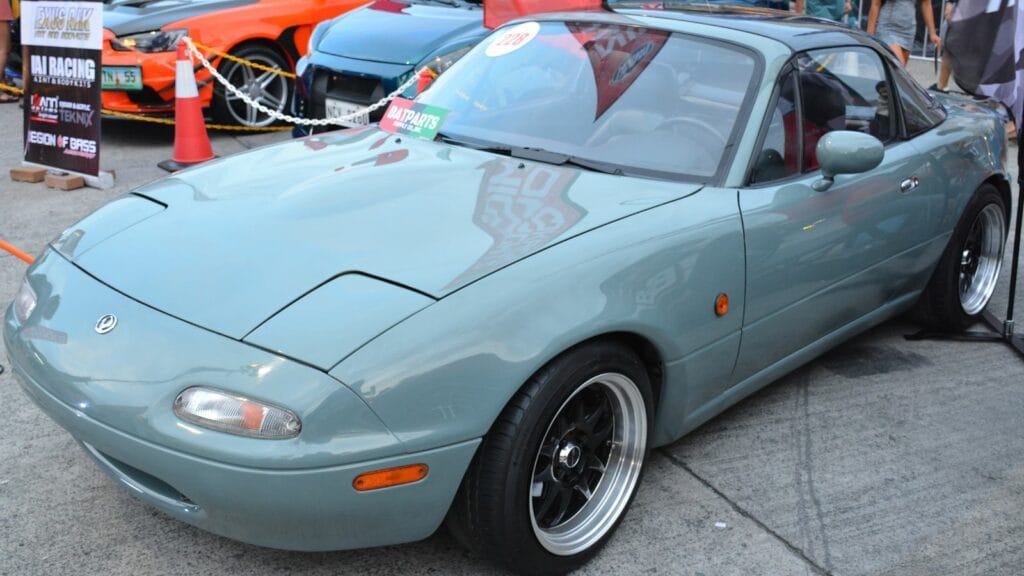
Canada gets months of snow, ice and slush every year, yet some of the most popular cars on the road behave like they have never seen winter before. They slide, fishtail, bog down or get stuck at the slightest hint of snow. Still, Canadians continue buying them because of style, performance, affordability or brand loyalty. These ten cars are notoriously winter challenged, even if they remain beloved.
Ford Mustang
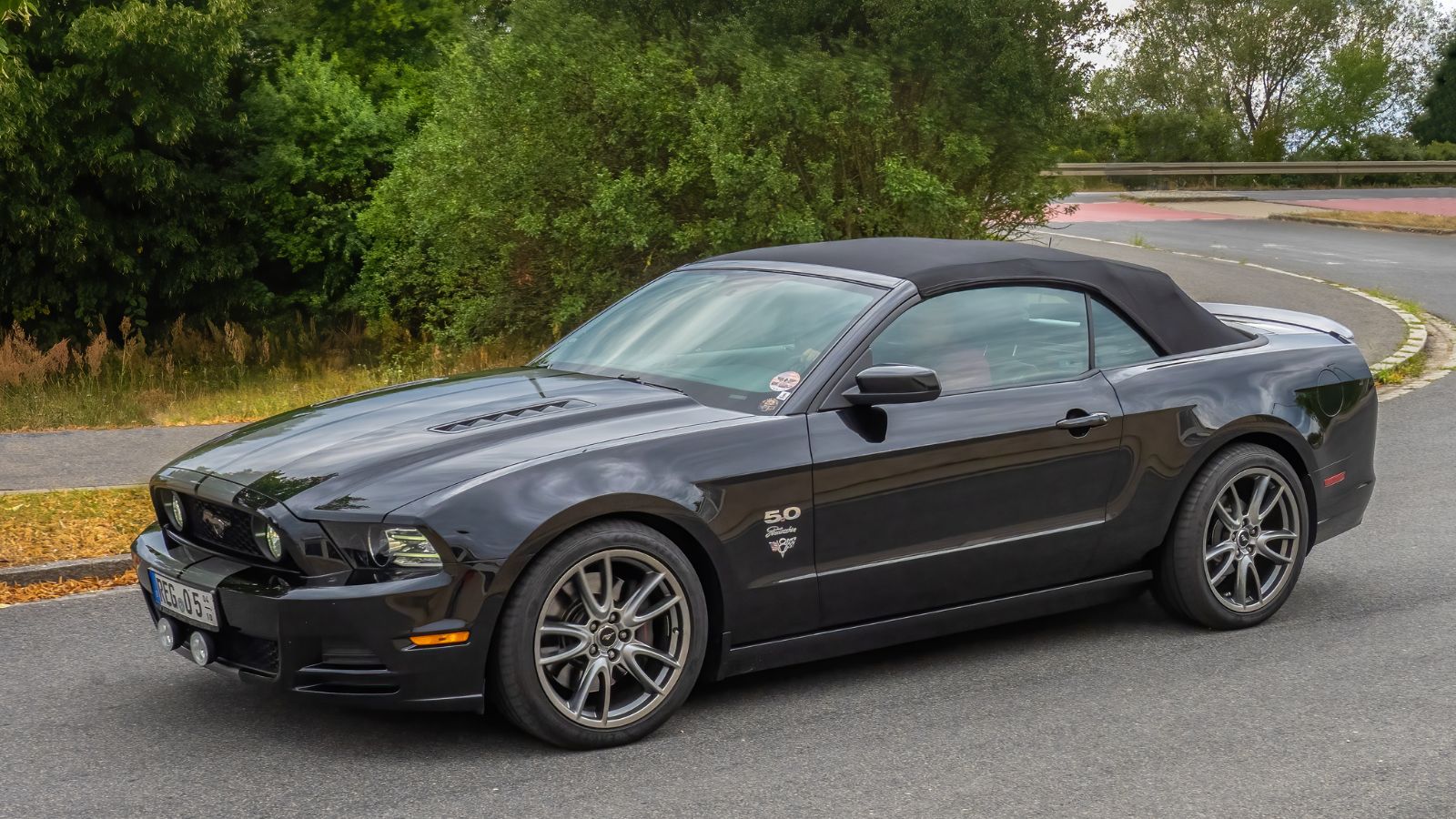
The Mustang is a legend on dry pavement, but in winter it becomes a drama machine. Rear wheel drive, a light rear end and wide tires create a combination winter roads punish immediately. Even with traction control doing everything it can, the car still struggles for stability. Hills become intimidating, unplowed streets feel impossible and throttle inputs must be gentle enough to calm a wild horse. Yet Canadians adore the Mustang for its sound, power and summer fun factor. Many owners simply buy a second winter beater and let the Mustang hibernate, while the bold few fight through snow with careful driving and good winter tires.
Dodge Challenger
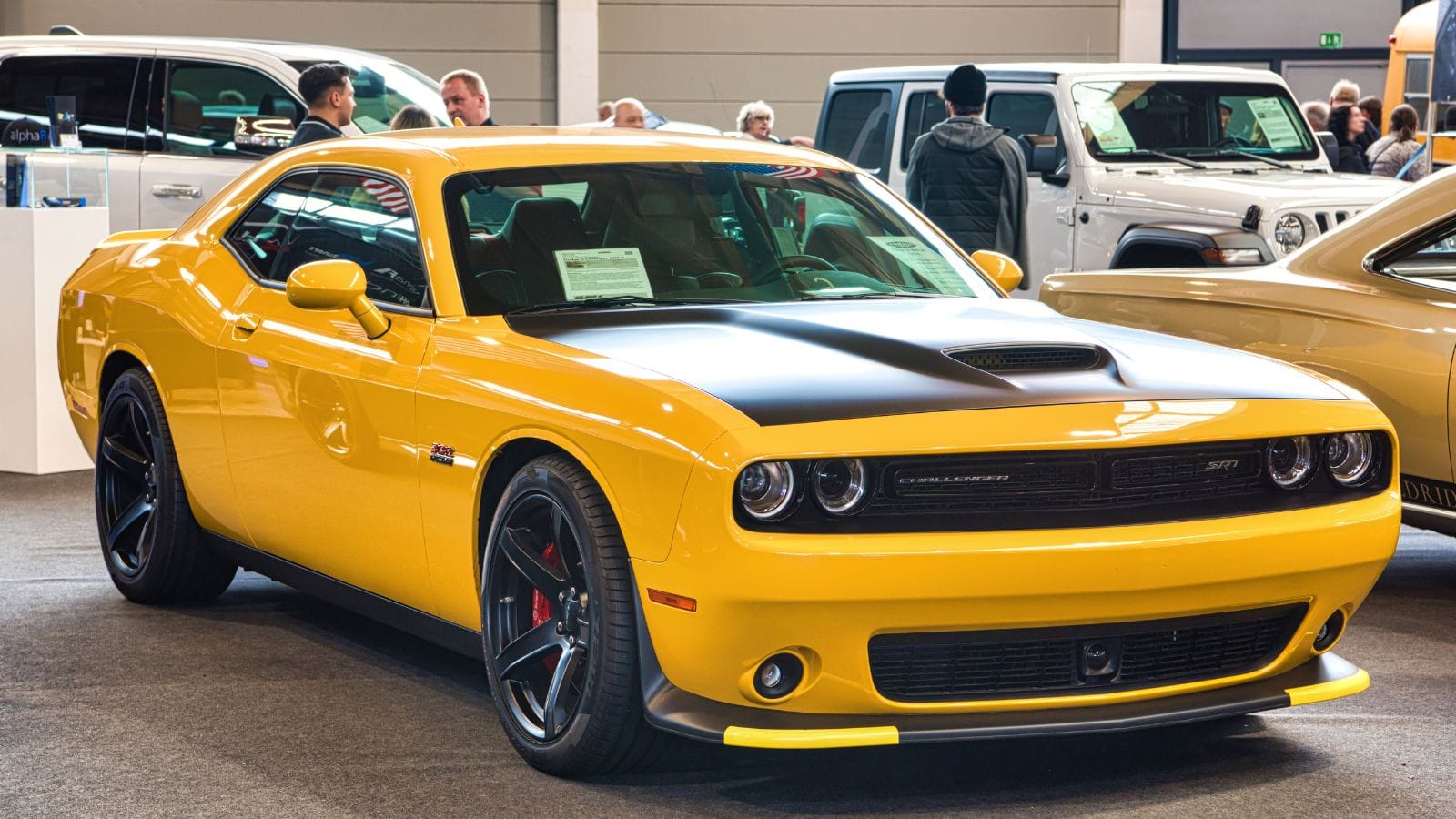
The Challenger brings muscle car presence in a big way, but snow exposes its limitations. The long wheelbase and heavy body work against it once traction breaks. Rear wheel drive adds another layer of difficulty, especially when paired with the massive torque offered by its bigger engines. Once the rear steps out, it takes patience and skill to regain control. Even so, countless Canadians keep buying Challengers because they deliver comfort, nostalgia and road trip charm. The cars may dislike winter, but their passionate owners accept the challenge with a set of aggressive snow tires and steady nerves.
Chevrolet Camaro
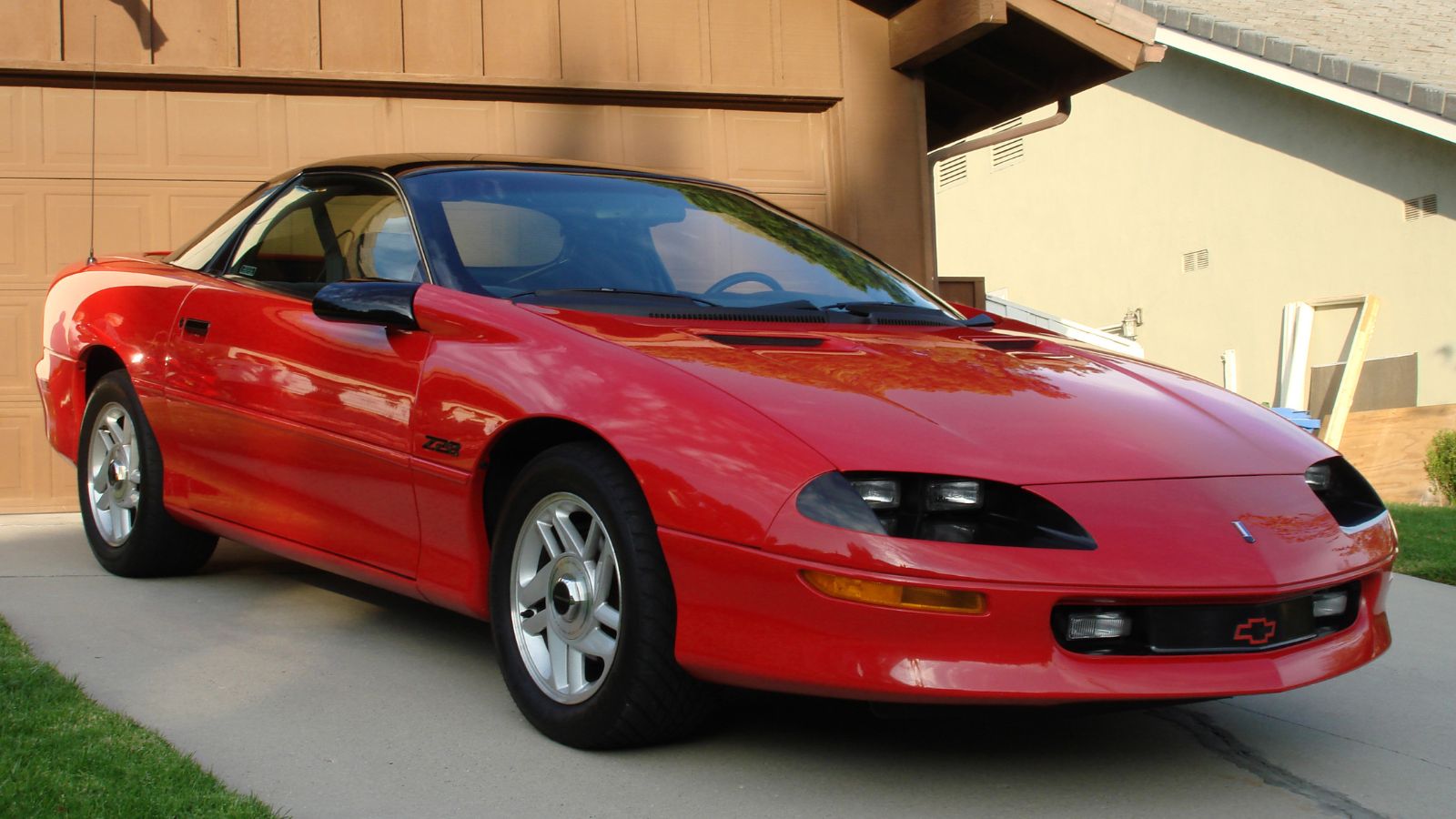
The Camaro completes the American muscle trio of winter headaches. With low ground clearance, stiff suspension and rear wheel drive, it behaves like it was engineered for summer track days only. Deep snow stops it fast, and icy intersections can feel unpredictable. Many owners joke that if you can get the Camaro out of your driveway in January, you deserve a medal. Still, the Camaro sells because it looks fantastic, offers strong performance and turns commuting into entertainment during the warmer seasons. Winter simply becomes the season of caution, planning and picking your battles.
Mazda MX 5 Miata
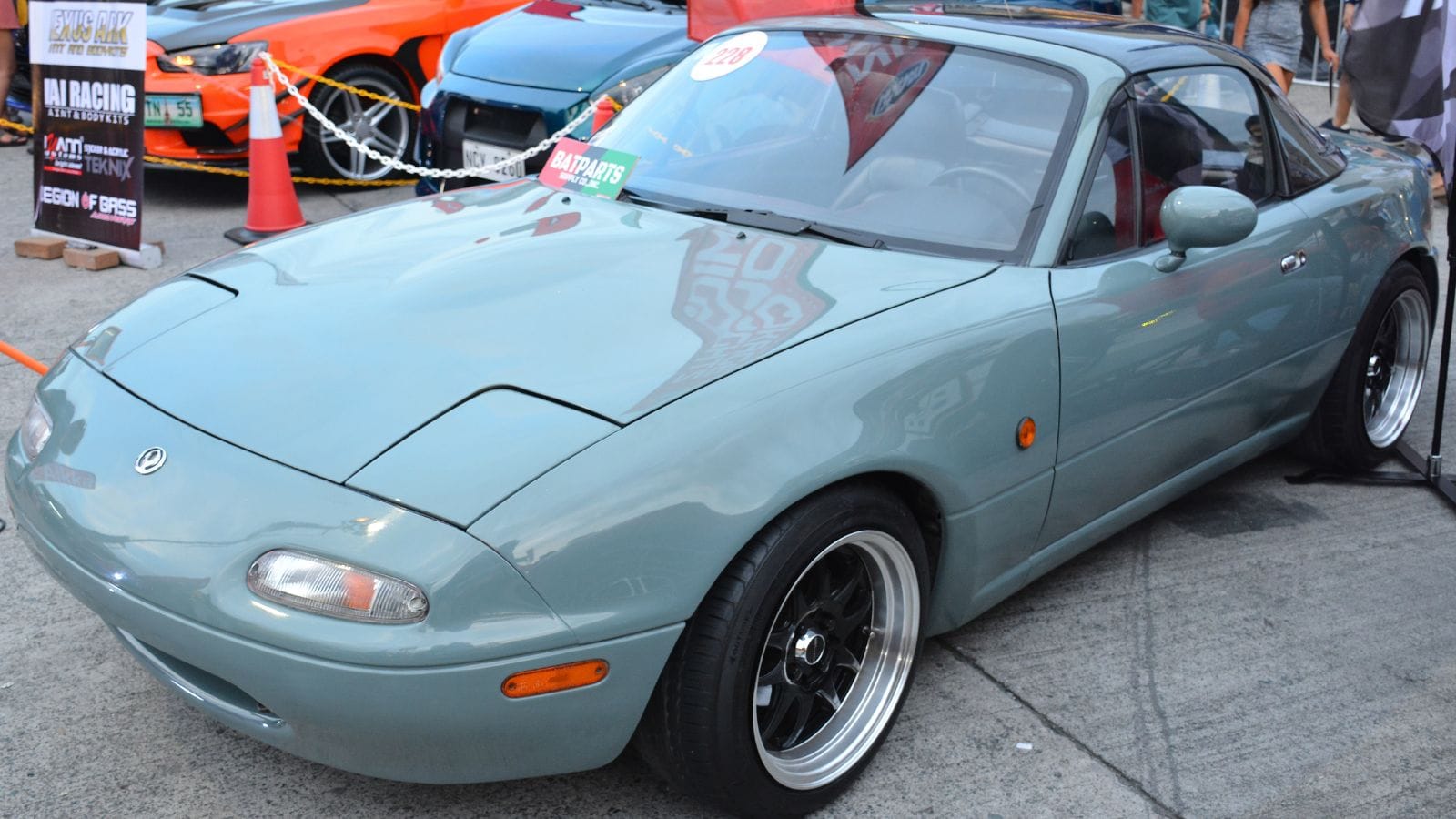
Few cars are as enjoyable as the Miata on a winding road, but winter transforms that joy into a high stakes balancing act. The lightweight design and short wheelbase make it skittish on snowy roads. The car feels playful even when you do not want it to, and ground clearance becomes a real problem the moment slush piles up. Cabin heat takes time to build, adding discomfort on very cold mornings. But Canadians buy Miatas because they offer pure driving fun, unbeatable reliability and a affordable sports car experience. With snow tires and a gentle touch, some drivers treat winter roads like slow motion rally stages and make it work.
Toyota GR86 and Subaru BRZ
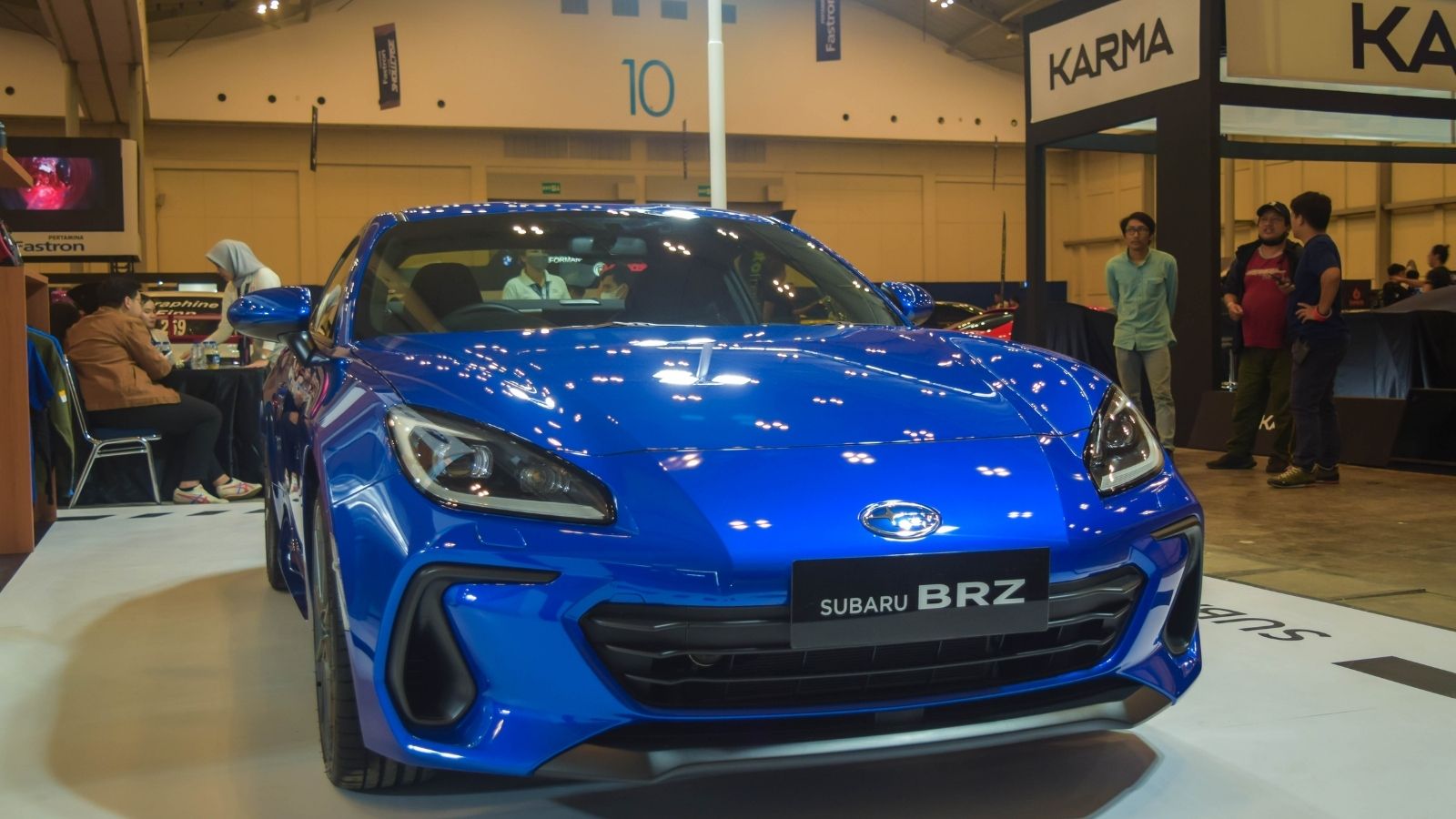
Built for balance and precision, these cars shine in summer but fight through winter. Rear wheel drive and light weight make traction a constant negotiation. Even with electronic aids, the car reacts instantly to every small input, which feels exciting in July and intimidating in January. Owners in snowy provinces often develop impressive winter driving skills out of necessity. Canadians love the GR86 and BRZ for their affordability, sharp handling and genuine sports car feel. Winter is simply accepted as a character building part of the ownership experience.
MINI Cooper
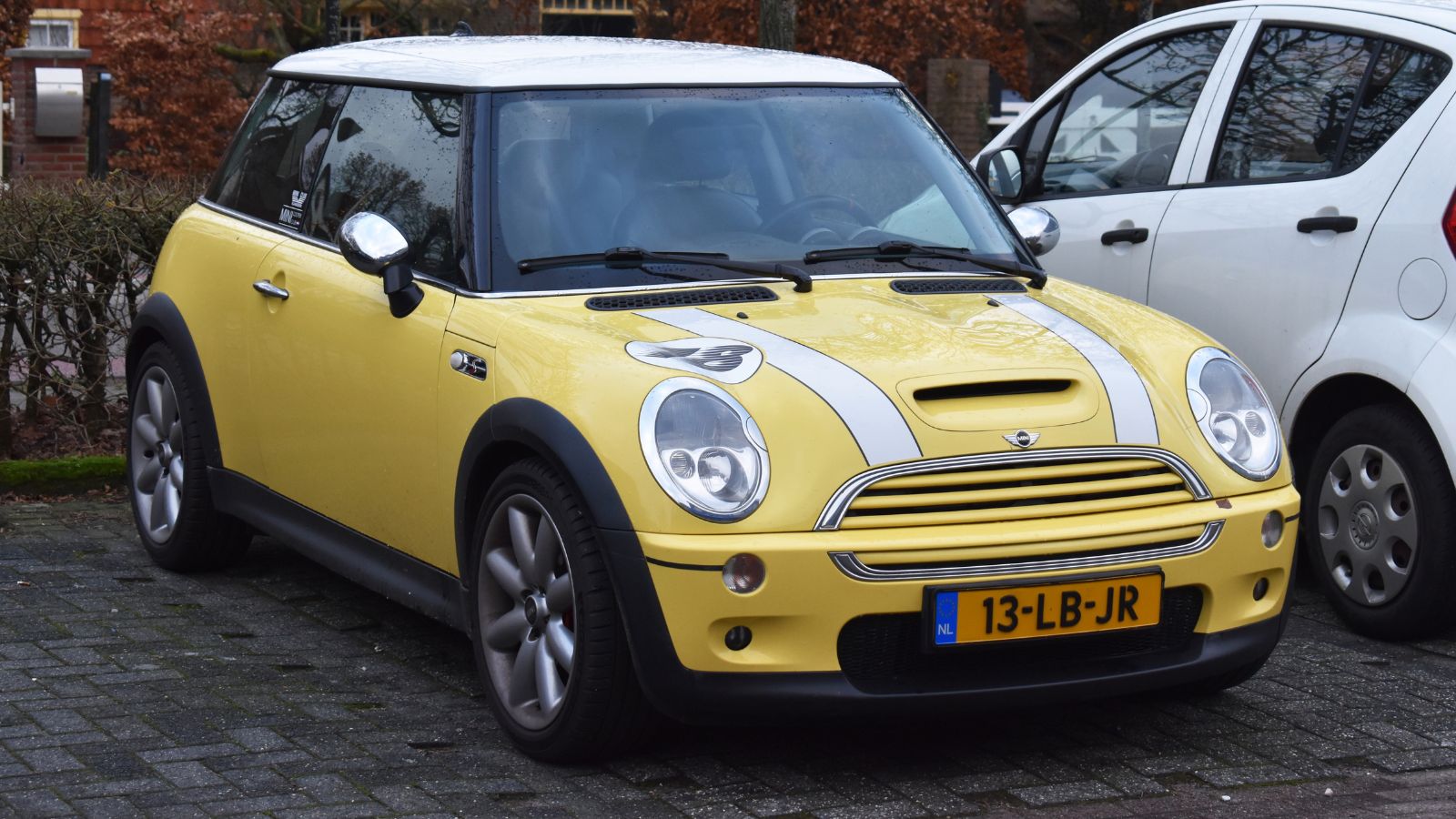
The MINI’s front wheel drive helps, but winter still challenges it more than expected. The short wheelbase makes it twitchy on icy highways and low ground clearance means it plows through deeper snow rather than driving over it. Cold weather can also stiffen the suspension, adding to its nervous behavior. Yet Canadians buy MINIs because they are fun, stylish and full of personality. In the city, MINIs excel even in mild snow thanks to their compact size. It is only during major storms that drivers discover the limits of the cute little hatchback.
Tesla Model 3 Rear Wheel Drive
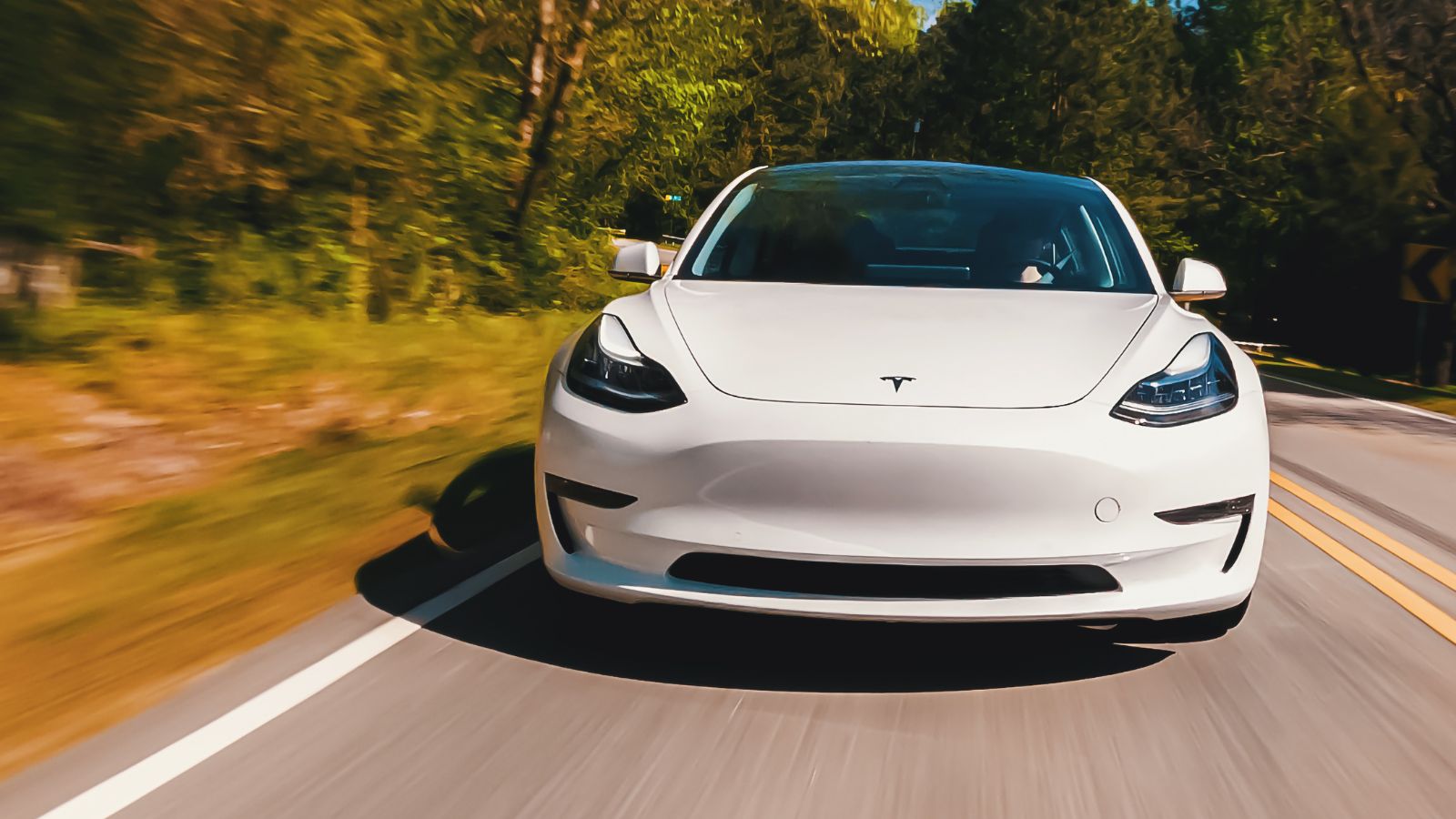
The dual motor versions are excellent in winter, but the rear wheel drive Model 3 struggles when the snow gets thick. Instant electric torque spins the wheels easily, and the traction control sometimes feels overwhelmed. Add in winter battery drain and long trips become much more complicated. Temperature swings shorten range, charging slows down and even short drives require extra planning. Still, Canadians buy the rear drive Model 3 because it is the most affordable Tesla and offers sleek looks, low running costs and advanced tech. Winter becomes a practice in preheating, planning and being gentle on the accelerator.
Smart Fortwo
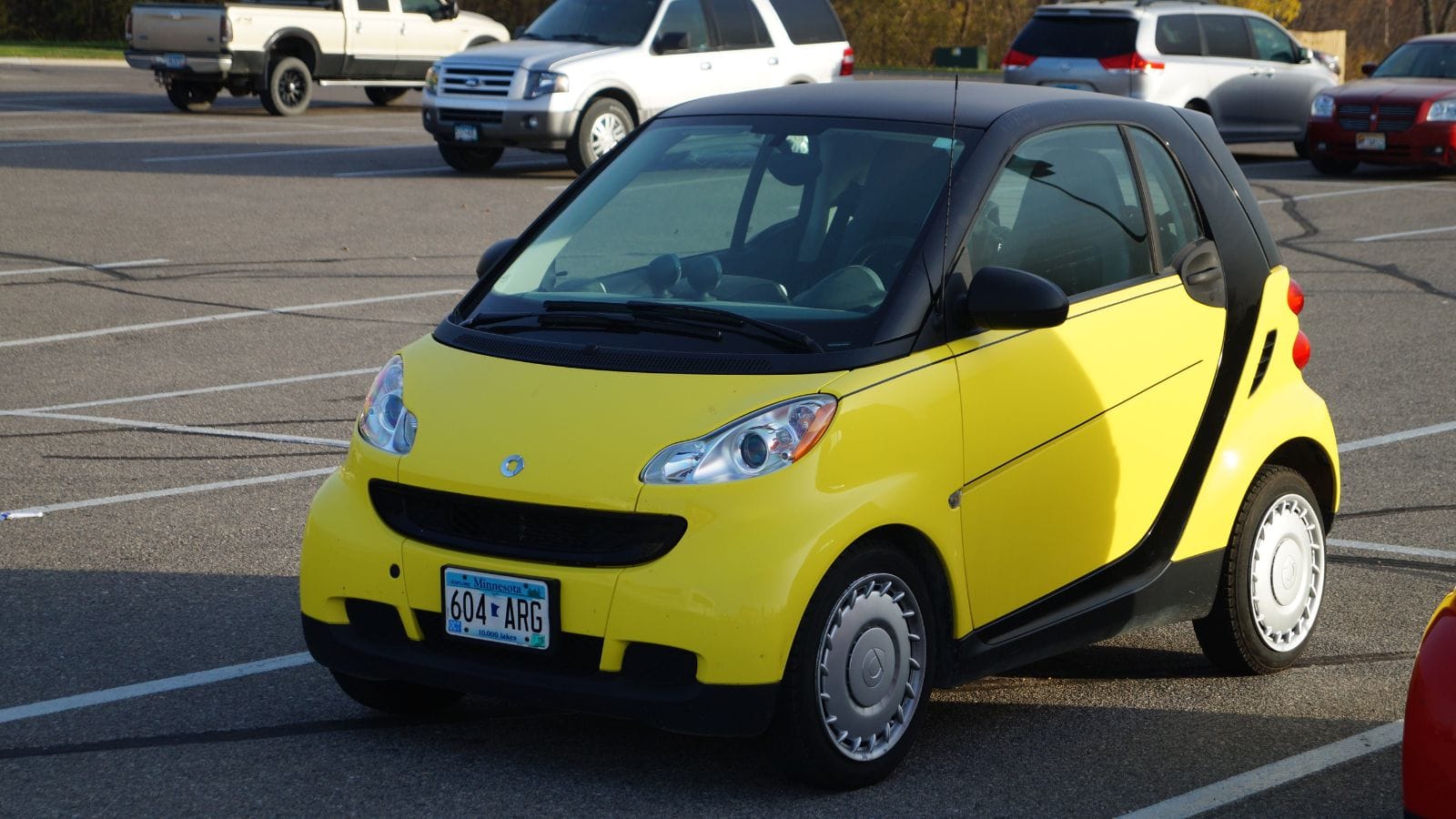
The Smart Fortwo provides unmatched city maneuverability, but winter driving is its natural enemy. Its extremely short wheelbase and feather light weight make snow feel like an obstacle course. Crosswinds push it around and even mild snowdrifts can leave it helpless. Many owners compare winter driving in a Smart to piloting a go kart through a snowbank. Despite this, Canadians bought them because they are efficient, cheap to run and unbelievably easy to park. Winter preparedness is key, and timing trips around the snowplow schedule becomes part of daily life.
Fiat 500
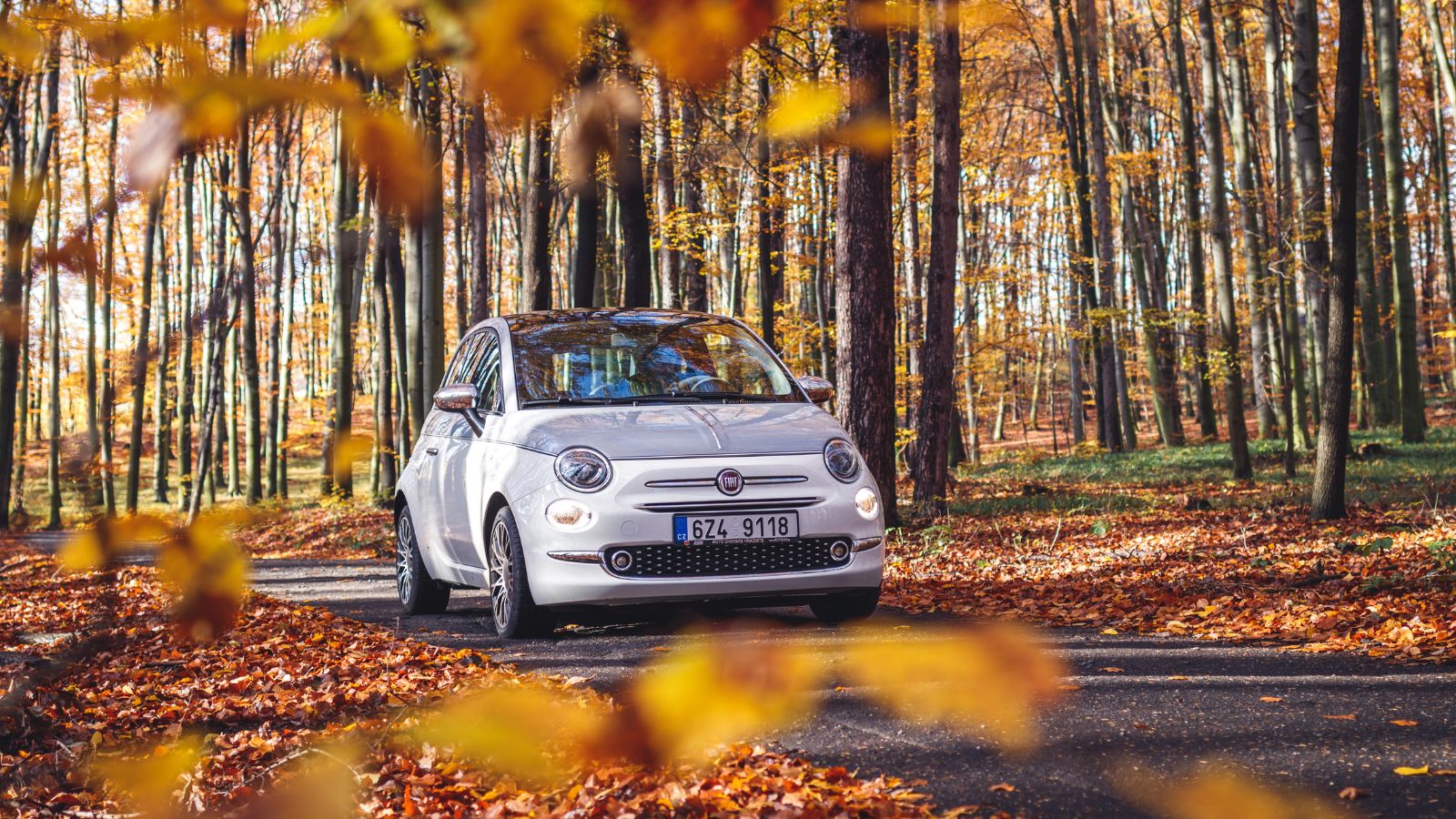
The Fiat 500 is adorable, but winter conditions challenge its grip and stability. Light weight, narrow tires and modest power make snowy hill starts a struggle. Once the snow deepens, the car’s low stance becomes a disadvantage. Still, Canadians enjoy the 500 for its charm, low cost and upbeat personality. Drivers who invest in good winter tires and keep momentum steady can manage winter roads, but it will never be the car’s strongest season.
Volkswagen Beetle (Modern Generations)
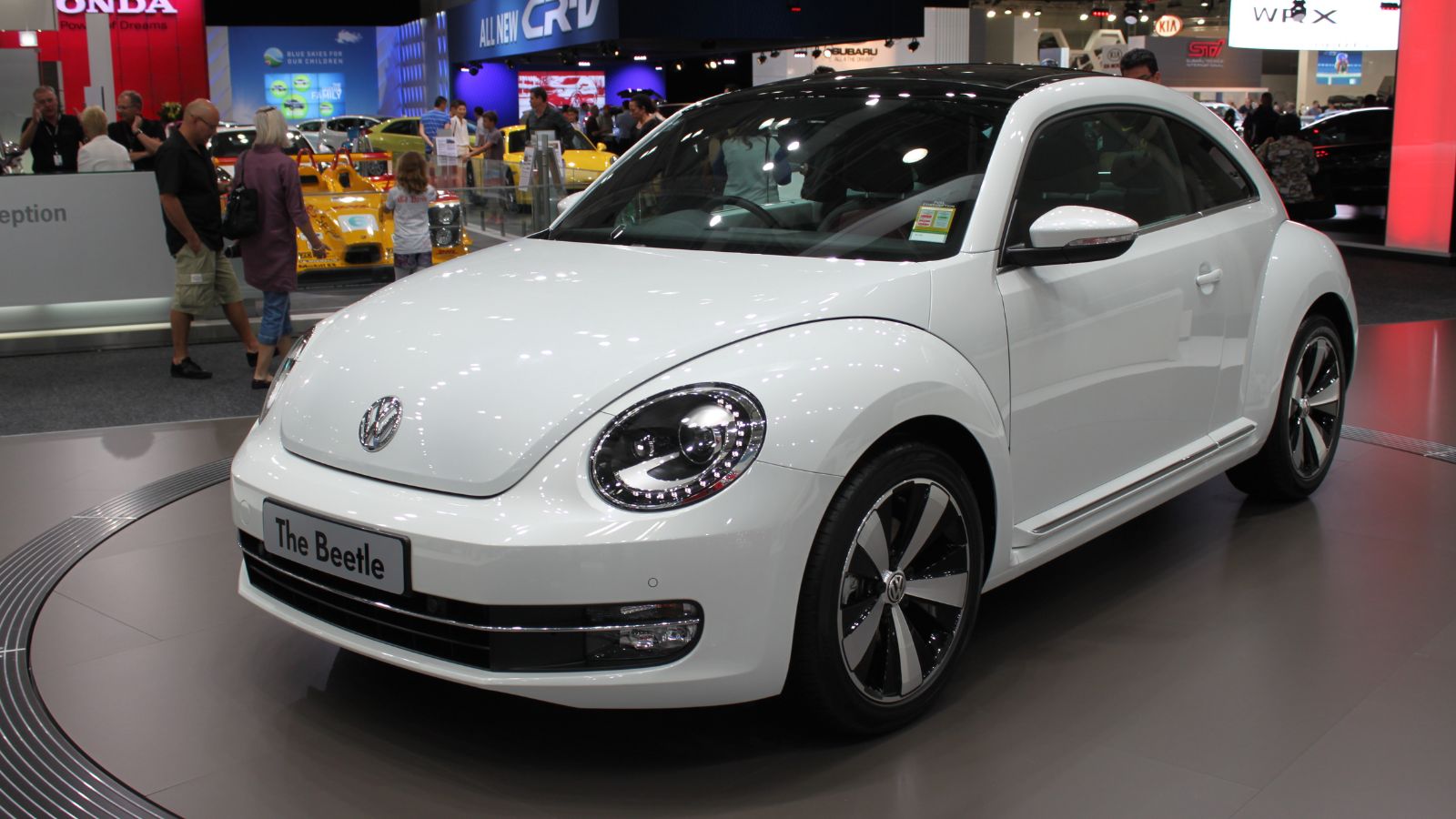
The modern Beetle may look friendly, but it does not inspire confidence in heavy snow. While front wheel drive helps, the car’s weight distribution and modest ride height give it a tendency to slip and wander on icy roads. Highways become tiring and deep snow quickly becomes a challenge. Canadians still bought them for their personality, nostalgia and approachable driving feel. Winter demands patience, but the Beetle rewards owners the rest of the year with comfort and style.
Why Canadians Keep Buying Cars That Struggle in Winter
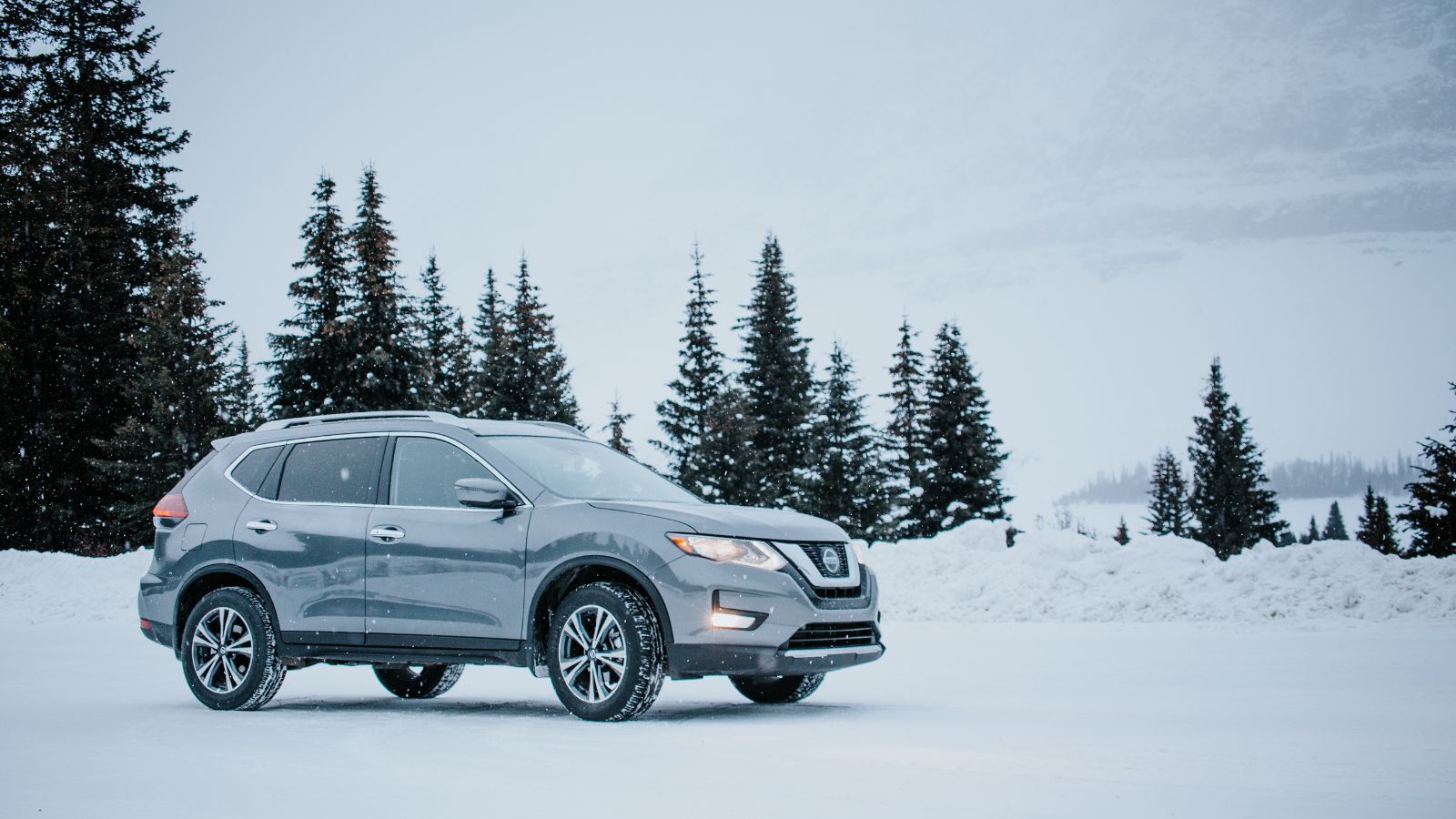
Winter capability is not always the top priority. Canadians often choose these cars for fun, value, design or reputation. Many own second vehicles for winter or simply accept that snow tires, slow driving and a bit of skill will get them through. Passion wins out, even when practicality says otherwise. In Canada, car enthusiasm survives the snow.
25 Facts About Car Loans That Most Drivers Don’t Realize

Car loans are one of the most common ways people fund car purchases. Like any other kind of loan, car loans can have certain features that can be regarded as an advantage or a disadvantage to the borrower. Understanding all essential facts about car loans and how they work to ensure that you get the best deal for your financial situation is essential. Here are 25 shocking facts about car loans that most drivers don’t realize:
25 Facts About Car Loans That Most Drivers Don’t Realize
