
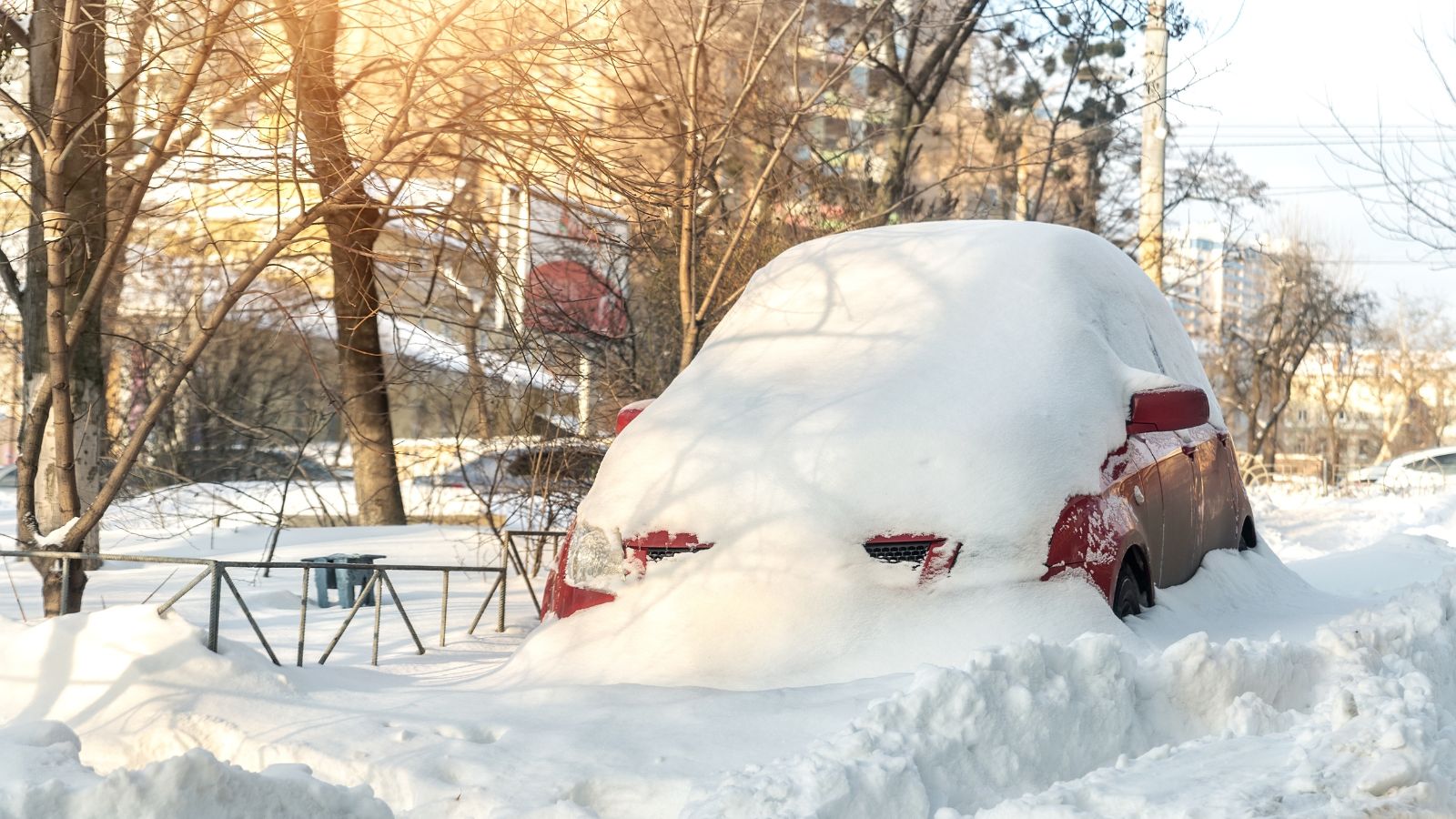
Canadian winters punish paintwork. Salt, slush, gravel, ice and constant temperature swings all attack a car’s finish from November to April. Yet professional detailers manage to keep vehicles looking fresh year after year because they follow specific habits that protect paint long before spring arrives. These ten tips come straight from that mindset and make a dramatic difference when winter tries its worst.
Wash More Often Than You Think
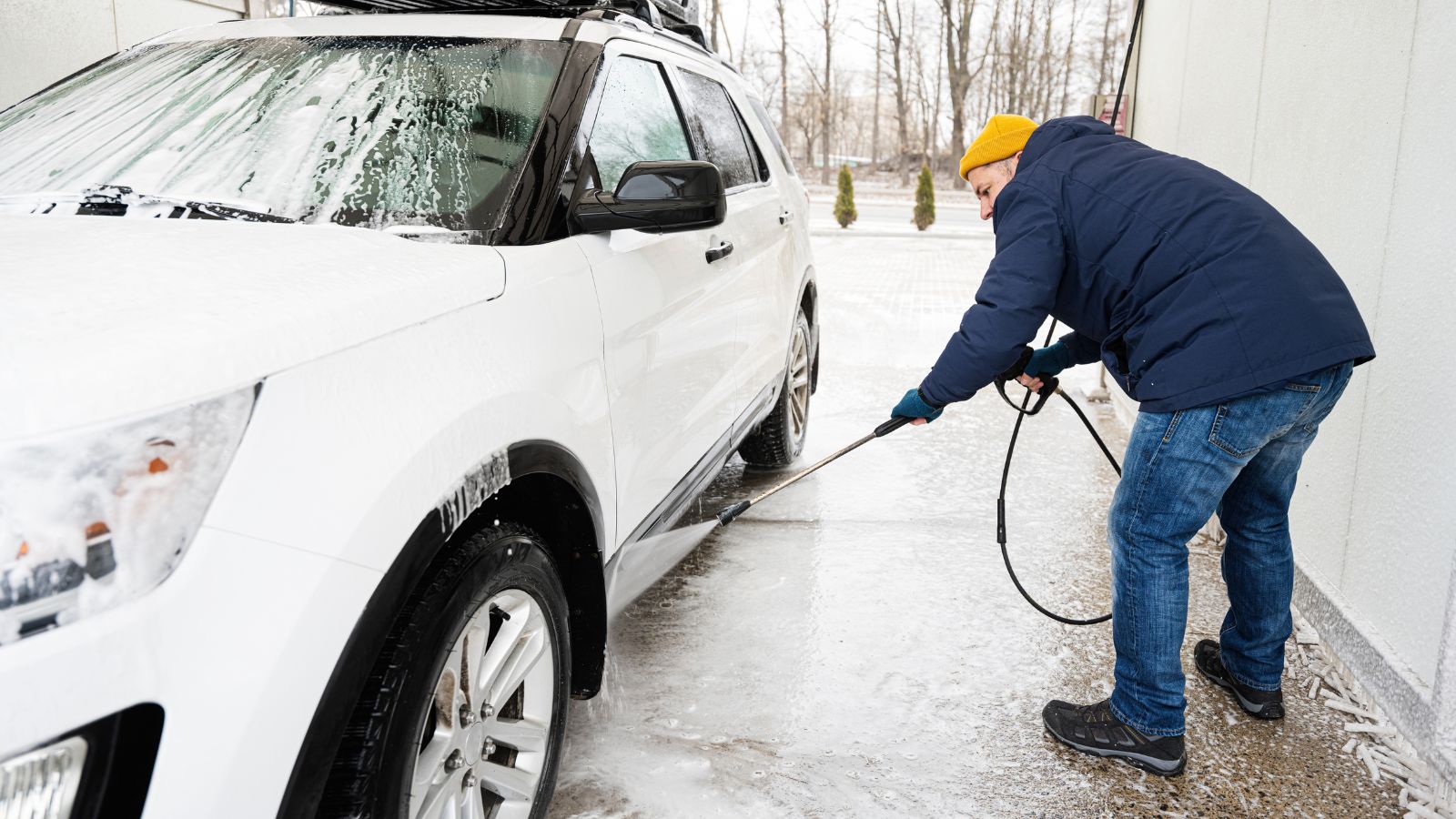
Winter grime sticks to paint quickly and trapping it under layers of salt accelerates corrosion. Detailers recommend washing every week or two, even when the temperature dips. Touchless washes help remove salt without scratching and the fast rinse prevents dirt from bonding to the surface. Regular washing makes paint last longer and keeps clearcoat from dulling.
Apply a Strong Sealant Before Winter Hits
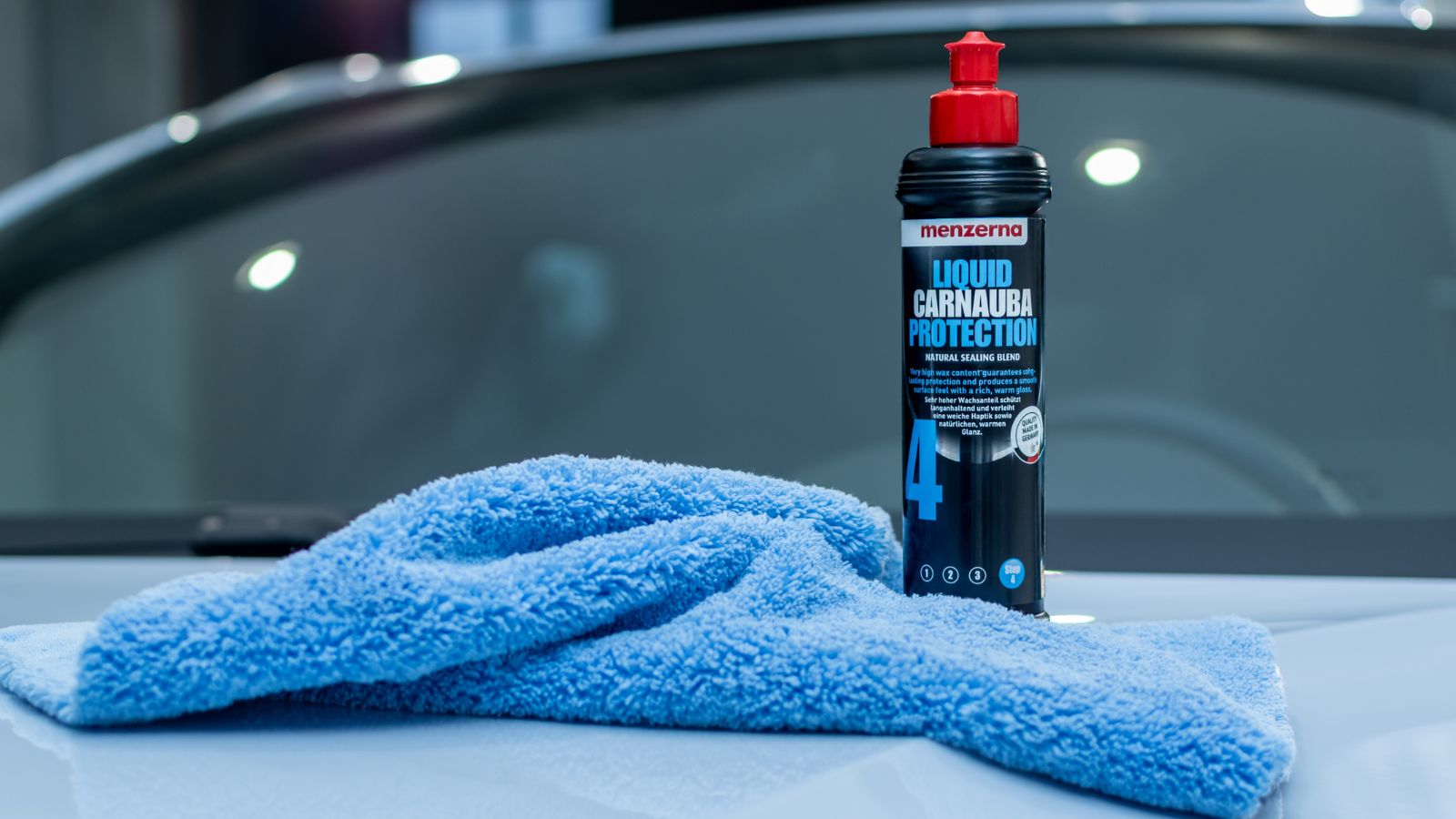
A durable synthetic sealant applied in fall becomes the shield your car needs. It creates a slick barrier that stops salt and road chemicals from clinging. Detailers prefer sealants because they withstand harsh weather better than traditional wax. Once applied, snow and slush slide off more easily which reduces the amount of scrubbing needed at every wash.
Use a Quick Detailer Spray After Every Wash
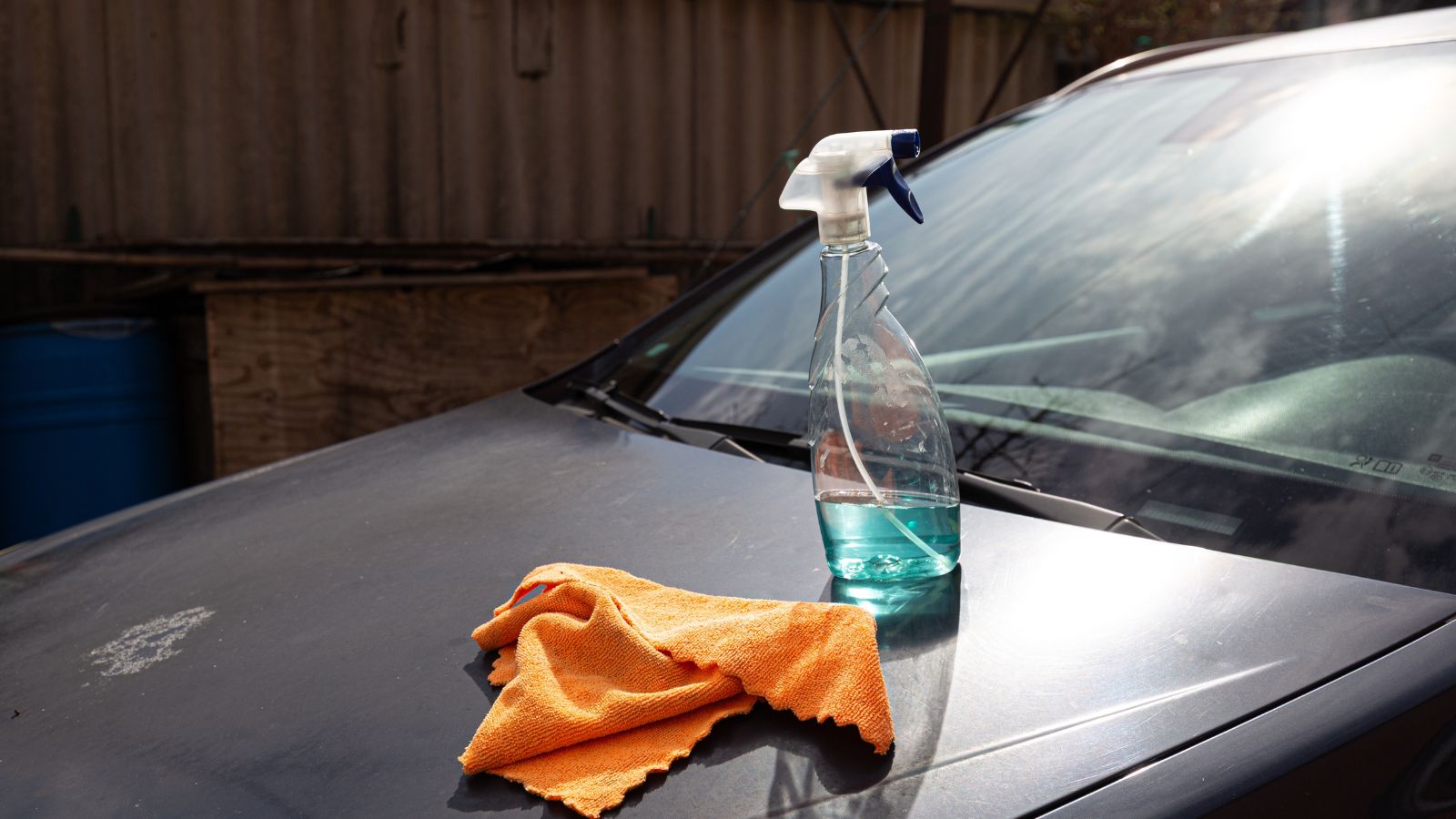
A quick detailer adds a thin protective layer each time you clean the car. It boosts shine, improves water beading and strengthens the sealant underneath. Detailers love this trick because it takes only a minute but keeps the paint feeling smooth and defended between deeper treatments. In winter every small layer of protection matters.
Keep Wheel Wells Clean

Most winter damage does not start on the panels, it begins in the wheel wells where mud and salt gather. That grime eventually creeps onto the body. Spraying out the wheel wells during each wash stops buildup and prevents sharp debris from being thrown onto the paint. Detailers insist this step is essential for protecting lower panels from long term scarring.
Use a Pre Wash Snow Foam When Possible
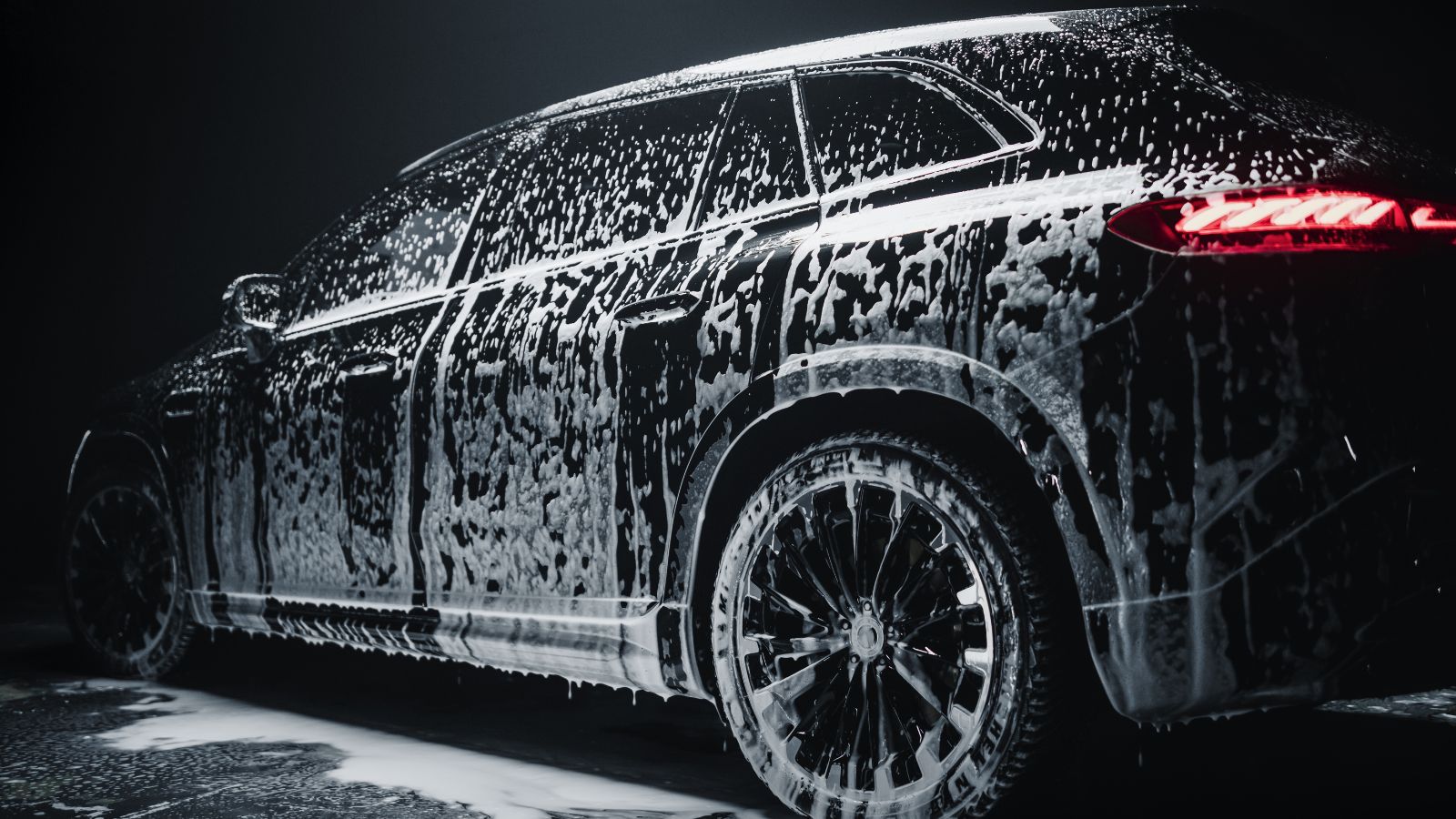
Snow foam lifts dirt before it touches your wash mitt. In winter this becomes crucial because abrasive particles cling to the paint more aggressively. A thick layer of foam softens that buildup, reducing the risk of micro scratches. Detailers treat snow foam as a first line of defence, especially after driving in heavy salt conditions.
Never Scrape Ice Directly Off the Paint
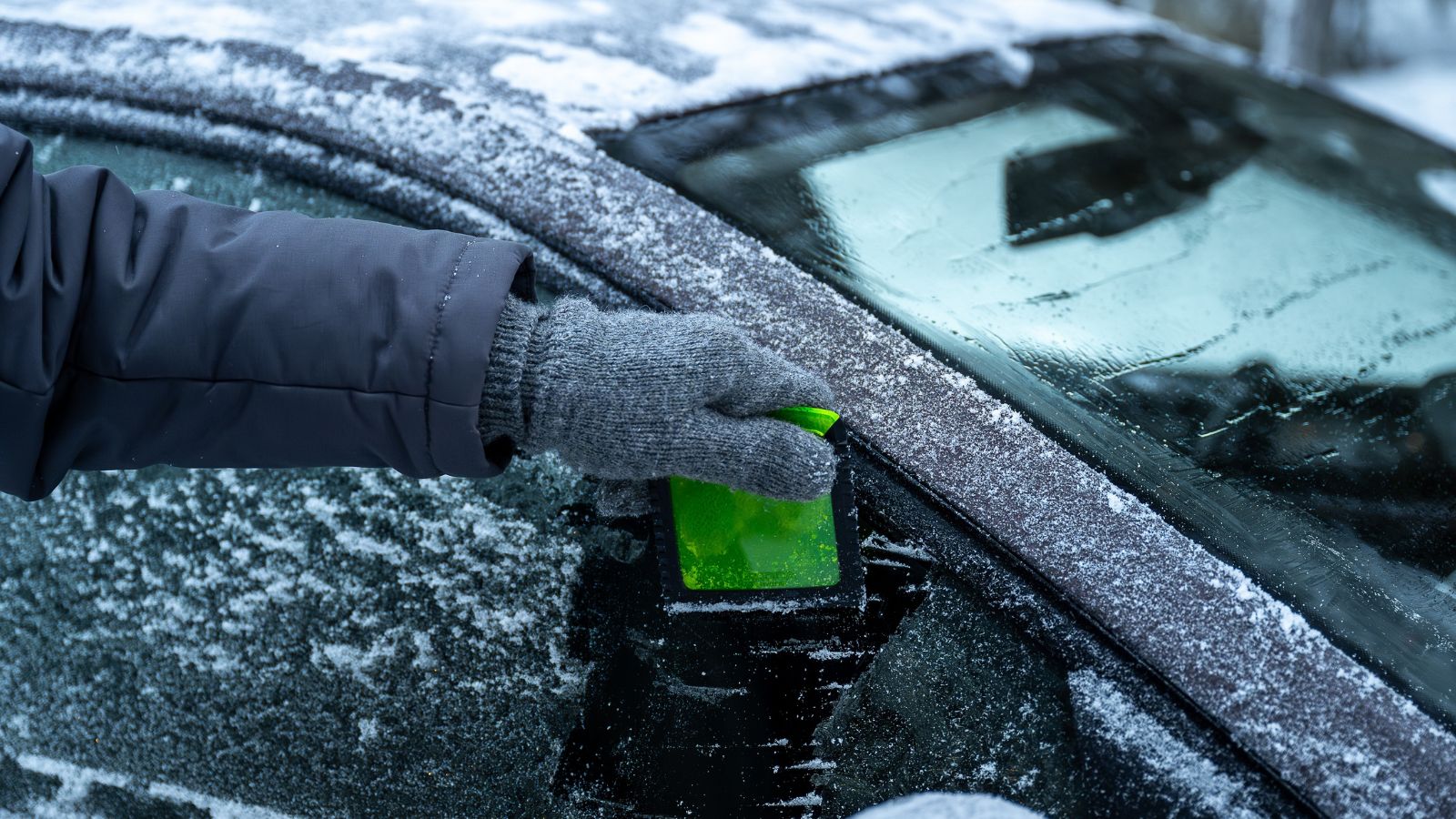
Ice scrapers belong on windows only. Using them on paint can leave deep scratches that survive long after winter ends. Warm water is risky because it can crack cold glass. Detailers recommend letting the car idle briefly with the heater on high to loosen ice from panels naturally. Soft brushes remove snow safely without cutting into the clearcoat.
Avoid Automated Brush Washes
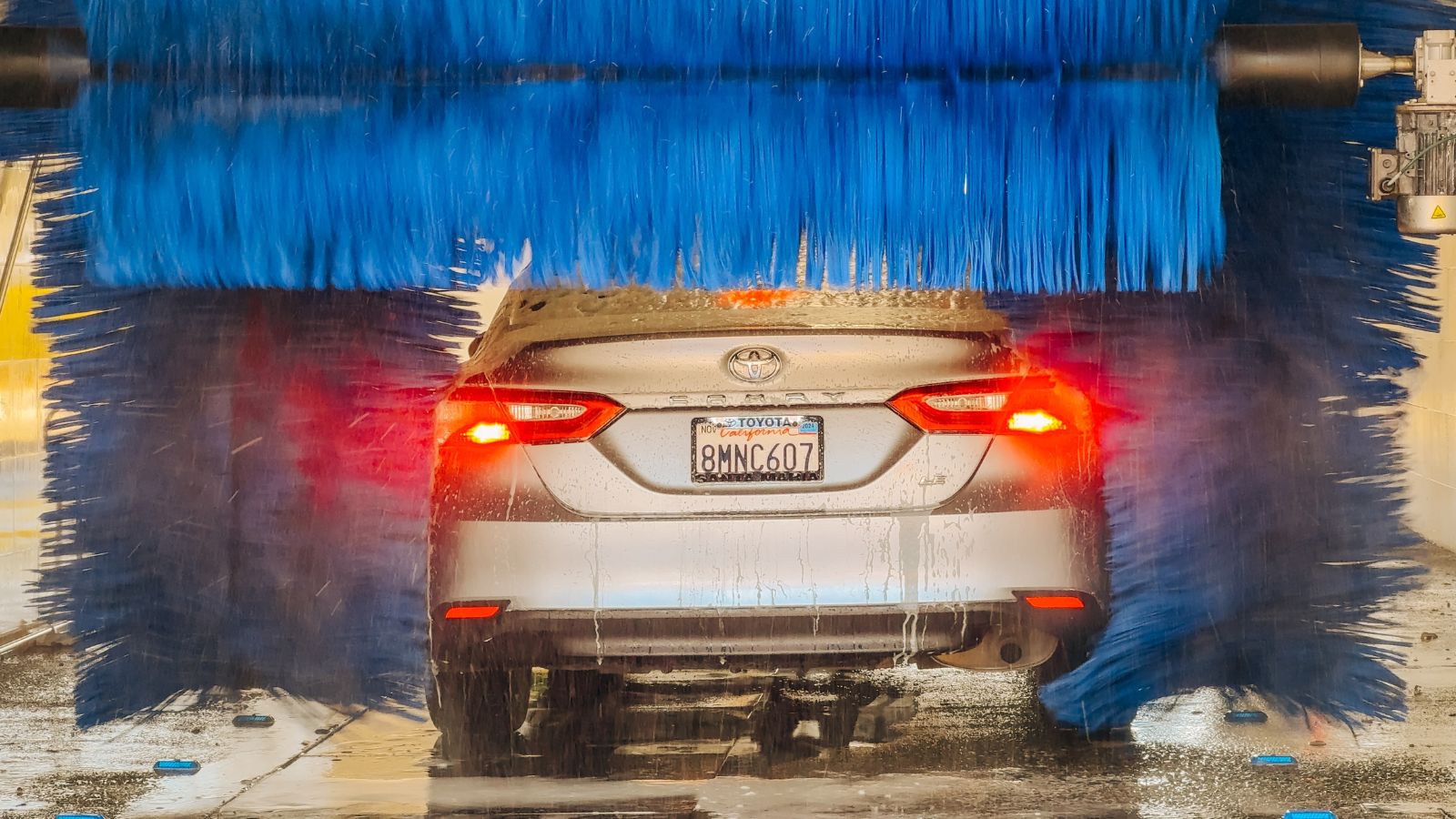
The spinning brushes in some older car wash tunnels collect grit from dozens of vehicles. When they touch your paint, they drag that grit across the surface. Winter multiplies this risk because everyone is washing salt off their cars. Detailers avoid brush washes entirely and use touchless systems or hand washing to keep the paint free from scratches.
Keep a Good Quality Spray Sealant in the Trunk
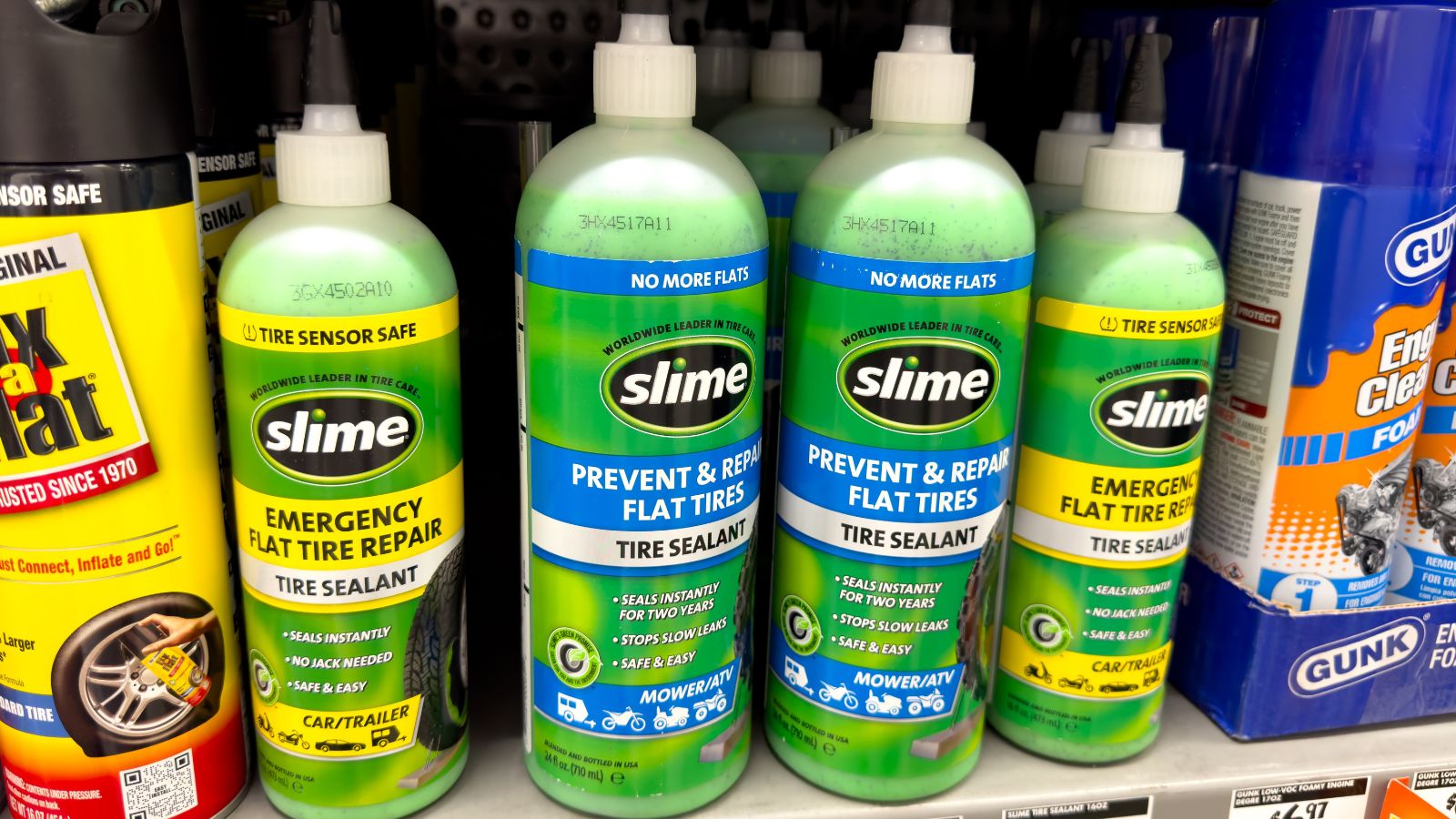
Winter throws surprises. A quick spray sealant after a roadside wash or during a mild spell restores protection instantly. Detailers keep one on hand for emergency touch ups because it prevents exposed areas from sitting unprotected. It is a simple habit that keeps winter from scoring the clearcoat when conditions change suddenly.
Treat Door Sills and Hidden Areas
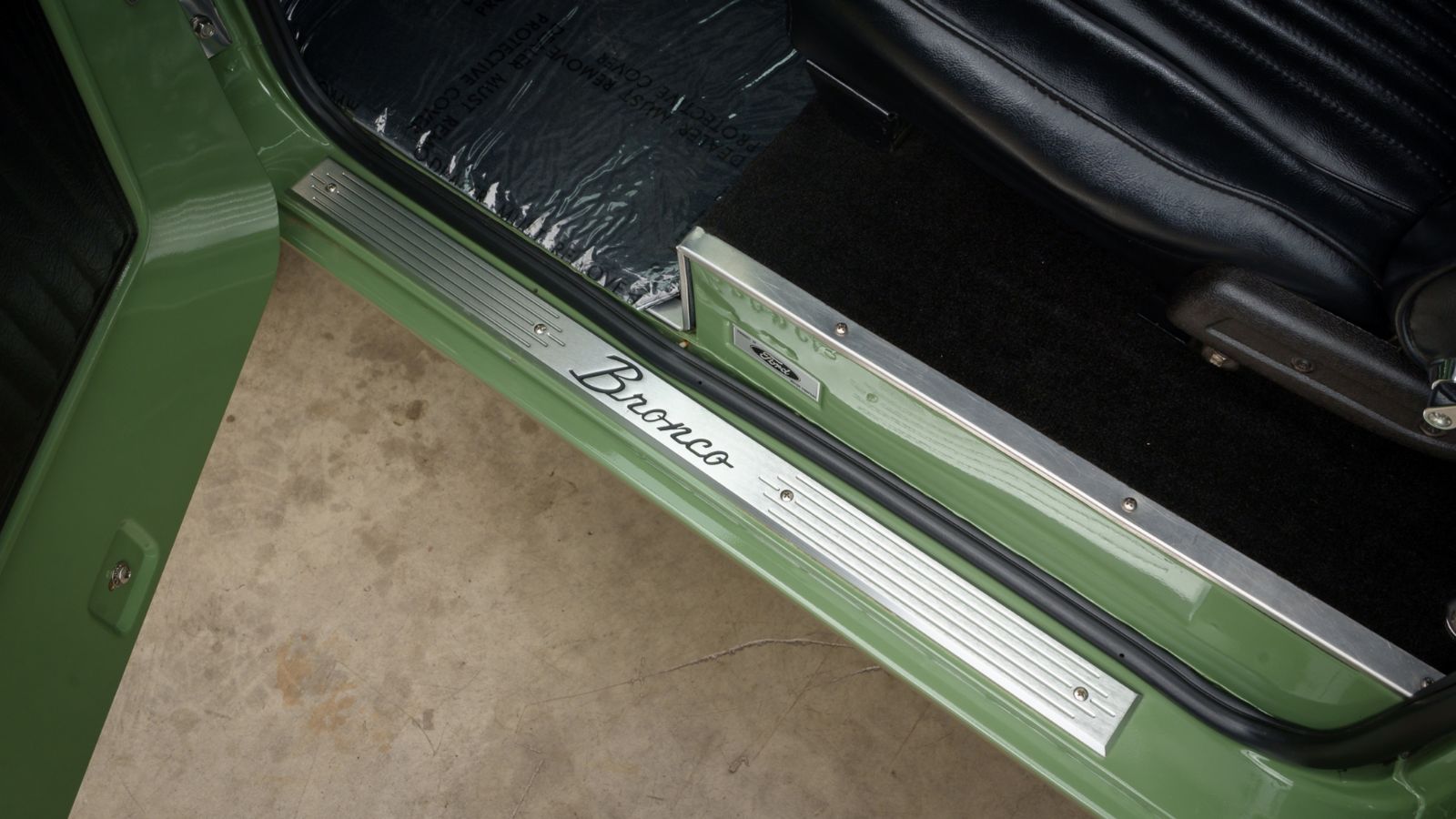
Salt collects in places most drivers forget. Door sills, hatch channels, fuel filler areas and the underside of the doors catch winter grime constantly. Detailers focus heavily on these zones because damage begins where moisture hides. Cleaning and sealing these areas prevents rust from forming in locations that are expensive to repair later.
Do a Full Decontamination in Spring
Even with perfect winter habits, the paint gathers bonded contaminants. A spring decontamination including clay treatment and a fresh coat of sealant resets the surface and repairs winter wear. Detailers see this as the moment the paint breathes again. It restores gloss, removes grit and prepares the car for warm weather protection.
25 Facts About Car Loans That Most Drivers Don’t Realize

Car loans are one of the most common ways people fund car purchases. Like any other kind of loan, car loans can have certain features that can be regarded as an advantage or a disadvantage to the borrower. Understanding all essential facts about car loans and how they work to ensure that you get the best deal for your financial situation is essential. Here are 25 shocking facts about car loans that most drivers don’t realize:
25 Facts About Car Loans That Most Drivers Don’t Realize
