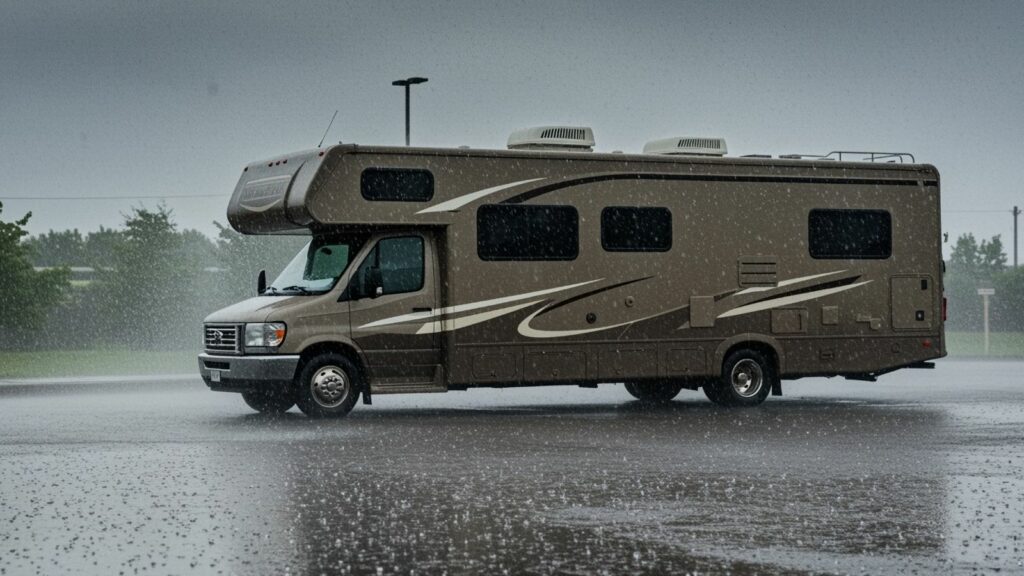
Camping off the beaten track is one of the best reasons to own an RV. Quiet locations, empty horizons and the freedom to stop where maps start to fade. But remote camping is unforgiving. Small mistakes that barely matter in serviced campgrounds can turn into serious problems far from help. These ten mistakes catch out even experienced RV owners and are best avoided before pavement turns into dust.
Overestimating Where Your RV Can Actually Go
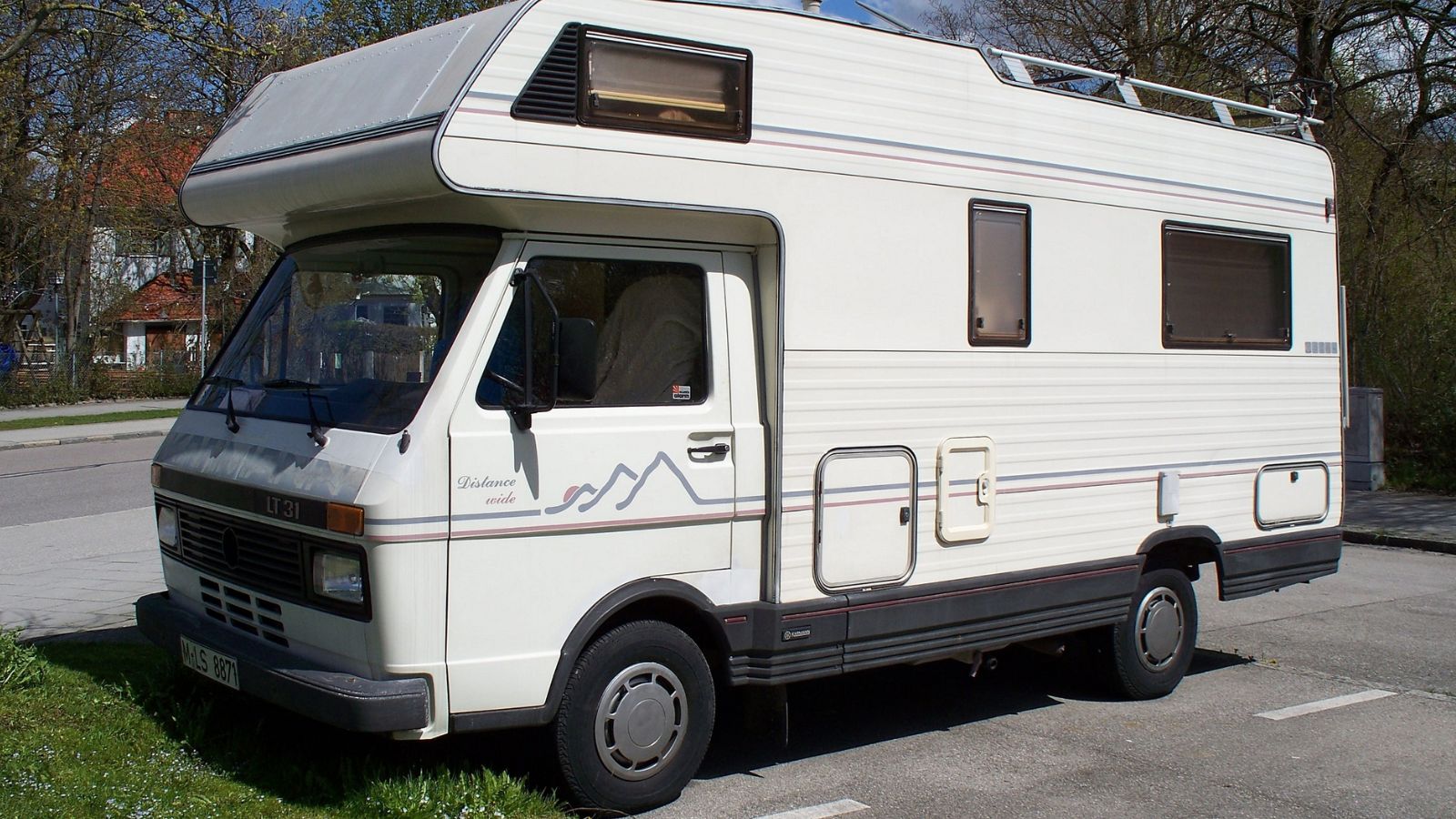
Many RVs look tougher than they are. Low ground clearance, long rear overhangs and street focused tires limit where you can safely travel. Getting stuck on a rutted access road or dragging the rear on a washout happens fast. Always walk questionable sections first and remember that turning around may be harder than going forward.
Ignoring Weight and Load Balance
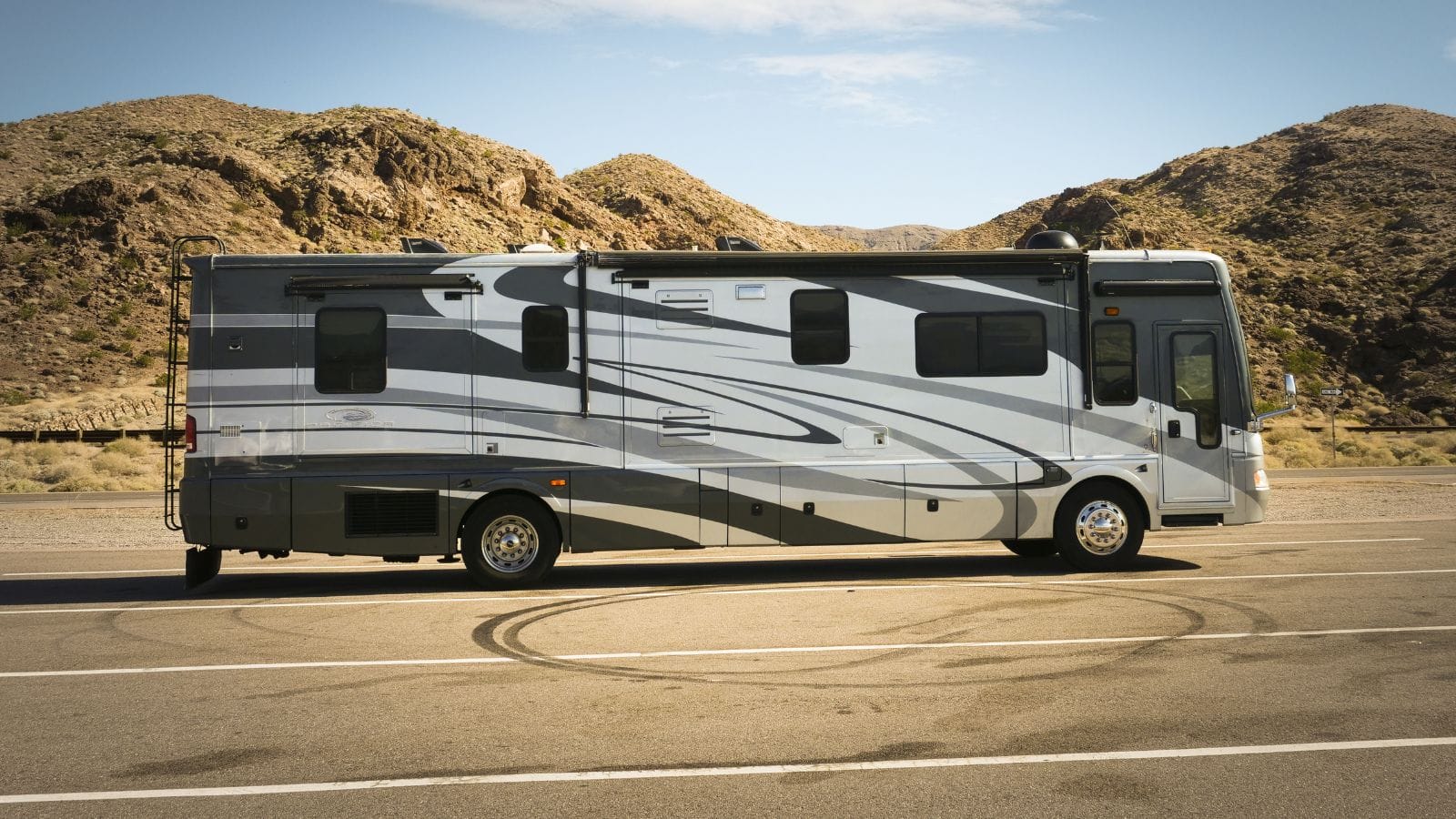
Off grid travel magnifies weight problems. Overloaded RVs struggle on climbs, overheat on slow trails and stress suspension components. Poor weight distribution increases the risk of getting bogged down in sand or mud. Remote terrain exposes weaknesses that highways hide completely.
Skipping a Proper Pre-Trip Inspection
Remote camping is not the place to discover weak hoses, cracked belts or tired batteries. Small mechanical issues become trip ending problems when there is no cell signal. A thorough inspection before leaving saves frustration and expensive recovery bills.
Running Low on Water Too Early

Fresh water disappears faster than most people expect. Dishwashing, hand cleaning and cooking all add up quickly. Without hookups, misjudging water usage forces early exits or uncomfortable rationing. Always carry more than you think you need.
Underestimating Power Consumption
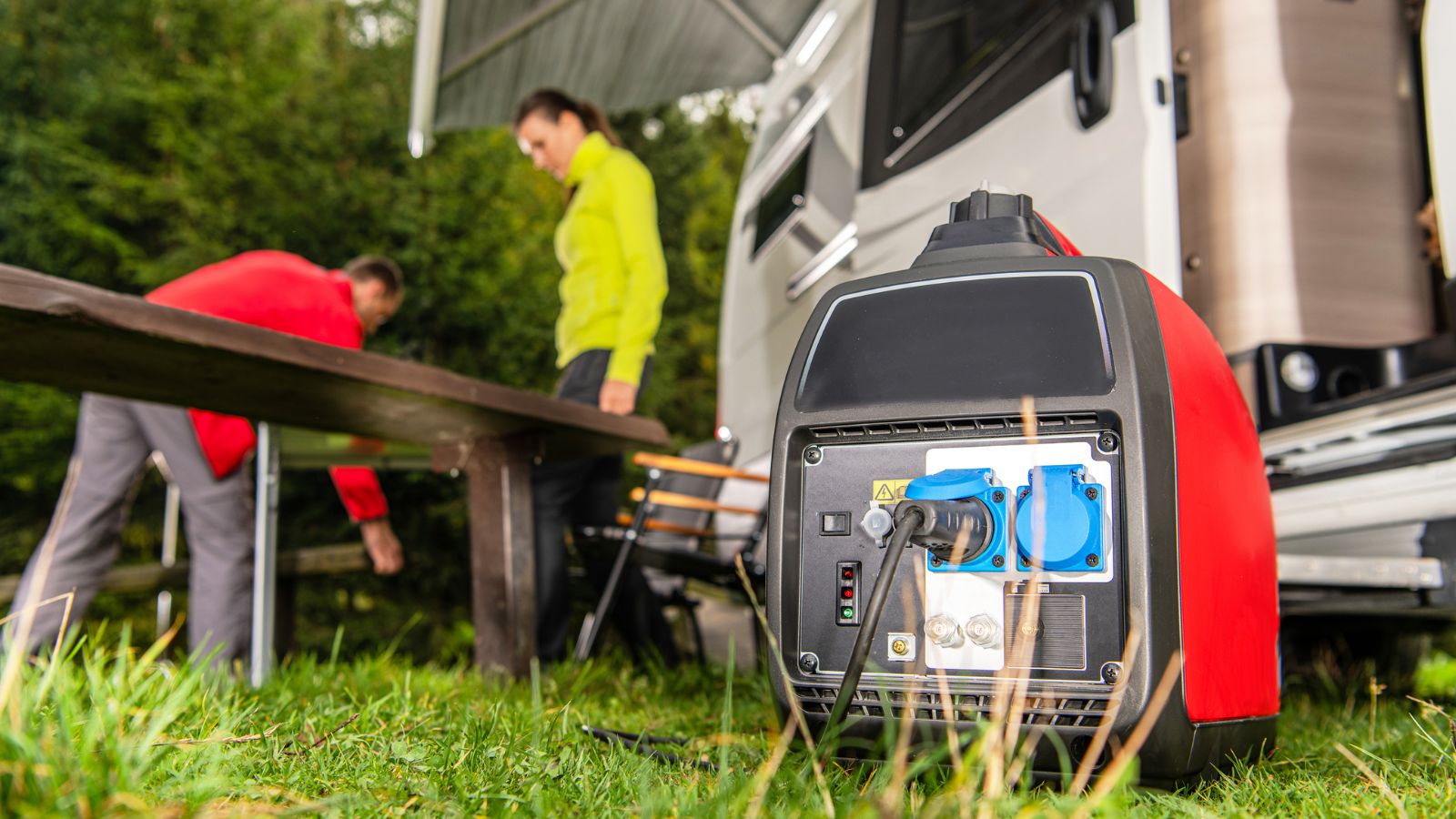
Lights, fridges, water pumps and electronics drain batteries fast. Running out of power in the backcountry means no refrigeration, no heat control and limited lighting. Solar helps, but cloudy weather and shaded campsites reduce output dramatically.
Not Having a Recovery Plan
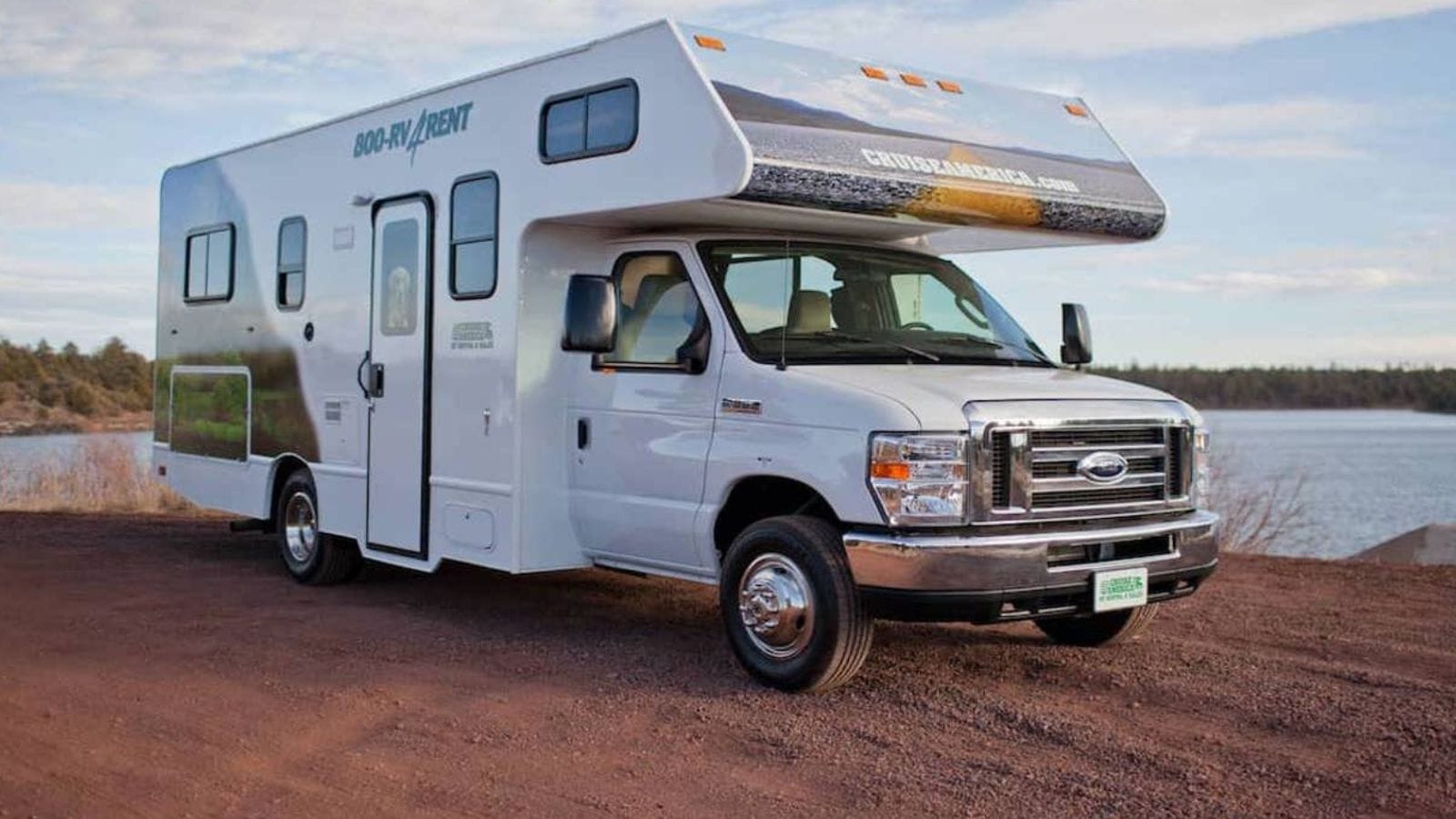
If you get stuck, what is the plan. Many RV owners rely on hope rather than preparation. Recovery boards, traction aids and basic tools make the difference between self rescue and waiting days for help. Remote locations demand self sufficiency.
Failing to Respect Weather Changes
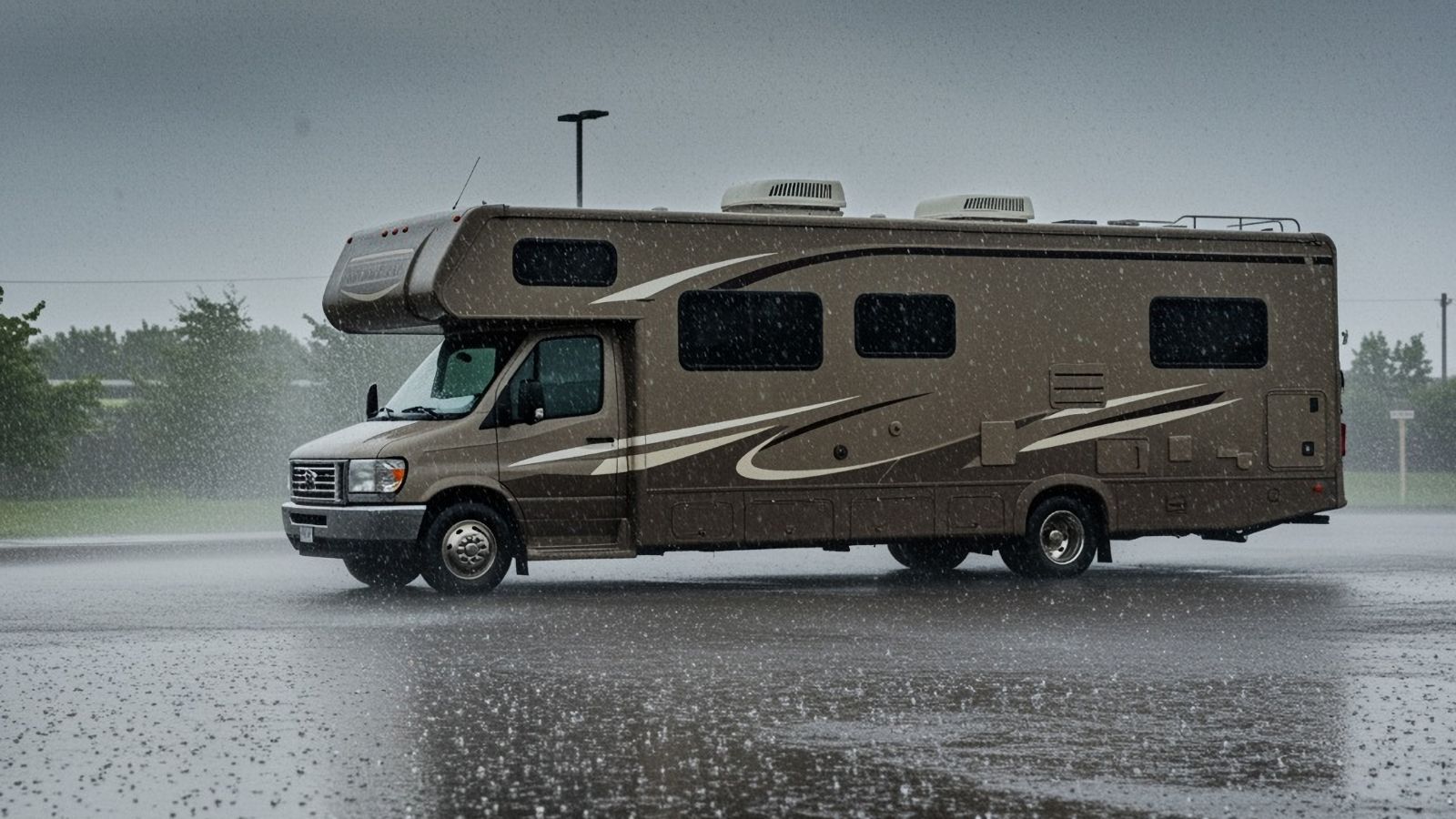
Weather shifts quickly in remote areas. A dry road can become impassable mud after one storm. Snow can arrive early at elevation. Ignoring forecasts or assuming conditions will stay stable traps many campers unexpectedly.
Parking Without Considering Exit Routes
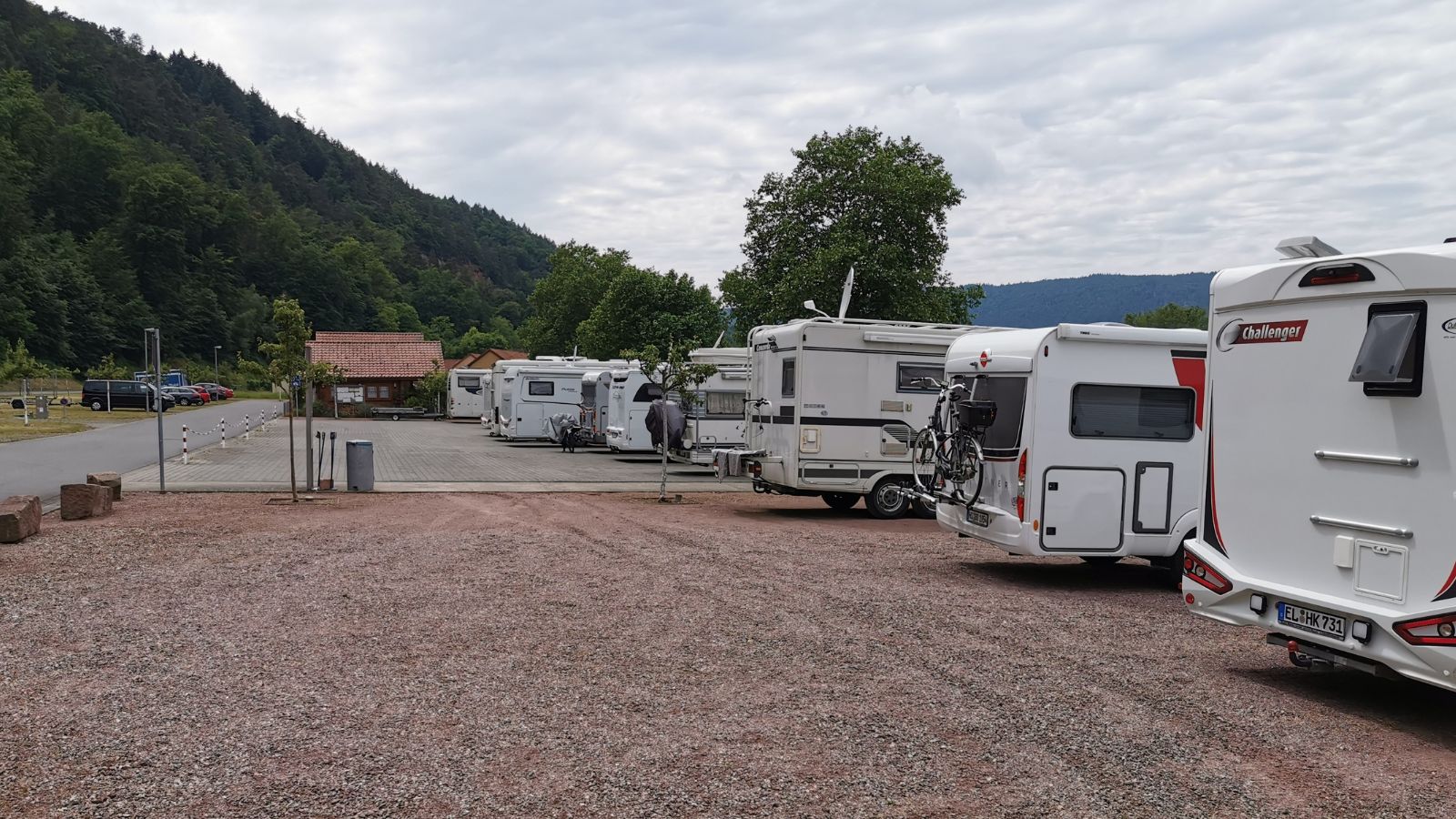
Getting into a campsite is easy. Getting out is often harder. Soft ground, rising water levels or tight turns can block departure. Always think about how you will leave before settling in, especially if conditions change overnight.
Leaving Food and Waste Exposed
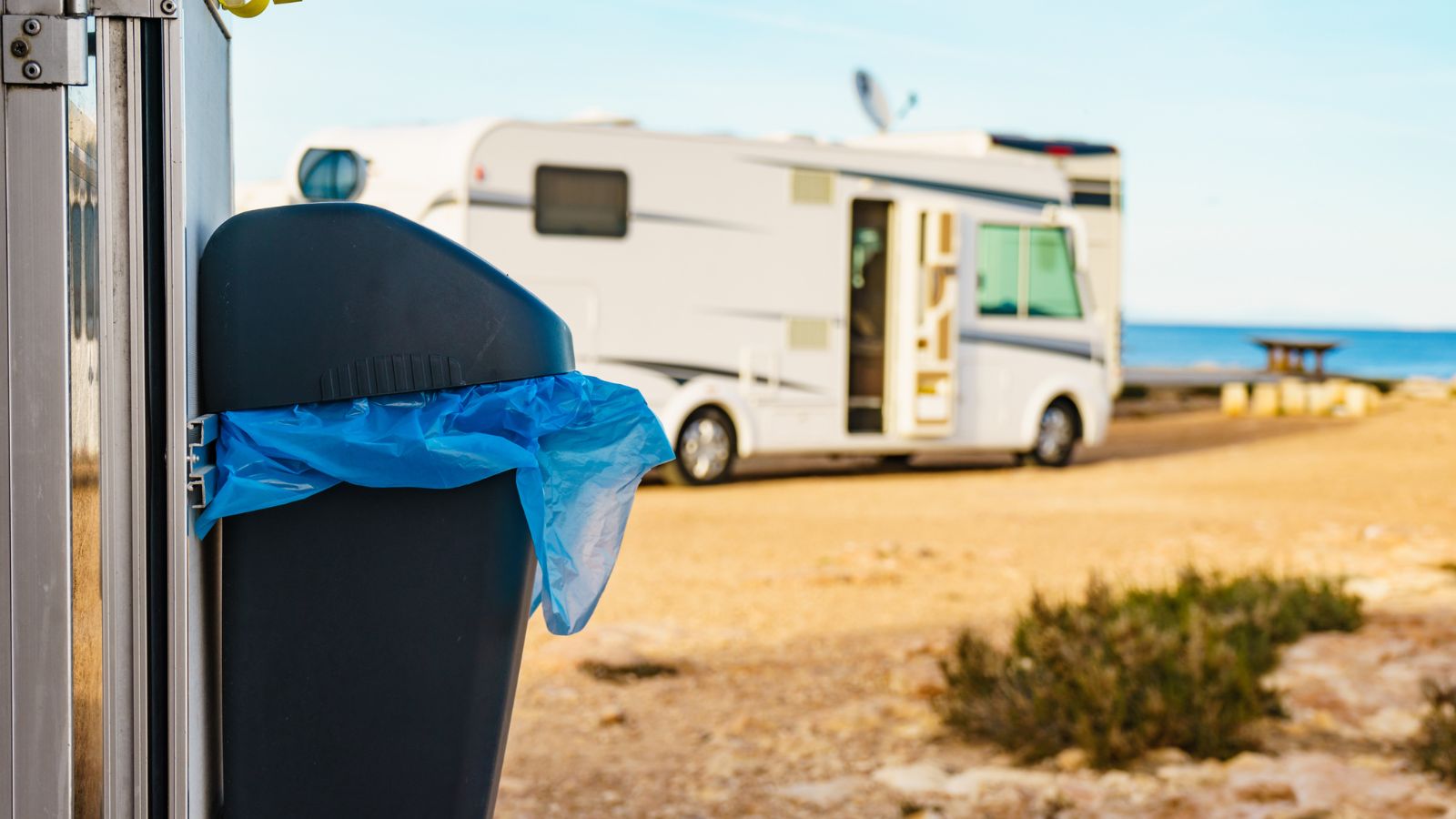
Remote areas often mean wildlife. Leaving food or waste unsecured attracts animals quickly and dangerously. This is not just inconvenient, it can lead to serious damage and dangerous encounters. Proper storage is essential, not optional.
Relying on GPS Alone

Navigation apps are useful until they are not. Many remote roads are poorly mapped or misclassified. Following GPS blindly can lead to dead ends, washed out tracks or impassable routes. Paper maps and local knowledge still matter far more off grid.
25 Facts About Car Loans That Most Drivers Don’t Realize

Car loans are one of the most common ways people fund car purchases. Like any other kind of loan, car loans can have certain features that can be regarded as an advantage or a disadvantage to the borrower. Understanding all essential facts about car loans and how they work to ensure that you get the best deal for your financial situation is essential. Here are 25 shocking facts about car loans that most drivers don’t realize:
25 Facts About Car Loans That Most Drivers Don’t Realize
