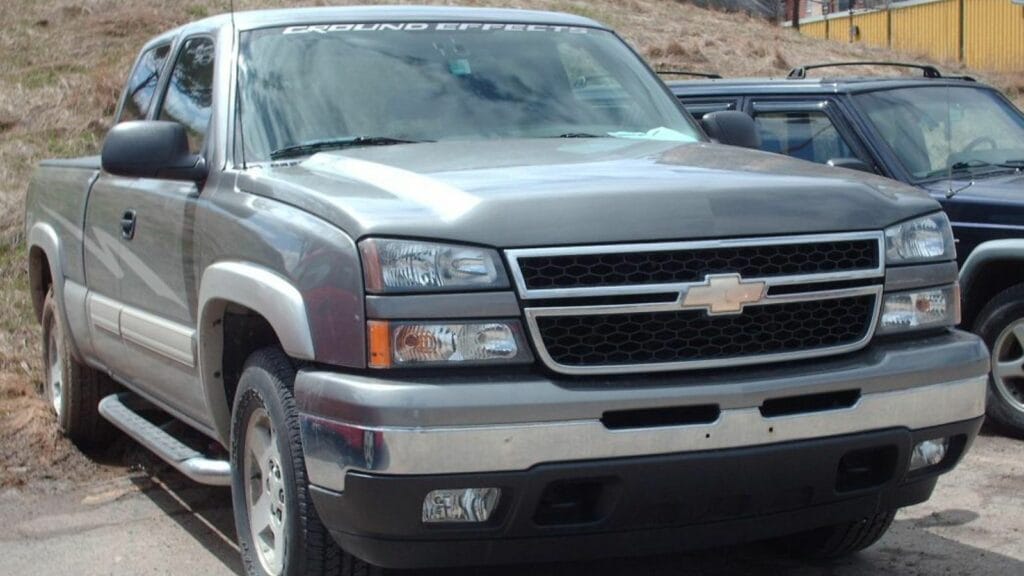
Trucks are built to take punishment, haul heavy loads, and rack up miles in tough conditions. But even the most powerful engines and strongest frames can’t save a truck if its electrical system can’t keep up. From corroded wiring to alternators that fail too soon, some trucks have earned reputations for leaving their owners frustrated with flickering lights, dead batteries, or unpredictable warning systems. These twenty trucks stand out for having some of the weakest electrical setups in the industry, reminding us that strength isn’t just about horsepower and torque.
Ford F-150 (Early 2000s)
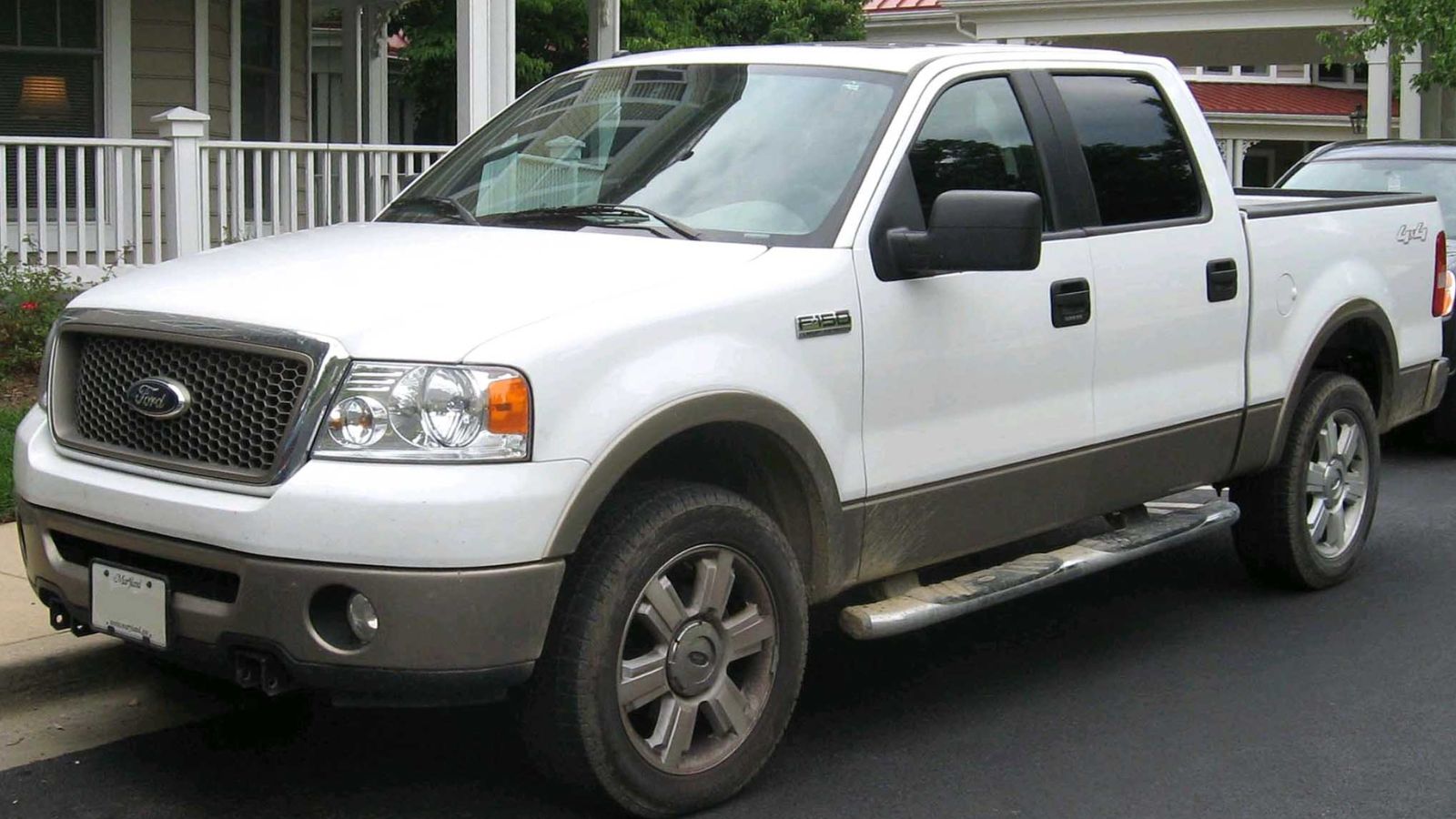
The Ford F-150 has long been the king of truck sales, but that doesn’t mean every model year was bulletproof. Early 2000s versions, particularly around 2001 to 2004, suffered from poor wiring harness quality and alternators that failed well before their time. Many owners complained of headlights that dimmed randomly, dead batteries overnight, and dashboard systems that flickered on and off. The trucks could still tow and haul like champions, but their electrical reliability was often questioned.
Chevrolet Silverado 1500 (2007–2013)
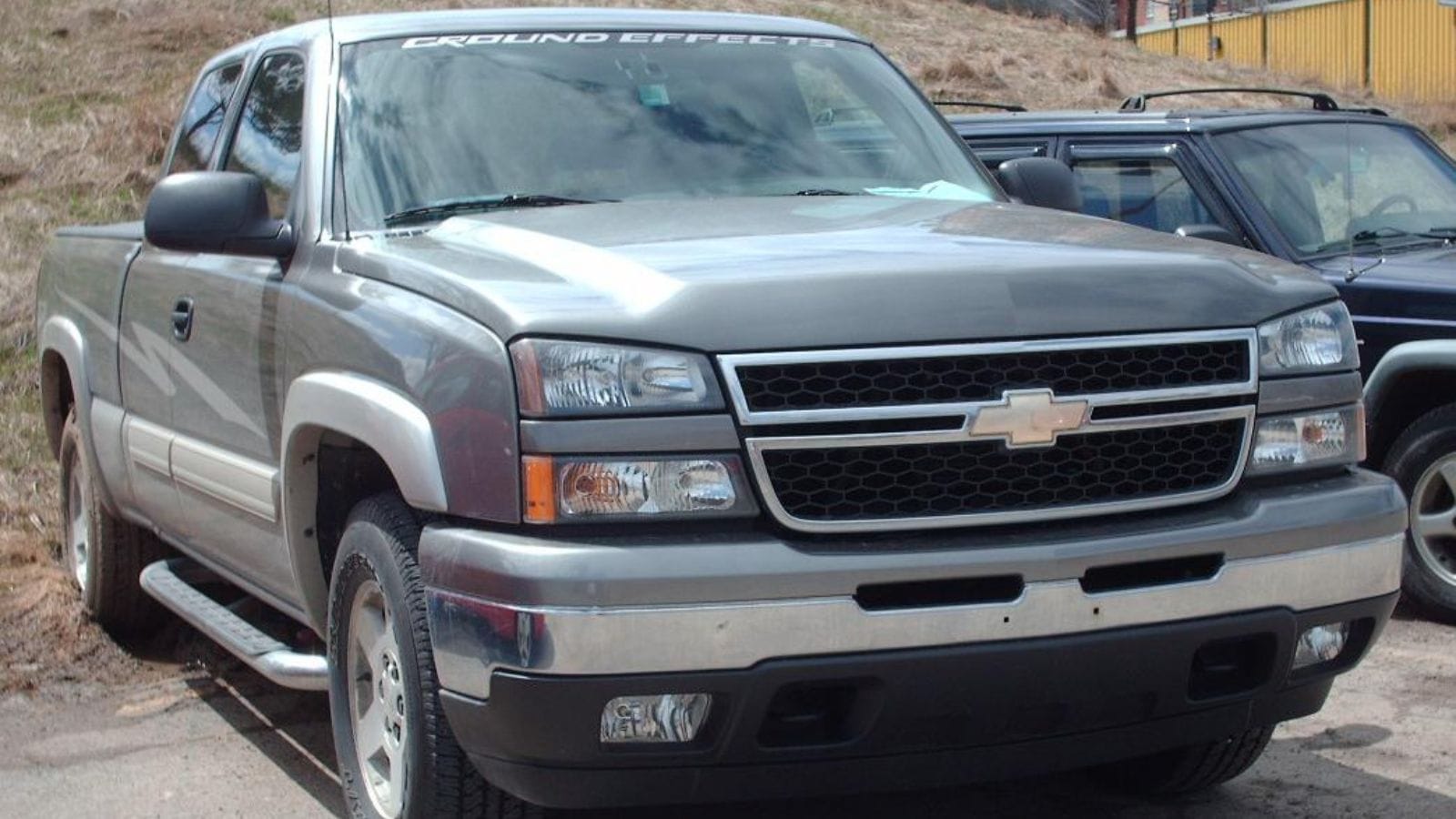
These Silverados looked solid and performed well under the hood, but their electrical systems were far less impressive. Common issues included entire instrument clusters failing, fuel gauge sensors reading empty when the tank was full, and intermittent warning lights that made owners second-guess whether something was actually wrong. Many drivers spent thousands replacing dash electronics that seemed to give up long before the powertrain did.
Dodge Ram 1500 (1994–2001)
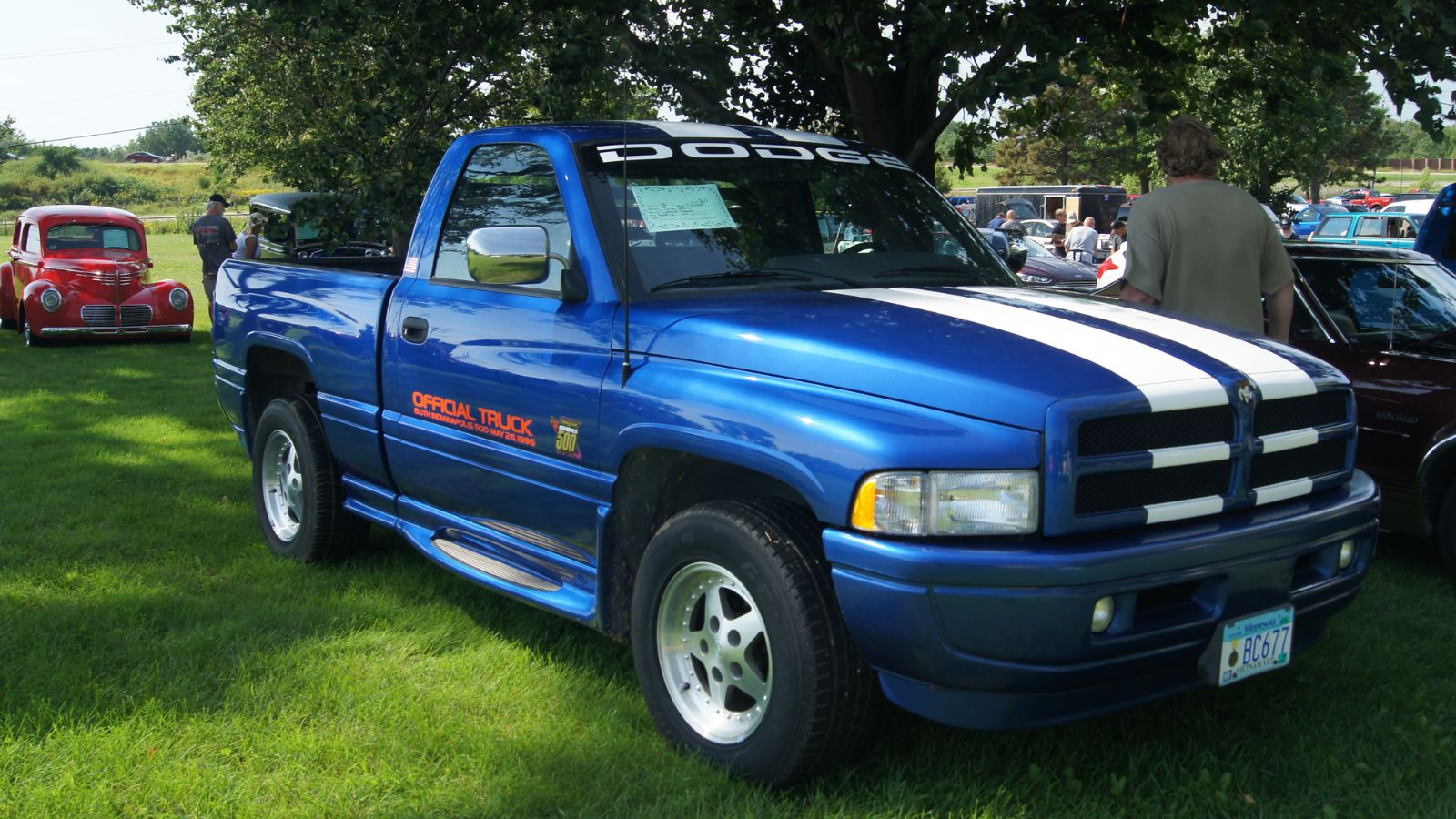
The Dodge Ram of the mid-90s turned heads with its bold styling and muscular looks, but under the skin the electrical setup was fragile. Headlight switches frequently burned out, causing total lighting failures, while wiring corrosion was an ongoing problem. TIPMs (totally integrated power modules) didn’t exist yet, but the early versions of Dodge’s electrical systems were prone to sudden shorts, leaving many drivers stranded without warning.
GMC Sierra (2007–2014)
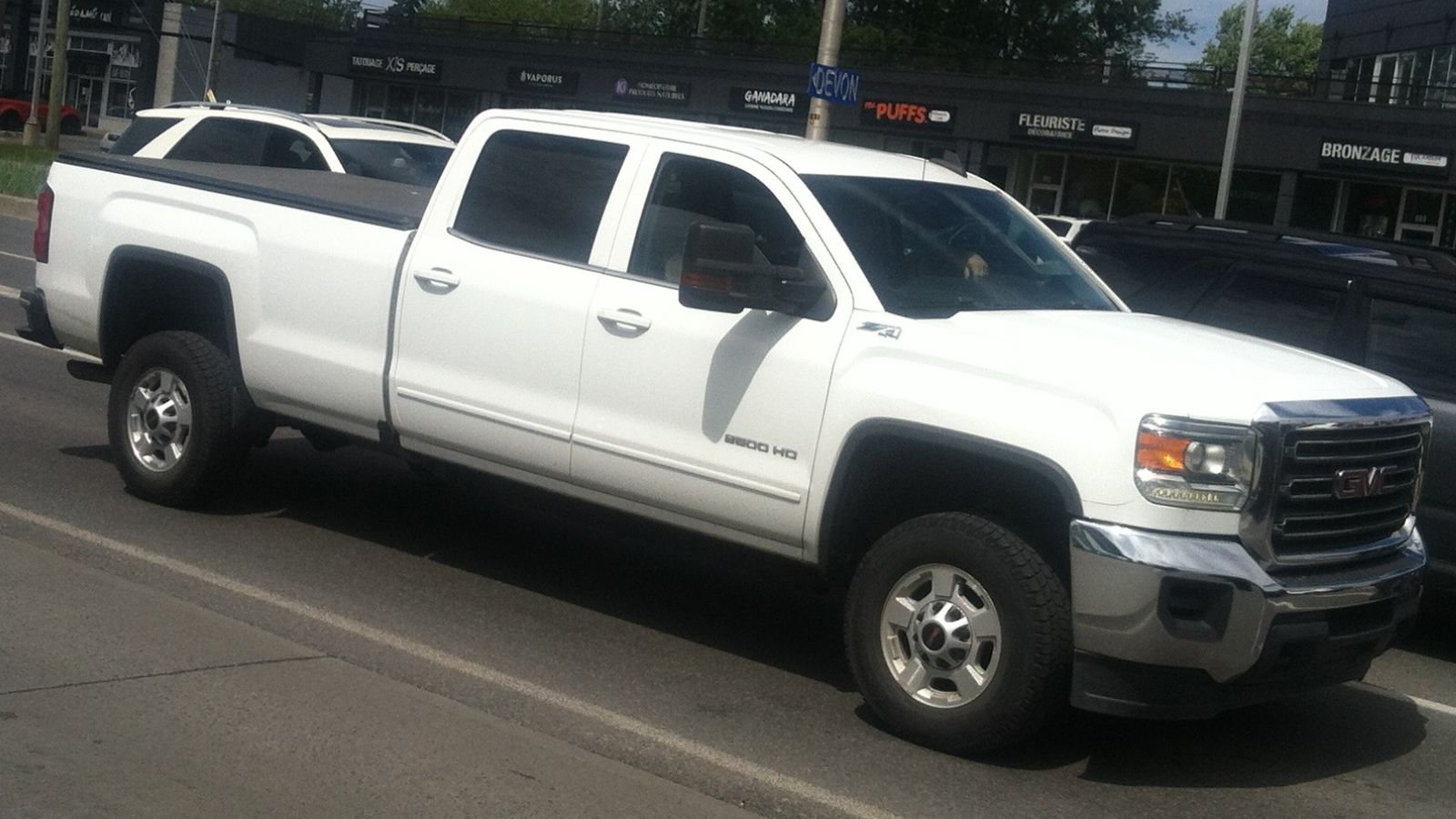
Sharing its bones with the Silverado, the GMC Sierra faced the same frustrations. Instrument cluster failures were widespread, as were issues with body control modules that governed everything from interior lights to window motors. Owners who bought these trucks expecting professional grade reliability were often shocked when simple electrical faults left them chasing expensive repairs.
Toyota Tundra (2000–2006)
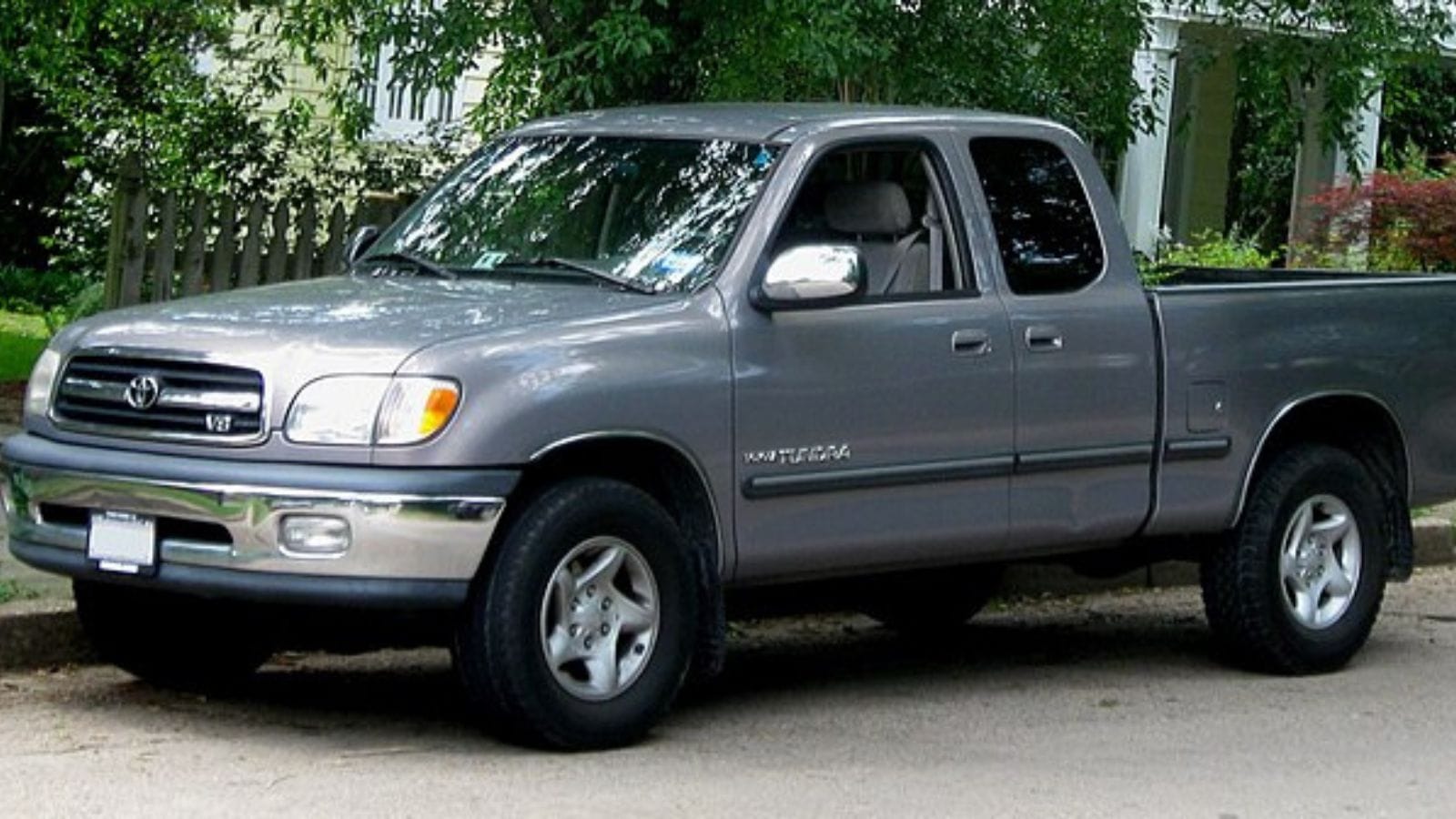
Toyota has a reputation for bulletproof engineering, but the early Tundra was an exception when it came to electrics. Window motors burned out regularly, ignition wiring failed, and alternators struggled under load. While the drivetrain proved reliable, many owners were disappointed that something as simple as the electrical system undermined Toyota’s hard-earned reputation.
Nissan Titan (2004–2008)
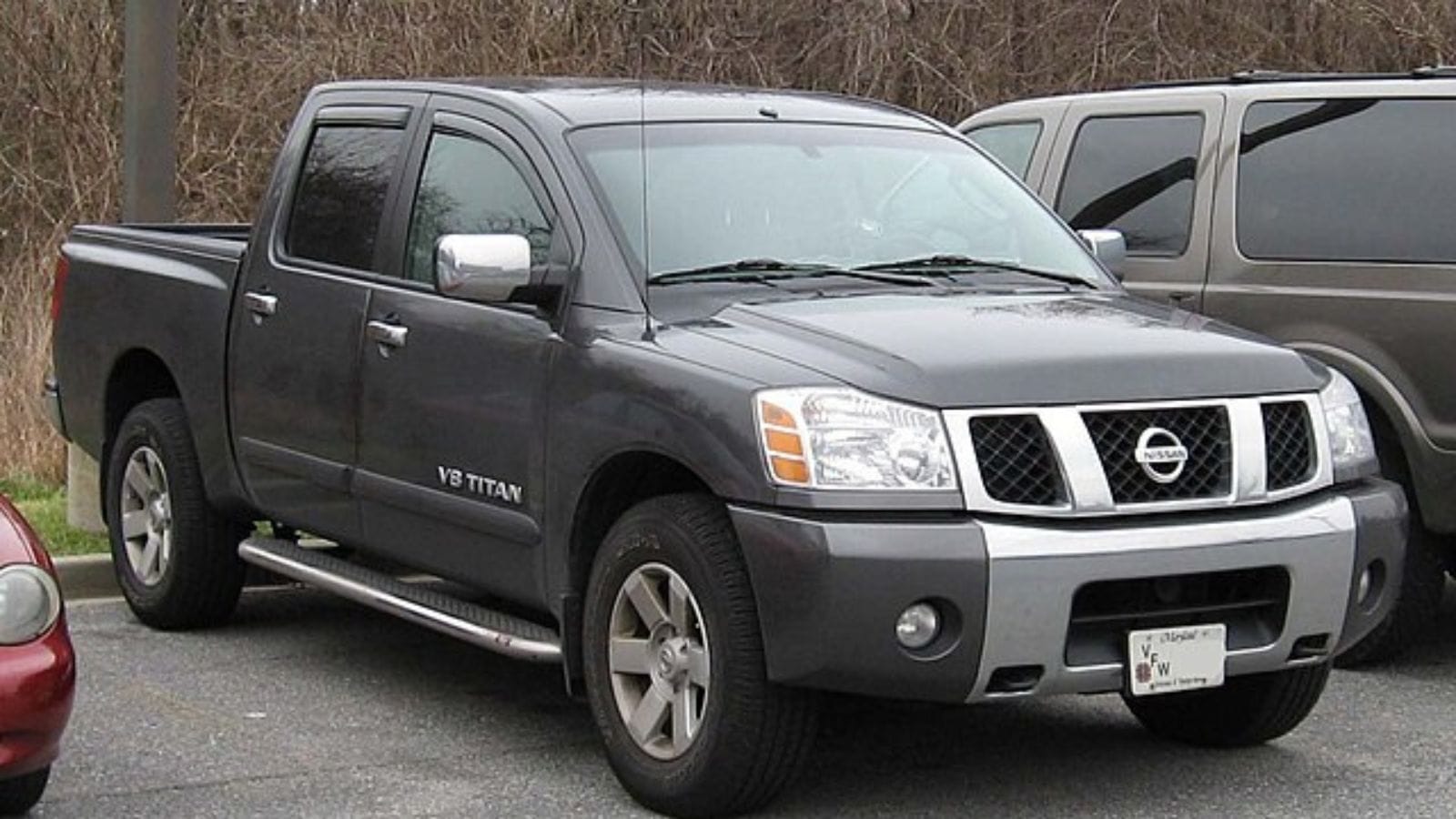
The Titan debuted with bold styling and serious power but quickly revealed weak electrical bones. Early owners reported endless alternator failures, ECU glitches, and wiring harnesses that shorted prematurely. For a truck that was meant to establish Nissan in the full-size market, the electrical issues tarnished what could have been a breakthrough.
Ford Ranger (Late 1990s)
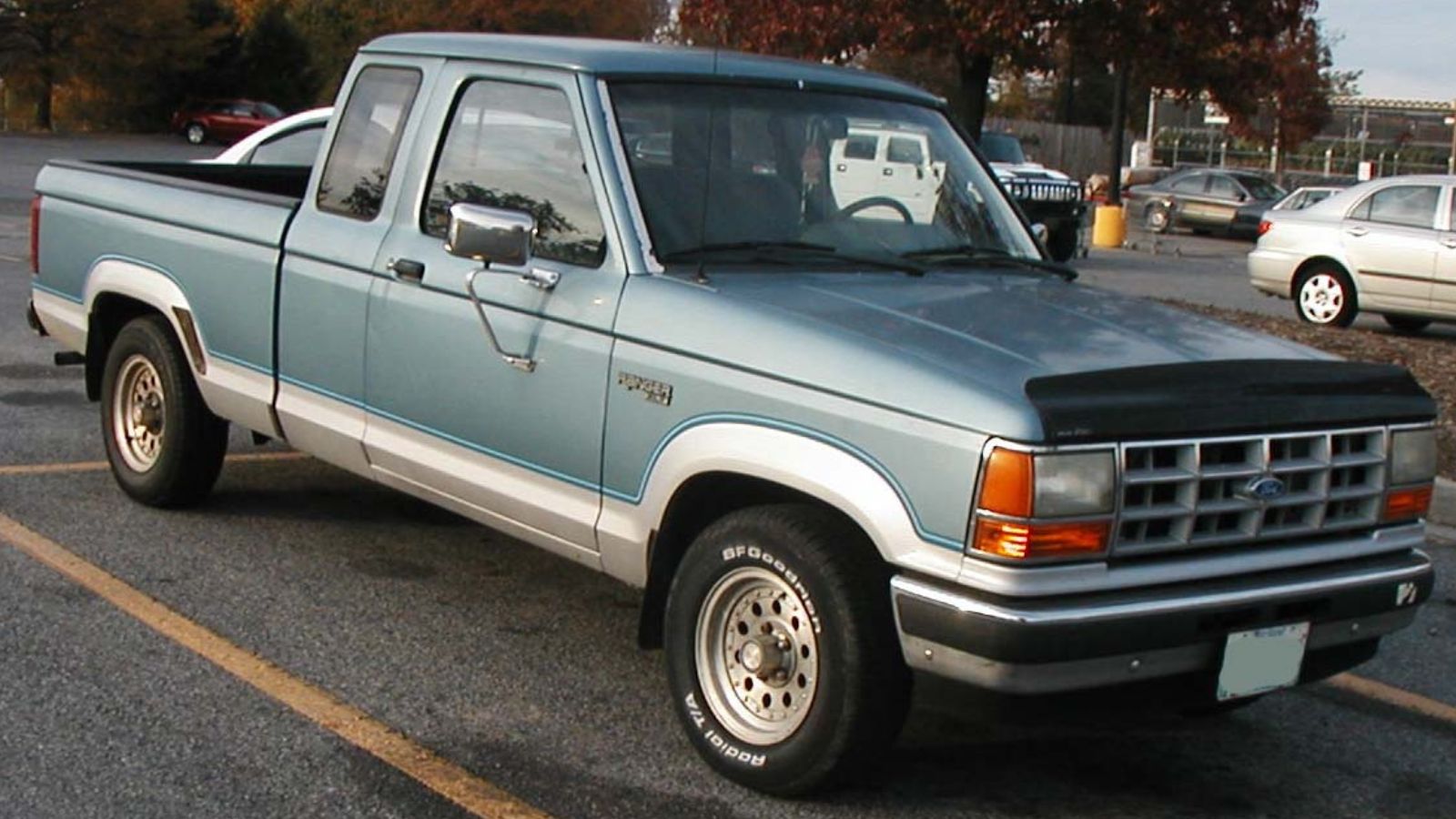
Compact and affordable, the Ford Ranger of the 1990s was loved by first-time truck buyers. Unfortunately, its electrical system often proved a weak point. Lighting failures, weak alternators, and faulty ignition switches were common. While the Ranger’s engines were tough, electrical issues often left them sidelined with relatively minor but irritating problems.
Dodge Dakota (2000–2005)
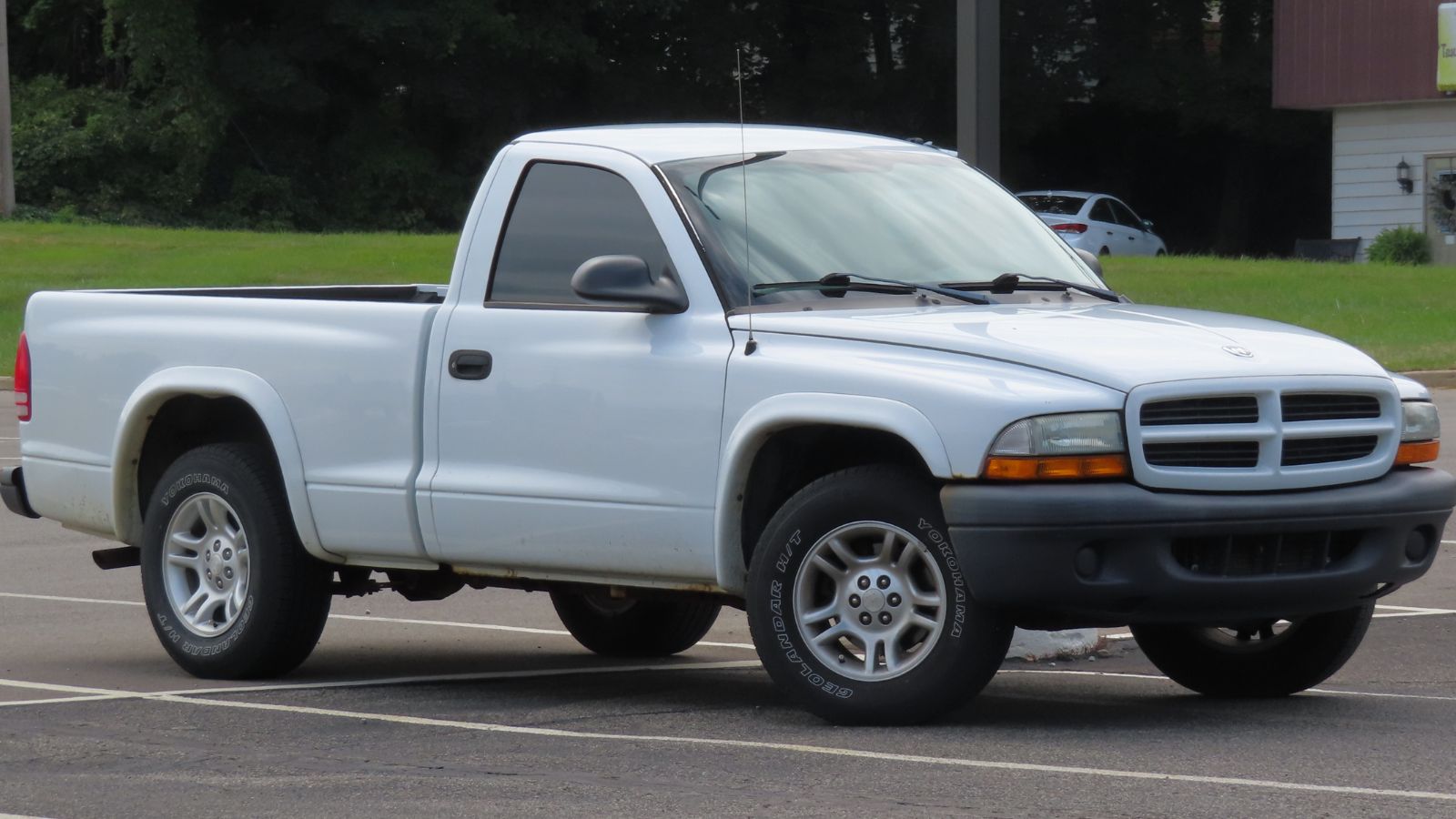
The midsize Dakota had plenty of muscle, especially with V8 options, but electrical gremlins were always lurking. Instrument panels died unexpectedly, interior lights failed, and cheap connectors corroded quickly. The result was a truck that could tow and haul but frustrated owners with a constant stream of small but expensive electrical faults.
Chevrolet Colorado (2004–2010)

The first-generation Colorado promised a modern, efficient midsize pickup, but its electrical system was a disappointment. Dashboards failed without warning, power windows stopped working, and random electrical shorts plagued owners. For a truck meant to bring GM’s midsize lineup into the new century, the electrics made it feel like a step backward.
GMC Canyon (2004–2010)
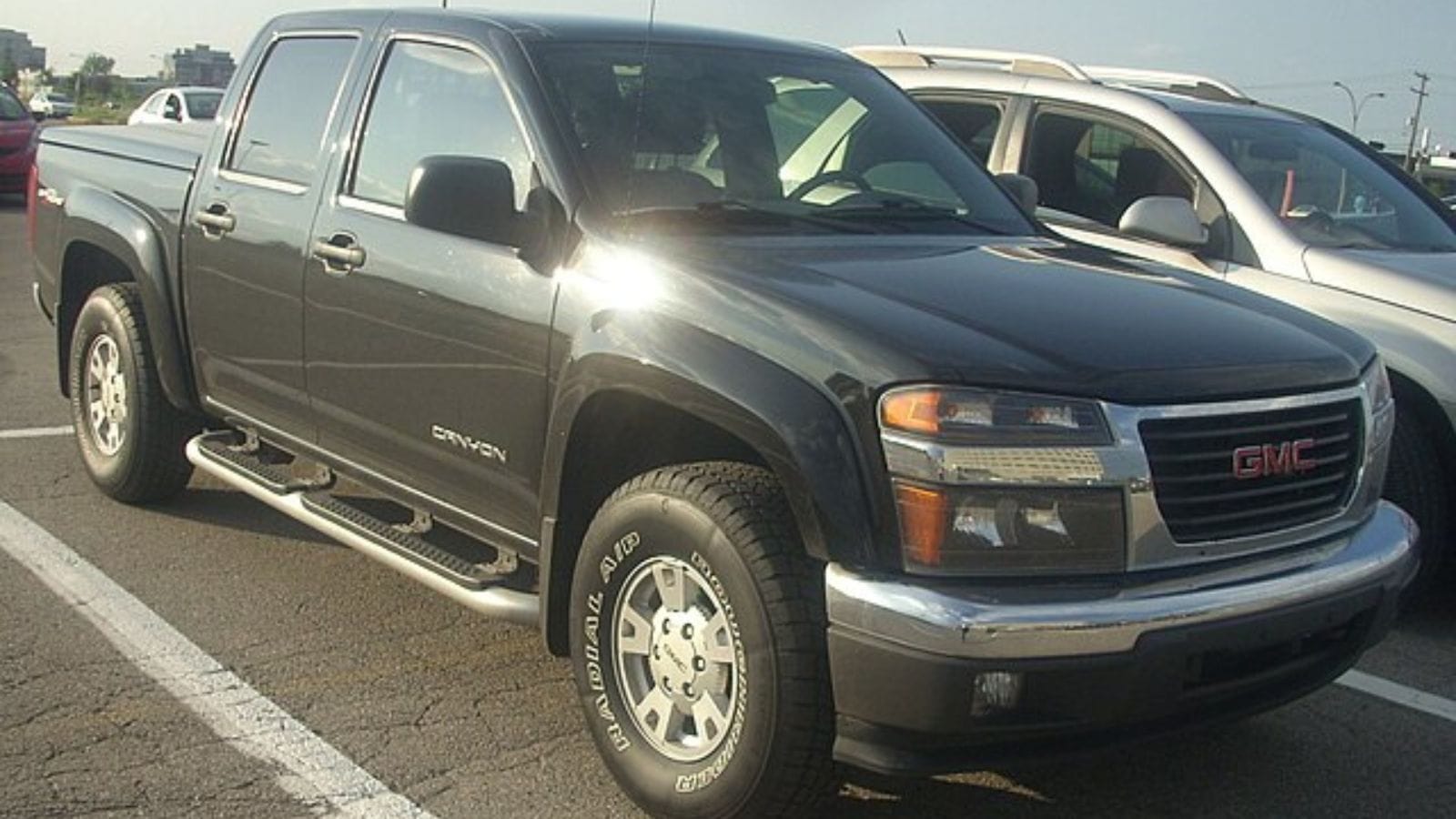
Like the Colorado, the Canyon shared its electrical design and therefore shared its problems. Alternators failed early, body control modules were unreliable, and power accessories often stopped working altogether. Many owners described the trucks as mechanically sound but electrically fragile, forcing repeated trips to the dealer.
Ford Super Duty (1999–2007)
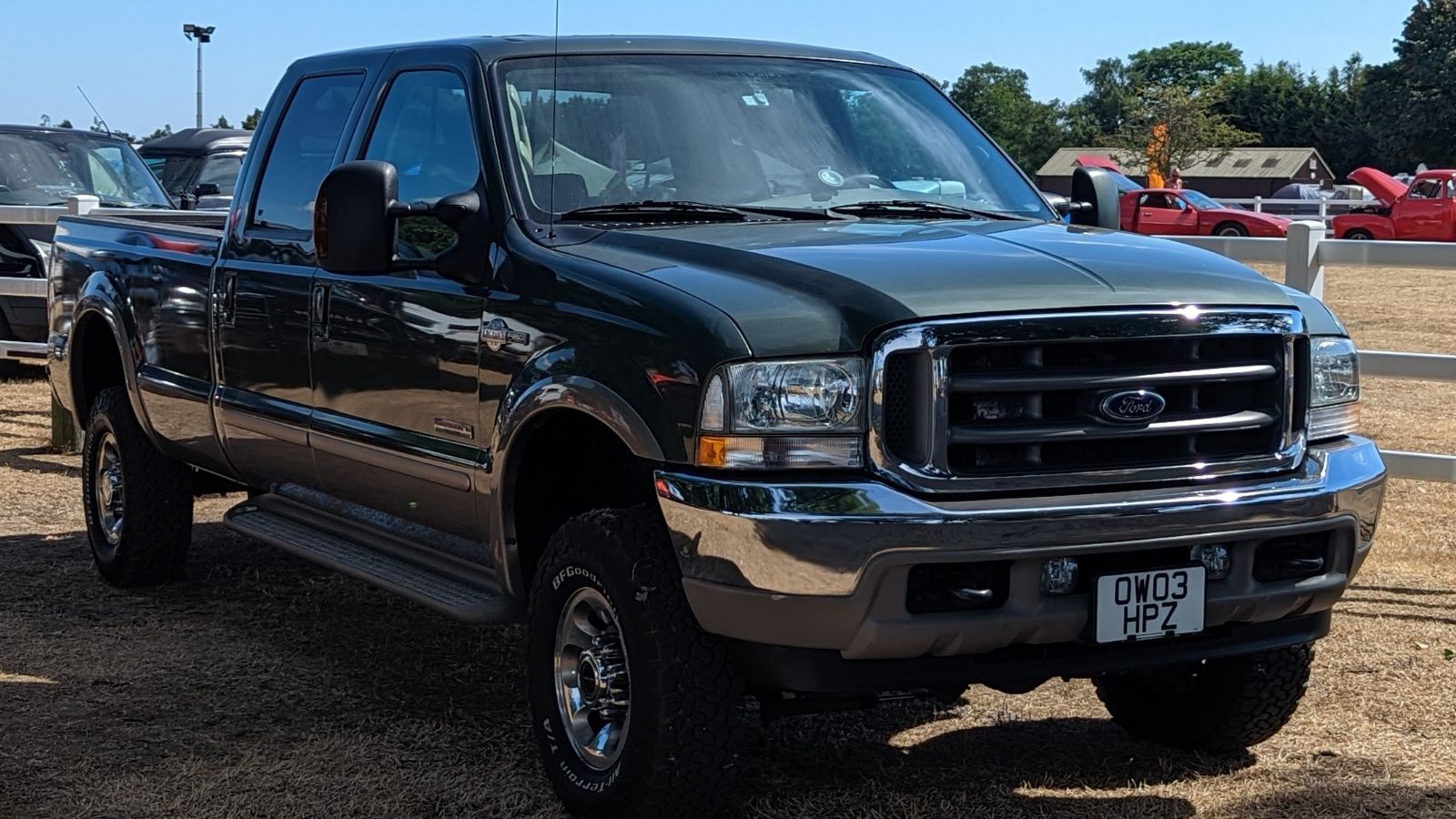
Super Duty models are known for hauling enormous loads, but the electrical systems in this era left plenty to be desired. Common issues included faulty wiring harnesses, weak alternators, and glow plug system failures in diesel models. These issues often left work trucks sidelined, an unforgivable problem for owners who relied on them to earn a living.
Chevrolet Avalanche (2002–2006)

Part SUV, part truck, the Avalanche had innovative design features but also inherited GM’s weak early-2000s electrical architecture. Instrument cluster failures were almost guaranteed, radios frequently died, and wiring corrosion created frustrating gremlins. While versatile and comfortable, it became known for being electrically unreliable.
Dodge Ram 2500 (2003–2008)
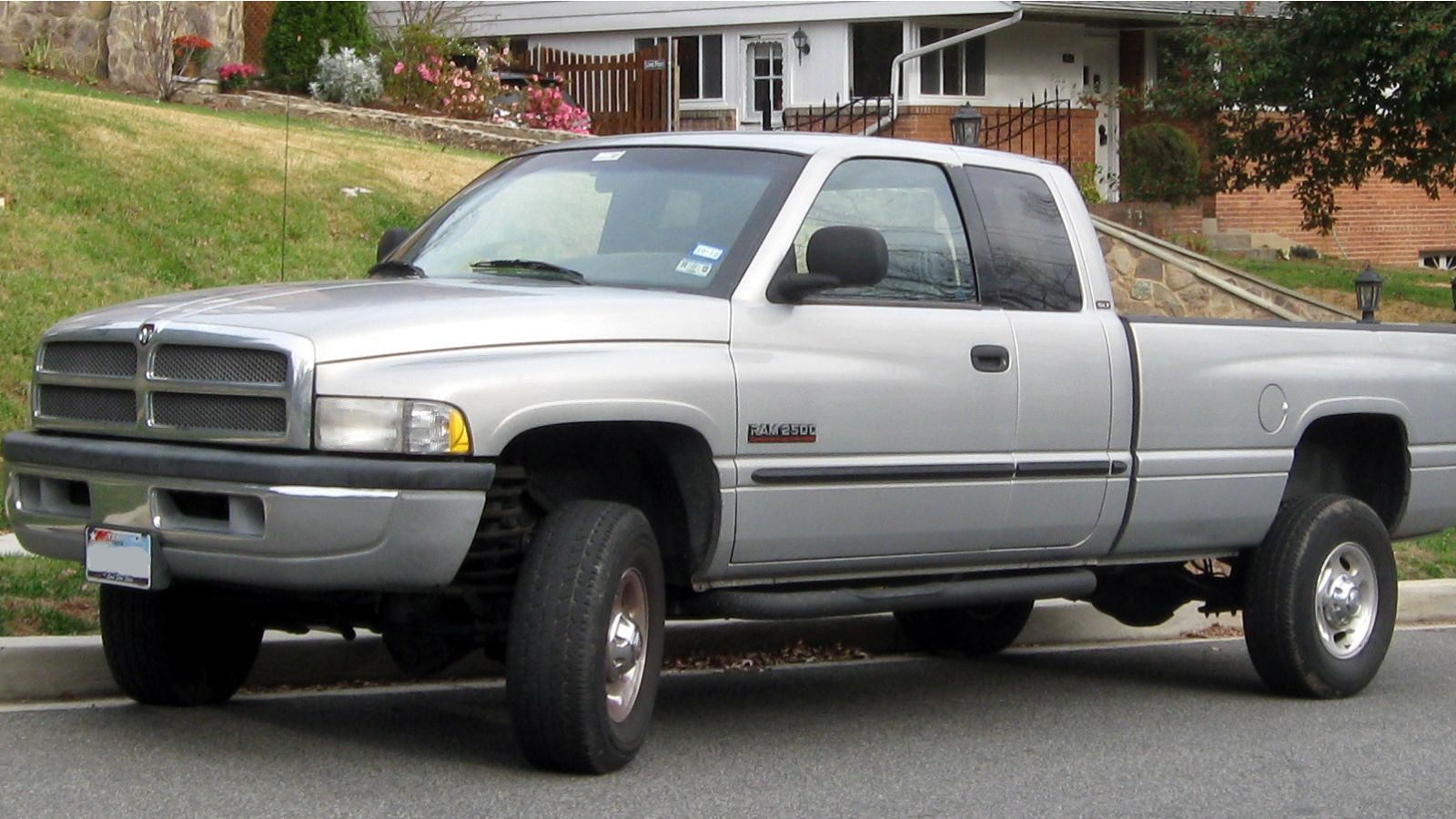
These heavy-duty Rams often carried the legendary Cummins diesel engine, but even the mighty Cummins couldn’t outrun poor electrical design. TIPM modules caused chaos by randomly shutting down headlights, wipers, or even engine ignition. Some owners described their trucks as having “minds of their own,” with electrics behaving unpredictably until expensive repairs were made.
GMC Yukon XL (2000–2006)
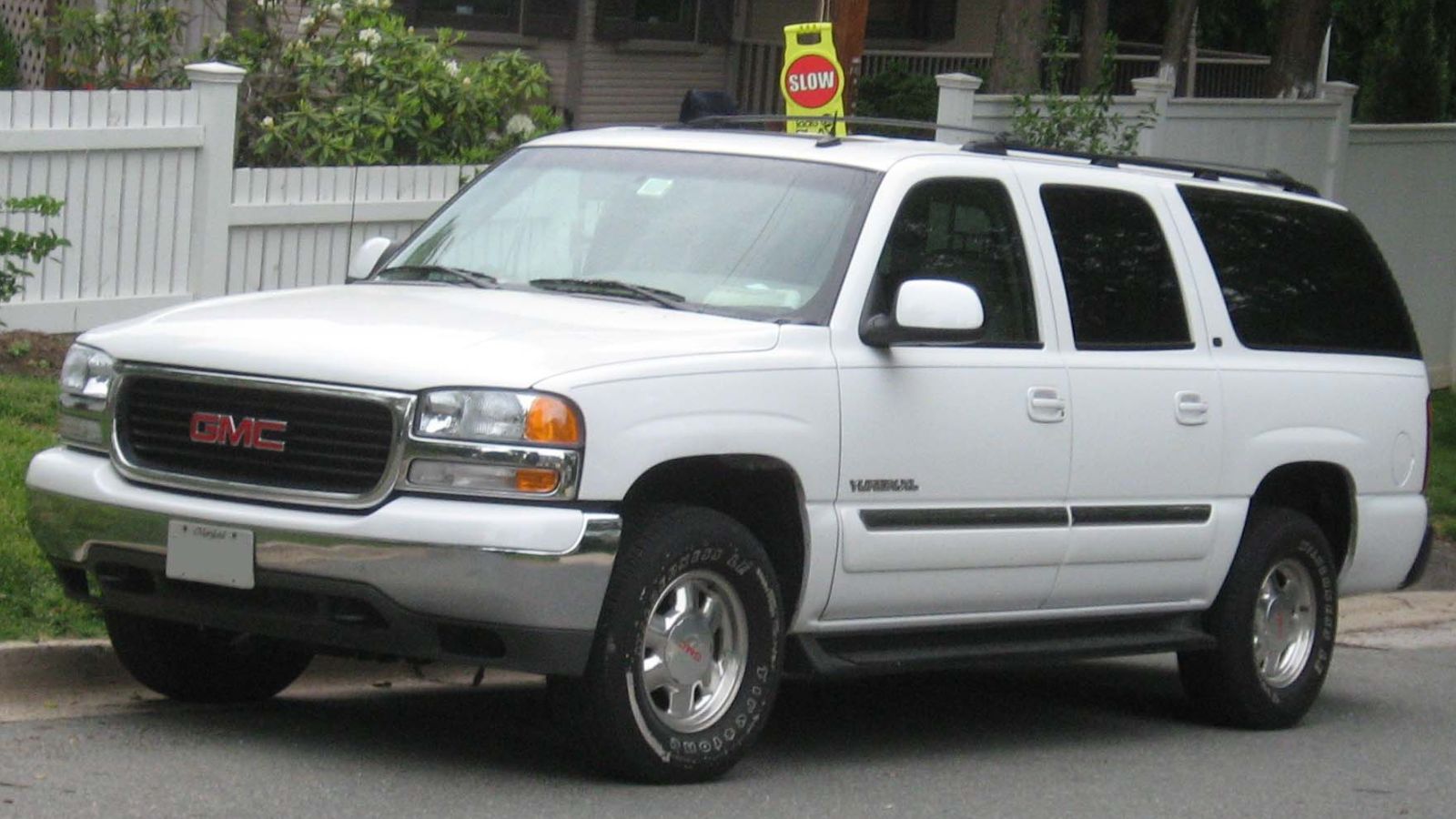
Though technically an SUV, the Yukon XL shares its DNA with full-size GM trucks. And like them, it suffered from electrical weak points. Failing instrument clusters, alternator issues, and corroded wiring were common. For families who bought it expecting full-size durability, the constant electrical repairs were a bitter disappointment.
Nissan Frontier (1998–2004)
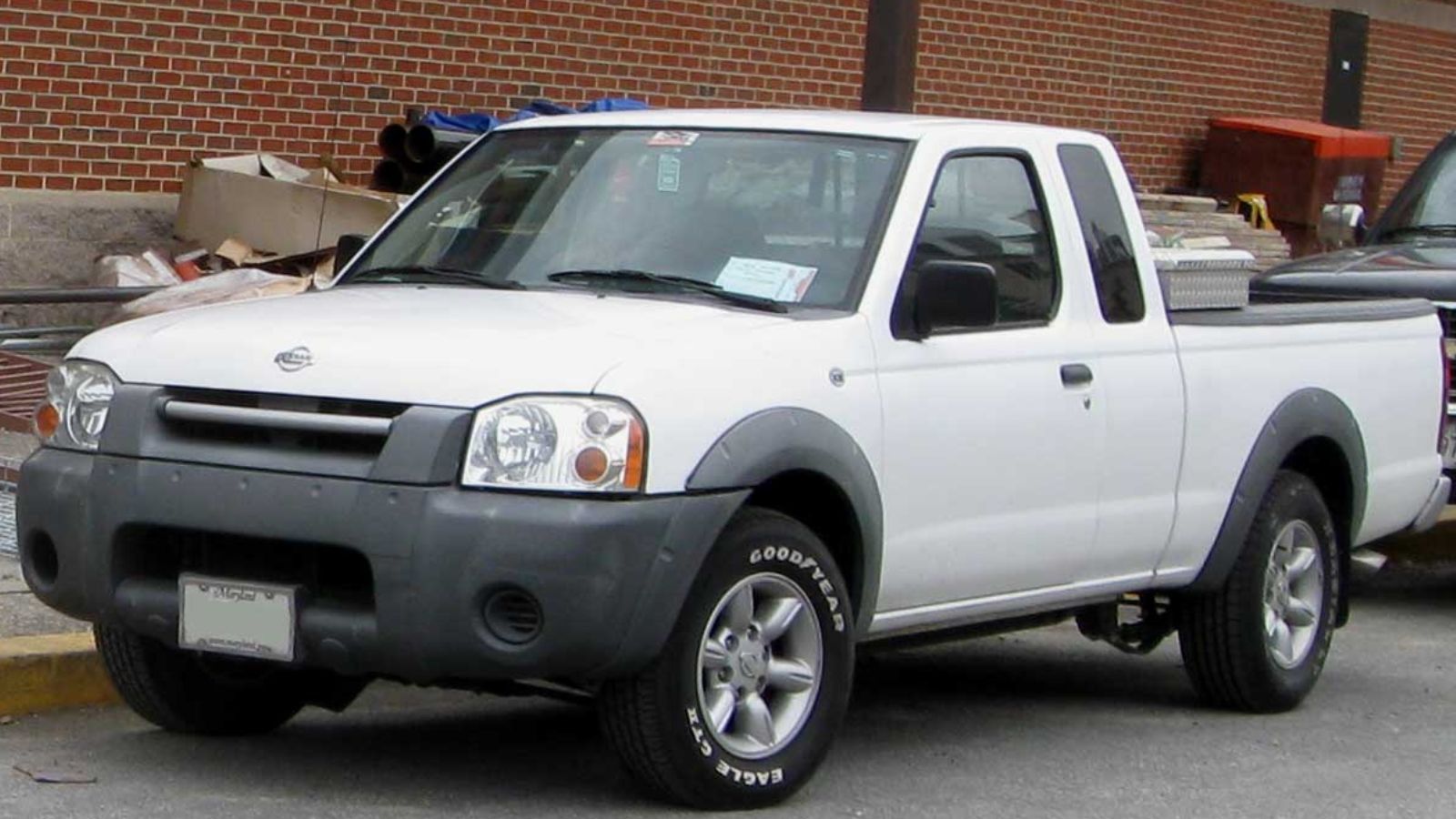
These older Frontiers were mechanically simple and dependable in many ways, but the electrical components let them down. Alternators burned out early, fuse boxes developed faults, and wiring harnesses wore quickly. For a truck meant to be rugged and adventurous, electrical weakness often spoiled the ownership experience.
Ford Explorer Sport Trac (2001–2005)
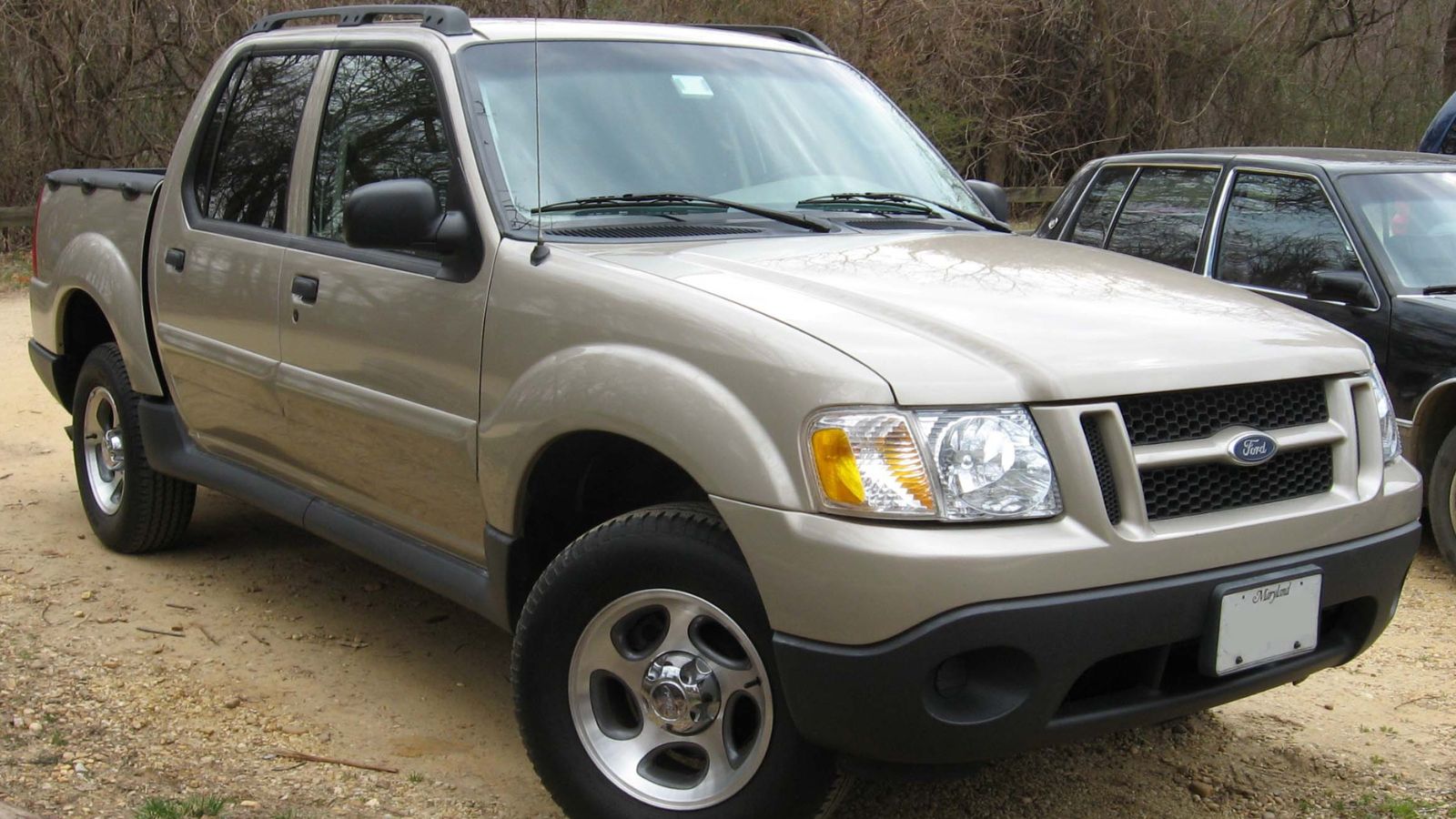
The Sport Trac was marketed as a truck for families who wanted SUV comfort with pickup utility. Unfortunately, it became known for electrical faults including failing instrument clusters, weak alternators, and random shorts. For owners, it was often a case of constant warning lights and inconsistent electronics.
Chevrolet S-10 (1994–2003)
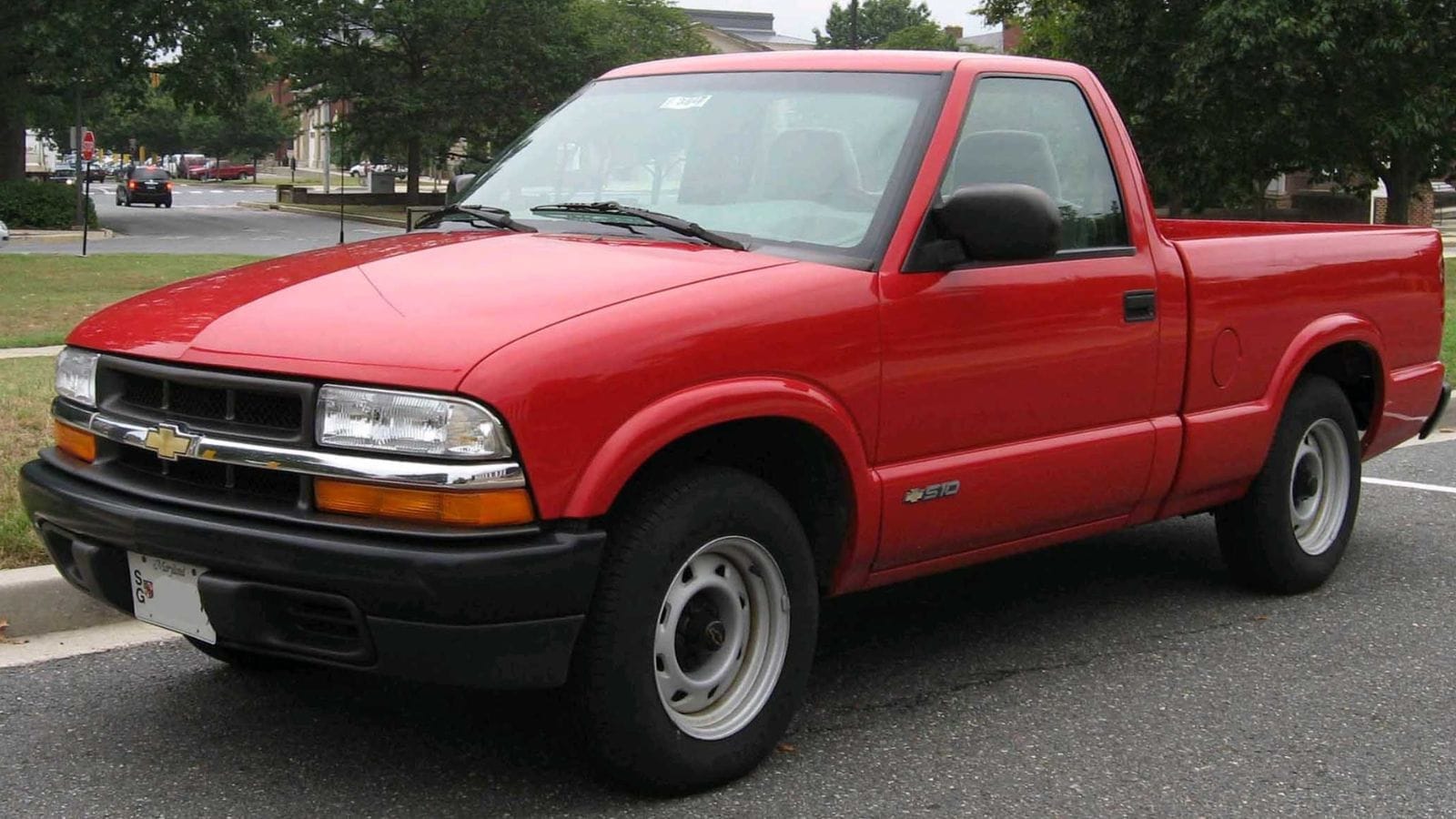
A staple of the small truck market, the S-10 was affordable and versatile. But electrical faults were almost expected. Fuse boxes overheated, alternators failed, and wiring corroded badly. Owners often joked that you could expect at least one electrical fault every year of ownership.
Dodge Ramcharger (Late 1980s–1990s)
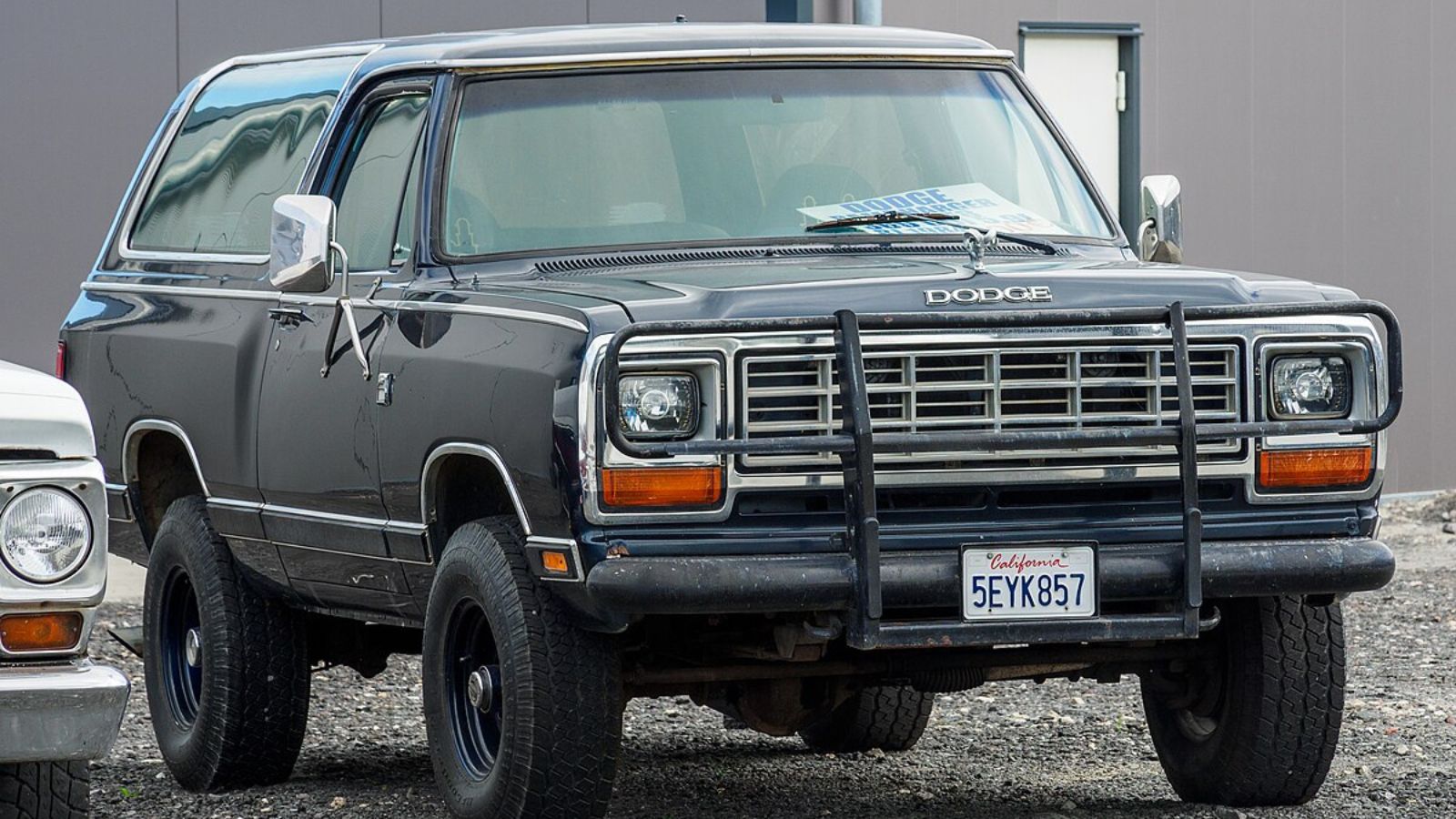
The Ramcharger had plenty of character, but late-model versions were plagued by fragile electrics. From headlight failures to faulty ignition wiring, electrical issues were so common they became part of the ownership experience. While the trucks looked tough, their electrical systems often let them down.
GMC Sonoma (1994–2003)
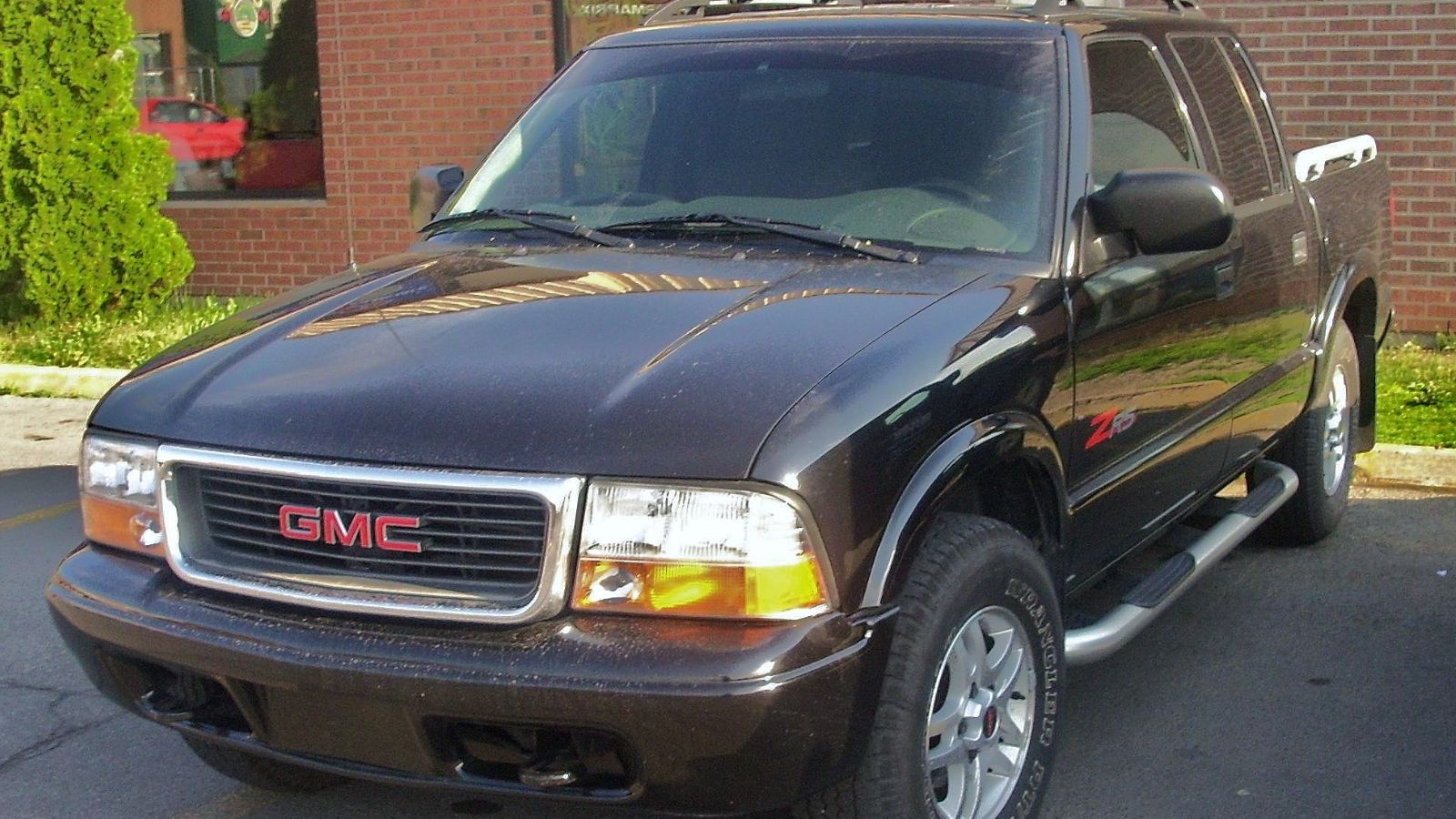
The GMC Sonoma, essentially the twin to the Chevrolet S-10, inherited all of its electrical flaws. Owners faced constant battery drains, bad grounds, and weak alternators. For many, it felt like the truck was reliable mechanically but simply couldn’t keep its lights on without regular repairs.
International Harvester Light Trucks (1970s–1980s)
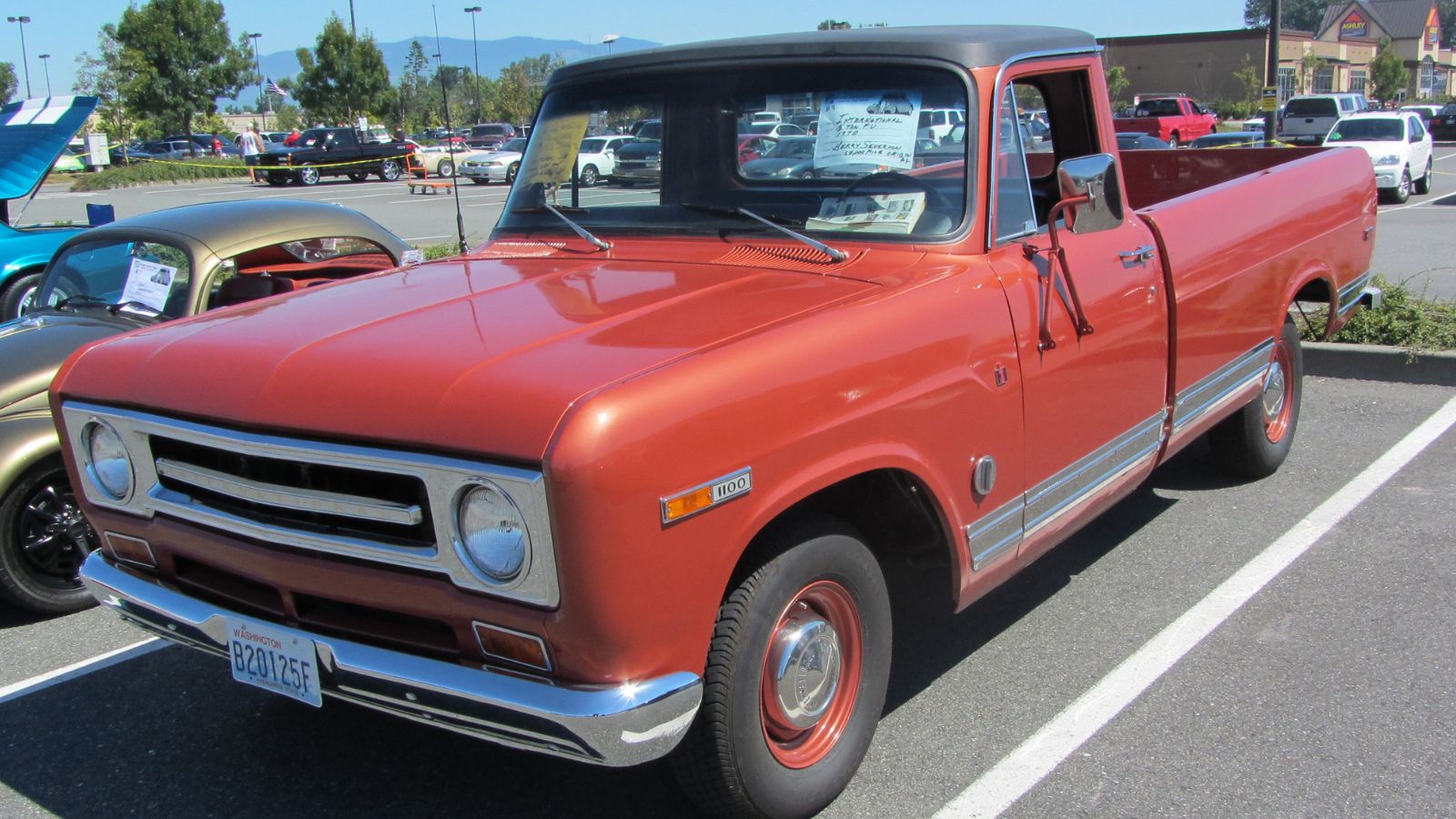
These classics have a cult following, but anyone who has restored one will tell you the electrical systems were woefully under-engineered. Brittle wiring, poor connectors, and outdated fuse systems made them unreliable even when new. Today, enthusiasts often replace the entire electrical system when restoring these trucks, because the original setups simply don’t hold up.
25 Facts About Car Loans That Most Drivers Don’t Realize

Car loans are one of the most common ways people fund car purchases. Like any other kind of loan, car loans can have certain features that can be regarded as an advantage or a disadvantage to the borrower. Understanding all essential facts about car loans and how they work to ensure that you get the best deal for your financial situation is essential. Here are 25 shocking facts about car loans that most drivers don’t realize:
25 Facts About Car Loans That Most Drivers Don’t Realize
