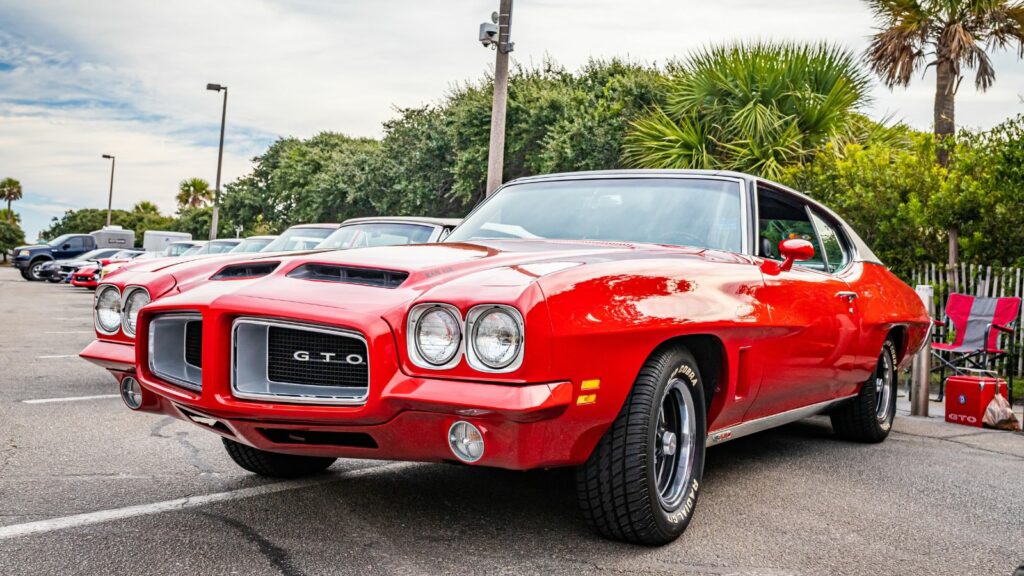
The golden age of American muscle cars was defined by one mantra: bigger is better. Automakers raced not just to make the fastest cars, but also to pack the largest possible engines under the hood. While horsepower and quarter mile times grabbed the headlines, it was displacement the sheer size of the engine that gave these cars their bragging rights. Here are ten muscle cars that became legends for the massive motors they carried, expanded with details on power, torque, and reputation both on the street and the strip.
Cadillac Eldorado 500 V8
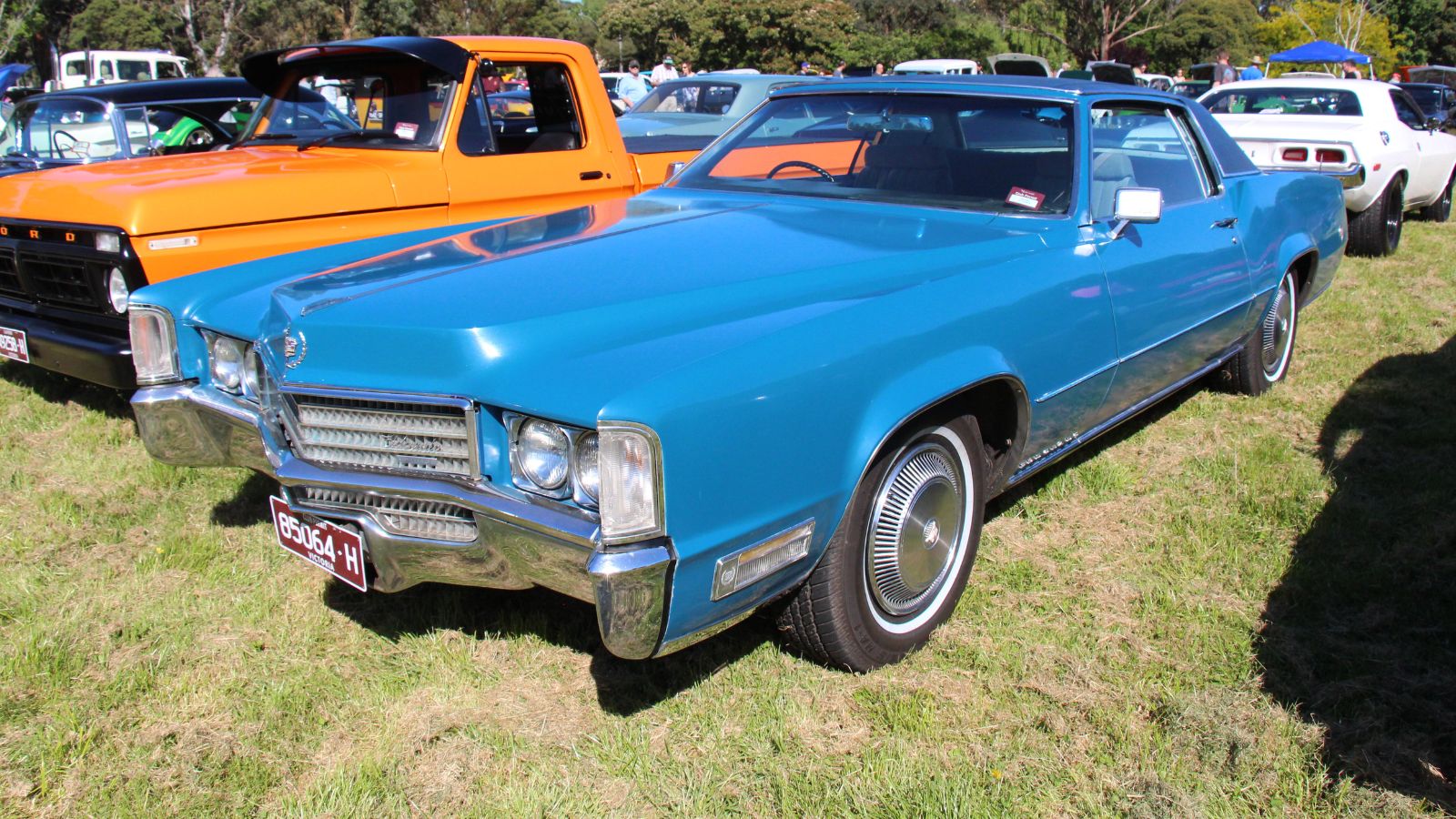
The 1970 Cadillac Eldorado was not marketed as a muscle car, but its engine makes it impossible to ignore. The front wheel drive Eldorado carried a gargantuan 500 cubic inch (8.2 liter) V8, the largest displacement production engine of the muscle car era. With 400 horsepower and an earth moving 550 pound feet of torque, the Eldorado proved that luxury could also mean absurd amounts of power. While it was not built for drag strips, hot rodders later repurposed this engine for muscle builds, cementing its place in big block history.
Plymouth Road Runner 426 Hemi
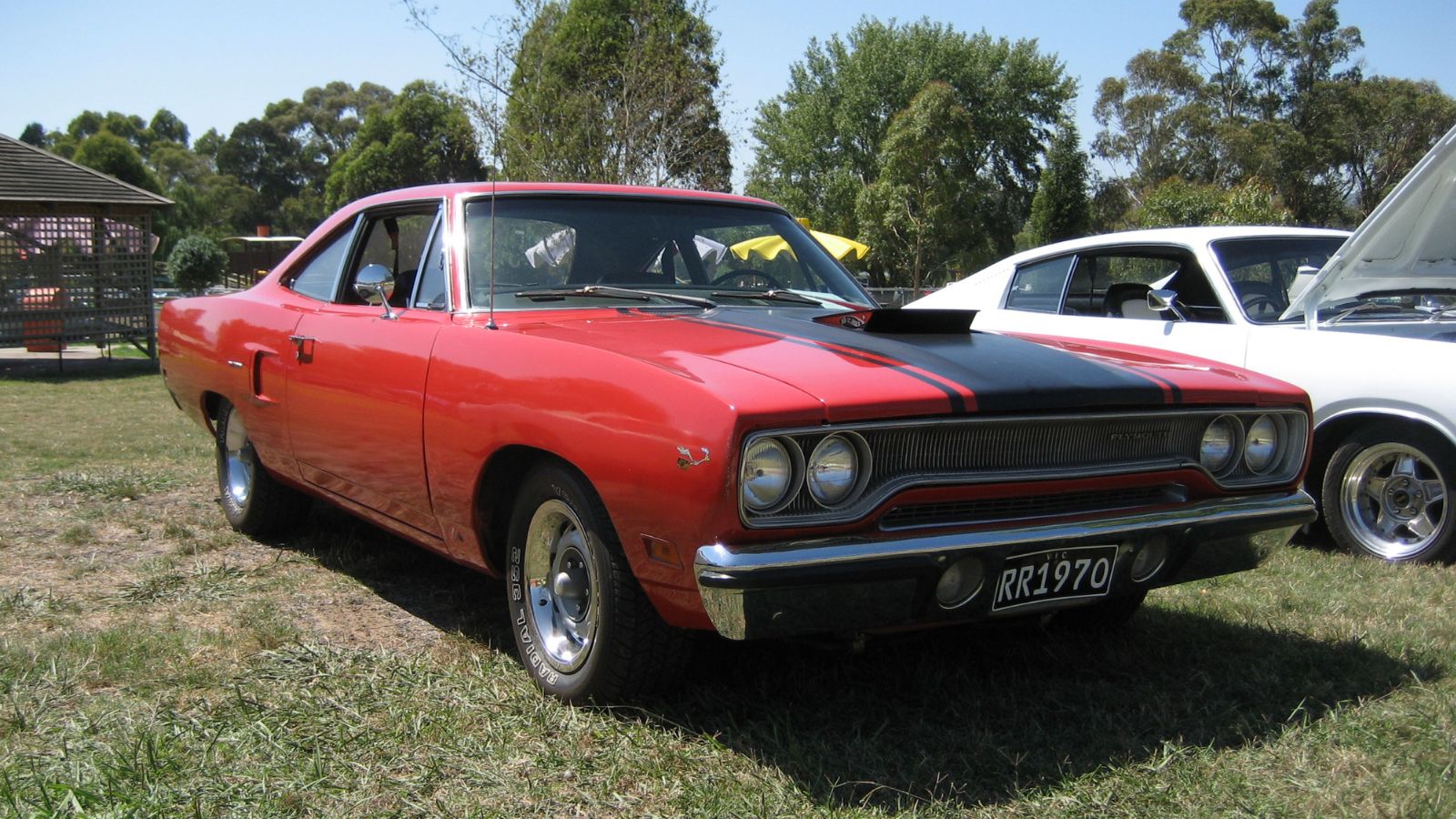
Few names carry more weight in muscle lore than the 426 Hemi, known as the “Elephant Engine.” Offered in the Plymouth Road Runner, Dodge Charger, and other Mopars, this 7.0 liter V8 was factory rated at 425 horsepower, though enthusiasts agree the true number was much higher. With hemispherical combustion chambers and race derived engineering, the Hemi dominated NASCAR and NHRA drag racing. On the street, its reputation was unmatched, making any car equipped with it a legend before it even left the dealership.
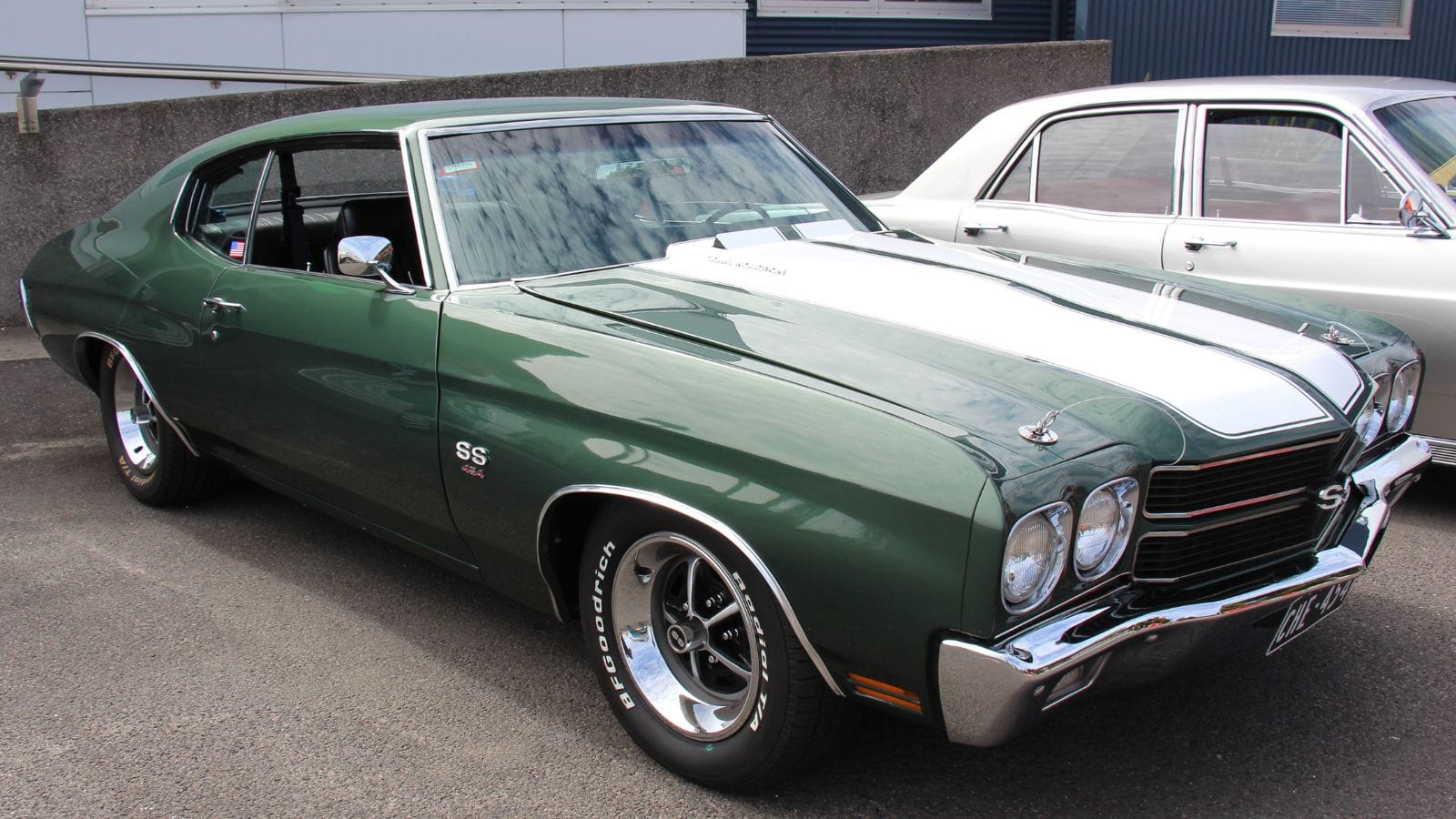
Chevrolet Chevelle SS 454 LS6
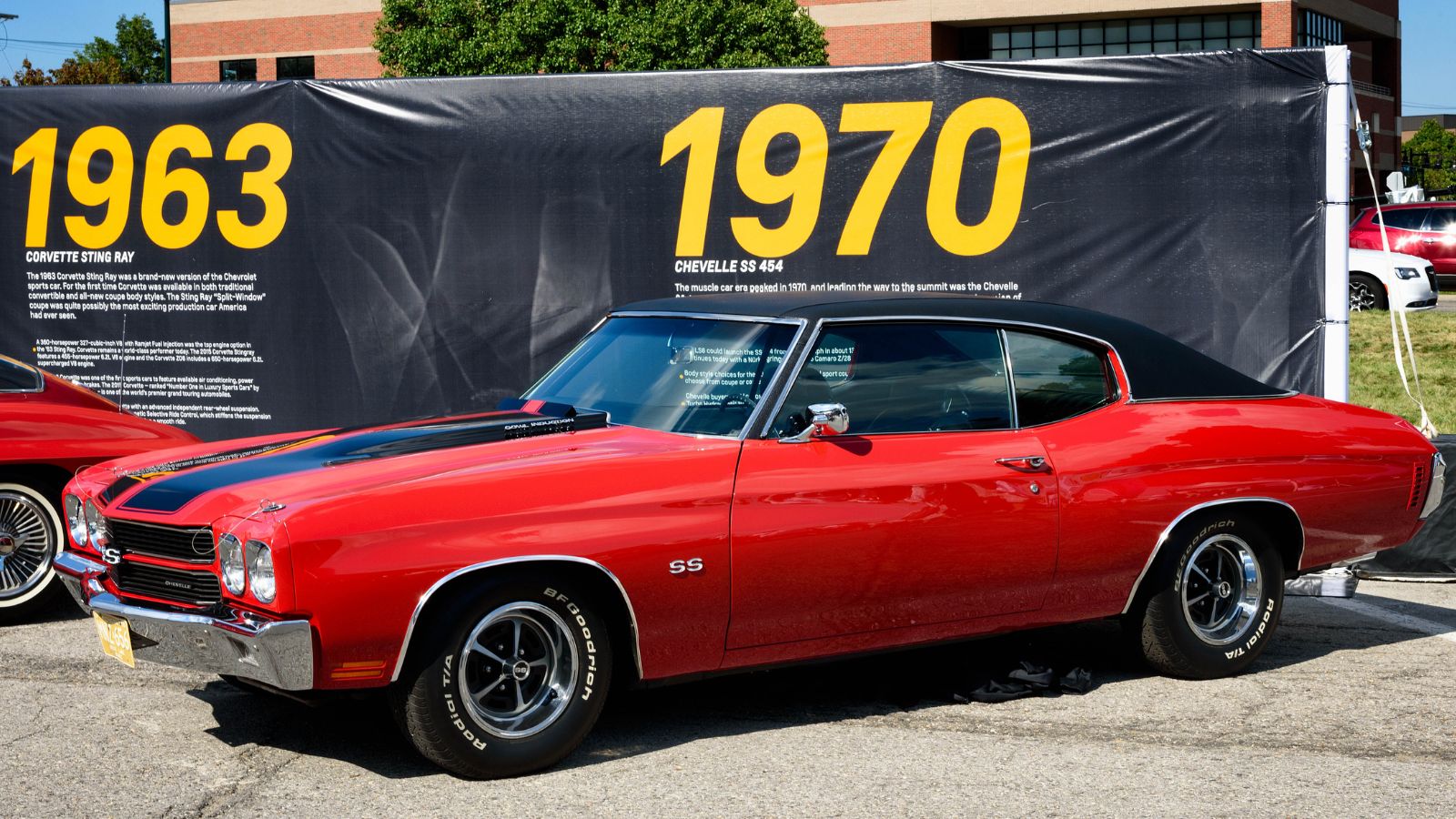
The Chevelle SS 454 LS6 was the apex predator of Chevrolet’s muscle lineup. Its 454 cubic inch (7.4 liter) V8 was rated at 450 horsepower and 500 pound feet of torque, making it one of the most powerful production cars of its day. On the drag strip, a well driven LS6 Chevelle could run low 13 second quarter miles, devastating the competition. For many, the LS6 represents the high water mark of Chevrolet’s big block era, blending brute displacement with undeniable speed.
Pontiac GTO 455 HO

Pontiac’s legendary GTO reached peak displacement in the early 1970s with the 455 HO engine. At 455 cubic inches (7.5 liters), this motor emphasized torque, producing over 480 pound feet at low rpm. While horsepower ratings were conservative due to insurance crackdowns, real world performance was strong. The 455 GTO was a torque monster, capable of roasting tires with ease and giving Pontiac fans a big block worthy of muscle royalty.
Oldsmobile 442 W-30 455
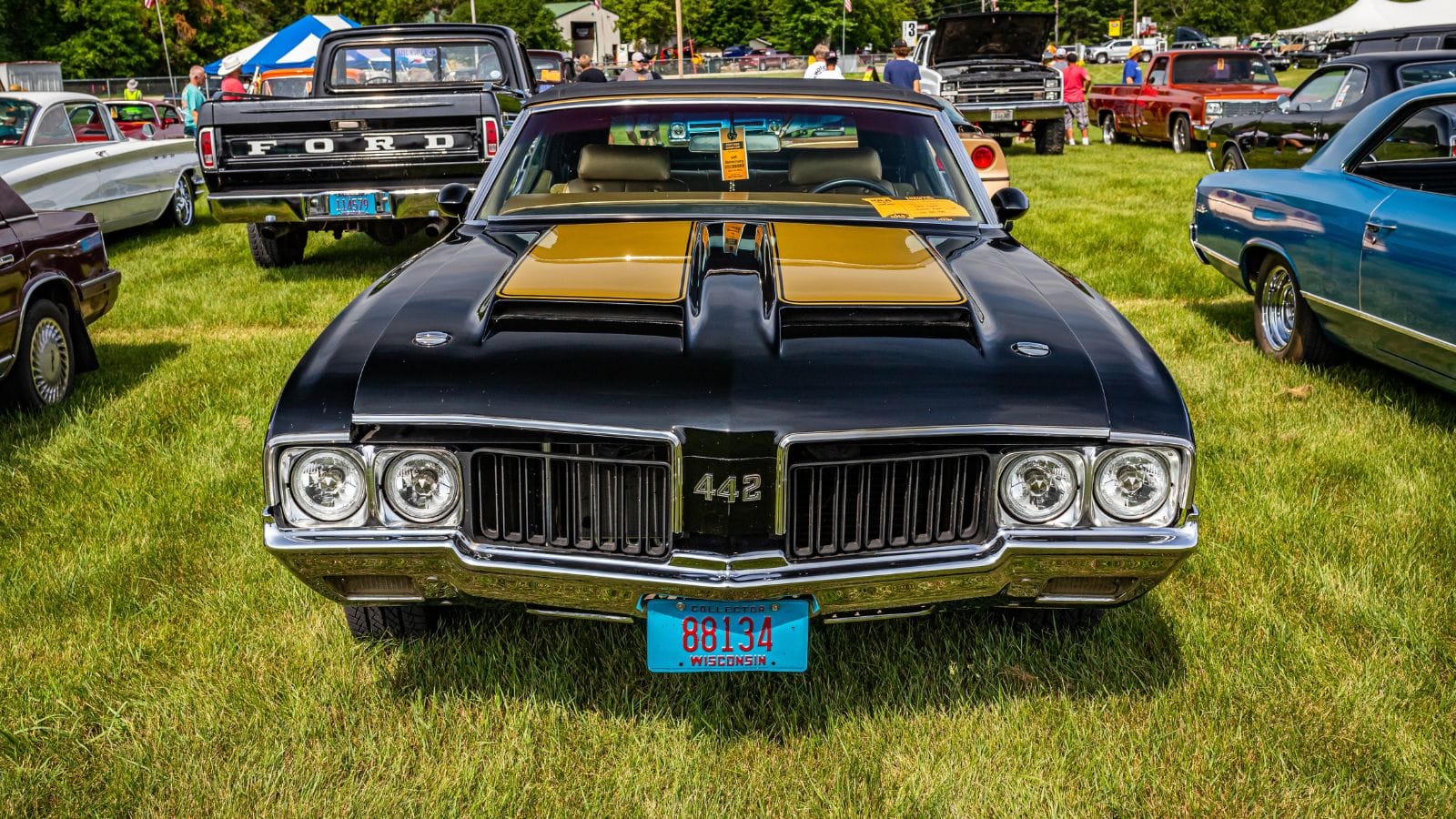
The Oldsmobile 442 reached its peak form with the W-30 package, which paired the 455 cubic inch Rocket V8 with performance upgrades. Rated at 370 horsepower, it also delivered massive low end torque, making it one of the quickest muscle cars of its time. Unlike some rivals, Oldsmobile’s 455 had a reputation for durability as well as speed, and W-30 cars became prized collectibles. The engine gave Oldsmobile a real shot at competing with GM’s own Chevrolet and Pontiac divisions in the muscle wars.
Buick GSX Stage 1 455
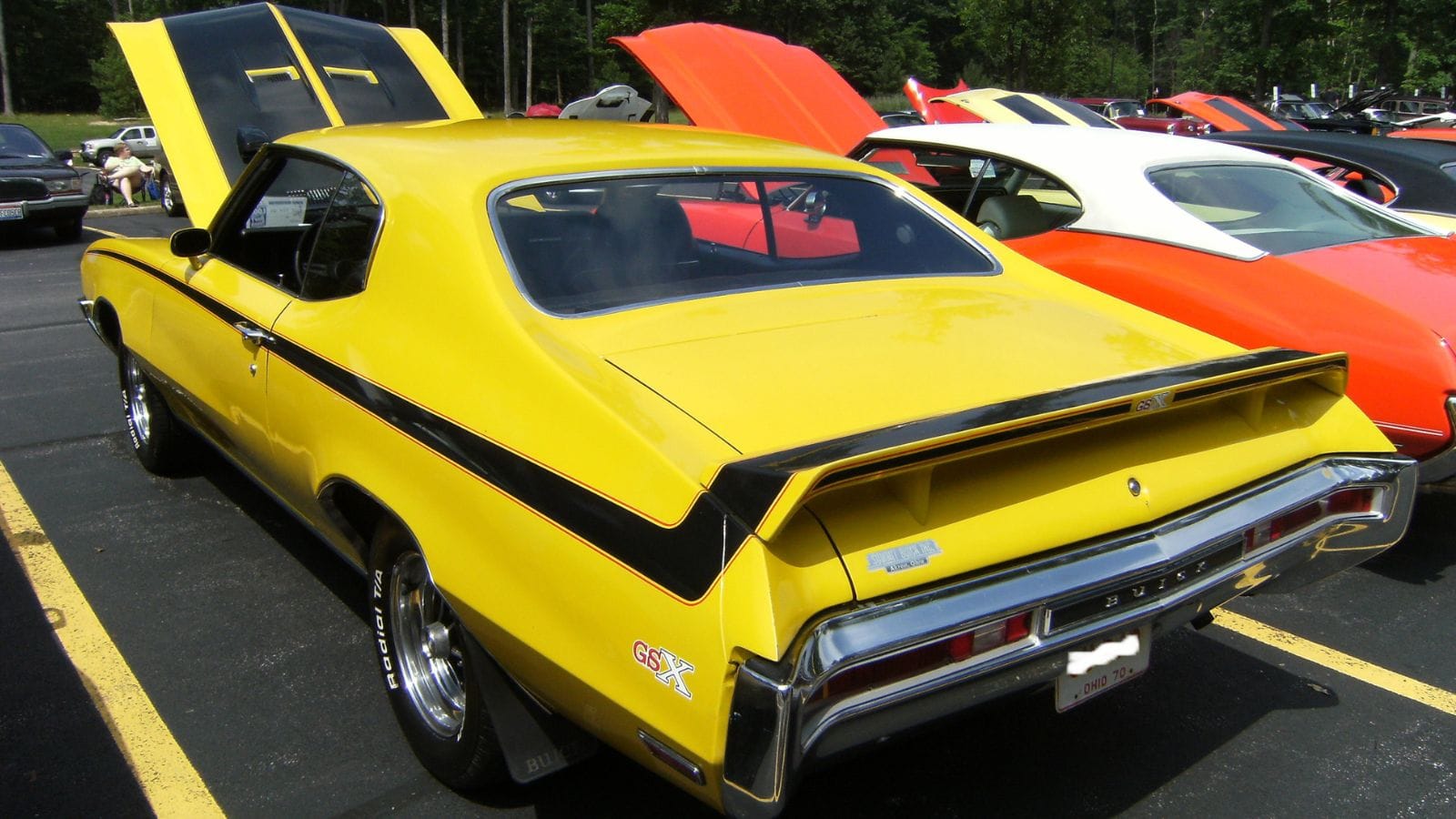
Buick’s GSX Stage 1 is often called the most underrated muscle car of the era. Equipped with the Stage 1 version of the 455 cubic inch V8, it was officially rated at 360 horsepower, though torque figures told the real story. With 510 pound feet, it had more twist than most of its competitors, making it a drag strip menace despite Buick’s luxury car reputation. On the street, the GSX surprised many who underestimated it, proving that Buick could mix refinement with raw muscle.
Dodge Charger 440 Six Pack
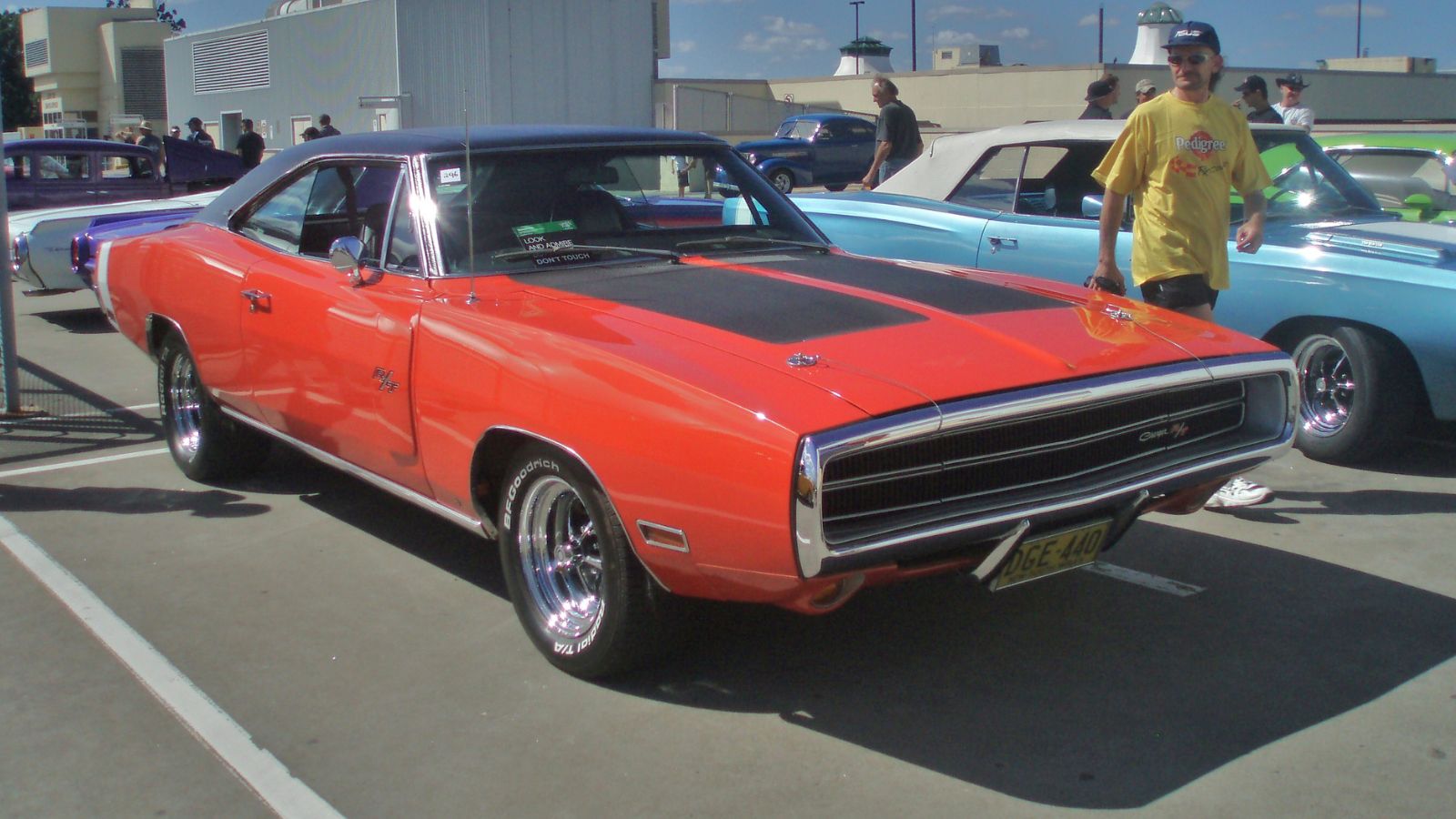
The Dodge Charger and its Mopar siblings offered buyers the option of the 440 cubic inch (7.2 liter) V8 with a “Six Pack” triple carburetor setup. With 390 horsepower and massive torque, the 440 Six Pack was a street brawler that delivered brutal mid range acceleration. It was easier to live with than the race bred Hemi but still devastatingly fast, giving Mopar fans a more accessible way to experience big block glory. On the strip, 440 cars were consistent performers, earning them loyal followings.
Chrysler Imperial 440 TNT
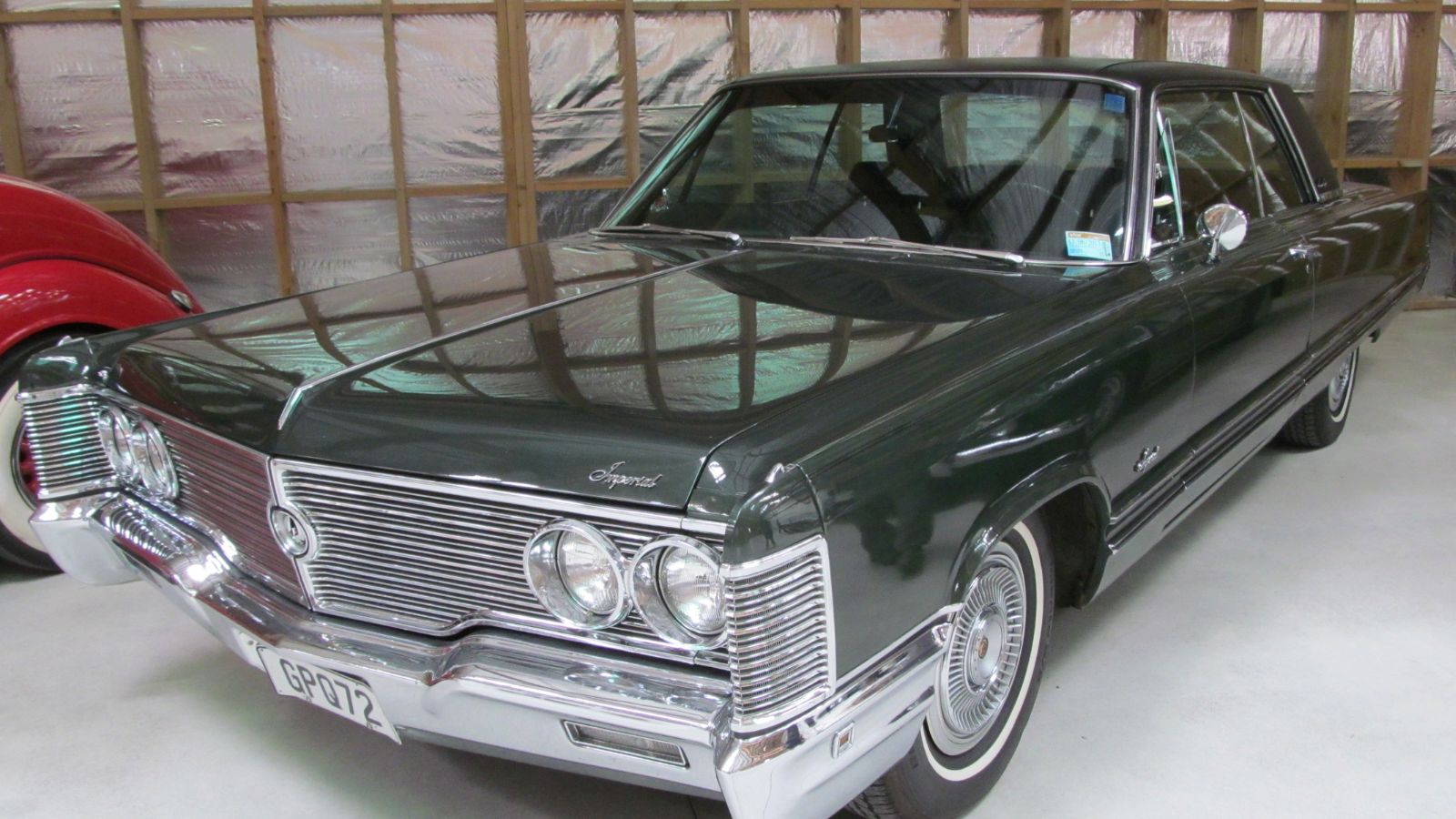
Though often seen in luxury models like the Chrysler Imperial, the 440 cubic inch TNT engine found its way into numerous Mopar muscle cars as well. The TNT version offered higher compression and better breathing, with outputs climbing past 375 horsepower. The 440’s durability and tuning potential made it a favorite for drag racers and street tuners alike. It may have been born as a luxury cruiser motor, but the 440 became one of the quintessential Mopar big blocks of the era.
Ford Torino Cobra 429 Super Cobra Jet
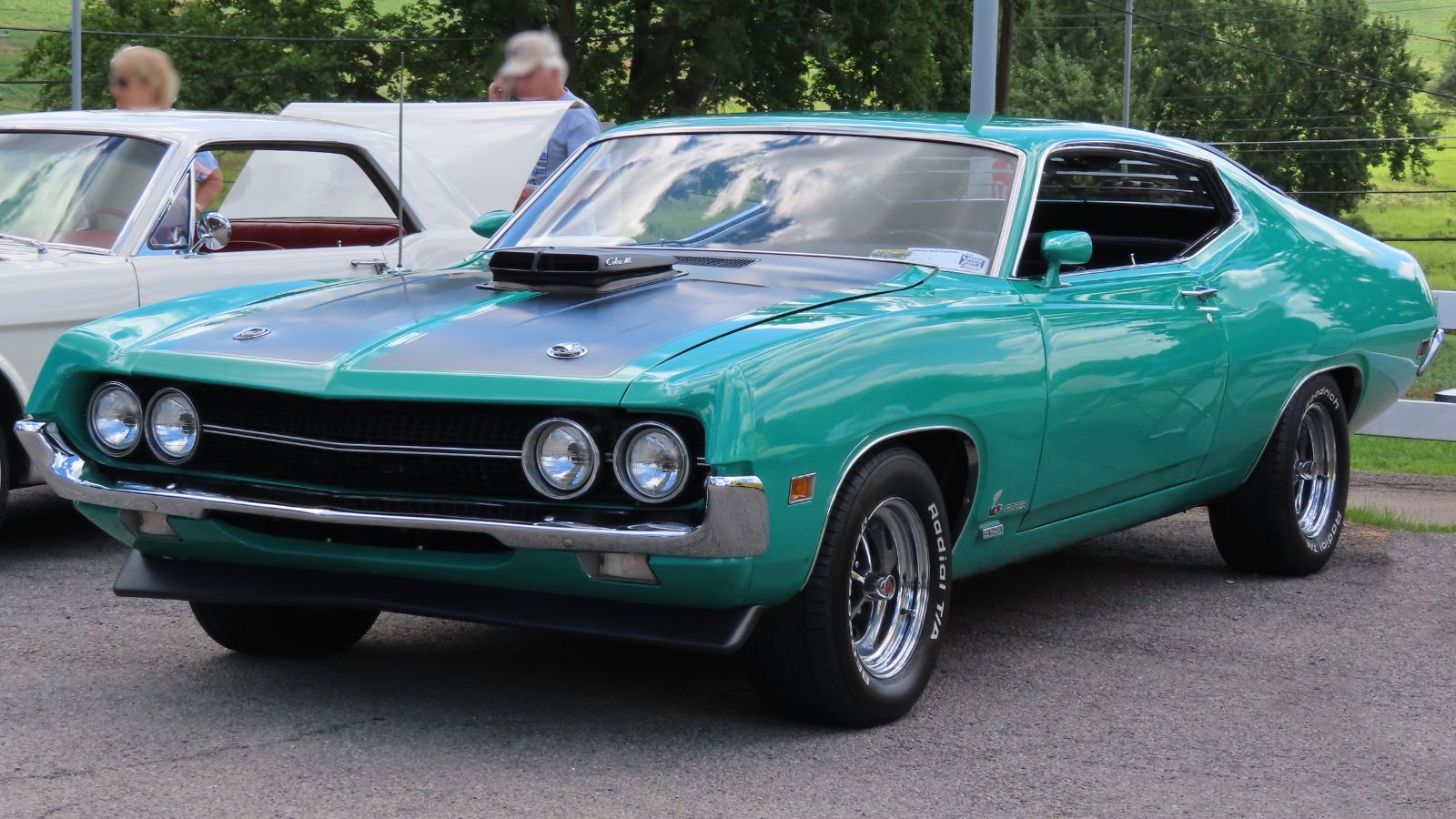
Ford’s answer to the big block arms race was the 429 cubic inch (7.0 liter) Super Cobra Jet. Offered in cars like the Torino Cobra and Mustang Boss 429, this motor was designed with racing in mind. Featuring stronger internals and better breathing than standard 429s, it could produce 375 horsepower and well over 450 pound feet of torque. The Boss 429 version, in particular, was a homologation special built to take on NASCAR. While expensive and rare, the 429 SCJ made Ford a serious contender in both street and track battles.
AMC AMX 401
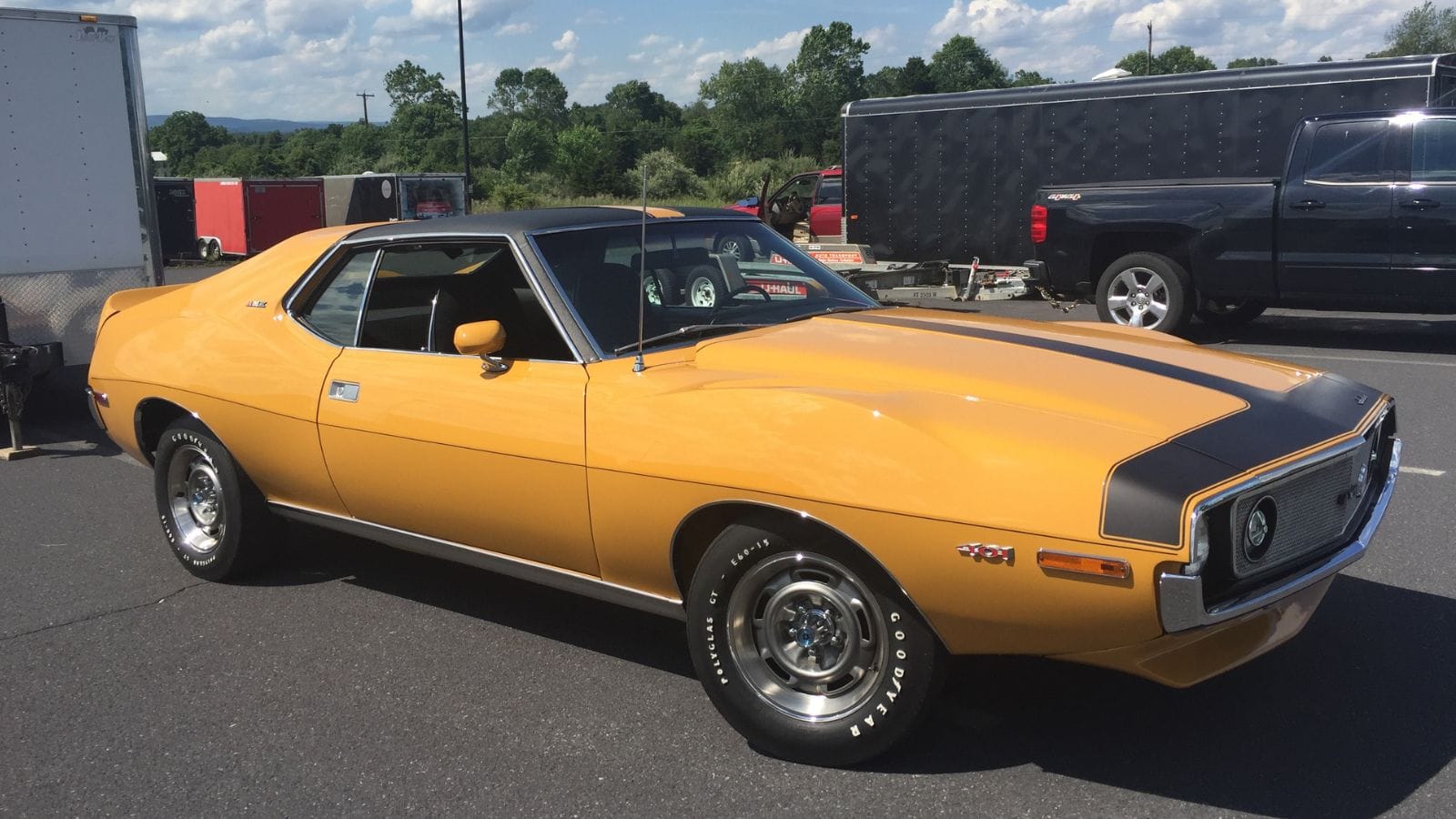
American Motors may have been the underdog of the muscle era, but its 401 cubic inch (6.6 liter) V8 gave cars like the AMX and Javelin real firepower. With up to 330 horsepower and plenty of torque, the 401 made AMC competitive with the Big Three. While it lacked the sheer size of some rivals, its rarity and surprising performance have made AMC’s big block engines beloved among collectors today. The AMX 401 proved that even the smallest Detroit automaker could play in the big displacement game.
When Bigger Meant Better
The muscle car wars of the 1960s and 1970s were defined by one simple truth: displacement ruled. From Cadillac’s outrageous 500 cubic inch V8 to the iconic Mopar Hemis and Chevy’s 454 LS6, these engines were more than powerplants they were statements of intent. Some were refined torque monsters, others were brutal drag strip warriors, but all of them reflected an era when engine size was the ultimate badge of honor. While modern performance has moved toward efficiency and technology, these giants remain the heart and soul of the muscle car legend.
25 Facts About Car Loans That Most Drivers Don’t Realize

Car loans are one of the most common ways people fund car purchases. Like any other kind of loan, car loans can have certain features that can be regarded as an advantage or a disadvantage to the borrower. Understanding all essential facts about car loans and how they work to ensure that you get the best deal for your financial situation is essential. Here are 25 shocking facts about car loans that most drivers don’t realize:
25 Facts About Car Loans That Most Drivers Don’t Realize
