Not every car to hit American roads was a triumph of engineering. For every Mustang, Corvette, or Civic, there’s been a mechanical misfit that left buyers regretting their choices. From sloppy build quality to laughable performance and catastrophic reliability, some cars simply missed the mark entirely. Here are twelve of the worst cars ever sold in North America, ranked by experts who’ve seen the good, the bad, and the downright embarrassing.
Yugo GV
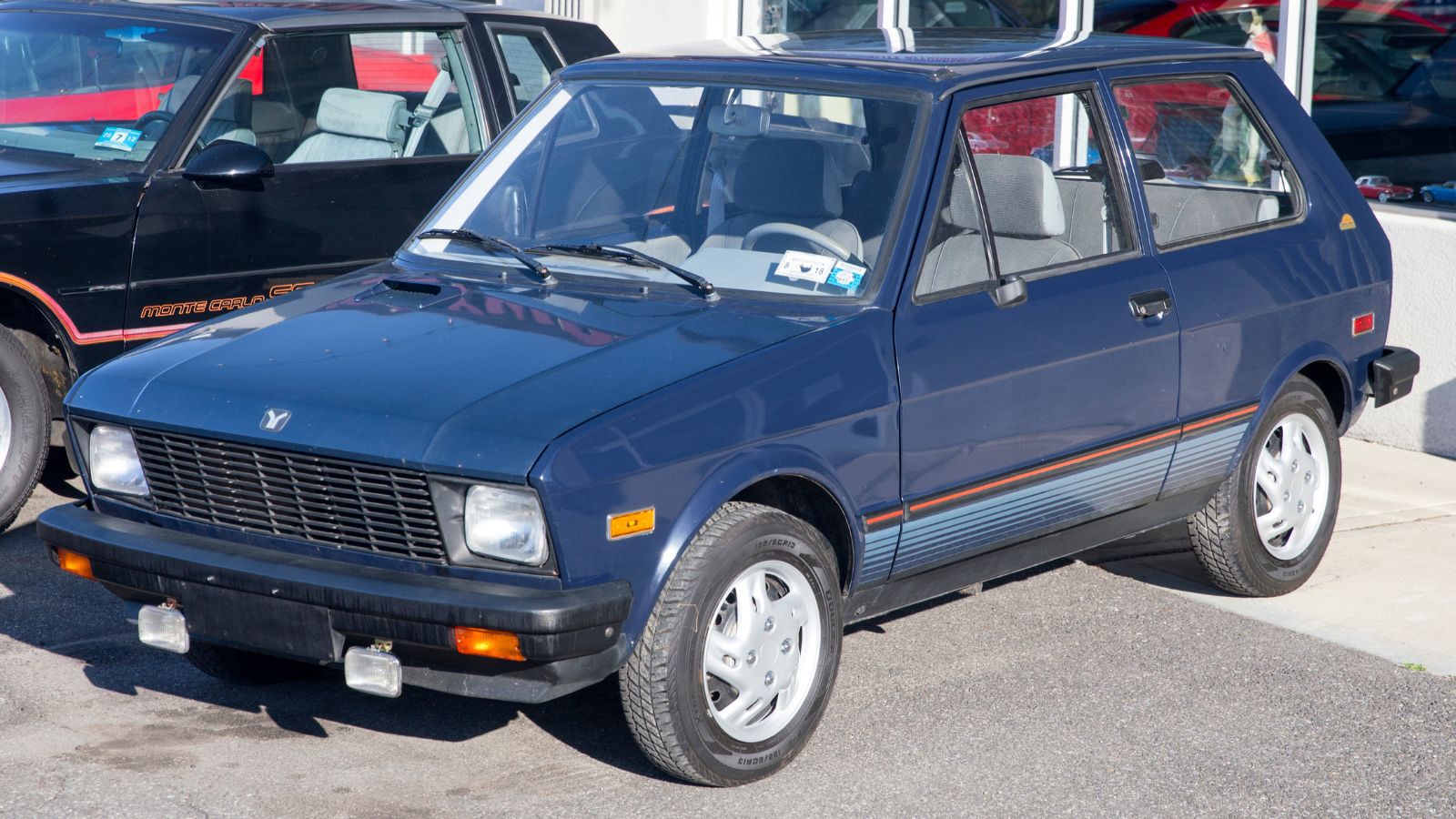
The Yugo GV arrived in 1985 promising European charm at a bargain price. What American buyers got was an underpowered, cheaply built subcompact that broke down with alarming frequency. Built in Yugoslavia with outdated tooling and inconsistent quality, the Yugo became a national punchline. Its 55 horsepower engine barely moved it along, and its interior felt like an afterthought. Few cars have ever fallen apart faster or disappeared from roads so completely.
Pontiac Aztek
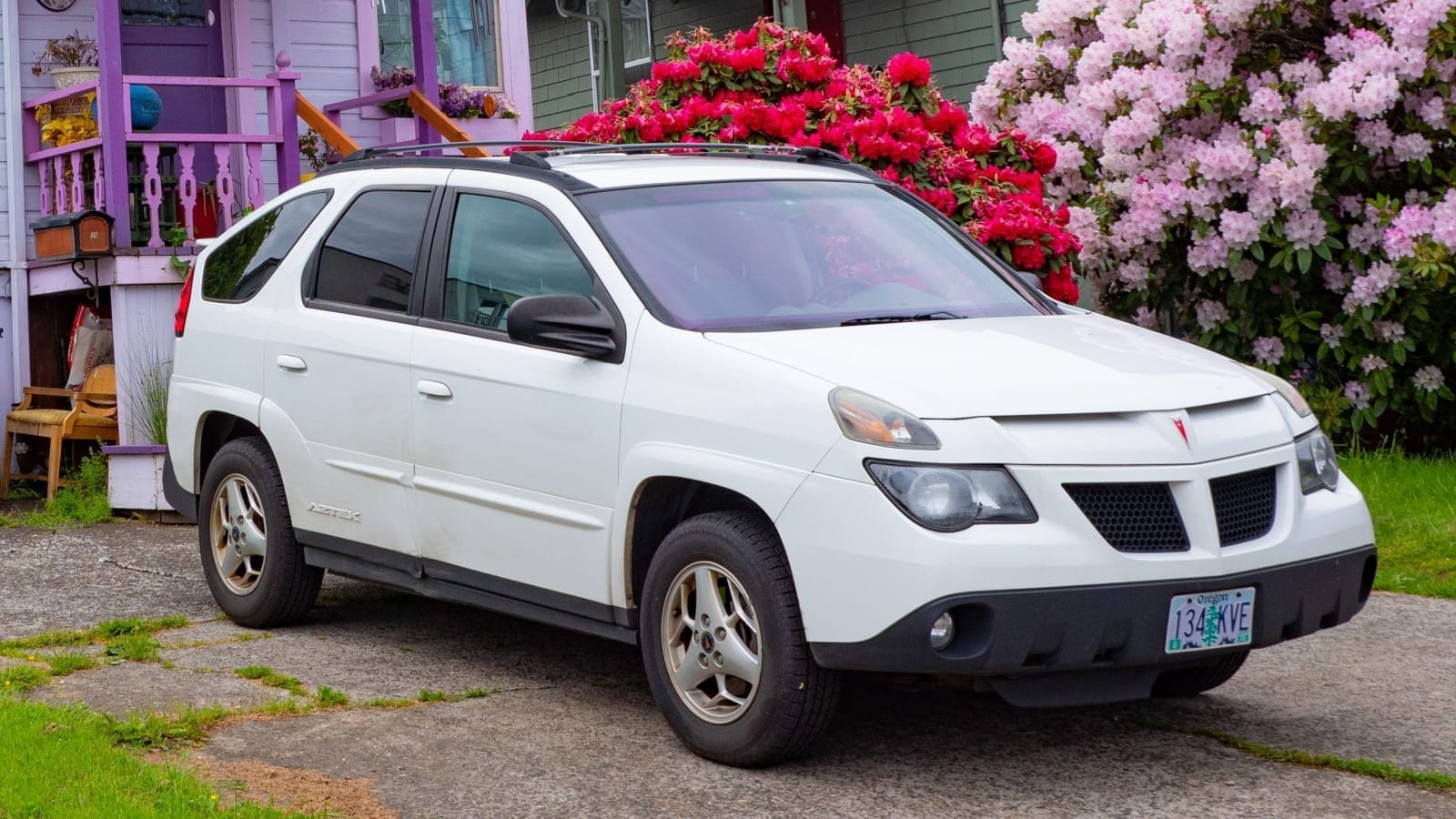
The Pontiac Aztek tried to blend SUV utility with futuristic design, but ended up as one of the most mocked vehicles of all time. Released in 2001, its bizarre styling made it look like three different cars welded together. Despite decent power and a versatile interior, buyers couldn’t get past its awkward proportions. Even GM executives admitted later that the Aztek’s looks killed its chances. It’s since earned a kind of ironic fame, but in its day, it was a sales disaster.
Chevrolet Vega
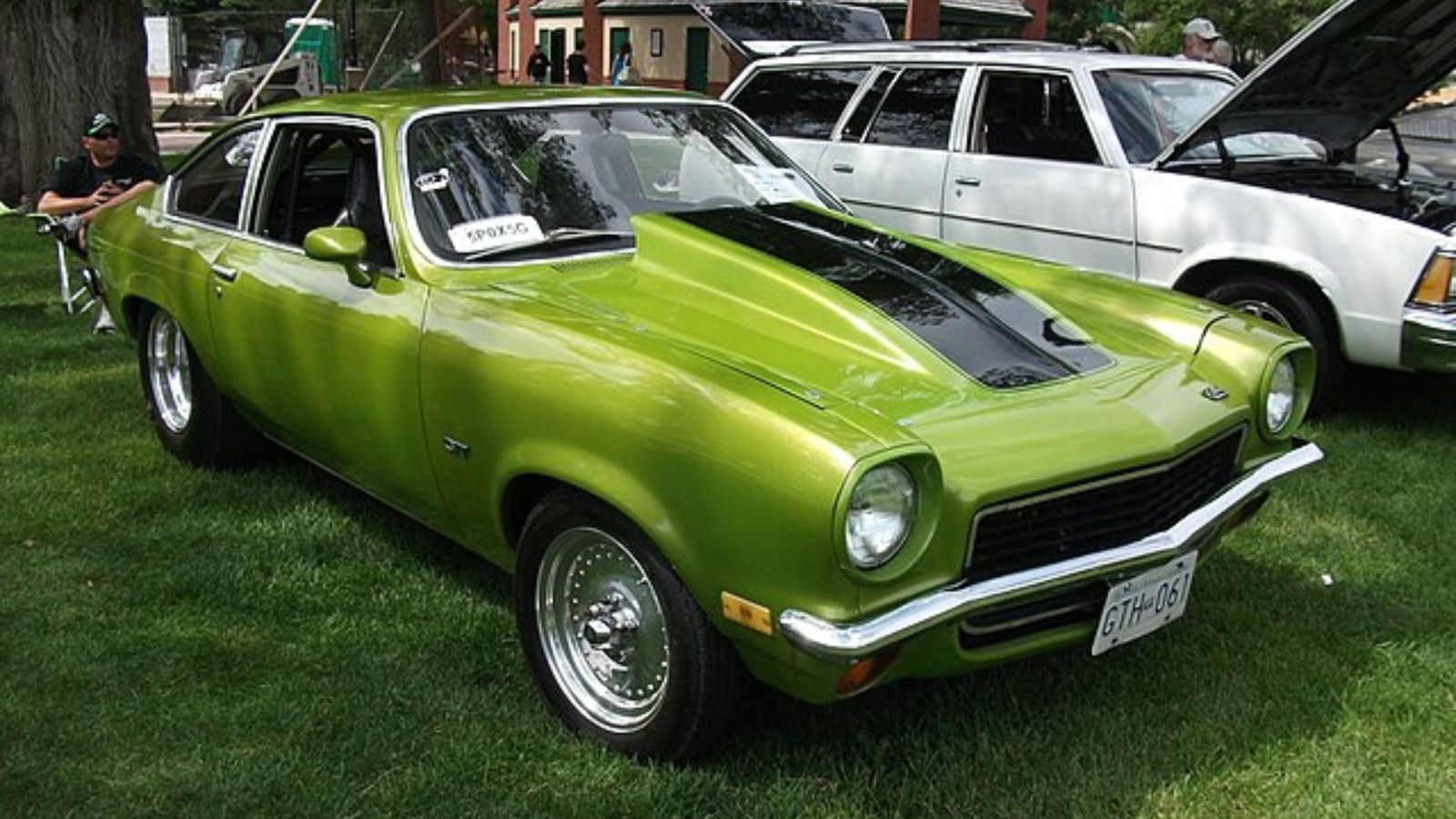
The 1970s Chevrolet Vega started with good intentions—a stylish, compact car to rival imports but quickly became infamous for poor quality and rust. Its aluminum engine suffered from reliability issues, and many owners saw their cars deteriorate within a few years. The Vega’s body panels corroded faster than most competitors, leading to widespread warranty claims. For GM, the Vega was a costly reminder that cutting corners in the name of innovation rarely pays off.
Ford Pinto
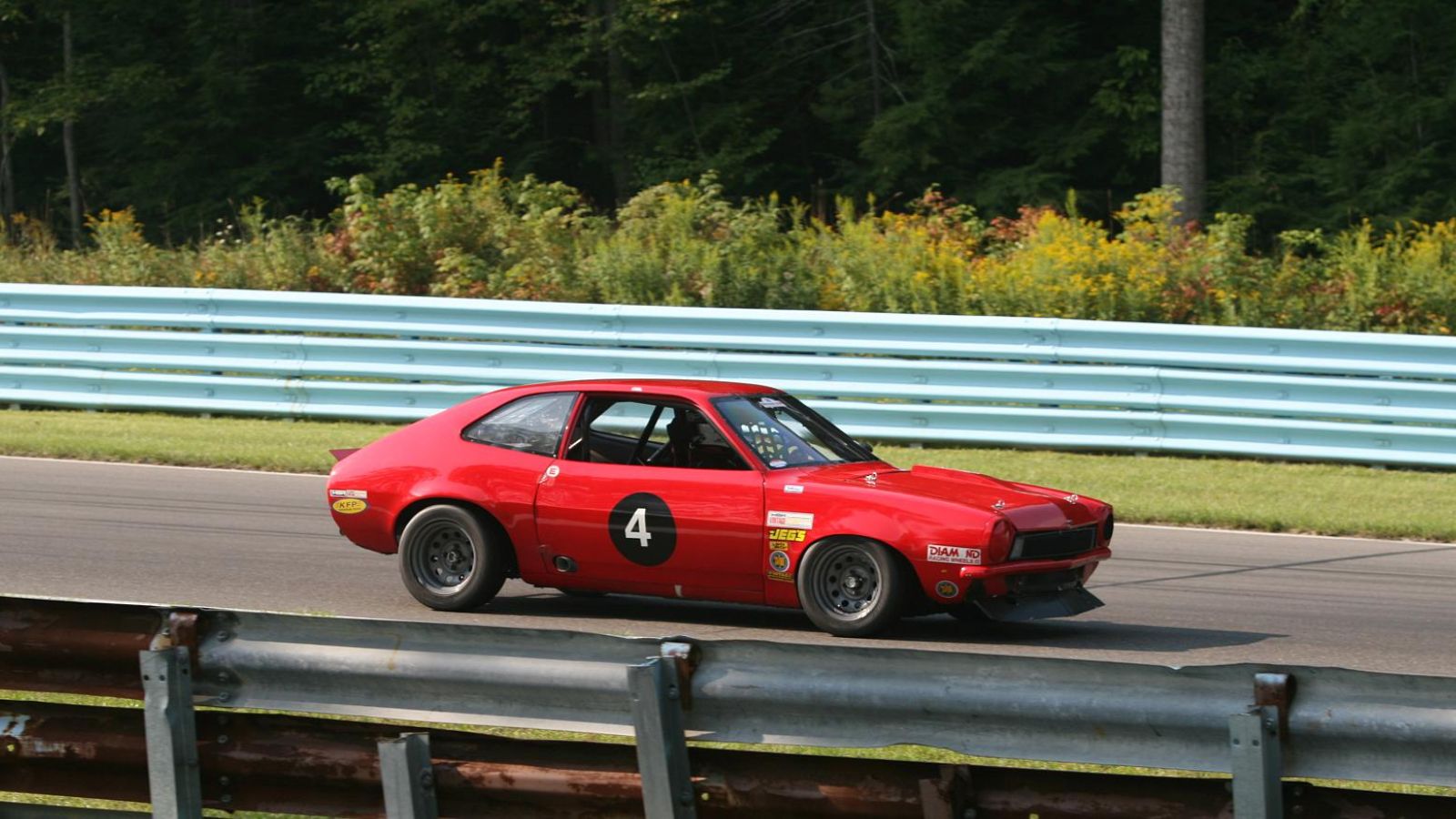
The Ford Pinto’s name became synonymous with controversy. Released in 1971, it was light, affordable, and easy to drive—but fatally flawed. Its fuel tank design made it prone to rupturing in rear collisions, leading to fires and lawsuits. Ford’s slow response to the problem turned a minor design issue into a corporate scandal. The Pinto sold well early on, but its reputation never recovered. It remains a textbook case of how not to handle safety defects.
Chrysler TC by Maserati
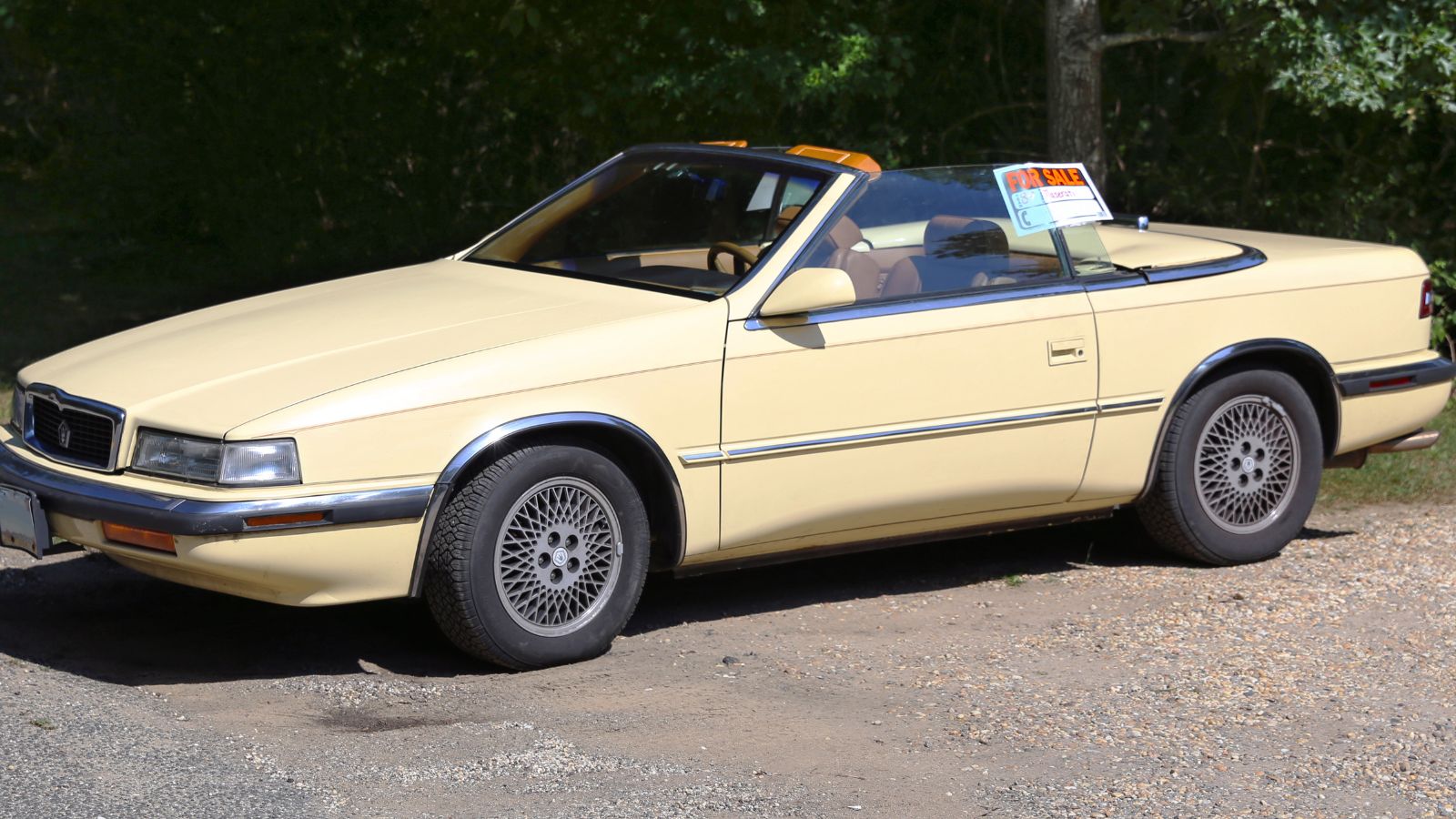
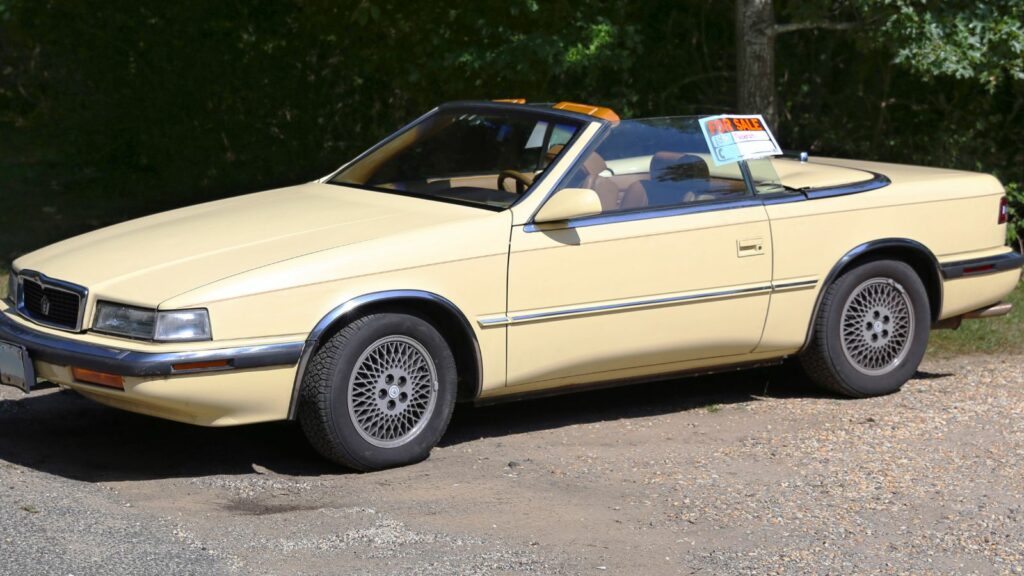
Chrysler’s partnership with Maserati in the late 1980s was supposed to produce a luxurious grand tourer. Instead, it produced confusion. The Chrysler TC by Maserati was overpriced, underpowered, and awkwardly styled. It shared too many parts with cheaper Chrysler models, yet cost nearly twice as much. Buyers expecting Italian flair got something that felt half-finished. The TC’s short production run and lukewarm reception made it one of the most forgettable “luxury” cars of its era.
AMC Pacer
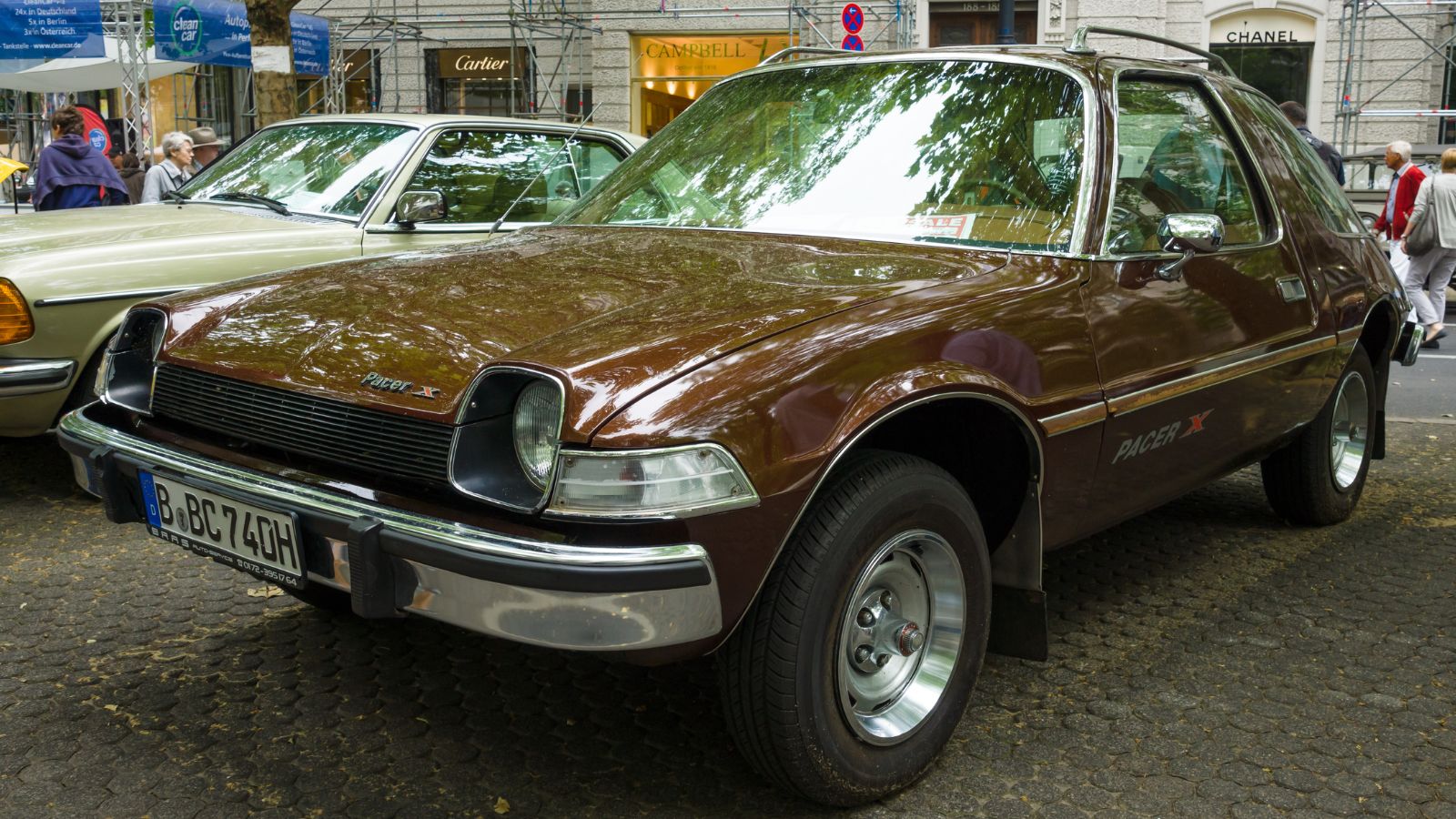
The AMC Pacer is often remembered fondly for its bubble-like design, but it was a disaster in practice. Released in 1975, it was heavy, slow, and handled poorly. AMC hoped its futuristic look would appeal to modern buyers, but its wide body and short wheelbase made it awkward to drive. The optional six-cylinder engine guzzled fuel at a time when efficiency mattered most. Despite its cult following today, the Pacer was a commercial flop that nearly helped sink AMC.
Cadillac Cimarron
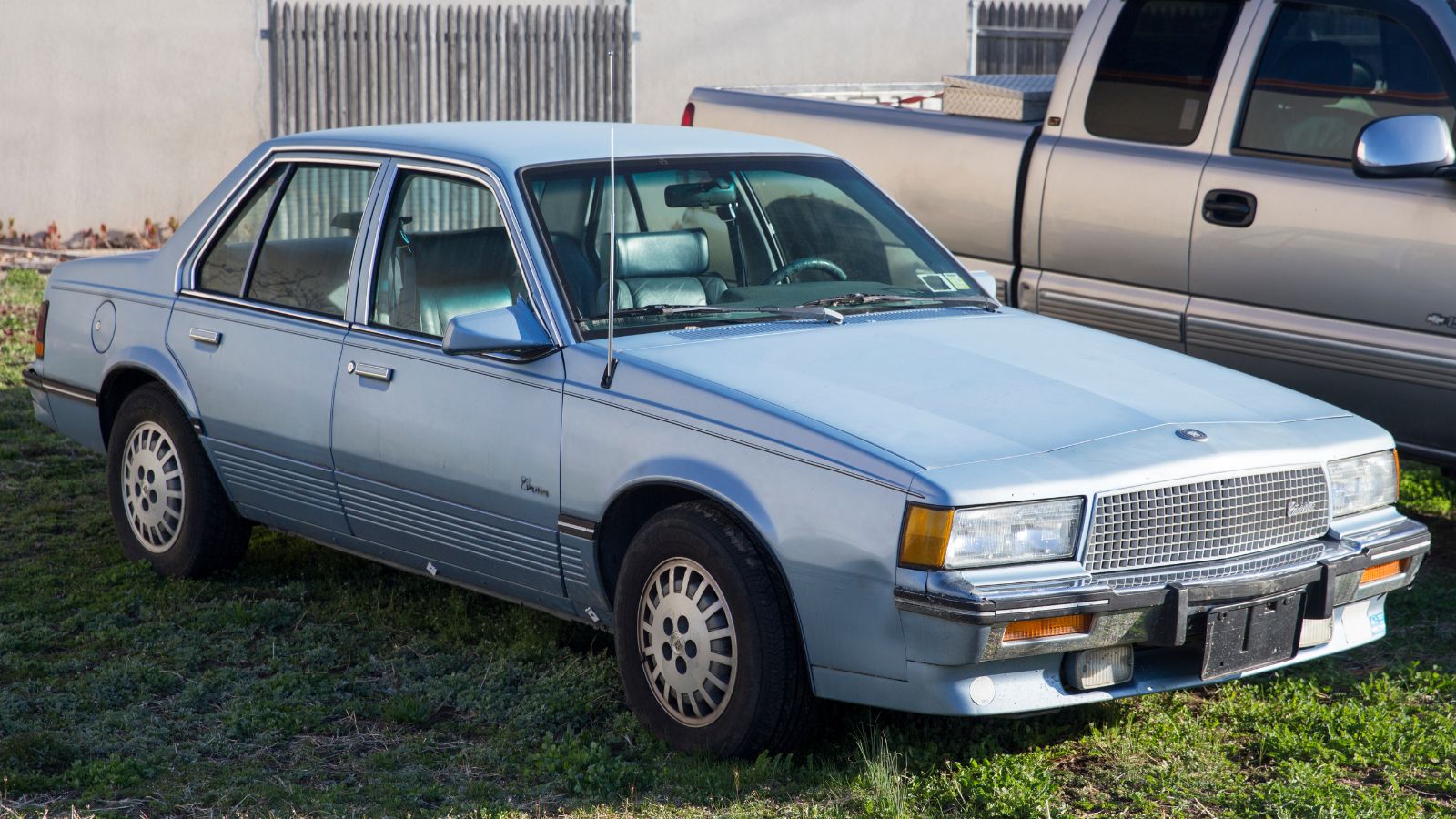
The Cadillac Cimarron might be the ultimate example of badge engineering gone wrong. In 1982, GM decided to give its economy Chevrolet Cavalier a Cadillac badge, a leather interior, and a higher price. The result was a car that failed to satisfy either luxury buyers or budget shoppers. It looked cheap, felt cheap, and performed like an entry-level compact. For Cadillac, the Cimarron was a brand embarrassment that damaged its reputation for years.
Renault Alliance
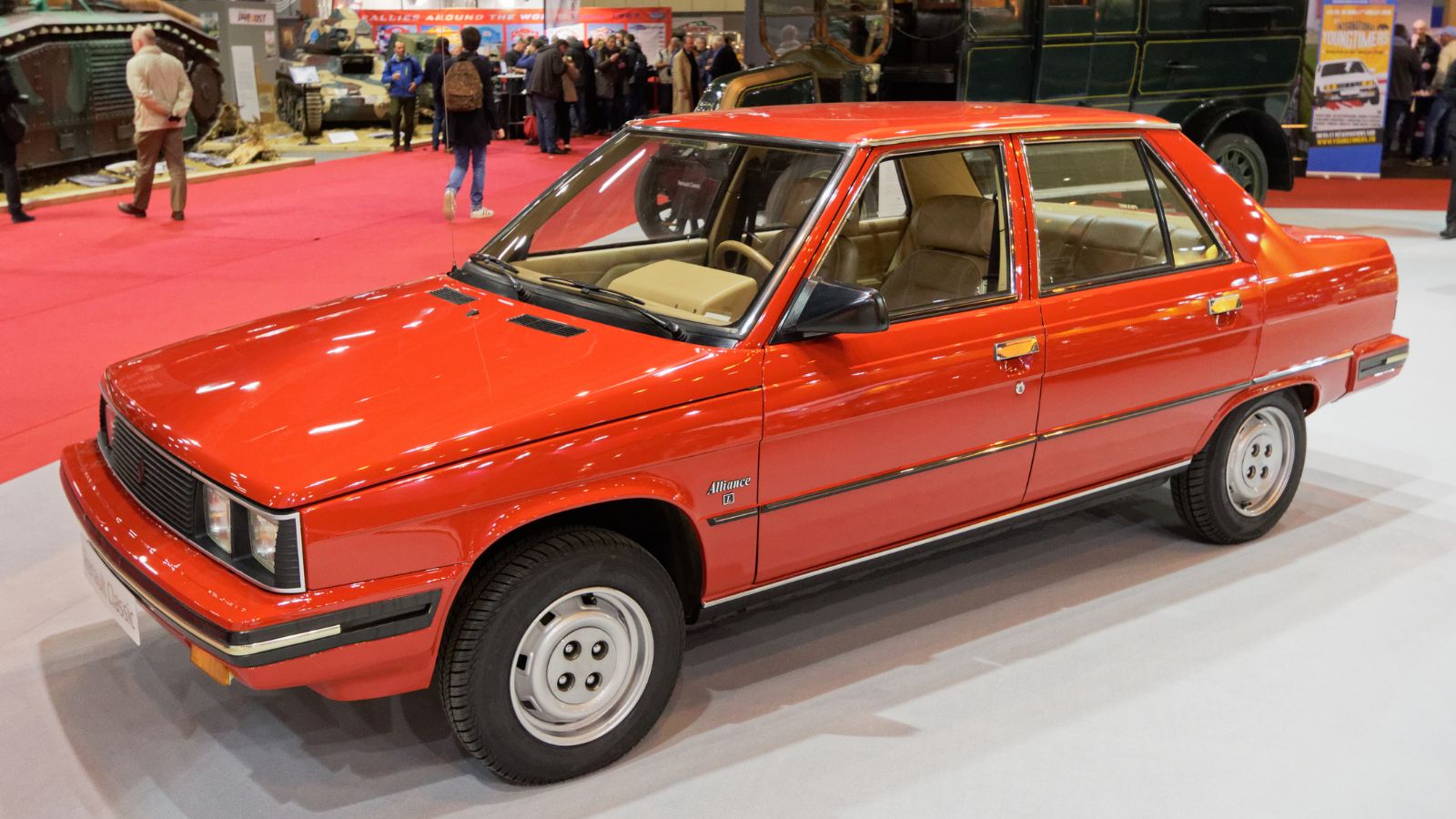
When Renault teamed up with AMC to build the Alliance in the early 1980s, the goal was to offer French flair with American practicality. What arrived instead was a fragile, poorly assembled compact that couldn’t survive American roads. Rust, electrical failures, and transmission problems plagued the car from the start. Even though it briefly won Motor Trend’s Car of the Year, its reputation fell apart as fast as the cars themselves did.
Suzuki X-90
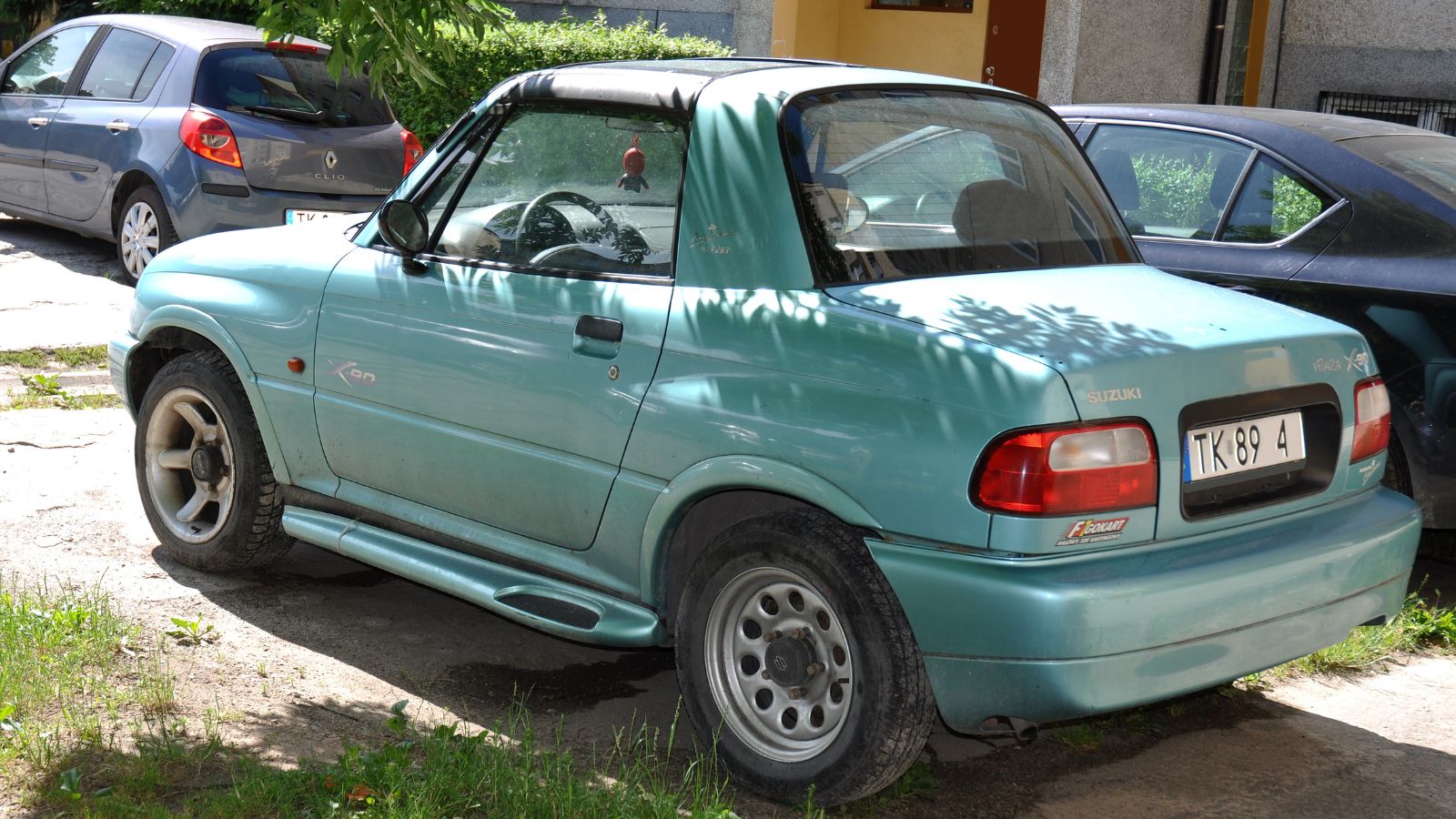
The Suzuki X-90 looked like something from a cartoon. Part sports car, part SUV, and part mystery, this odd little two-seater from the mid-1990s confused everyone. Its removable roof and all-wheel drive made it unique, but its lack of space and weak 95 horsepower engine made it impractical. With styling that defied logic and a price that didn’t make sense, the X-90 was a flop in every market it entered. Today it survives mostly as an automotive curiosity.
Dodge Aspen and Plymouth Volaré
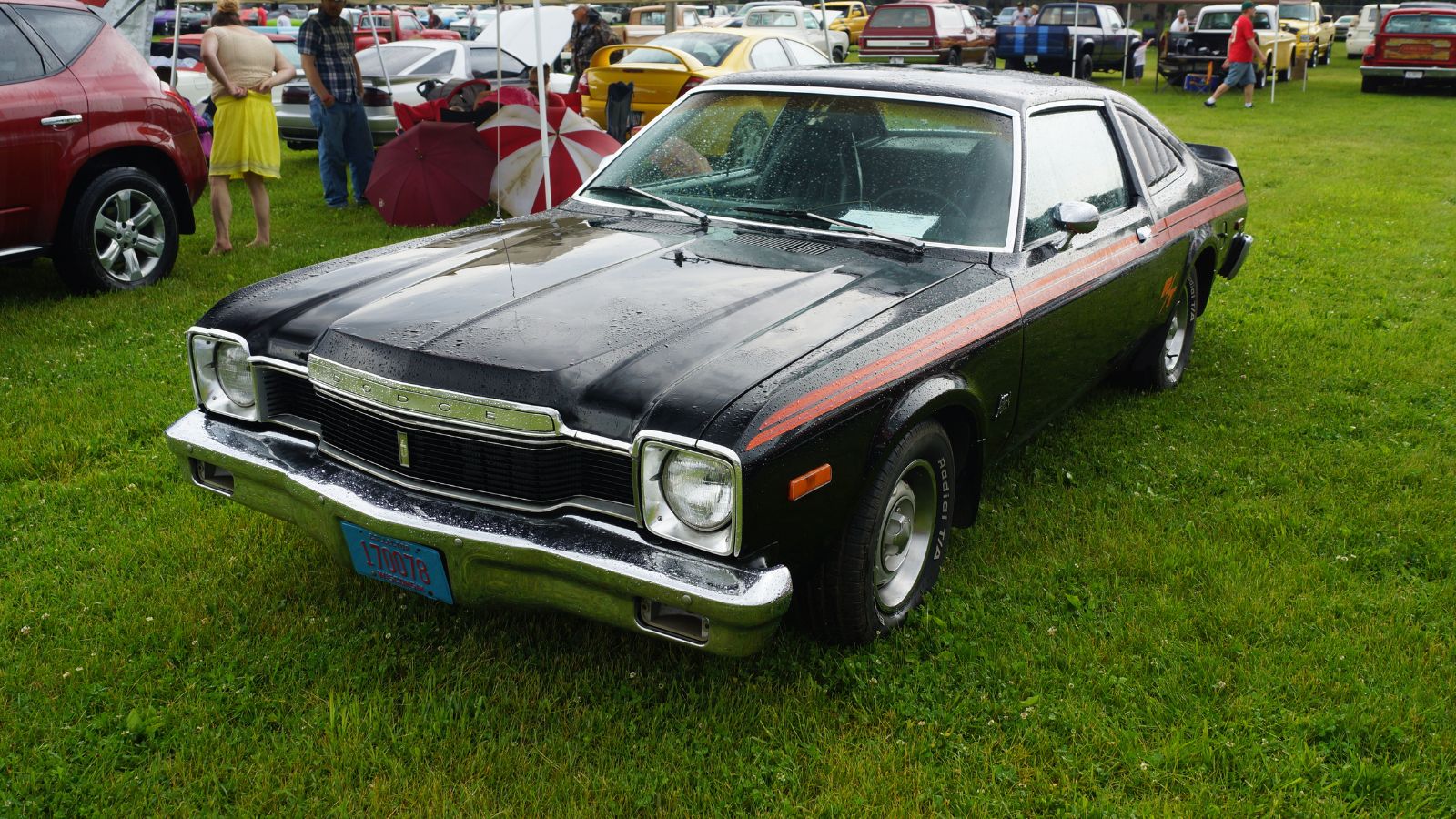
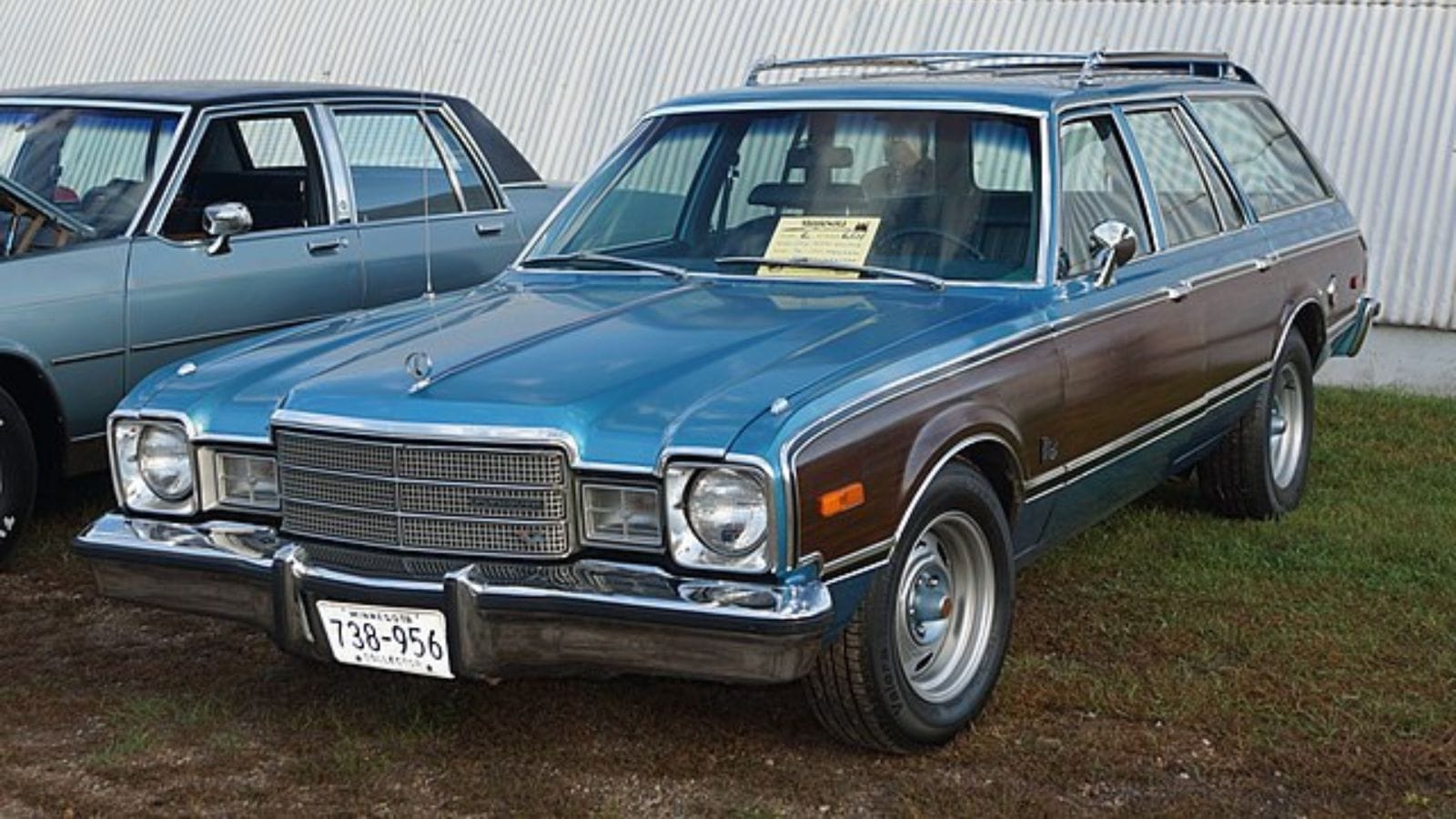
Introduced in 1976 as replacements for the Dart and Valiant, the Aspen and Volaré quickly earned a reputation for poor build quality. Rust, electrical issues, and unreliable engines turned what was supposed to be Chrysler’s comeback into another setback. Both models suffered from shoddy assembly during one of the company’s roughest financial periods. While their styling wasn’t terrible, their dependability was, and they helped push Chrysler toward bankruptcy by the end of the decade.
Lincoln Blackwood
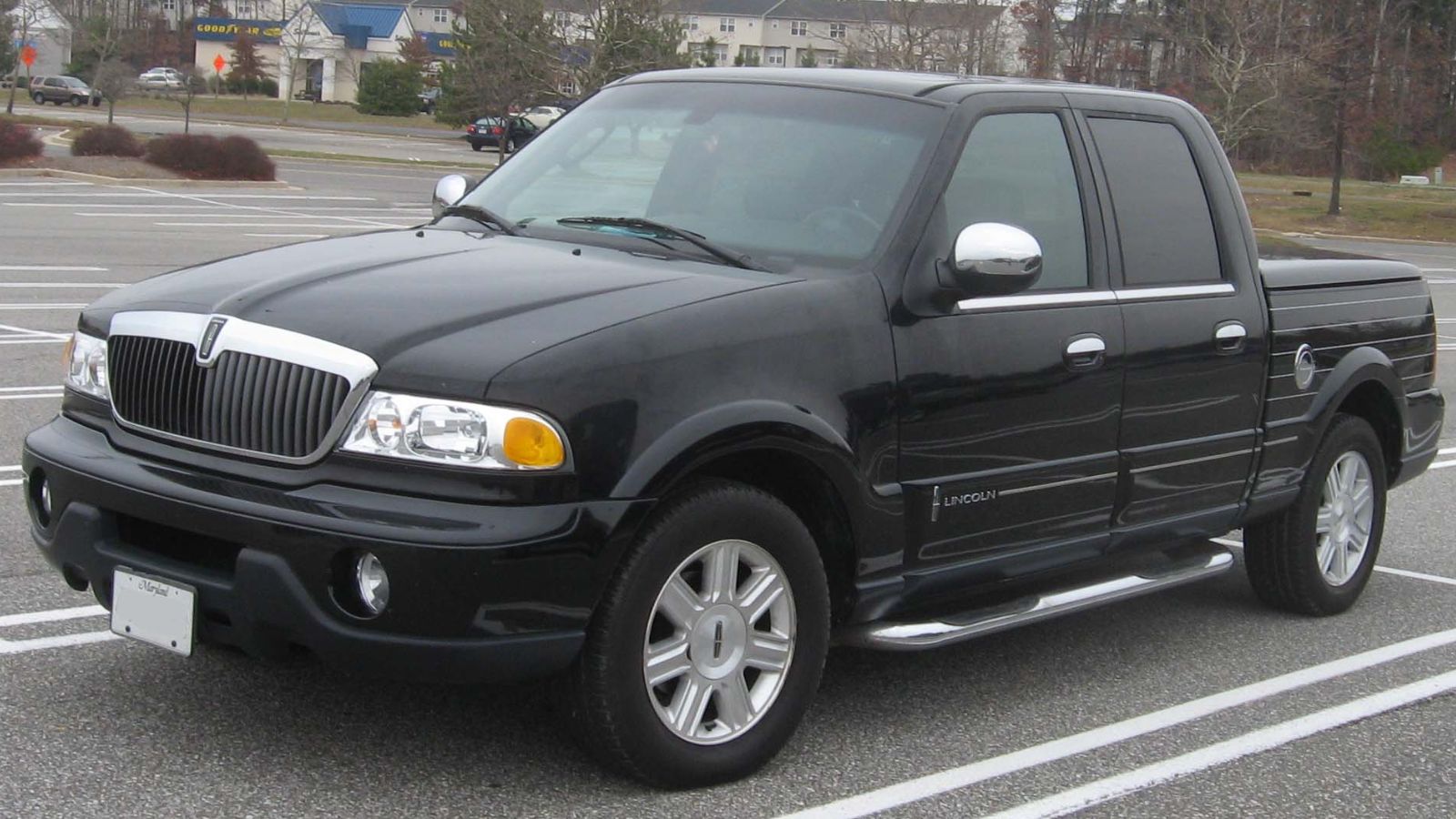
The Lincoln Blackwood was Ford’s attempt to build a luxury pickup, and it failed spectacularly. Introduced in 2002, it featured a plush interior and bold styling but came with a carpet-lined cargo bed that couldn’t handle real work. The bed even had a permanently closed tailgate and a power tonneau cover, making it nearly useless for hauling. With limited availability and a sky-high price, the Blackwood lasted just one year before being quietly discontinued.
Smart Fortwo
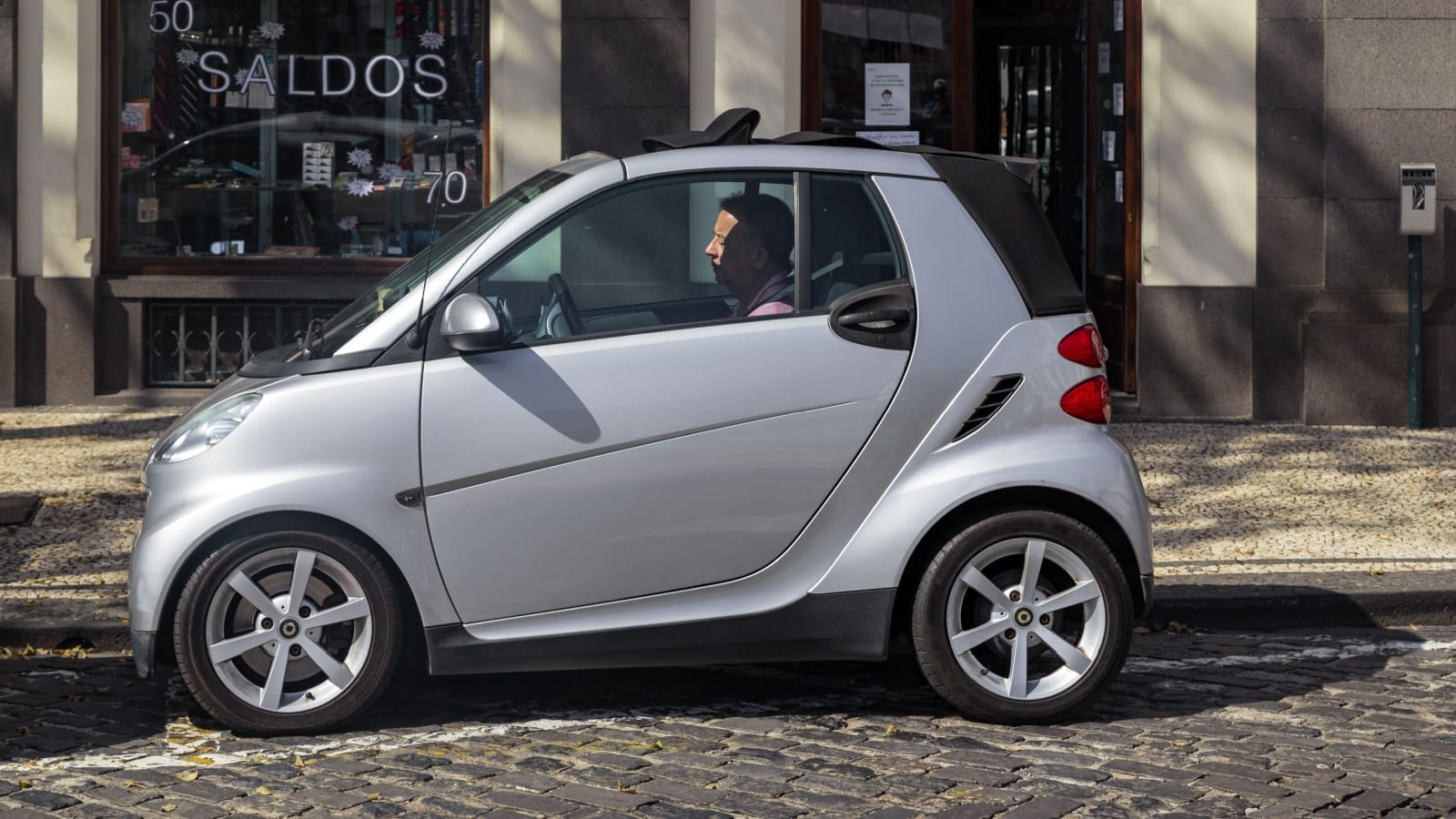
The Smart Fortwo was supposed to revolutionize city driving with its tiny size and easy parking. Instead, it delivered a harsh ride, poor fuel economy for its size, and minimal safety for highway use. The underpowered three-cylinder engine struggled to keep up with traffic, and the jerky transmission made driving unpleasant. Americans wanted practical small cars, but not at the expense of comfort or confidence. The Fortwo proved that being small doesn’t automatically make a car smart.
The Legacy of the Lemons
These cars may have been built with ambition, but they serve as lasting reminders of how good intentions can go wrong. Whether it was bad design, corporate shortcuts, or simply poor timing, each of these vehicles left a mark on automotive history for all the wrong reasons. They remind us that innovation is a gamble and sometimes, the results are unforgettable for reasons no automaker wants to repeat.
25 Facts About Car Loans That Most Drivers Don’t Realize

Car loans are one of the most common ways people fund car purchases. Like any other kind of loan, car loans can have certain features that can be regarded as an advantage or a disadvantage to the borrower. Understanding all essential facts about car loans and how they work to ensure that you get the best deal for your financial situation is essential. Here are 25 shocking facts about car loans that most drivers don’t realize:
25 Facts About Car Loans That Most Drivers Don’t Realize
