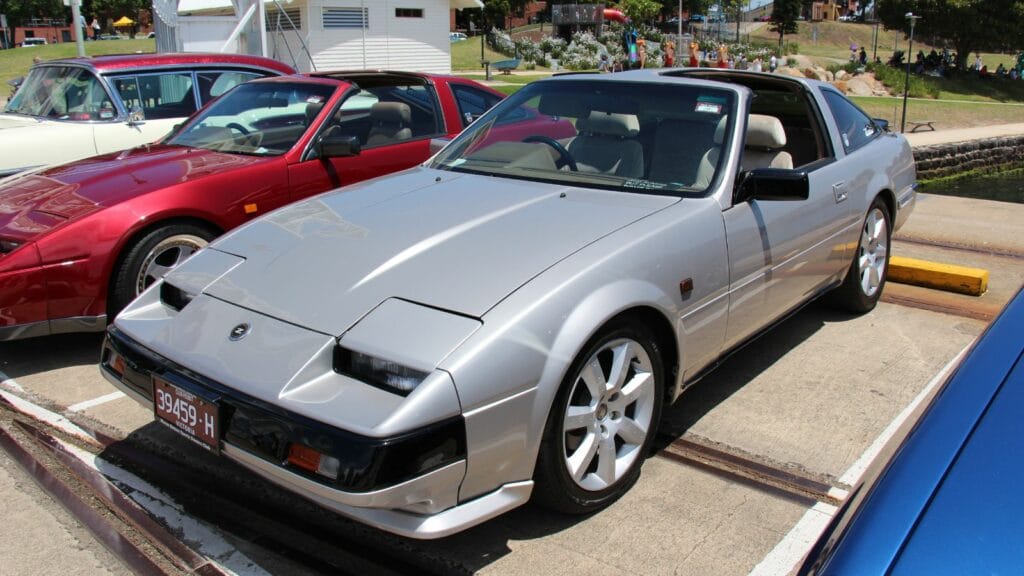
Few eras in automotive history were as bold and creative as the 1980s and 1990s. It was a time when carmakers pushed boundaries, experimenting with new technology, daring styling, and performance that captured the imagination of an entire generation. These were the decades that gave us pop up headlights, analog gauges, and the kind of driving feel modern cars often struggle to recreate. Many of those machines disappeared too soon, victims of changing markets, stricter emissions laws, and rising costs. Yet their spirit remains unmatched. Here are ten unforgettable cars from that golden age that deserve a modern revival.
Toyota MR2
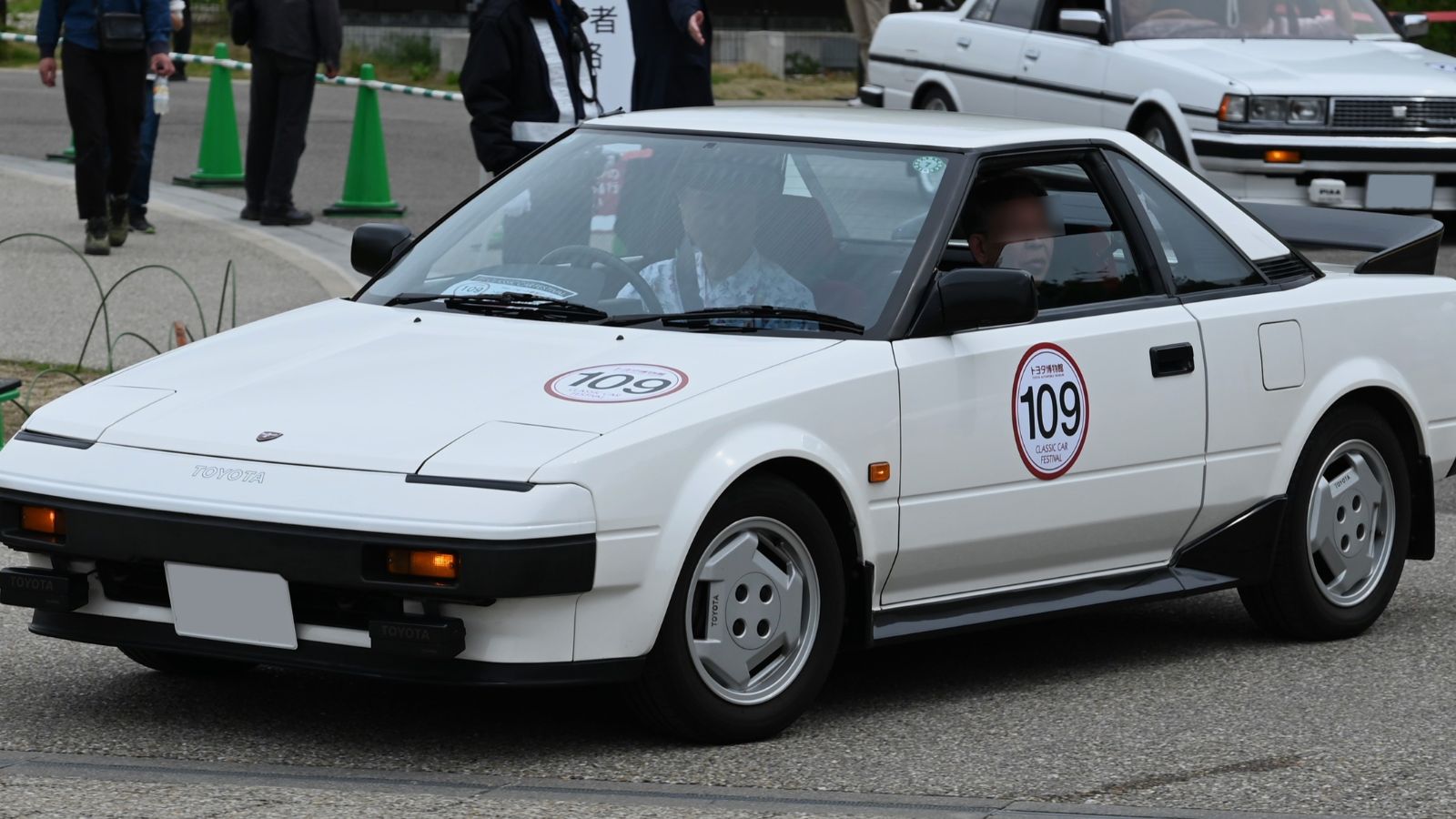
The Toyota MR2 was a masterpiece of engineering simplicity and balance. It was Japan’s mid engine gift to drivers who wanted sports car excitement without the supercar price tag. The first generation was light and playful, while the second generation, the SW20, brought turbo power and curvier styling that made it look far more exotic than its price suggested.
What made the MR2 special was how alive it felt on the road. It responded to every steering input with precision and rewarded smooth driving with razor sharp handling. It was the kind of car that taught you to respect momentum and balance. A modern MR2 revival could bring back everything enthusiasts miss, perhaps as a compact hybrid or electric two seater focused on lightness and feedback. In a world full of oversized SUVs, a small mid engine Toyota would feel revolutionary again.
Mazda RX7
The Mazda RX7 remains one of the most beloved Japanese sports cars of all time, and for good reason. Each generation refined the formula, but it was the third generation FD that truly became a legend. Its twin rotor rotary engine delivered a smooth rush of power that seemed endless, and its chassis balance was nearly perfect. The FD’s design, with its flowing curves and low stance, still looks stunning today.
The RX7 embodied Mazda’s willingness to be different. It was light, agile, and pure, the kind of car that made you fall in love with driving all over again. The rotary engine’s quirks led to its demise, but modern engineering could easily solve those issues. Imagine an RX7 reborn with a small hybrid rotary powertrain, offering instant torque and that signature high pitched wail. The world is ready for another Mazda that captures that kind of magic.
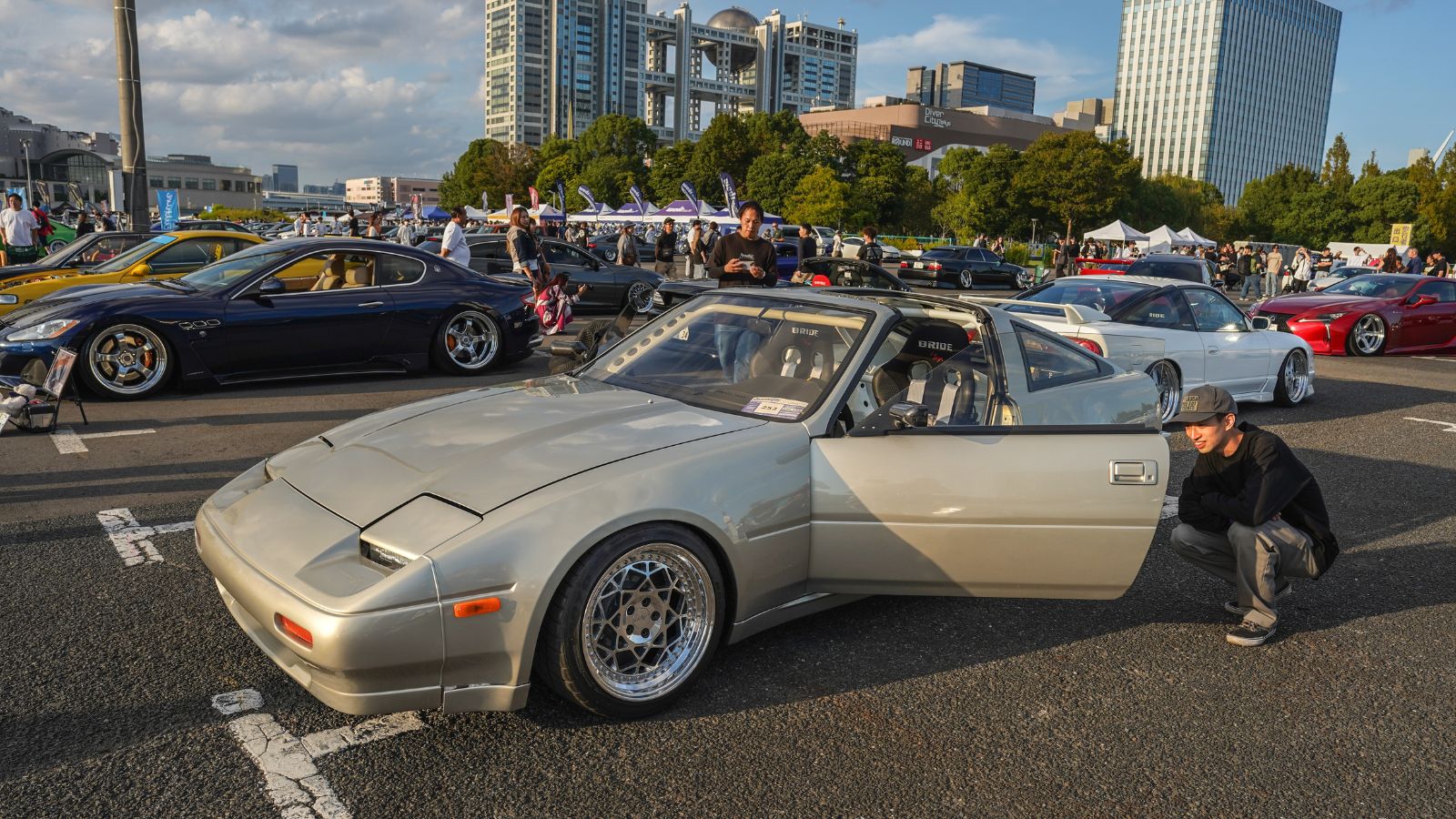
Nissan 300ZX
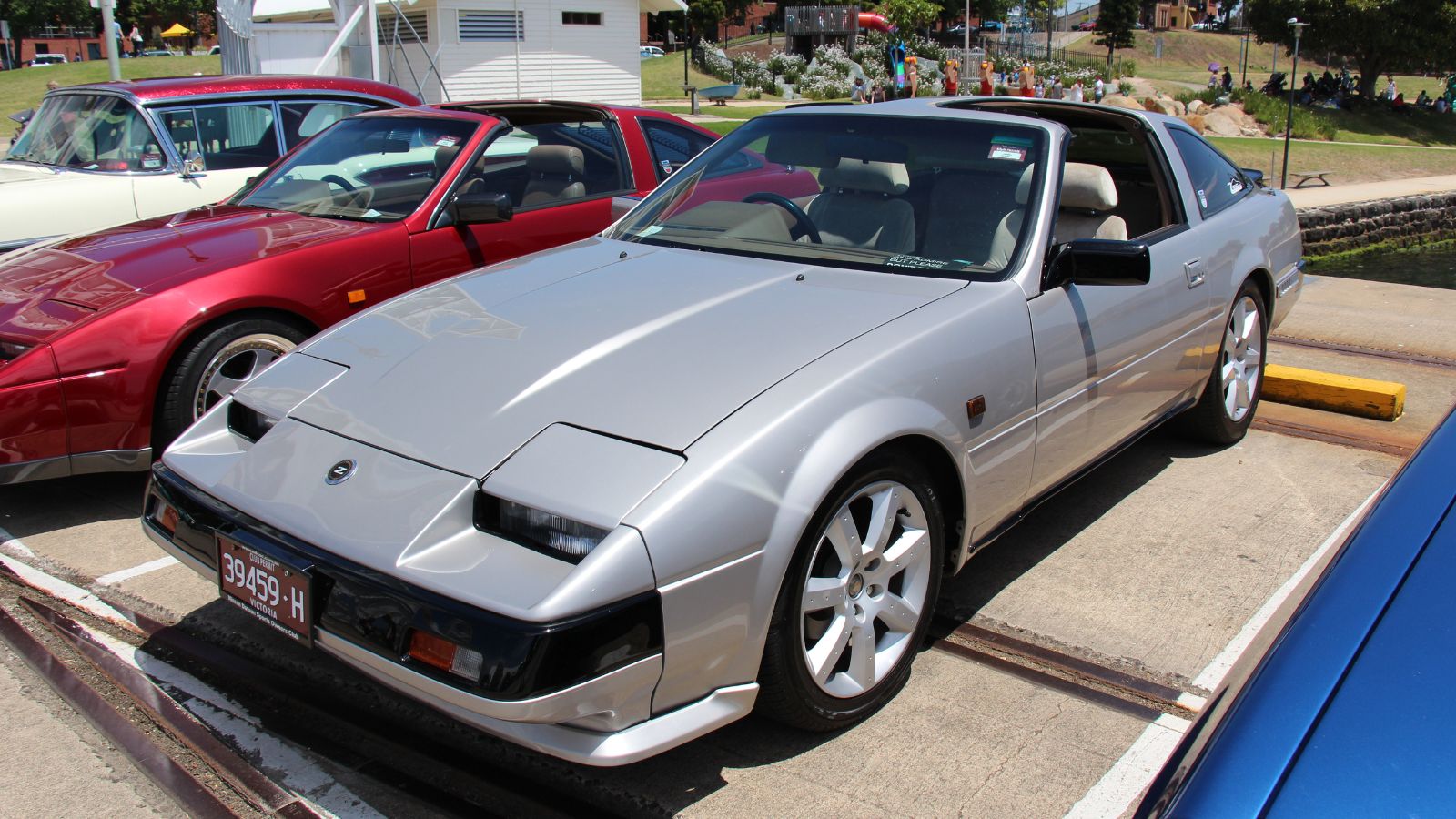
In the early 1990s, the Nissan 300ZX was a technological and design statement. With its twin turbo V6, advanced suspension, and four wheel steering, it was one of the most sophisticated cars of its time. It was also one of the best looking, with smooth, aerodynamic lines that made it look fast even when standing still.
The 300ZX was built during a time when Nissan engineers were chasing perfection instead of profits. It was expensive to build, but the result was a car that could take on the best from Europe. Today’s Nissan Z carries the torch, but it lacks the bold identity that made the 300ZX iconic. A modern interpretation inspired by the Z32’s proportions, mixed with updated materials and technology, could be exactly what Nissan needs to bring back that confident, futuristic attitude.
Acura Integra Type R
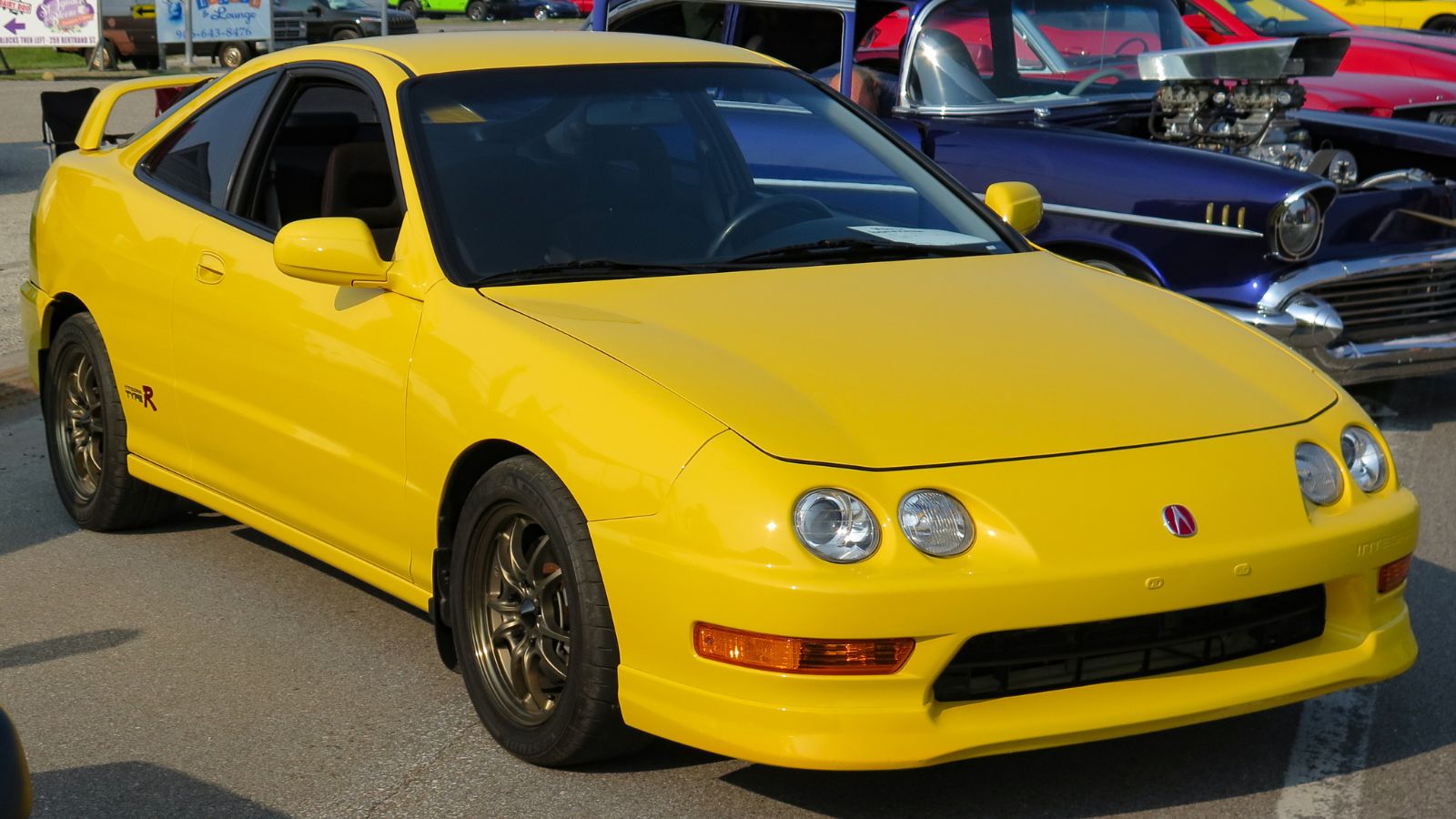
The Acura Integra Type R was not just a great small car; it was one of the finest driving machines of its time. Lightweight, perfectly balanced, and built with obsessive attention to detail, it was a precision instrument for drivers who cared about every apex and every shift. The high revving 1.8 liter VTEC engine produced a sound that still gives enthusiasts chills, and the chassis tuning was nothing short of magical.
The new Integra might wear the same badge, but it does not capture the stripped down purity of the 1990s Type R. A modern revival could change that. Imagine a true lightweight version with manual transmission, limited slip differential, and Honda’s latest high revving hybrid system tuned for performance instead of economy. It would remind everyone that driving engagement is about connection, not just speed.
Mitsubishi 3000GT VR4
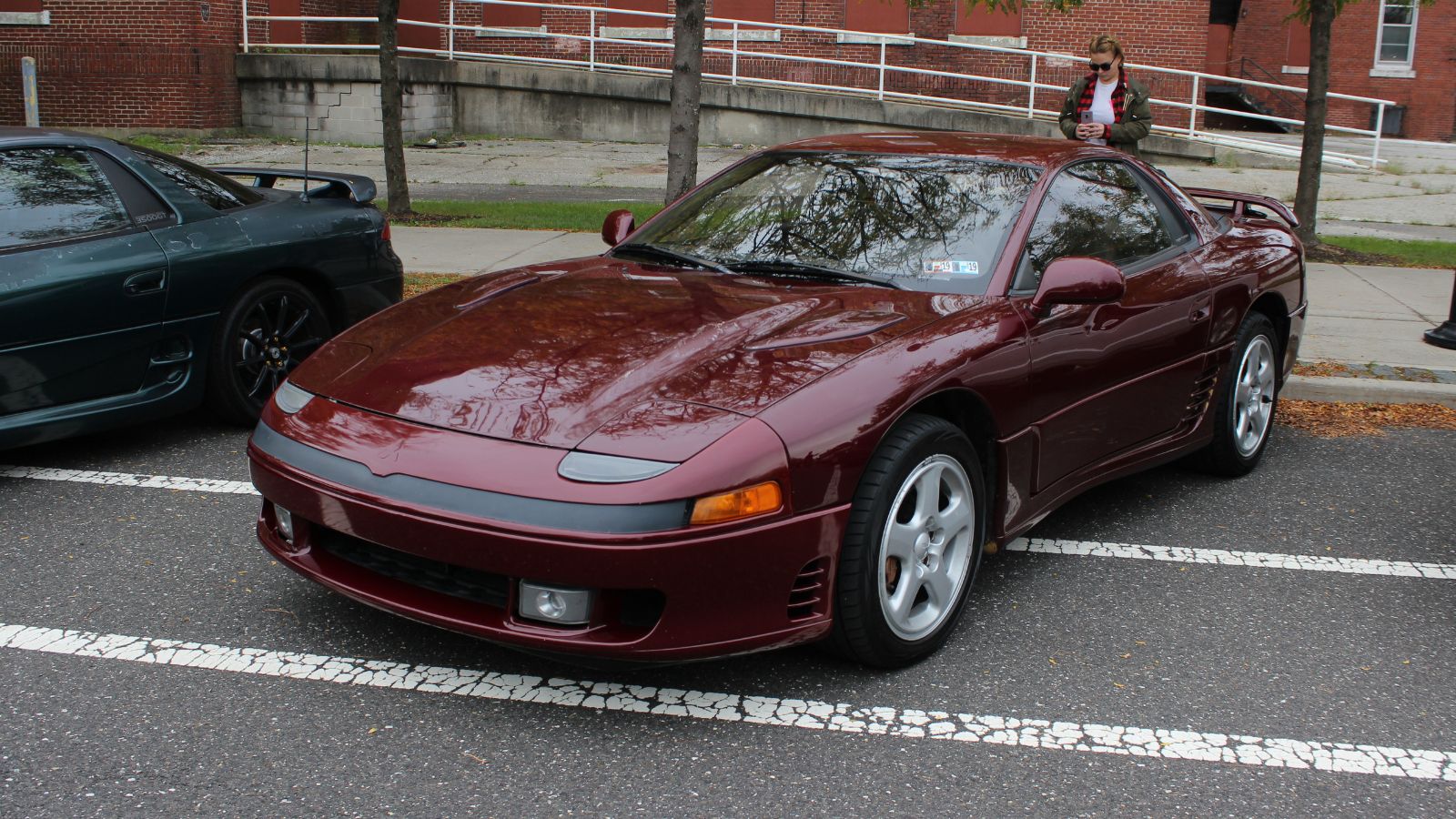
When the Mitsubishi 3000GT VR4 launched, it felt like something from the future. It had features that even supercars of the time lacked, including adaptive suspension, active aerodynamics, and all wheel drive. Under the hood was a twin turbo V6 that delivered massive power, and the car’s road presence was unmatched. It was big, heavy, and complex, but it also represented the peak of Japanese engineering ambition.
A new 3000GT could easily make sense in today’s world. Modern electronics, lightweight materials, and hybrid technology could bring its original mission full circle. Mitsubishi could transform it into a halo car again, using it to rebuild the brand’s sporting image. It would be the perfect way to honor Japan’s most daring decade of innovation while appealing to a new generation of performance enthusiasts.
Pontiac Fiero
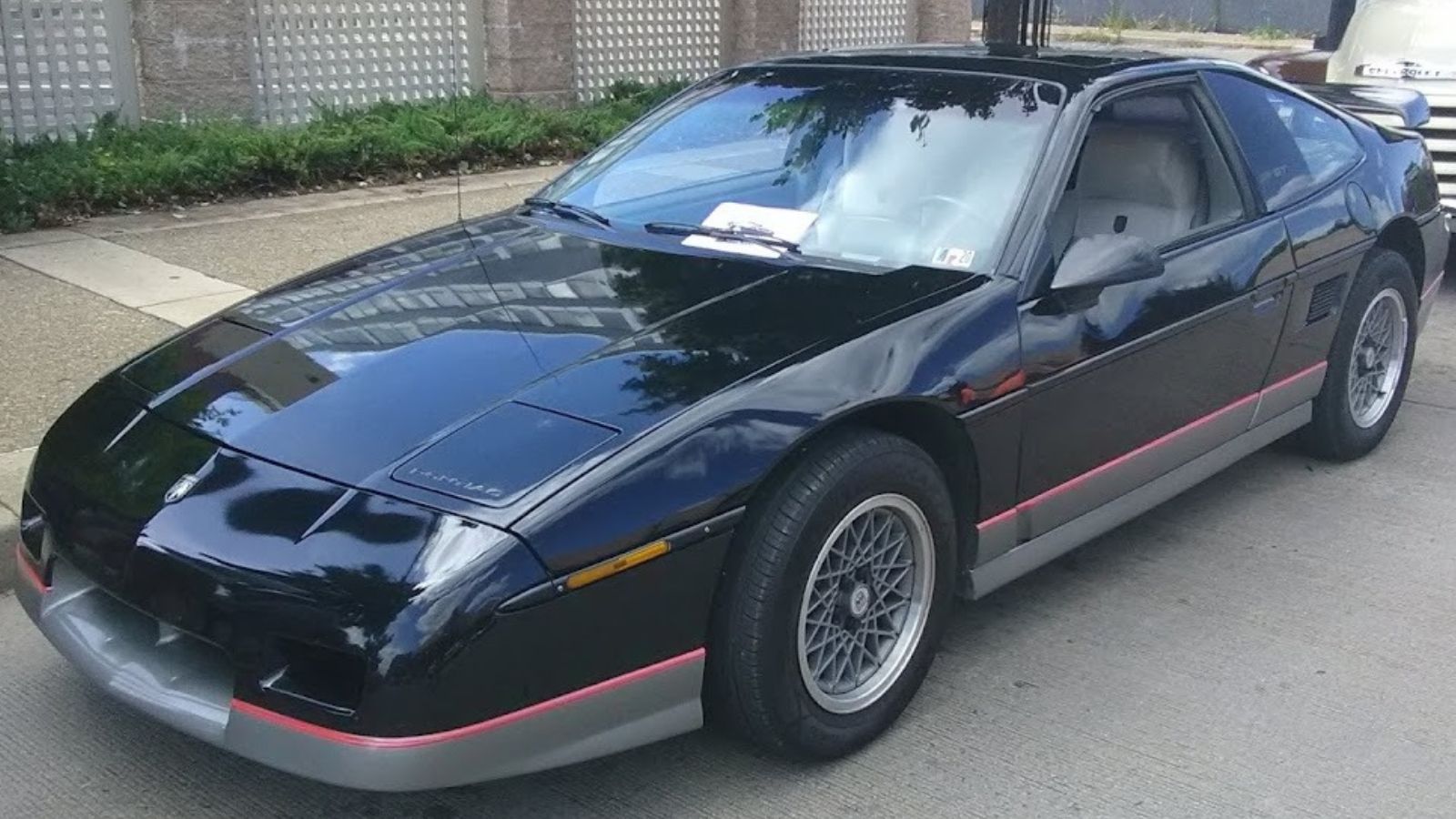
The Pontiac Fiero was America’s first attempt at a mid engine sports car, and it had enormous potential. Unfortunately, its early years were plagued by quality problems and design compromises. By the time Pontiac fixed those issues and released the improved versions, it was already too late. Yet the idea behind the Fiero remains brilliant: an affordable, fun, mid engine car for the everyday driver.
In a world now dominated by electric platforms, the Fiero’s concept could finally be realized properly. An electric mid engine setup would give it incredible handling balance, and lightweight materials could make it efficient without sacrificing performance. A modern Fiero would not just honor Pontiac’s legacy; it could prove that American ingenuity still has room for fun.
BMW 8 Series (E31)
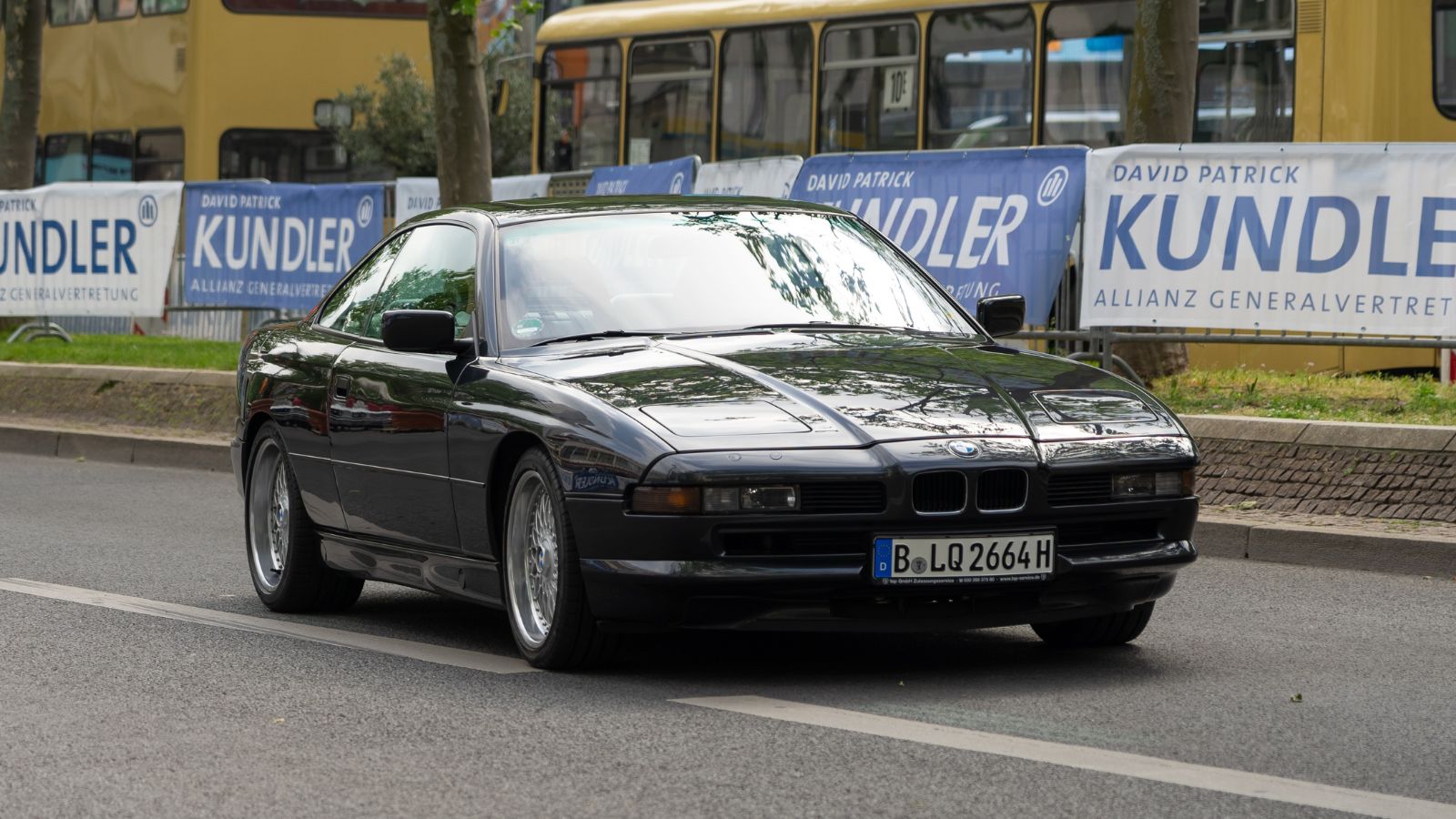
The original BMW 8 Series from the early 1990s was a car that redefined what a luxury grand tourer could be. With its pop up headlights, sleek wedge profile, and a powerful V12 under the hood, it felt more like a concept car than a production vehicle. It was elegant, understated, and engineered with precision.
While the current 8 Series is faster and more advanced, it lacks the visual drama and distinct personality of the E31. A modern interpretation that echoes the original’s minimalist design and focus on the driving experience rather than pure luxury would be a hit among enthusiasts. Bring back the pop up headlights, the low silhouette, and the sense of futuristic style that made the 1990s BMW 8 so unforgettable.
Toyota Celica GT Four
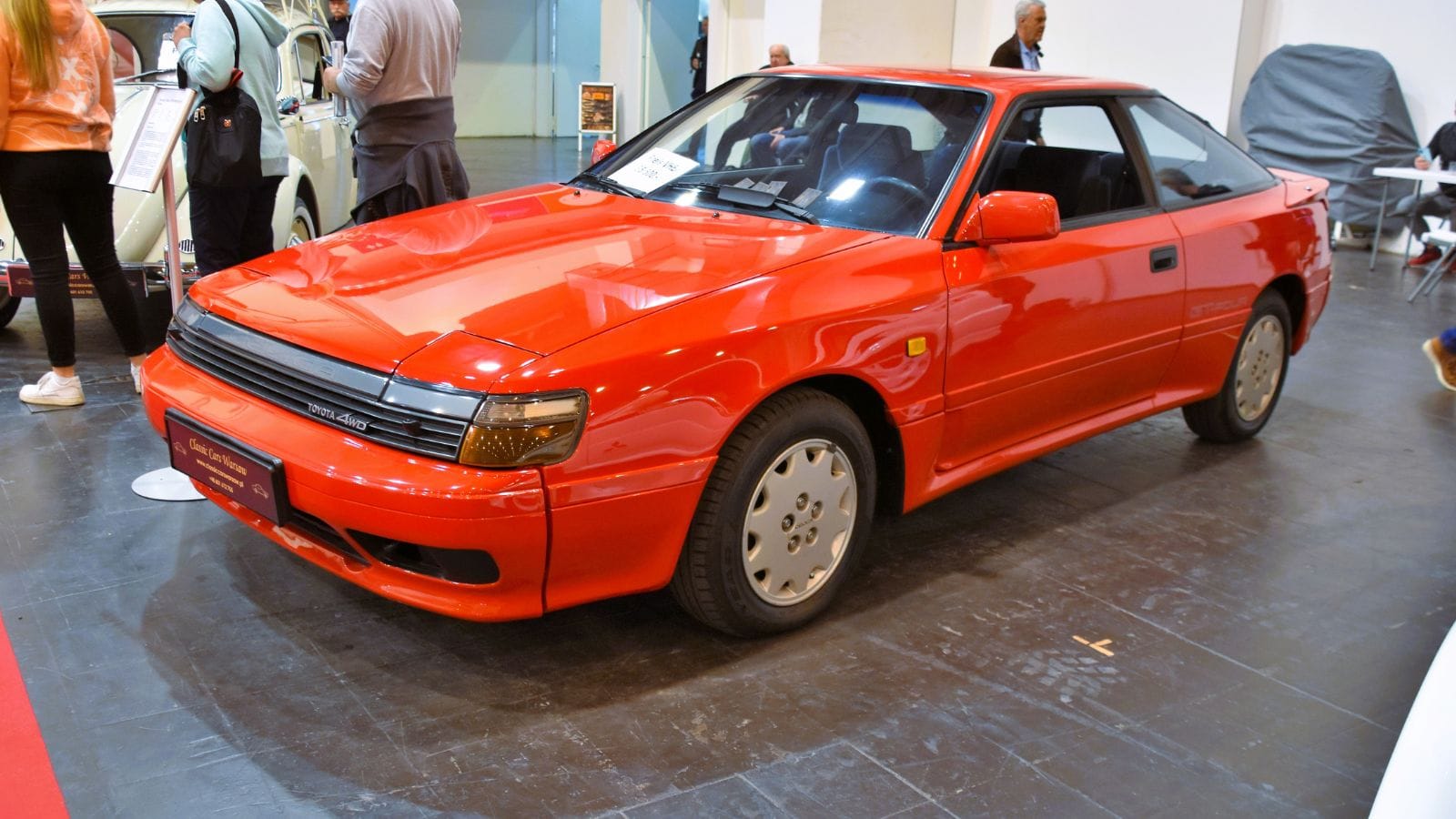
The Celica GT Four was Toyota’s rally hero, born from the World Rally Championship and built to dominate both dirt and tarmac. With turbocharged power and all wheel drive, it was a true performance machine that could handle anything. The 1990s ST205 model, with its hood vents, big spoiler, and aggressive stance, became an icon among rally fans.
A new Celica GT Four would fit perfectly in Toyota’s modern GR performance lineup. A lightweight coupe powered by a turbocharged hybrid drivetrain could capture the same spirit while offering modern reliability and emissions compliance. It would sit neatly between the GR86 and Supra, combining real world usability with that unmistakable rally bred DNA.
Honda Prelude
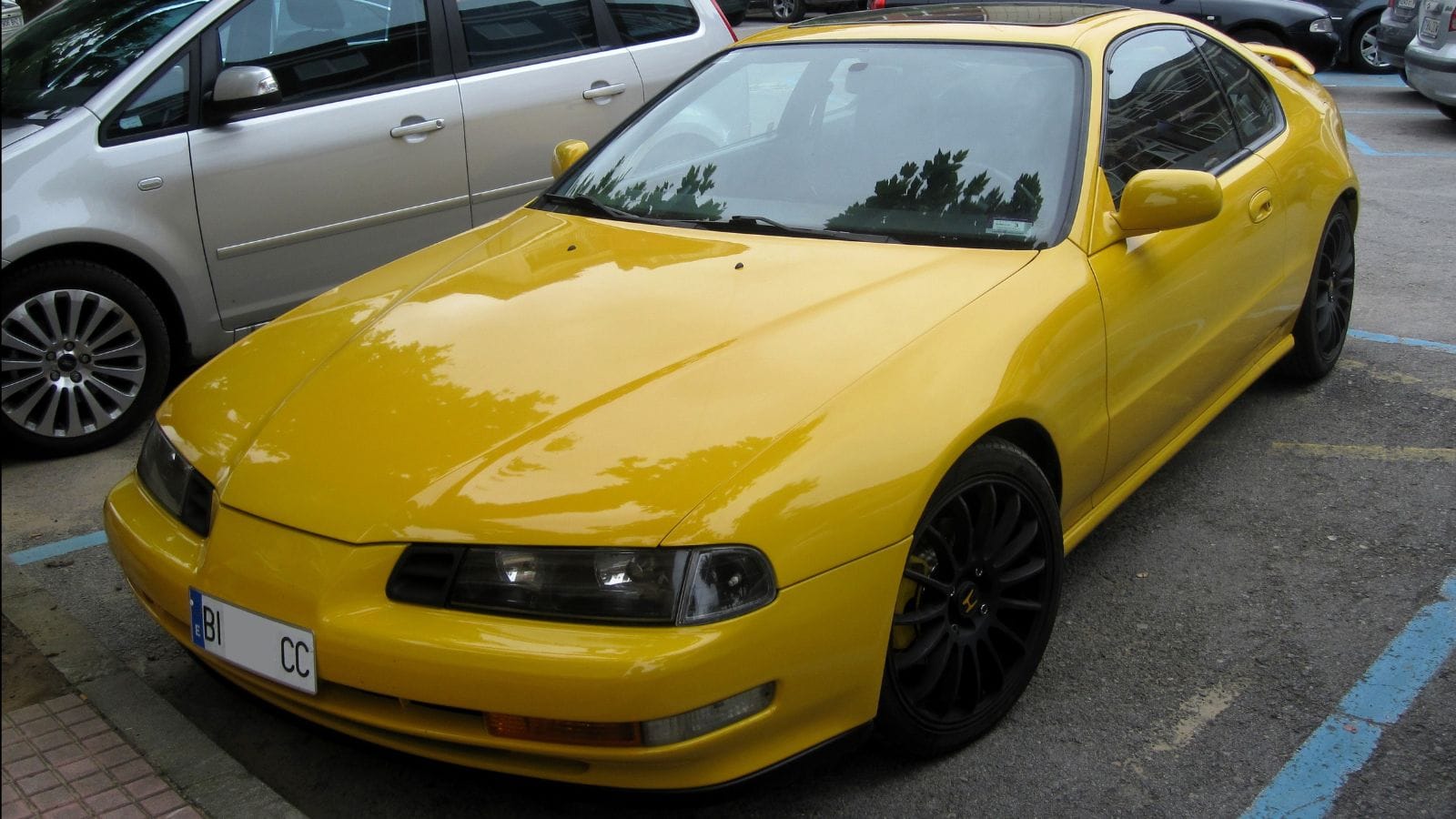
Few cars blended sportiness and comfort as elegantly as the Honda Prelude. Sleek, low, and beautifully balanced, it was a car for people who loved driving but didn’t want to sacrifice refinement. Its engines were smooth, its steering precise, and the four wheel steering system in later models gave it remarkable agility.
The Prelude offered everything Honda stood for: clever engineering, reliability, and a focus on the driver. A new version could bring back that blend of style and sophistication, perhaps as a hybrid coupe designed around lightness and efficiency. With Honda’s renewed focus on driver engagement, the time is right for the Prelude to return as a mature yet exciting sports coupe.
Mazda MX6
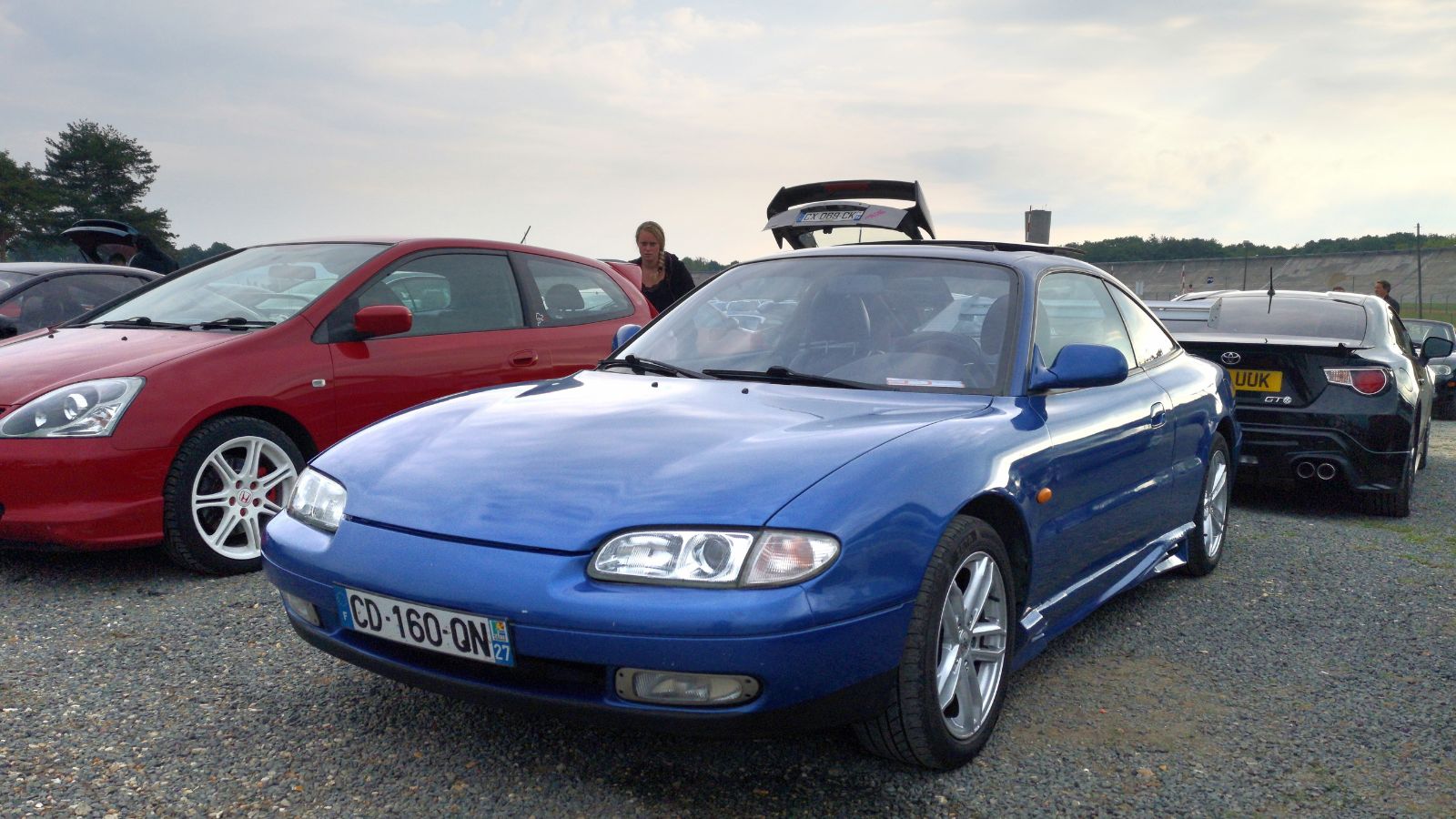
The Mazda MX6 flew under the radar during its original run, but it was one of the most complete sports coupes of the 1990s. It combined graceful design with a responsive chassis and just enough performance to keep things interesting. It was smooth, comfortable, and stylish—a car that proved Mazda understood balance better than most.
In a market dominated by crossovers, a revived MX6 could offer something refreshingly different. Positioned between the Miata and a potential future RX model, it could be a front or rear drive grand tourer with an emphasis on everyday performance. Mazda’s current design language would suit it perfectly, giving it the sleek, modern aesthetic that could make it stand out again.
Bringing the Icons Back
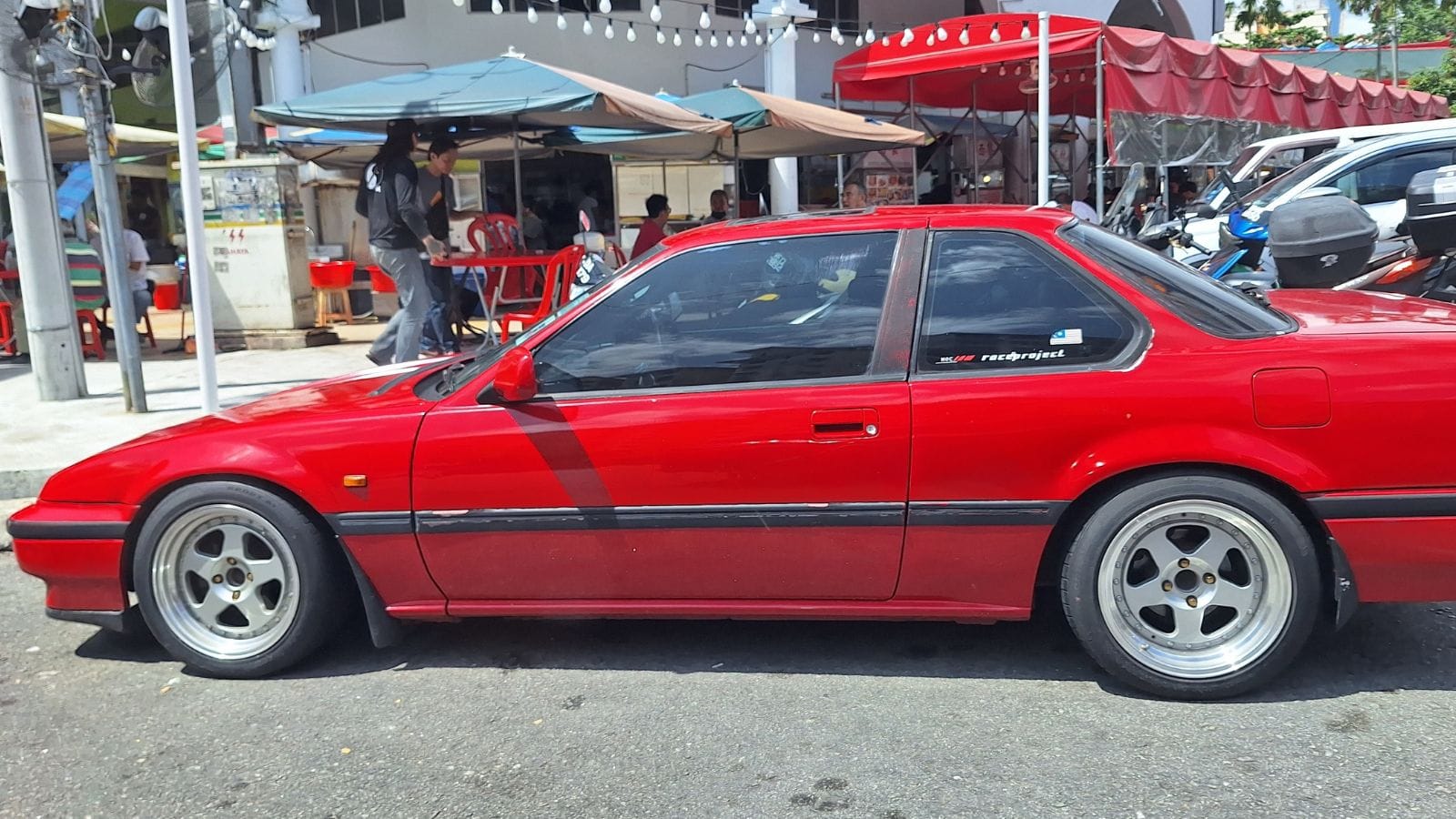
Cars from the 1980s and 1990s weren’t just machines; they were cultural symbols. They combined mechanical honesty with creative design, each with its own unique identity. Bringing them back isn’t just about nostalgia—it’s about restoring a lost sense of character to modern driving.
These ten cars remind us that performance isn’t only about numbers, and design isn’t just about aerodynamics. They captured emotion, passion, and fun. With modern technology, each of them could return better than ever, proving that the spirit of the analog era still belongs on the road today.
25 Facts About Car Loans That Most Drivers Don’t Realize

Car loans are one of the most common ways people fund car purchases. Like any other kind of loan, car loans can have certain features that can be regarded as an advantage or a disadvantage to the borrower. Understanding all essential facts about car loans and how they work to ensure that you get the best deal for your financial situation is essential. Here are 25 shocking facts about car loans that most drivers don’t realize:
25 Facts About Car Loans That Most Drivers Don’t Realize
