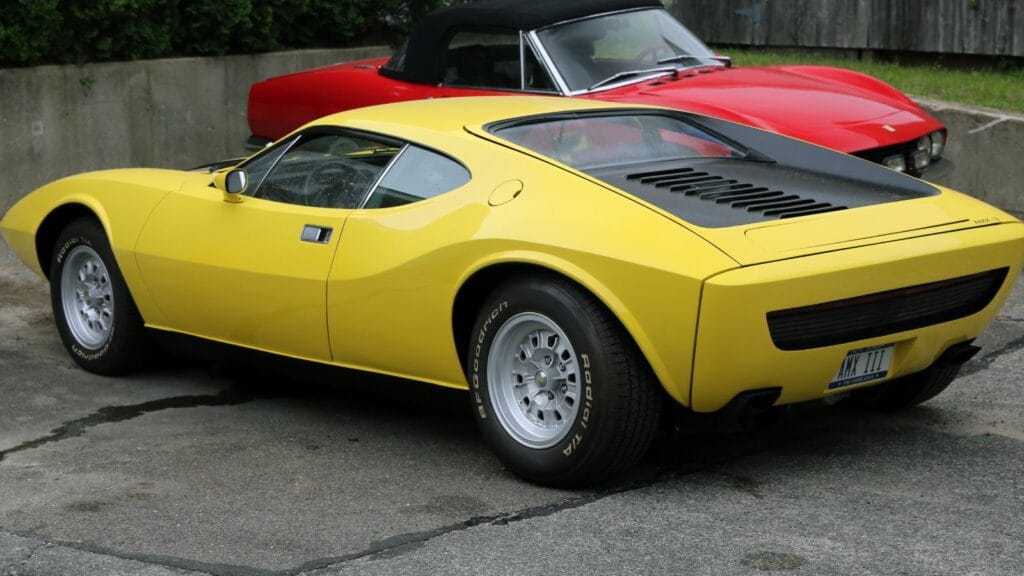
The muscle car era was full of audacious engineering and big dreams. It was a time when Detroit’s finest were trying to outgun each other with more power, more speed, and more outrageous styling. But sometimes, automakers went too far. The cars below weren’t just bold they were uncontrollable, unprofitable, or simply too extreme for mass production. These are the seven muscle machines that were too wild for the showroom floor.
Dodge Charger Daytona (Hemi Prototype)
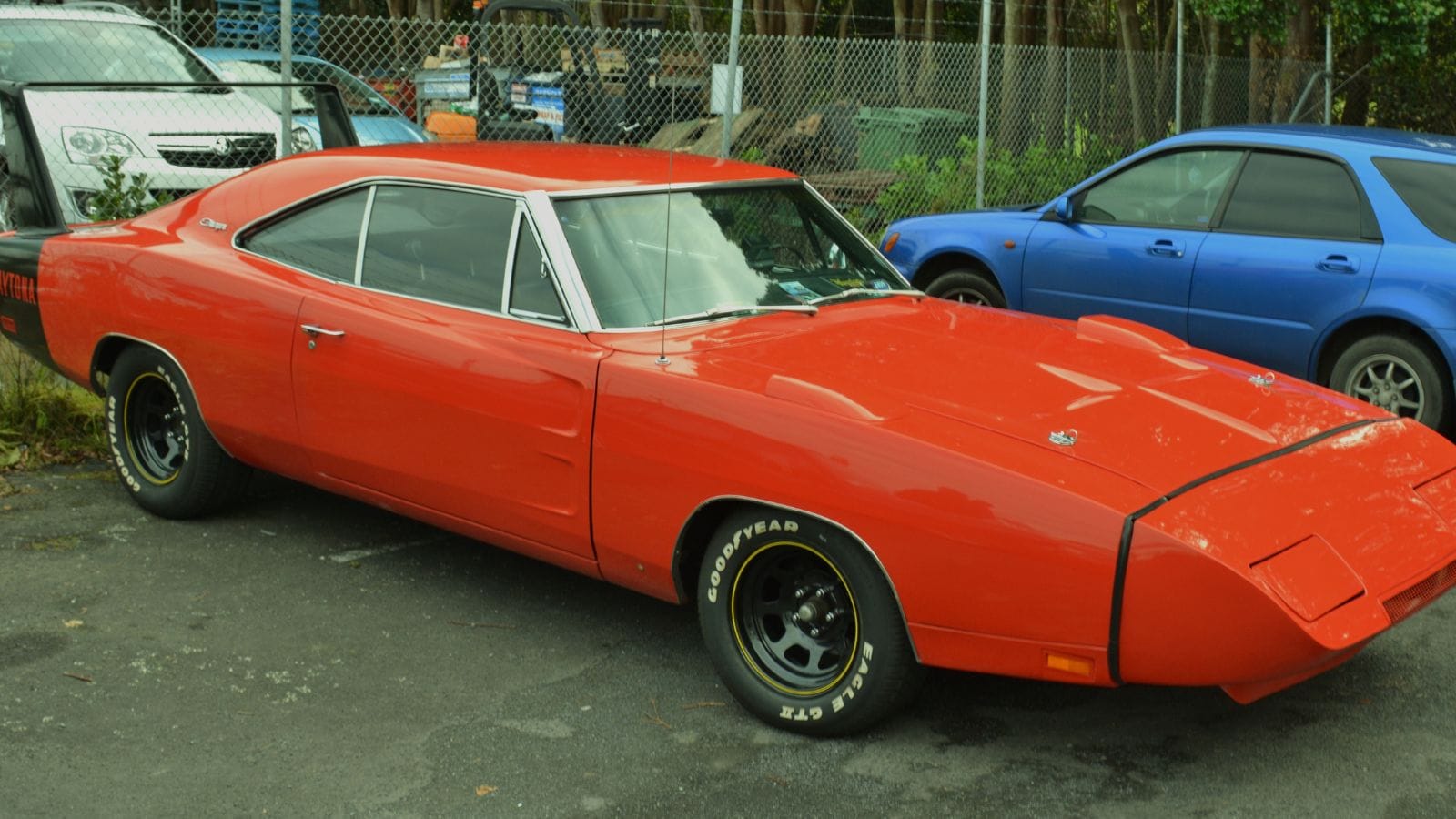
The 1969 Dodge Charger Daytona was created for one reason: to win in NASCAR. With its elongated aerodynamic nose, towering rear wing, and 426 cubic inch Hemi engine, it was a rolling missile. The few prototype versions built for testing went far beyond the factory’s official 425 horsepower rating, and drivers claimed it could push past 200 miles per hour.
But this monster came with compromises. It was expensive to produce, difficult to drive, and unsuited for everyday roads. The nose cone alone cost a small fortune to manufacture, and the wing created so much downforce that handling at low speeds became awkward. Still, Dodge built enough to satisfy racing regulations, and the result was domination on the track. It became the first NASCAR car to break 200 miles per hour proof that sometimes, going too far works.
Ford Torino King Cobra
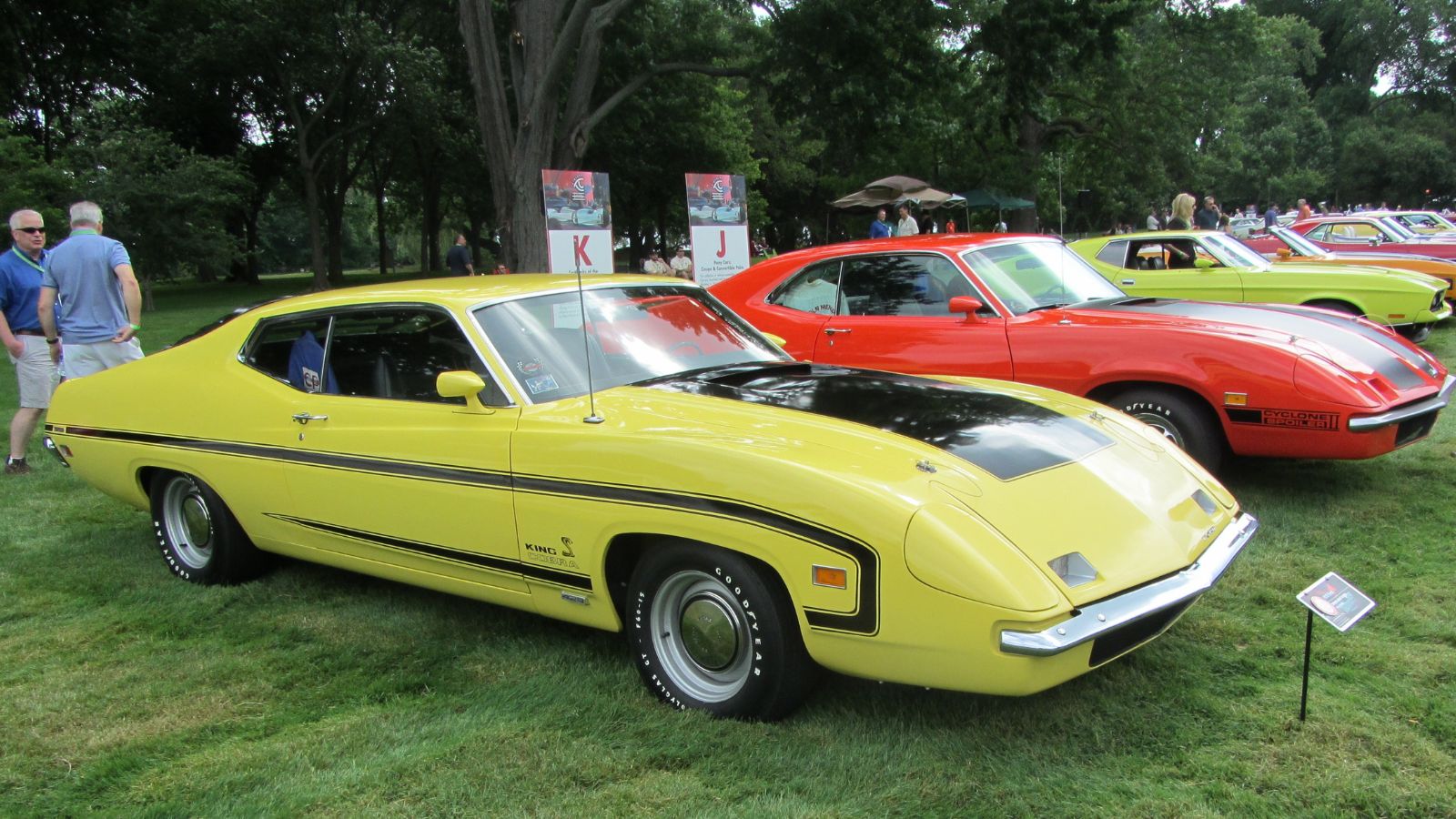
The Ford Torino King Cobra was born for NASCAR glory. In 1970, Ford engineers sculpted a radical aerodynamic nose based on wind tunnel testing, giving the car a look that was part muscle car, part jet fighter. Under the hood sat a 429 cubic inch Cobra Jet engine delivering thunderous torque and over 370 horsepower.
The King Cobra was built to crush Dodge’s Charger Daytona, but fate had other plans. NASCAR changed its rules, and Ford pulled out of racing before the Torino could prove itself. Only two or three prototypes were completed, and each was essentially a street legal race car. The King Cobra was too specialized, too costly, and too wild for mass production. Today, it stands as a lost legend of Ford performance a car that could have rewritten racing history.
Pontiac Banshee II
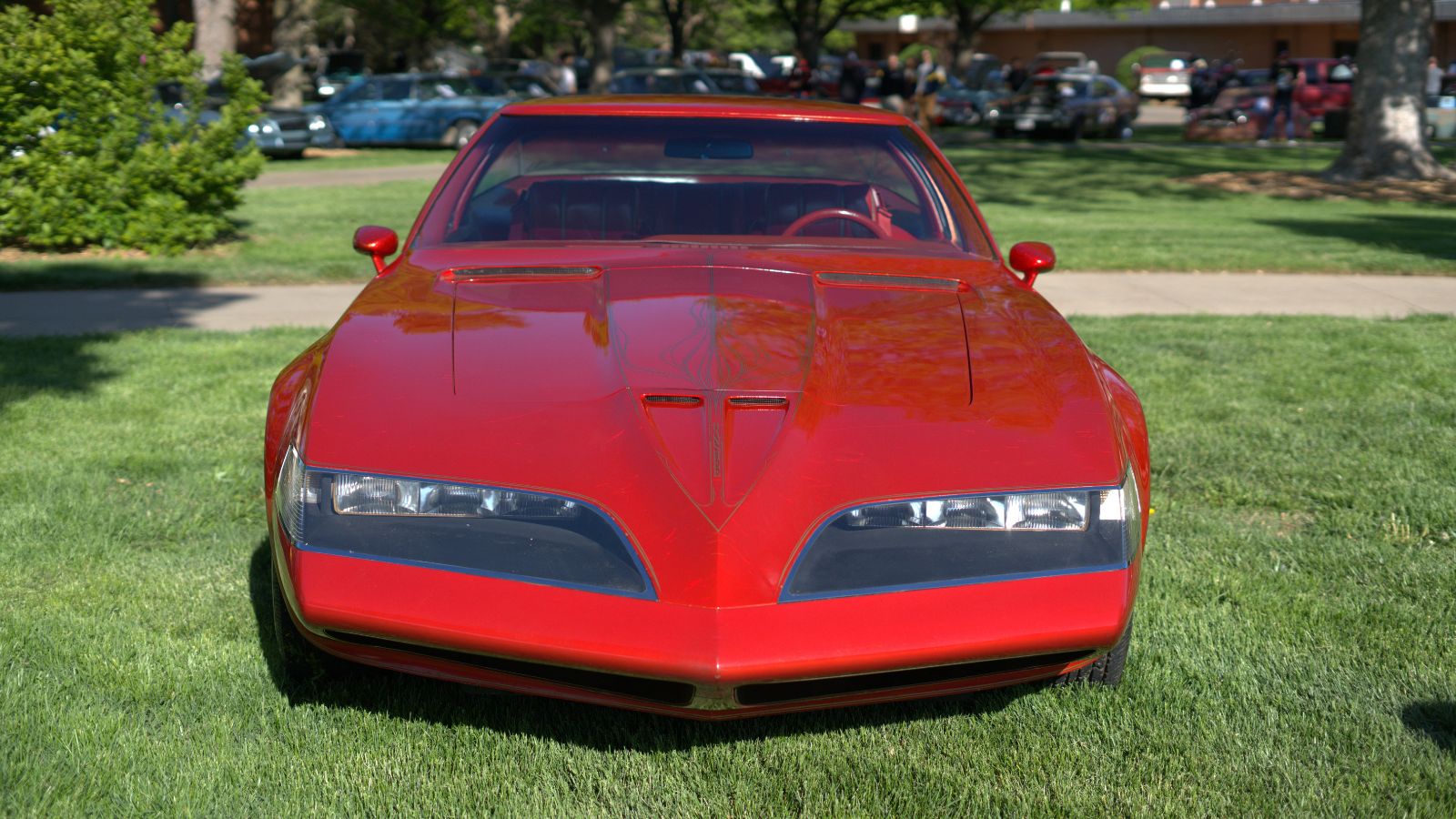
Pontiac always had a rebellious streak, and the Banshee II from 1968 was a perfect example. Designed by John DeLorean’s team, it was sleek, futuristic, and lightning fast. With a long hood, short rear deck, and a lightweight fiberglass body, it looked more exotic than any American car of its era. Underneath, a powerful V8 engine gave it genuine muscle to match the looks.
GM executives, however, saw a problem it was better than the Corvette. The Banshee’s performance and price threatened to overshadow Chevrolet’s flagship model, so GM executives killed the project before it could reach showrooms. Only a few prototypes were ever built. Many of its design cues, including the sharp nose and flared fenders, would later appear on the third generation Corvette. Pontiac’s Banshee was too fast and too advanced for its own corporate family.
Plymouth Superbird Hemi Prototype
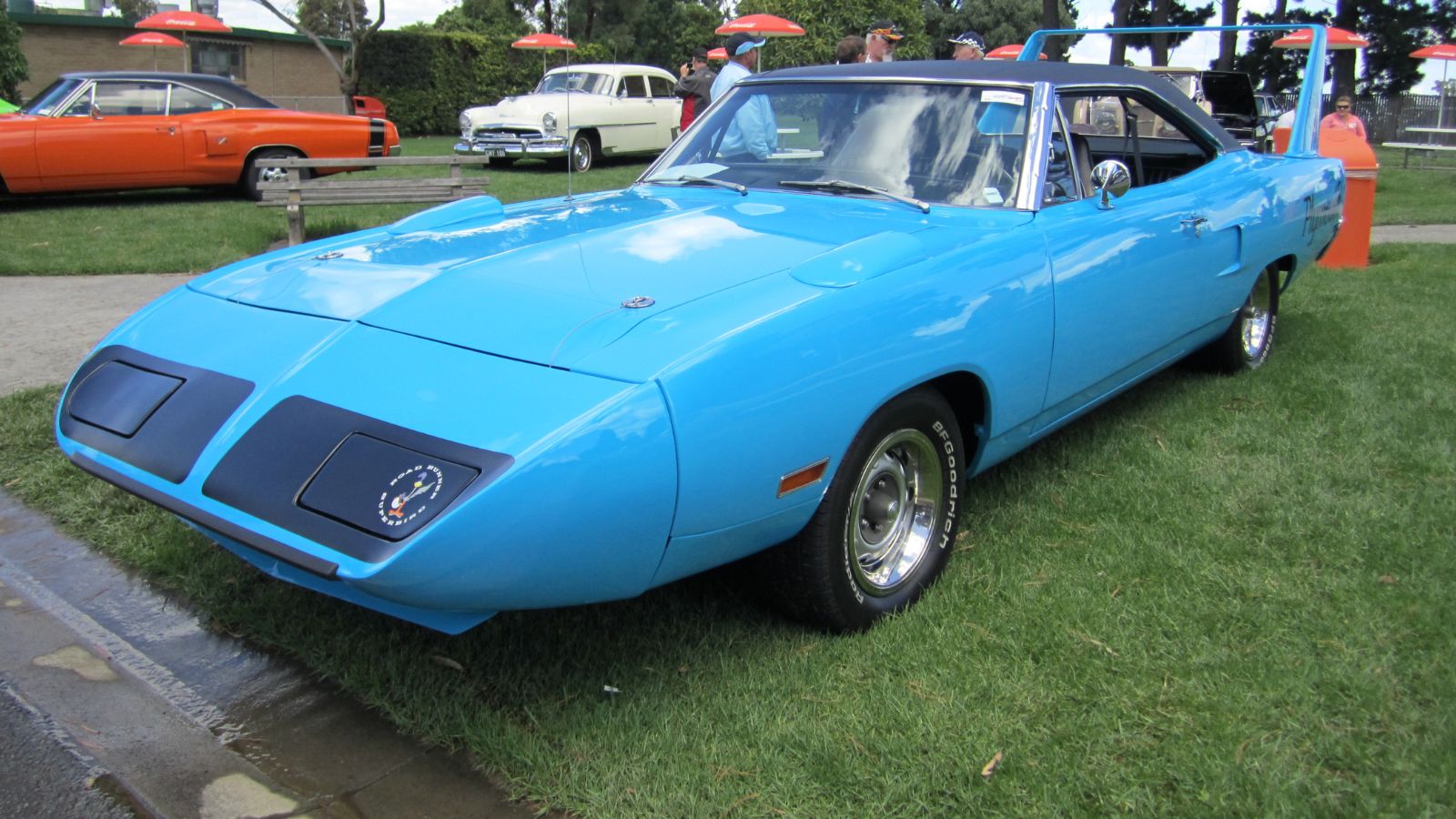
Plymouth wanted to win NASCAR, and in 1970 they went all in with the Superbird. The car’s enormous rear wing and pointed nose were designed purely for aerodynamics, and when paired with the 426 Hemi, it became one of the most powerful cars of its time. The prototypes built for high speed testing pushed the Hemi to new limits, producing power figures well beyond the official rating.
But the Superbird’s race car looks were too much for everyday buyers. Its massive rear wing was taller than the roofline, and its price was steep. Plymouth had to build a set number for homologation, but many sat unsold on dealer lots. The prototype versions, tuned for racing, were even more extreme so raw and fast that few drivers could handle them. The Superbird’s legend lives on, but the wildest versions never made it off the test track.
AMC AMX 3
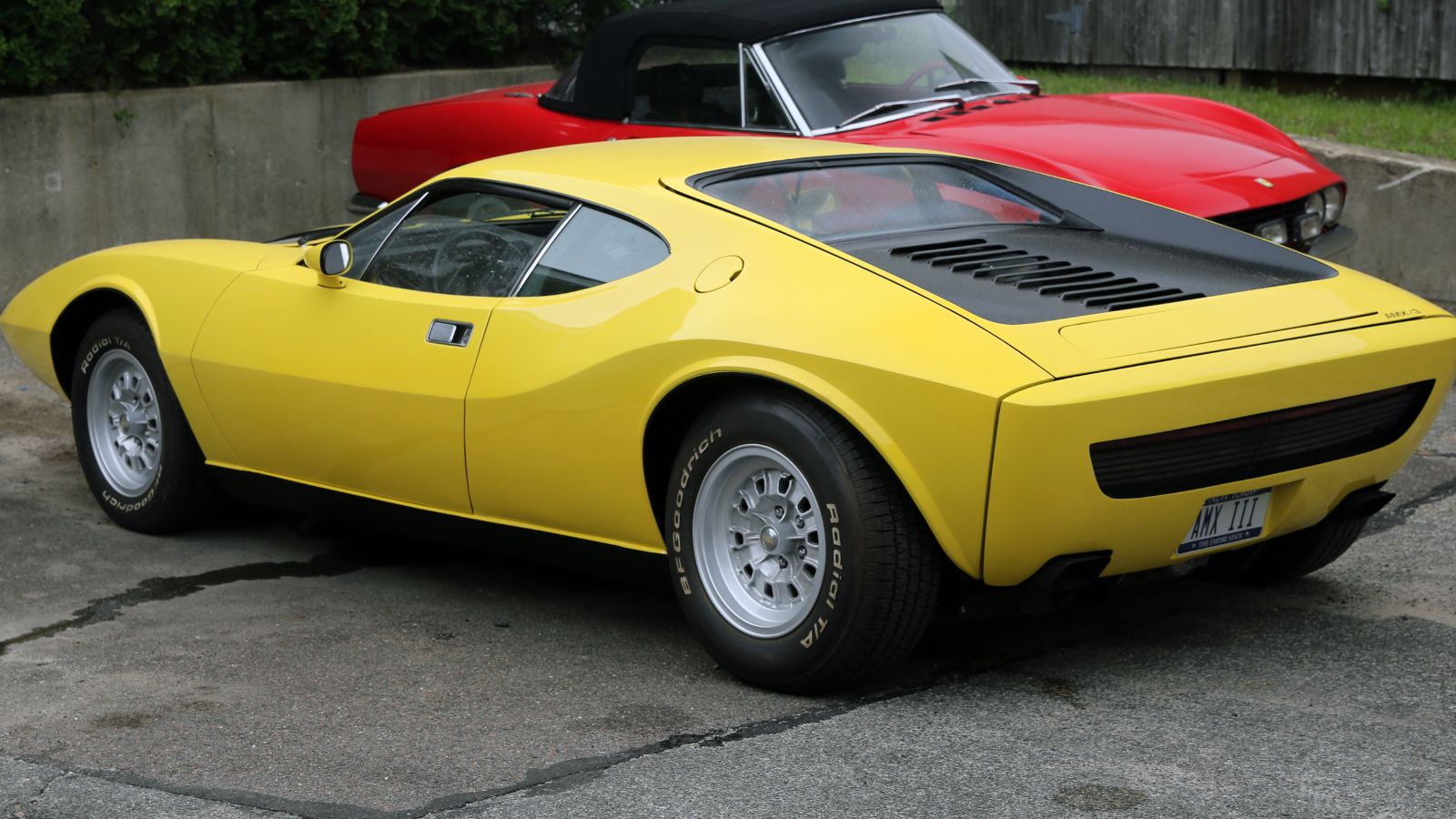
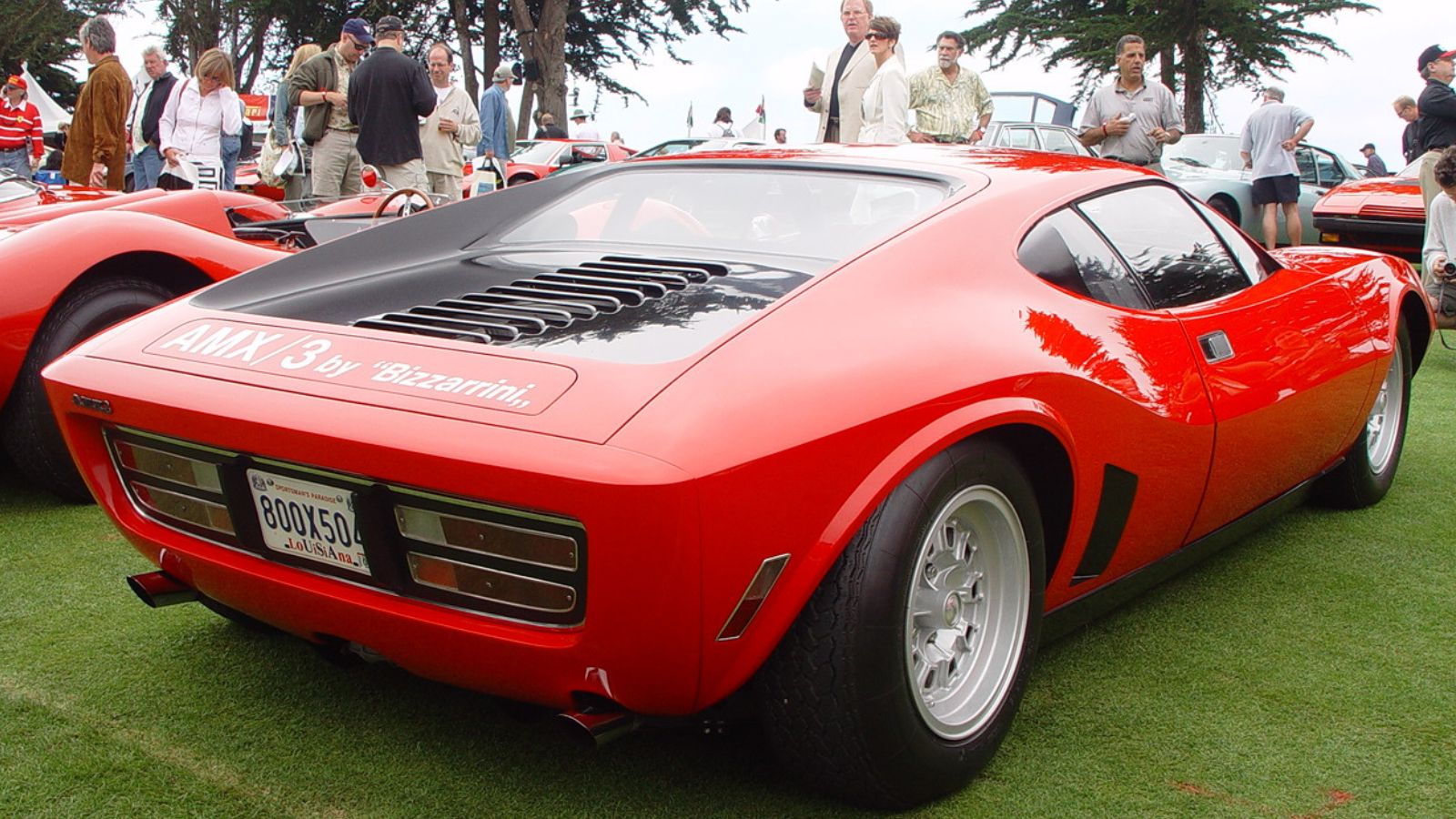
In the late 1960s, American Motors decided to prove it could play with the big boys. The AMX 3 was their moonshot a mid engine sports car designed in Italy by Giotto Bizzarrini and powered by a 390 cubic inch American V8. It combined Italian styling with American muscle, producing 340 horsepower in a lightweight chassis.
Testing on European roads revealed the AMX 3 could reach over 160 miles per hour and handle like a true supercar. It was meant to challenge Ferrari and Lamborghini, but AMC’s limited budget and financial troubles ended the dream. Only six cars were built before the project collapsed. The AMX 3 remains one of the most fascinating examples of what American innovation could achieve when mixed with European craftsmanship.
Born to Be Wild
Every one of these machines was a masterpiece of ambition a glimpse into what muscle cars might have become if regulations, budgets, and common sense hadn’t interfered. They were too fast, too expensive, or too radical to ever reach the public, but they pushed the limits of design and performance.
These cars represent the fearless spirit that defined the golden age of American horsepower. Whether it was the aerodynamic insanity of the Superbird or the European finesse of the AMX 3, each of them proved that innovation often lives just beyond the edge of reason. The cars that never made it to production remind us that sometimes, the wildest ideas are the ones that make history even if they never hit the showroom floor.
25 Facts About Car Loans That Most Drivers Don’t Realize

Car loans are one of the most common ways people fund car purchases. Like any other kind of loan, car loans can have certain features that can be regarded as an advantage or a disadvantage to the borrower. Understanding all essential facts about car loans and how they work to ensure that you get the best deal for your financial situation is essential. Here are 25 shocking facts about car loans that most drivers don’t realize:
25 Facts About Car Loans That Most Drivers Don’t Realize
