
Modifying cars is a core part of the automotive hobby. It brings creativity and self expression, and it can transform ordinary cars into something faster or better looking. But a small group of automotive legends live on a different level. These machines were engineered with such precision and cultural importance that changing them is not improvement, it is compromise. They are rare, loved across generations, and known for driving experiences that depend on factory calibration. When owners add upgrades, they usually erase history, personality, and future value. These are the cars that should stay exactly the way their creators intended.
Porsche 911 Carrera RS 2.7
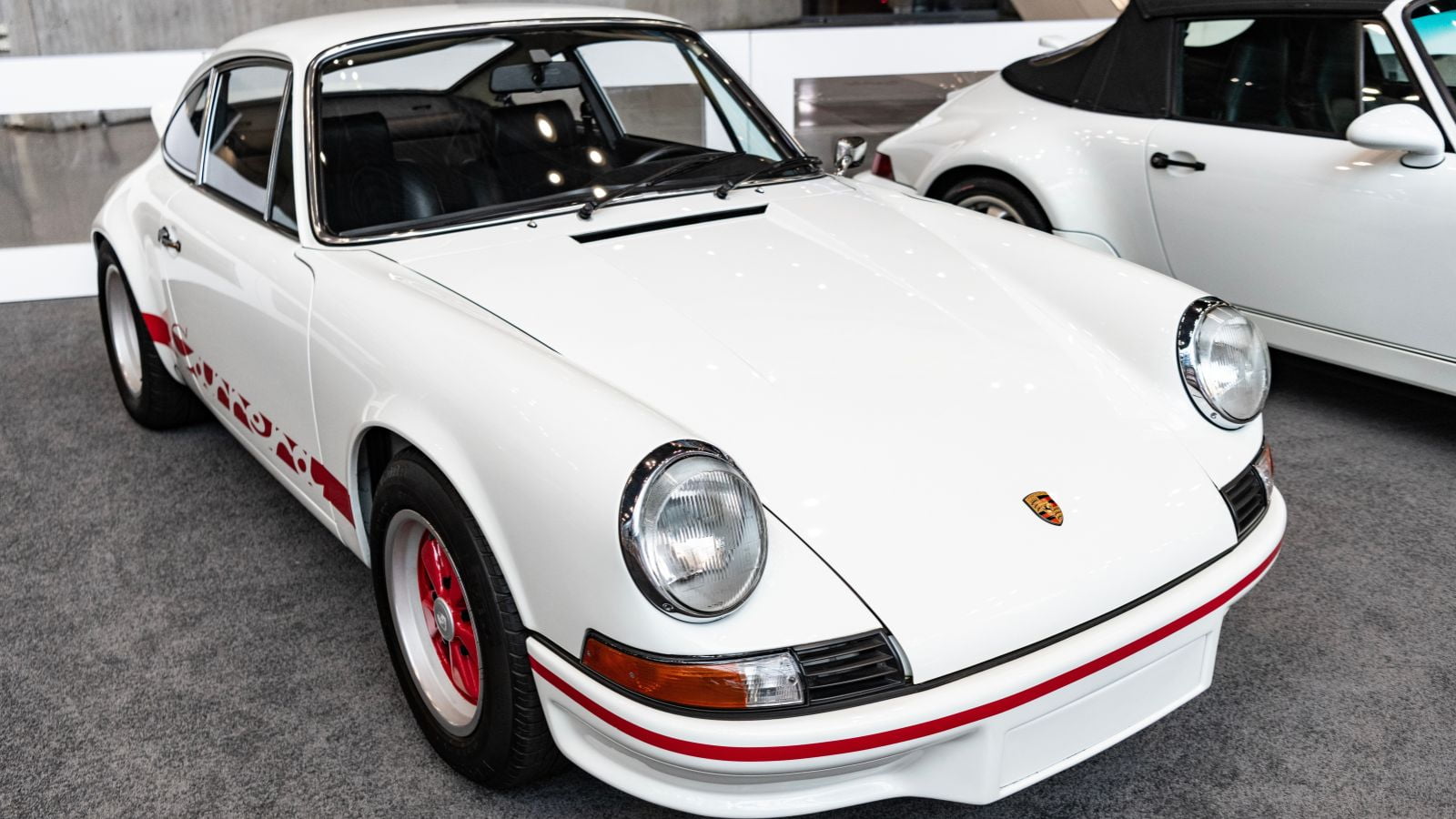
The Carrera RS 2.7 is one of those cars that feels magical the moment the wheels start turning. The lightweight body, signature ducktail spoiler, and rev happy flat six were designed as one complete system rather than separate performance parts. The more you modify it, the more the engineering harmony disappears. Porsche crafted this car during a time when trial, error, and intuition shaped performance rather than computers. Each piece plays a role in the emotional connection it delivers. Keeping it stock preserves the balance that made it a milestone in the evolution of the 911.
BMW M1
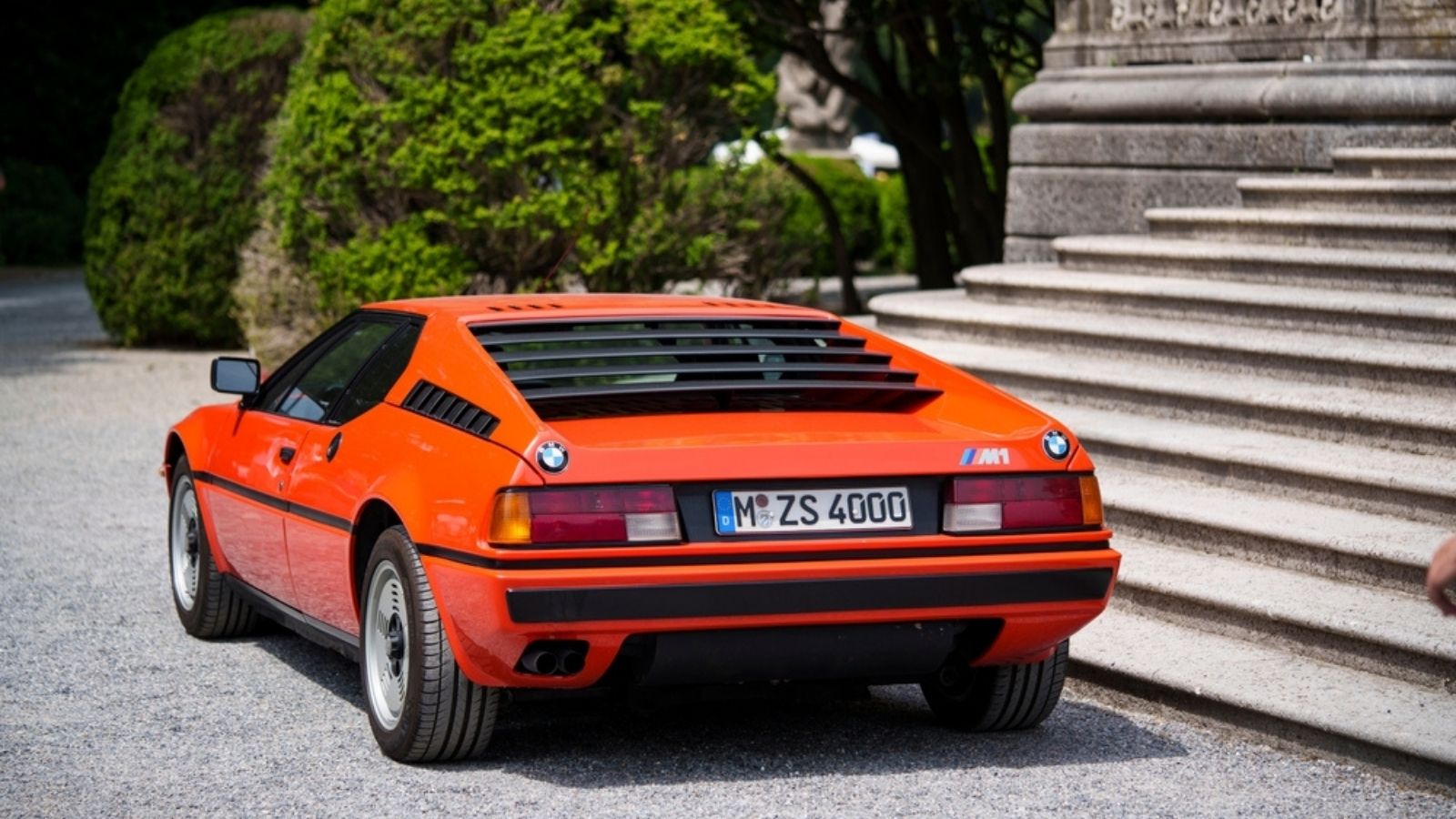
The M1 is as close as BMW ever came to building a true exotic. Its Italian styling and German mechanical purity created a personality that is impossible to recreate today. The suspension geometry, the race bred engine, and the low driver position all combine to deliver a sensation that borders on spiritual for those who get to experience it. Once modified, the M1 becomes just another rare sports car rather than the fusion of cultures and philosophies it was always meant to be. It deserves to remain untouched because it represents the most ambitious chapter of BMW’s early performance story.
Honda S2000 CR
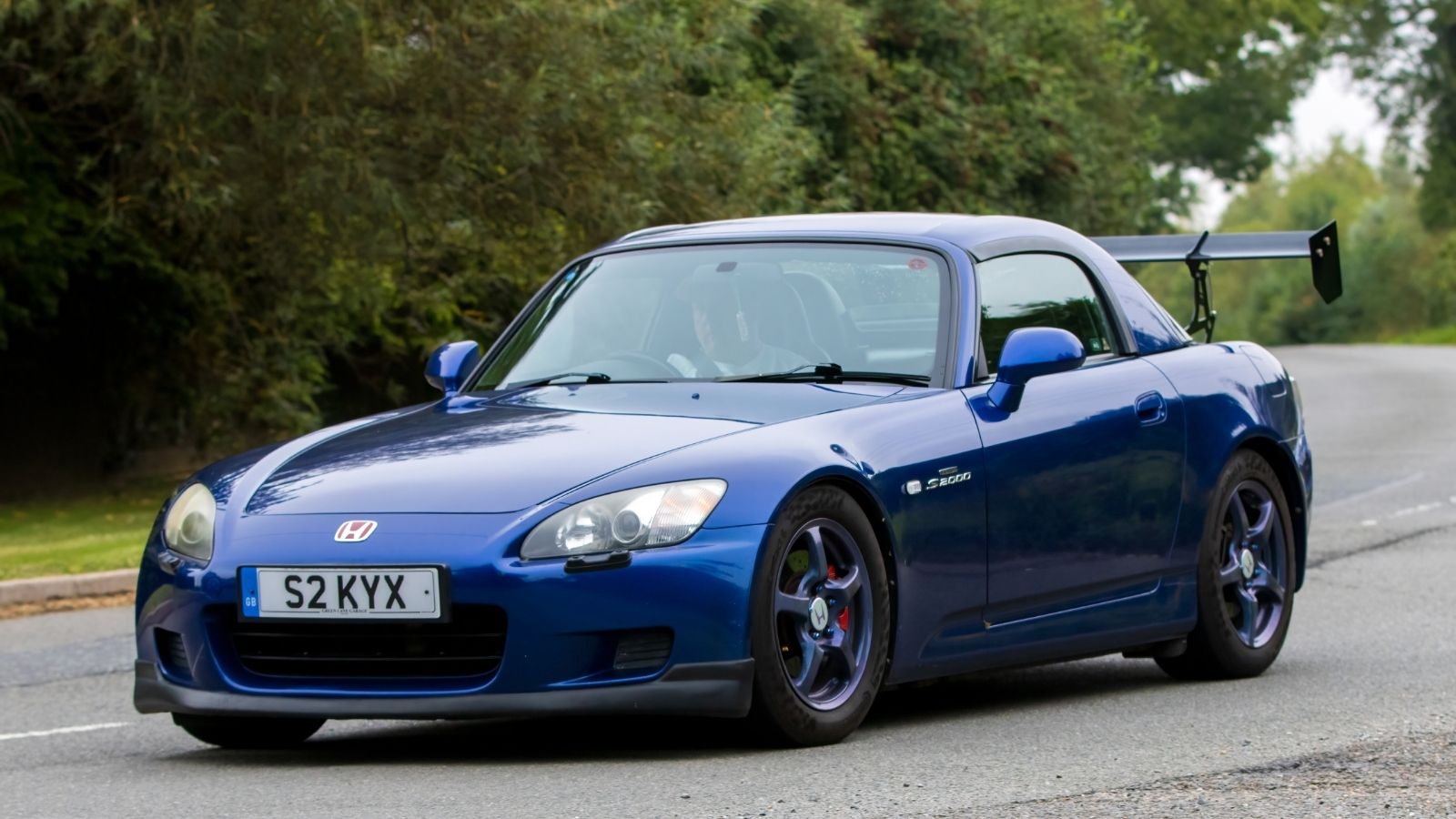
The S2000 CR is precision disguised as simplicity. The steering is crisp, the gearbox is perfection, and the chassis responds instantly to smooth driver inputs. Every ounce of the car was tuned to sharpen the already legendary S2000 platform for the track. Many people think more power or stiffer suspension would make it better, but those changes only remove the predictability and balance that make the CR special. Honda built this version to show what ultimate factory performance should feel like. No aftermarket part knows this car better than the engineers who poured their energy into it.
Toyota 2000GT
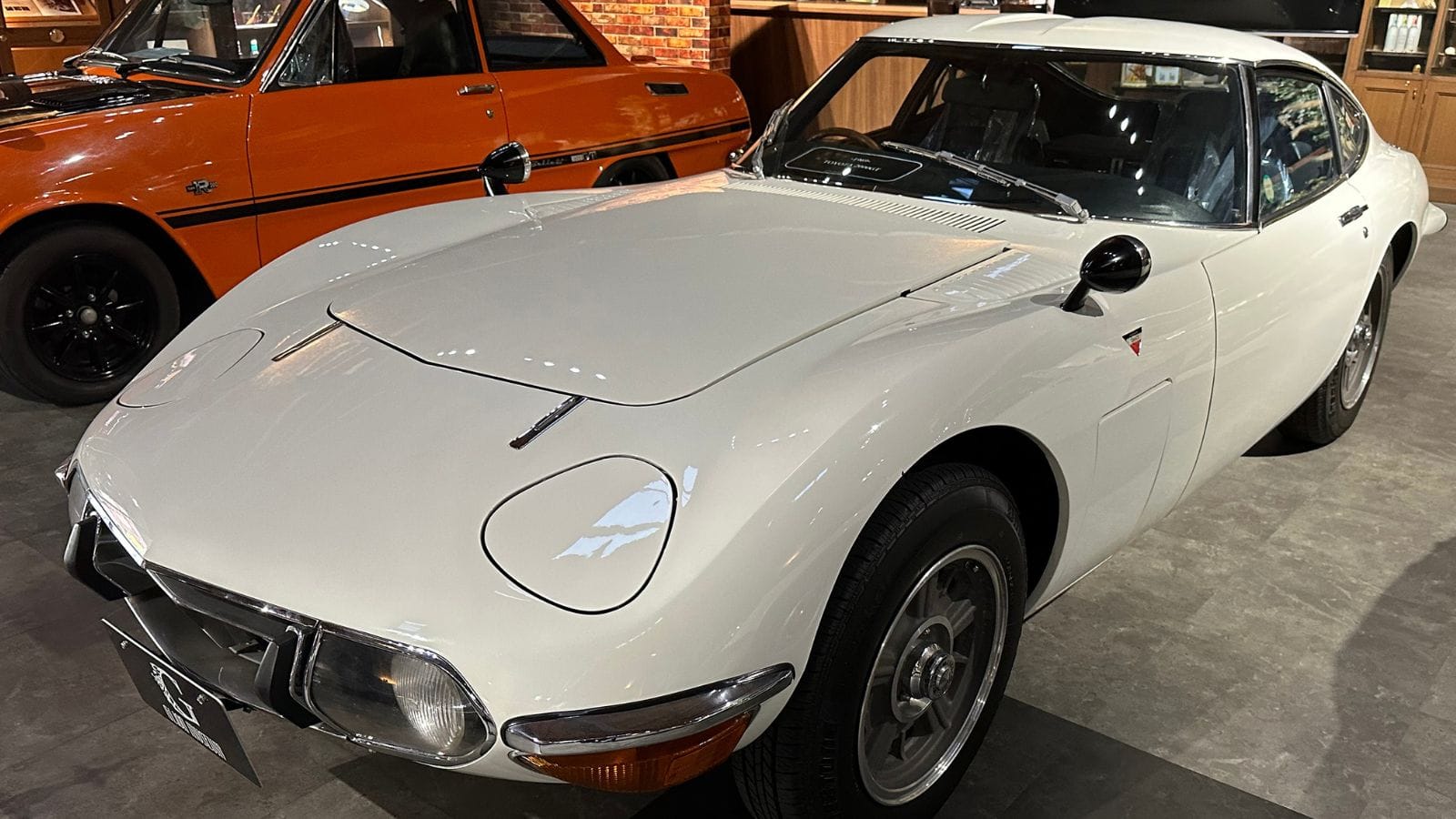
The 2000GT is one of the most historical cars ever to come from Japan. It was crafted rather than manufactured and built in such tiny numbers that each example carries museum level significance. The engine note, the mechanical steering feel, and the elegant proportions define an era when Japan wanted to prove it belonged on the world sports car stage. Any modification, even something as simple as wheels or ride height, erases that historical connection. This is not a platform for tuning. It is an artifact that showcases a defining moment of automotive confidence.
Ferrari F40
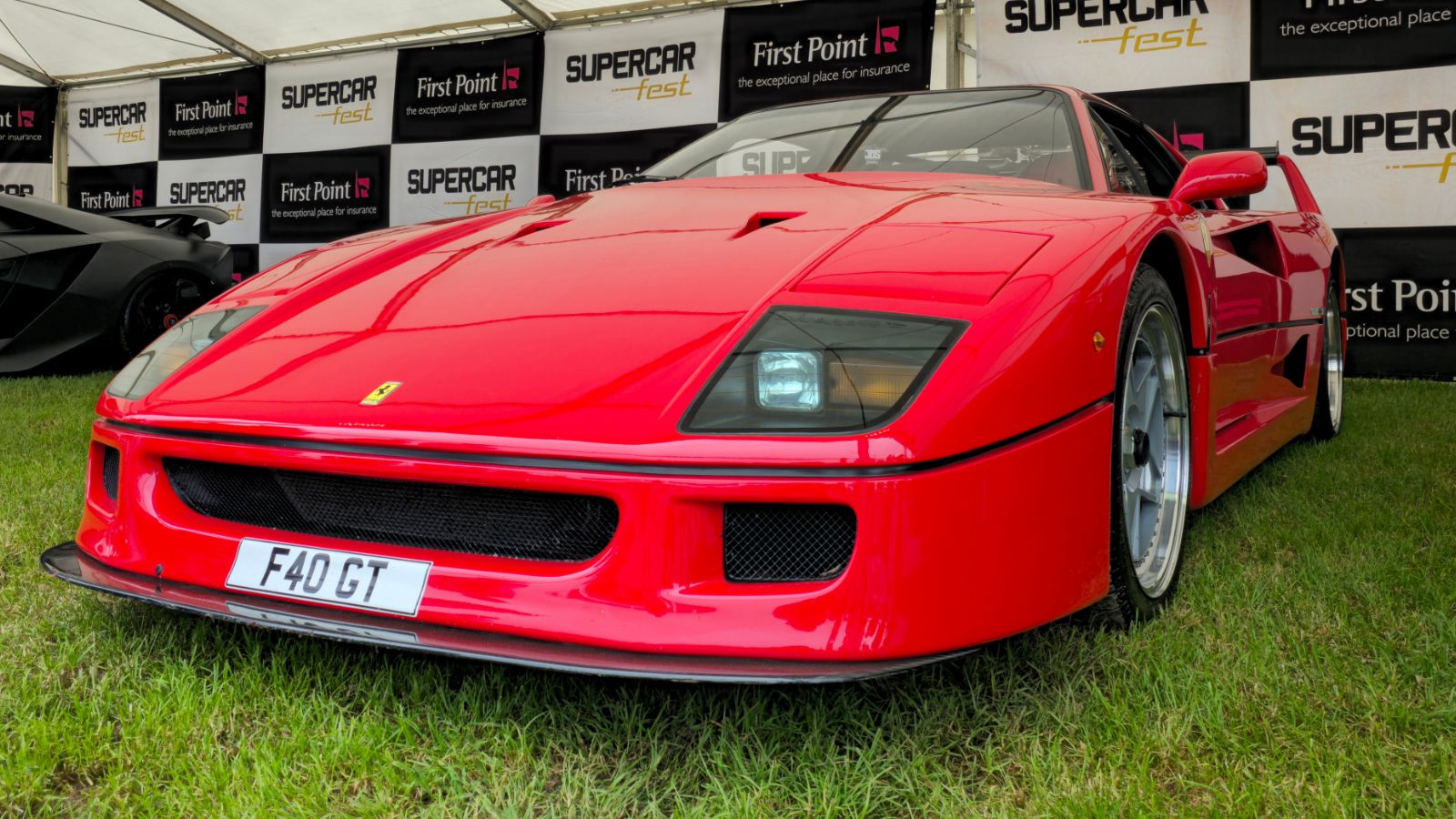
The F40 is pure fury on four wheels. The twin turbo V8, minimal interior, and raw chassis are designed to overwhelm the driver in the best possible way. It feels unfiltered, violent, and intimidating, and that is exactly what Ferrari intended. When people add comforts or modern electronics, they soften the impact that makes the F40 legendary. It was supposed to scare you a little and reward courage. Stock F40s allow drivers to experience a type of performance that no modern car will ever attempt again.
Mitsubishi Lancer Evolution VI Tommi Makinen Edition
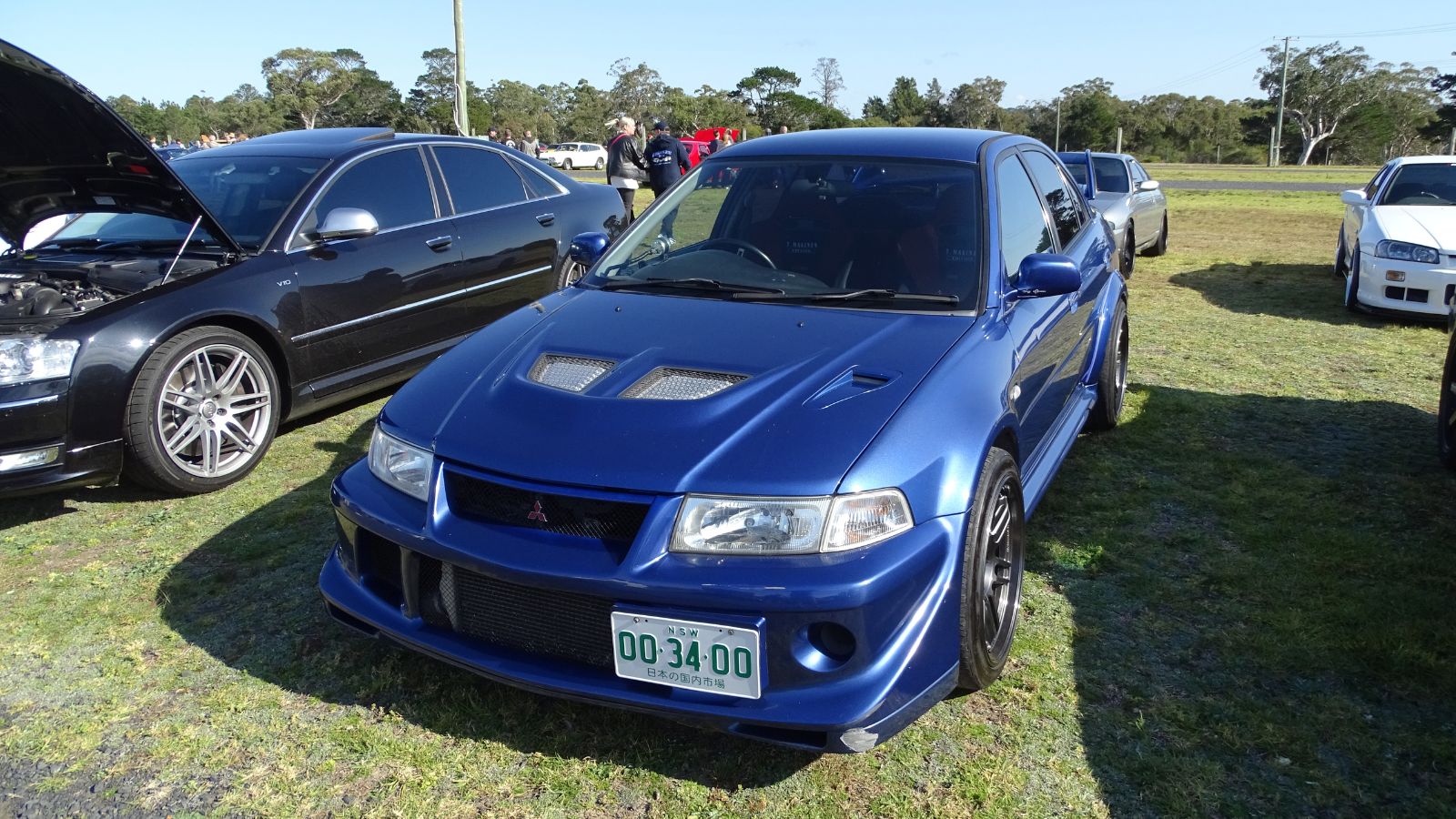
The Tommi Makinen Edition did not exist to be modified. It existed because Mitsubishi wanted to celebrate a racing dynasty with a street car that captured the feel of a World Rally Championship machine. Turbo response, suspension tuning, and steering calibration were fine tuned with a level of attention that tuners rarely match. Plenty of Evo models invite upgrades, but the TME deserves preservation. When untouched versions roll across auctions, everyone knows they represent the pinnacle of Mitsubishi’s performance era.
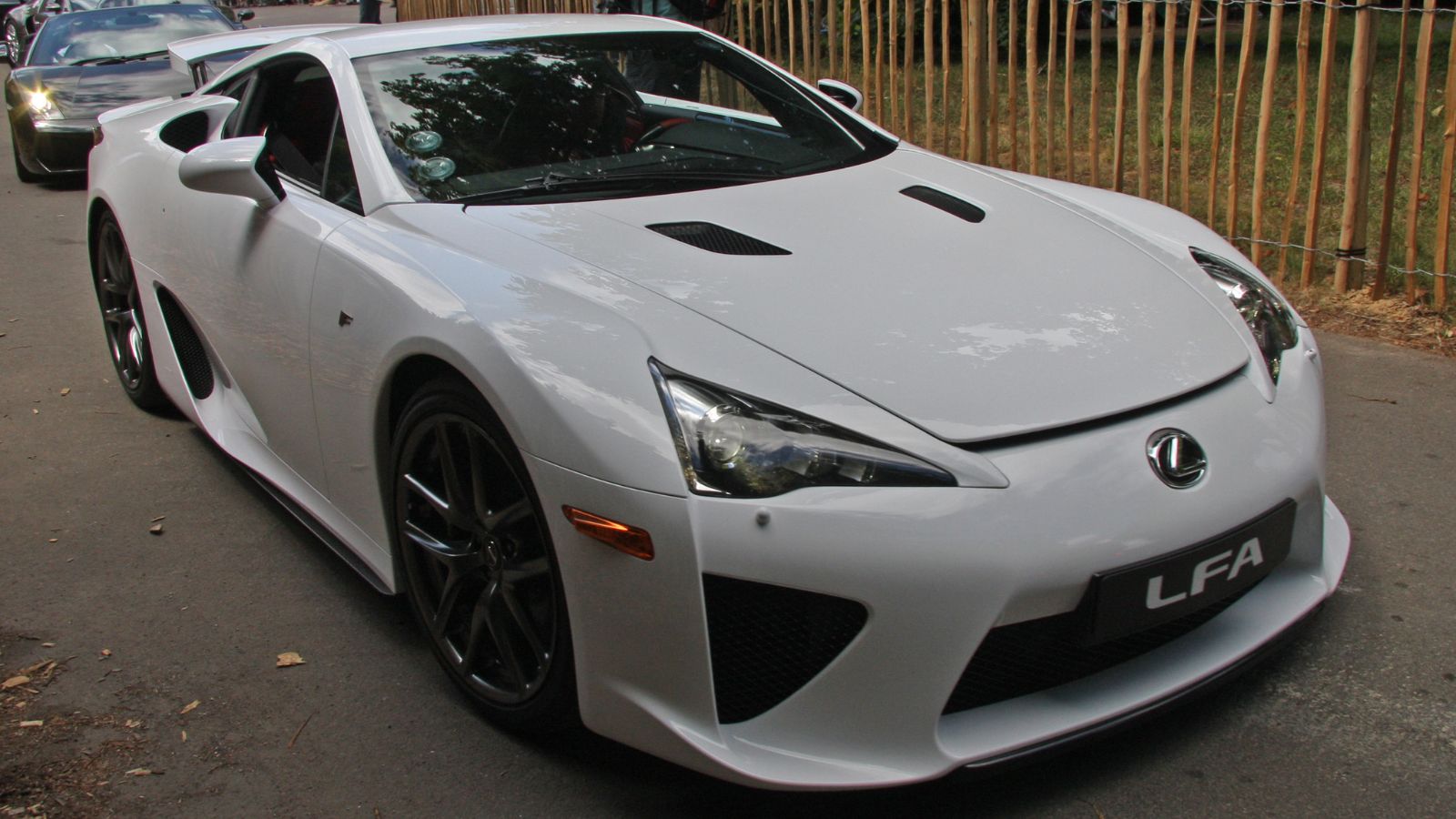
Lexus LFA
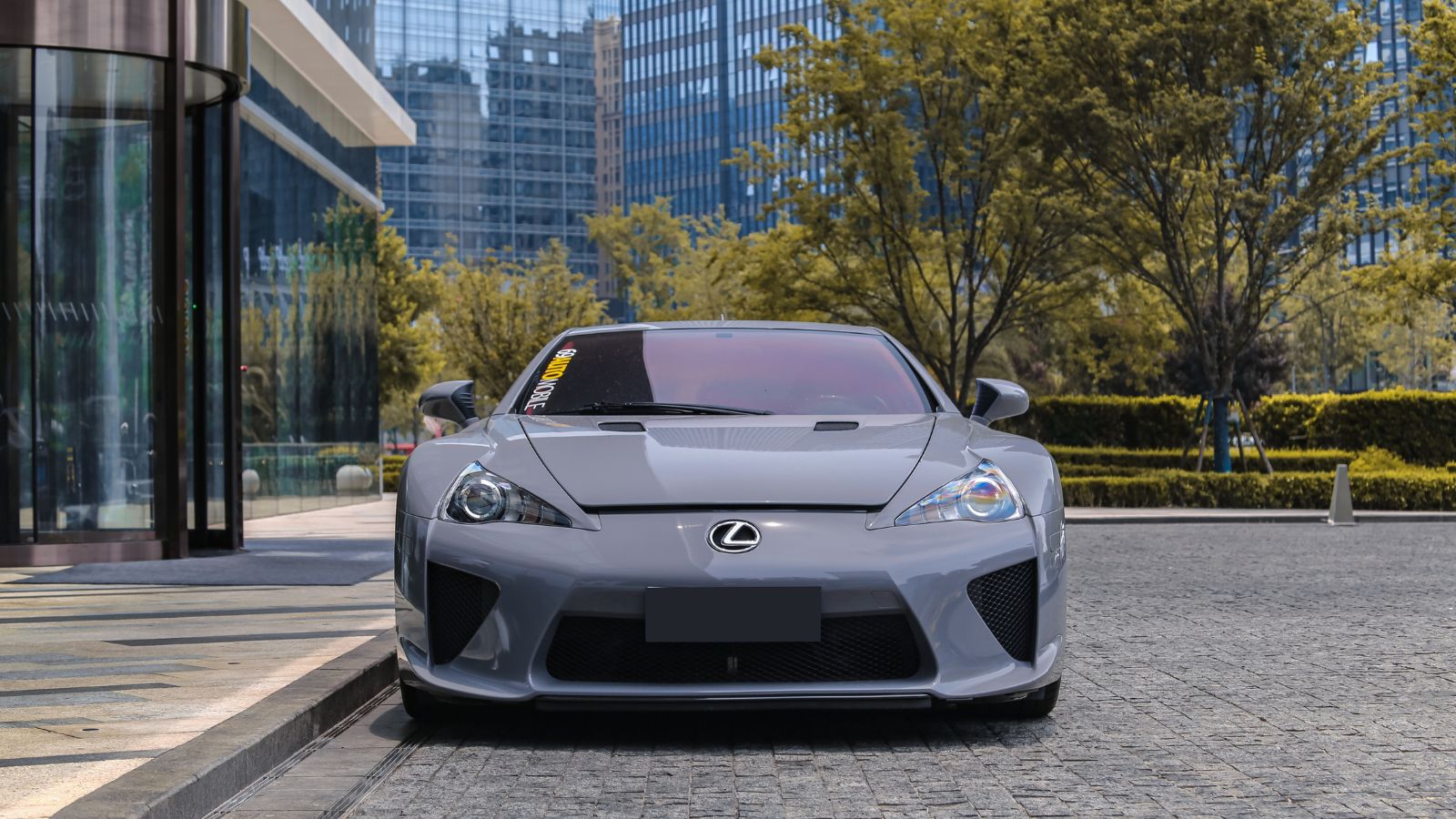
The LFA is one of the most obsessively engineered cars ever built. The V10 creates a soundtrack that has been compared to an instrument rather than an engine. The gearbox tuning, carbon body structure, and chassis setup were designed to showcase precision rather than brute force. Any modification replaces artistry with ego. The LFA is already an automotive symphony. Nothing the aftermarket offers can improve the experience that makes this car so emotionally powerful for those lucky enough to hear it at full song.
Ford GT40 Continuation Models
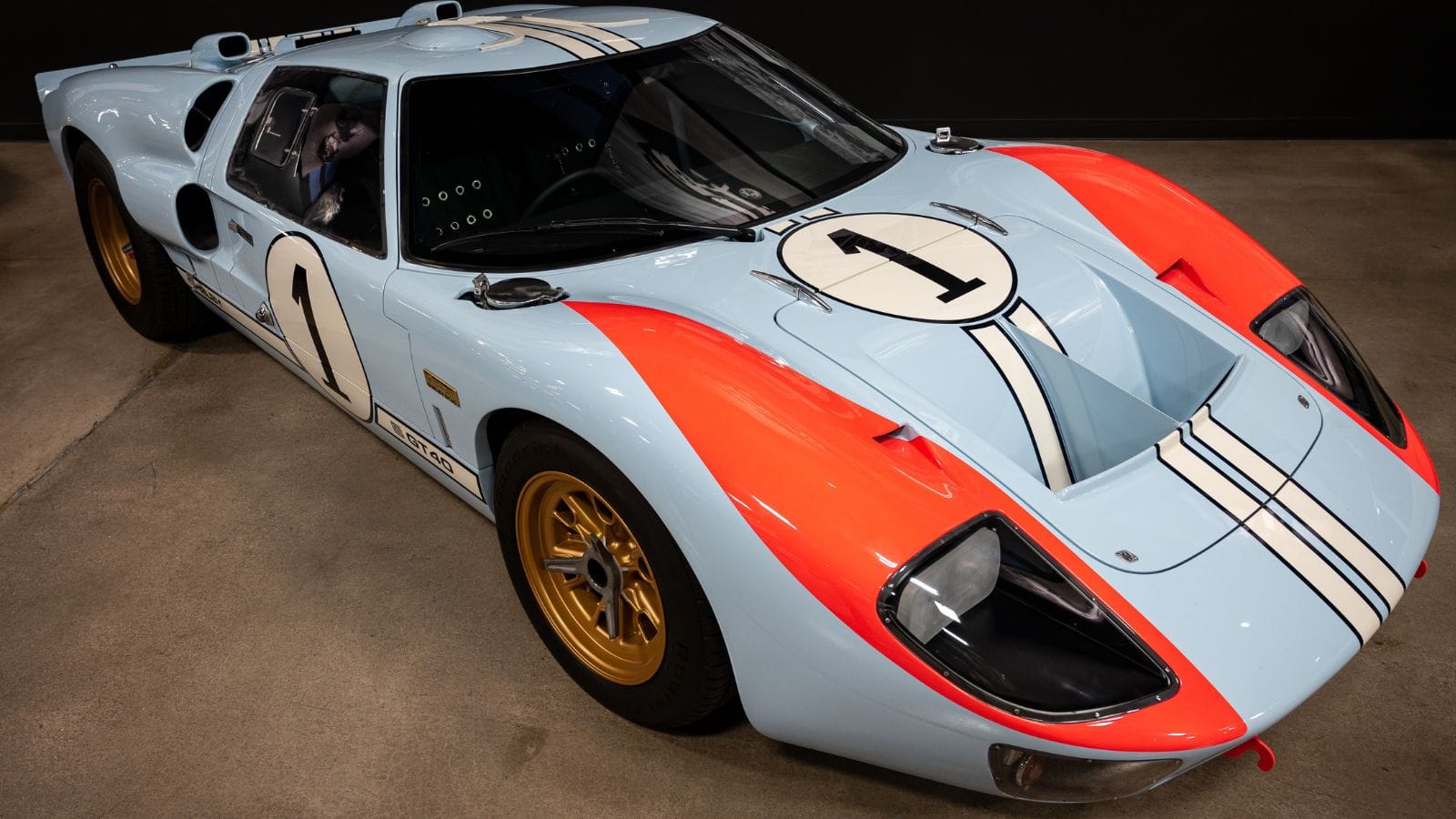
The continuation cars are not replicas pretending to be something they are not. They are official tributes built to preserve the soul of the car that defeated Ferrari at Le Mans. The cockpit, aerodynamics, and raw driving dynamics recall a time when racing was a battle of courage instead of technology. When owners modify these cars, they disconnect them from the story that gives them meaning. They are rolling history lessons and every original detail matters.
Mazda RX7 Spirit R

The Spirit R is the final evolution of the FD and stands as Mazda’s ultimate rotary achievement. The suspension, power delivery, and incredible chassis balance make the car feel like it rotates around the driver’s hips. Modified RX7s can be fun, but they almost always lose the delicacy and elegance that define the Spirit R. Mazda perfected its vision for the platform with this final variant. Keeping it stock honors the engineering and protects one of the rarest and most beautiful Japanese performance cars ever built.
No Modification Required
Most cars benefit from personality and modification. It is part of what makes car culture great. But some machines achieve a level of heritage and engineering brilliance that demands restraint. These cars are worth appreciating instead of altering because they already represent the peak of what their designers were trying to achieve. Stock is not boring when the factory already built perfection.
Owning one of these machines means protecting a piece of automotive history. Every untouched example ensures that future generations can feel exactly what their engineers intended. That kind of preservation is not limiting. It is passion in its purest form.
25 Facts About Car Loans That Most Drivers Don’t Realize

Car loans are one of the most common ways people fund car purchases. Like any other kind of loan, car loans can have certain features that can be regarded as an advantage or a disadvantage to the borrower. Understanding all essential facts about car loans and how they work to ensure that you get the best deal for your financial situation is essential. Here are 25 shocking facts about car loans that most drivers don’t realize:
25 Facts About Car Loans That Most Drivers Don’t Realize
