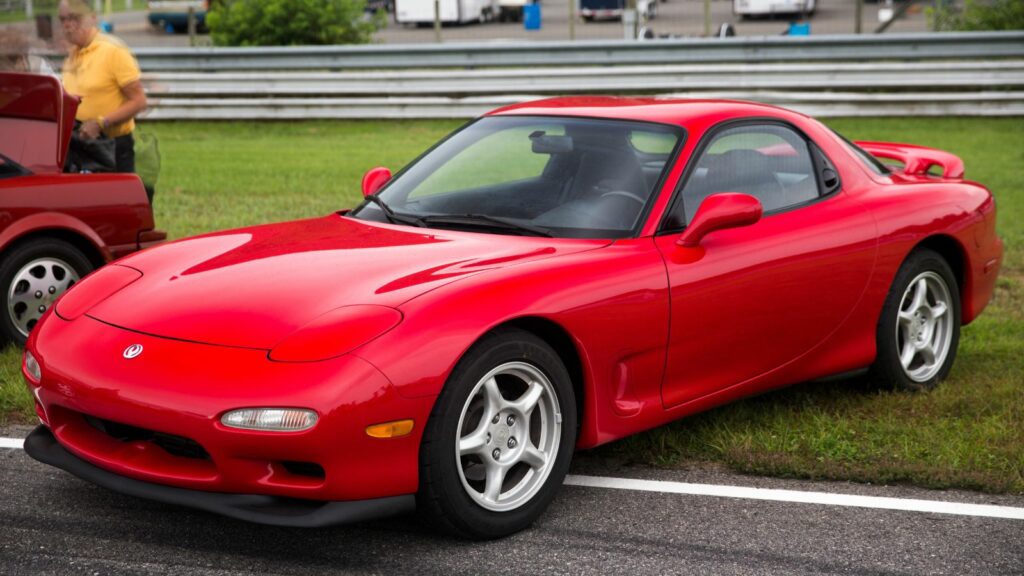
The 1990s and early 2000s were a golden era for Japanese performance cars. Manufacturers chased engineering excellence rather than profit margins, building machines that balanced power, reliability, and driver involvement. These cars shaped an entire generation of enthusiasts and left a lasting mark on global car culture. Even today, their influence is impossible to ignore.
Toyota Supra MK4 1993 to 2002
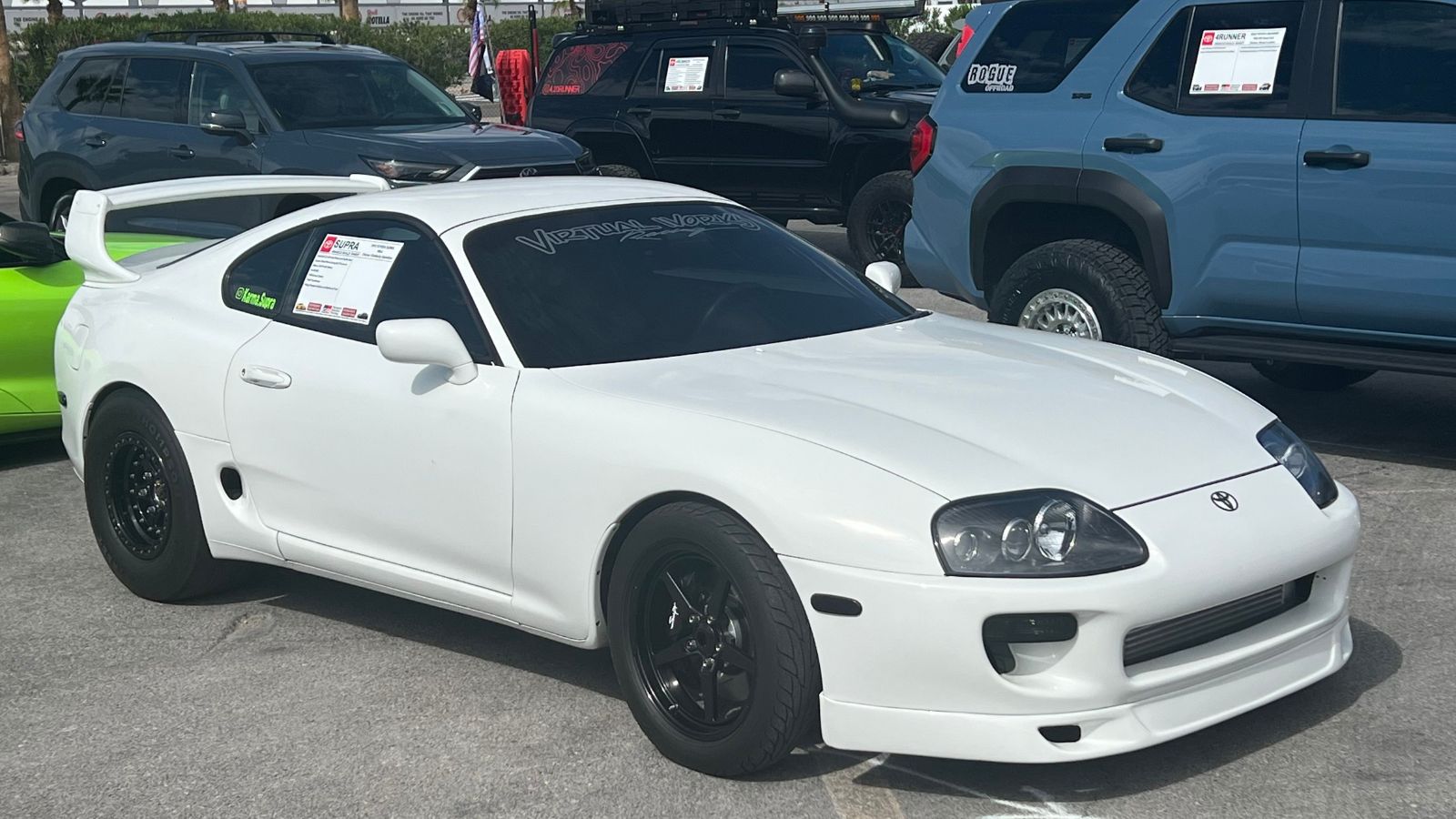
The MK4 Supra became legendary for one reason above all else: the 2JZ engine. Built like a race motor from the factory, it handled massive power with minimal modification. The car combined straight line speed with surprising refinement. At the time, many were dismissed as heavy or expensive. Today, they are icons of Japanese engineering and tuning potential.
Nissan Skyline GT R R32 1989 to 1994
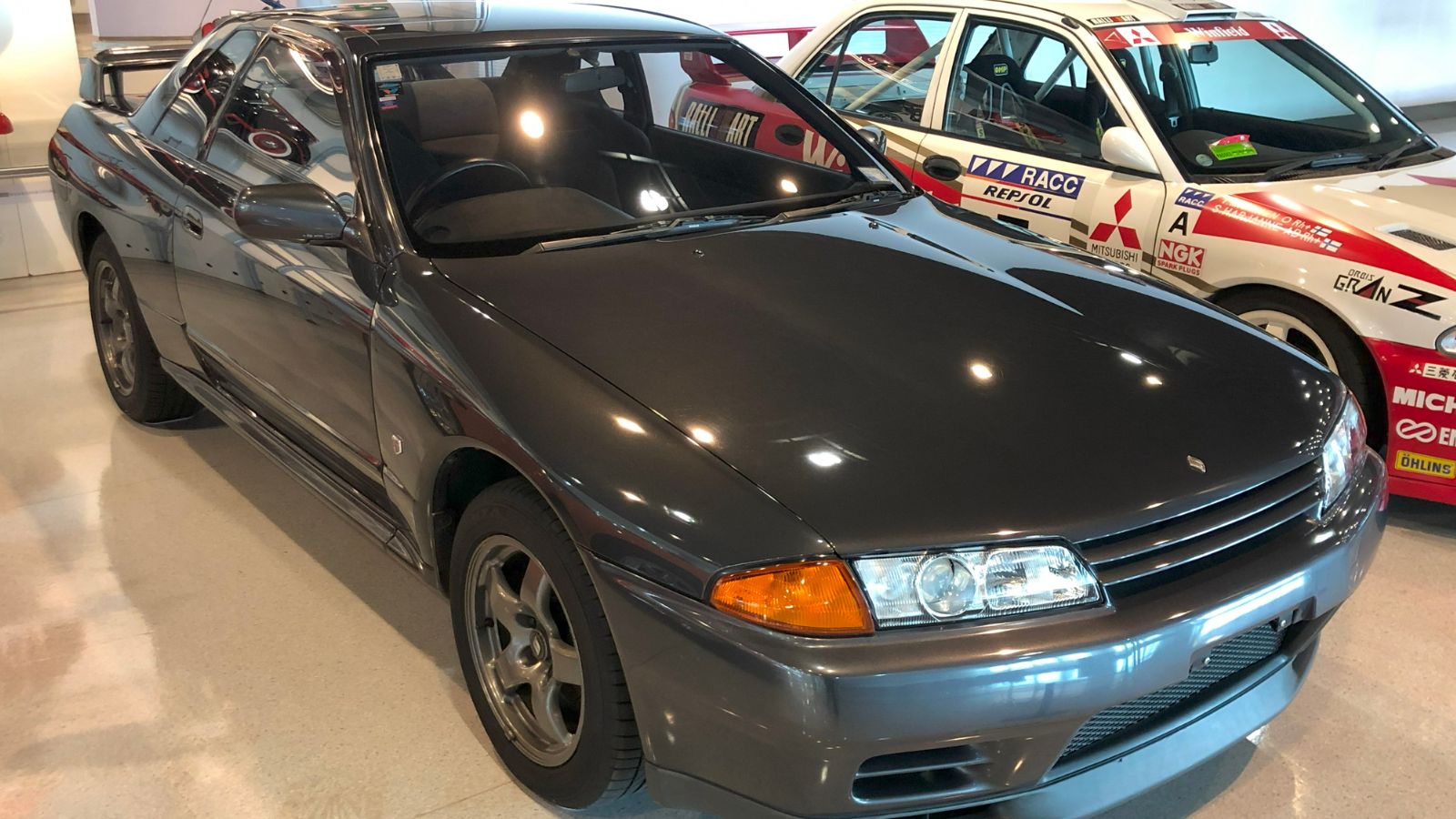
The R32 earned the nickname Godzilla by humiliating competitors on track. Its twin turbo RB26 engine, advanced all wheel drive system, and sophisticated electronics were years ahead of rivals. It dominated touring car racing and rewrote expectations for what a performance car could do. For many, this was the moment Japan announced itself as a global performance force.
Mazda RX 7 FD 1992 to 2002
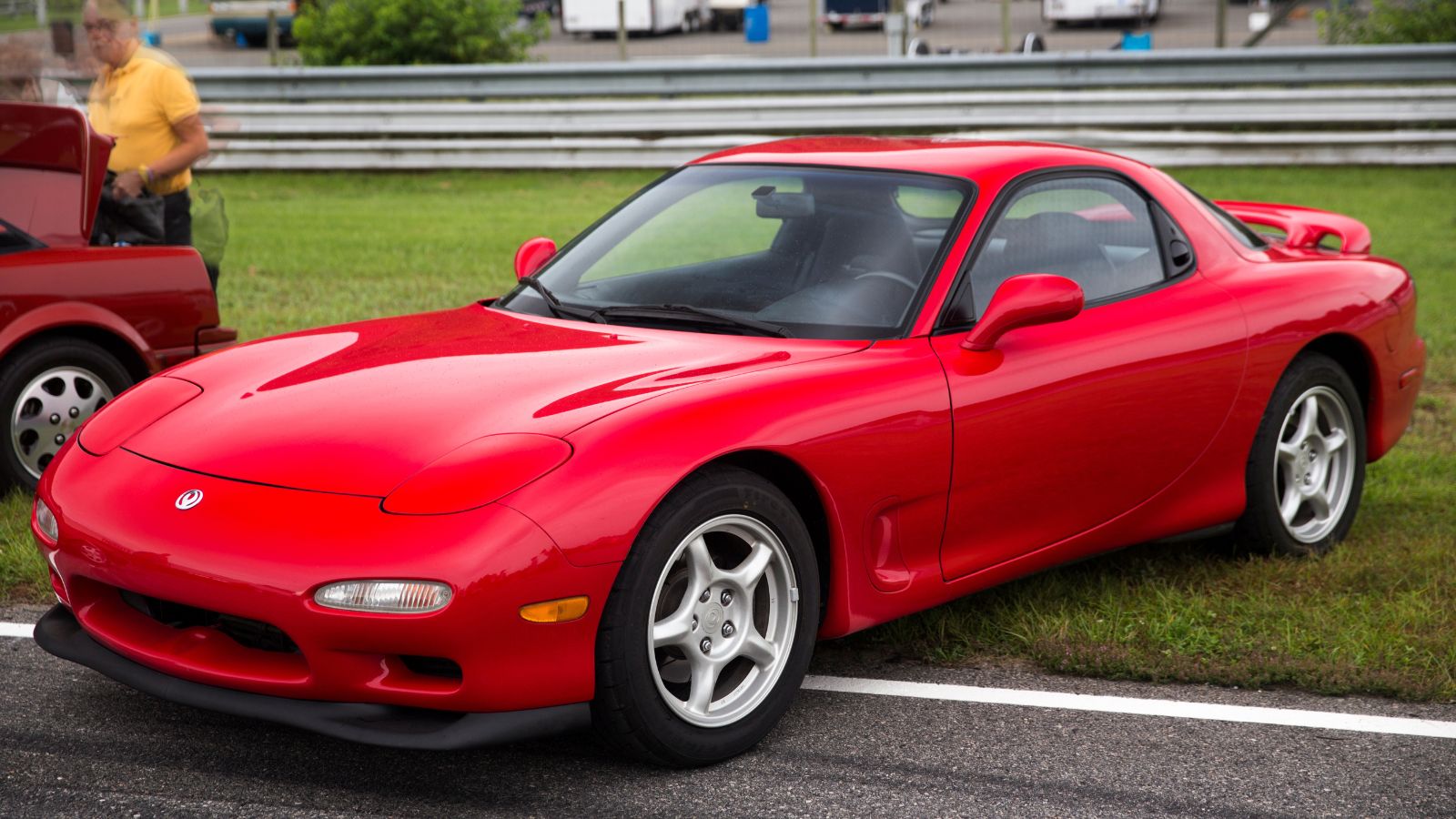
The FD RX 7 delivered beauty, balance, and a screaming rotary engine. Lightweight construction and perfect proportions made it one of the best handling cars of its era. The rotary required care, but rewarded drivers with a unique power delivery unlike anything else. Its design has aged gracefully, and its reputation only grows stronger with time.
Honda NSX 1990 to 2005
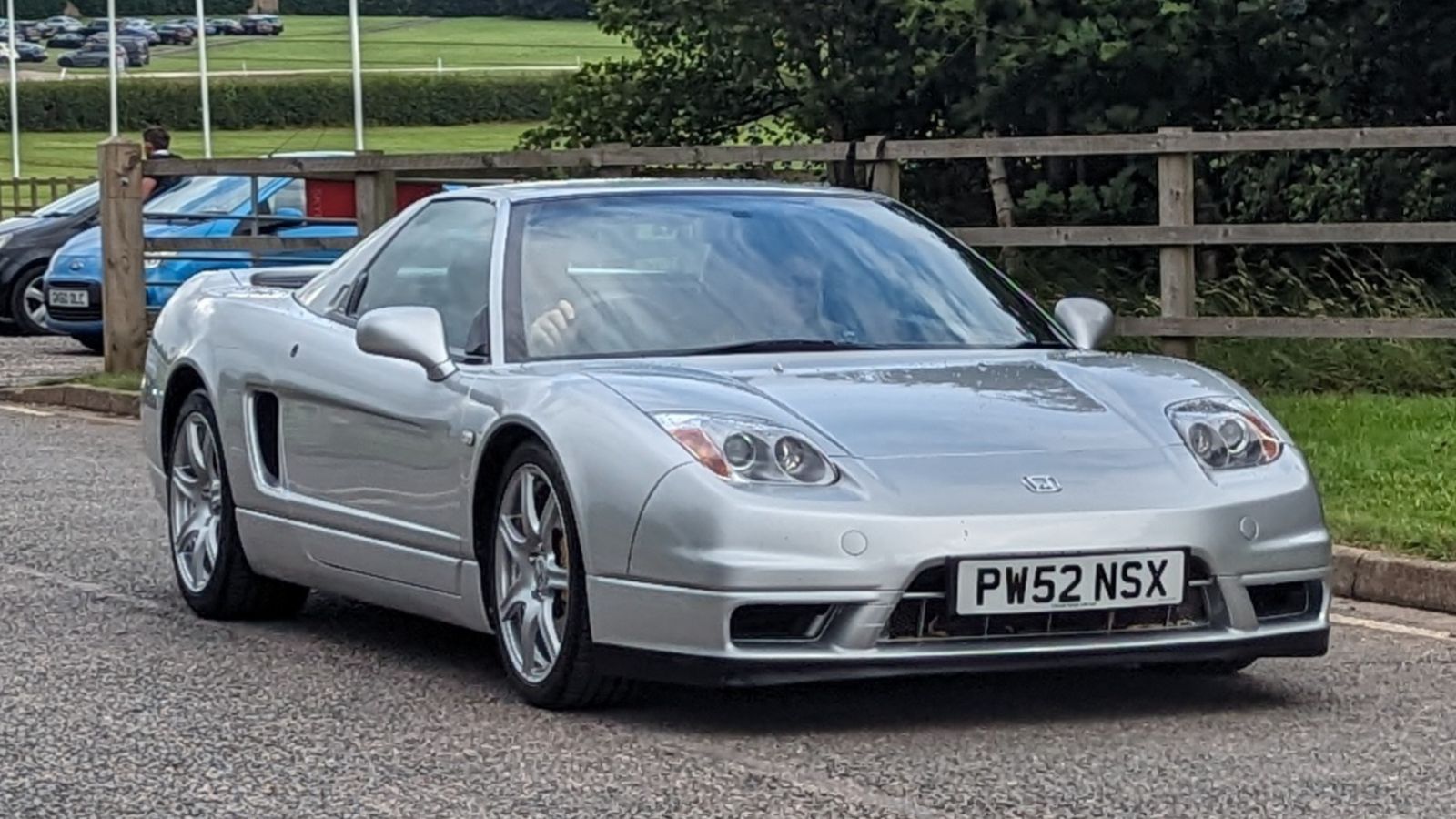
The NSX redefined the supercar formula. Developed with input from Ayrton Senna, it offered exotic performance with everyday reliability. The aluminum chassis was revolutionary, and the V6 engine loved to rev. It proved that supercars did not need to be fragile or intimidating. Many manufacturers quietly adjusted their standards after its release.
Mitsubishi Lancer Evolution VI 1999 to 2001
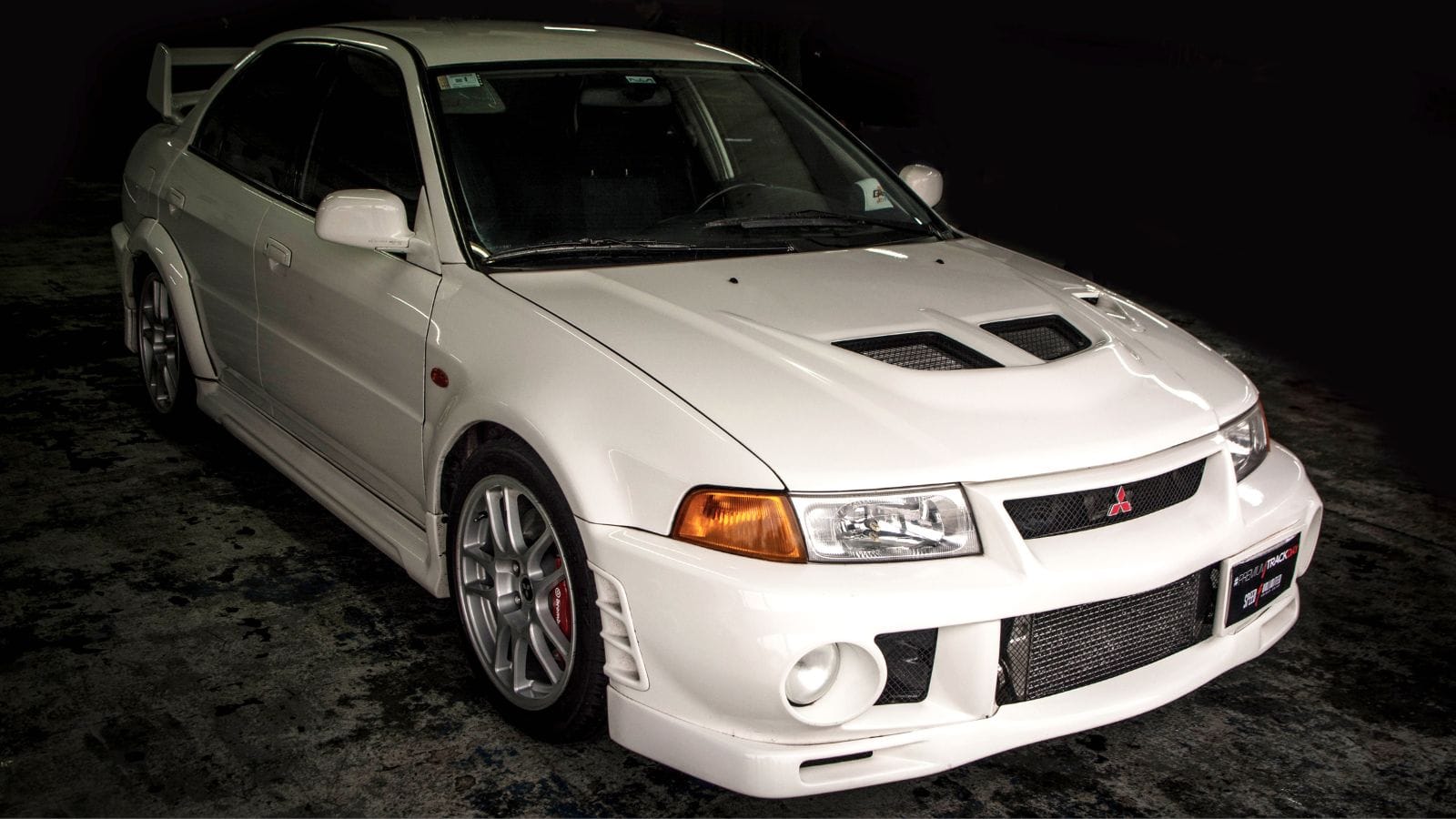
The Evo VI represented rally engineering brought straight to the street. Turbocharged power, razor sharp steering, and aggressive all wheel drive made it devastatingly quick on real roads. It felt raw, focused, and built for performance rather than comfort. The Evo became a benchmark for driver involvement and traction.
Nissan Silvia S15 1999 to 2002
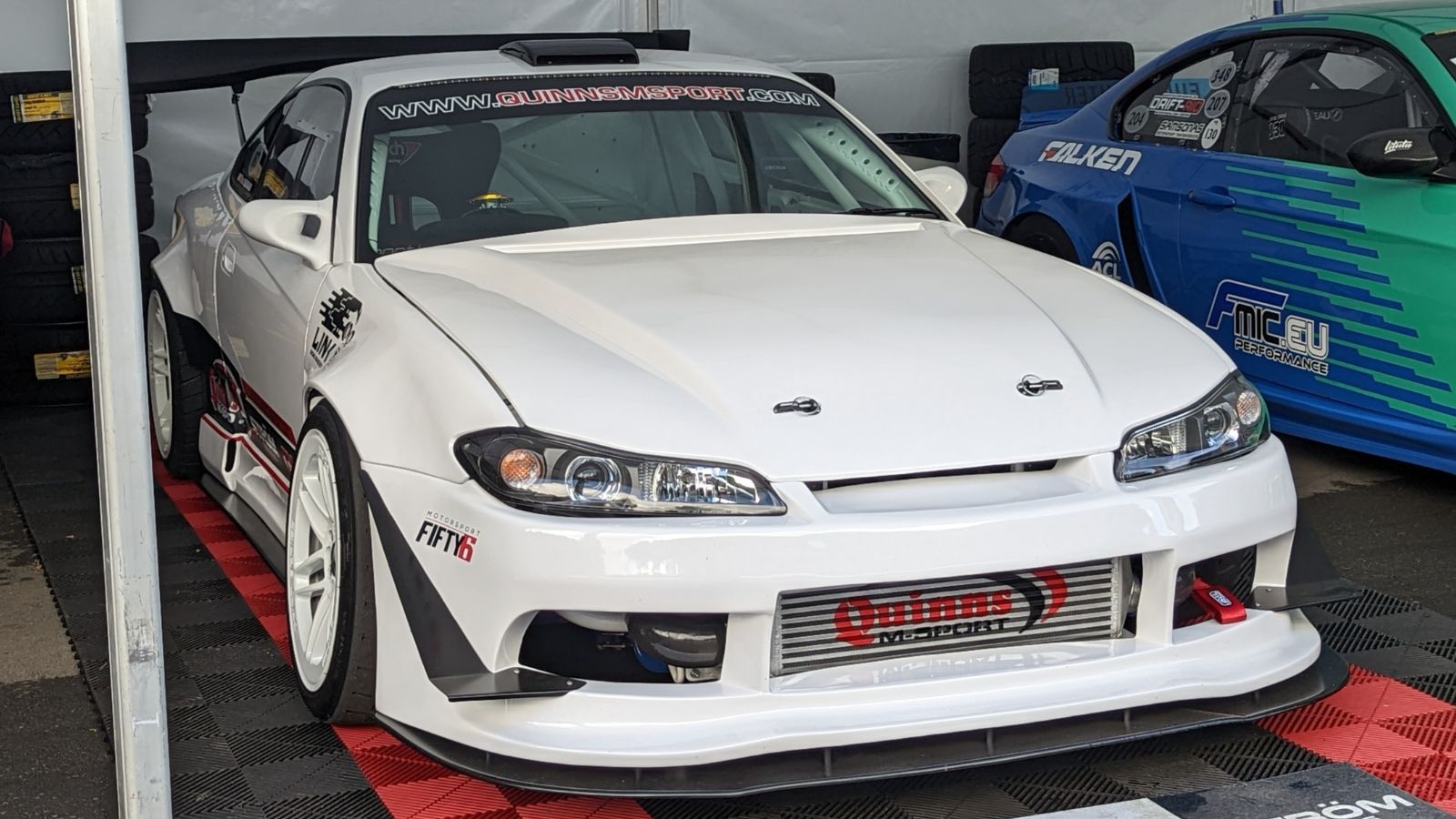
The S15 perfected the rear wheel drive turbo coupe formula. Light, balanced, and responsive, it became the ultimate driver’s car for drifting and track work. The SR20DET engine responded well to tuning, making it a favorite among enthusiasts worldwide. Its clean styling and pure driving feel made it a lasting icon.
Toyota Celica GT Four 1994 to 1999
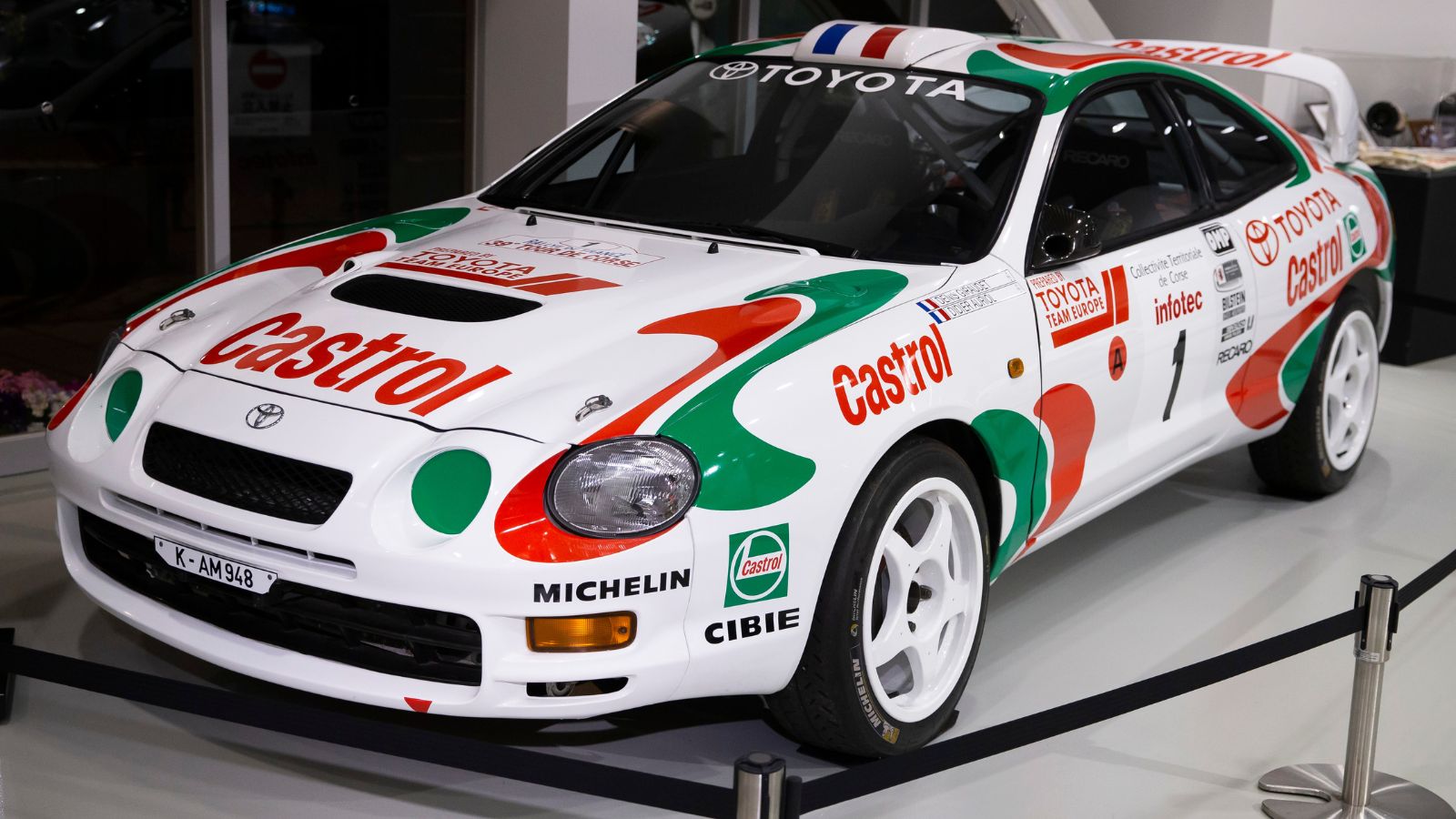
Built for rally homologation, the GT Four combined turbo power with all wheel drive traction. It excelled in poor conditions and aggressive driving. While often overlooked today, it represented Toyota at its most focused and competitive. Its durability and performance earned it a loyal following among enthusiasts who appreciate function over flash.
Subaru Impreza WRX STI 1998 to 2007
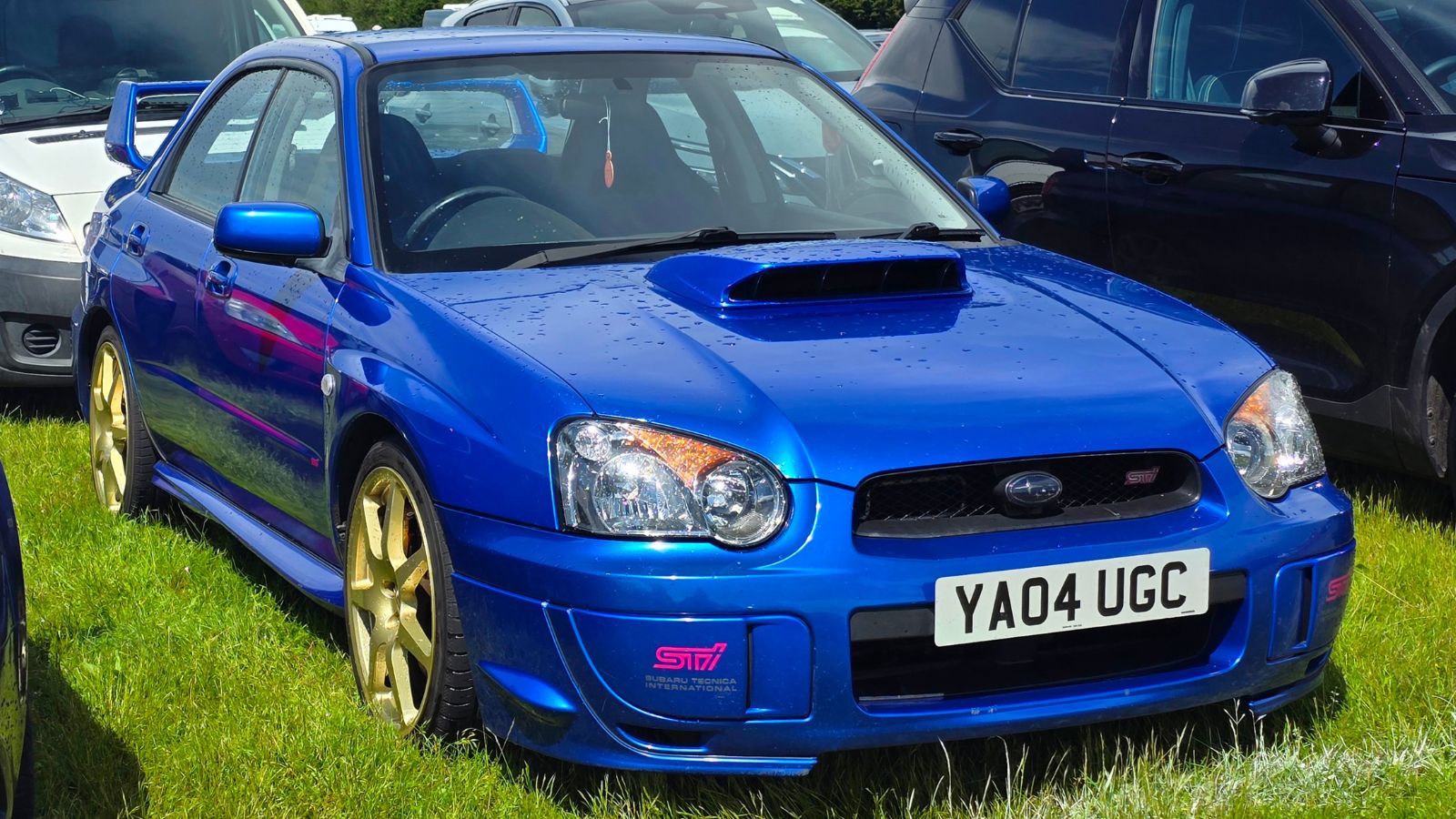
The STI brought rally performance to public roads. Strong turbo power, mechanical grip, and unmistakable styling made it a standout. It thrived in bad weather and punished careless driving with honesty. The STI became a symbol of affordable performance and remains one of the most influential Japanese sports cars ever built.
Honda S2000 1999 to 2009
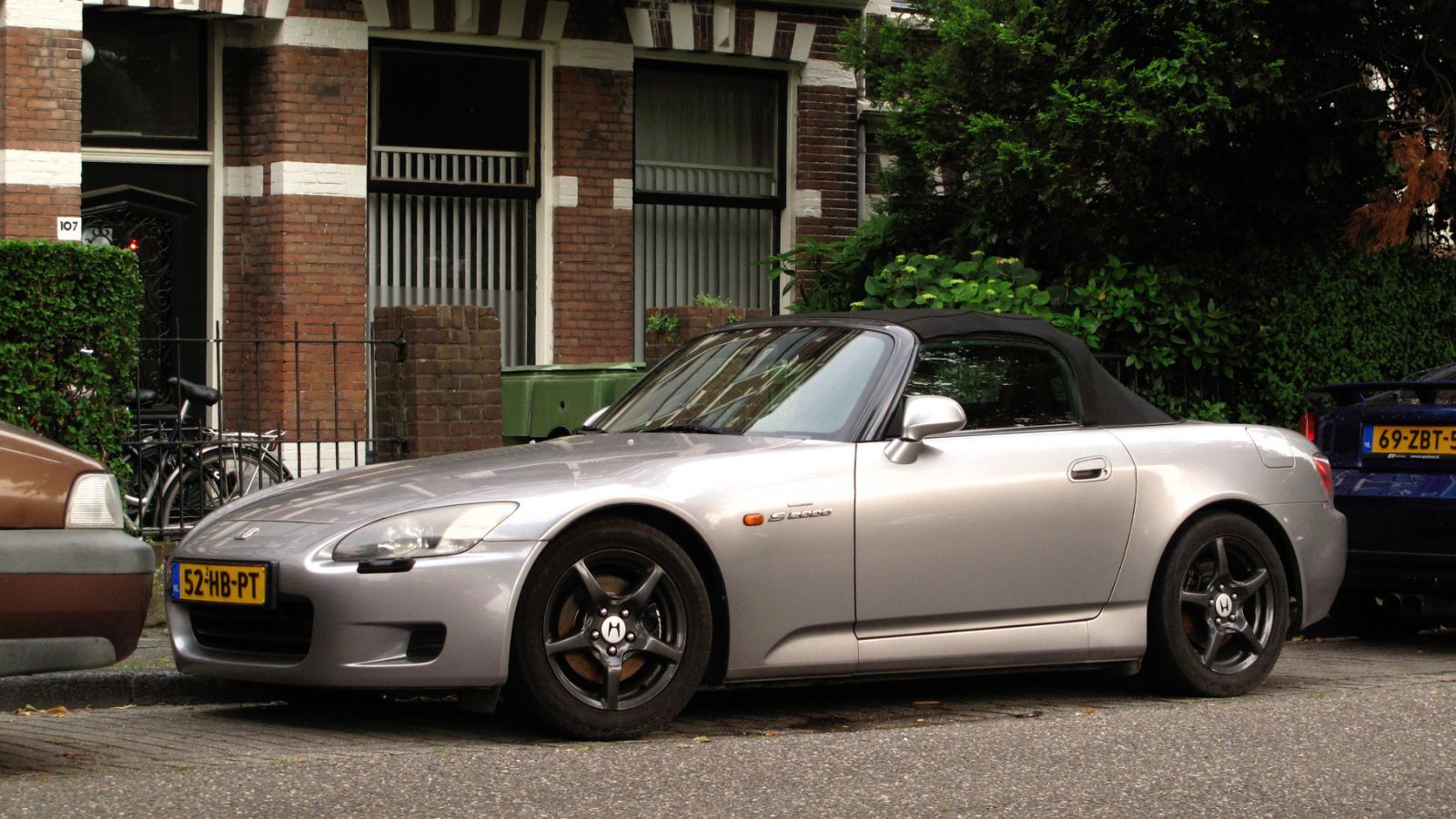
The S2000 proved that naturally aspirated engines could still thrill. Its 9000 rpm redline and razor sharp handling made every drive feel special. Honda engineered it with race level precision, and it showed. Few cars offer such purity of feedback and balance. Even today, it stands as one of the best driver cars ever made.
Toyota MR2 SW20 1990 to 1999
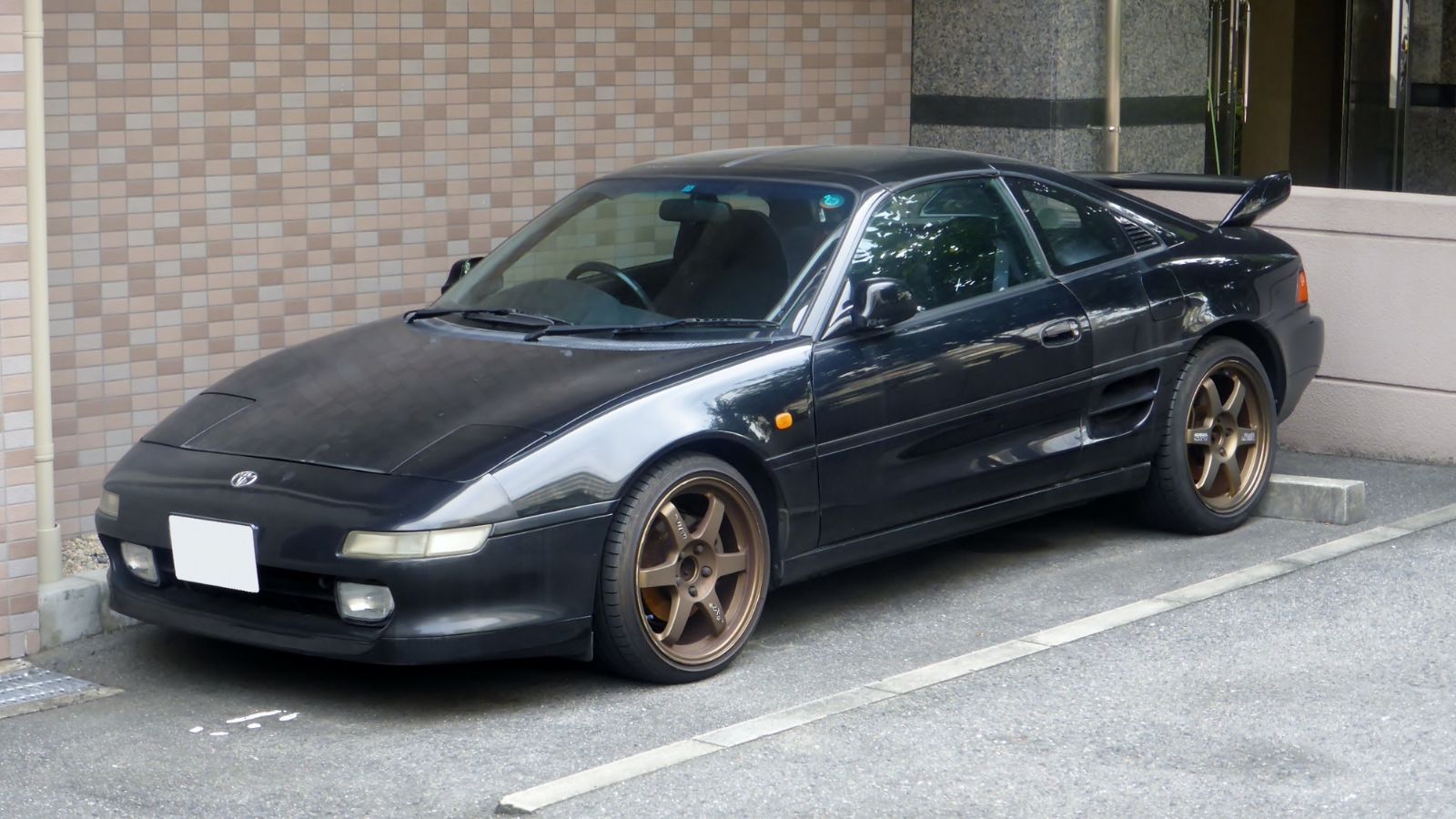
The second generation MR2 delivered mid engine balance at an affordable price. Light, agile, and engaging, it offered supercar layout without supercar cost. Early reputation for snap oversteer scared some drivers, but skilled owners discovered a rewarding and communicative chassis. It remains one of the purest sports cars Japan ever produced.
25 Facts About Car Loans That Most Drivers Don’t Realize

Car loans are one of the most common ways people fund car purchases. Like any other kind of loan, car loans can have certain features that can be regarded as an advantage or a disadvantage to the borrower. Understanding all essential facts about car loans and how they work to ensure that you get the best deal for your financial situation is essential. Here are 25 shocking facts about car loans that most drivers don’t realize:
25 Facts About Car Loans That Most Drivers Don’t Realize
