
Touring across Canada in an RV sounds like the perfect fantasy. Wake up by the ocean in the morning, fall asleep under mountains at night, no checkout times, no airports, no rushing. But once the wheels actually hit the highway, RV life reveals a different truth. A rolling home is not the same as a car, and many Canadians run into the same avoidable problems on long trips. The following mistakes are not signs of inexperience — they’re simply the lessons most RVers learn the hard way before learning to travel smarter.
Packing Like the RV Is a Moving Storage Unit
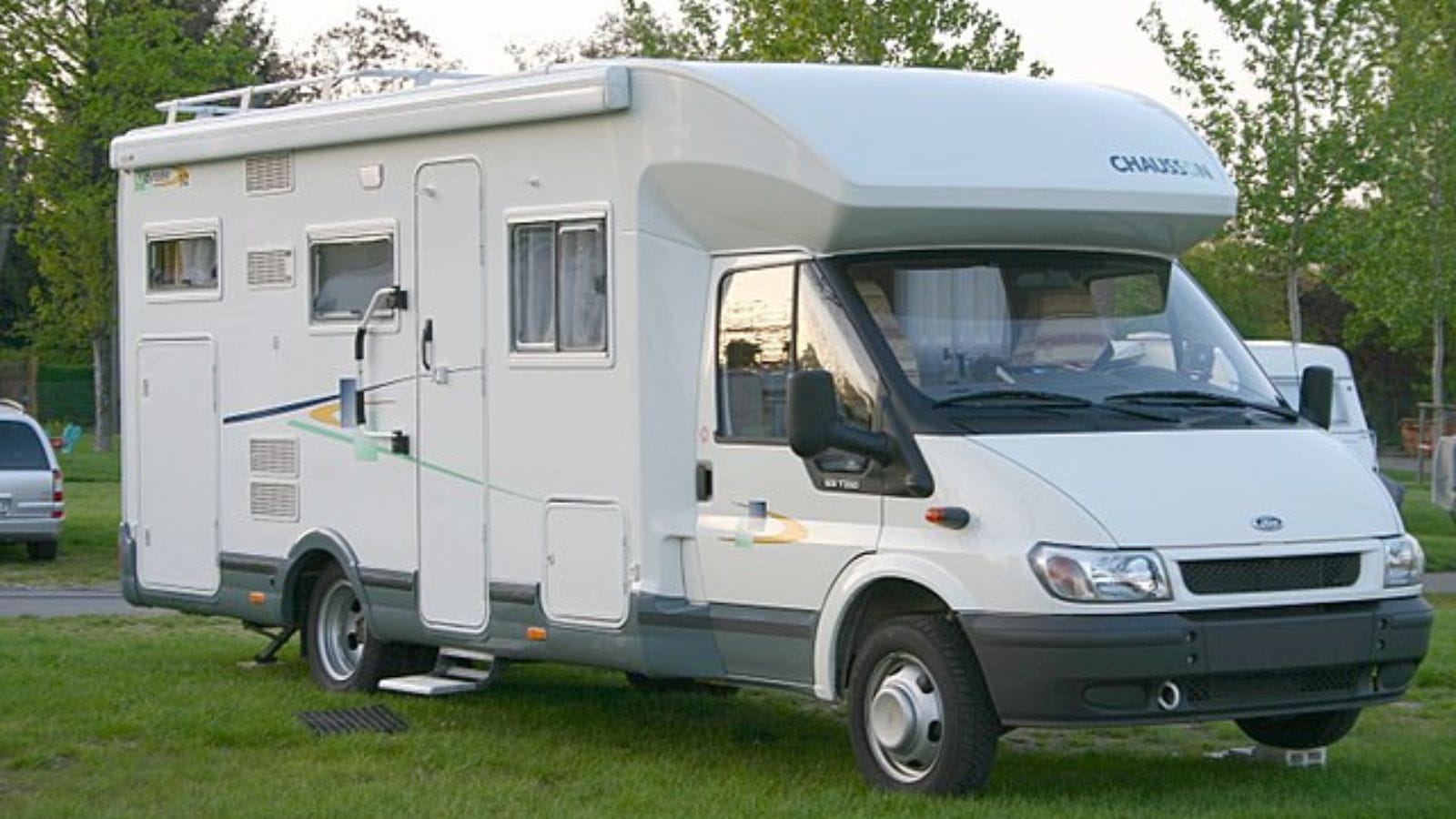
The first instinct is to load everything because the RV has space everywhere. Chairs, spare clothes for every season, backup kitchen tools, bulky groceries and “nice to have” supplies fill cabinets and storage bays fast. The problem is weight. A heavy RV handles like a tired elephant and needs a lot more road to stop. Overloading also punishes suspension, tires and brakes on long mountain grades. Experienced RVers pack light, wash clothes on the road and restock food along the way instead of turning the RV into a rolling bunker.
Ignoring the Weather Until It Becomes a Crisis
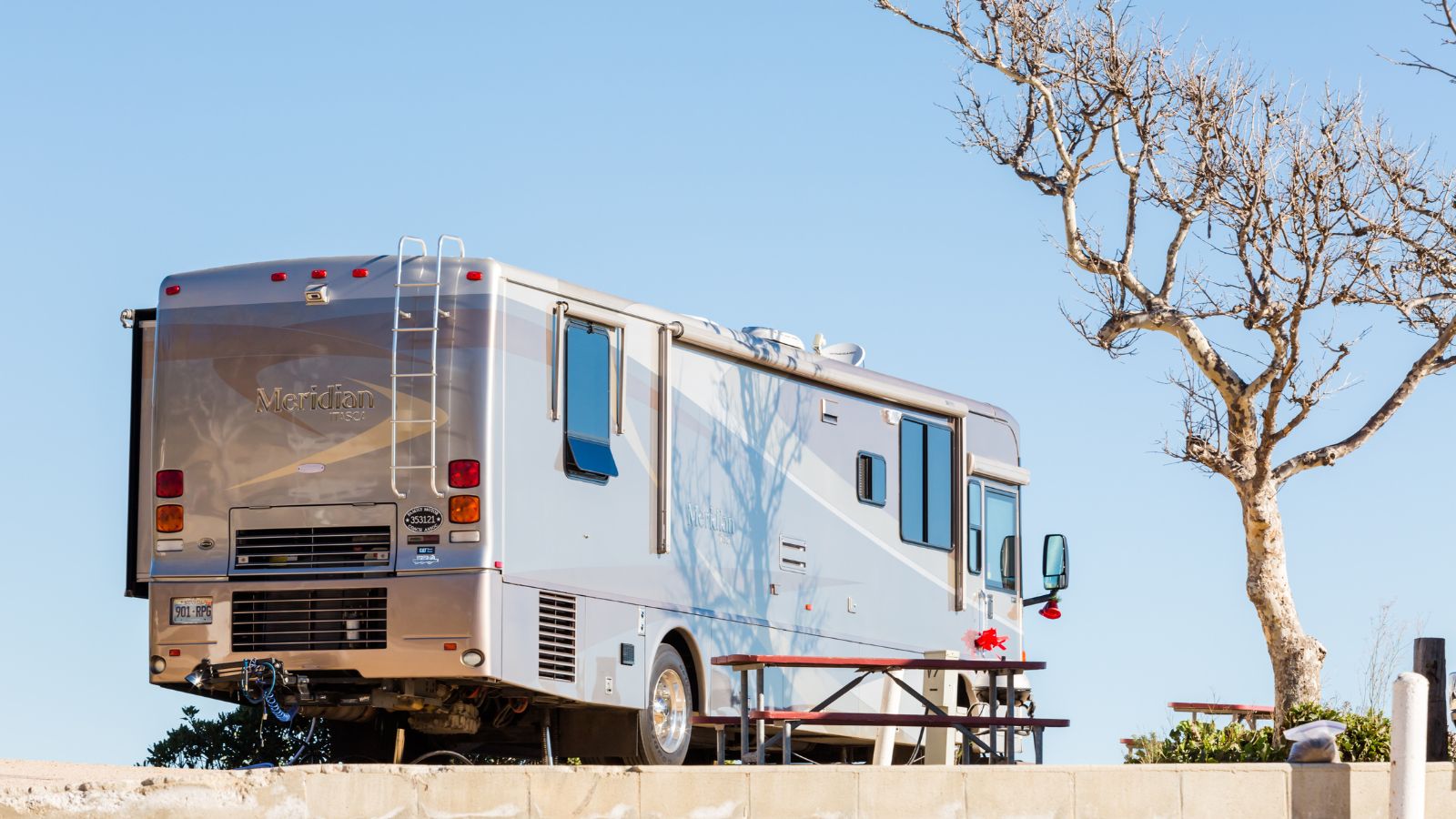
Weather changes faster in Canada than anywhere else. Many RVers leave one province under blue skies and arrive in another staring at sideways rain, sudden cold snaps or wind strong enough to yank awnings off their brackets. Crosswinds on the Prairies, fog on the coasts and late spring snow up north can turn a smooth drive into a white knuckle battle. Checking the weather hourly, not daily, keeps the trip calm and keeps frustration from turning into danger.
Trusting GPS Over Common Sense

GPS doesn’t understand RV realities. When a navigation system suggests a “shortcut,” it’s rarely a shortcut for a twenty seven foot trailer. Low bridges, narrow access roads, steep switchbacks and dead end parking lots can trap an RV with no room to pivot. The worst part is that turning around an RV is often harder than getting into the bad situation. Road atlas maps, campground directories and local signage are still the safest navigation tools for big rigs. Tech helps, but eyesight and judgment help more.
Assuming Every Campsite Has Hookups
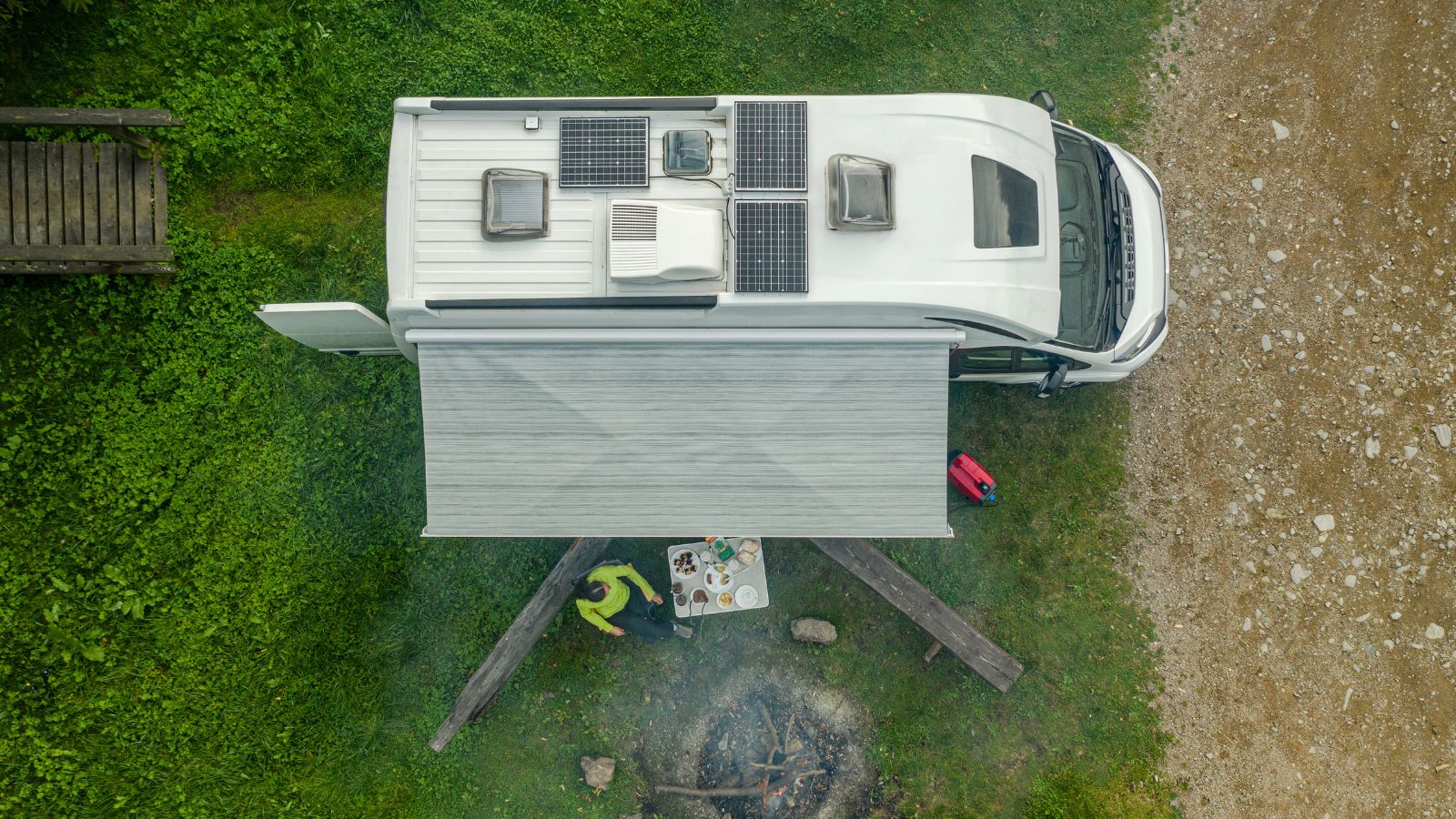
A lot of RV trips start with the assumption that full hookups are standard everywhere. They’re not. Many popular campgrounds offer power only, water only or nothing at all. That turns into a scramble when tanks are full, batteries are low or hot showers are suddenly impossible. Planning only for ideal campground service turns what should be a relaxing stop into hours of rationing and repair. RV pros check water fill points, dump stations and electrical hookups days ahead — not after they arrive tired and hungry.
Treating an RV Like a Car When Fuel Stops Come Up
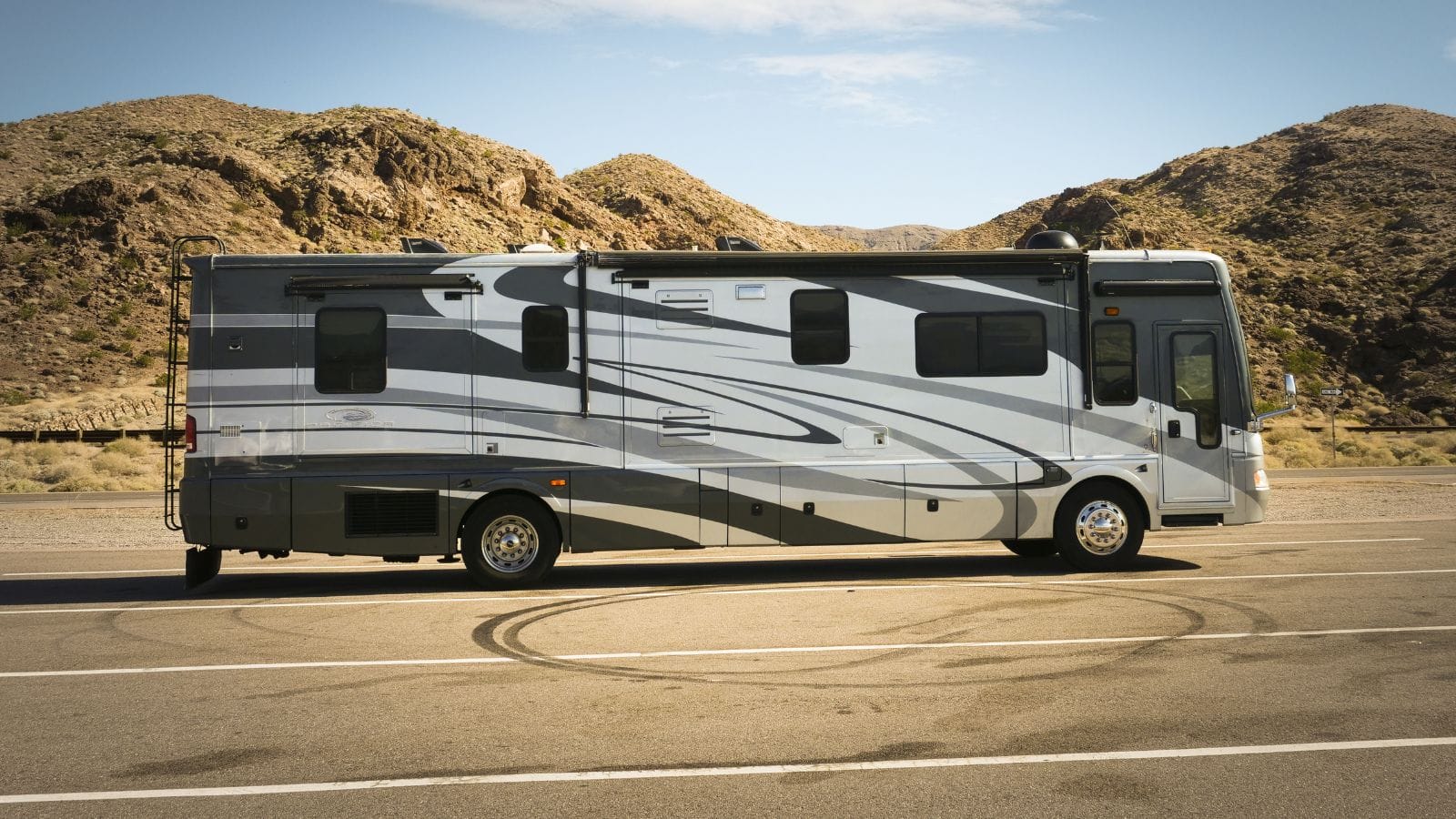
A car can run low on fuel without panic. An RV cannot. Many gas stations aren’t designed for long trailers or tall motorhomes, and the last thing a driver wants is to get boxed into a tight parking lot with a nearly empty tank. Waiting too long to refuel can put an RV in situations where the driver must turn around in a tiny forecourt or continue on dangerously low fuel to the next town. Half a tank is considered empty for RV travel, especially in northern and interior regions.
Forgetting to Level the RV Before Settling In

Skewed cabinets, crooked beds and sliding dishes are annoying — but a tilted RV can also damage appliances. Propane fridges rely on gravity and can permanently fail if operated sideways. Water tanks and pumps also strain when the vehicle isn’t level. New RVers often skip leveling when “it looks close enough,” but even a subtle lean can turn into a multi thousand dollar repair down the road. Five minutes with leveling blocks saves headaches all night and money long term.
Driving Too Long Without Breaks
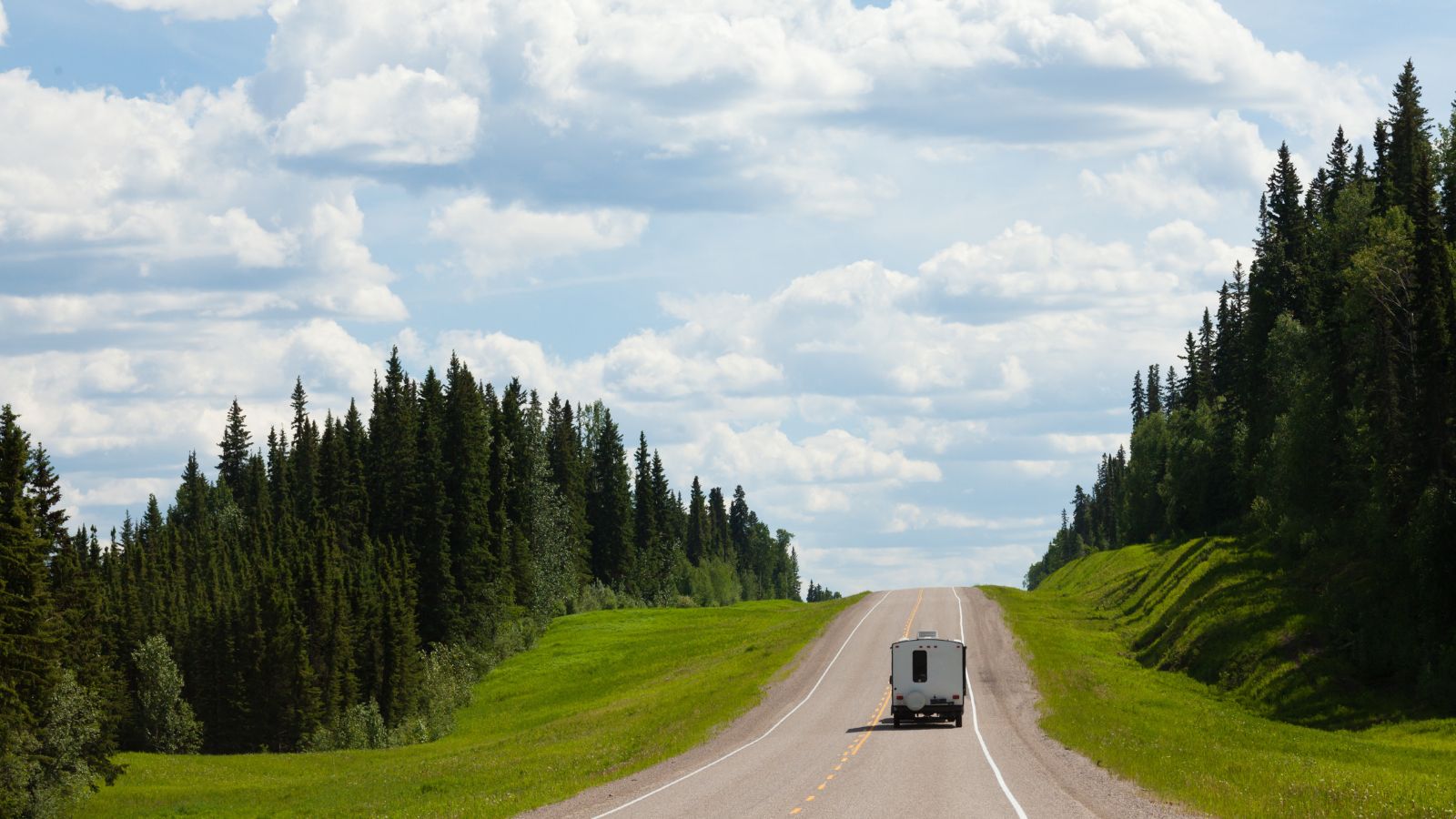
In a car, pushing through long distances is normal. In an RV, it’s exhausting. Bigger vehicles need more attention, more corrections and more distance judgment, especially in wind or traffic. Long driving days lead to slow mistakes — curb rash, backing errors, lane drifting and impatient decisions behind the wheel. That is why the happiest RV travelers brag less about how far they got and more about what they saw along the way. Road trips aren’t supposed to feel like marathons.
Assuming Boondocking Works Everywhere
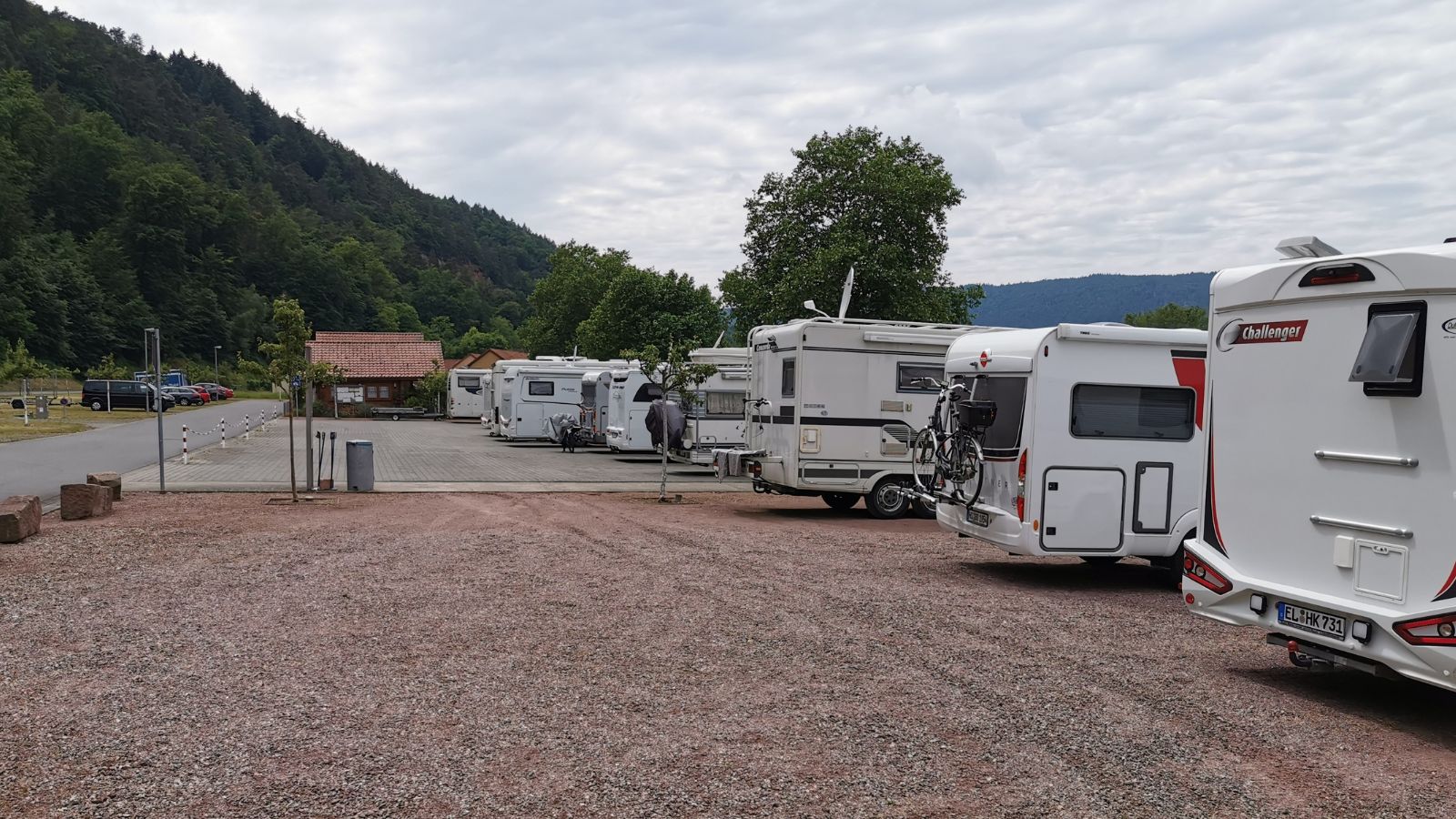
Boondocking grew massively in Canada over the past few years, and many drivers assume “free camping” is allowed anywhere that looks safe and scenic. It isn’t. Some Crown land areas and forest roads are great for RVs, but many towns and tourist destinations ban roadside overnight parking with fines and tow warnings. Parking “anywhere that looks good” can lead to late night knocks from bylaw officers, angry locals or even unsafe locations. Researching legal boondocking spots and known pullouts keeps the vibe adventurous instead of stressful.
Skipping Pre-Trip RV Checks

A surprising amount of RV problems start before the engine ever turns over. People assume everything that worked last season will work this season. Tires crack and lose pressure while sitting. Roof seals dry and leak. Batteries drain. Water pumps seize. Propane lines corrode. Half of the dramatic roadside breakdowns you hear about are things that could have been prevented with a 20 minute walkthrough at home. RVs demand routine inspection because the house portion and the vehicle portion both wear differently.
Forgetting That RV Travel Means Flexibility
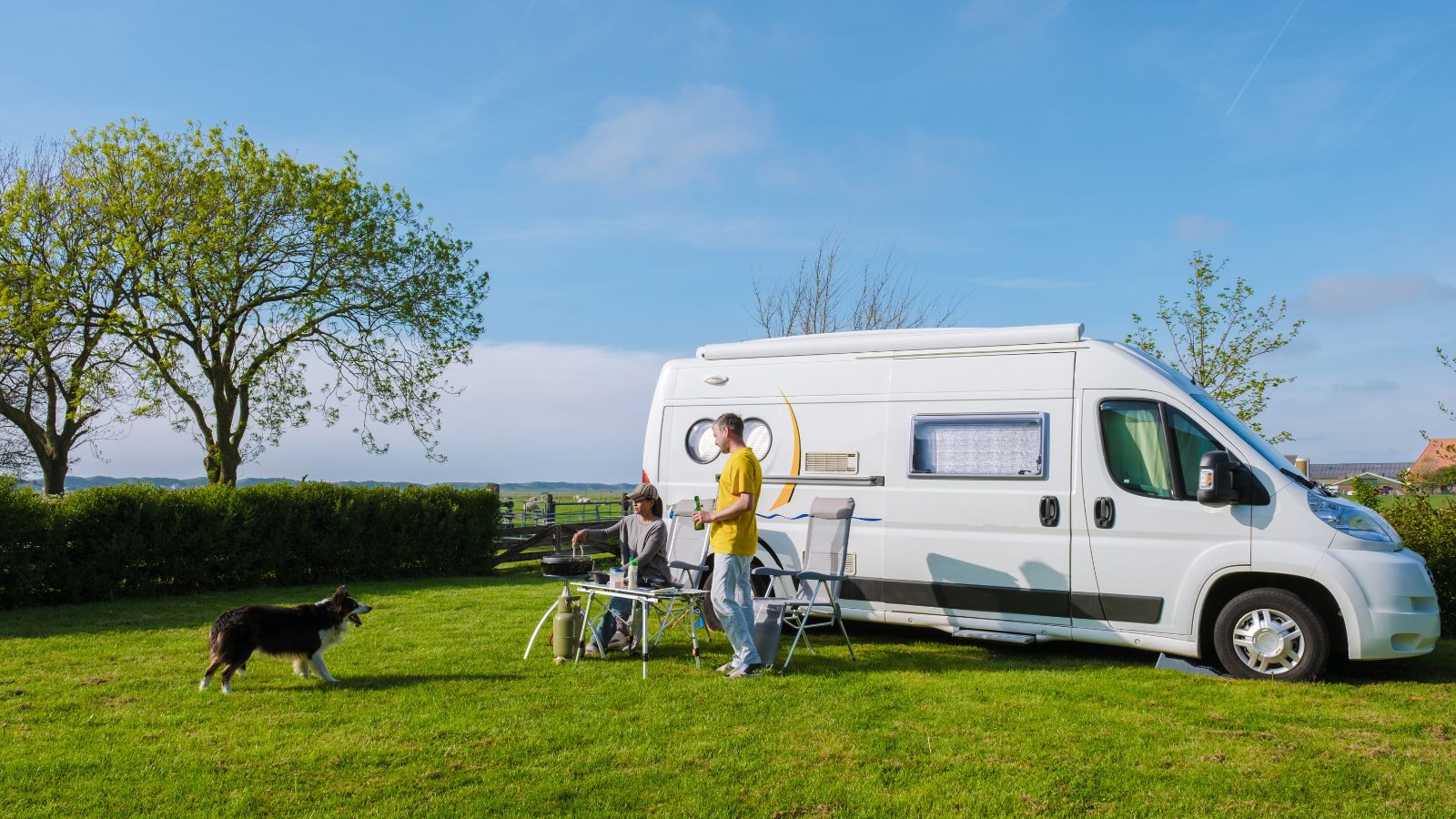
The biggest rookie mistake is treating an RV trip like a rigid schedule with deadlines and pressure. On the road things change. Campgrounds fill up. Weather shifts. Highways close. Wildlife delays traffic. The joy of RV travel is the ability to pivot — not panic. The happiest RVers embrace detours, unexpected towns and sudden opportunities. The frustrated ones cling to plans that don’t survive reality. Flexibility is a skill, and it is the key to loving RV travel instead of fighting it.
Why These Mistakes Keep Happening
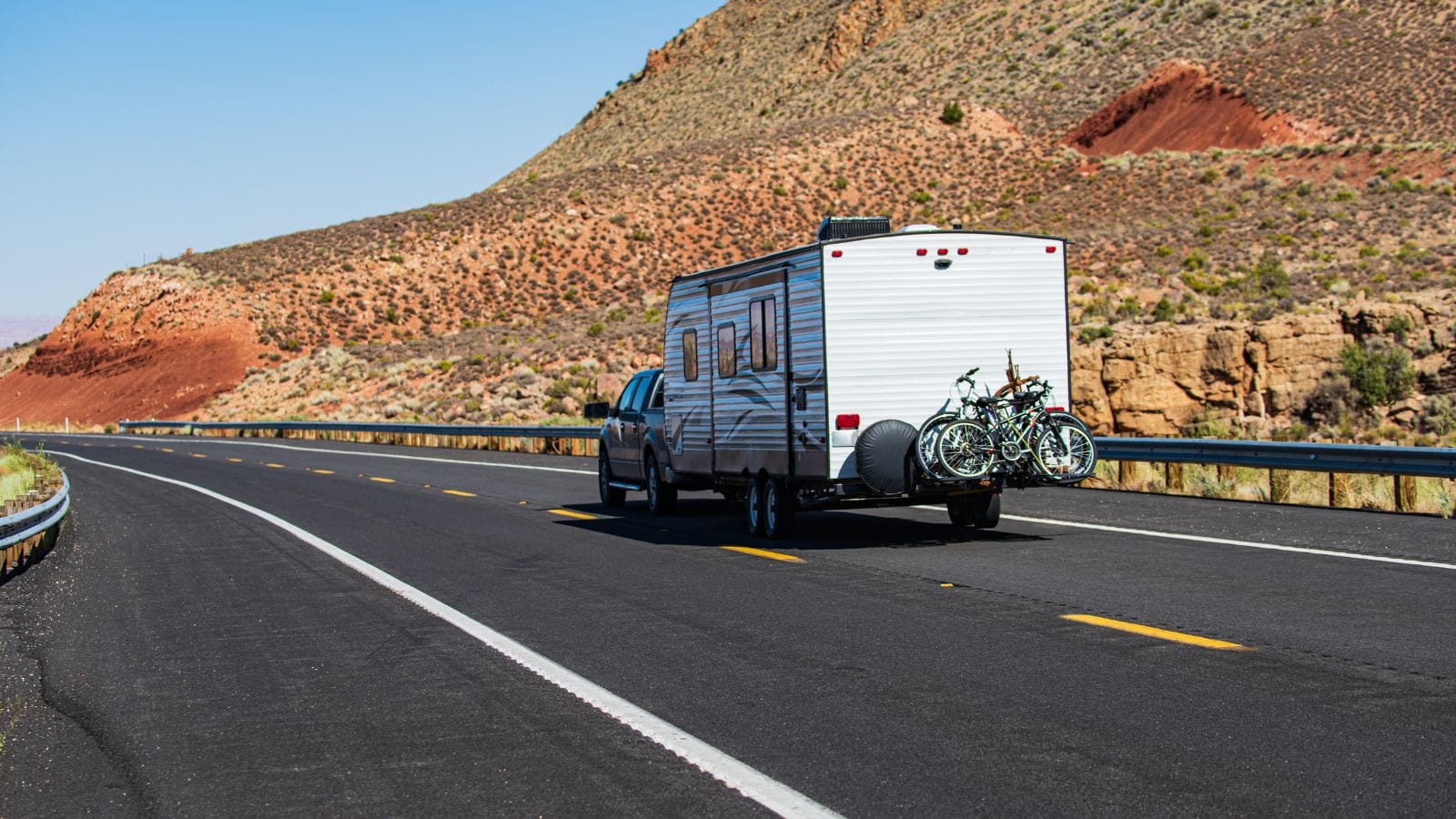
RVs give a sense of comfort and confidence because they look like moving houses. The reality is that they behave like trucks, trailers and small homes all at once. The more drivers learn to treat them with respect — not like oversized family cars — the easier and more rewarding RV life becomes. No one starts as a perfect RVer. But every trip teaches something new.
25 Facts About Car Loans That Most Drivers Don’t Realize

Car loans are one of the most common ways people fund car purchases. Like any other kind of loan, car loans can have certain features that can be regarded as an advantage or a disadvantage to the borrower. Understanding all essential facts about car loans and how they work to ensure that you get the best deal for your financial situation is essential. Here are 25 shocking facts about car loans that most drivers don’t realize:
25 Facts About Car Loans That Most Drivers Don’t Realize
