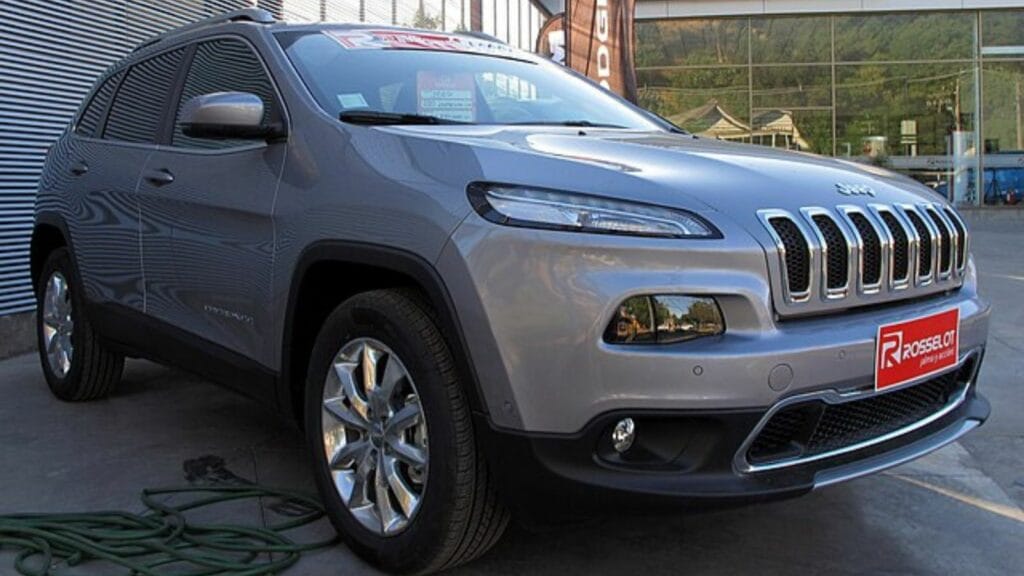
Nobody buys a vehicle thinking it’ll one day leave them stranded on the shoulder of Highway 401 with steam pouring out of the hood. Yet every year across Canada, thousands of drivers face catastrophic engine failure in certain cars that simply weren’t built to handle real world Canadian driving. Long highway distances, deep winter cold, constant stop-and-go commuting and hard acceleration on steep grades expose the weakest engines fast. Some cars fail because of poor design. Others fail because owners can’t keep up with oil consumption or hidden defects. Whatever the cause, these 15 models have earned a reputation for engines that quit long before they should.
Ford Escape 1.6 EcoBoost
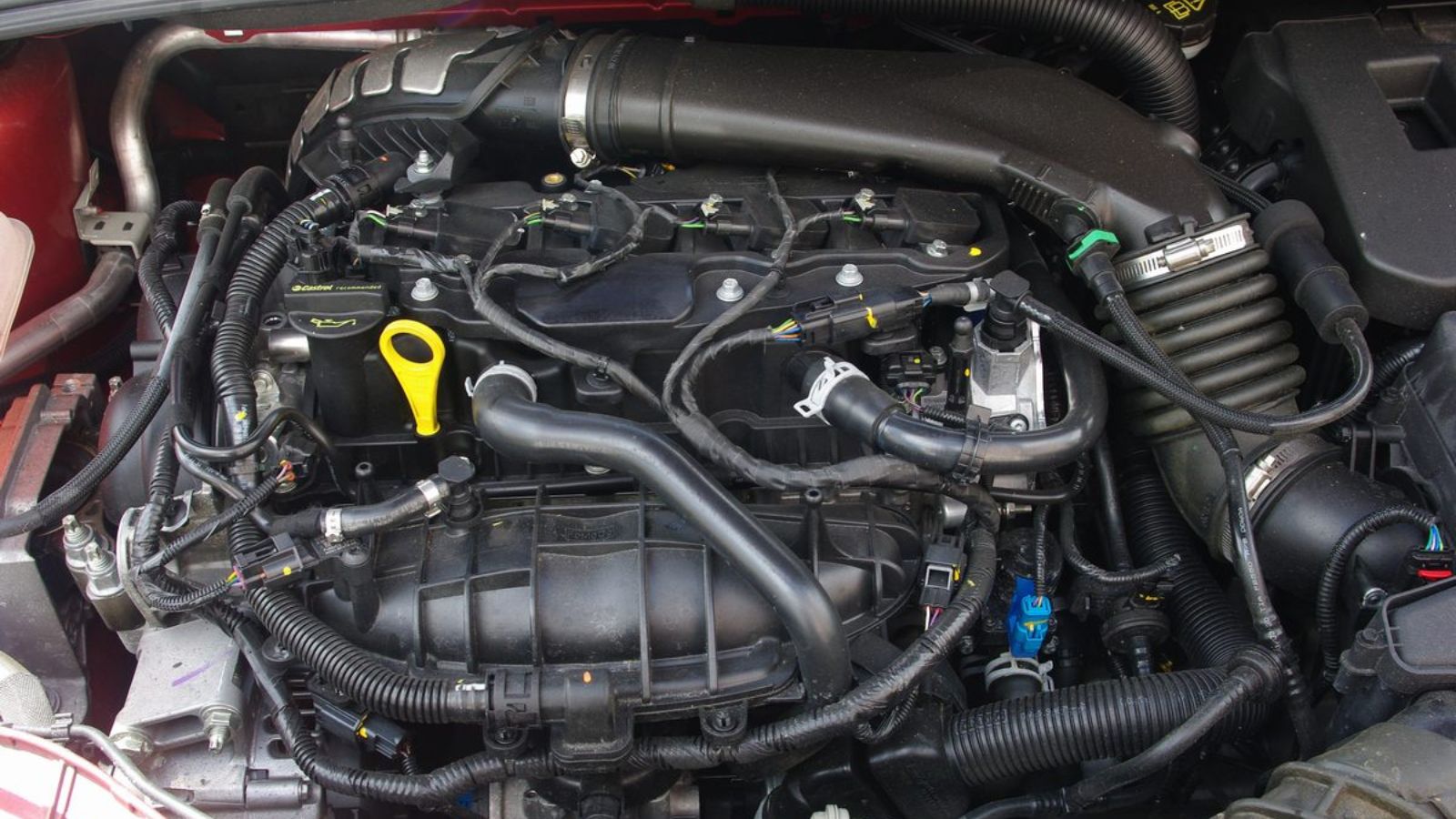
The 1.6 EcoBoost Escape attracted huge attention when new, offering strong performance with small engine fuel economy. But those engines ran hot, and when coolant leaked — as it commonly did — failure arrived quickly. Head gasket breakdown was the early symptom, overheating followed, and complete engine meltdown wasn’t far behind. Even careful maintenance couldn’t always stop the chain reaction. Many Canadian owners learned this lesson the hard way.
Hyundai Santa Fe Sport (2.4 and 2.0T)

The Santa Fe is a beloved family SUV, but the Theta II engines under the hood turned ownership into roulette. Metal debris left over from factory machining worked into the oil system and caused bearing wear, knocking and sudden seizure. Canadian drivers reported engines shutting down at highway speed without warning. Recalls and legal action came later, but the damage to reputation — and many engines — was already done.
Kia Sorento (2.4 and 3.3)

The Sorento shared the same troubled Theta II engine family, and the results were similar. Stalling, loud knocking, sudden loss of power and complete failure were too common to ignore. Some owners barely crossed the 120,000-kilometre mark before disaster struck. Add Canadian winter cold starts and steep towing loads, and the failure rate only got worse.
Subaru WRX and WRX STI (Older Turbo Models)
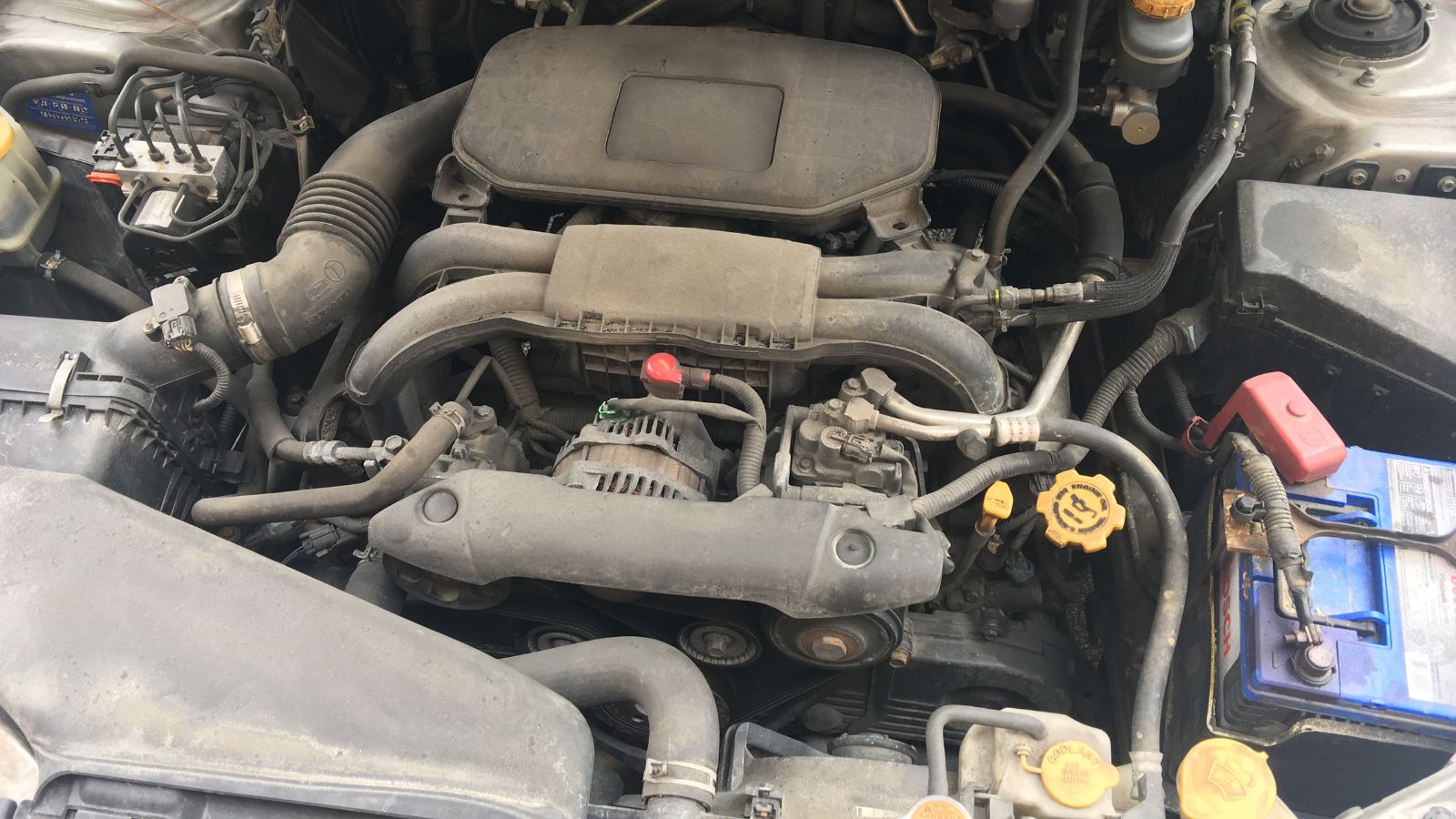
Enthusiasts adore them, and for good reason. But the older turbo boxer engines didn’t tolerate long highway pulls, aggressive driving or fuel quality issues. Ringland failure, detonation and heavy oil consumption created a perfect storm for blown motors. Skilled owners who monitored oil levels and avoided detonation got lucky. Others learned quickly that performance came with risk.
Subaru Forester XT (Turbo Models)
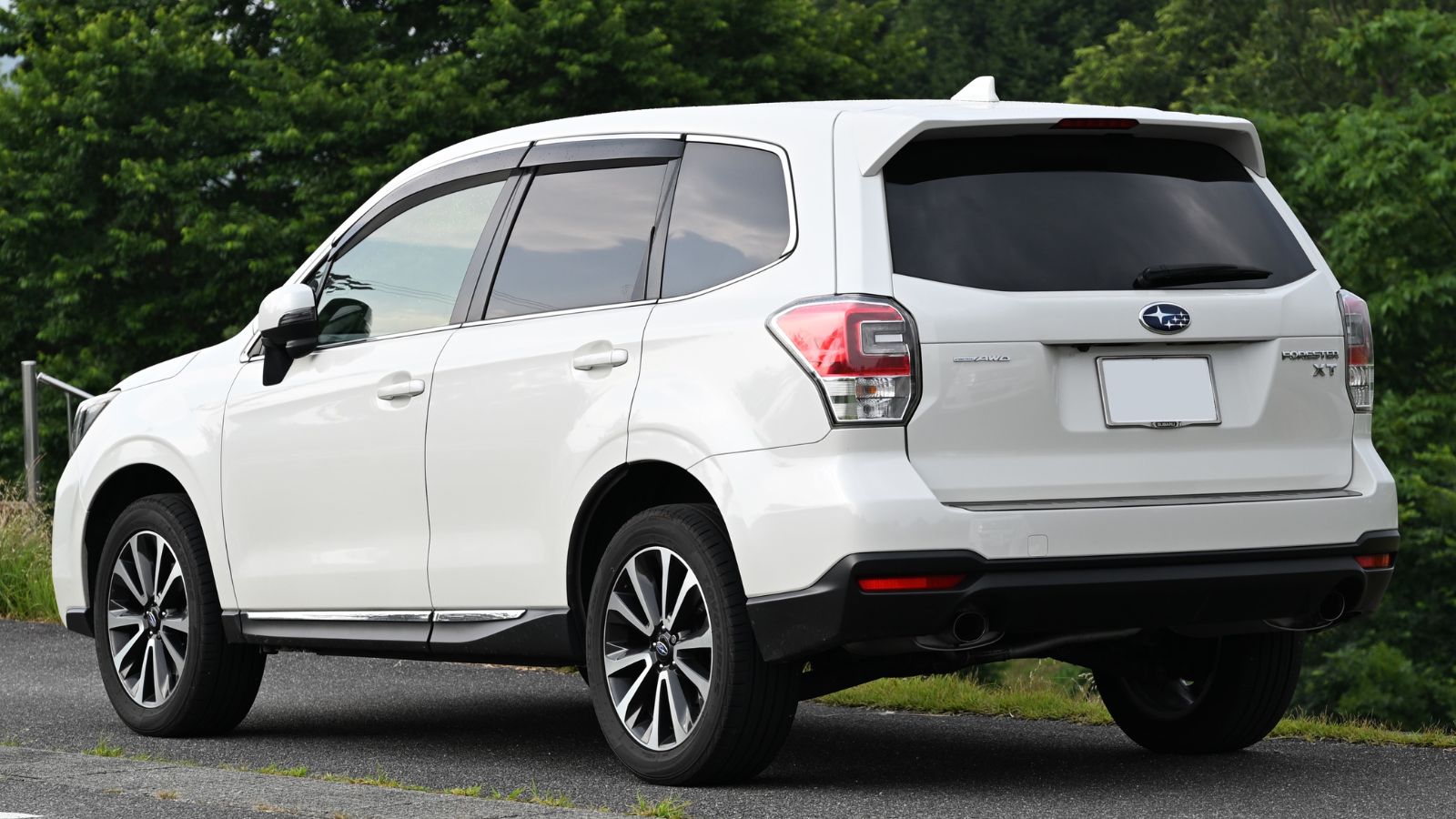
The Forester XT inherited the same turbo engine drama as the WRX. It was the family-friendly sleeper that turned into a family headache. Many failures followed the same pattern: sudden power loss, knocking and complete shutdown. Once oil starvation or ringland cracking appeared, there was no cheap return. Plenty of Foresters ended up with rebuilt or swapped engines long before their time.
Volkswagen Jetta 2.0T (Early Models)
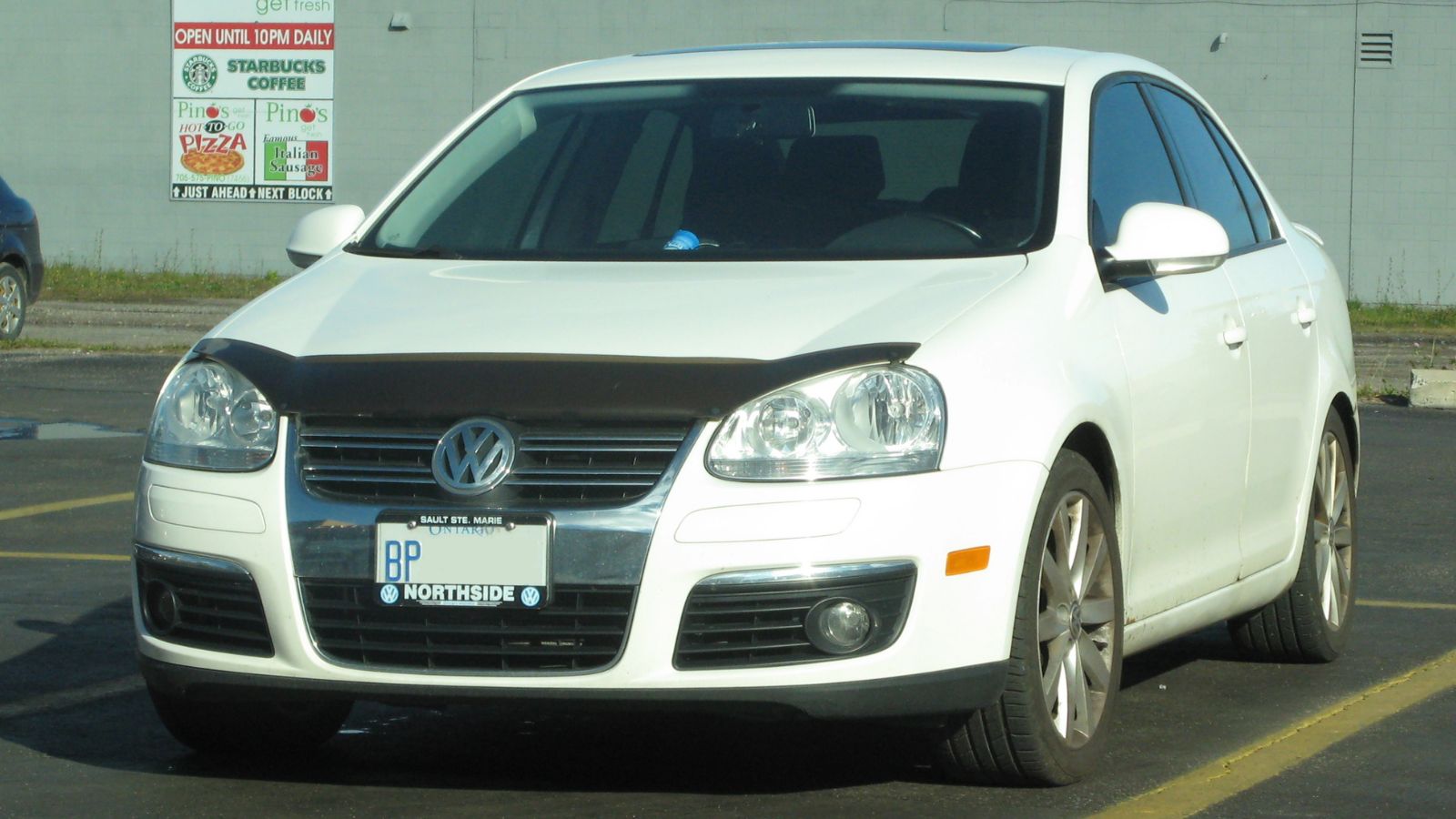
The early 2.0T was fun to drive but painful to own. Excessive oil consumption, timing chain tensioner failures and carbon buildup were a toxic combination. Once the timing slipped, the engine was done instantly. Canadian drivers bought them for performance and German handling. Too many ended up paying German repair bills they never saw coming.
Audi A4 2.0T (Early Models)
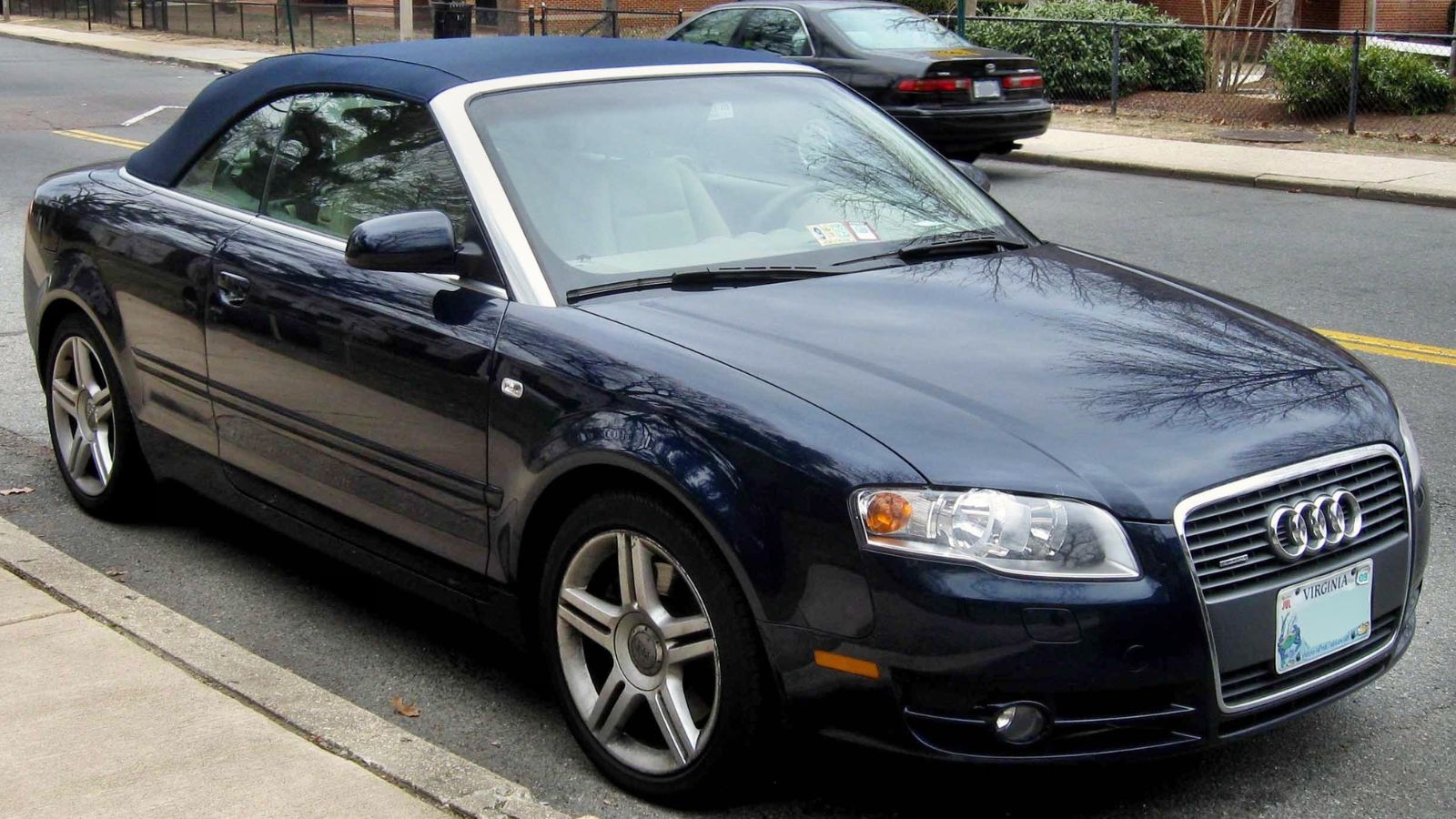
Same engine family, same issues — except the repair bills had an Audi badge attached. The 2.0T became notorious for burning oil faster than some drivers could keep up with, and many motors died from low lubrication long before a failure warning ever appeared. Add turbo stress and winter cold starts, and owners found themselves researching engine rebuilds instead of road trips.
Mini Cooper S (Turbo Models)

The Cooper S has charm, handling and personality. Unfortunately it also has a troubling record of timing chain tensioner failure, overheating and oil leaks that escalate quickly if ignored. Many engines ran perfectly up until the moment they didn’t. When they let go, they didn’t do it quietly — or cheaply.
Nissan Altima (2.5 Pre-2013)
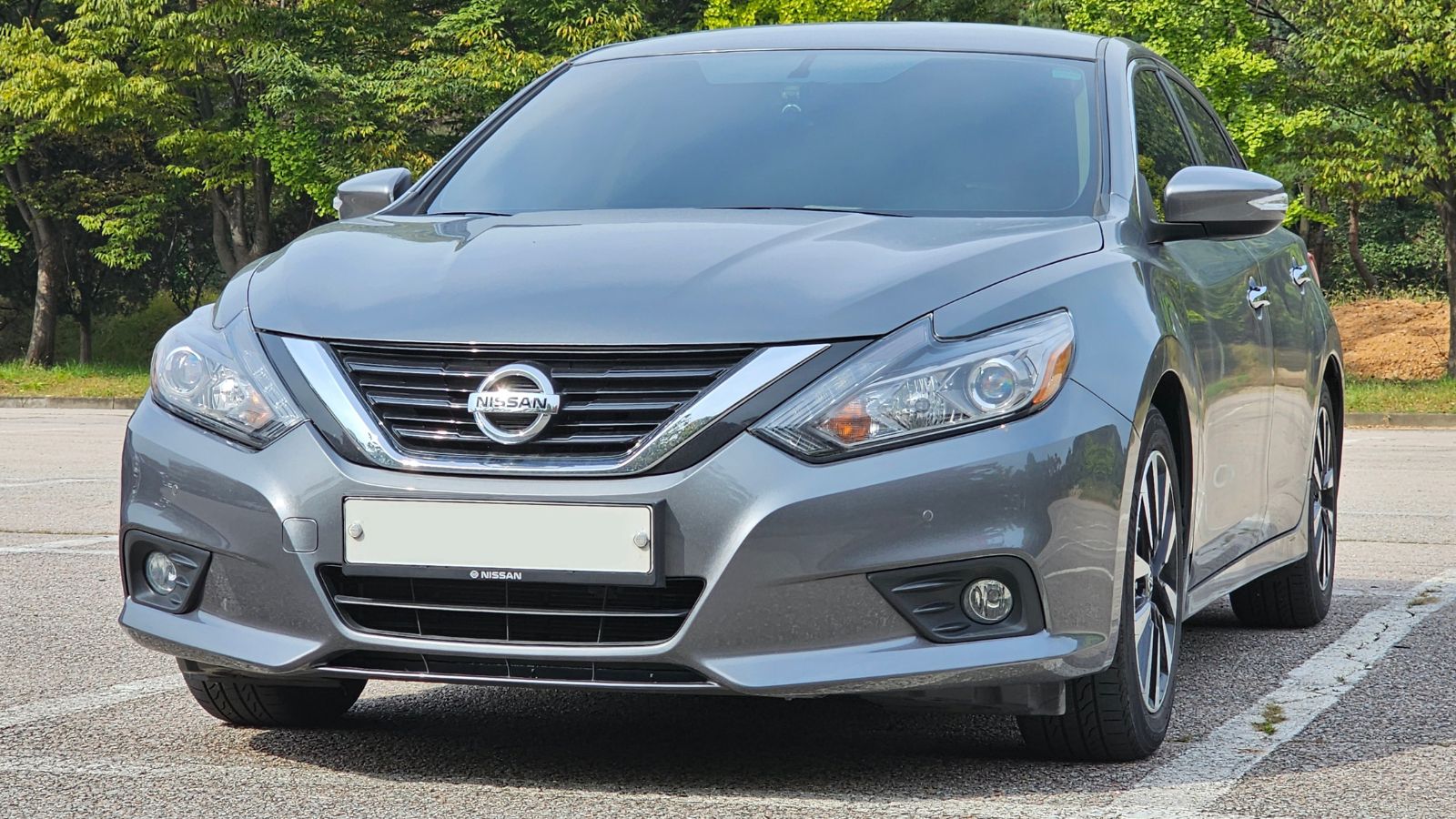
The newer 2.5 Altima is reliable, but the older ones were oil burners disguised as daily commuters. The problem wasn’t dramatic failure overnight — it was slow oil consumption that nobody noticed until the engine lost compression and died. Owners who didn’t monitor levels religiously often watched an engine fail without a single warning light.
Nissan Rogue (Early Models)
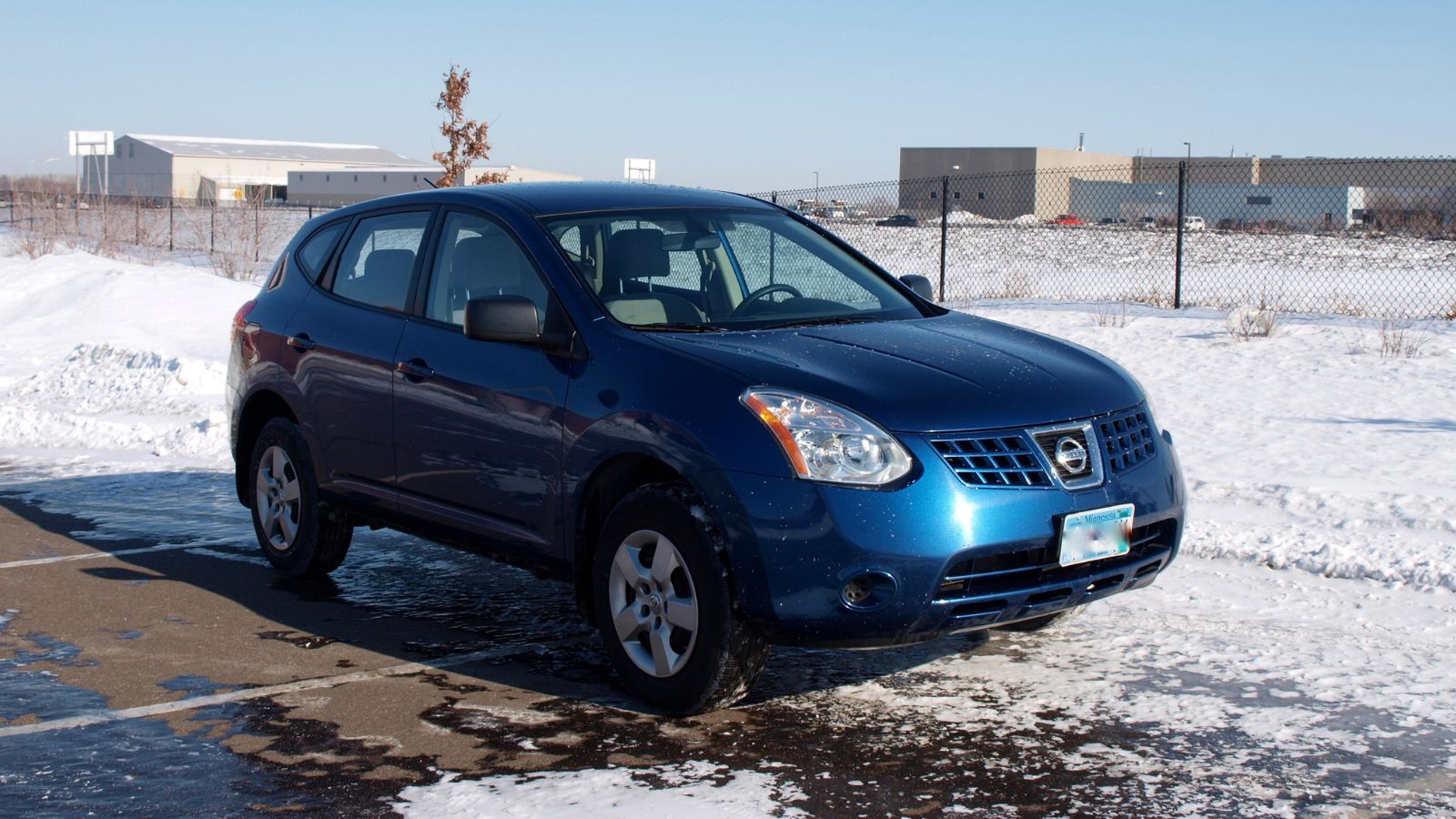
The Rogue didn’t usually explode like a WRX or throw rods like an early EcoBoost, but internal wear showed up far too early. High oil usage, noisy valvetrains and weak compression became common once kilometres added up. Engines that should have cruised well into old age instead developed symptoms long before the odometer ever reached “high mileage.”
BMW 335i (N54 and Early N55)
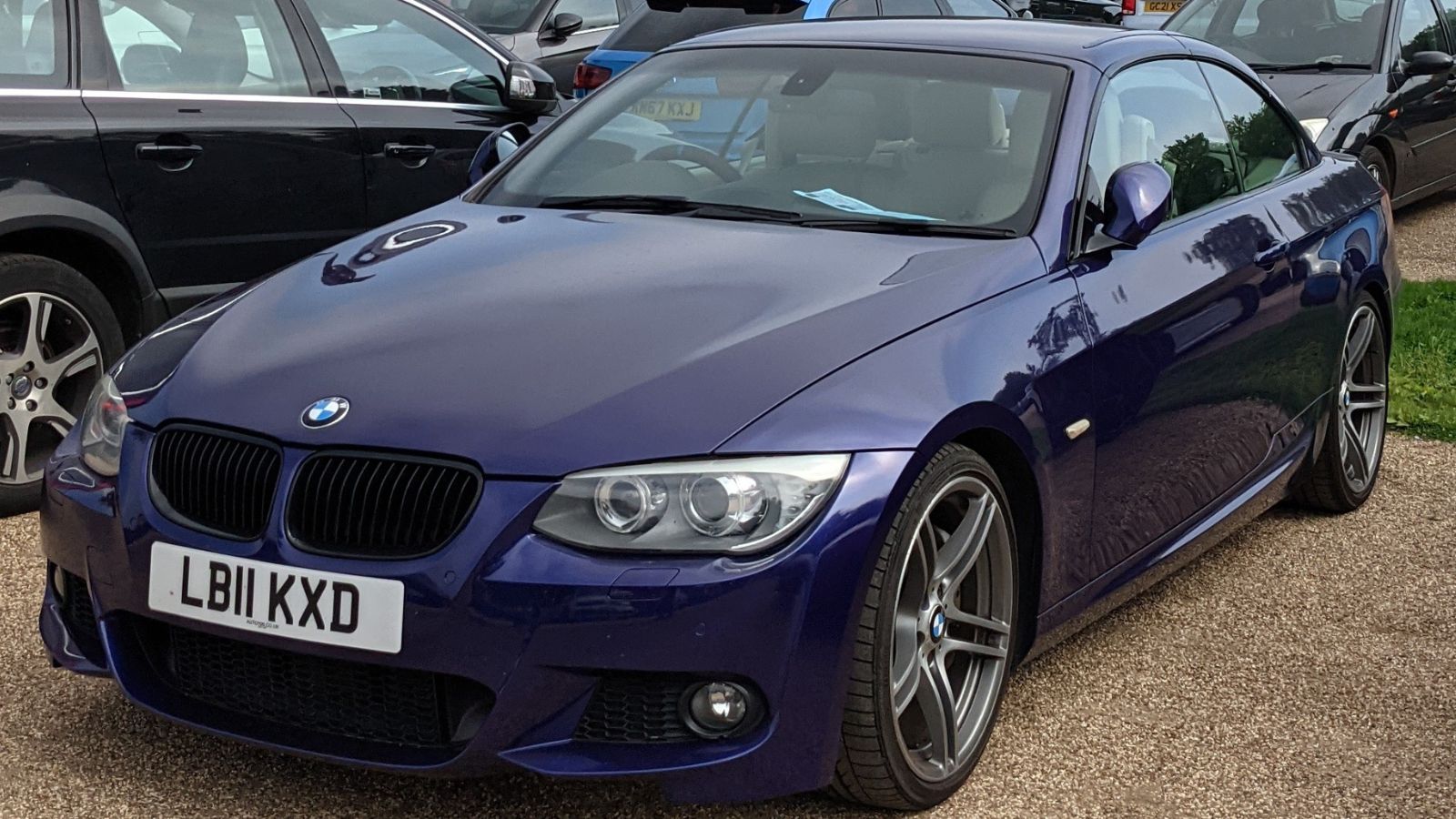
The turbo BMW inline six is a masterpiece when healthy. The problem is keeping it healthy. High pressure fuel pump failures, injector leaks and heat saturation took a toll. Canadians driving spiritedly on long trips — or simply enjoying turbo torque daily — pushed the engine beyond what the cooling system could handle. When these motors fail, the repair path is long and extremely expensive.
Chevrolet Equinox (2.4)
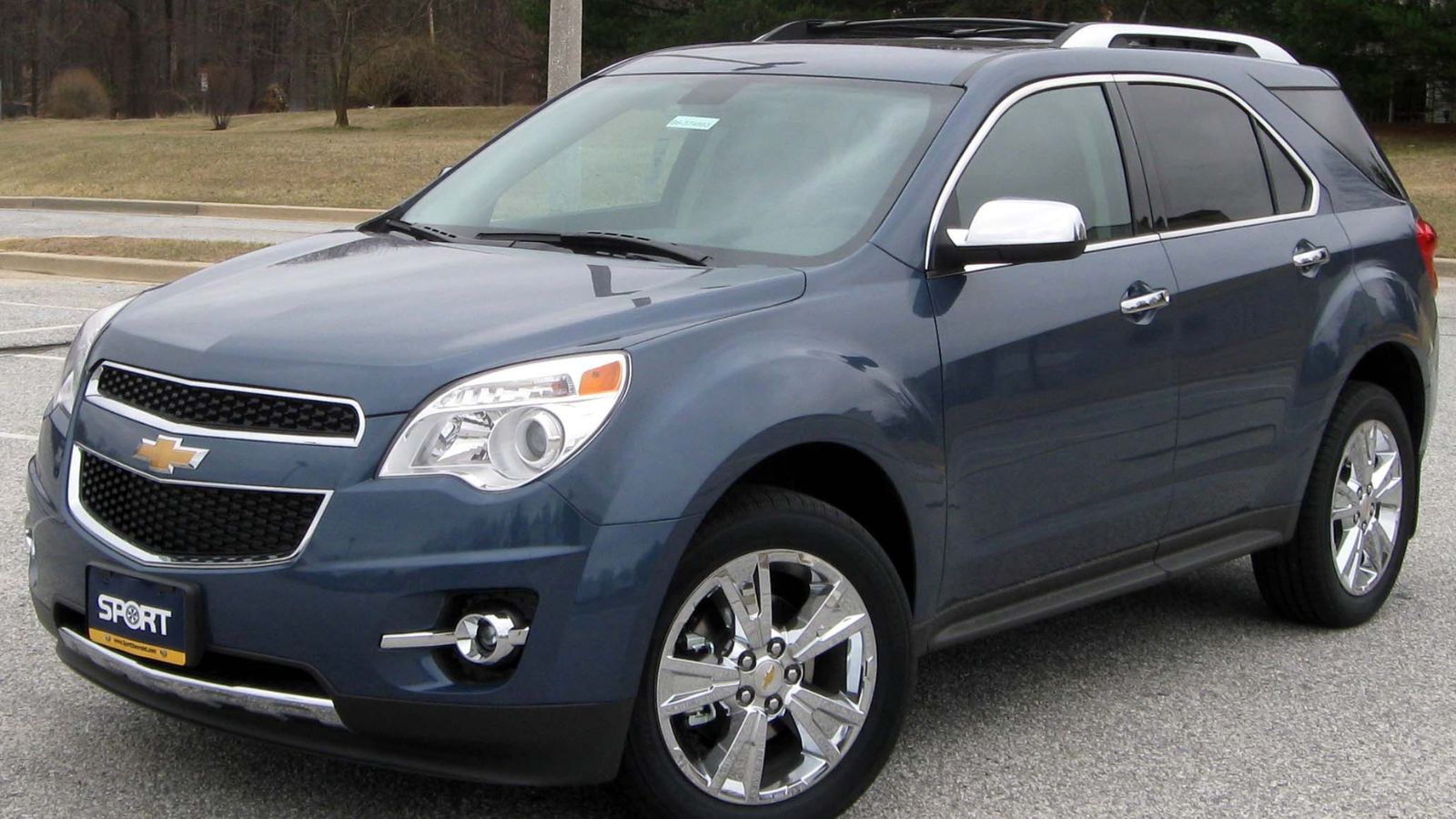
The 2.4 Equinox is infamous for burning oil so gradually that owners don’t realize anything is wrong until the engine is already damaged. The oil control rings wear prematurely, compression drops and the bottom end fails. Many of these engines died not because owners were negligent, but because the design allowed massive oil usage without obvious warnings.
GMC Terrain (2.4)
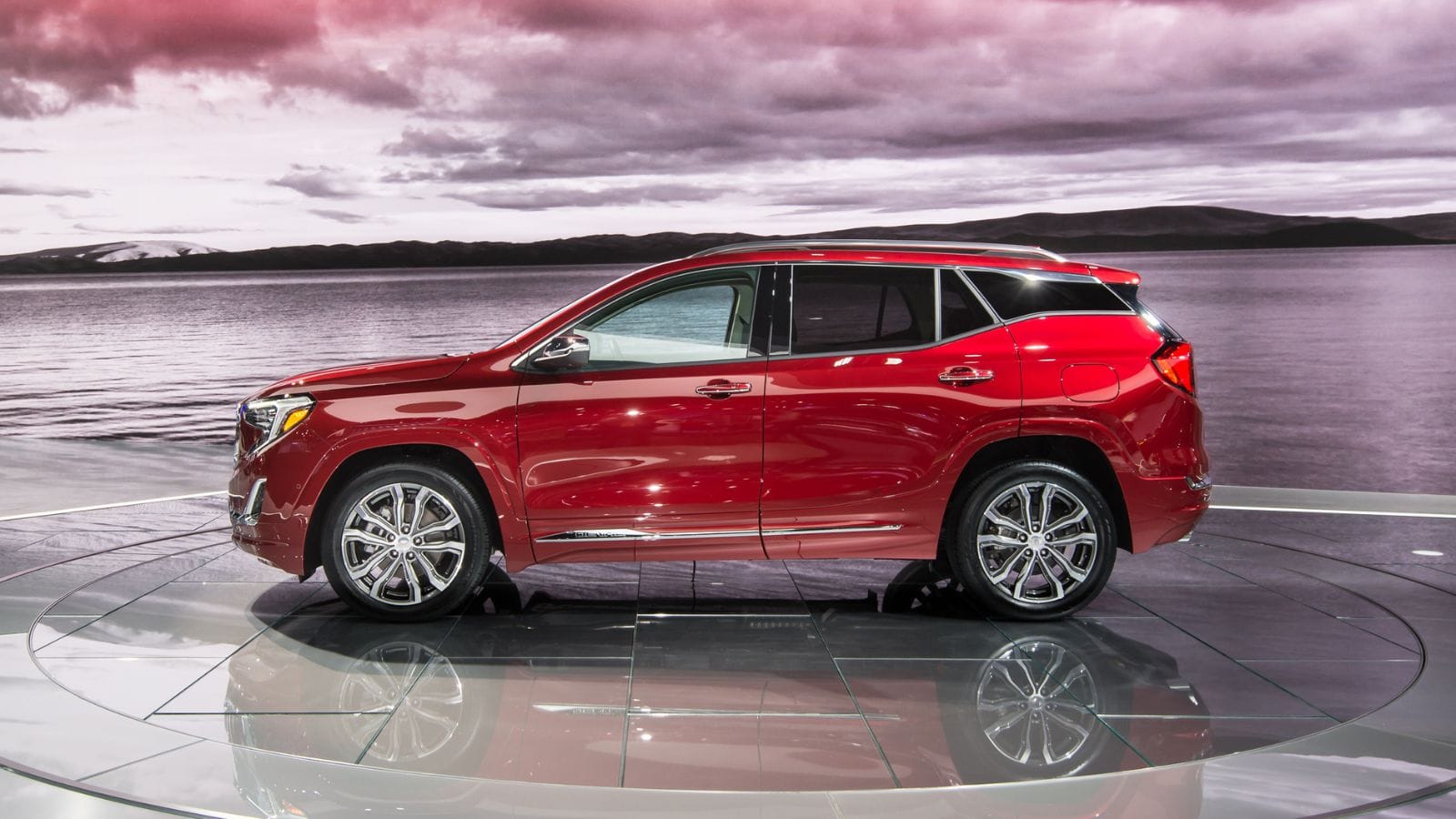
The Terrain suffered the same 2.4 engine curse as the Equinox. Timing chain noise, hard starts and low compression were early clues, but most drivers didn’t connect them until the engine reached the point of no return. Repairing them cost more than the vehicle itself on the used market, turning many Grounds into scrapyard candidates.
Dodge Dart (Tigershark 2.4)
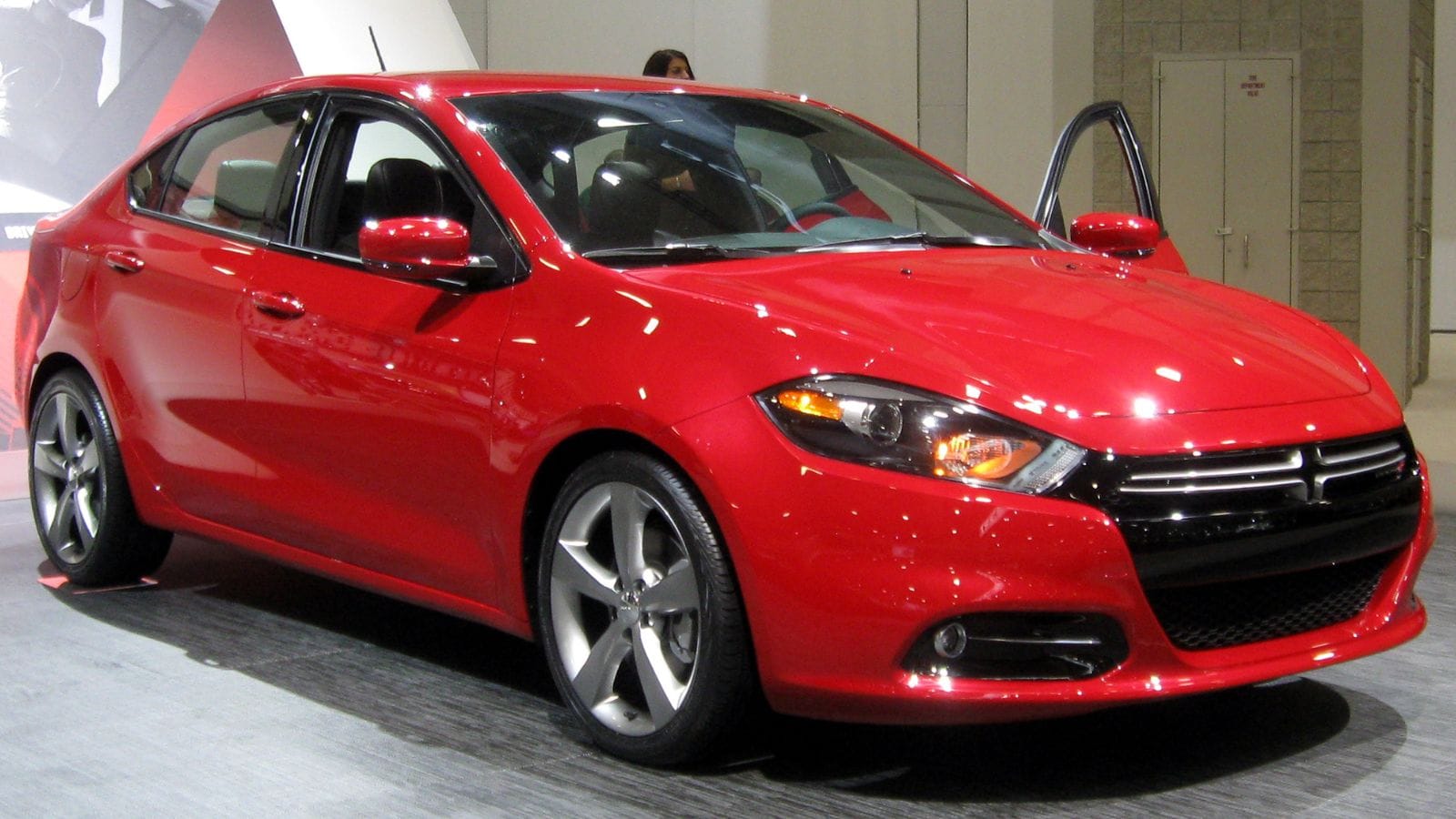
The Tigershark is one of the most oil-hungry modern engines sold in Canada. Once oil levels dropped, cylinder walls scored and pistons wore prematurely, eventually killing compression. The failure pattern was predictable: burn oil slowly, run low, then fail fast. Too many owners didn’t know they had to monitor oil constantly — and paid the price.
Jeep Cherokee (Tigershark 2.4)
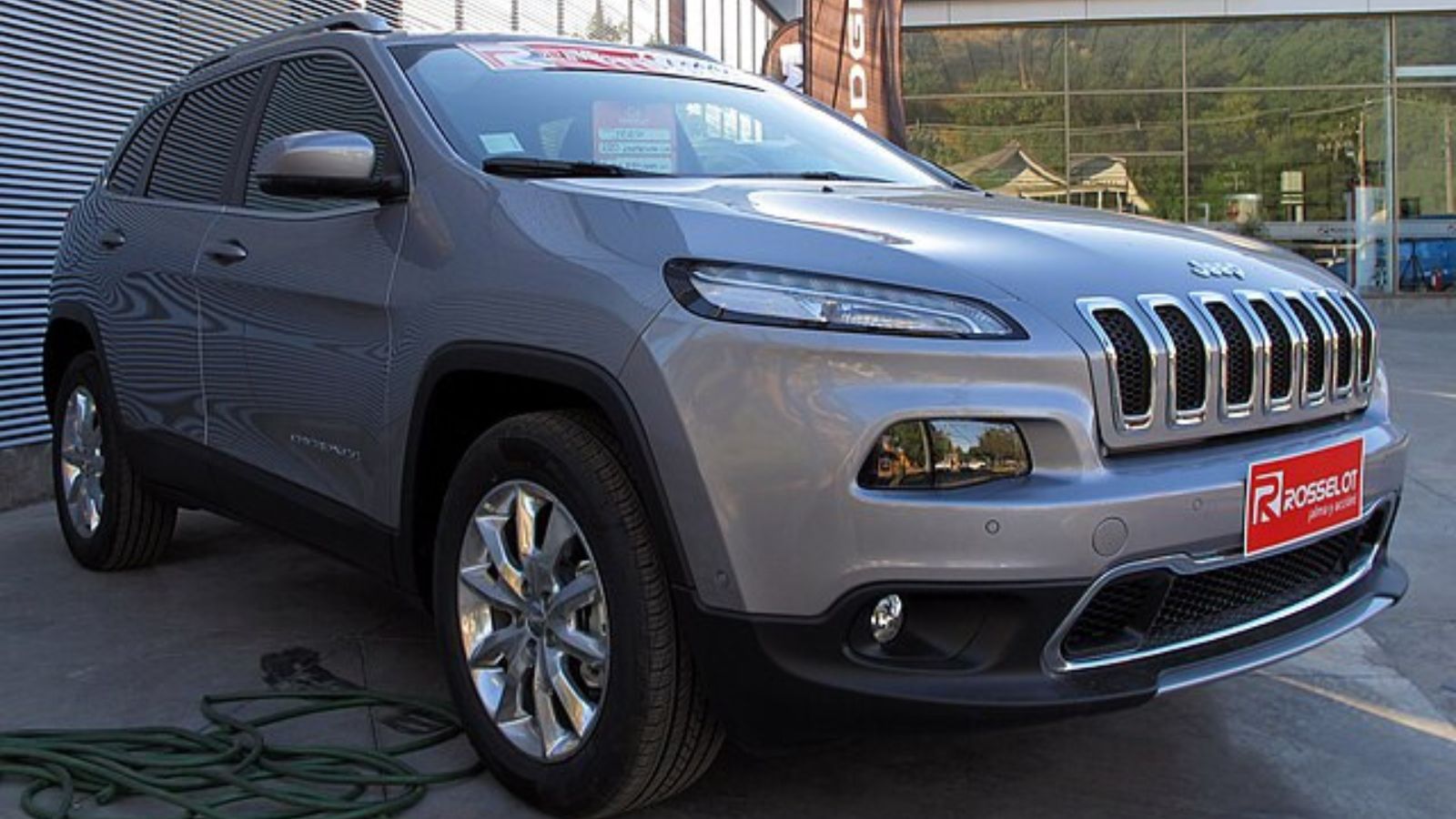
The Cherokee repeated the Tigershark story on a larger scale. The SUV was marketed as winter-proof, adventure-ready transportation, yet the engine inside couldn’t survive long term in many Canadian driving environments. The combination of oil consumption, heat stress and neglect led to widespread premature engine death.
Why These Engines Fail More Than Others
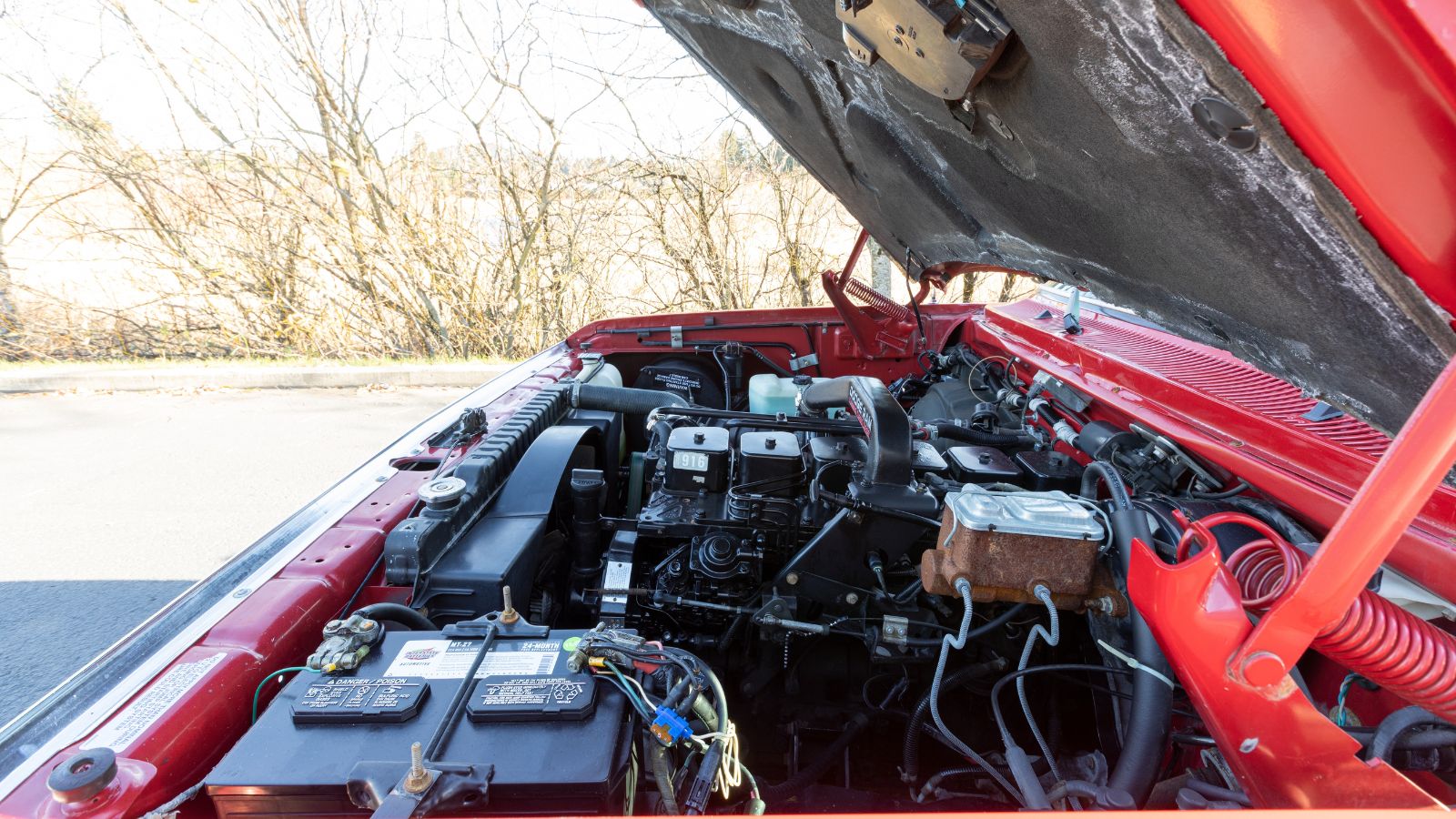
Some were rushed to market. Some were designed around unrealistic fuel economy targets. Some inherited design flaws that were never fully addressed. And some simply weren’t suited to Canadian conditions — long distances, freezing temperatures, highway speeds and towing loads. Engine failure isn’t always the driver’s fault. Sometimes the engine never had a fighting chance.
25 Facts About Car Loans That Most Drivers Don’t Realize

Car loans are one of the most common ways people fund car purchases. Like any other kind of loan, car loans can have certain features that can be regarded as an advantage or a disadvantage to the borrower. Understanding all essential facts about car loans and how they work to ensure that you get the best deal for your financial situation is essential. Here are 25 shocking facts about car loans that most drivers don’t realize:
25 Facts About Car Loans That Most Drivers Don’t Realize
