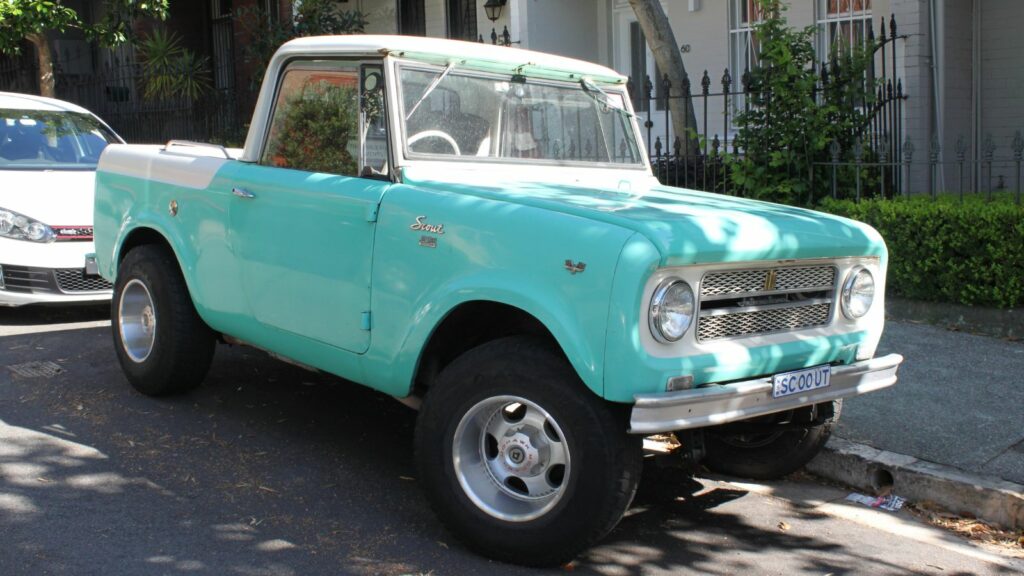
Canada has always had a different relationship with pickup trucks than most places. Long winters, empty highways, job sites, farms, and weekend toys shaped what people bought and why they kept them for decades. These trucks were not lifestyle props. They worked hard, rusted early, got fixed in driveways, and earned loyalty the slow way. Here are ten trucks from the past that Canadians truly bonded with.
Ford F Series 1973 to 1979
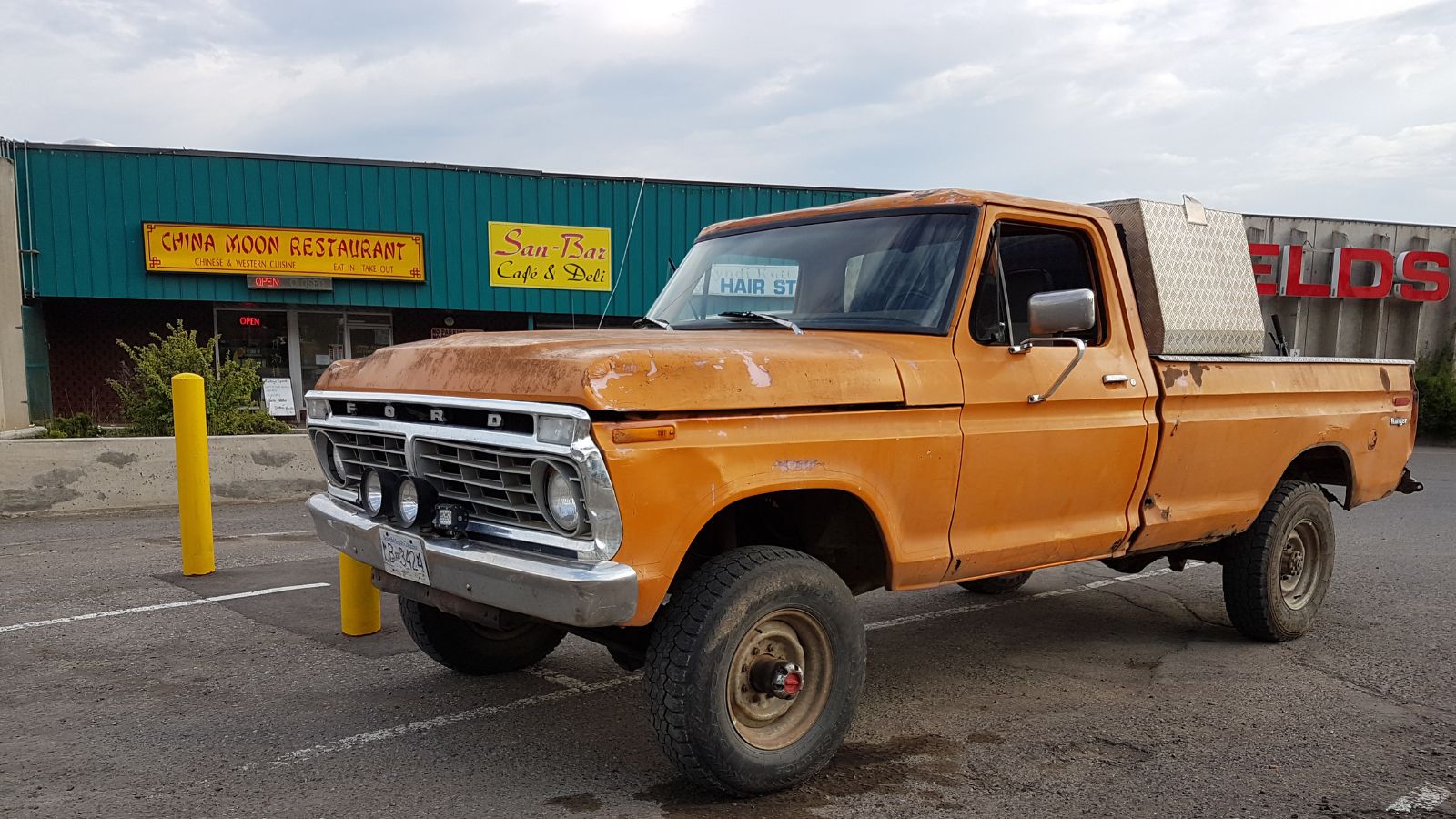
The mid seventies F Series became a Canadian staple in rural towns and oil country alike. These trucks felt indestructible at a time when reliability mattered more than comfort. The straight six engines were slow but unstoppable in cold weather, and the V8s pulled boats, trailers, and snowbanks without complaint. Many Canadians remember starting one at minus thirty with a block heater and a prayer, then driving it all day. Rust eventually took most of them, but their reputation survived.
Chevrolet C and K Series 1967 to 1972
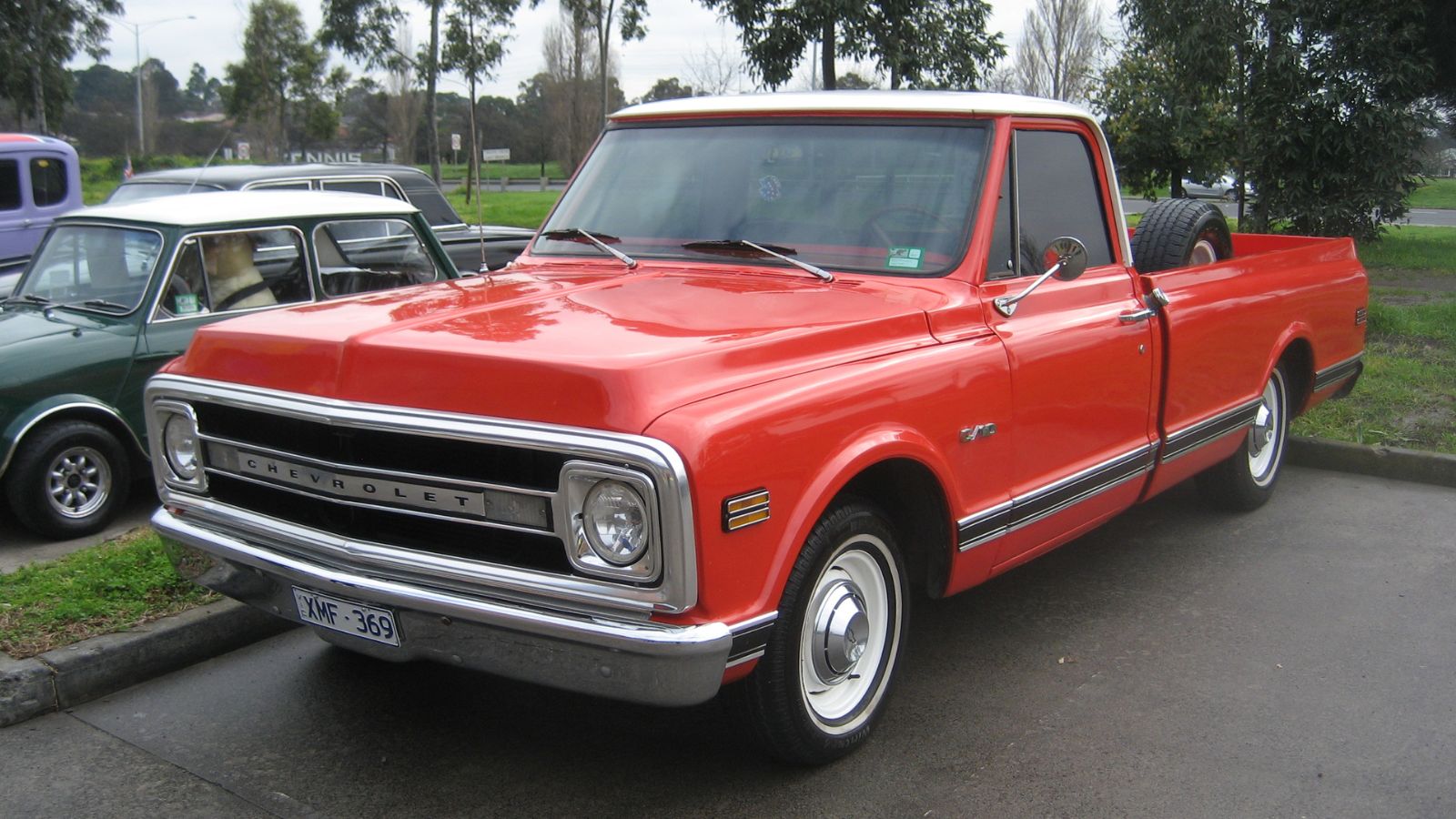
Ask any older Canadian mechanic and they will tell you these trucks were easy to live with. Simple carburetors, strong frames, and parts available everywhere made them perfect for long term ownership. Farmers loved how easily they could be fixed in a barn. City workers liked their ride comfort compared to earlier pickups. The small block V8s ran forever if you changed the oil. Today they are prized classics, but back then they were just honest tools.
Dodge Power Wagon 1961 to 1971
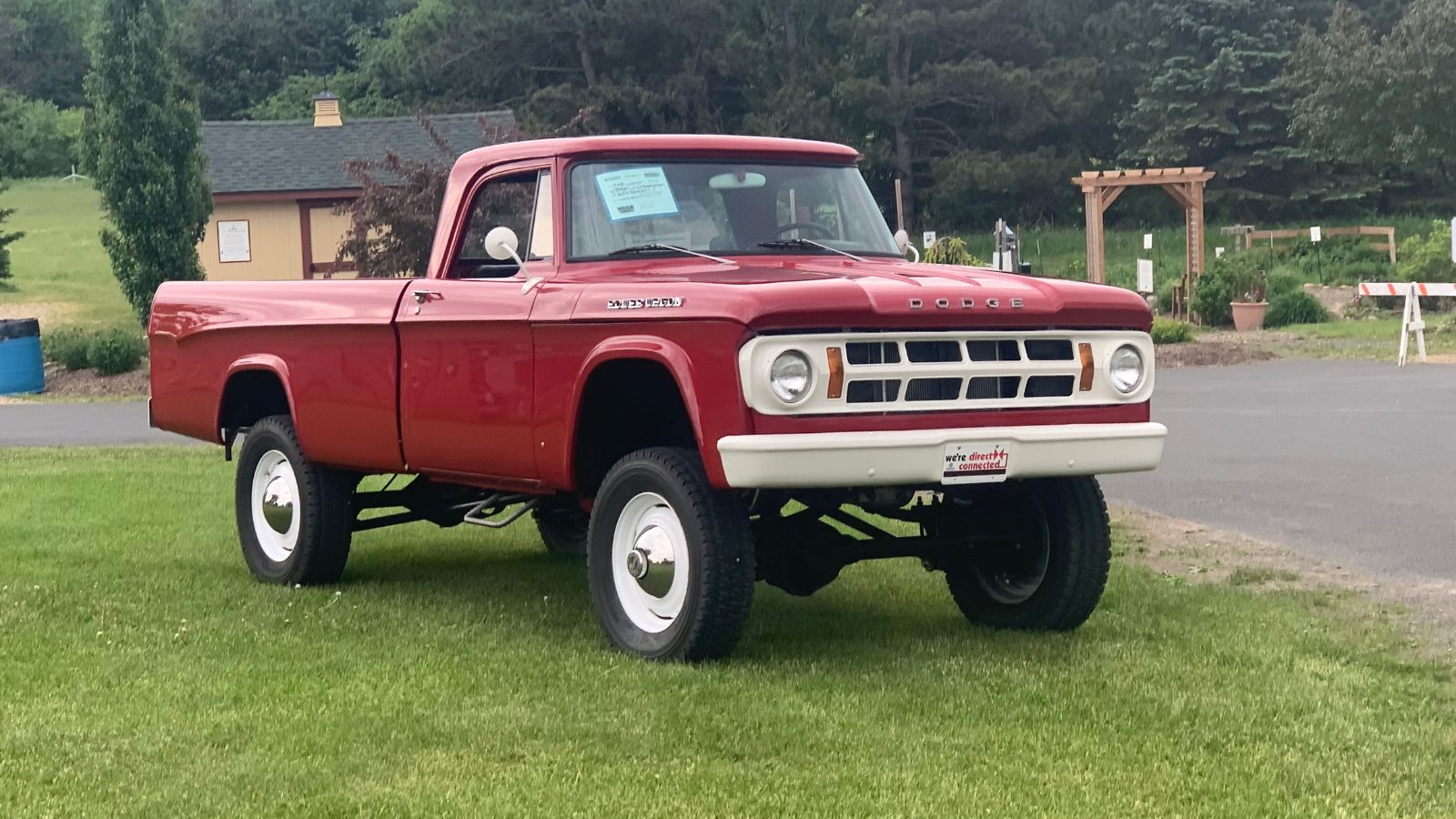
Long before Dodge pickups became mainstream in Canada, the Power Wagon earned respect in logging camps and mining roads. Solid axles, serious four wheel drive hardware, and a no nonsense attitude made it ideal for rough terrain. These trucks were not pretty and they did not pretend to be. Canadians who owned them trusted them in places where getting stuck was not an option. Many were worked until nothing was left but memories and old photographs.
Toyota Pickup 1979 to 1983
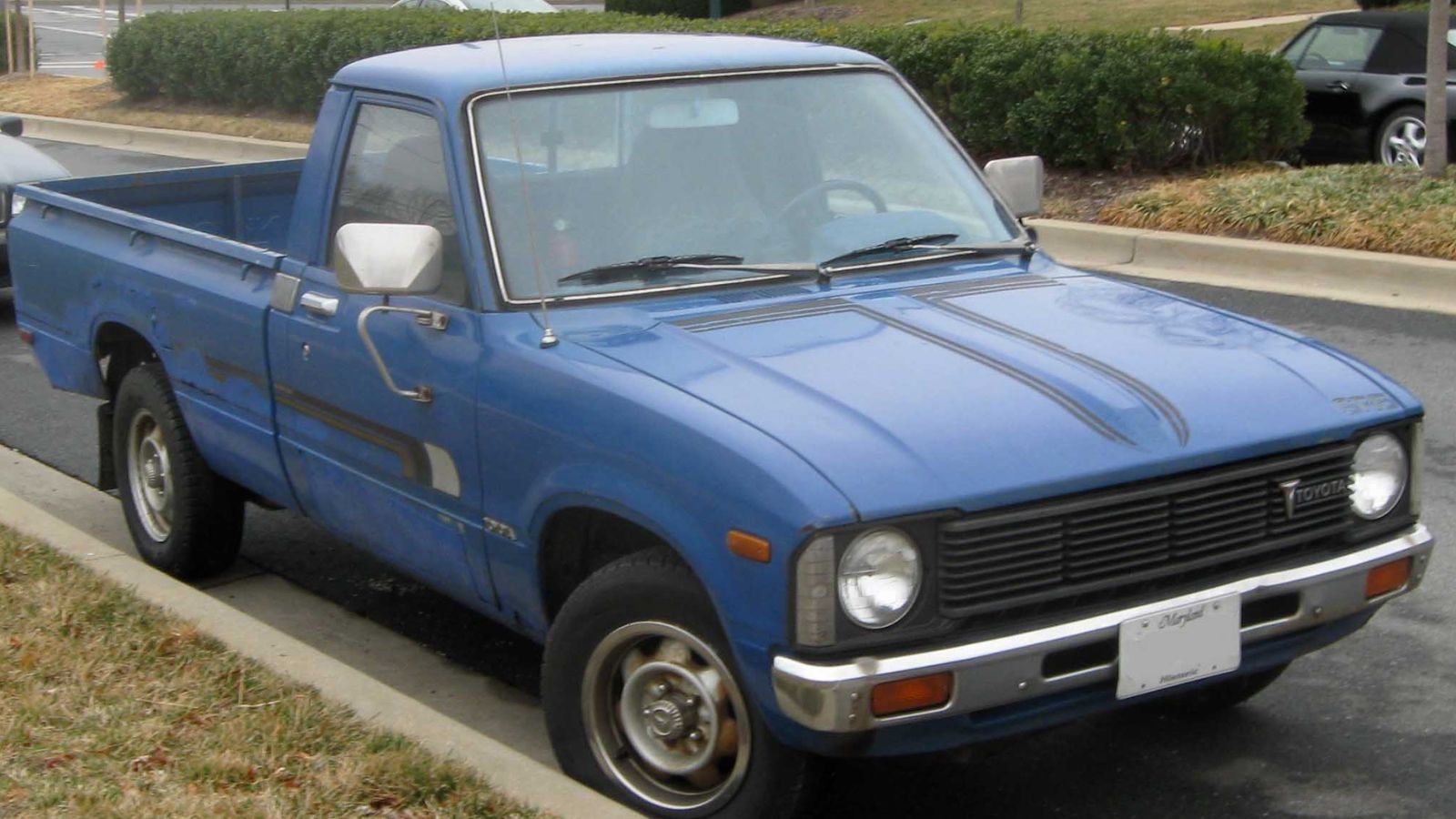
When Toyota pickups arrived in larger numbers, many Canadians were skeptical. They were smaller and lighter than domestic trucks, but they quickly proved themselves. The four cylinder engines sipped fuel and started reliably in winter with proper care. Plow operators and tradespeople learned they could run one daily without draining their wallet. Rust was an issue, but loyalty remained strong. These trucks built Toyota’s reputation north of the border.
Ford Ranger 1983 to 1992
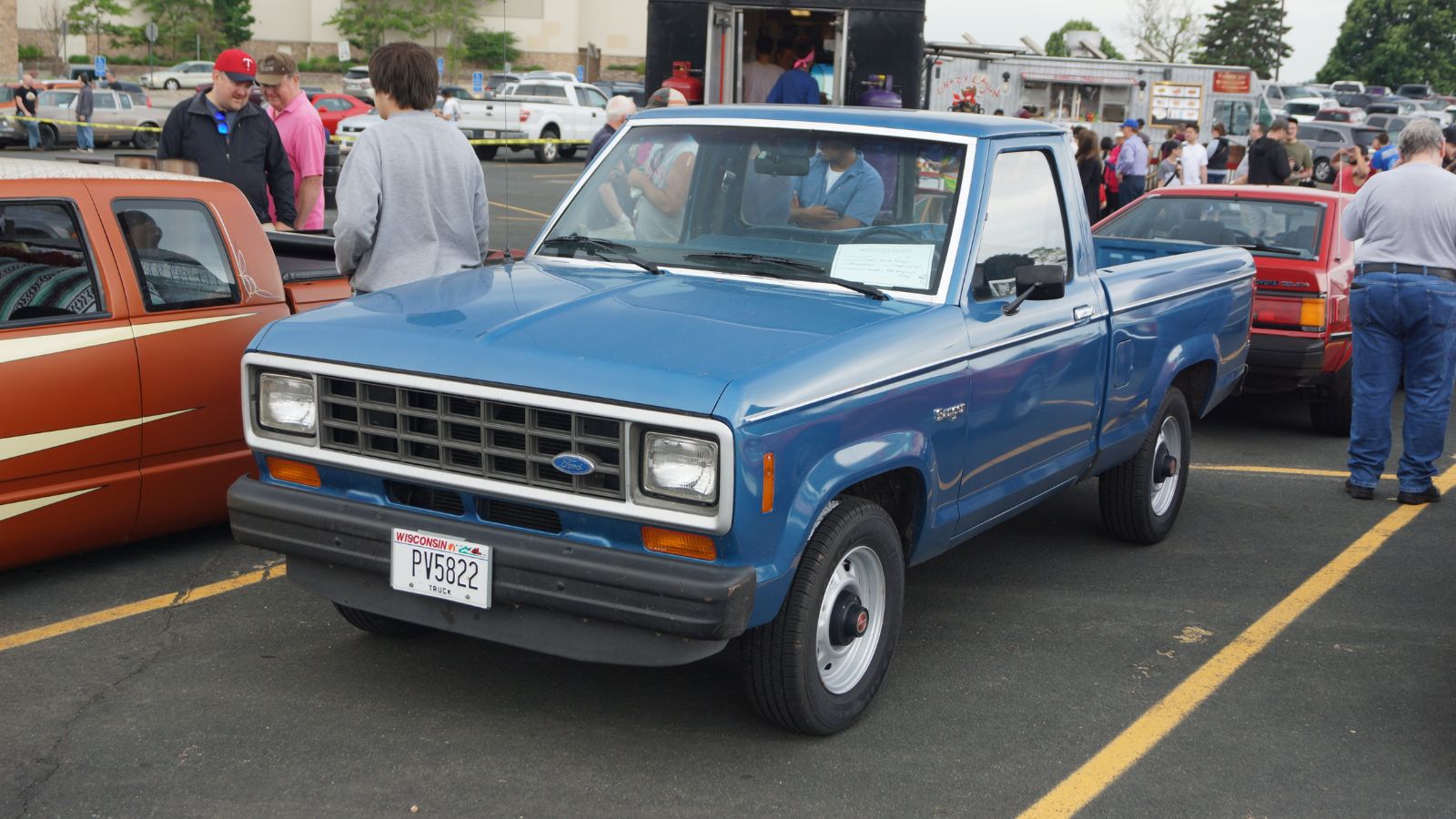
The original Ranger filled a gap Canadians did not know they needed. It fit city streets, hauled dirt bikes, and handled winter commutes better than full size trucks. The V6 versions gave enough power while the four cylinders kept costs down. Young buyers loved them as first trucks. Older owners liked the manageable size. Many Rangers lived long lives as second vehicles or cottage trucks, quietly earning respect year after year.
Chevrolet S 10 1982 to 1993
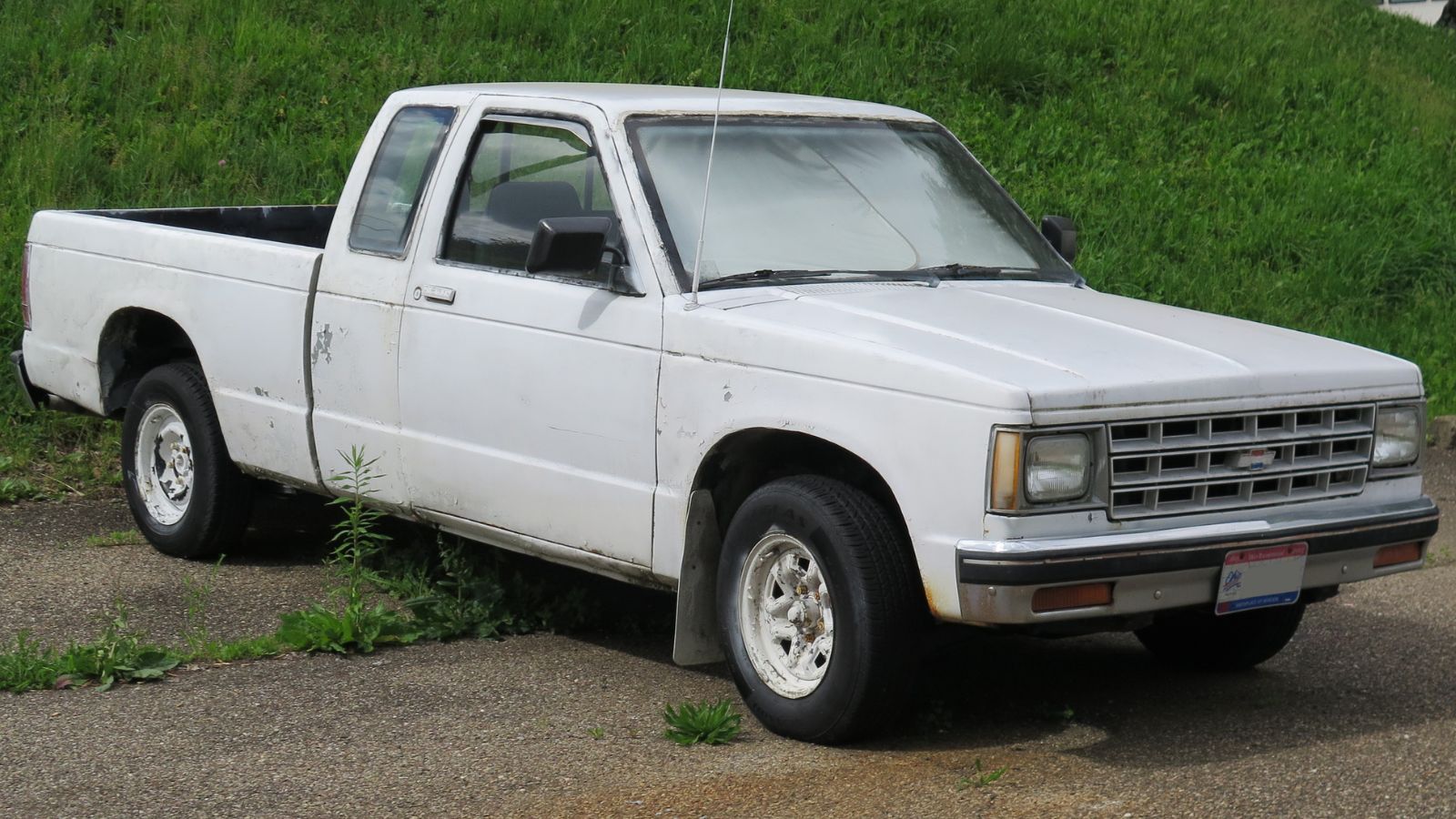
The S 10 became popular with Canadians who wanted a truck without full size fuel bills. It handled winter driving surprisingly well with weight in the bed and proper tires. The interiors were basic but comfortable enough for long drives. Fleet buyers snapped them up, which meant used ones flooded the market later. That kept them affordable and familiar. You still see stories of high mileage S 10s that refuse to die.
GMC Sierra Classic 1973 to 1987
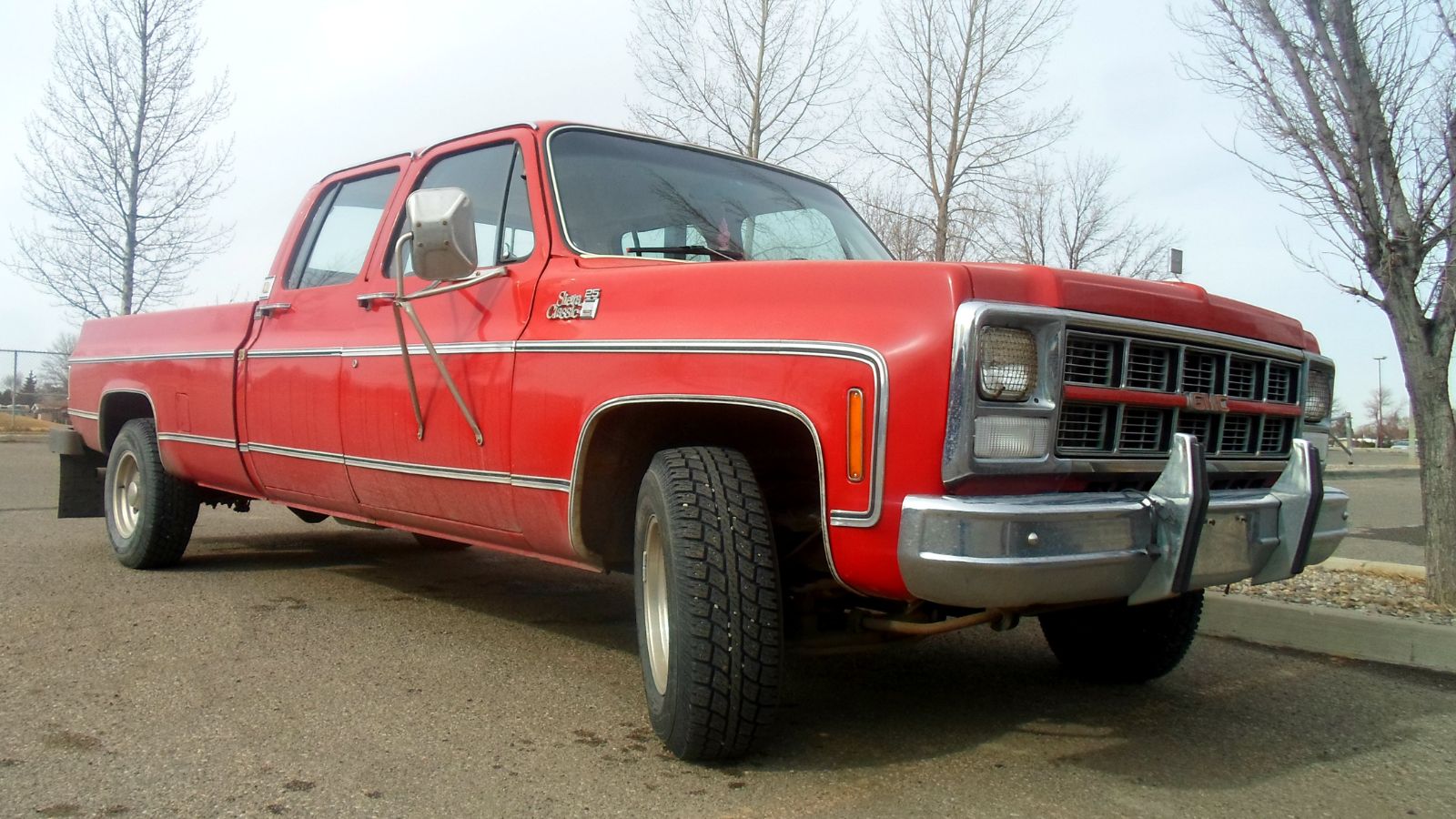
In Canada, GMC often carried a more professional image than Chevrolet. The Sierra Classic leaned into that, offering nicer trims without losing toughness. Contractors and business owners liked the slightly upscale feel while still getting serious towing ability. Diesel options later in the run made them popular for heavy use. These trucks became long term partners rather than short term purchases, especially in western provinces.
Nissan Hardbody 1986 to 1997
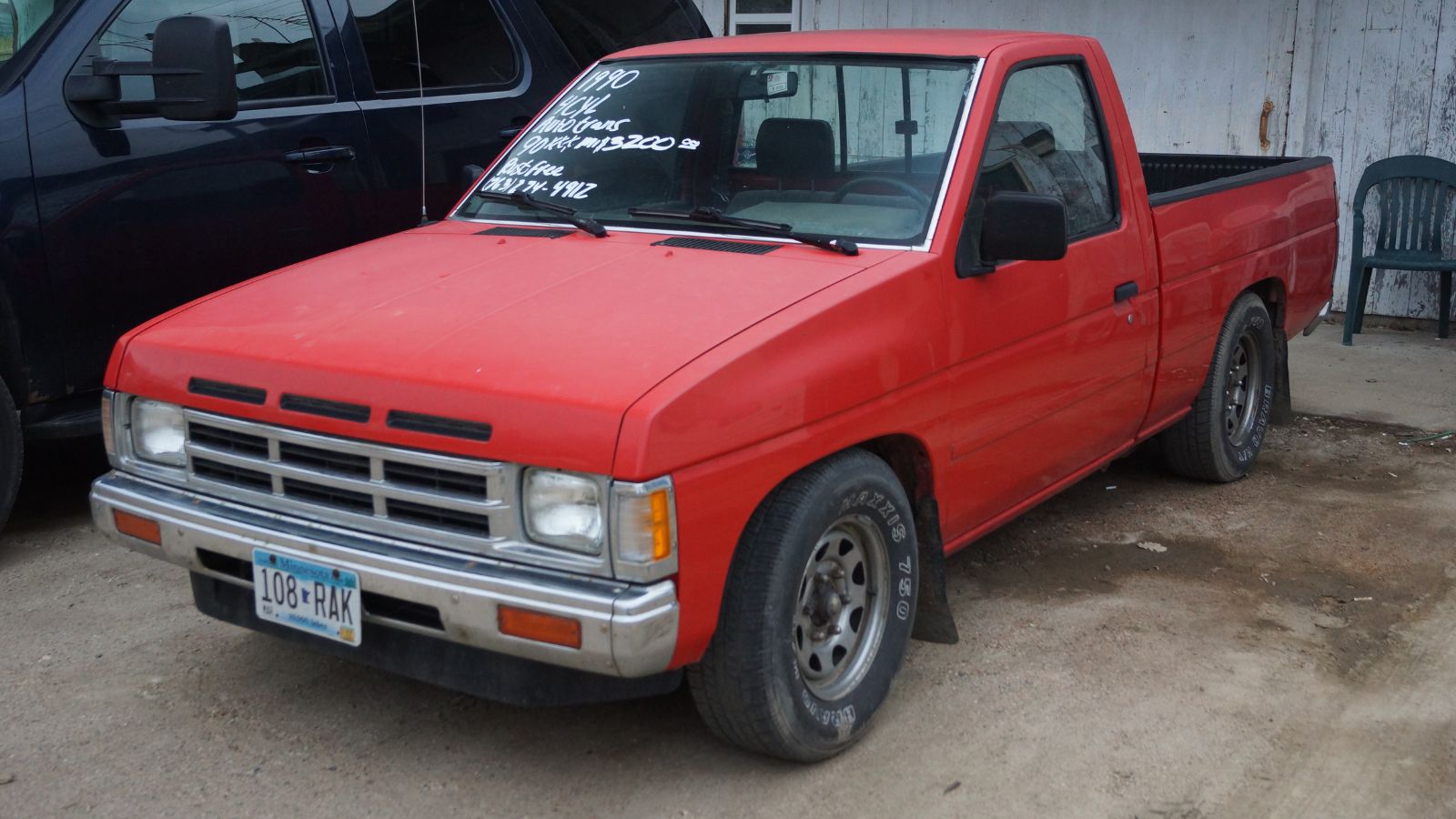
The Hardbody earned Canadian trust the hard way through winters, abuse, and time. Its boxy styling and tough reputation appealed to buyers who valued function over fashion. The V6 models offered real performance for a compact truck, while four cylinders ran forever with minimal care. Rust protection improved over earlier imports, which mattered in salty climates. Owners often kept them far longer than planned.
International Harvester Scout 1961 to 1980
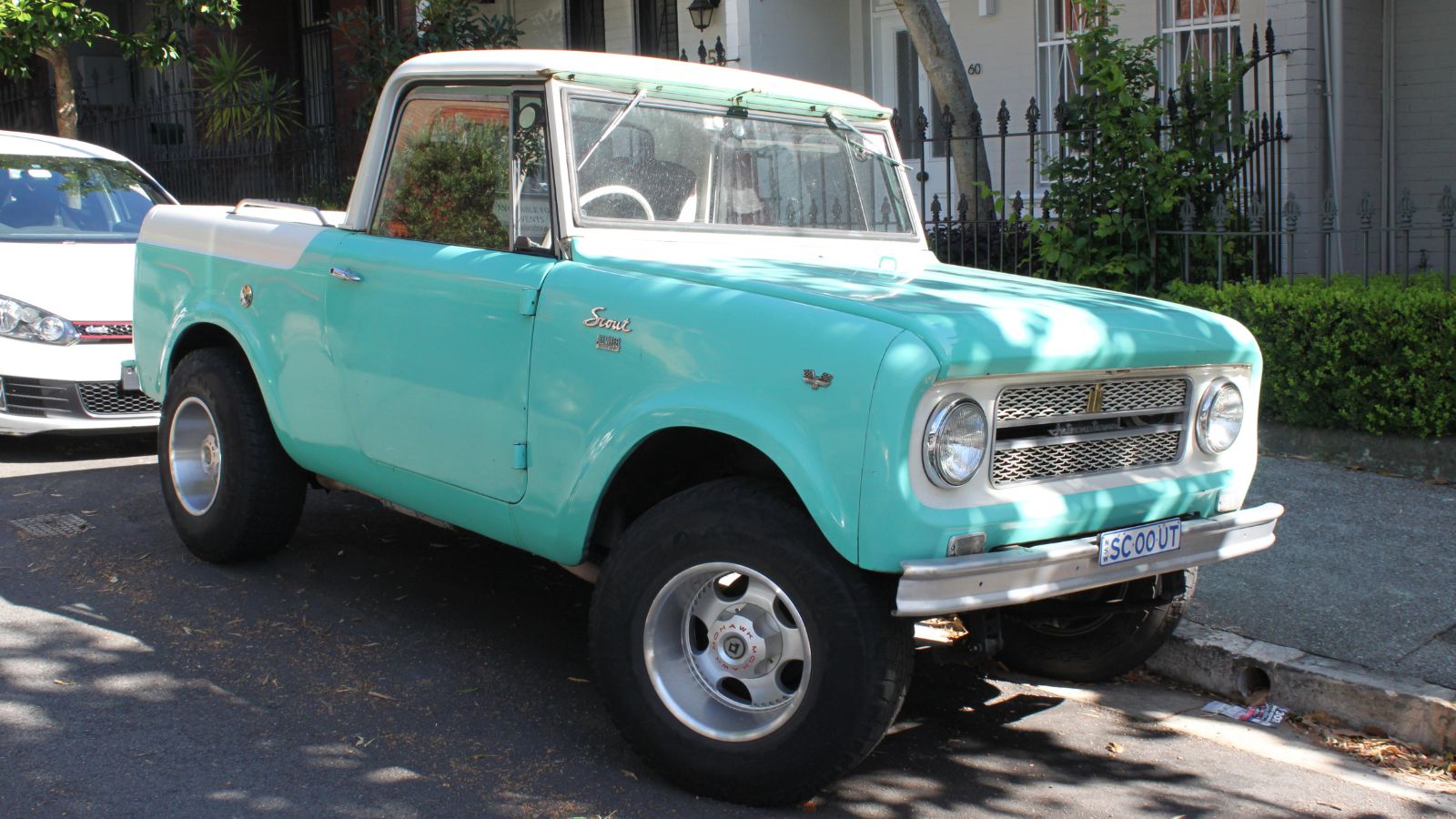
The Scout blurred the line between truck and utility vehicle long before SUVs took over. Canadians loved it for hunting trips, snow covered trails, and rural commuting. It offered four wheel drive capability without the bulk of a full pickup. The engines were simple and torquey, perfect for slow work. While not common, the Scout developed a cult following that still runs deep among enthusiasts today.
Ford Bronco 1966 to 1977
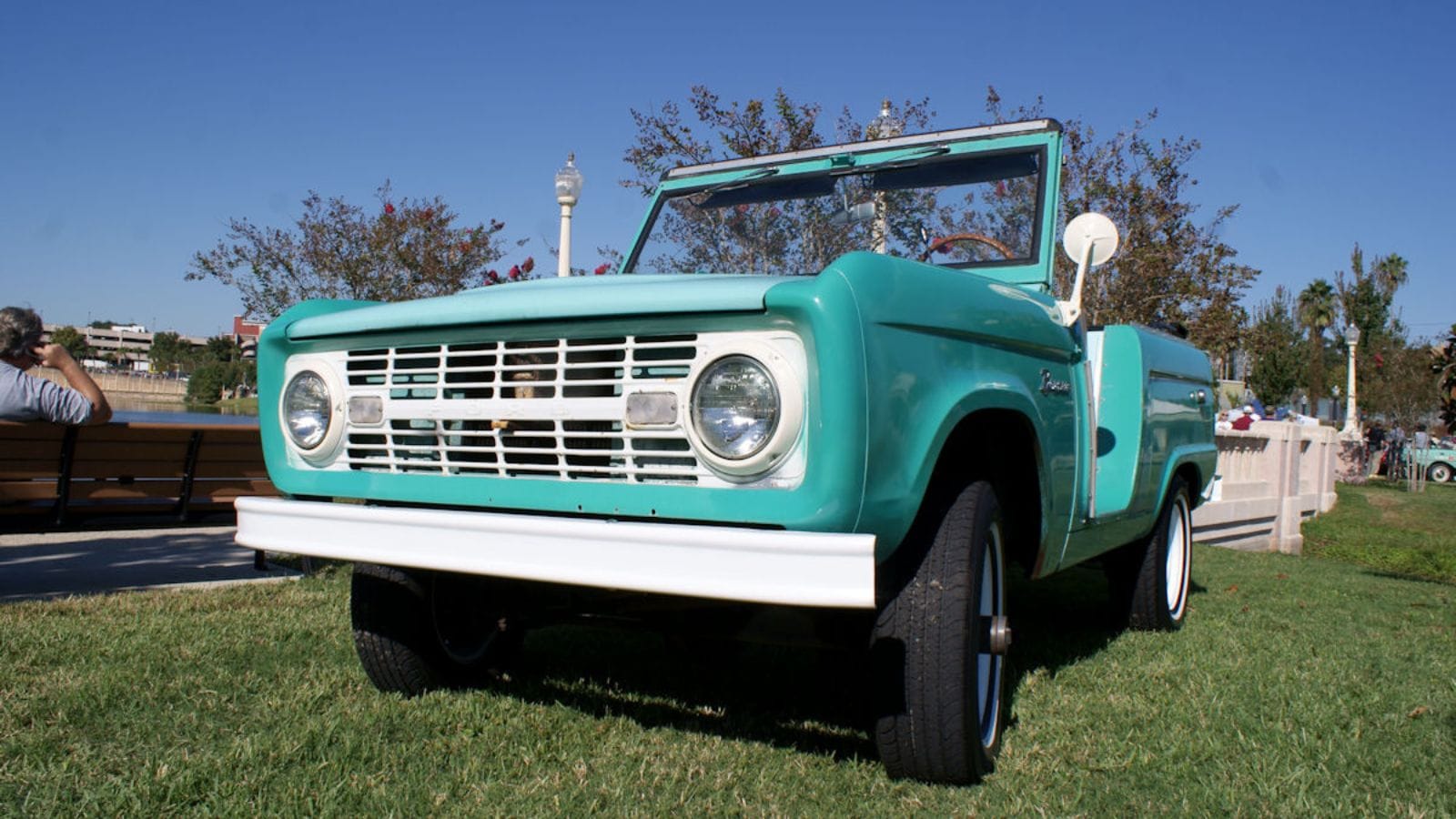
The early Bronco became a Canadian favorite for people who wanted adventure more than payload. Short wheelbase, solid axles, and real four wheel drive made it unstoppable in snow and mud. Cottage owners and outdoor enthusiasts embraced it. Many saw hard use and fewer survived intact, but those memories stuck. Today, Canadians who grew up riding in one still talk about them with genuine affection.
25 Facts About Car Loans That Most Drivers Don’t Realize

Car loans are one of the most common ways people fund car purchases. Like any other kind of loan, car loans can have certain features that can be regarded as an advantage or a disadvantage to the borrower. Understanding all essential facts about car loans and how they work to ensure that you get the best deal for your financial situation is essential. Here are 25 shocking facts about car loans that most drivers don’t realize:
25 Facts About Car Loans That Most Drivers Don’t Realize
