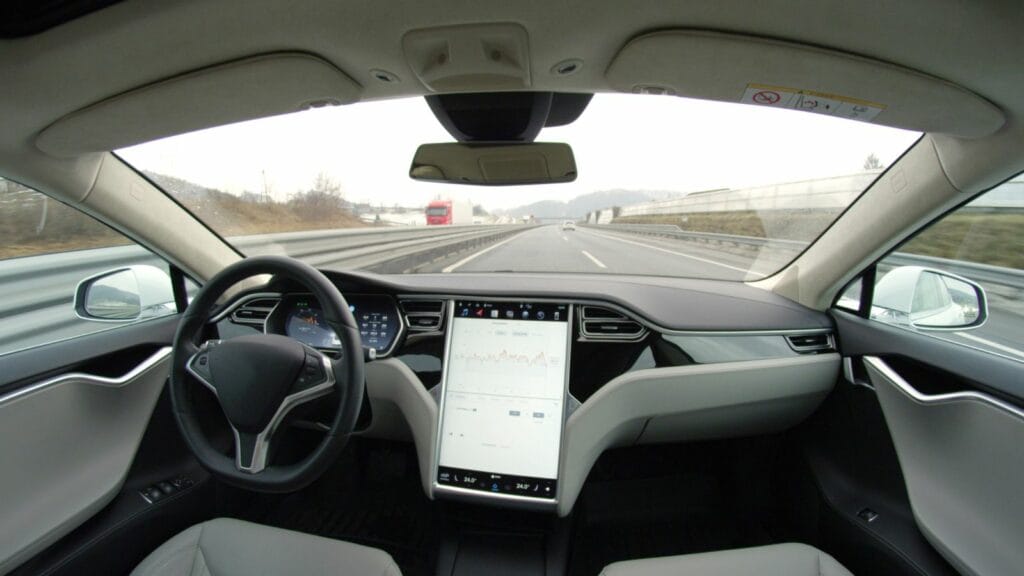
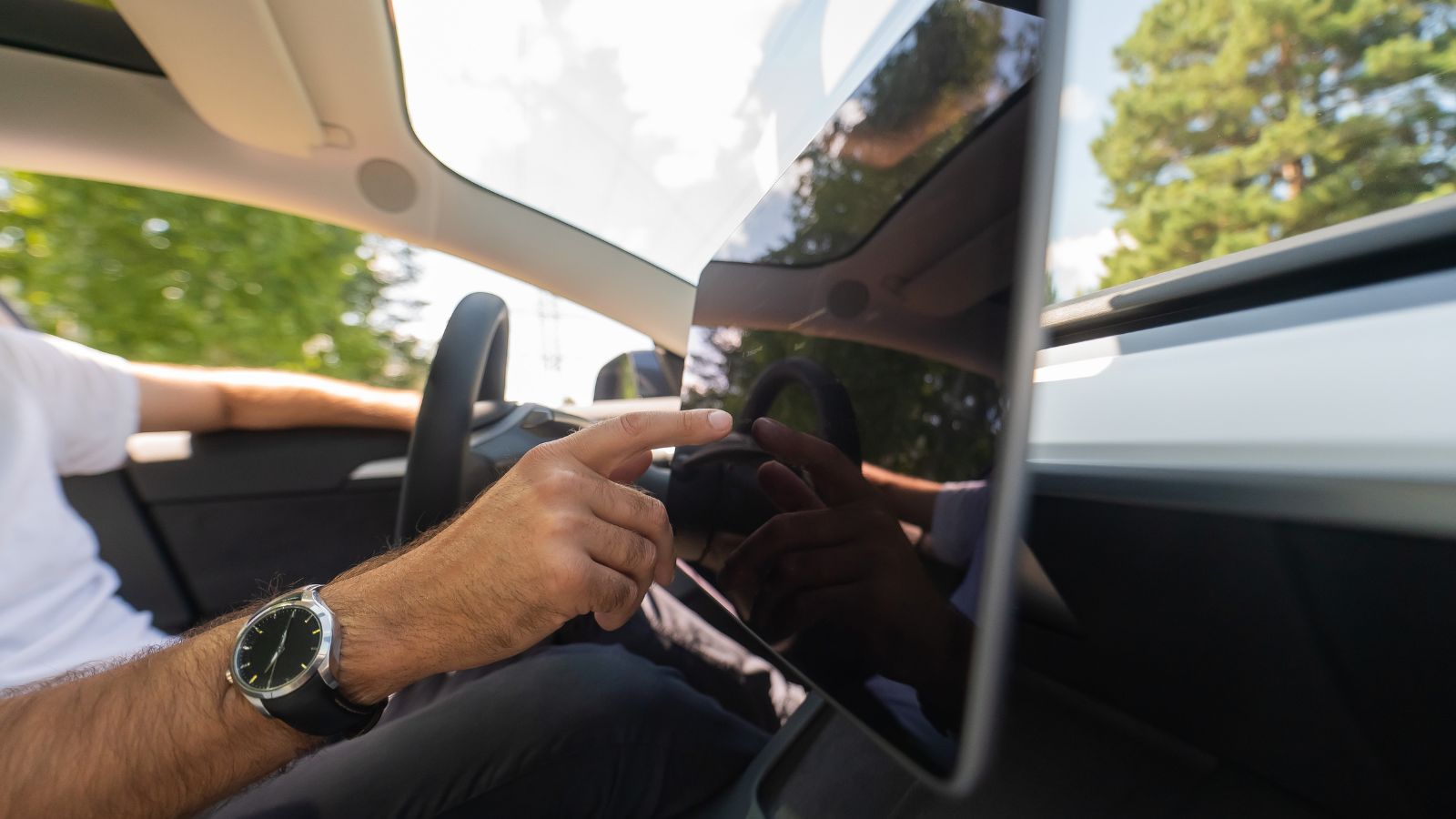
For more than a decade, automakers treated touchscreens like the answer to everything. Buttons were considered outdated, knobs were mocked and every new model arrived with a screen that looked bigger than the one in the living room. Designers loved the minimalist look. Executives loved the cost savings. Tech companies loved the tablet style dashboards. But drivers? They reached their limit. Real world driving exposed exactly how impractical giant touch panels can be, and now the industry is reversing course. Touchscreen overload is fading fast, and a new era of smarter, safer interior controls is taking its place.
Buttons and Knobs Are Making a Comeback
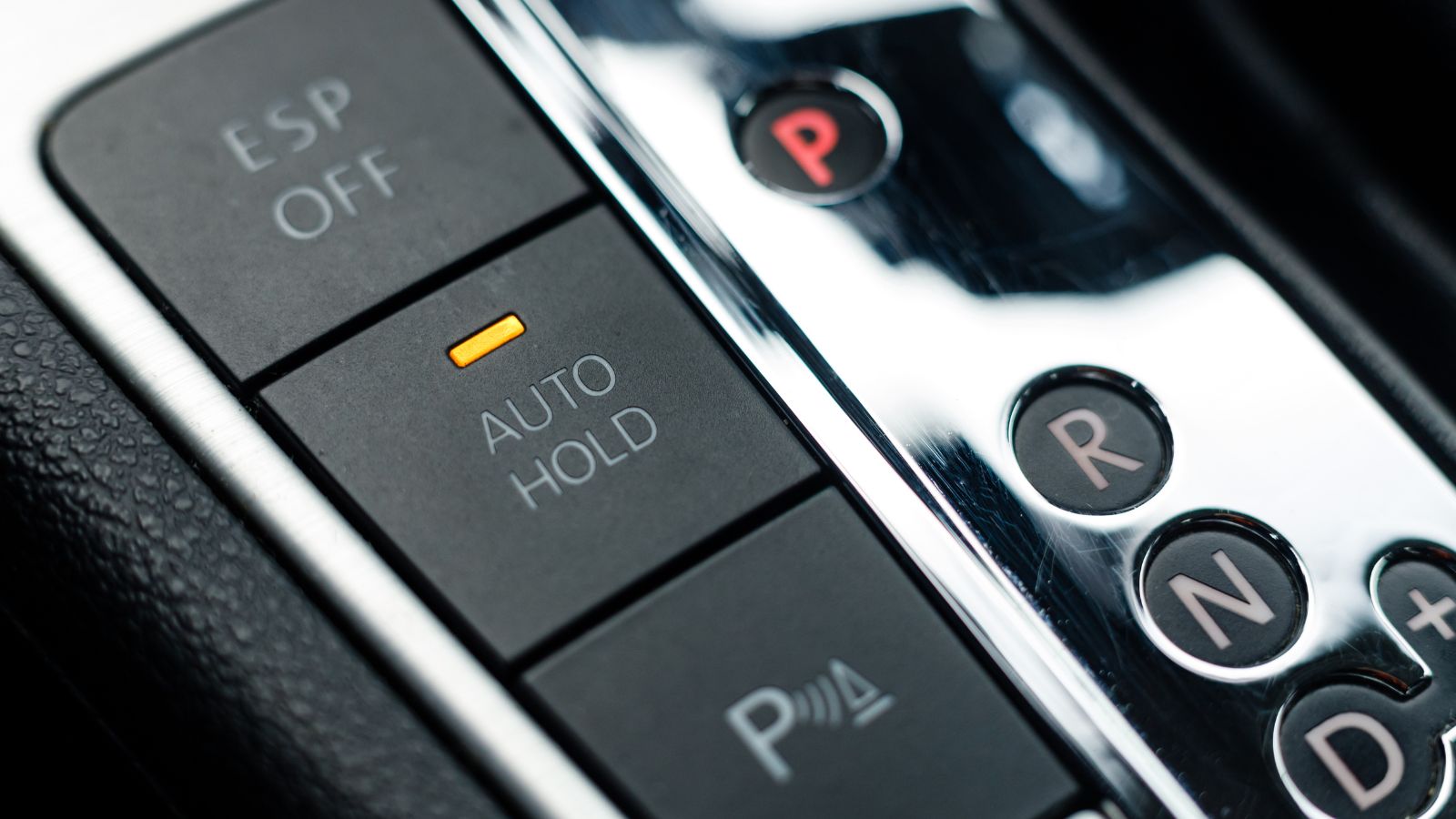
The return of physical controls wasn’t driven by nostalgia. It was driven by safety. Drivers discovered that using a knob for temperature or a button for defroster could be done instantly without taking eyes off the road. Touch menus turned simple actions into multi step distractions. Automakers tried to defend the design for years, but customer frustration didn’t stop. Now companies are proudly announcing that physical controls are returning because they simply work better in motion. The old school solution won because it makes driving easier.
Smart Switchgear Instead of Touch Menus
Buttons are back, but not in the old-fashioned sense. Modern switchgear adapts depending on what the driver needs. A single button might handle audio functions while parked but switch to climate settings on the highway. Cars detect driving situations and highlight the most relevant controls. It is a mix of software flexibility and physical precision. Instead of drowning drivers in menus, the car makes the decision and presents the right tools at the right time.
Rotary Controllers Are Back in Style
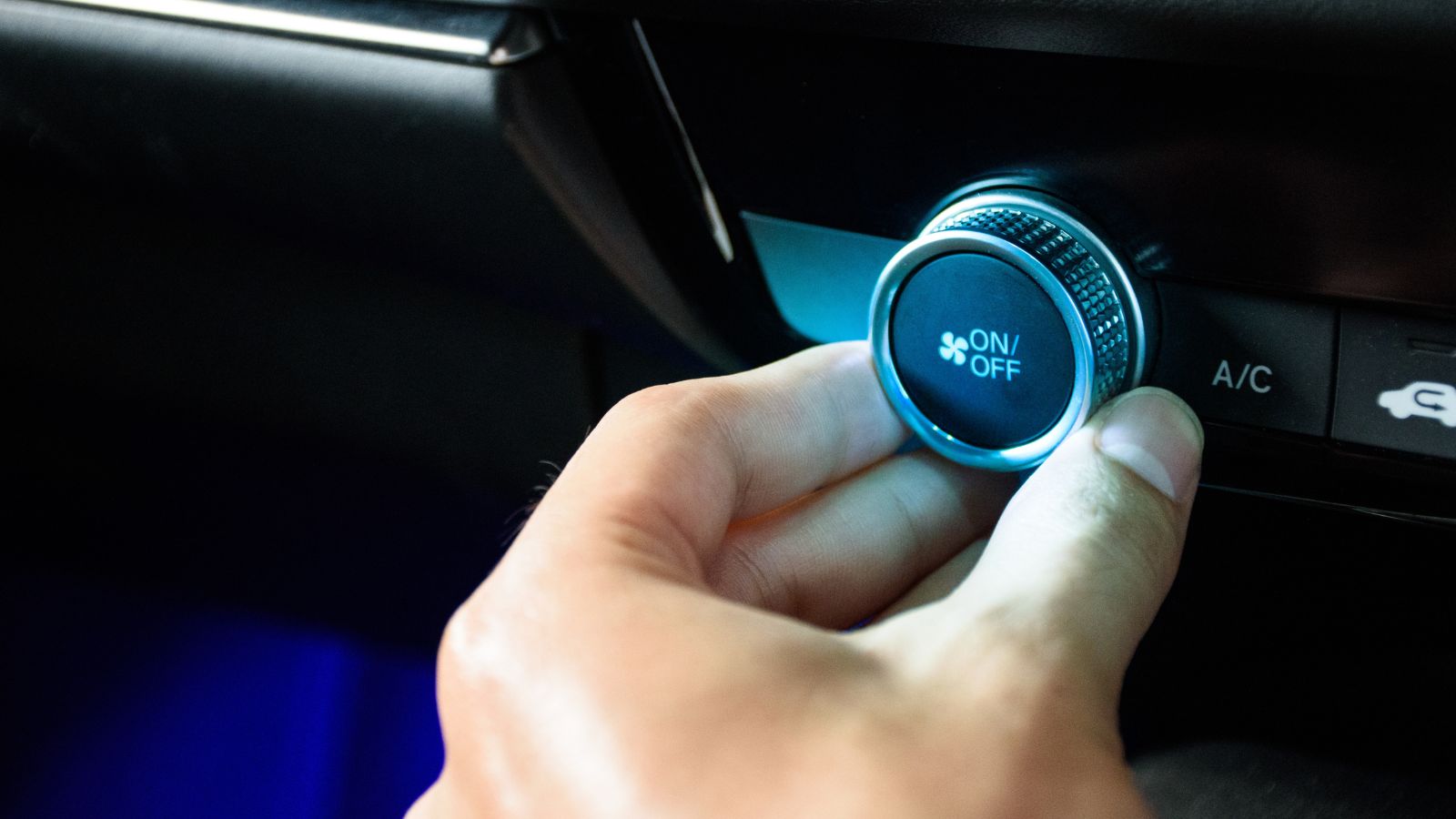
Touchscreens look futuristic, but try using one on a frozen January morning while bouncing over potholes. That’s where rotary dials shine. A driver can scroll, click and select without lifting their arm or searching a screen. The design was nearly abandoned when touchscreens took over, but now it is spreading again beyond German luxury brands. Even mainstream automakers are realizing that a physical dial is more predictable than a digital swipe.
Voice Commands That Actually Work
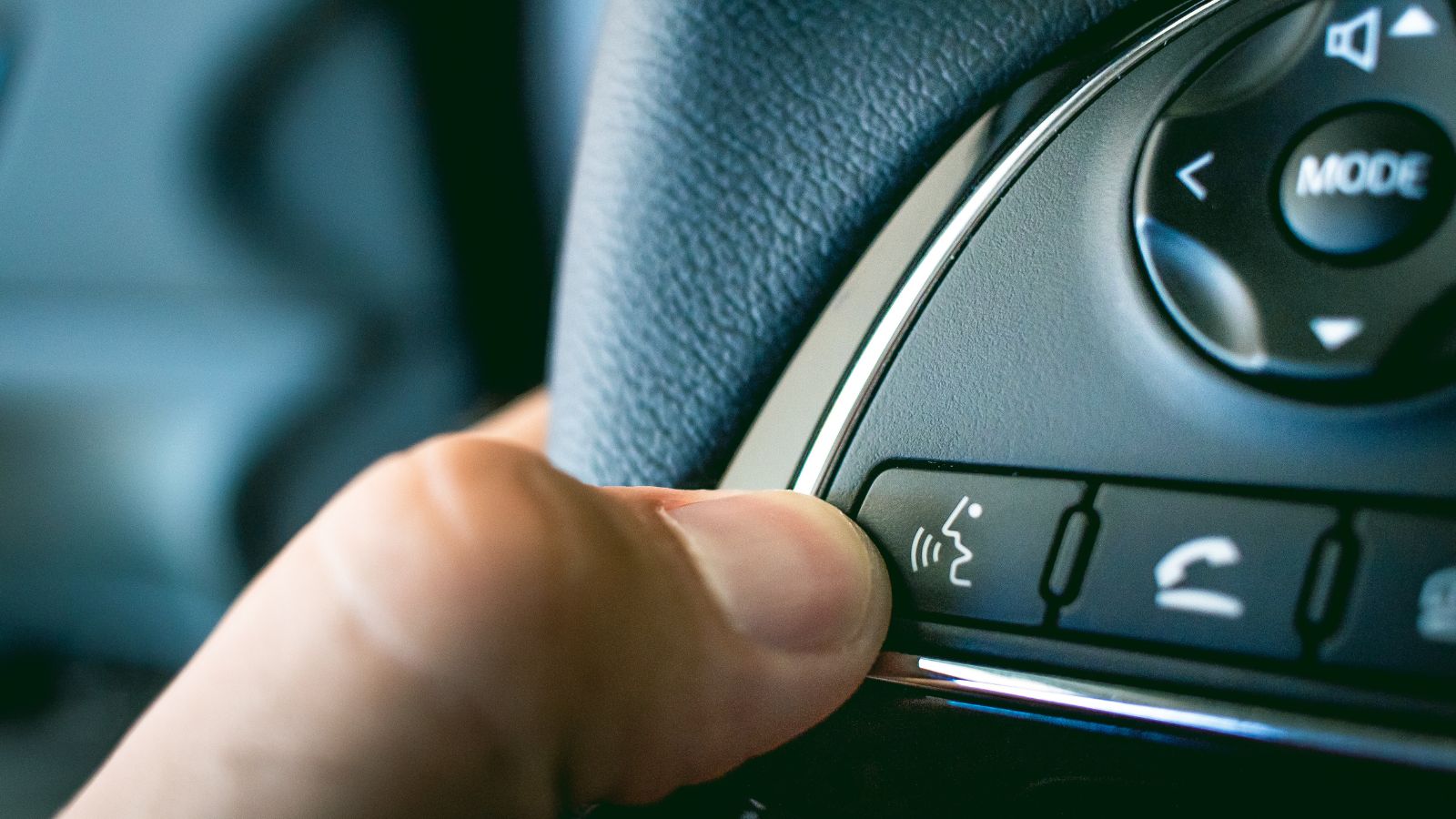
Voice control used to be a punchline because it couldn’t understand anything beyond robotic commands. That era is ending. New systems are far more accurate and respond to natural language instead of preprogrammed phrases. Instead of tapping through settings, a driver can simply say they are cold or want to go home and the system handles the rest. When voice tech works properly, it removes the need to touch anything at all — and that’s the ultimate safety feature.
Haptic Touch Panels Replace Full Screens
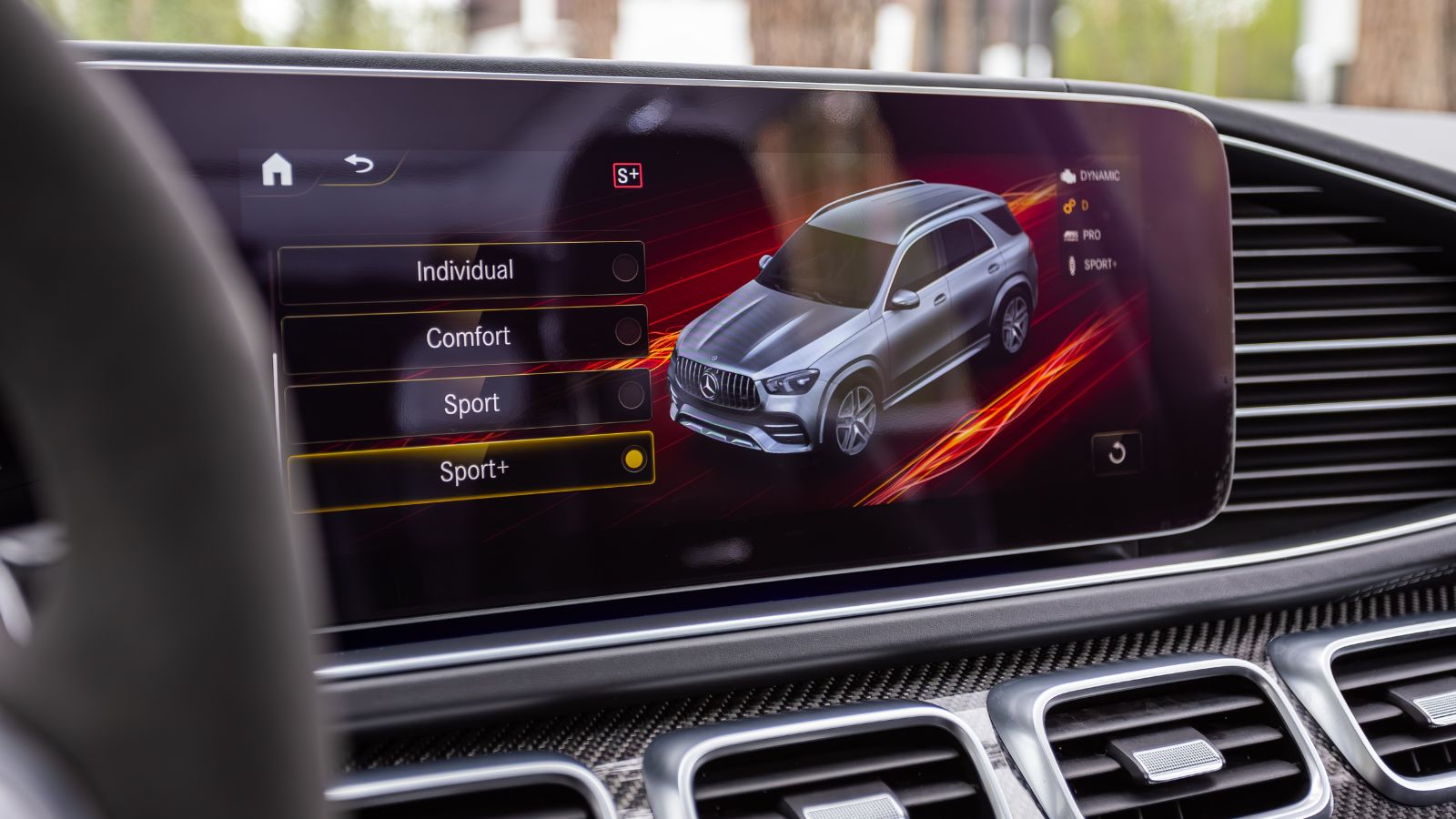
Touch surfaces aren’t disappearing, but they are evolving. Some vehicles now use haptic control strips and pressure sensitive pads instead of sprawling displays. Drivers don’t need to poke at glowing icons. They feel subtle bumps or clicks through their fingertips when adjusting a setting, offering confidence without staring at the dash. It’s a compromise between futuristic minimalism and real world usability.
Steering Wheel Controls Take Over More Tasks
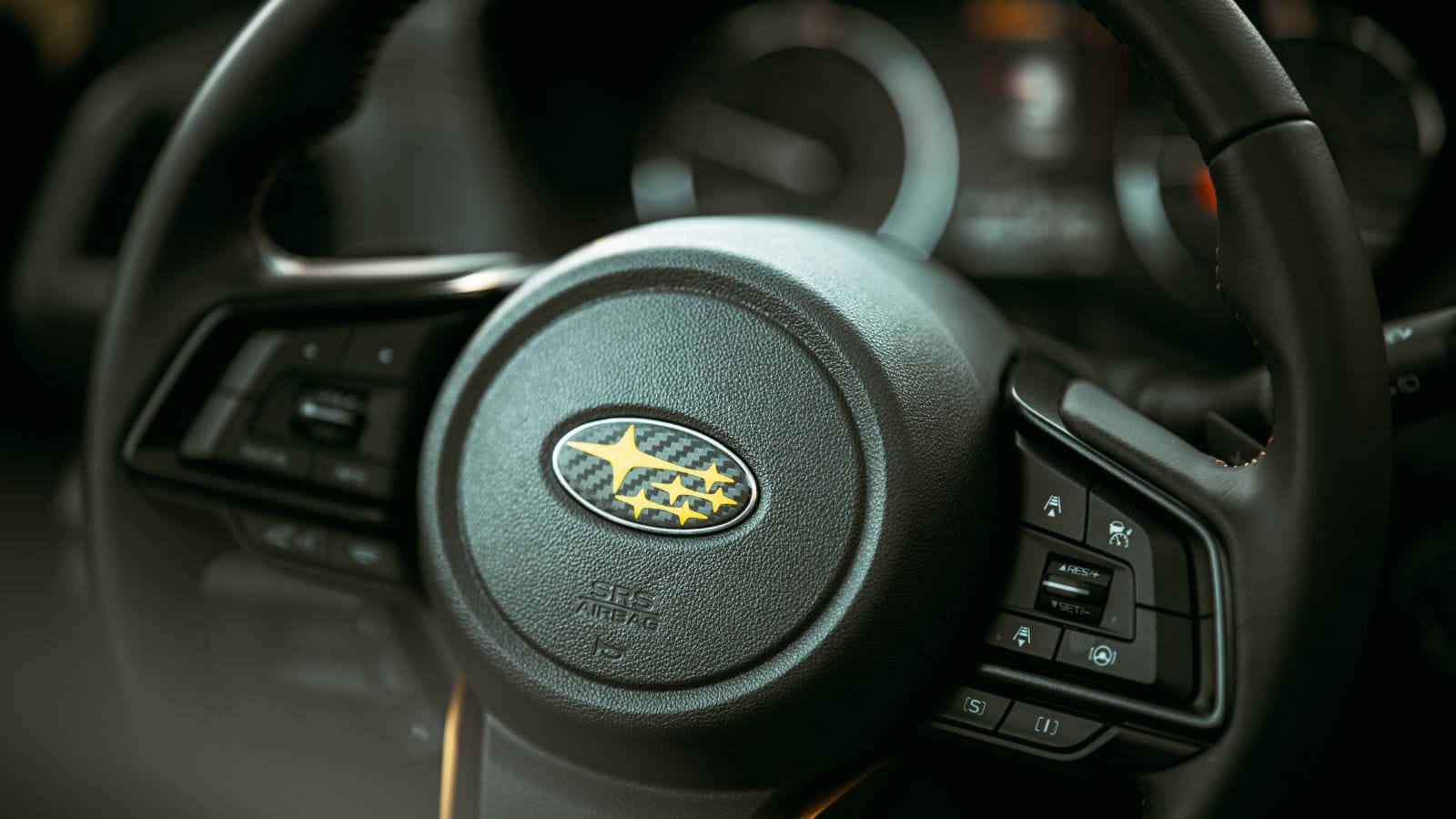
Instead of reaching for the dash, more drivers will control their cars through wheel mounted buttons, scroll wheels and touch pads. The hands never leave the wheel, and the eyes never leave the road. Early steering wheel controls were clumsy, but modern systems allow fast access to lane assist, audio, calls, navigation and vehicle data. Cars learned that the safest place to interact is the place you’re already holding.
Automation Handles Routine Tasks
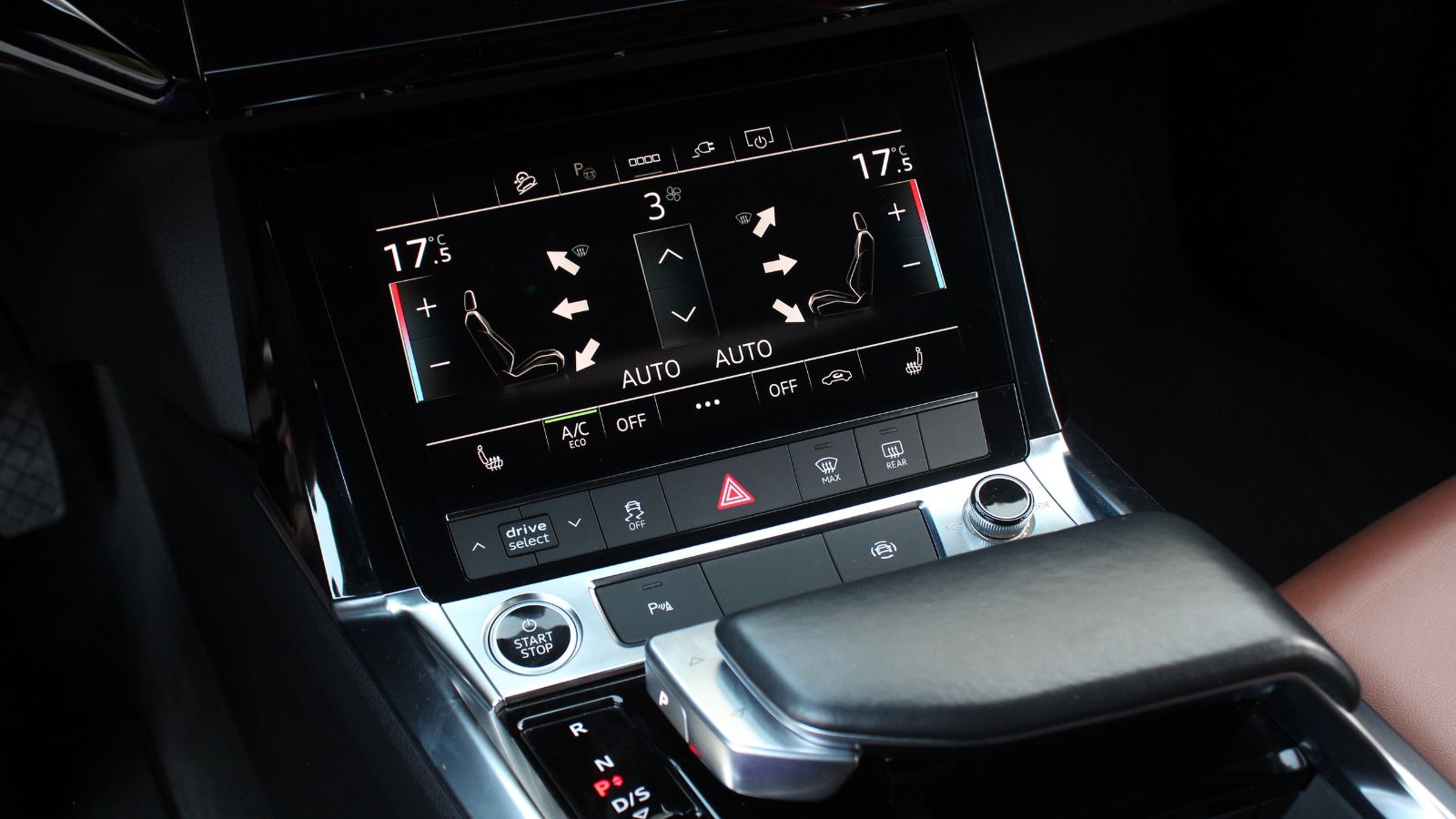
The smartest interface is the one you never have to use. Modern vehicles now automatically adjust climate, seat positions, mirror settings, ambient lighting and driving modes based on who gets in. They learn patterns and preferences over time. The whole goal is to eliminate busywork. Instead of giving drivers a thousand digital options, the car quietly manages them in the background.
Smaller Screens, Better Design
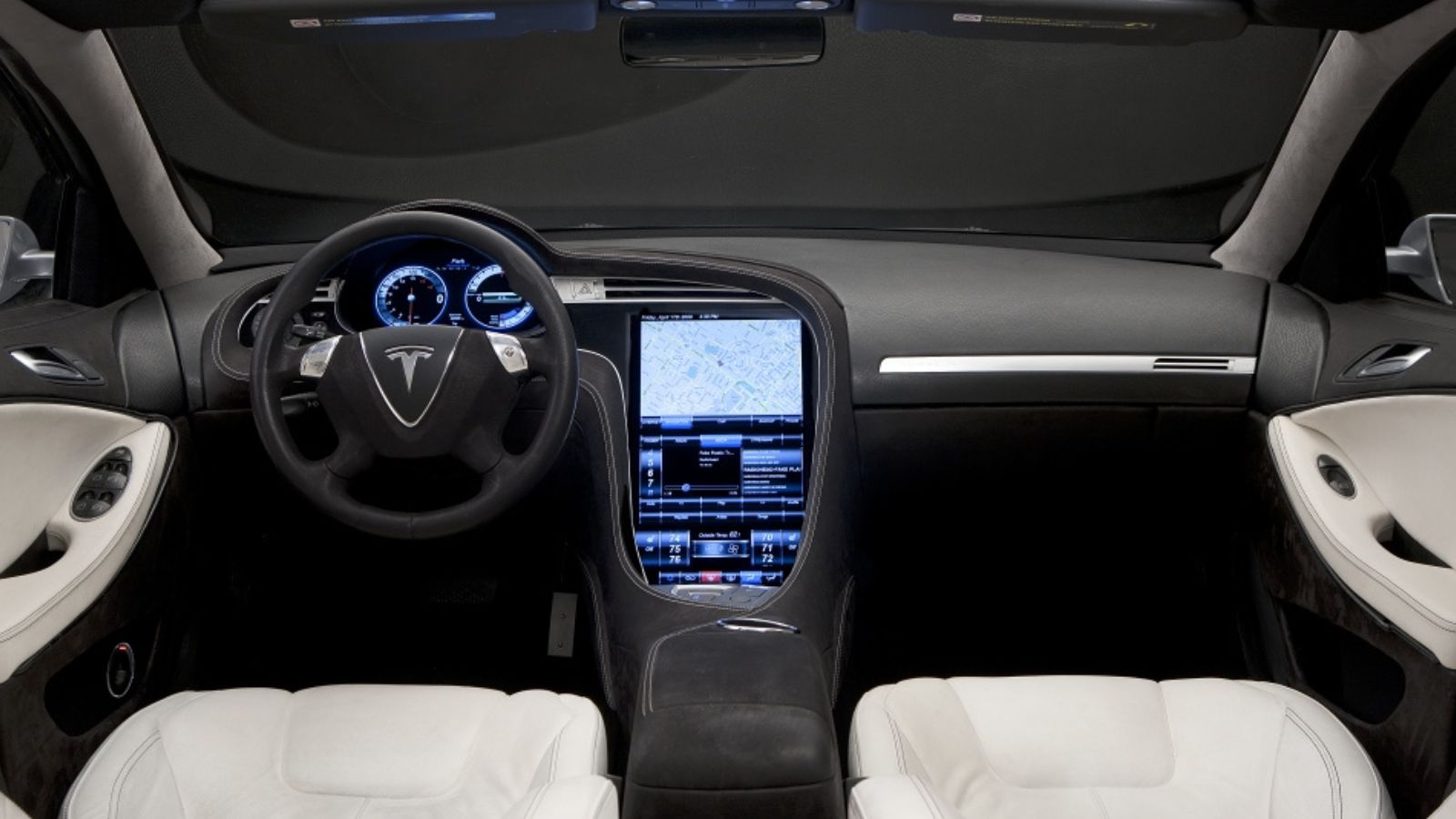
The pendulum is swinging back toward screens that complement driving rather than dominate it. Smaller displays positioned logically are replacing giant theatrical dashboards. The shift is subtle but meaningful. Drivers want information that’s readable, reachable and relevant. They don’t need a home theater in the center console. They need a tool that helps them drive.
Why the Touchscreen Era Failed
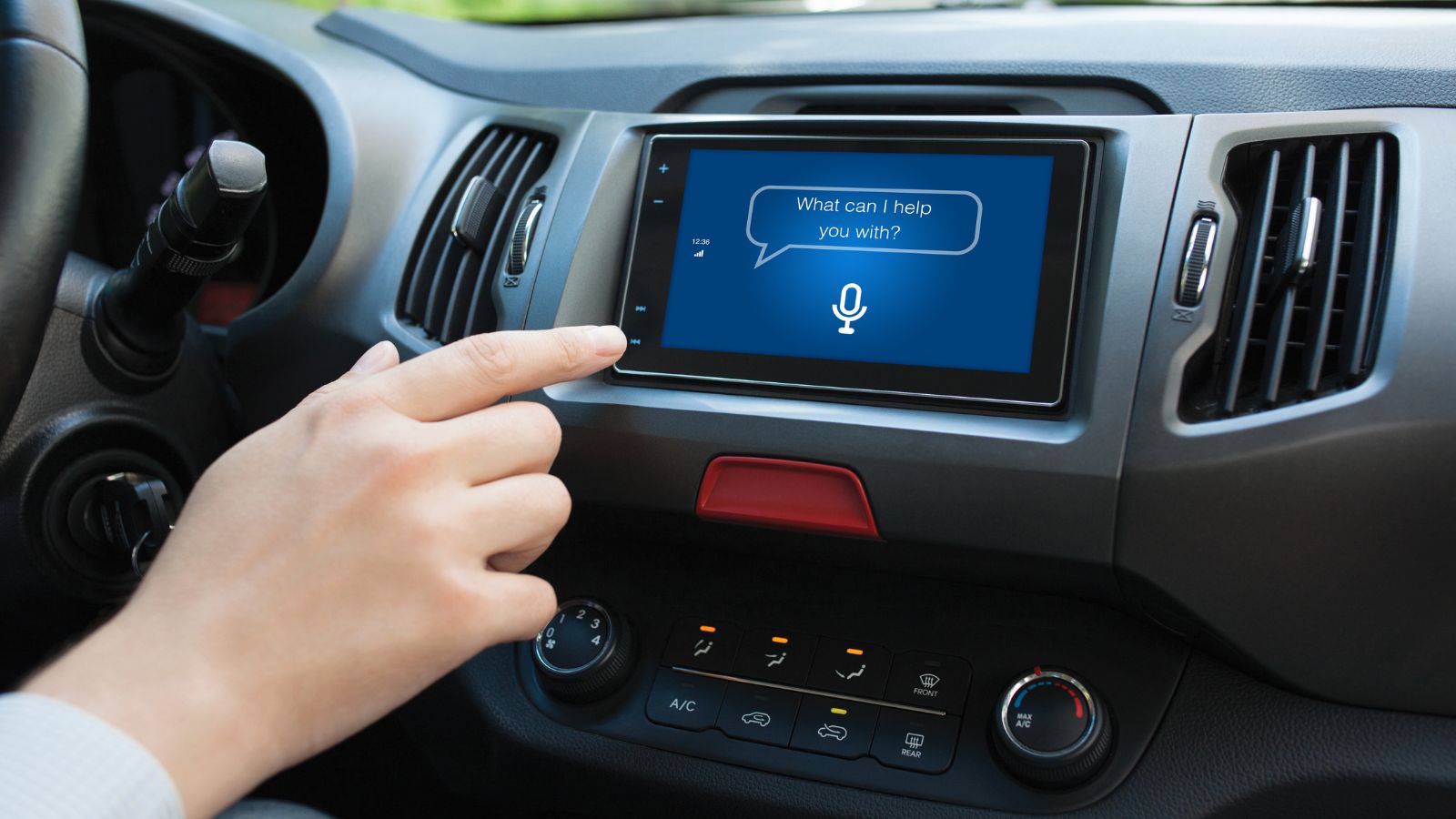
Touchscreens looked futuristic in car commercials, but in actual driving they failed basic usability tests. Cold fingers didn’t register taps. Icons were too small. Roads were too bumpy. Interfaces buried essential functions behind multiple menus. Safety organizations released reports warning that infotainment systems were becoming a major distraction behind the wheel. Drivers pushed back, reviewers mocked the trend and automakers eventually admitted the obvious: controlling a moving two ton machine should not be harder than controlling a phone.
Touchscreens won’t disappear entirely, but their reign as the centerpiece of interior control is ending. The next generation of car design is all about intuitive, tactile control that makes driving safer instead of flashier. The future isn’t more screen. The future is smarter control — and for the first time in years, drivers are getting exactly what they’ve been asking for.
25 Facts About Car Loans That Most Drivers Don’t Realize

Car loans are one of the most common ways people fund car purchases. Like any other kind of loan, car loans can have certain features that can be regarded as an advantage or a disadvantage to the borrower. Understanding all essential facts about car loans and how they work to ensure that you get the best deal for your financial situation is essential. Here are 25 shocking facts about car loans that most drivers don’t realize:
25 Facts About Car Loans That Most Drivers Don’t Realize
