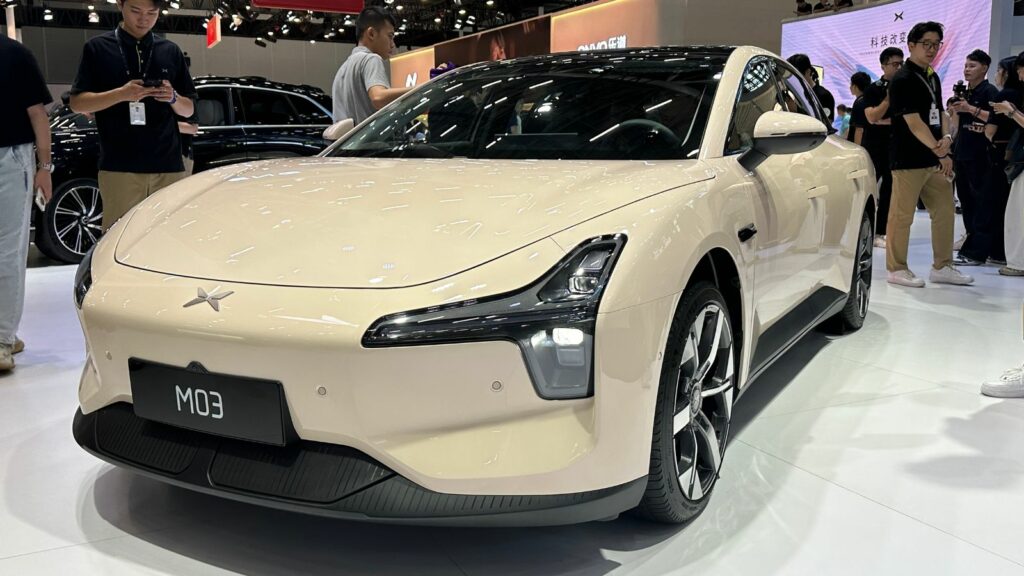
Chinese automakers have quietly transformed themselves into serious global players. What used to be dismissed as budget transportation is now packed with strong design, impressive tech, and aggressive pricing. Canadian consumers are paying attention, especially as affordability, electrification, and hybrid flexibility matter more than ever. These ten upcoming Chinese vehicles are generating real enthusiasm and could realistically find their way to Canadian roads.
Zeekr 007
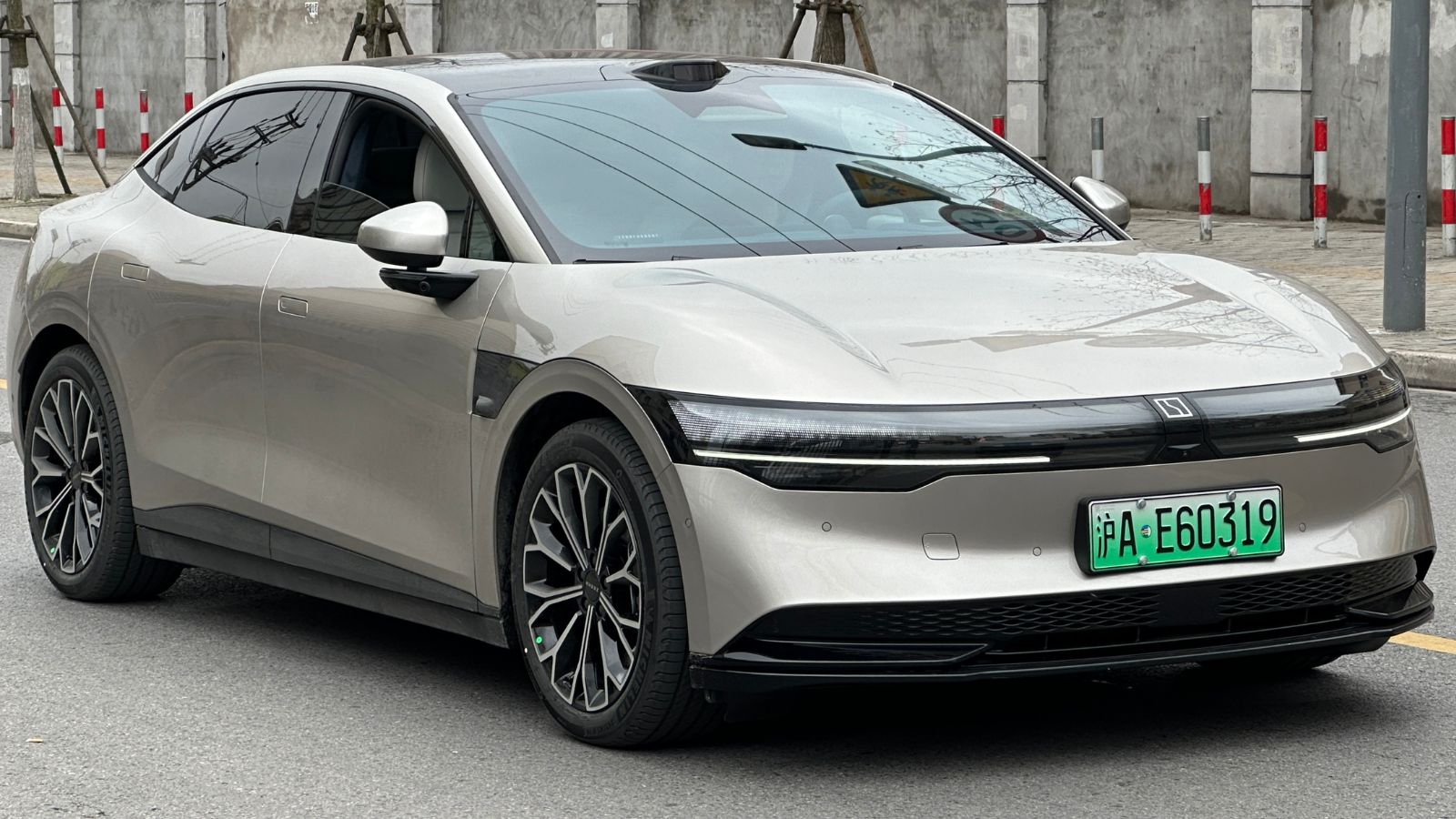
Zeekr sits at the premium end of the Chinese market, and the 007 is the car grabbing attention globally. It is a sleek electric sedan with performance figures that rival German luxury brands while undercutting them on price. The interior feels modern and well thought out, and early impressions suggest build quality is no longer a weak point. For Canadian buyers looking at luxury EVs but balking at six figure price tags, the 007 could be very tempting.
Zeekr 7X
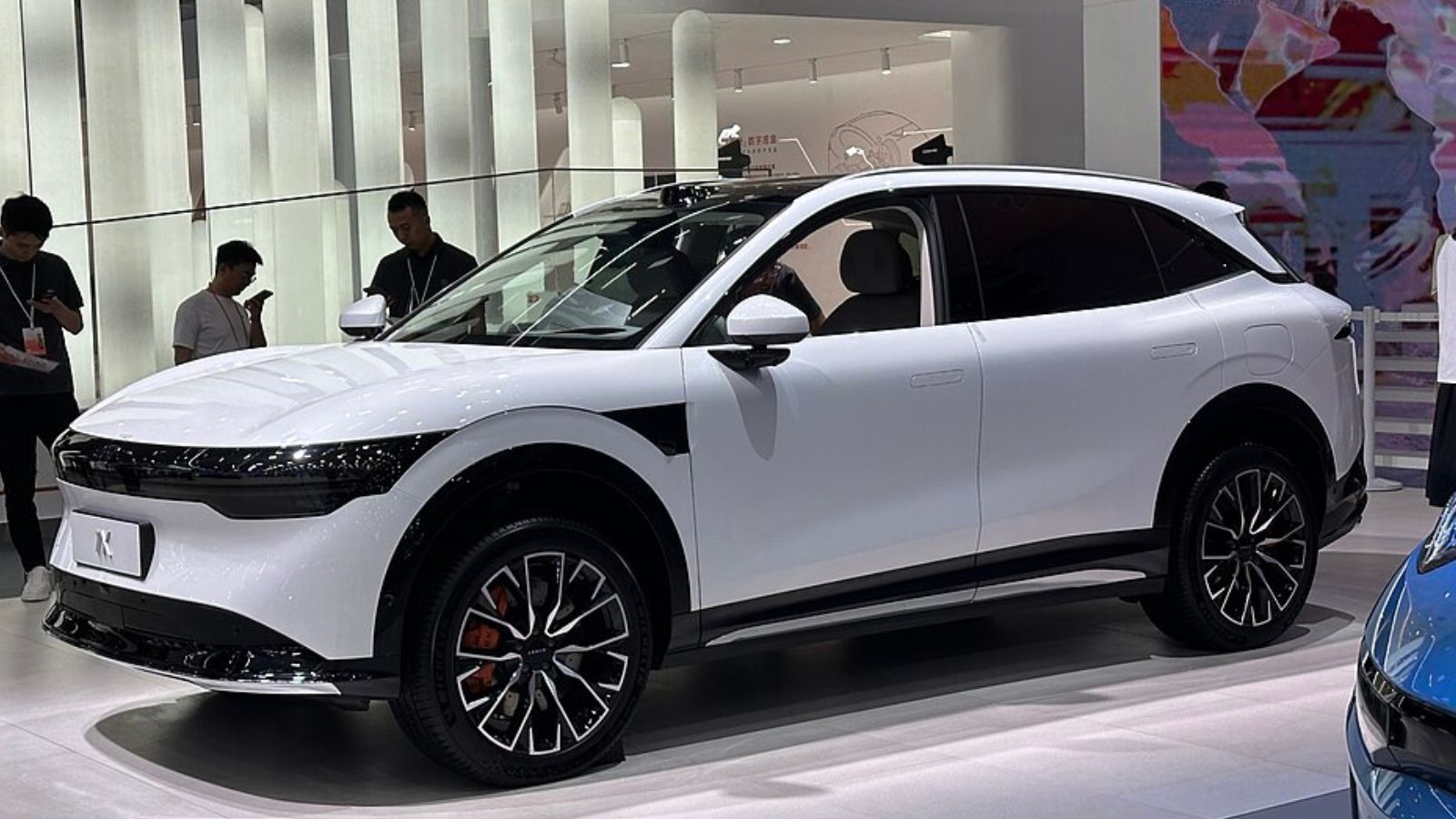
The Zeekr 7X takes the same philosophy and applies it to a midsize SUV format, which instantly makes it more relevant for Canada. It balances long range capability with strong performance and a tech heavy cabin that feels competitive with established premium brands. The proportions and ride height suit Canadian tastes, especially for buyers coming from vehicles like the Model Y or Audi Q5. It feels like a natural fit for this market.
BYD Seagull
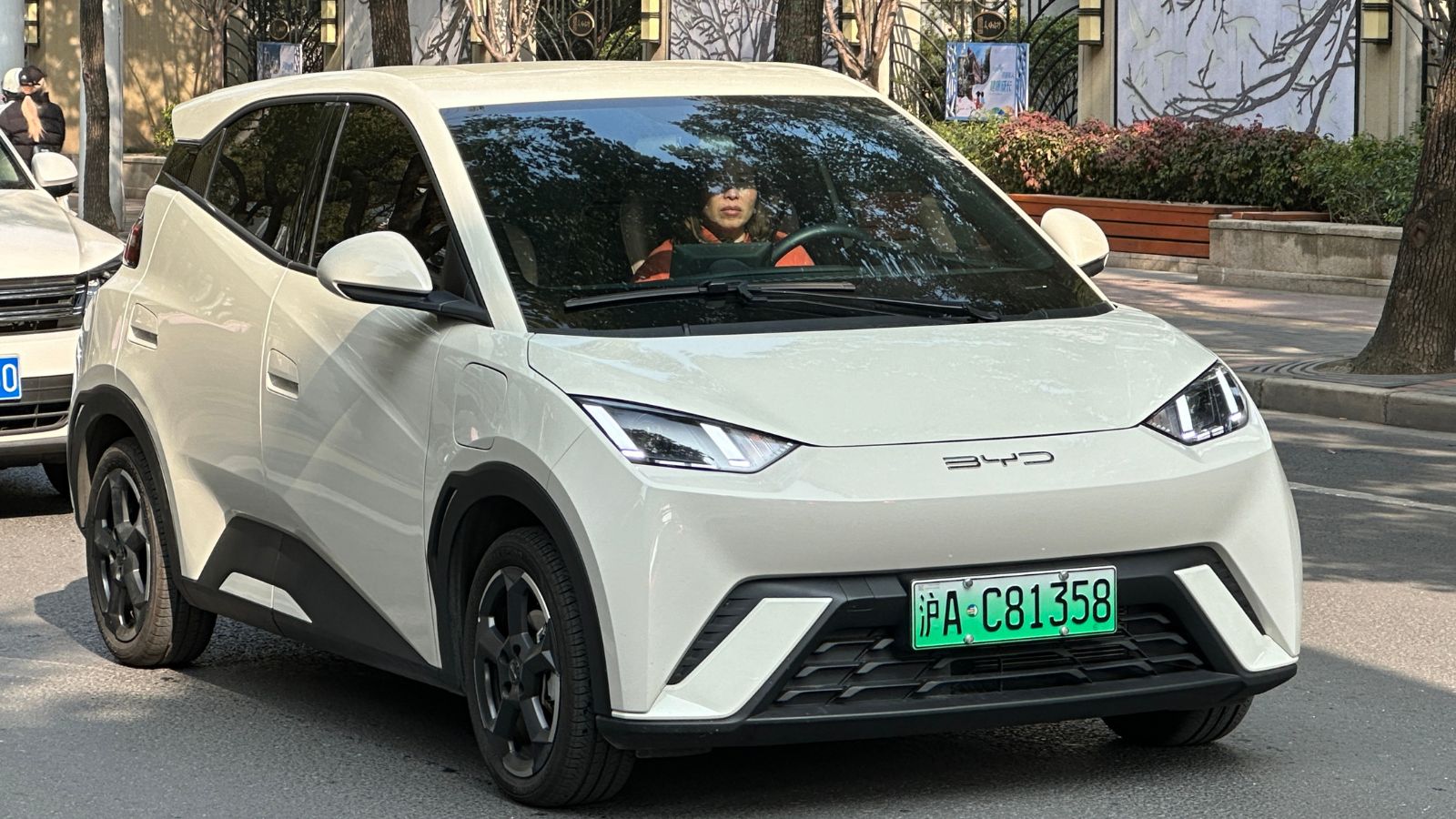
The BYD Seagull represents the opposite end of the spectrum. It is small, affordable, and built for everyday urban use. While compact EVs have struggled in Canada before, rising fuel prices and city focused buyers are changing that equation. The Seagull’s appeal is simplicity and cost. For households looking for a second car or commuters who want an inexpensive entry into electric ownership, this one has serious potential.
Xpeng Mona M03
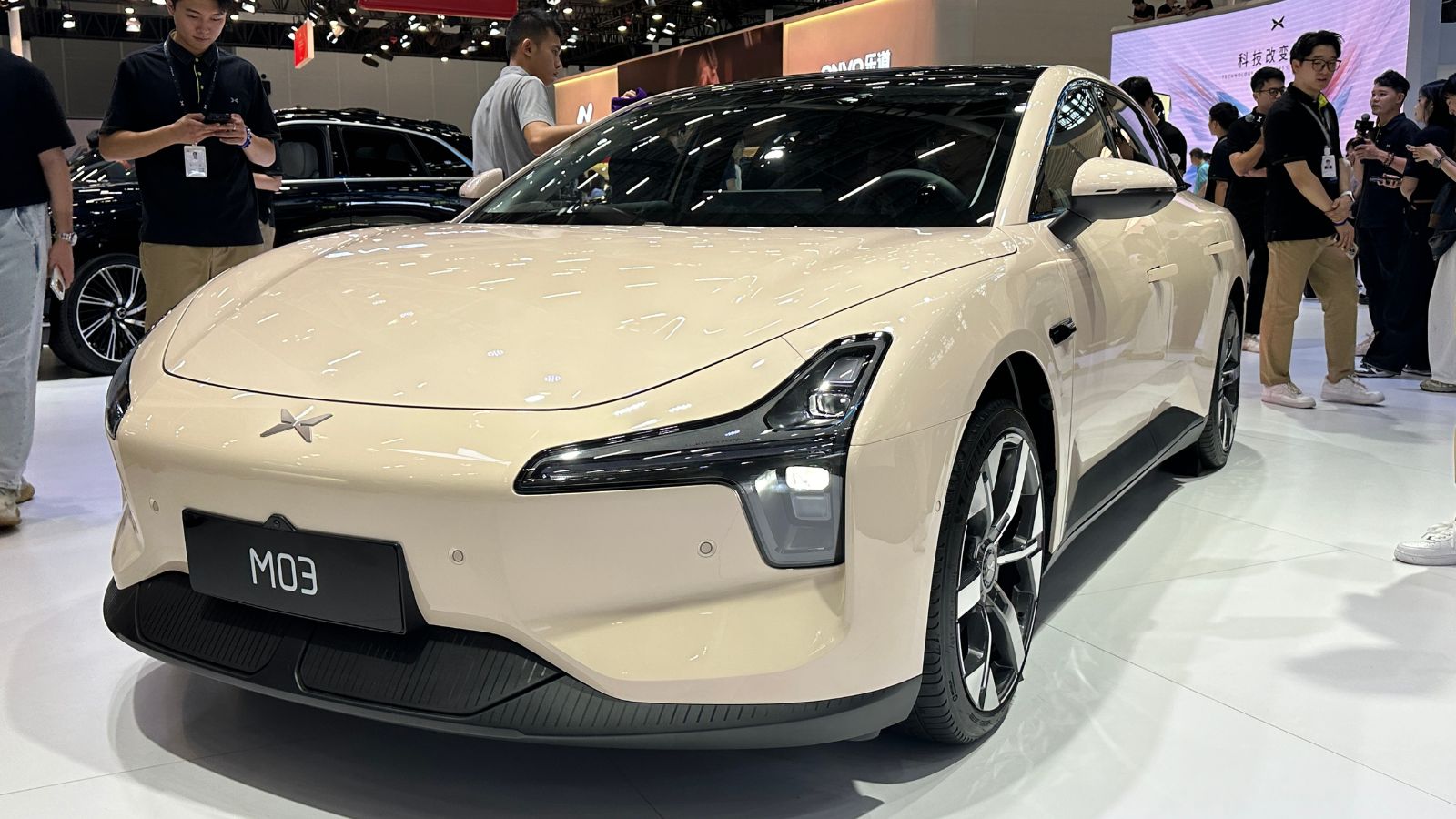
Xpeng has built its reputation on software and user experience, and the Mona M03 shows that clearly. It is a compact electric hatch or sedan designed to feel tech forward without being intimidating. The cabin layout is clean, the driver assistance systems are advanced, and the overall package feels aimed directly at younger buyers and first time EV owners. In Canada, where compact sedans still have a following, this could land well.
Baojun Huajing S
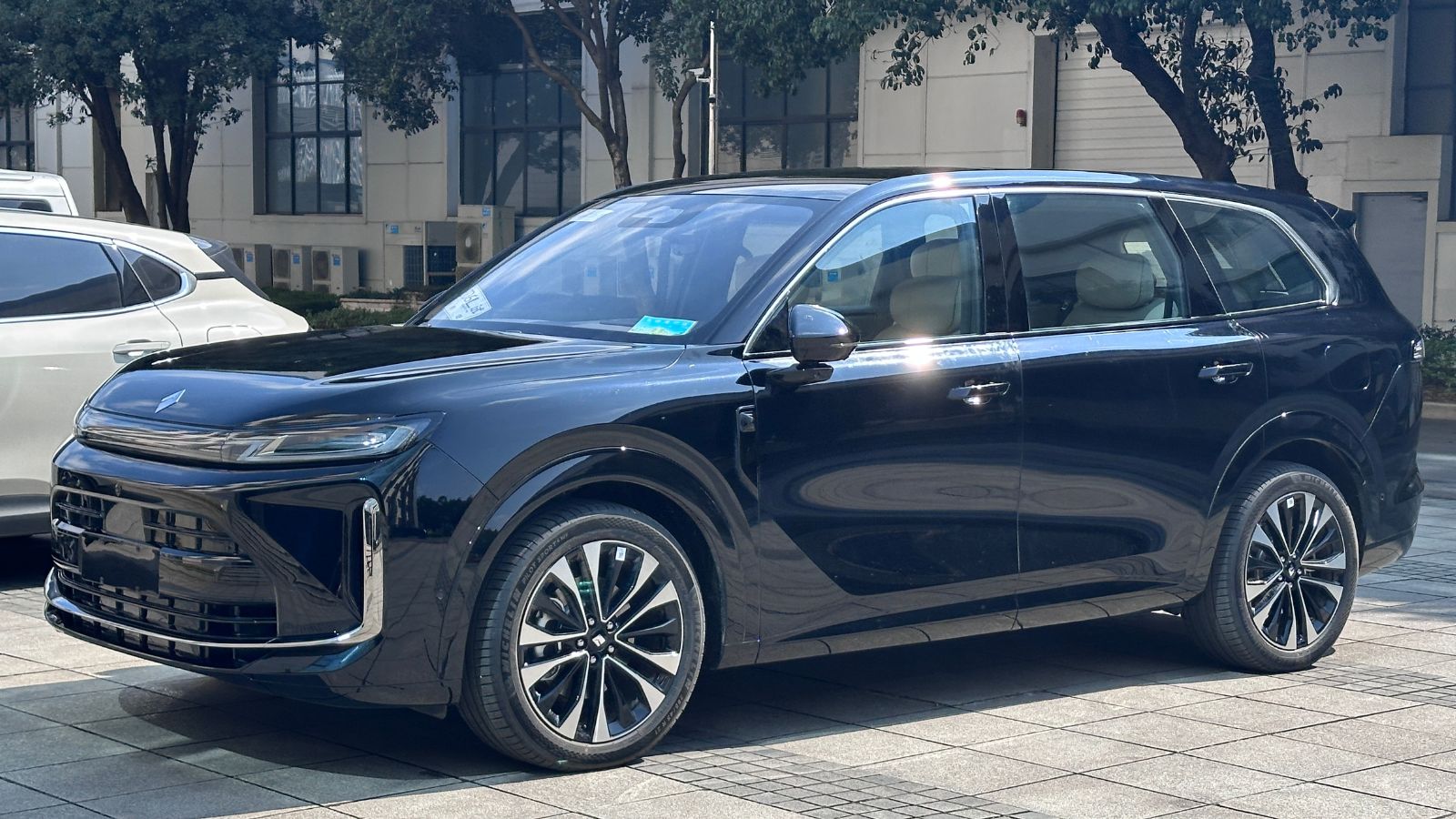
Not everyone is ready to go fully electric, and the Baojun Huajing S recognizes that reality. This plug in hybrid SUV blends electric driving for daily use with gasoline backup for long trips and cold weather. That combination makes sense for Canadian conditions. The styling is modern, the cabin is feature rich, and the hybrid setup removes many of the anxieties that still surround EV ownership in winter climates.
Geely Galaxy A7
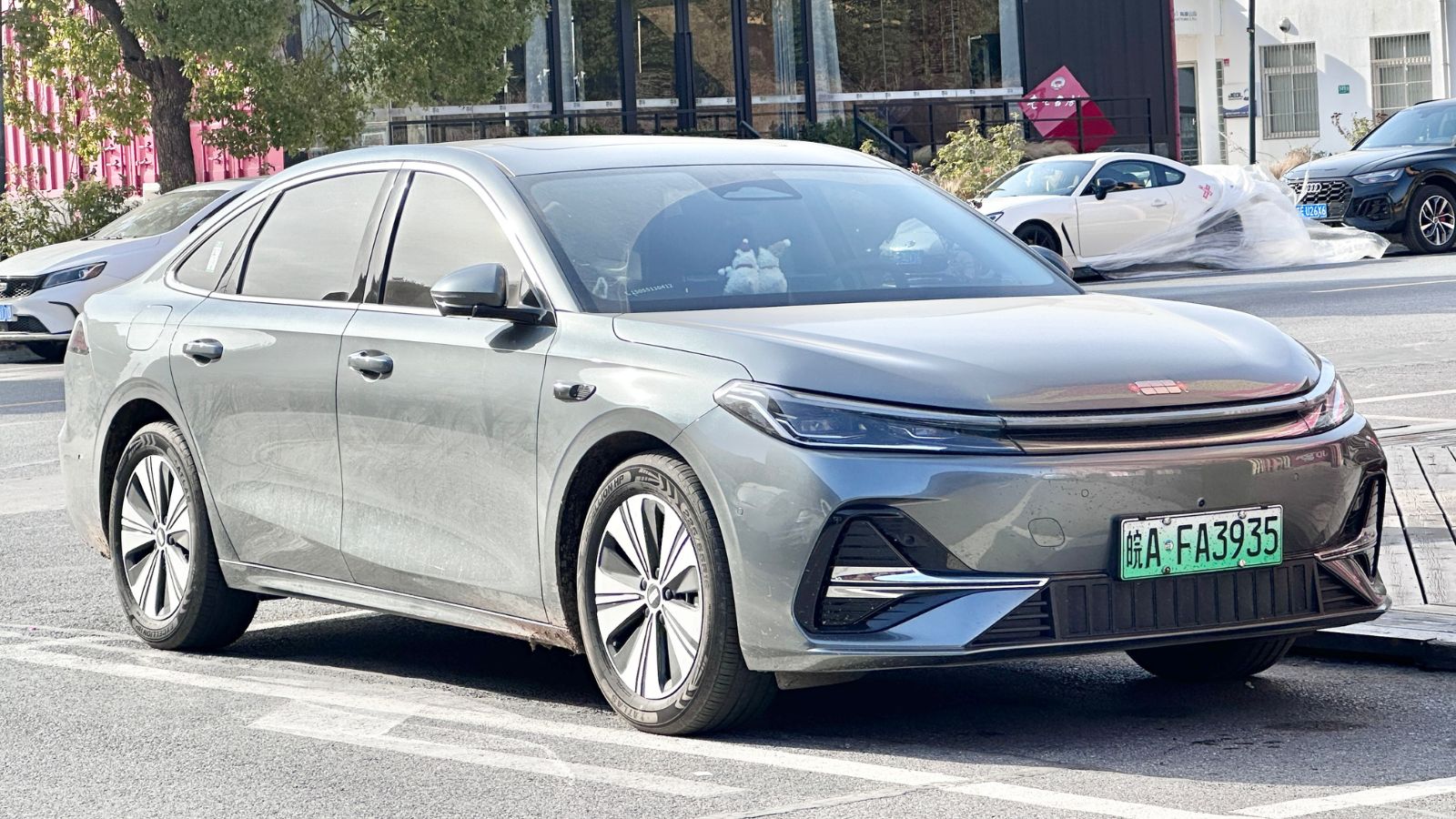
The Galaxy A7 is a midsize plug in hybrid sedan that feels aimed directly at mainstream buyers. It offers electric driving around town with the comfort of a traditional sedan footprint. This type of vehicle could appeal to Canadians who want efficiency without committing to charging infrastructure changes at home. It also fills a gap left by shrinking sedan lineups from traditional manufacturers.
Nio ET5 and ET7
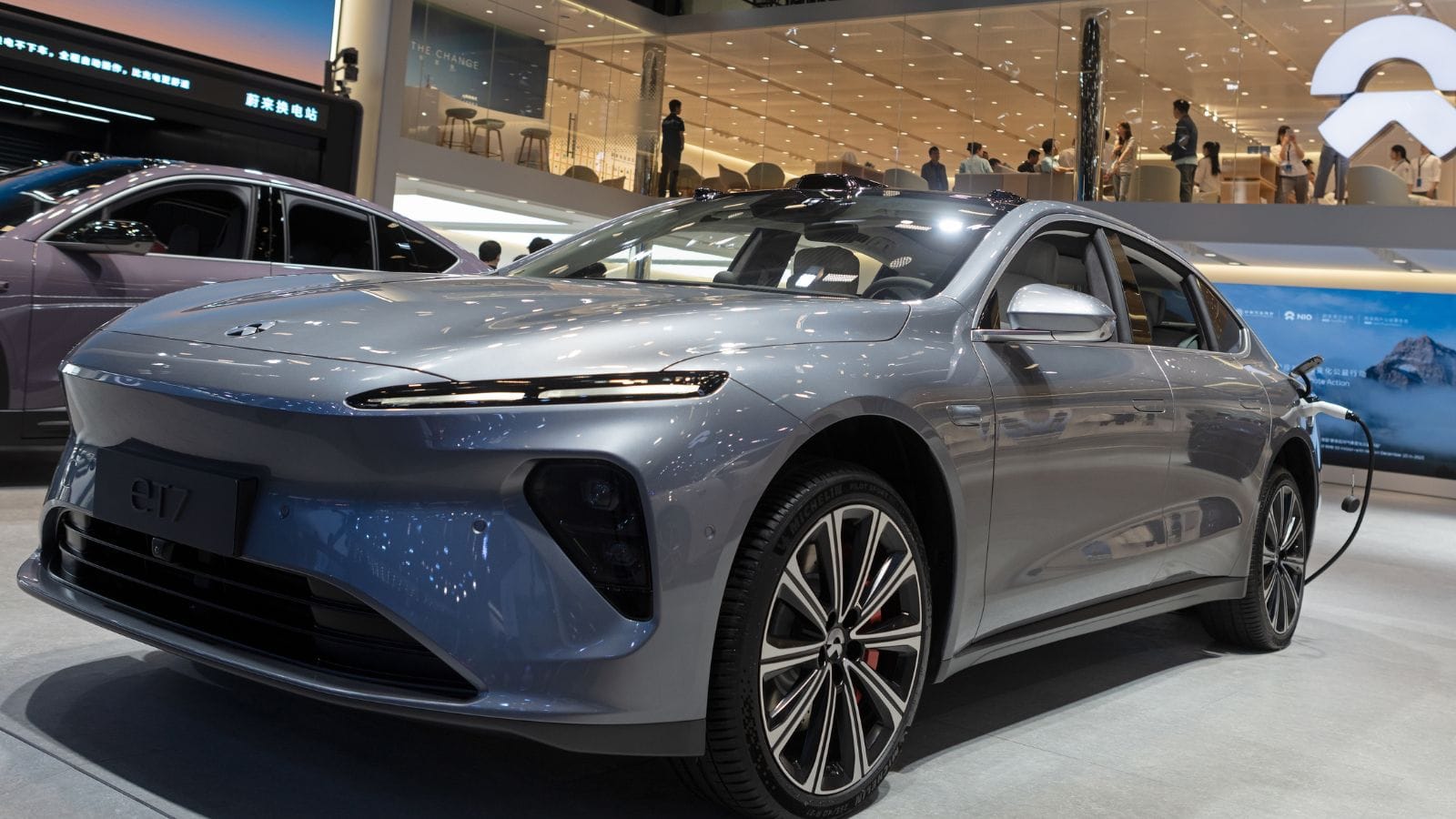
Nio positions itself as a premium alternative to Tesla and European luxury brands. The ET5 and ET7 sedans emphasize refinement, performance, and cutting edge technology. Interiors feel genuinely upscale, and the driving experience has earned praise in markets where they are already sold. For Canadian buyers who want something luxurious but different, Nio’s approach could resonate strongly.
Geely Galaxy M9
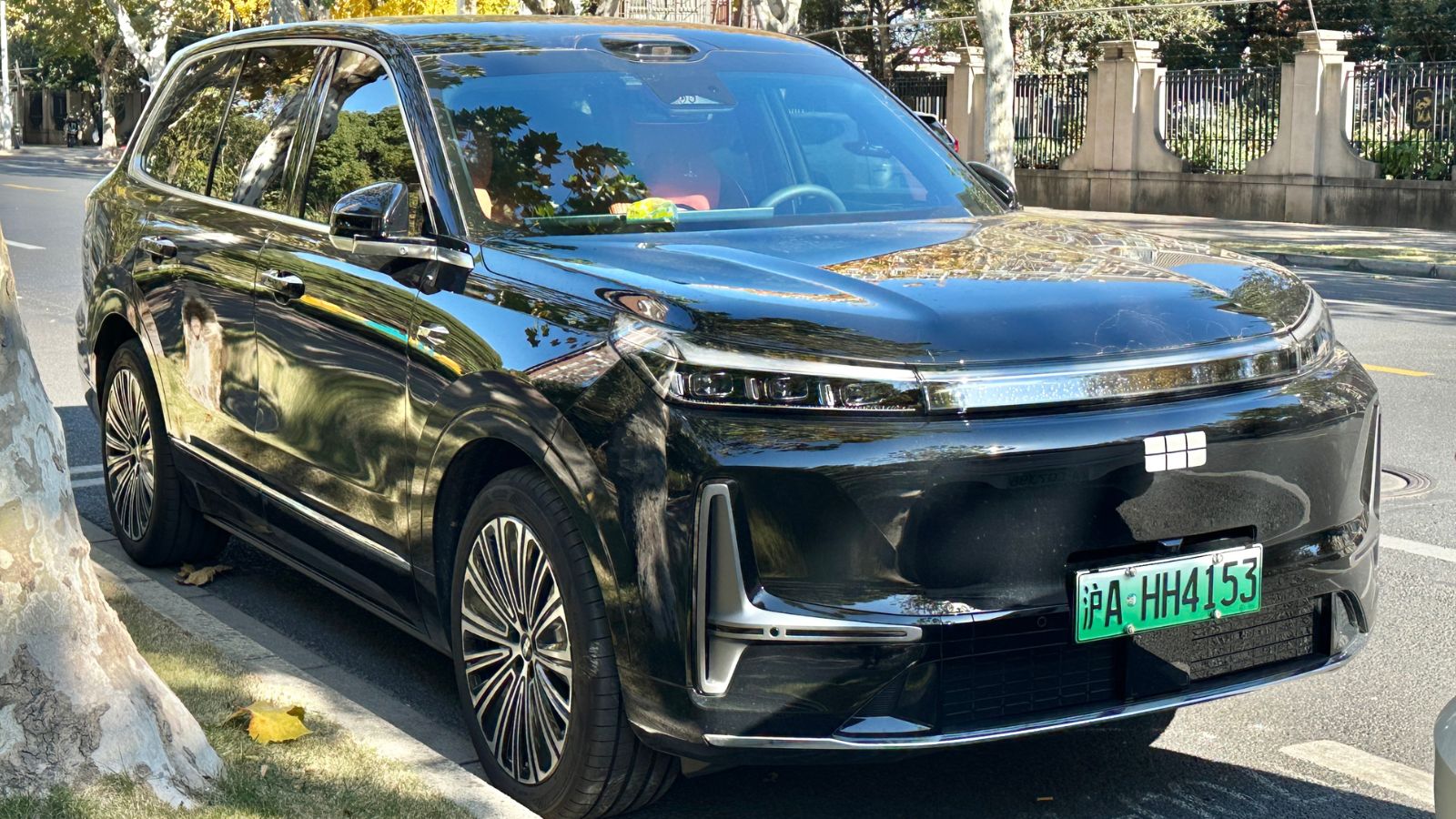
Large family SUVs remain extremely popular in Canada, and the Galaxy M9 is built with that reality in mind. With three row seating and hybrid power, it targets buyers who need space, comfort, and long distance usability. It is not flashy, but it focuses on practicality and value, which often matters more in real ownership. This is the kind of vehicle that could quietly sell very well if priced correctly.
Leapmotor C11
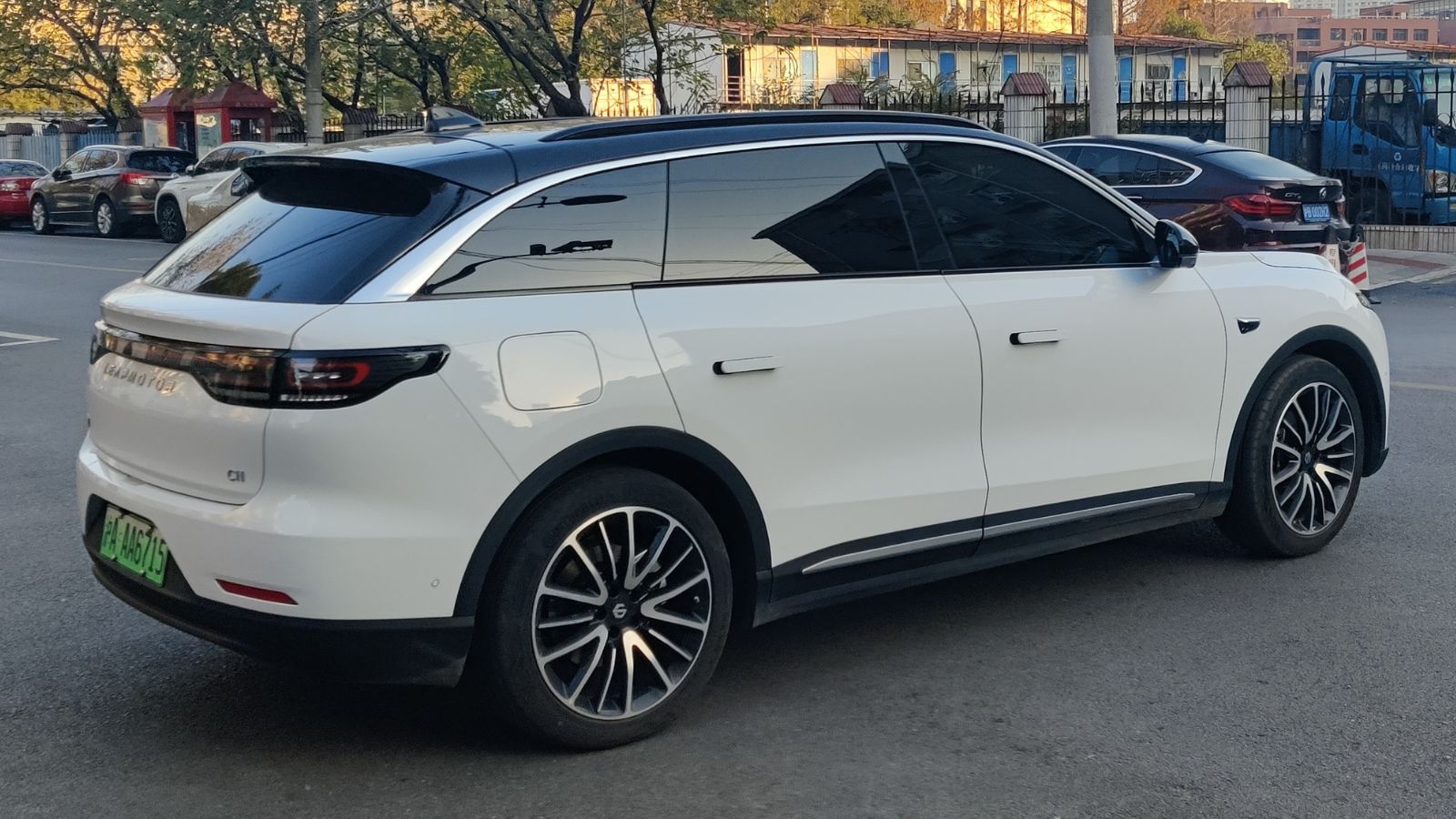
The Leapmotor C11 sits squarely in the compact electric SUV segment that continues to grow in Canada. It blends modern design, solid range figures, and a cabin that feels far more premium than expected at its price point. For buyers cross shopping mainstream EV crossovers, the C11 offers a strong alternative that challenges the idea that good EVs must come from legacy brands.
Taken together, these vehicles show how far Chinese manufacturers have come. They are no longer chasing the market, they are shaping it. For Canadian consumers focused on value, technology, and practical electrification, these upcoming Chinese cars are becoming harder to ignore.
25 Facts About Car Loans That Most Drivers Don’t Realize

Car loans are one of the most common ways people fund car purchases. Like any other kind of loan, car loans can have certain features that can be regarded as an advantage or a disadvantage to the borrower. Understanding all essential facts about car loans and how they work to ensure that you get the best deal for your financial situation is essential. Here are 25 shocking facts about car loans that most drivers don’t realize:
25 Facts About Car Loans That Most Drivers Don’t Realize
