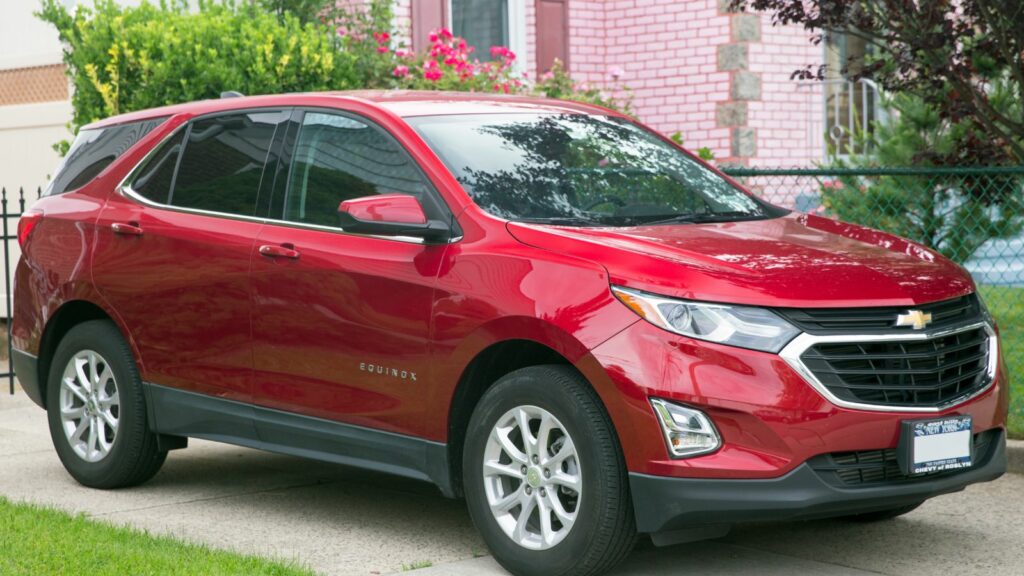
Canadians rely on SUVs more than almost any other type of vehicle. They expect them to plow through snowstorms, survive endless highway miles and carry families through years of harsh winters. But not every SUV rises to the challenge. Some look impressive in the showroom yet fall apart the moment real Canadian conditions hit. Others suffer from long term mechanical issues that owners discover only after the warranty expires. These ten SUVs earn constant complaints from Canadian drivers because they bring more frustration than value, especially when temperatures drop and repair bills rise.
Jeep Cherokee
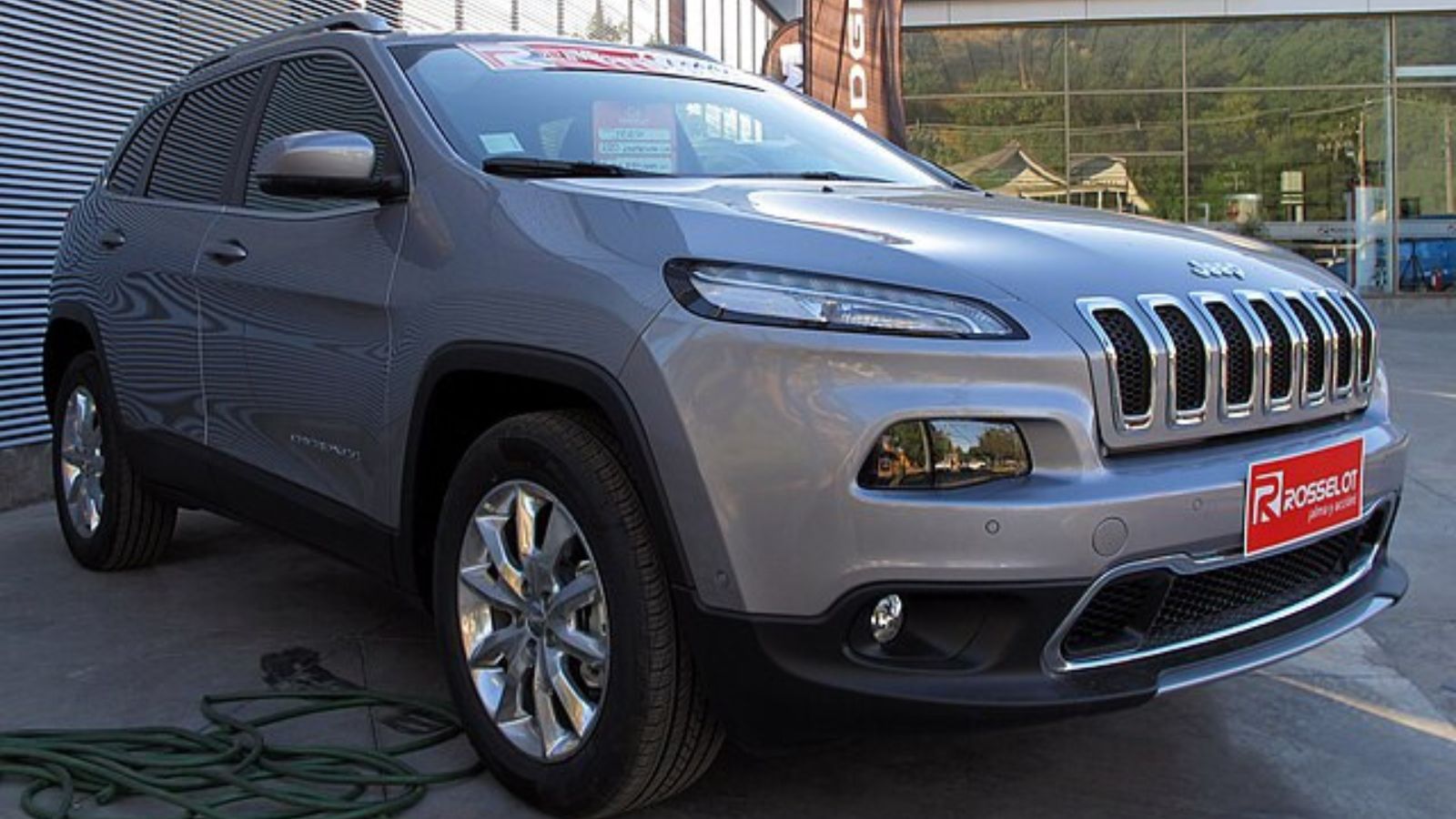
The Cherokee arrived with modern styling and a promise of rugged Jeep capability, but Canadian owners quickly learned that the nine speed transmission was the Achilles heel. The gearbox hesitates, clunks, slips and sometimes refuses to shift smoothly, especially during cold morning start ups. Snowy commutes amplify the problem because the transmission struggles to find the right gear while driving at low speeds. Owners also complain about electrical gremlins, premature rust around the tailgate area and higher than expected fuel consumption. For an SUV sold on durability, it delivers too many surprises.
Ford Explorer
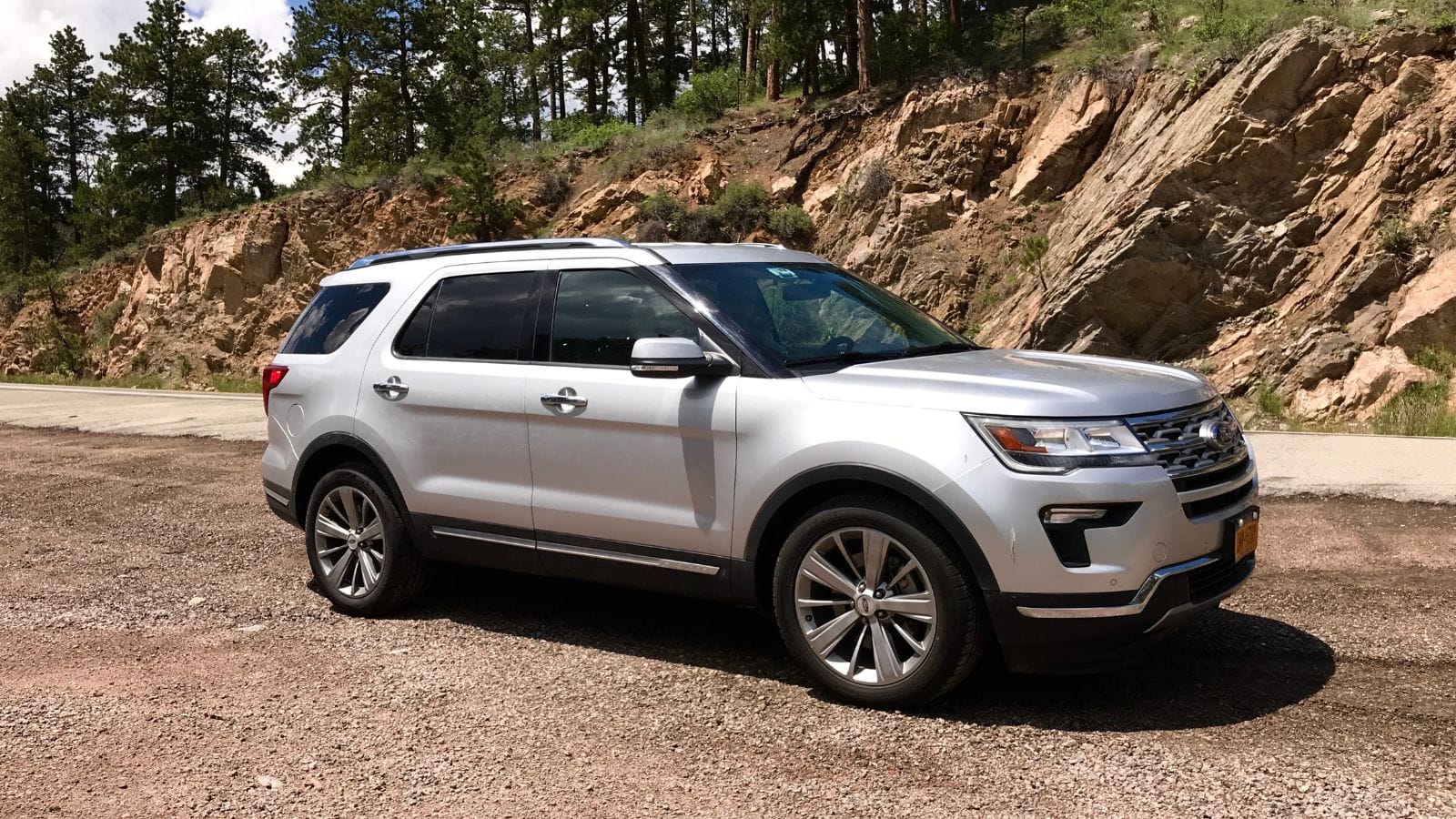
The Explorer name carries weight, but drivers across Canada report a long list of frustrations. Turbocharged four and six cylinder engines often develop rattles, surging acceleration and occasional sensor failures. The transmission can hesitate or produce harsh shifts during winter driving. Cabin heating systems sometimes struggle to warm the interior quickly, which is a major flaw during January mornings. Several owners also report rust appearing on rockers and wheel wells earlier than expected. The Explorer has space and power, but the cost of keeping one healthy in the long term leaves many Canadian owners disappointed.
Dodge Journey
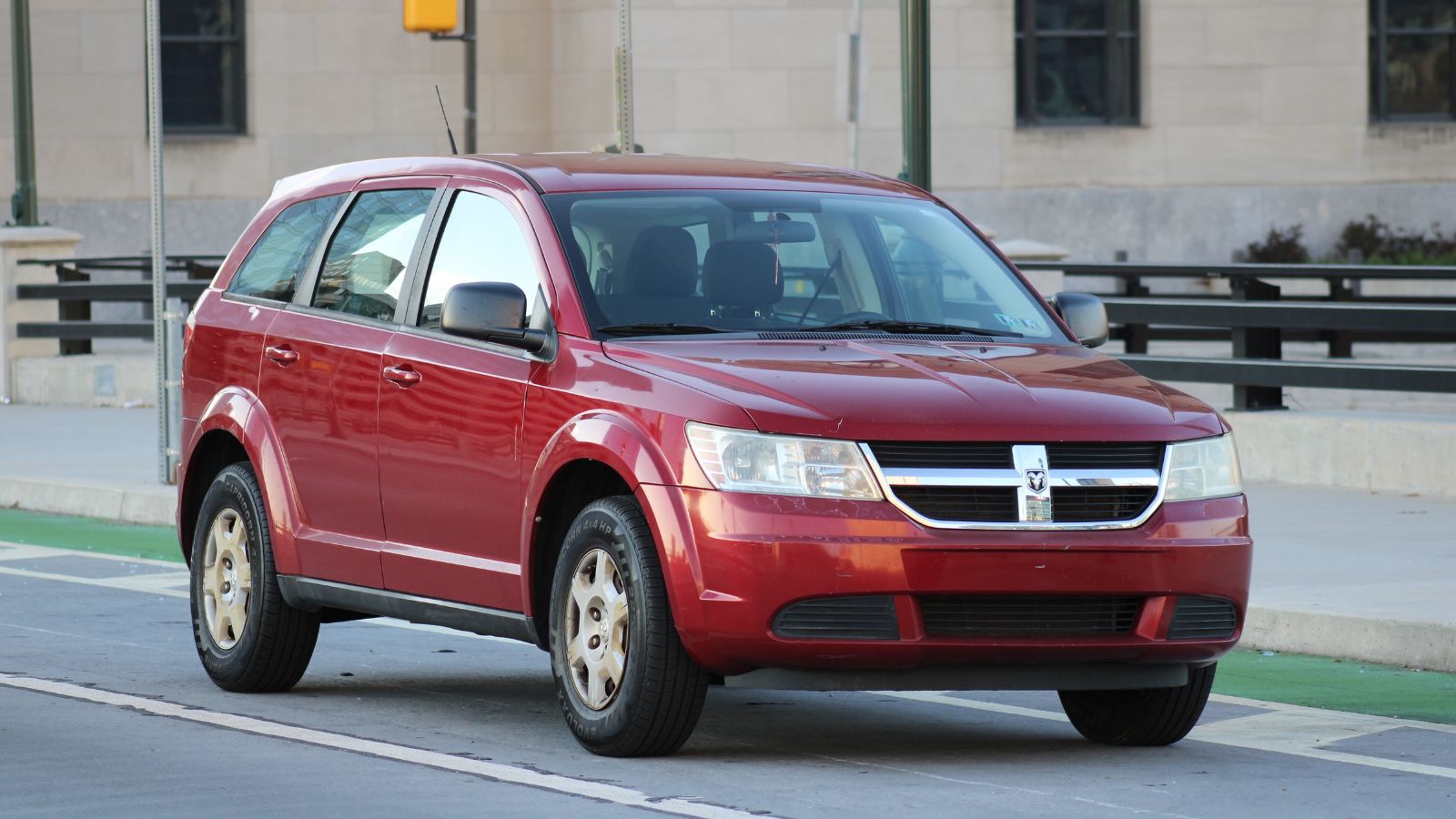
The Dodge Journey sold well for years simply because it was inexpensive. But after a few winters on Canadian roads, many owners discovered why. Engines feel sluggish, brakes wear quickly, electrical systems cause random issues and the transmission often feels confused. The interior shows wear early, the sound insulation is poor and the AWD system struggles on steep snowy hills. Worst of all, resale value collapses long before the SUV reaches middle age. Many owners joke that the Journey was the right name because they spend most of their ownership journey sitting at the service counter.
Nissan Rogue (Older Generations)
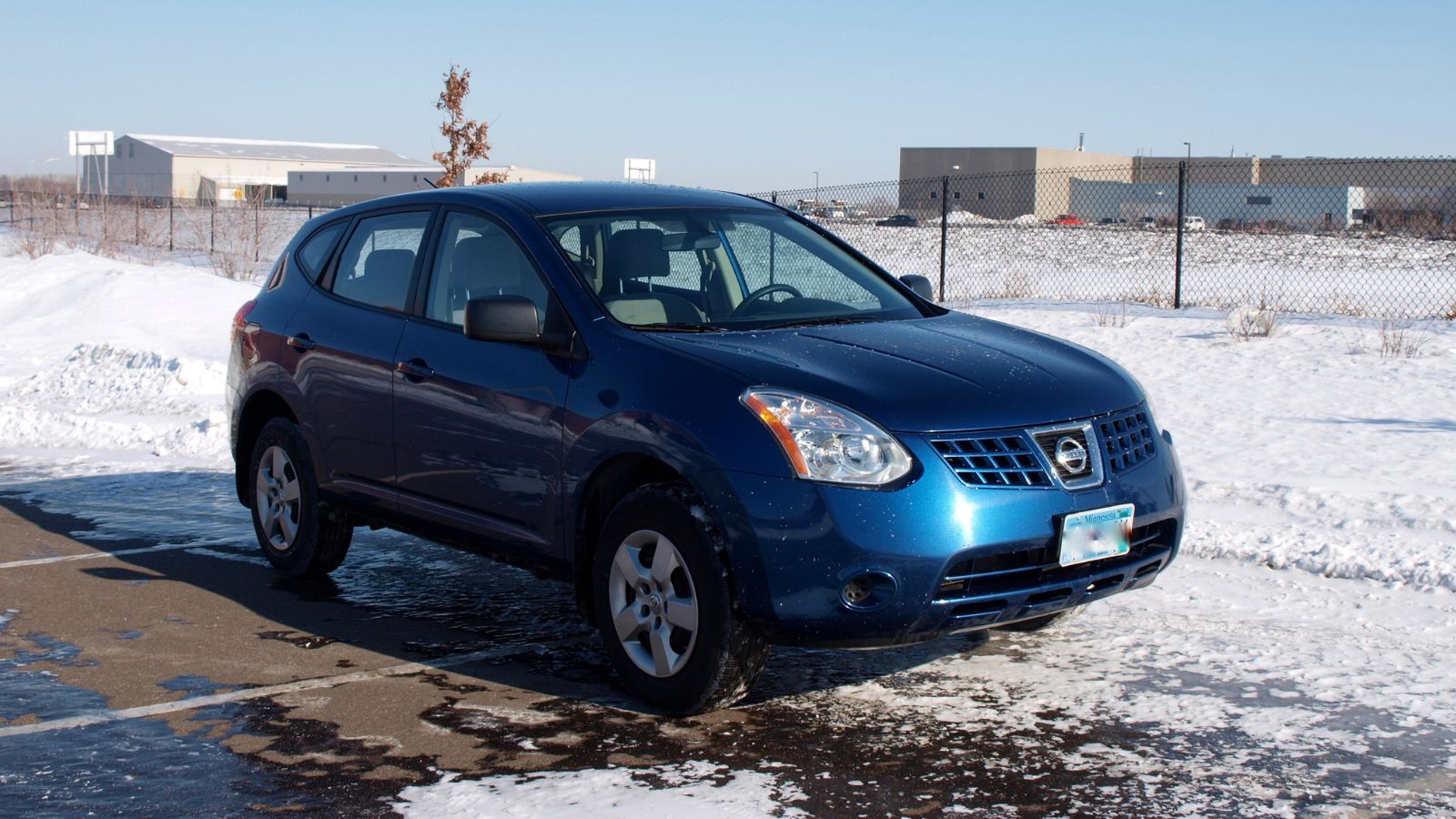
Newer Rogues are much improved, but older models were plagued by CVT transmissions that struggled with heat, load and long winter drives. Canadian owners frequently reported shuddering at low speeds, loss of power when climbing hills and complete CVT failure before hitting reasonable mileage. The AWD system is adequate for light winter driving but falls short on deep snow or icy inclines. Many owners say that if the CVT holds up, the Rogue is fine, but too many did not.
Chevrolet Equinox (Earlier Models)
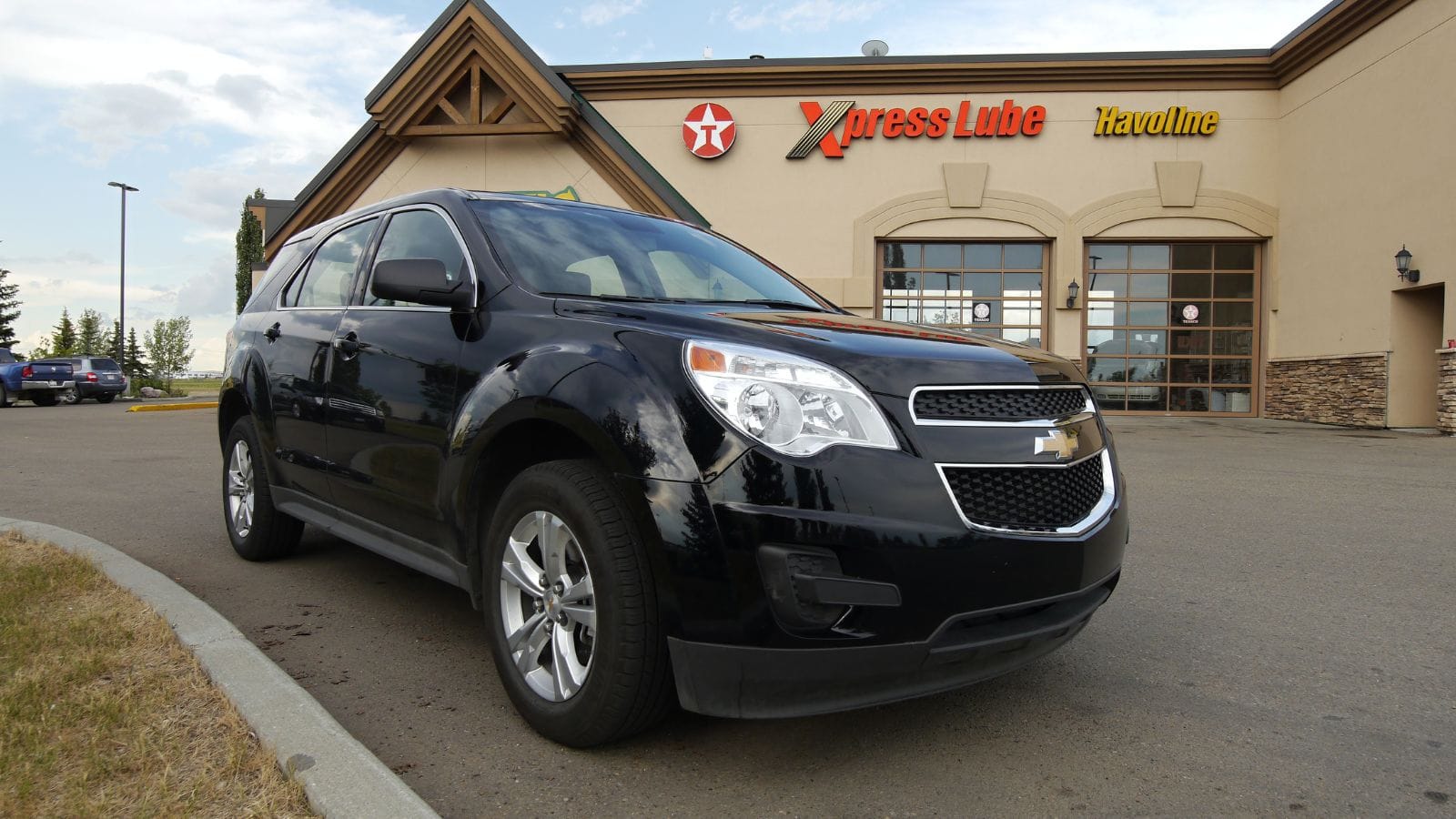
The Equinox offers comfortable seating and smooth driving, but earlier engines suffered from severe oil consumption problems. Owners often discovered the issue only after the engine began ticking or running rough, leading to timing chain wear and expensive repairs. Cold weather exaggerates the engine’s weaknesses, and fuel economy is unimpressive for the size of the vehicle. Many Canadian owners say the Equinox seemed like a budget friendly option at first but turned into a financial burden.
Jeep Compass
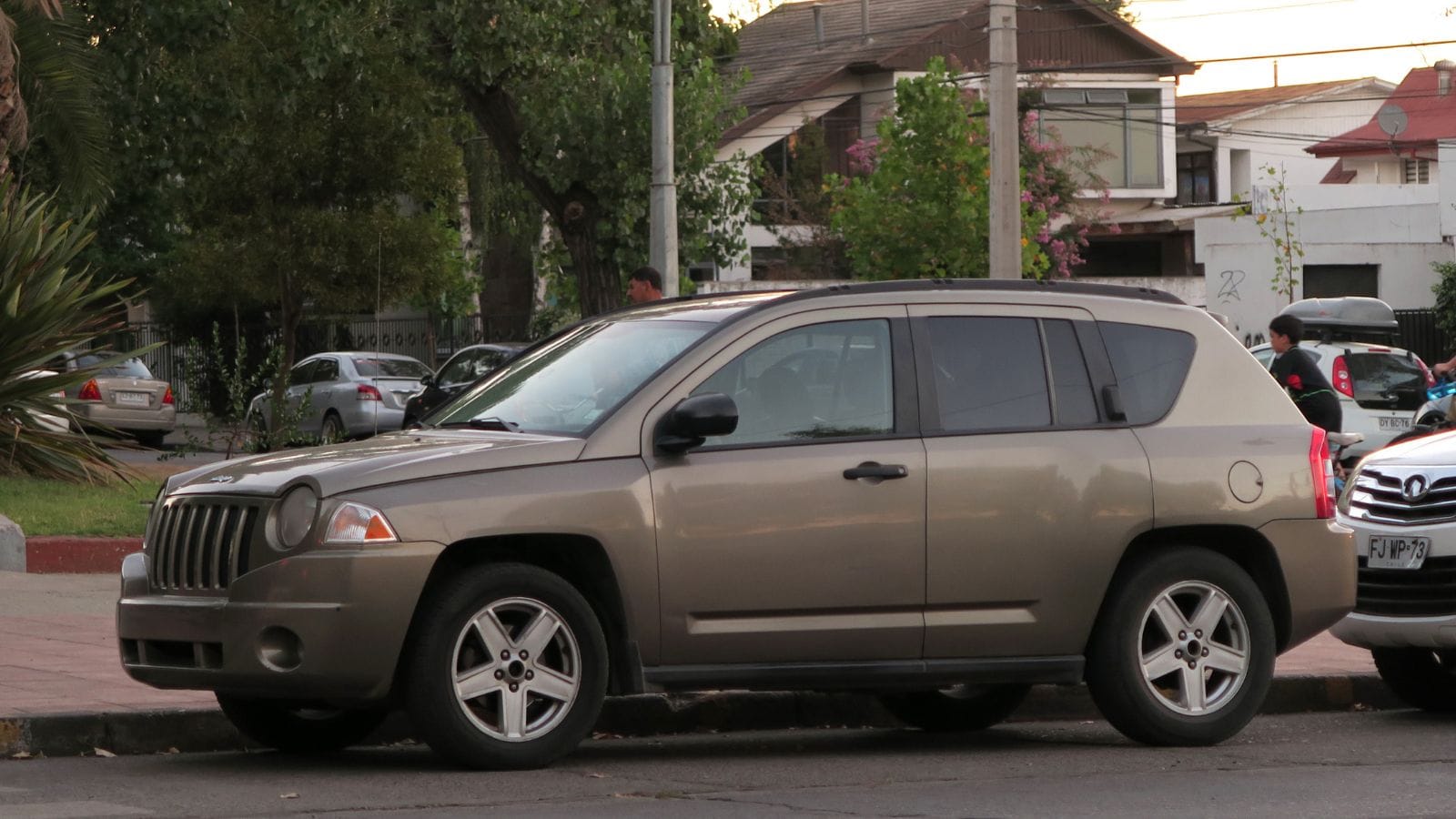
The Compass looks like a miniature Grand Cherokee, but Canadian owners quickly find the differences. The engines feel underpowered on the highway, making passing difficult. The transmission searches for gears constantly, and the interior starts rattling the moment the temperature drops below freezing. The AWD system is fine for mild conditions but lacks the confidence needed for deep snow or icy backroads. The Compass has the Jeep badge, but it does not deliver true Jeep capability.
GMC Terrain (Older 2.4 Models)
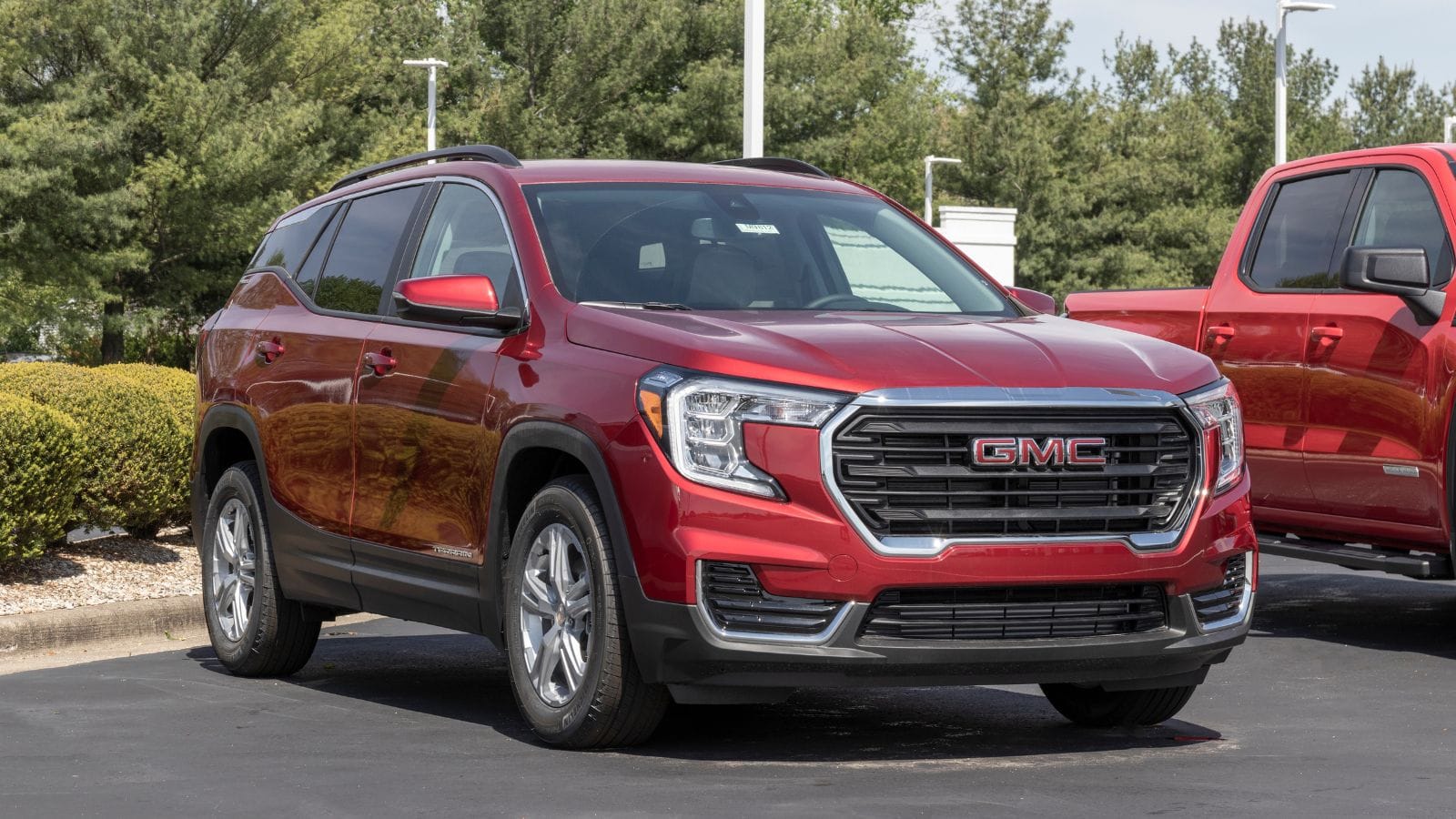
Like the Equinox, the Terrain suffered from the infamous 2.4 liter engine that burned oil at an alarming rate. When oil levels dropped, internal damage followed, leading to noisy operation, timing failures and eventual engine replacements. Owners also report HVAC problems, poor winter fuel economy and repair bills that do not match the SUV’s original price point. The exterior styling holds up well, but the mechanical reliability simply does not.
Ford Escape (Troubled EcoBoost Years)
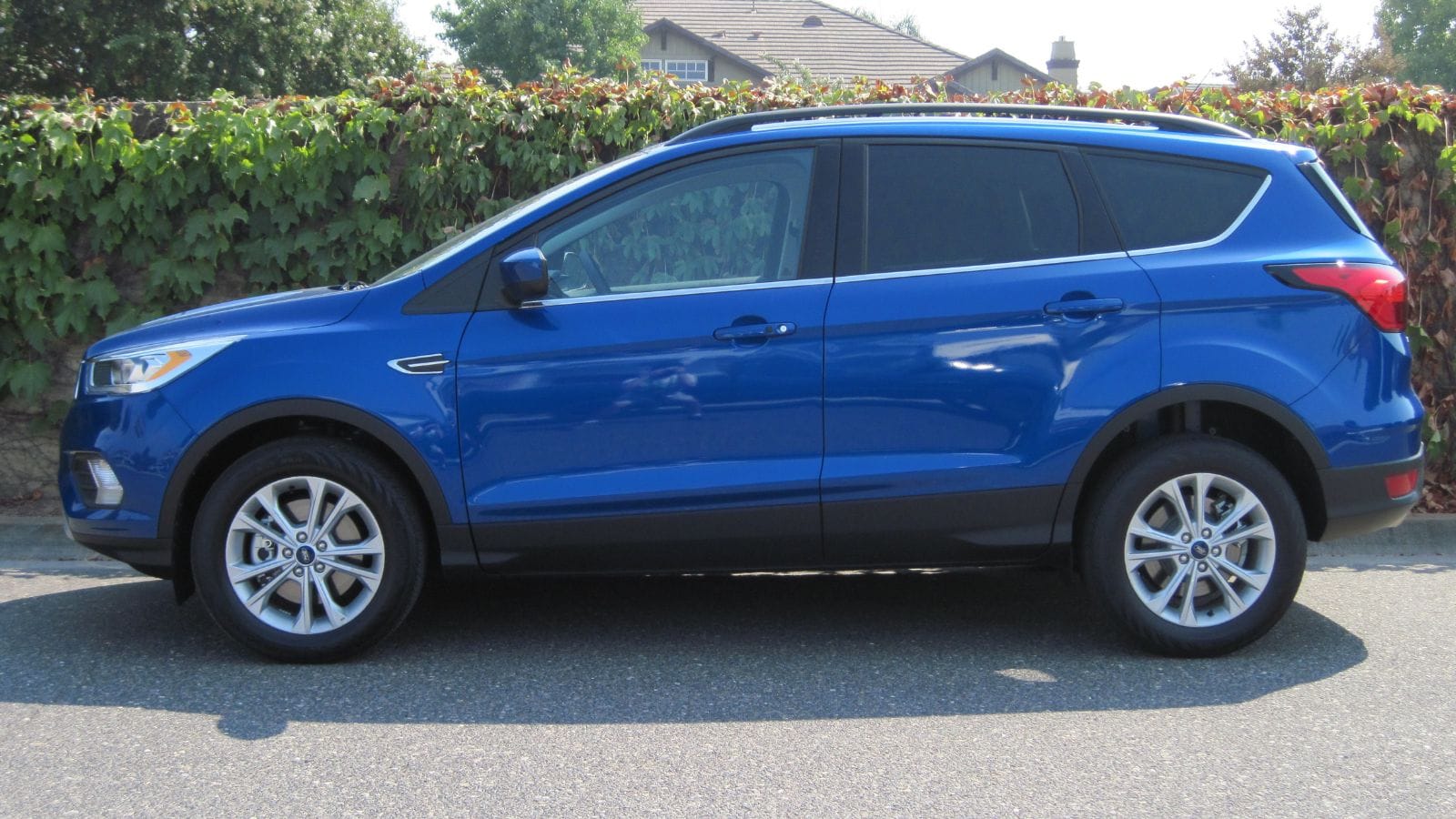
The Escape drives well when new, but certain EcoBoost engines developed coolant leaks caused by flawed internal design. Left unchecked, the leak leads to overheating and engine failure, sometimes without clear warning. Canadian owners also complain about sensors that freeze in winter, weak heat output and calibration costs after even small bumper repairs. Once mileage climbs, the Escape becomes a gamble, and too many owners learned this the hard way.
Mitsubishi RVR
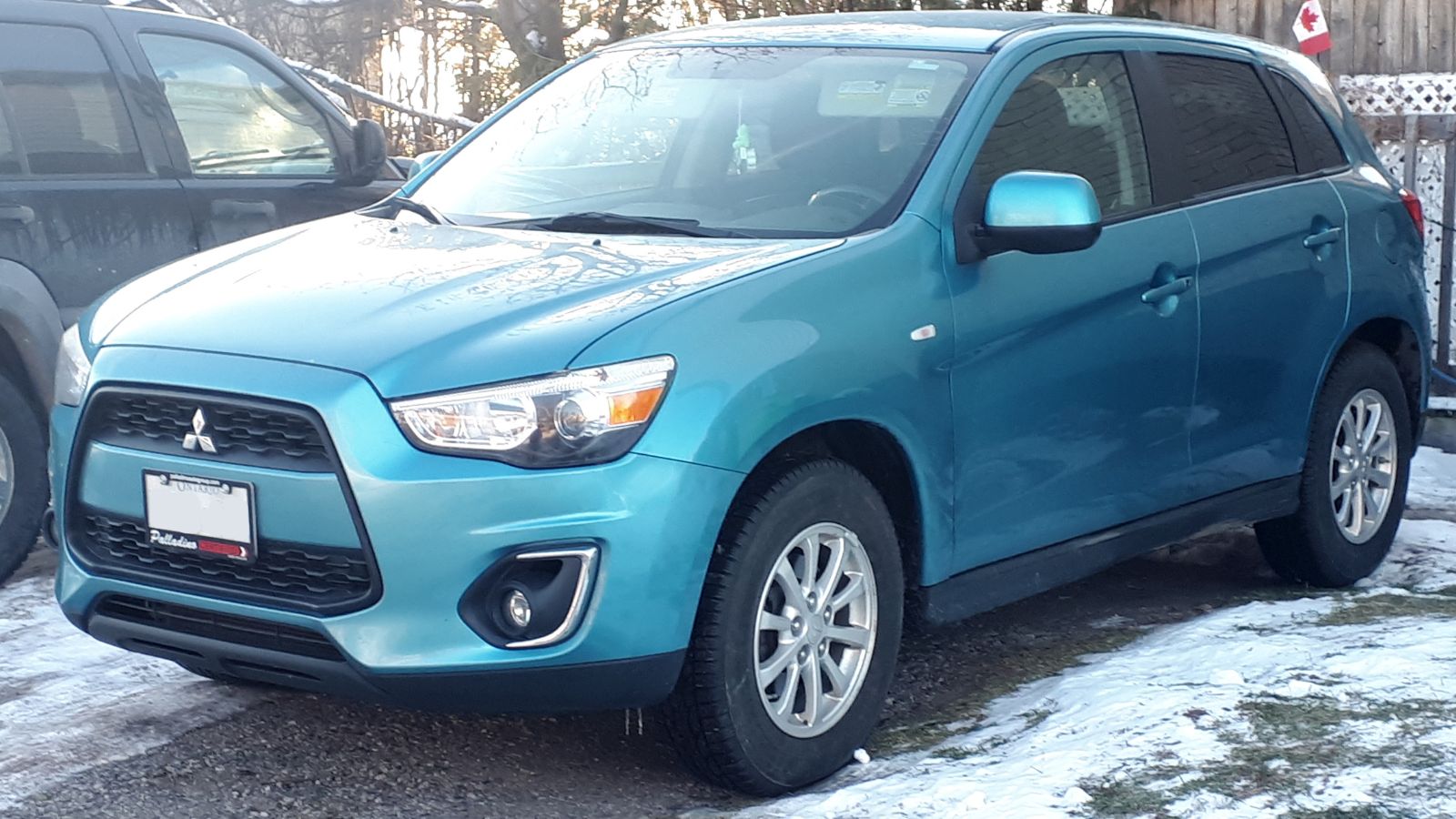
The RVR looks sharp and is affordable, but long term ownership exposes its weaknesses. The engine feels strained during highway drives, especially with passengers. The ride quality suffers on rough winter roads, and interior materials age quickly with rattles appearing after a few cold seasons. The AWD system provides stability but lacks the traction performance seen in competitors. Owners rarely face catastrophic failures, but they simply grow tired of the RVR’s constant compromises.
Kia Sorento (Older V6 Models)
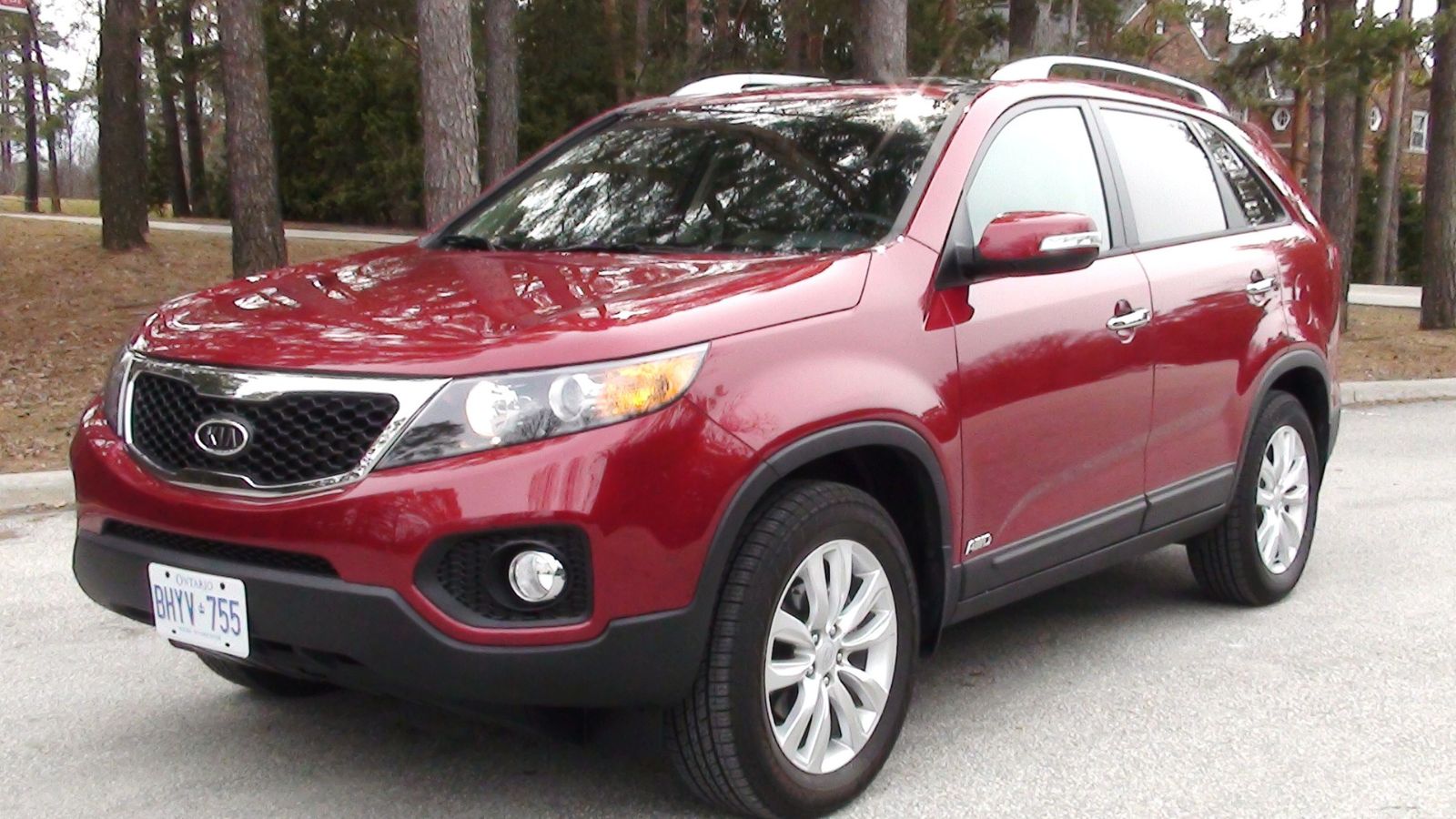
Later Sorentos are strong contenders, but older V6 models suffered from serious engine issues including knocking, overheating, premature wear and full failures at surprising mileage levels. Canadian owners report that once these problems begin, repairs escalate quickly, and downtime becomes unavoidable. The rest of the vehicle is comfortable and capable, but the engine issues overshadow everything.
Why These SUVs Earn Canadian Complaints
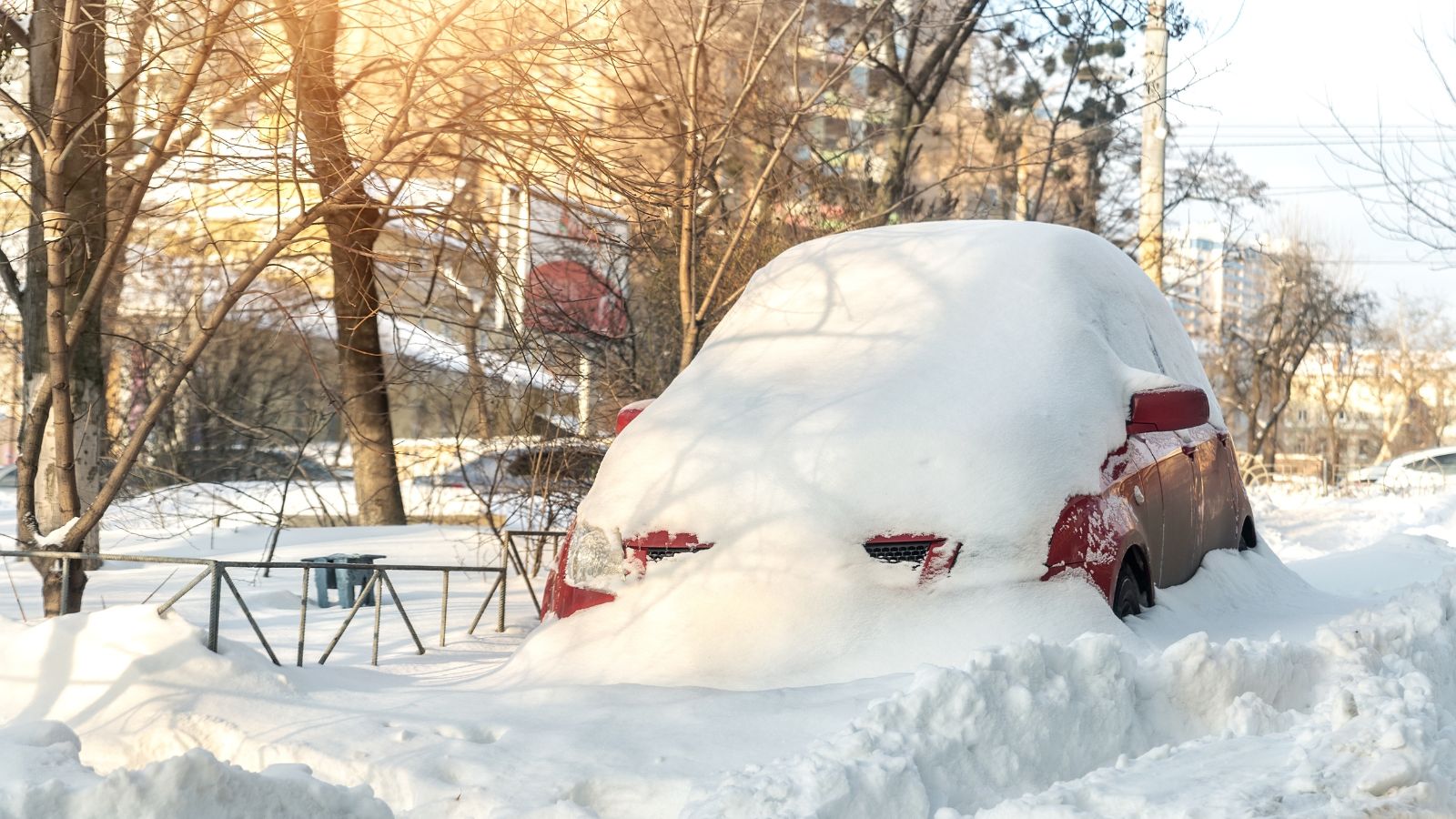
SUVs in Canada must handle extreme cold, salted roads, steep terrain, long commutes and months of ice and snow. Weak transmissions, fragile engines, poor AWD systems and questionable durability become obvious fast. These ten SUVs fail the Canadian reality test, leaving their owners with inconvenient mornings, constant repairs and winter driving stress. A great SUV feels invisible, quietly doing its job every day. These ones do the opposite.
25 Facts About Car Loans That Most Drivers Don’t Realize

Car loans are one of the most common ways people fund car purchases. Like any other kind of loan, car loans can have certain features that can be regarded as an advantage or a disadvantage to the borrower. Understanding all essential facts about car loans and how they work to ensure that you get the best deal for your financial situation is essential. Here are 25 shocking facts about car loans that most drivers don’t realize:
25 Facts About Car Loans That Most Drivers Don’t Realize
