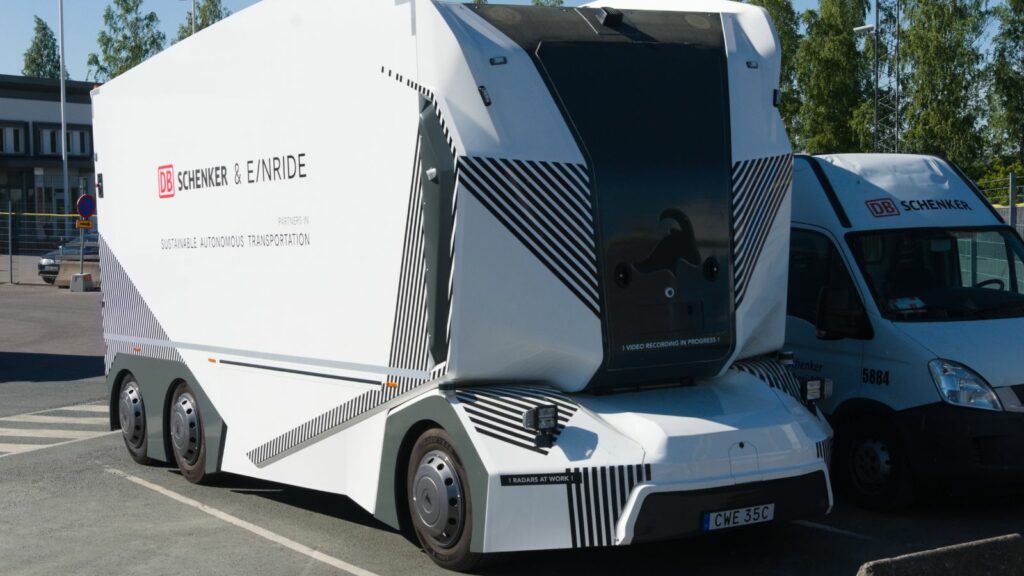
Electric trucks promise quieter hauling, reduced emissions and lower operating costs, but another idea has become tangled with their arrival. Many major corporations are openly planning for a fleet of autonomous freight trucks that operate without drivers and communicate digitally with logistics networks. To a boardroom this sounds like efficiency at its finest. To Canada and the trucking industry it sounds like disaster. Our country relies on human drivers in ways that go far beyond moving freight from one city to another.
The Appeal of Driverless EV Trucks to Corporations
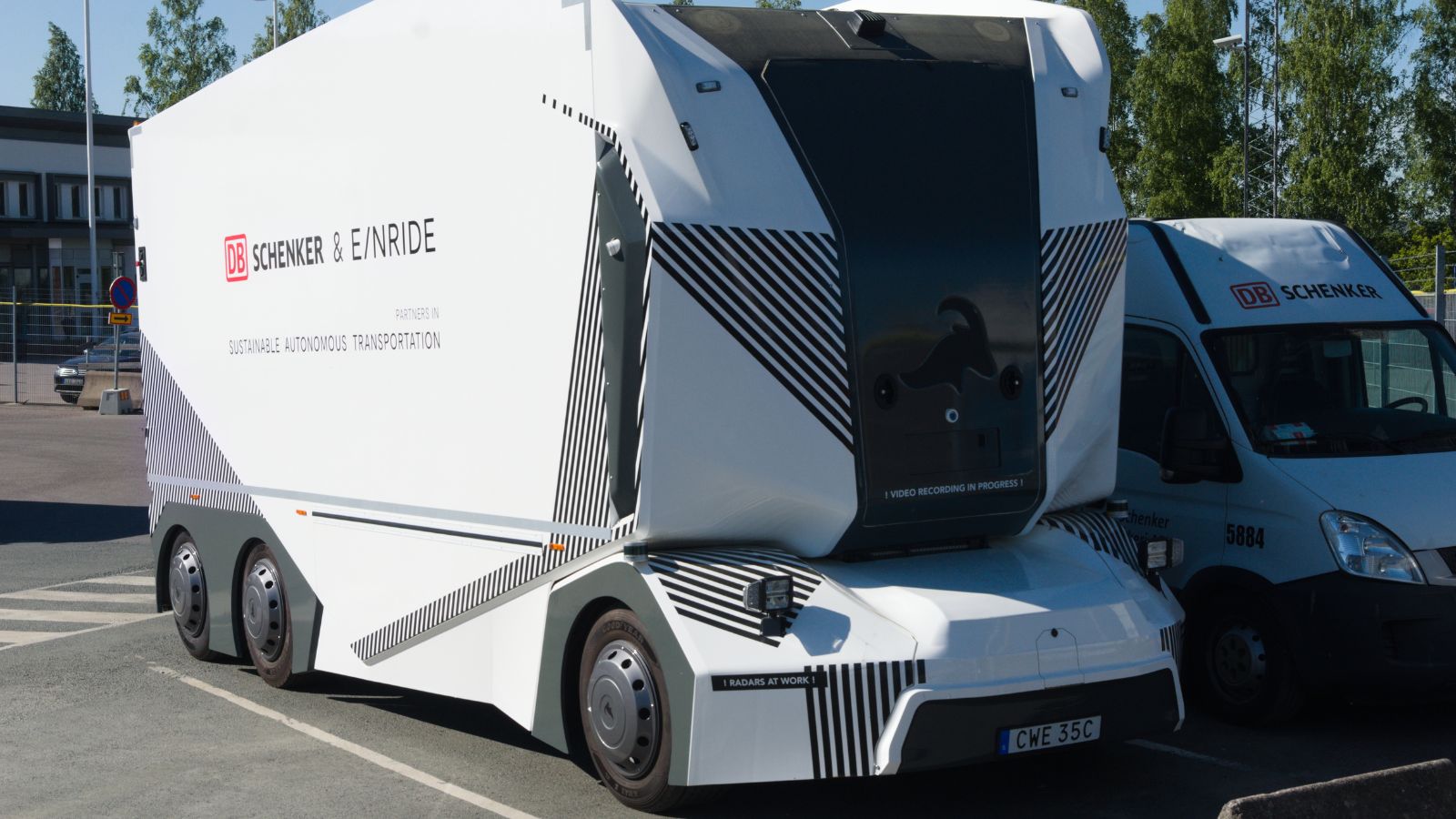
The driverless freight concept has become the ultimate prize for logistics companies. Electric trucks are already built around computers, sensors and high voltage systems which makes automation seem like a natural next step. From a corporate standpoint a truck with no driver theoretically runs twenty four hours a day without overtime, benefits or mandatory breaks. Schedules become predictable, labor expenses drop and shipping time shrinks. Investors love that narrative which is why the largest companies are pushing it aggressively.
What is rarely said out loud is the motivation behind the technology. Freight companies are not trying to innovate for the sake of society. They are trying to improve margins. Cutting drivers out of the equation is not a side effect of the electric transition. It is the financial target.
The Human Cost of Automation Across Canada

Trucking is one of the most essential sources of employment in the nation. Hundreds of thousands of Canadians build their livelihoods through driving, dispatching, repairing and supporting the freight economy. Every truck stop, road side diner, motel, service bay and tire shop benefits from drivers who rest, fuel up and spend money along the route. If drivers disappeared from the economy these businesses would be left with nothing to sustain them and entire towns would suffer.
Canada is too large and too spread out to pretend that local economies would adjust easily. Many communities along the Trans Canada Highway owe their survival to truckers. Removing drivers would erase income from these places overnight. When the cab becomes empty, the ripple effect becomes enormous.
Truck Driving Is Not Just Transportation, It Is Culture

Trucking has always represented more than commerce. It is a lifestyle that shapes identity, family history and personal pride. The job requires stamina, discipline and a willingness to face harsh weather and long stretches of solitude. Drivers tell stories of crossing the Prairies during winter storms or climbing through the Rocky Mountains with snow chains and nerves of steel. These experiences cannot be replicated by automation and they are part of the heritage of the trade.
This culture holds deep value for people who have dedicated their lives to the road. Taking the wheel away not only removes a job but erases a sense of purpose. That loss does not show up on a balance sheet but it matters to the character of the nation.
Why Long Haul Automation Is Not the Safety Upgrade Advertised
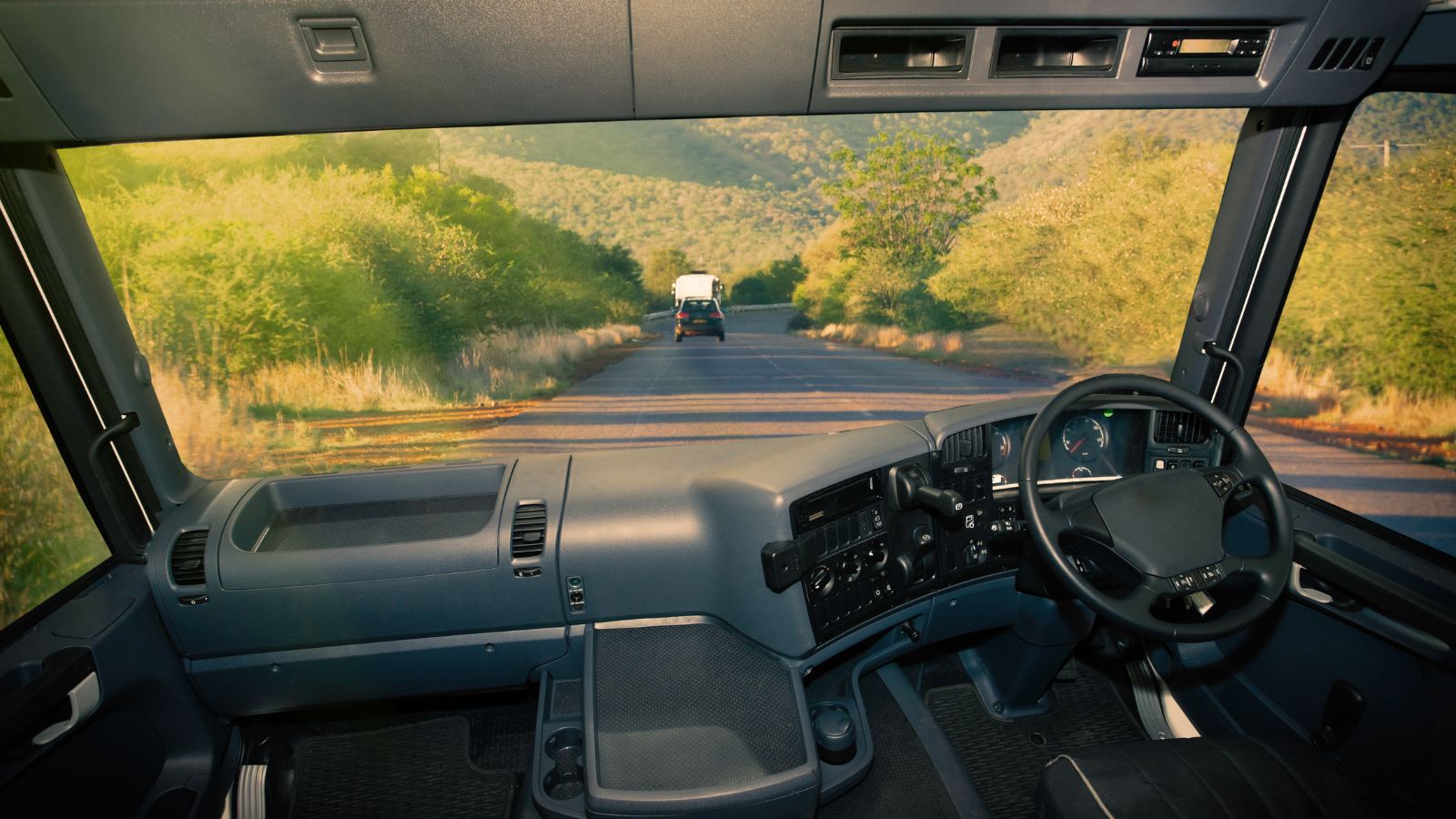
Automation advocates promise fewer collisions and fewer fatigued drivers. Yet this claim ignores the reality of Canadian terrain. Long haul truckers face challenges that robots are not yet able to understand. Wildlife appears on the highway with no warning. Black ice forms invisibly and can stretch for miles. Blowing snow reduces visibility to a few meters. Rear wheel slides require quick instinct and a lifetime of muscle memory.
Human drivers do not operate solely by sensors or coding. They make judgment calls based on experience and constant interpretation of risk. A machine may react perfectly in ideal conditions, but trucking is rarely ideal. Safety cannot depend on theoretical data when lives depend on instinct.
Technological Progress Does Not Remove the Moral Obligation
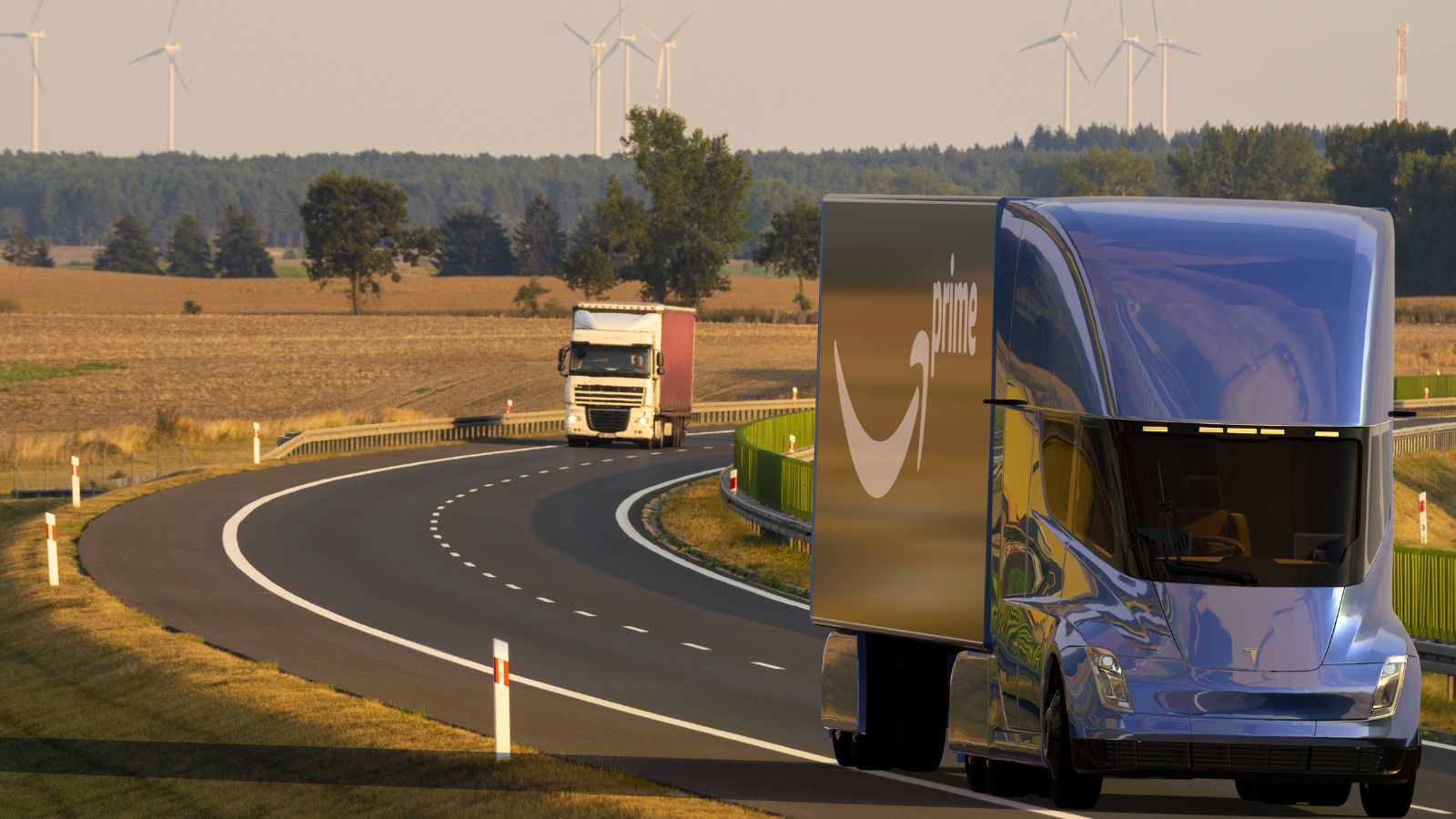
There is nothing wrong with innovation, but progress built on mass unemployment is a dangerous path. Truck driving has long served as an equalizer of opportunity. People from every background have built homes, supported families and carved out independence without needing formal education or financial advantages. It is one of the rare careers where hard work guarantees upward mobility. Eliminating that opportunity widens inequality and sends a message that efficiency matters more than people.
Keeping drivers behind the wheel is not resistance to technology. It is respect for the professions that keep the country alive.
EV Trucks Do Not Require Removing Drivers to Succeed
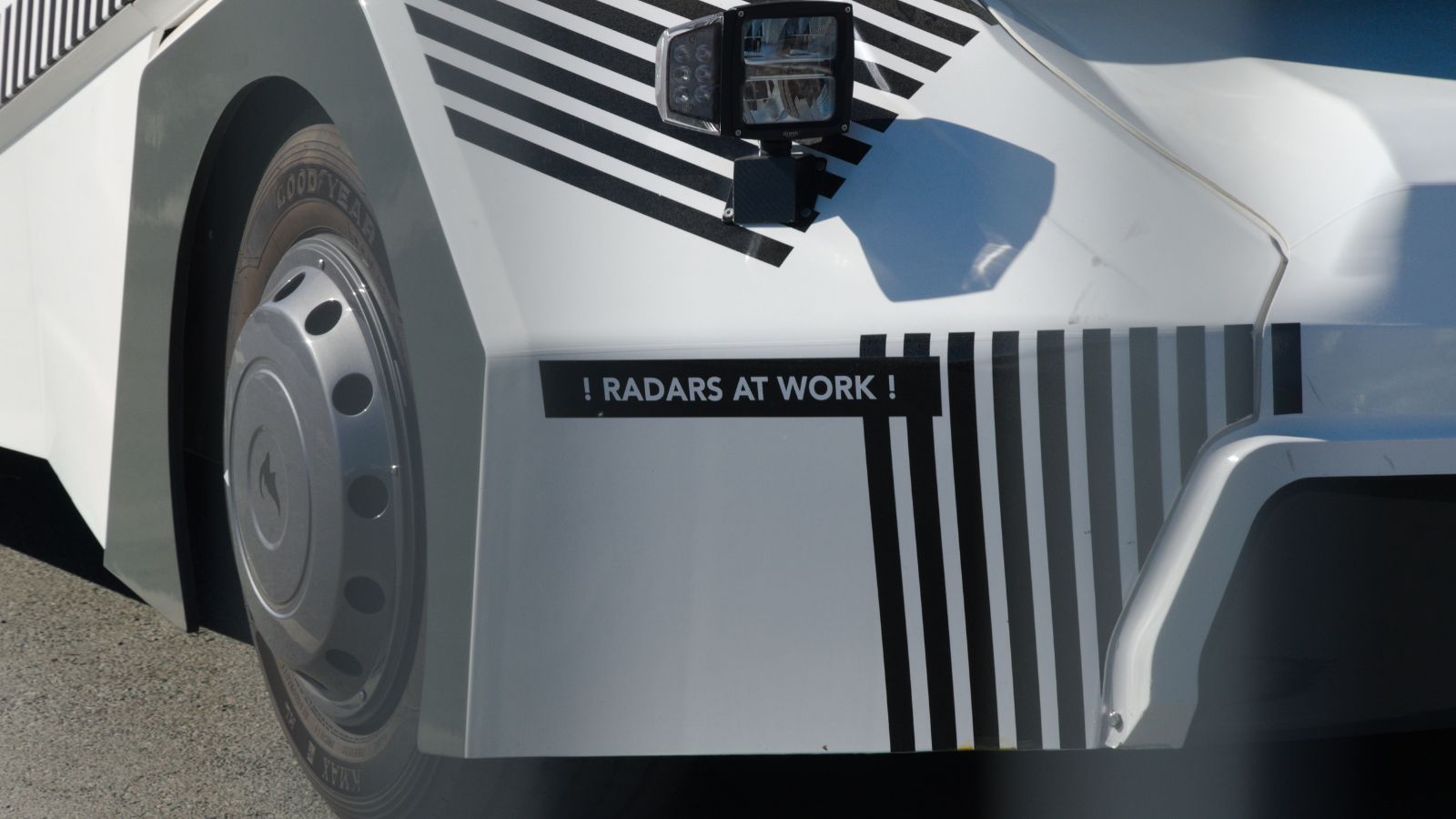
Electric trucks and human drivers can work together instead of competing. Drivers already handle advanced features such as adaptive cruise, lane awareness and automated diagnostics without giving up their role. The future of trucking could be cleaner, quieter and easier on the body without stripping away the job itself. Drivers remain the experts. EV systems simply assist them rather than replace them.
That approach benefits everyone. Companies get efficiency gains and steadier operating costs. Drivers keep their careers and the pride that comes with them. Communities keep the economic lifeline that truckers provide. The industry becomes modern without abandoning the people who built it.
The Case for a Human First Freight Future
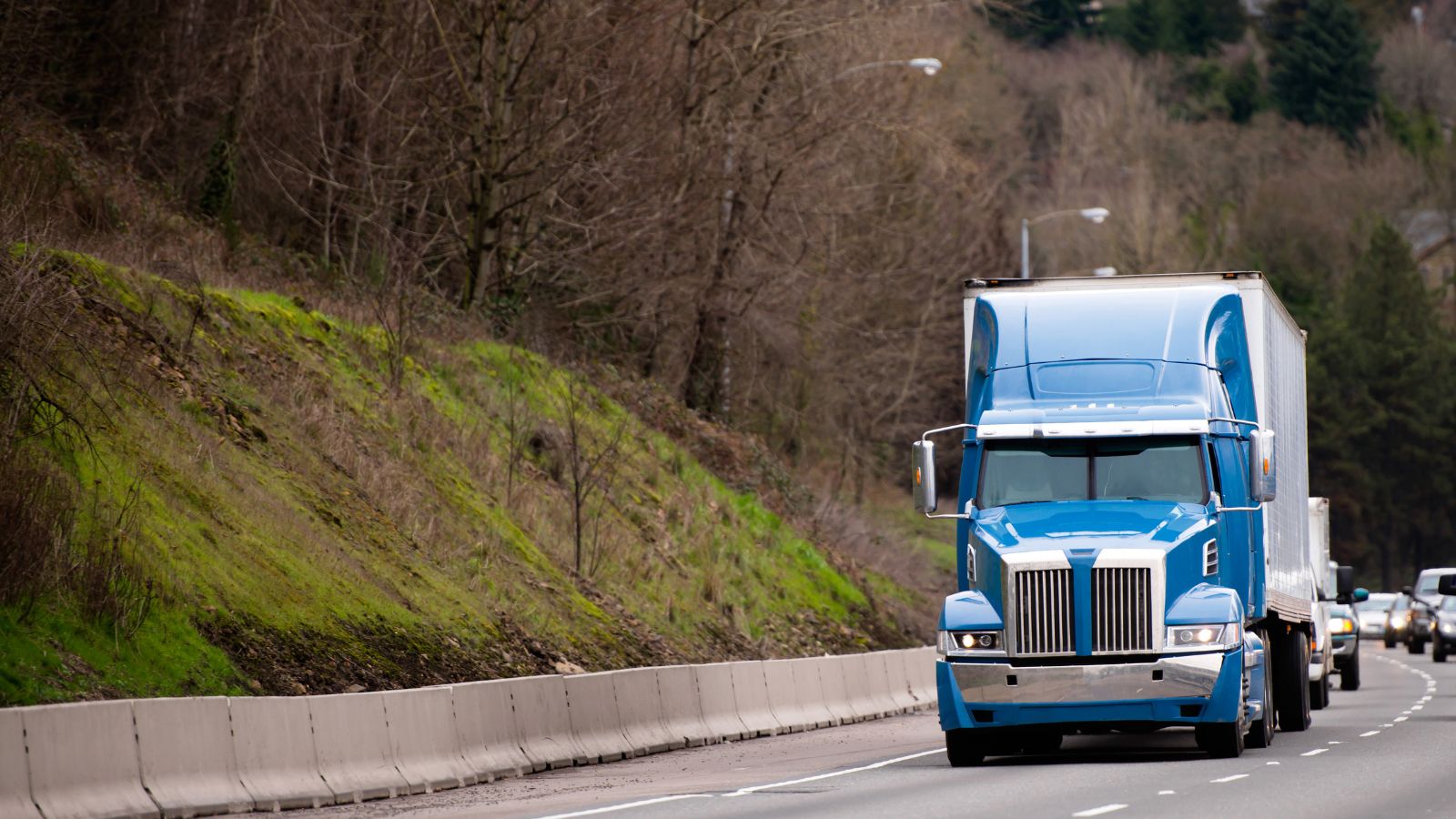
Canada can choose responsible innovation. It can adopt electric freight on a national scale while protecting the drivers who power the supply chain. A country this large cannot depend on an automated network with no human judgment and no local knowledge of terrain or conditions. Professional drivers are not an outdated element of a system. They are the foundation of it. Keeping them in the cab ensures freight moves safely and society holds on to a career that has supported generations.
25 Facts About Car Loans That Most Drivers Don’t Realize

Car loans are one of the most common ways people fund car purchases. Like any other kind of loan, car loans can have certain features that can be regarded as an advantage or a disadvantage to the borrower. Understanding all essential facts about car loans and how they work to ensure that you get the best deal for your financial situation is essential. Here are 25 shocking facts about car loans that most drivers don’t realize:
25 Facts About Car Loans That Most Drivers Don’t Realize
