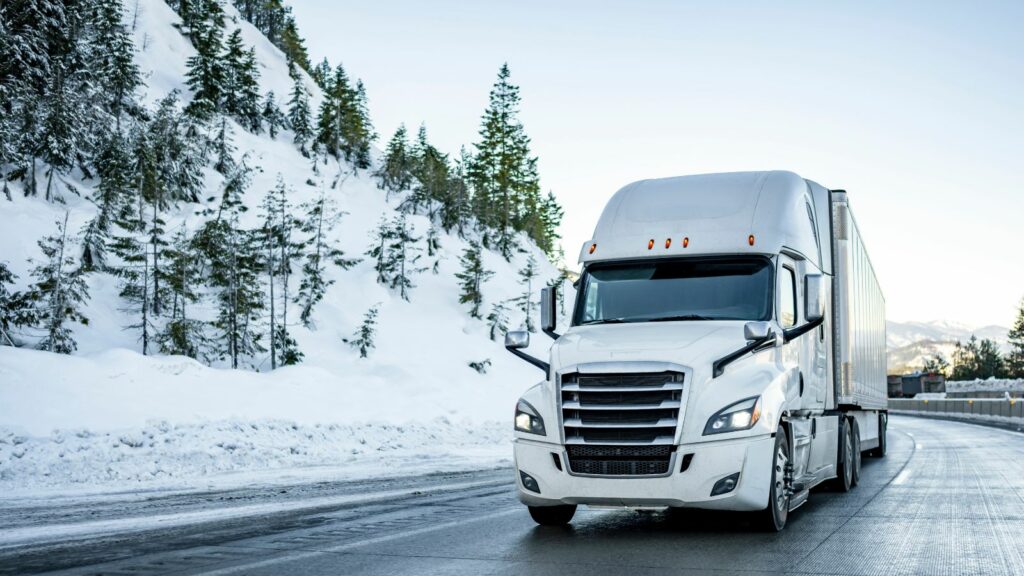
Walk through any Canadian city and it feels like downtown streets have been taken over by rolling fortresses. Parking lots look too small, traffic feels tighter, and crosswalks are overshadowed by trucks tall enough to need their own zip code. As pickups get wider, taller, heavier, and more powerful every year, discussions about restricting or even banning oversize trucks from dense city centres are getting louder. It sounds dramatic, but here are the arguments fuelling the idea and why some people think it is only a matter of time.
Safety Concerns for Pedestrians and Cyclists
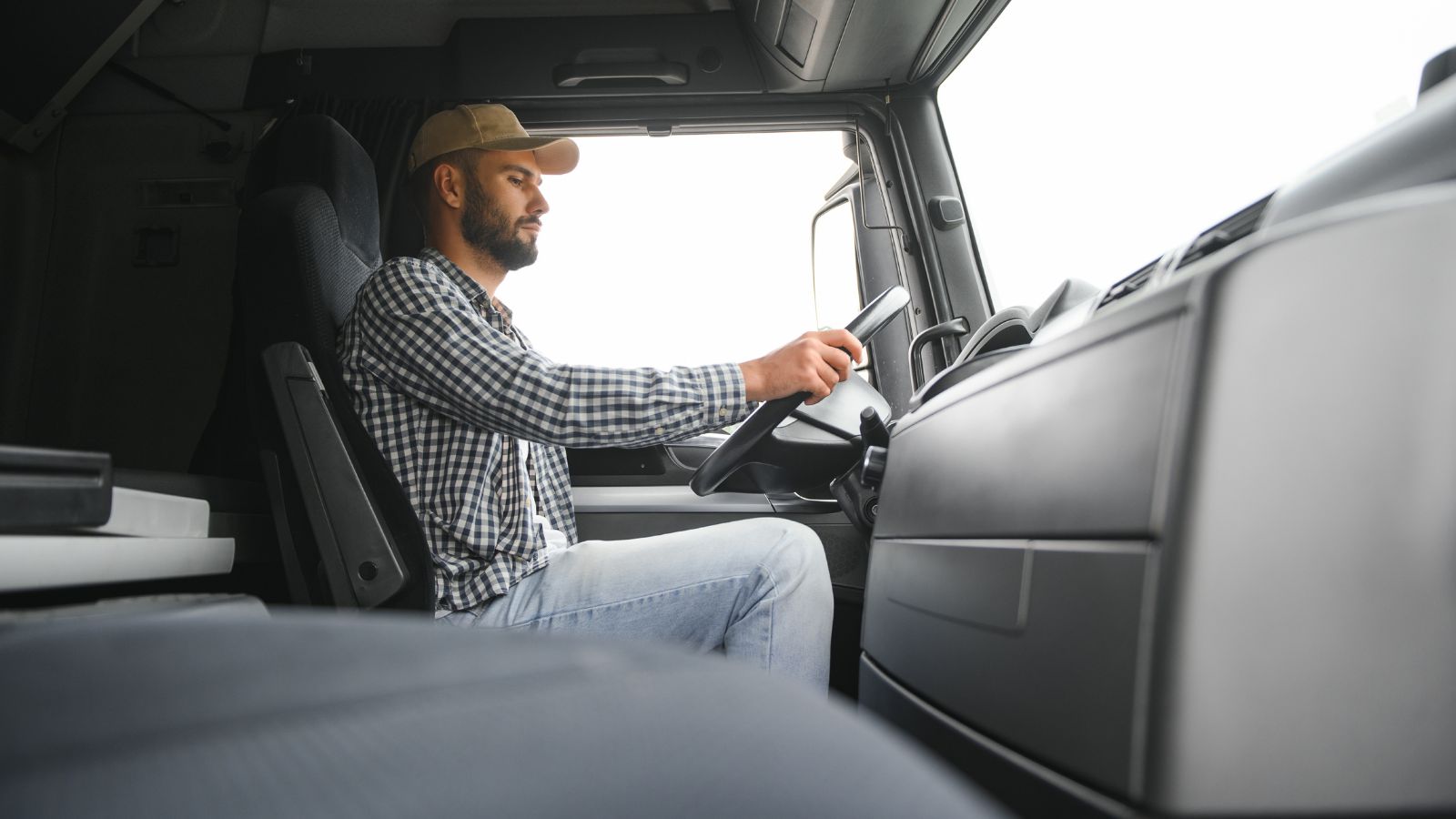
Large trucks sit so high that drivers cannot see what is immediately in front of them. Children, pedestrians, cyclists, and even small cars can disappear behind the hood line. In busy downtown traffic, that blind zone becomes dangerous because one slow look down at the radio is enough to lose sight of what is right in front of the truck. Critics argue that city streets full of crosswalks and bike lanes were never designed for vehicles that sit this high and block this much visibility.
Emergency Response Delays
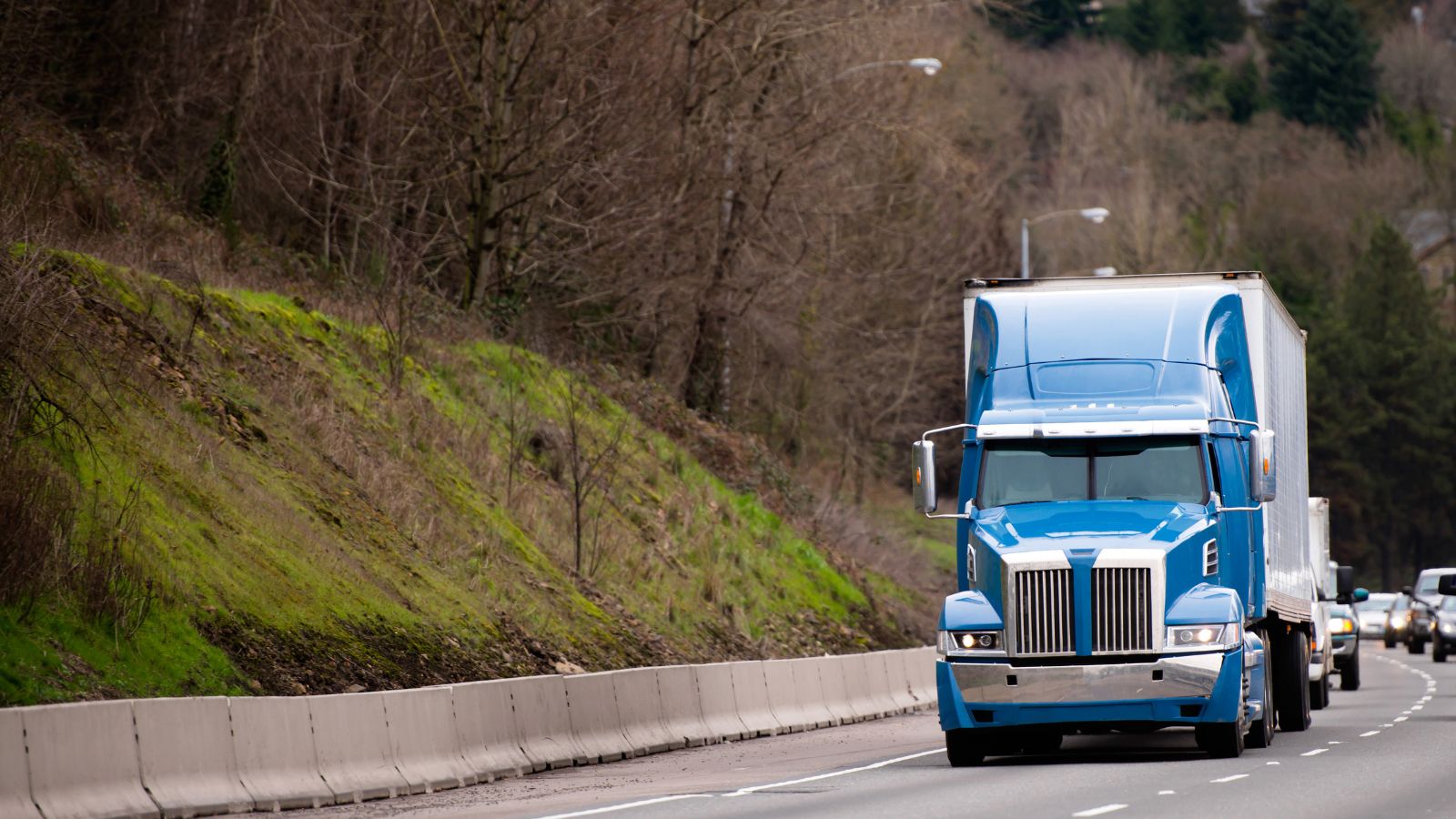
Oversize trucks move slowly in tight spaces and force everyone else to slow down with them. When they clog narrow intersections, emergency vehicles lose precious time weaving around them. Fire departments already complain about cars blocking intersections or parking too close to hydrants. Add lifted trucks that barely fit through major turns and city response time takes a hit. That is why some planners believe reducing the number of giant trucks downtown would directly benefit emergency services.
Rising Collision Damage and Insurance Costs
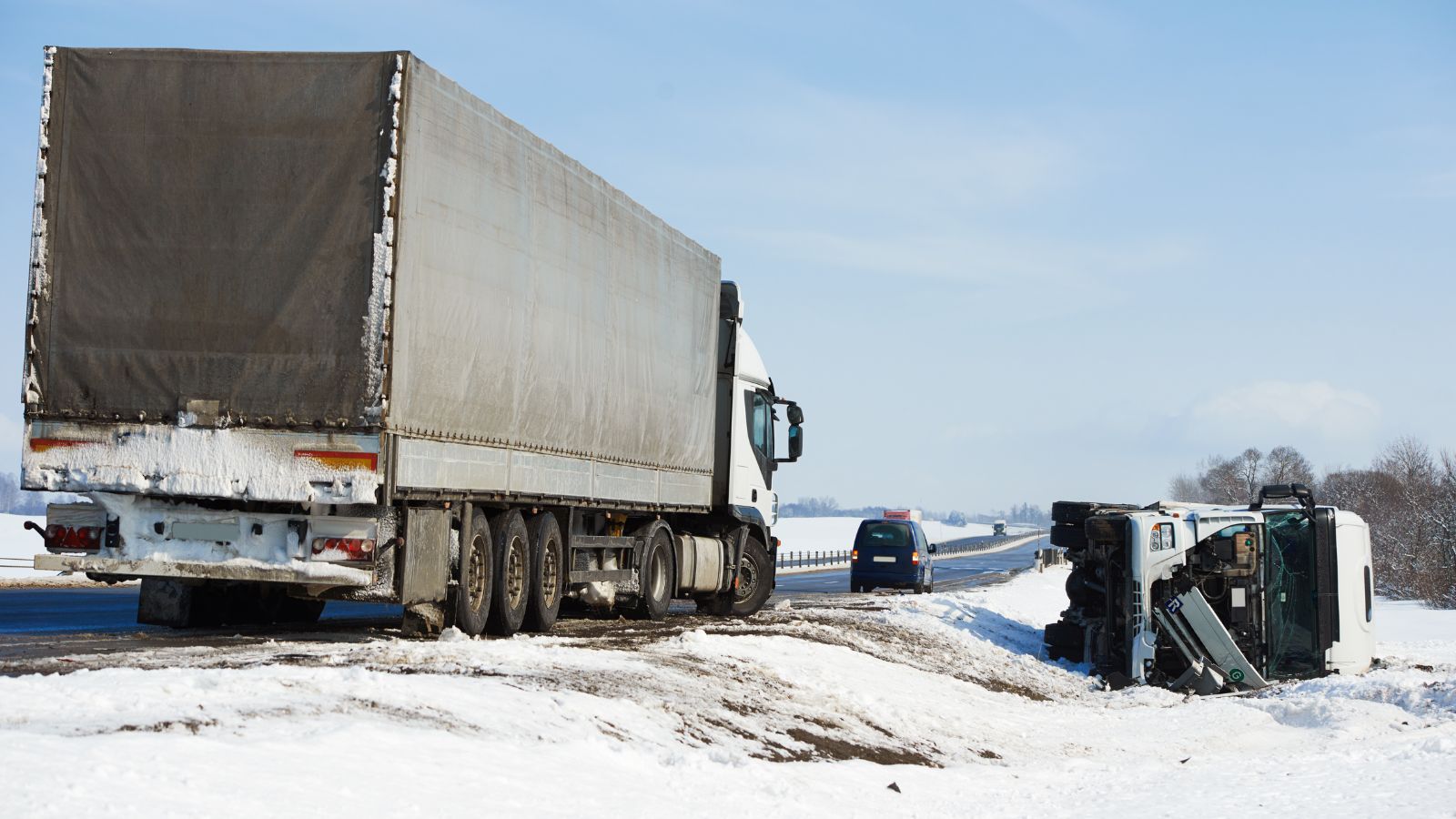
When a truck bumper lines up above the bumper of a smaller car, even a low speed collision can destroy the smaller vehicle’s hood, grille, airbags, and windshield. Insurance payouts increase because the repair damage multiplies instantly when a larger truck is involved. That cost does not stay isolated to the people driving big trucks. Insurance companies distribute risk across the market and everyone ends up paying more. This is one of the financial arguments for restricting oversize pickup volume in high risk urban zones.
Parking Space Overload and Blocked Sightlines
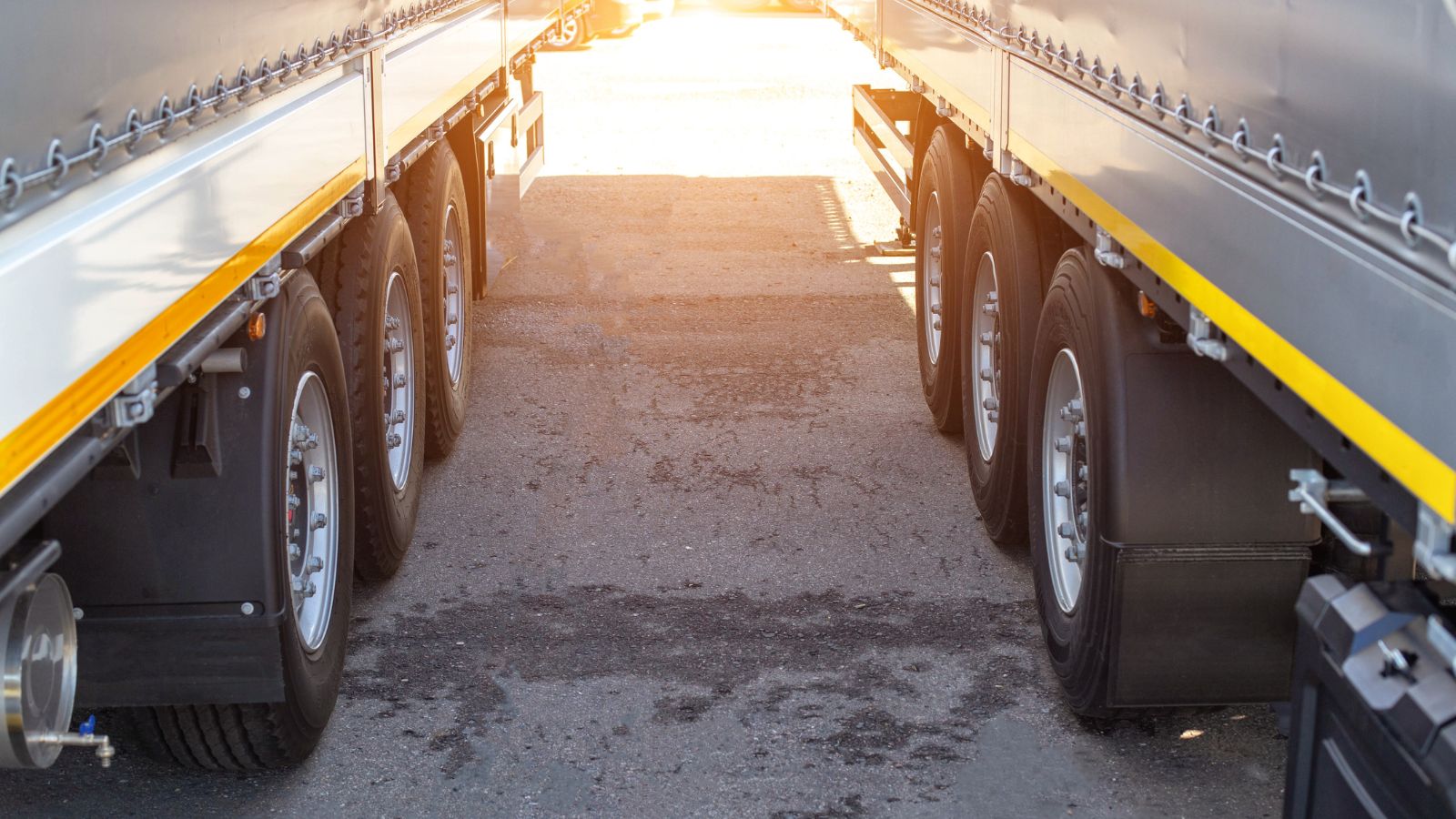
Downtown parking spots were measured when sedans ruled the roads. Oversize trucks do not fit cleanly inside the lines so they block the lane behind them or intrude into crosswalks. In winter the problem gets worse because snowbanks shrink parking spaces even more. A single large truck parked at the end of a street can block visibility for drivers trying to turn, which raises accident risk at intersections that are already busy and stressful during rush hour.
Increased Road Wear and Taxpayer Spending
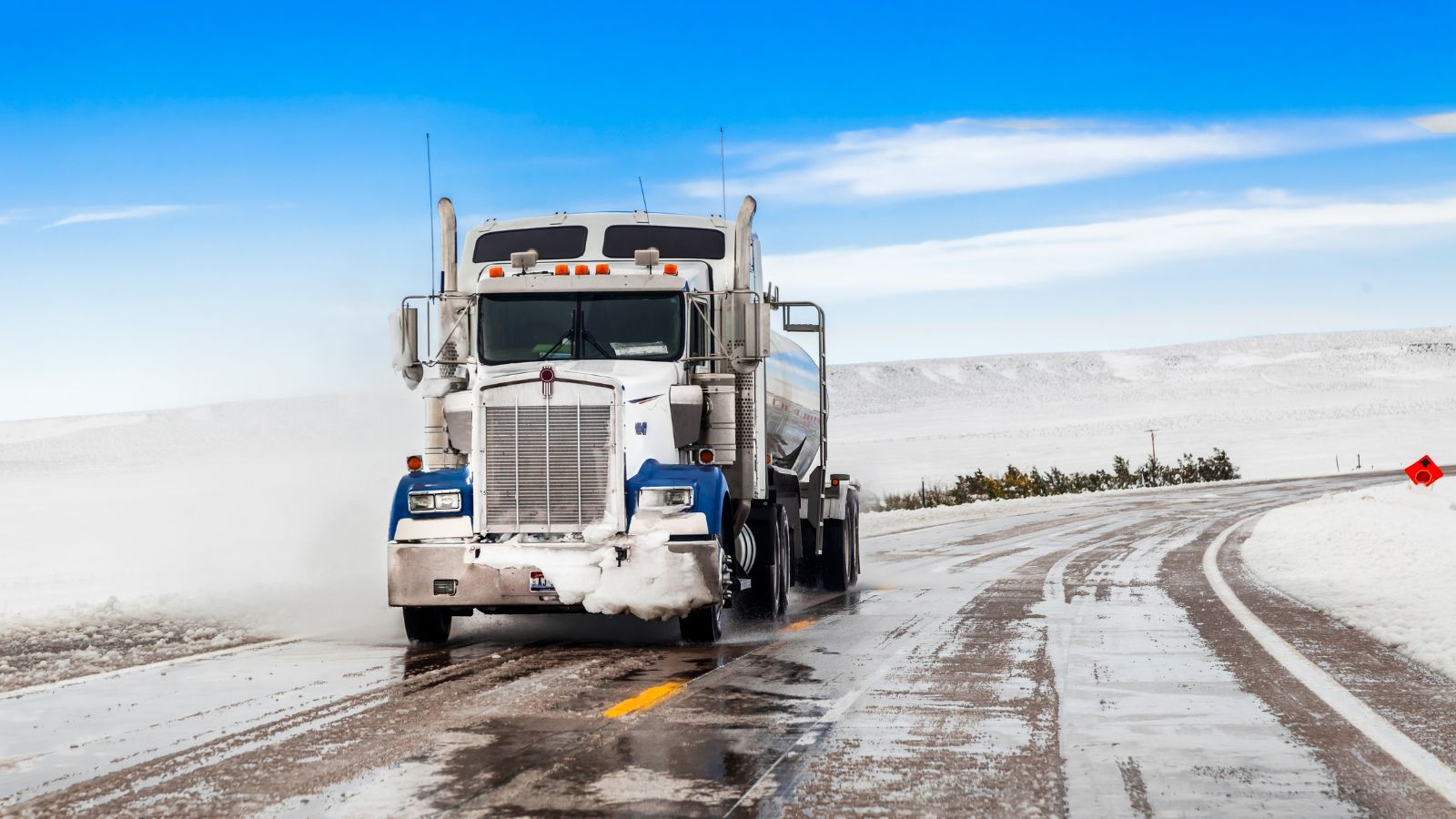
Road maintenance is already expensive. The heavier the vehicles driving on city roads, the faster pavement breaks down. Full size pickups now weigh as much as delivery vans used to. When downtown cores fill with heavy trucks, the costs of resurfacing and patching climb sharply. That pressure pushes cities toward higher taxes or new traffic fees, which sparks frustration because many taxpayers do not want to pay for truck related damage they did not cause.
Higher Emissions and Fuel Consumption in Congested Areas
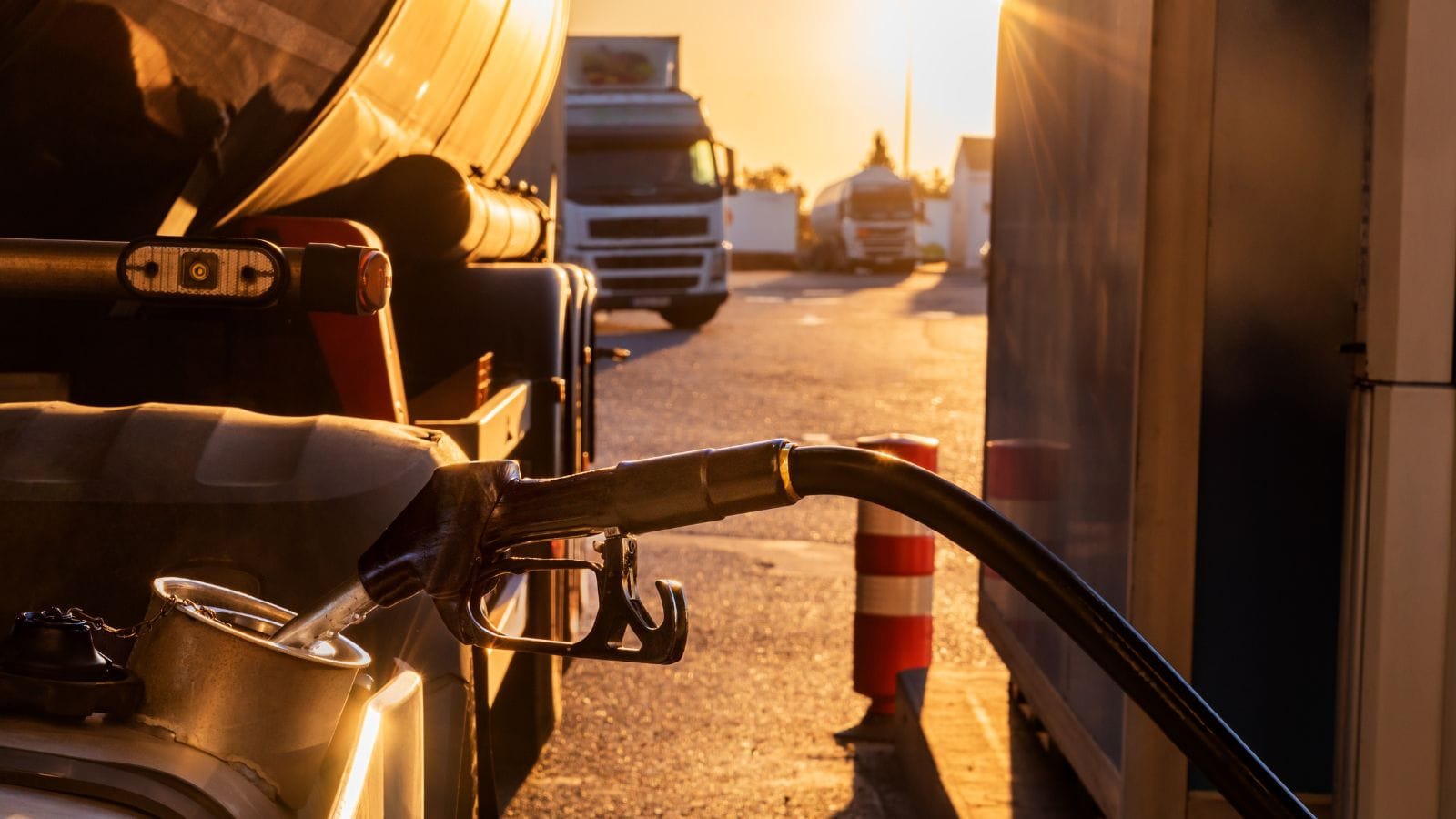
Large trucks burn more fuel at low speed which means more emissions and more exhaust in the exact areas where the most pedestrians live, work, and walk. Environmental groups argue that trucks built for towing boats across the country do not belong inching through bumper to bumper traffic outside office towers. They also point to the fact that stop and go traffic neutralizes many efficiency improvements that manufacturers advertise.
Intimidation Factor on the Road
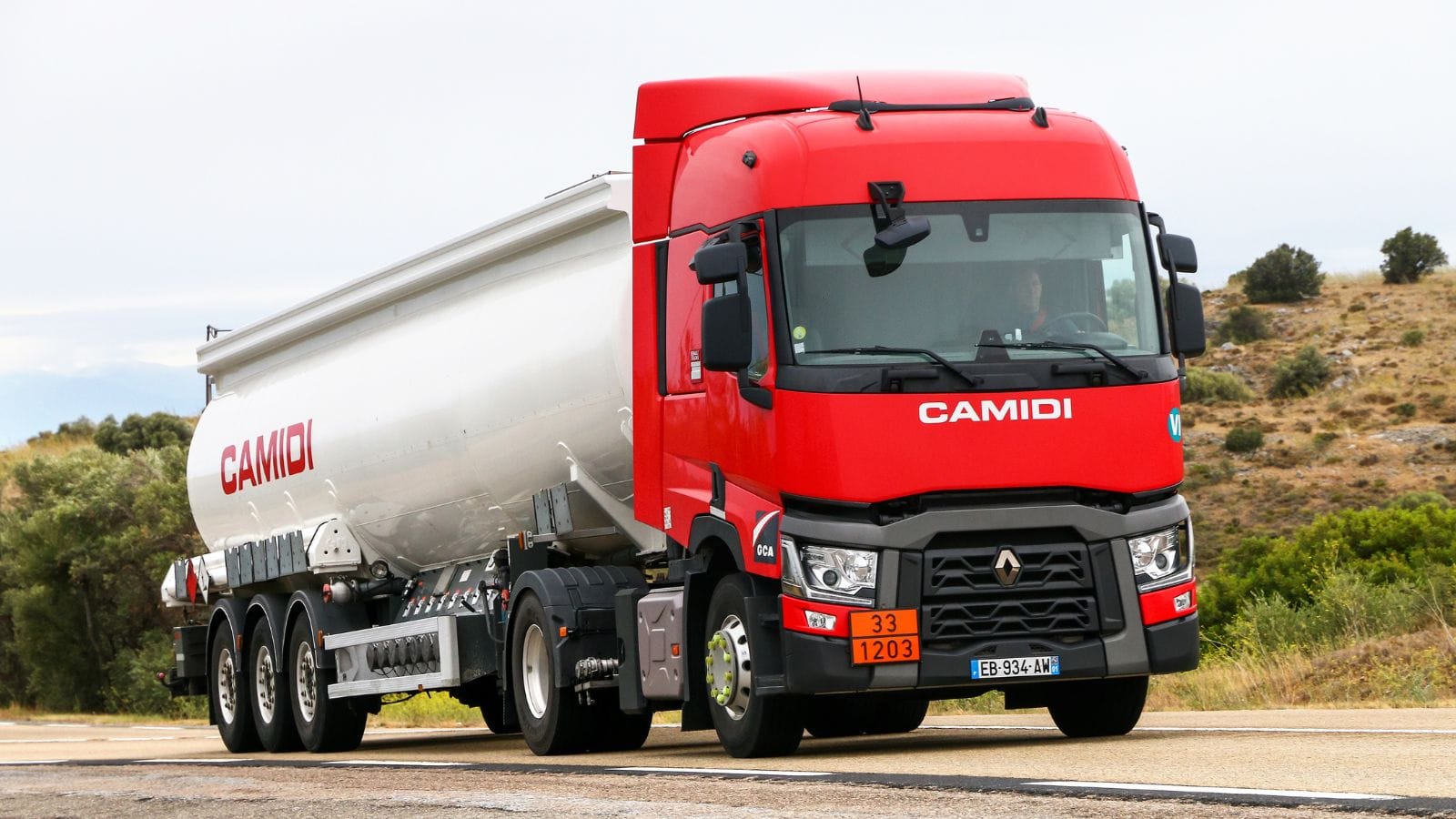
Not every driver feels comfortable when sandwiched between multiple oversize trucks. When the driver cannot see around or over them, lane visibility collapses and stress increases. Some critics say oversized trucks amplify aggressive driving dynamics because their size gives drivers a sense of invincibility while making smaller cars feel powerless. In cramped downtown environments that intimidation factor makes driving feel chaotic rather than cooperative.
Clash With Future Urban Planning Philosophy
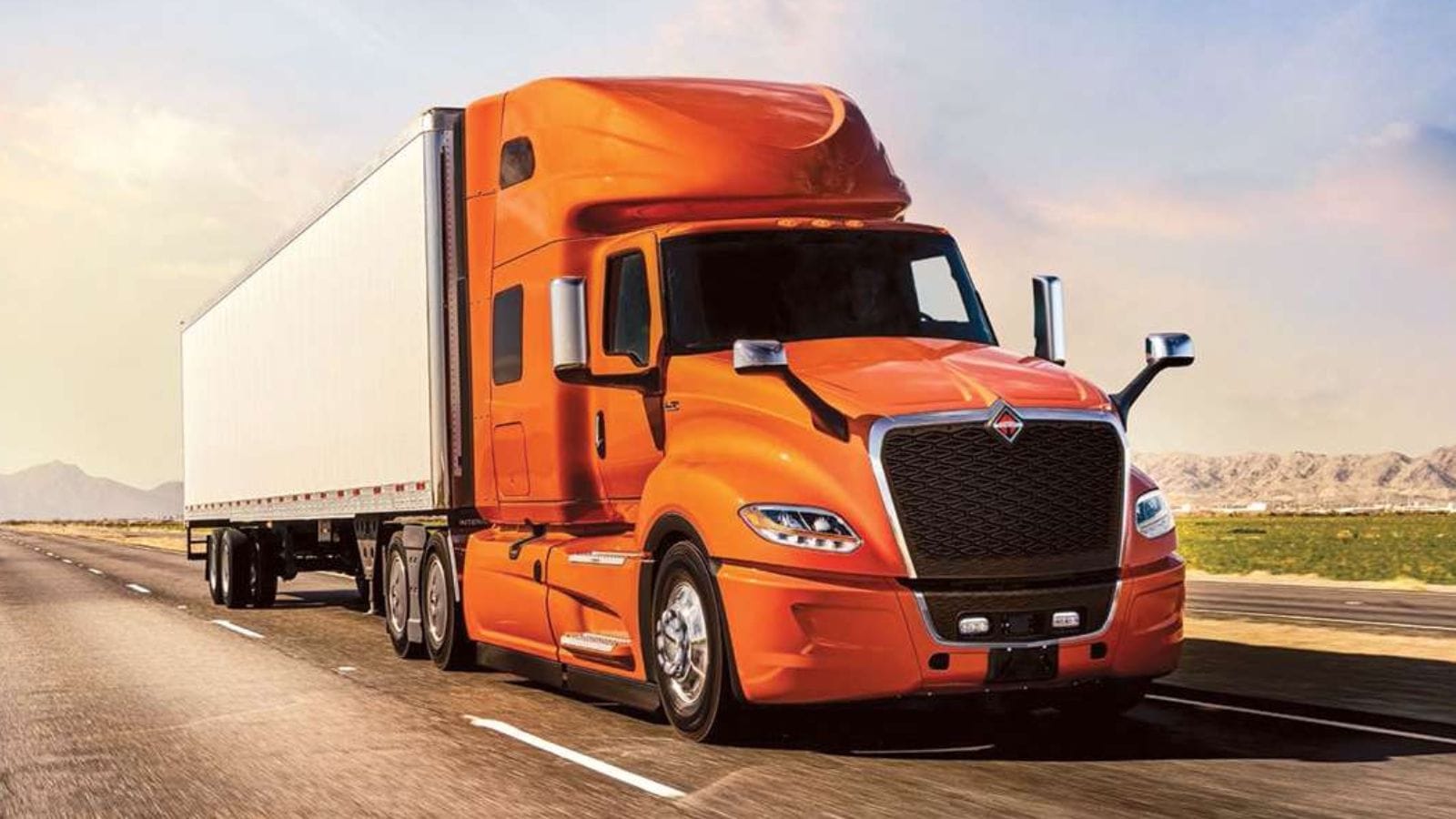
Canadian cities are building their future around walkability, bike corridors, mixed transportation systems, and improved public transit. Extra large trucks are difficult to integrate into that vision. They increase turning radius requirements, require more parking space, and disrupt flow in areas where planners want traffic to calm rather than intensify. Some architects argue that limiting giant trucks in downtowns is not about punishing drivers, it is about keeping the future design of cities realistic.
Noise and Nighttime Disturbance
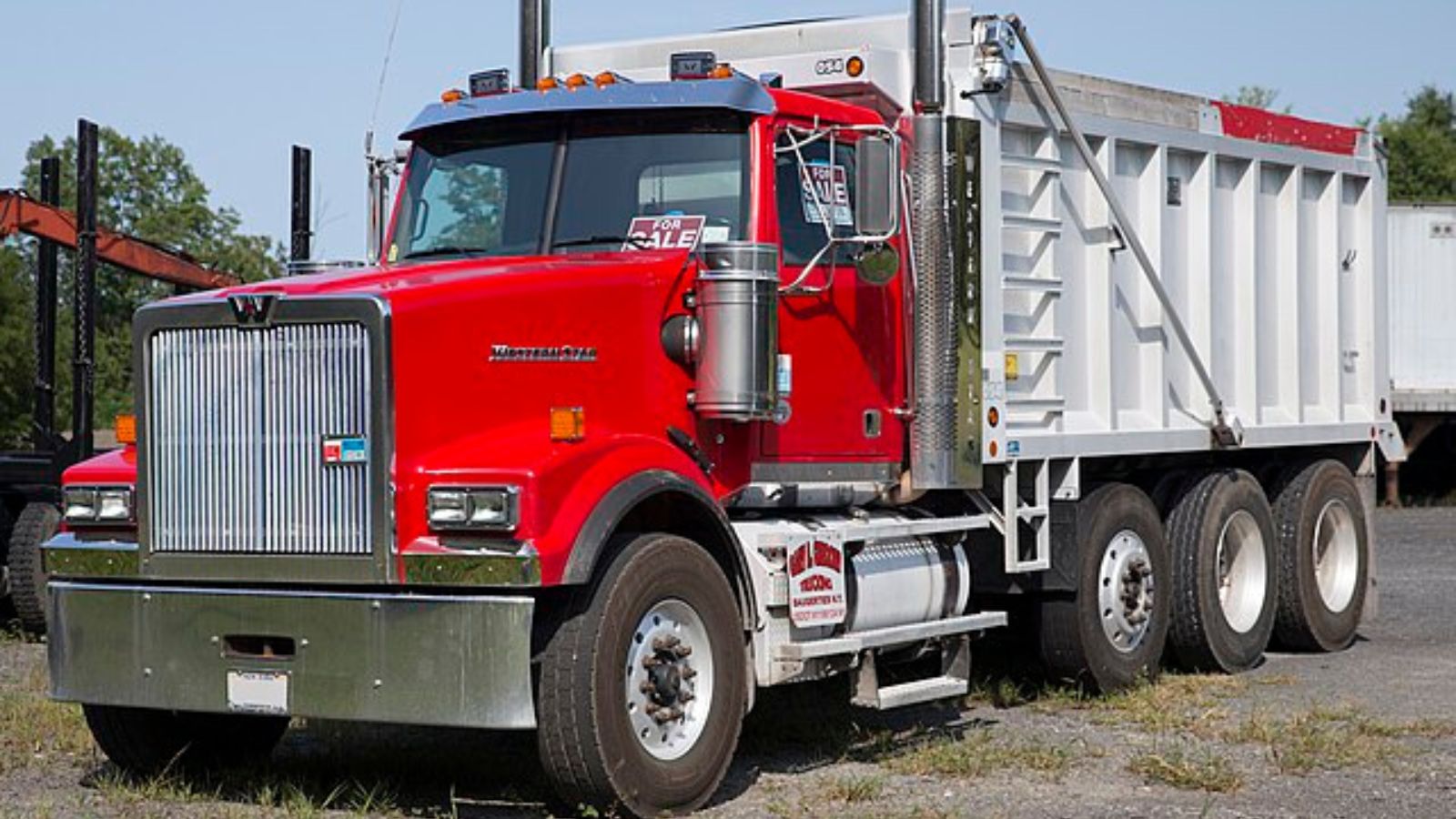
Aggressive all terrain tires, performance exhaust systems, and lifted suspension setups might sound great on open highways or rural property but that noise becomes dramatic inside echoing urban streets. Residents in condo and apartment buildings complain that cold start rumbles and late night acceleration bounce between towers and can wake up entire floors. Even drivers operating within legal limits often receive noise complaints simply because oversized trucks amplify sound in tight city spaces.
Snow Spray and Visibility Problems in Winter
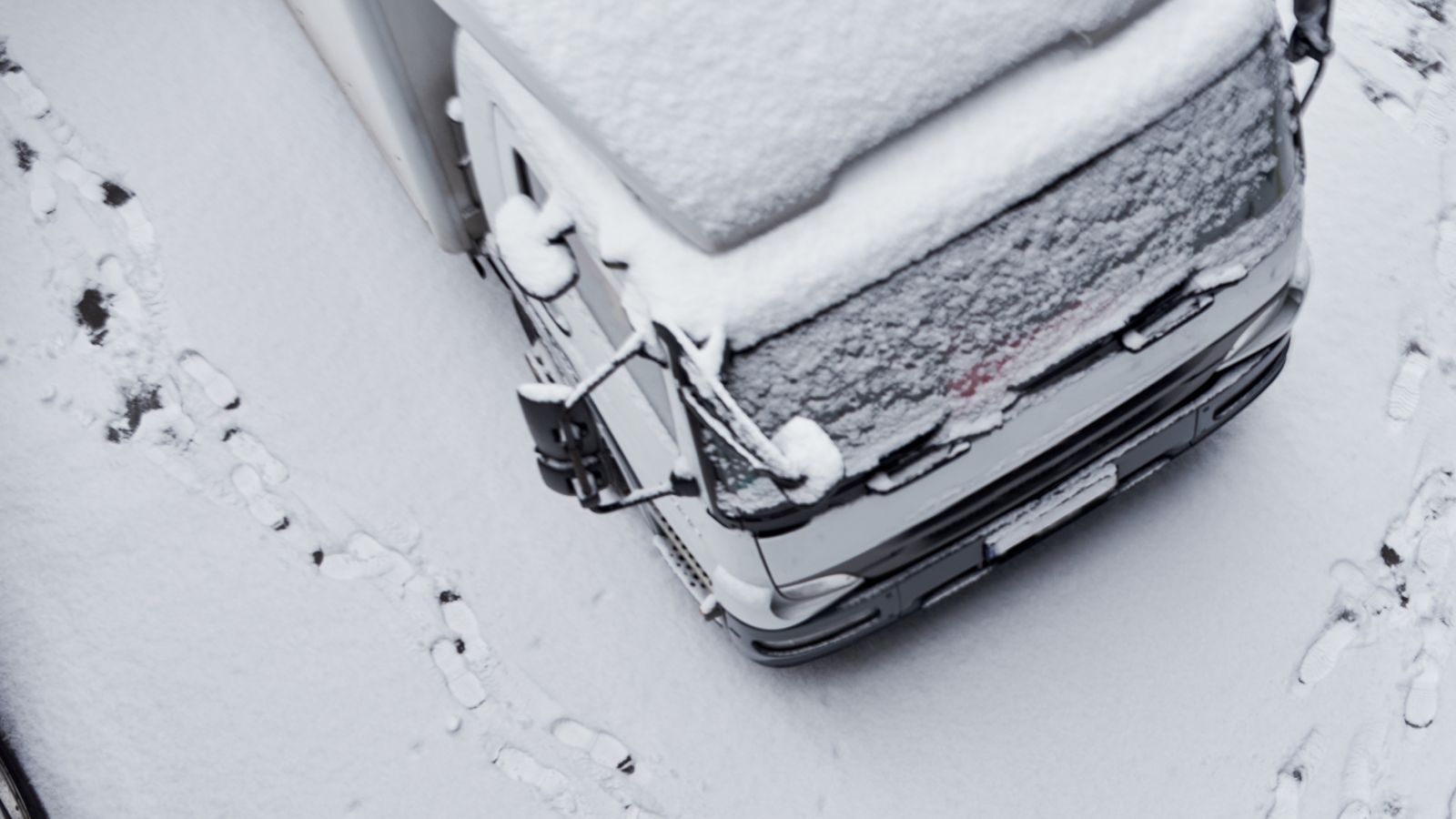
A large truck driving through deep snow throws a spray wide enough to blind the windshield of the car behind it. On multi lane roads this becomes extremely dangerous. A winter whiteout is bad enough. Add a lifted truck shooting snow across your windshield and visibility drops to zero instantly. Critics argue that anything that reduces vision during storms should be limited in dense winter traffic where reaction time means everything.
But a Ban Might Not Be Practical
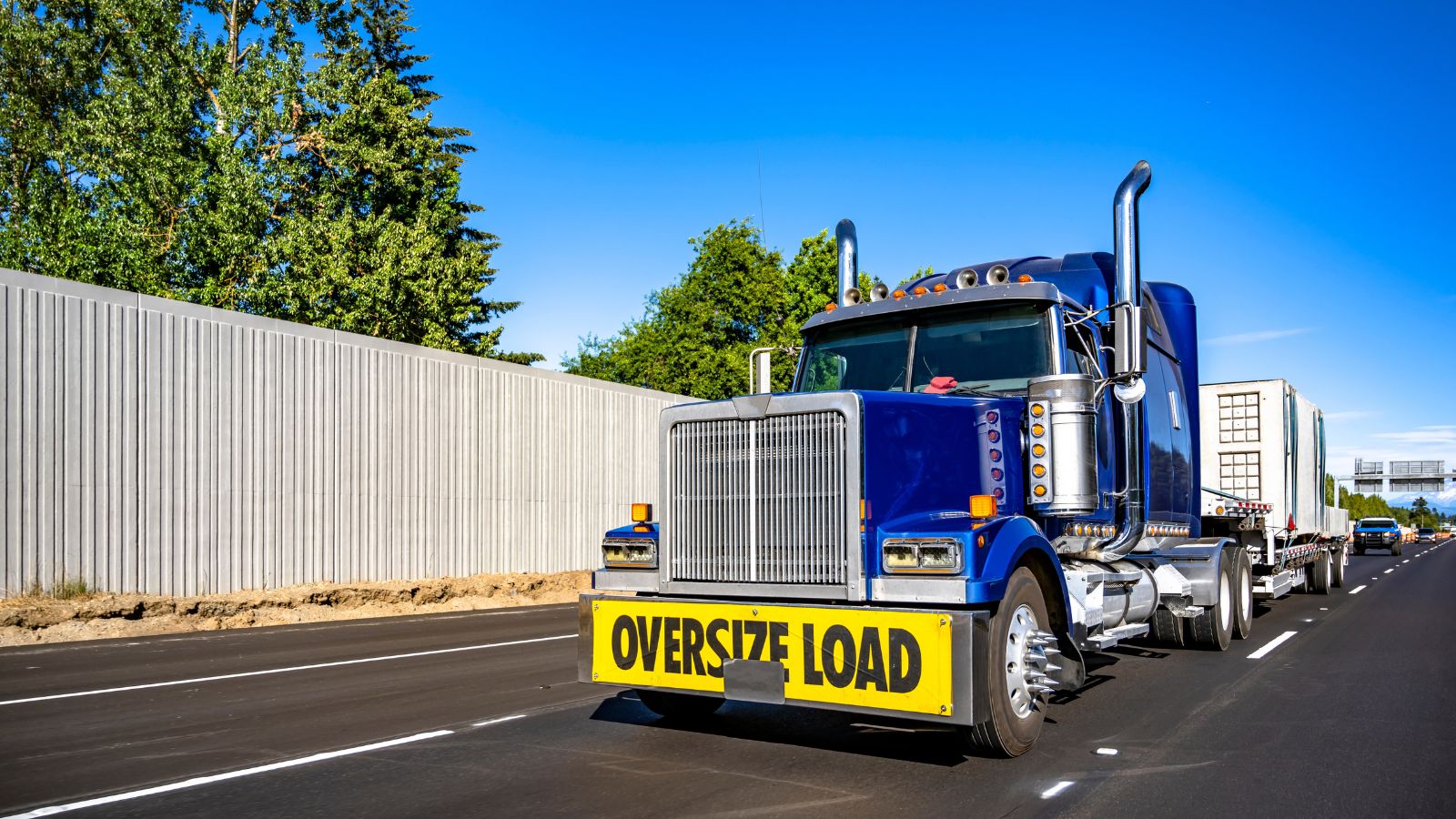
Despite all the arguments above, banning oversize trucks in Canadian cities may not work for one very simple reason. Canadians actually use their trucks for their proper purpose. They tow boats, snowmobiles, campers, and construction trailers. They haul lumber, soil, equipment, and building materials. They plow rural driveways and work on job sites during the week and operate far beyond paved downtown grids. For many people the truck is not a lifestyle accessory, it is a tool that allows them to work, live, and travel the way Canadian geography demands. Asking people to leave their full size trucks outside the city limits would ignore the reality that trucks are not just transportation here, they are part of daily life.
25 Facts About Car Loans That Most Drivers Don’t Realize

Car loans are one of the most common ways people fund car purchases. Like any other kind of loan, car loans can have certain features that can be regarded as an advantage or a disadvantage to the borrower. Understanding all essential facts about car loans and how they work to ensure that you get the best deal for your financial situation is essential. Here are 25 shocking facts about car loans that most drivers don’t realize:
25 Facts About Car Loans That Most Drivers Don’t Realize
