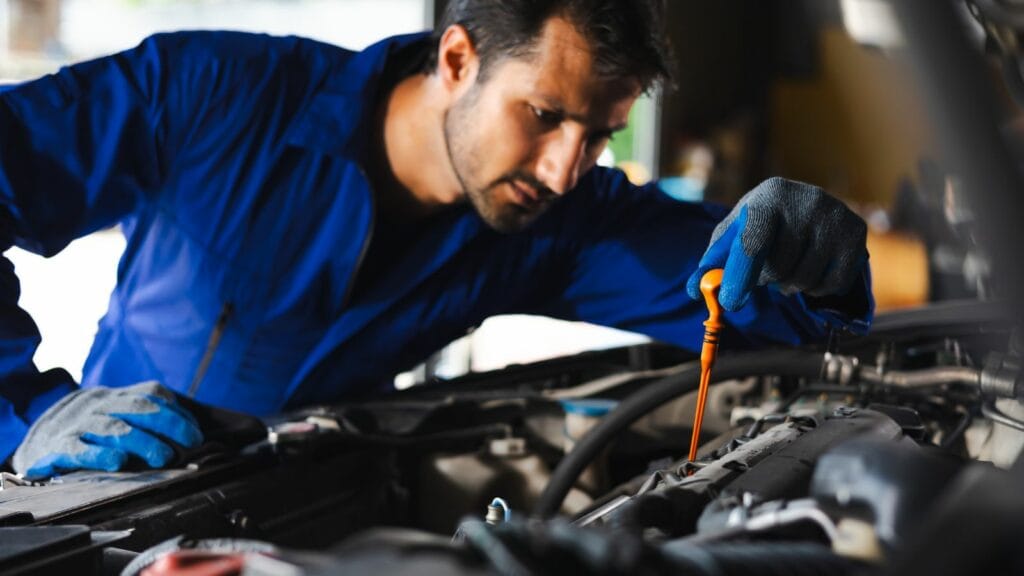
Small cars should be simple, efficient and cheap to maintain. That is the entire appeal. But some compact and subcompact models come with engines that turn ownership into an exhausting experience. These motors suffer from weak internal parts, overheating, oil consumption and cold weather issues that show up far earlier than they should. In Canada, where winter puts every engine through a torture test, these flaws become even more obvious. Here are eight small cars known for engines that frustrate owners far more than they entertain.
Ford Fiesta with the 1.0 and 1.6 Engines
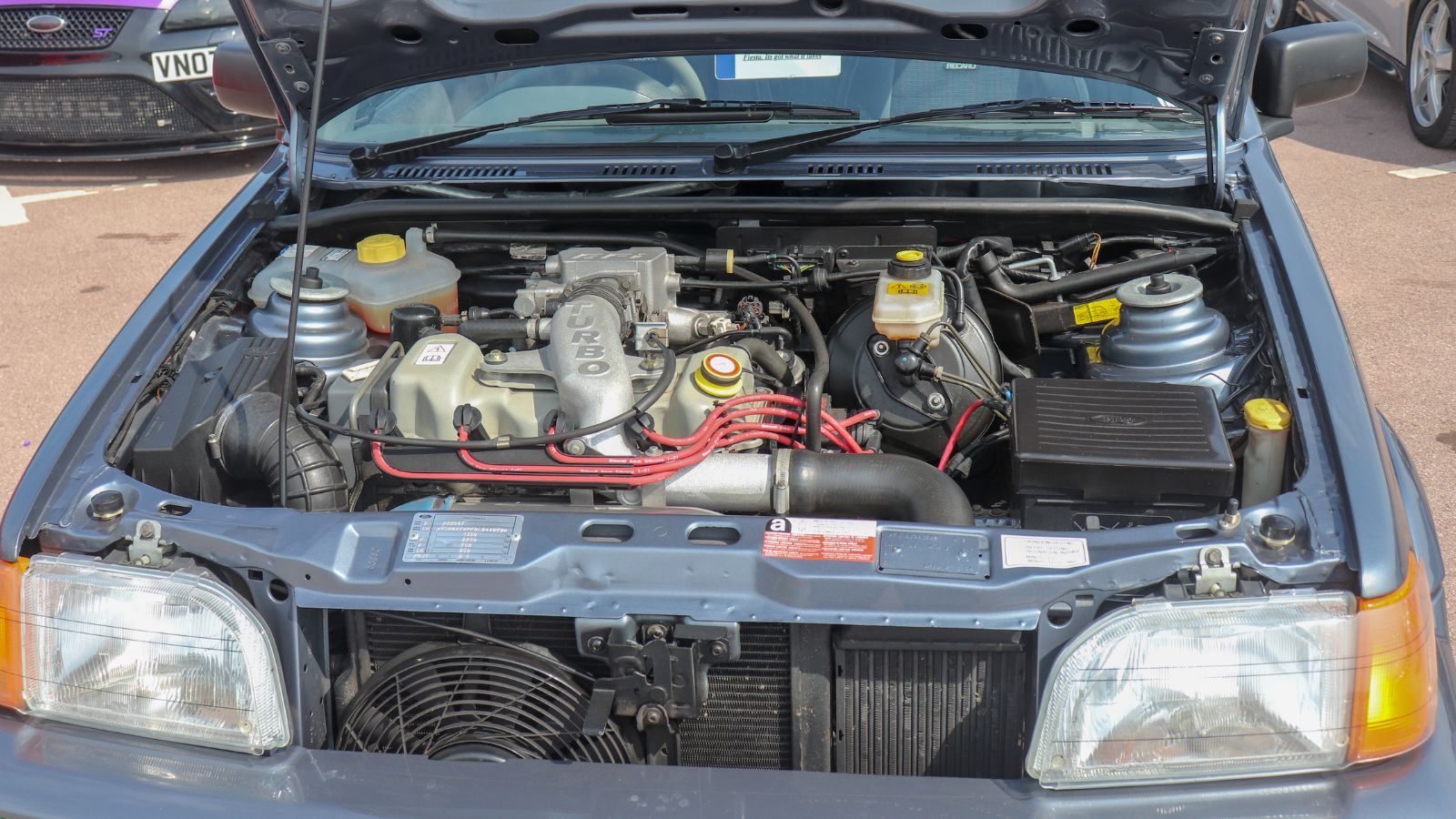
The Ford Fiesta has always been fun to drive, but enthusiasm disappears once you look at its engine reliability. The 1.6 suffers from overheating, coolant leaks and early head gasket failures. Many drivers experience rough idling, hesitation and misfires that worsen in cold weather. The 1.0 turbo engine is even more problematic, with timing belt issues, oil starvation and premature internal wear. When winter hits, the small turbo struggles with thick oil and the engine becomes noisy and unpredictable. Mechanics across Canada repeatedly warn buyers about Fiesta engine failures that happen long before the rest of the car wears out.
Chevrolet Cruze with the 1.4 Turbo
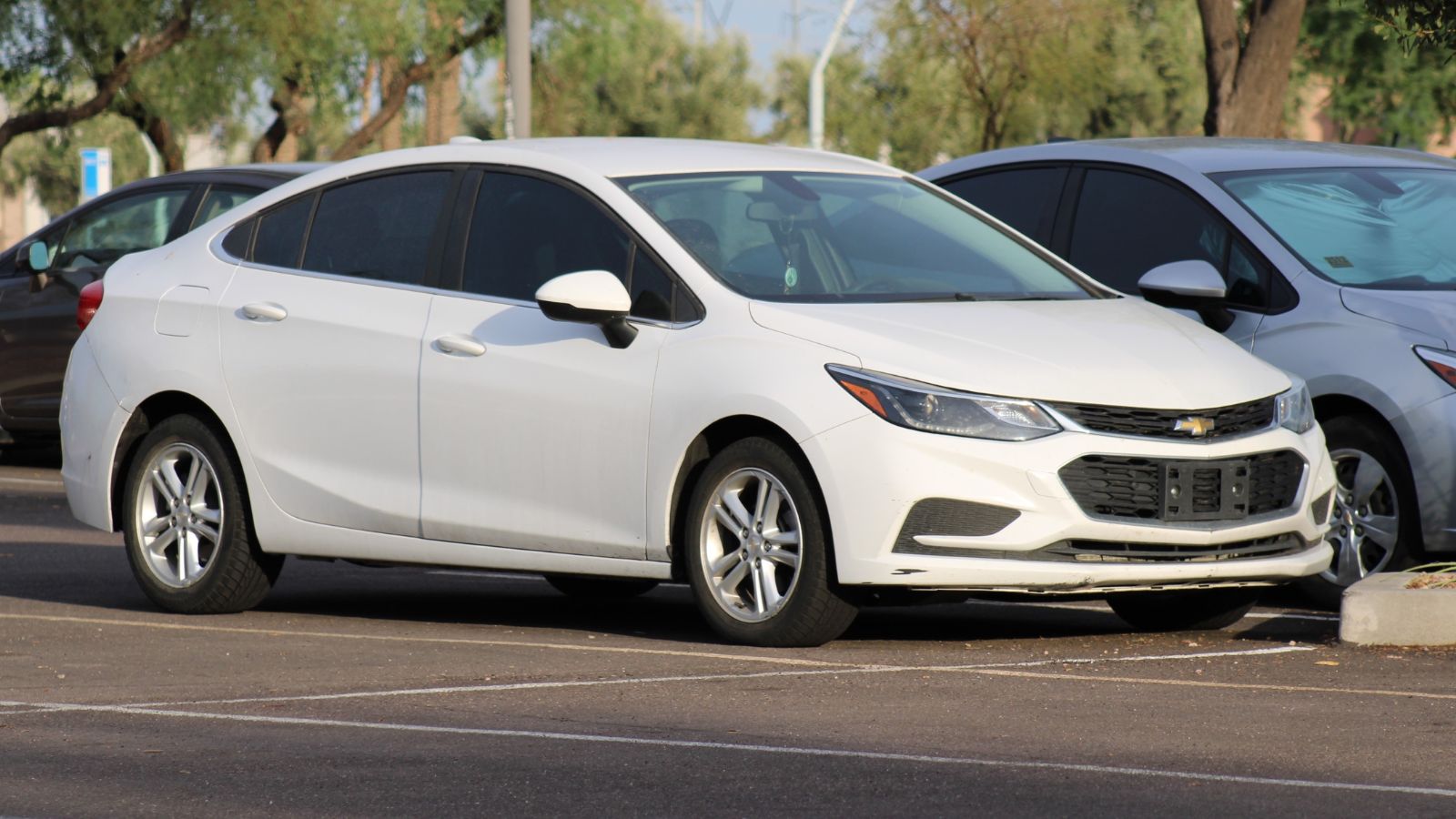
The Cruze’s 1.4 turbo engine is infamous for long term issues. Coolant leaks into the cylinders, turbos fail early and timing chains stretch before they should. Many owners report sudden power loss followed by expensive repairs. Cold winters make things worse because small turbo engines already run hot, and rapid temperature swings push weak components to their limit. As mileage climbs, oil consumption becomes a major concern. The Cruze remains popular on the used market because of its price, but buyers often underestimate the engine problems hiding beneath its comfortable ride and solid fuel economy.
Fiat 500 with the 1.4 Non Turbo

Few engines struggle in Canadian winters like the Fiat 500’s 1.4. Even in mild temperatures, it suffers from oil leaks, failing sensors and rough starts. Once the cold sets in, weak gaskets shrink and the engine becomes increasingly temperamental. Head gasket issues show up early, and the engine tends to overheat when pushed on long highway drives or steep climbs. While the Fiat 500 has personality, its engine is delicate, underpowered and fussy, leaving many owners disappointed when charm cannot make up for repeated trips to the shop.
Mini Cooper with the Early N14 and N18 Engines
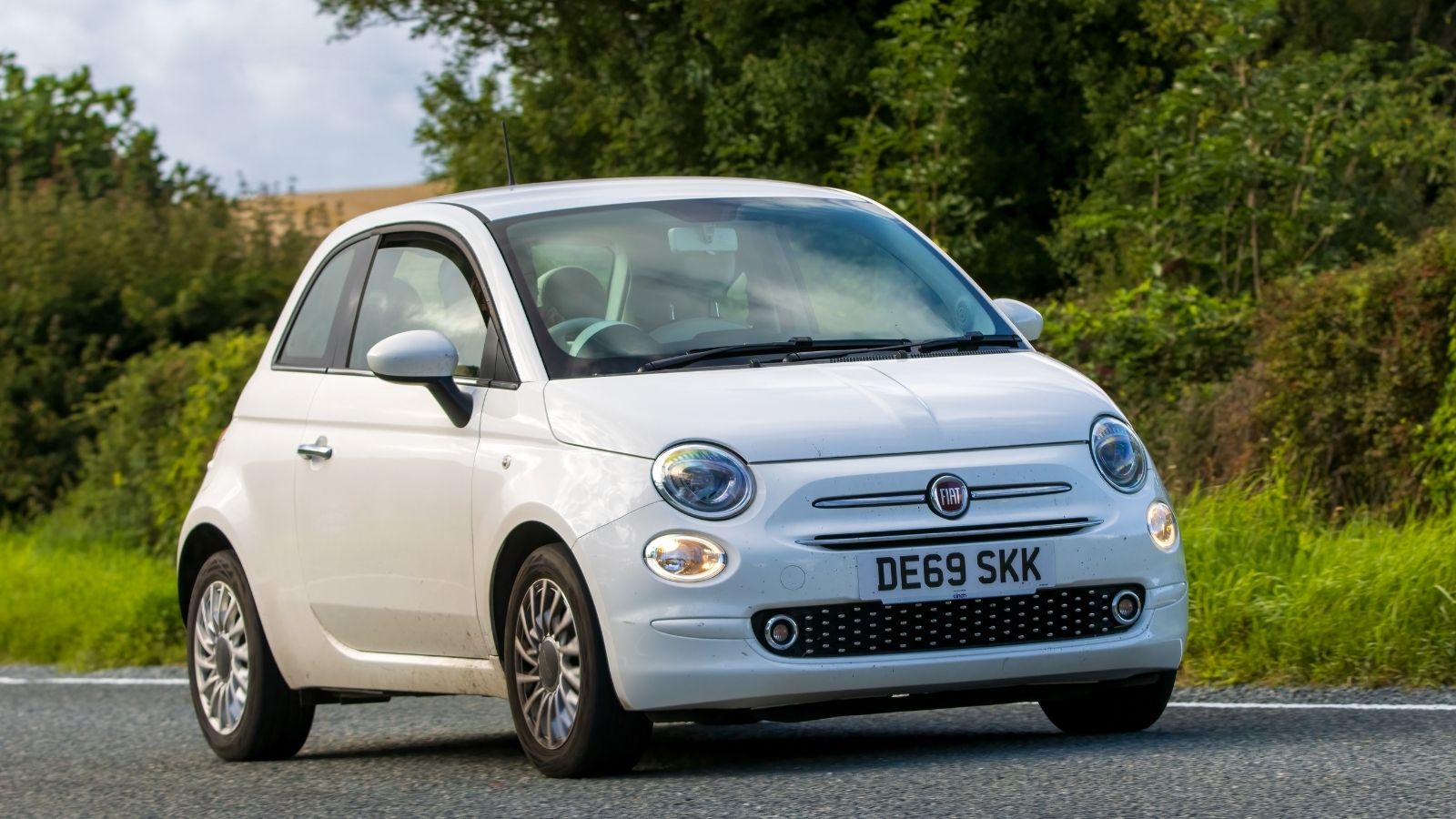
Mini’s early turbocharged engines are well known for timing chain tensioner failures, heavy carbon buildup and sudden oil consumption. These motors run hot even in ideal conditions, and Canadian winters only exaggerate the problem. Owners often describe a rattling sound during startup that eventually turns into catastrophic chain failure. Carbon buildup on the valves causes rough idling and poor acceleration, and oil loss becomes significant as the engine ages. Despite being fun to drive, these Minis require meticulous maintenance and expensive repairs, making them some of the least reliable engines in the small car world.
Hyundai Accent with Older 1.6 Engines
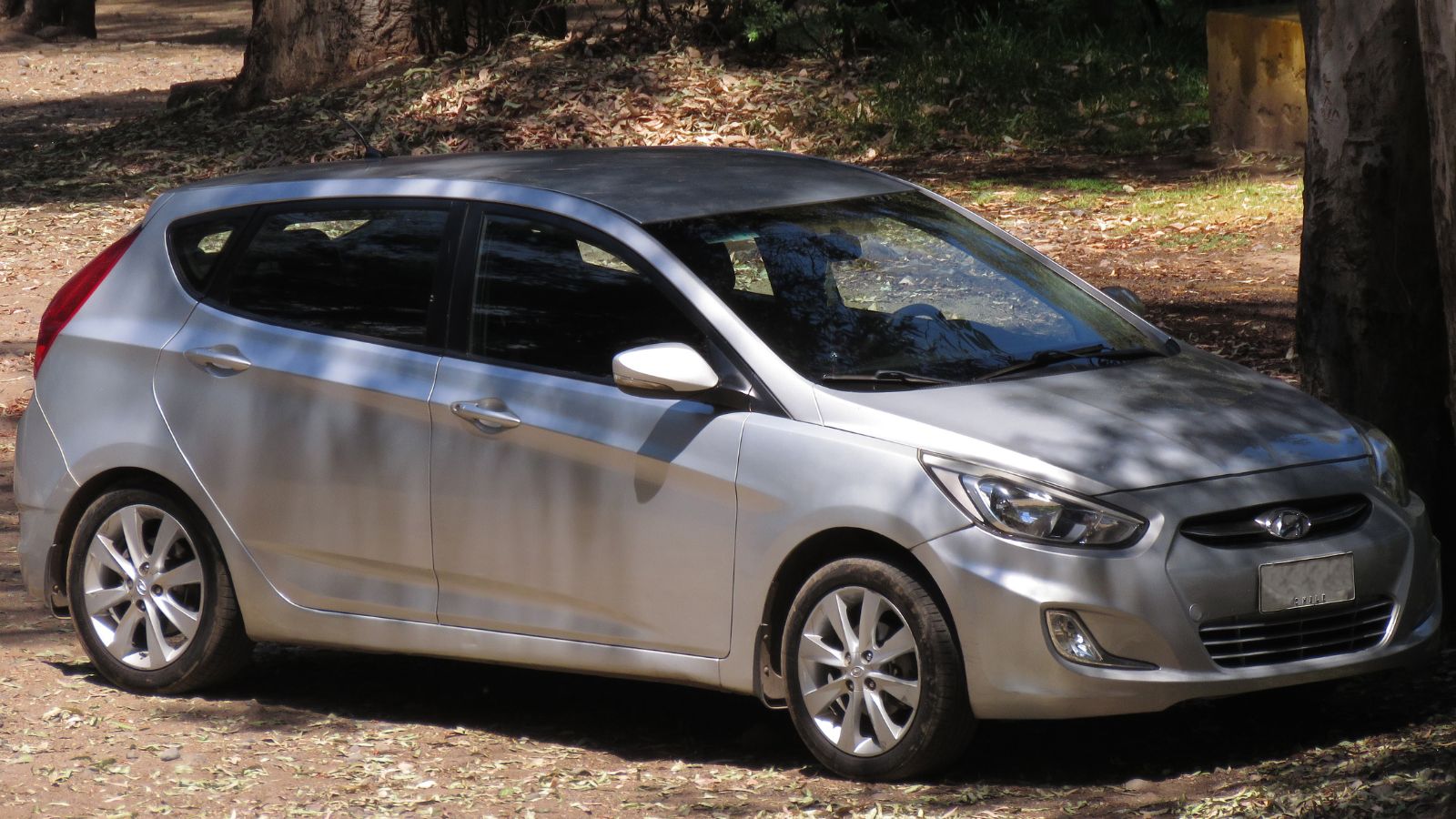
Early Hyundai Accent models were affordable, but the engine quality did not match the price. Weak connecting rods, piston slap and premature wear make these engines noisy and unreliable. Many owners report heavy oil consumption well before one hundred thousand kilometers. Cold starts often produce knocking or tapping sounds, a sign that internal components are wearing unevenly. While Hyundai has dramatically improved quality in newer generations, older Accents still show up frequently with major engine issues that cost far more than the car is worth.
Nissan Versa with the 1.6 Engine
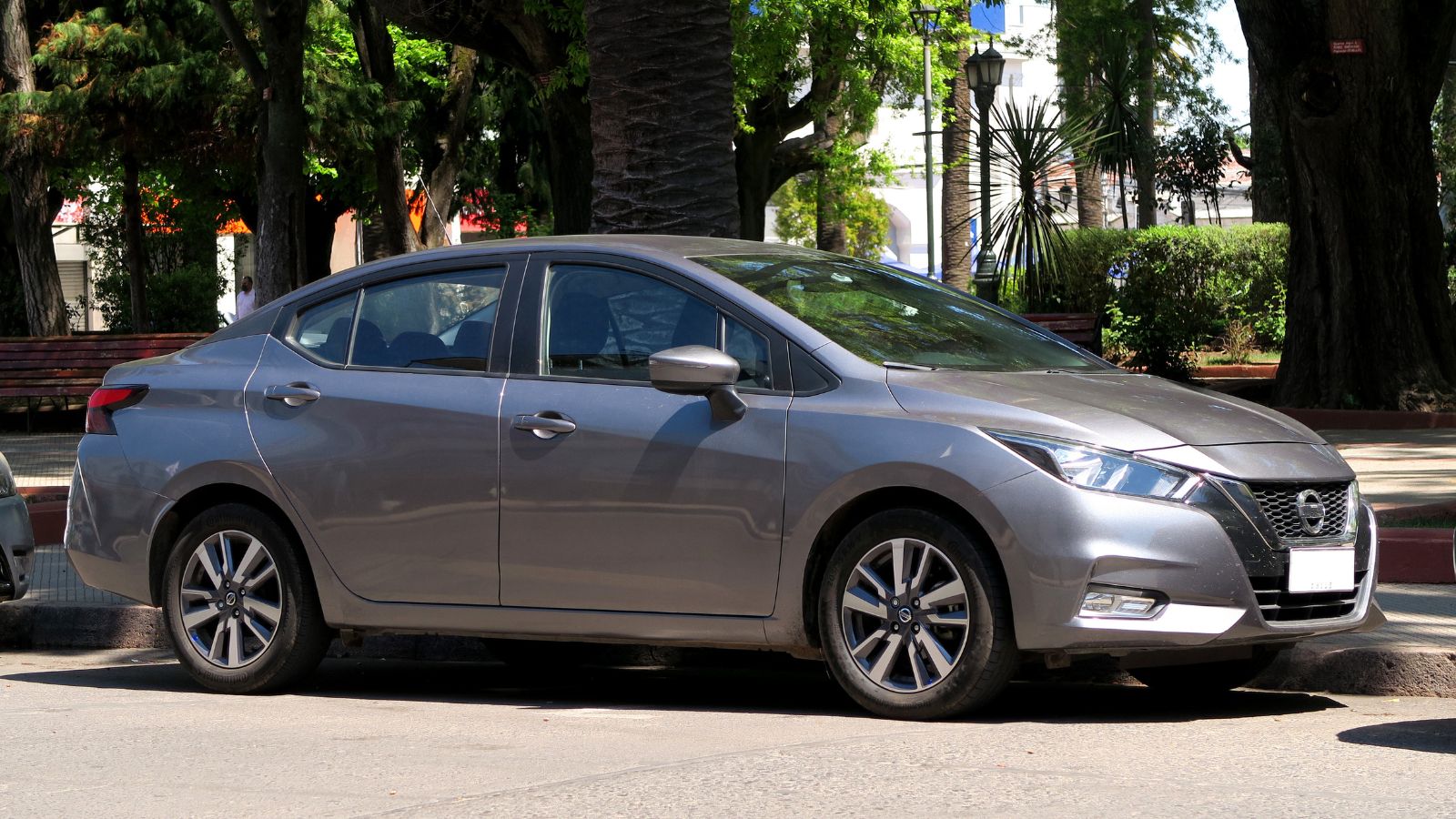
The Versa’s 1.6 engine feels outdated and underpowered, but the real concerns appear over time. Excessive oil burning, rough idle and timing chain stretch become increasingly common as the kilometers climb. In cold climates the engine struggles to maintain smooth operation, especially during subzero starts. Many owners find themselves topping up oil constantly, a sign that the engine is wearing faster than it should. The Versa is inexpensive and roomy for its size, but the engine remains its weakest point and a long term reliability question mark.
Chevrolet Spark with the 1.2 Engine
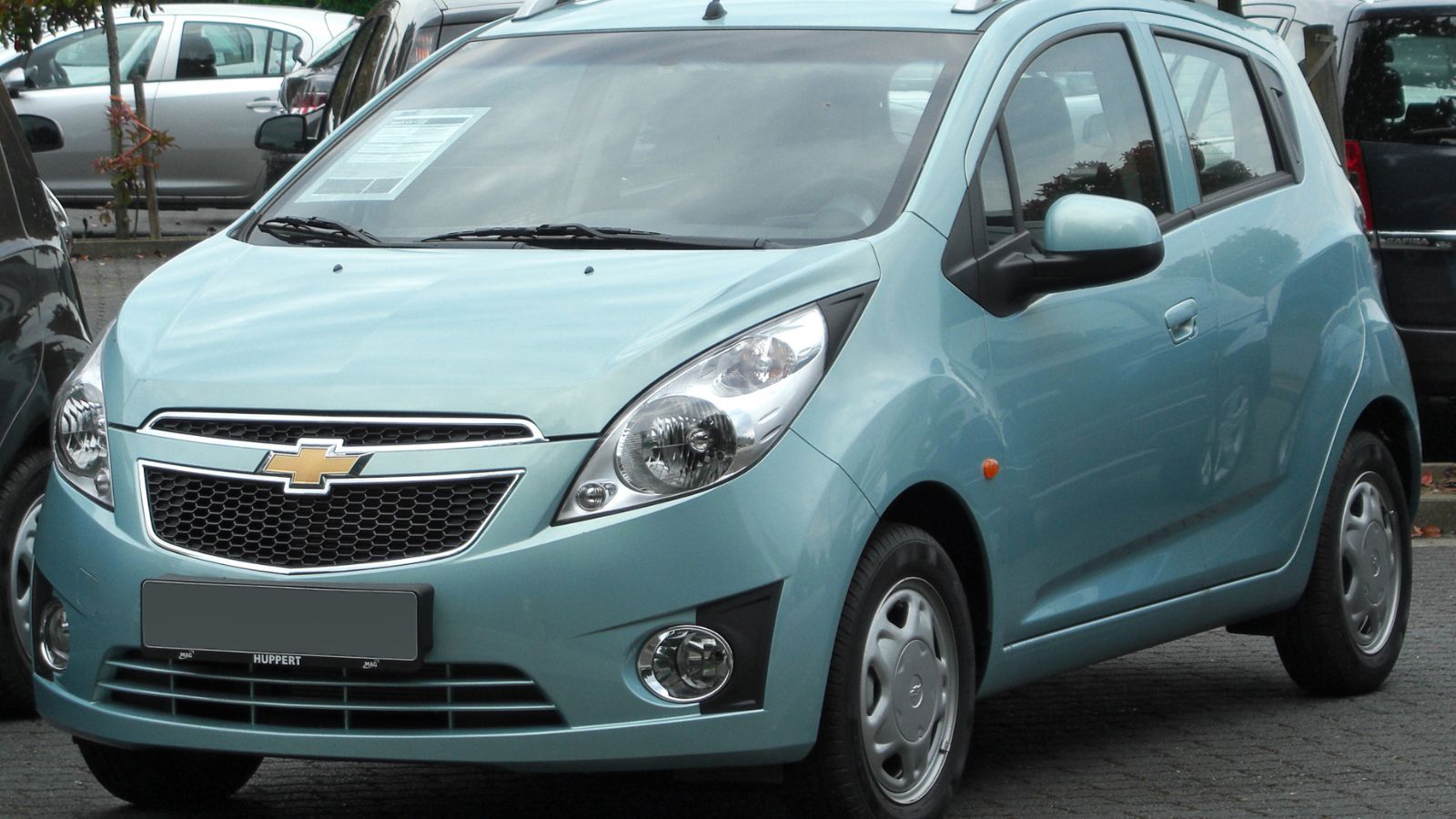
The Spark may be small and efficient, but its engine feels like it was designed for a climate far warmer than Canada. The 1.2 liter motor struggles on hills, runs hot during long drives and shows clear signs of stress under anything other than gentle city use. Valve train noise, head gasket issues and overheating appear more often than buyers expect. The small displacement simply does not handle cold weather thickened oil well, and many Sparks develop ticking sounds and rough running as the mileage climbs. For a car built for budget minded drivers, the engine proves too fragile for long term ownership.
Dodge Caliber with the 1.8 and 2.0 Engines
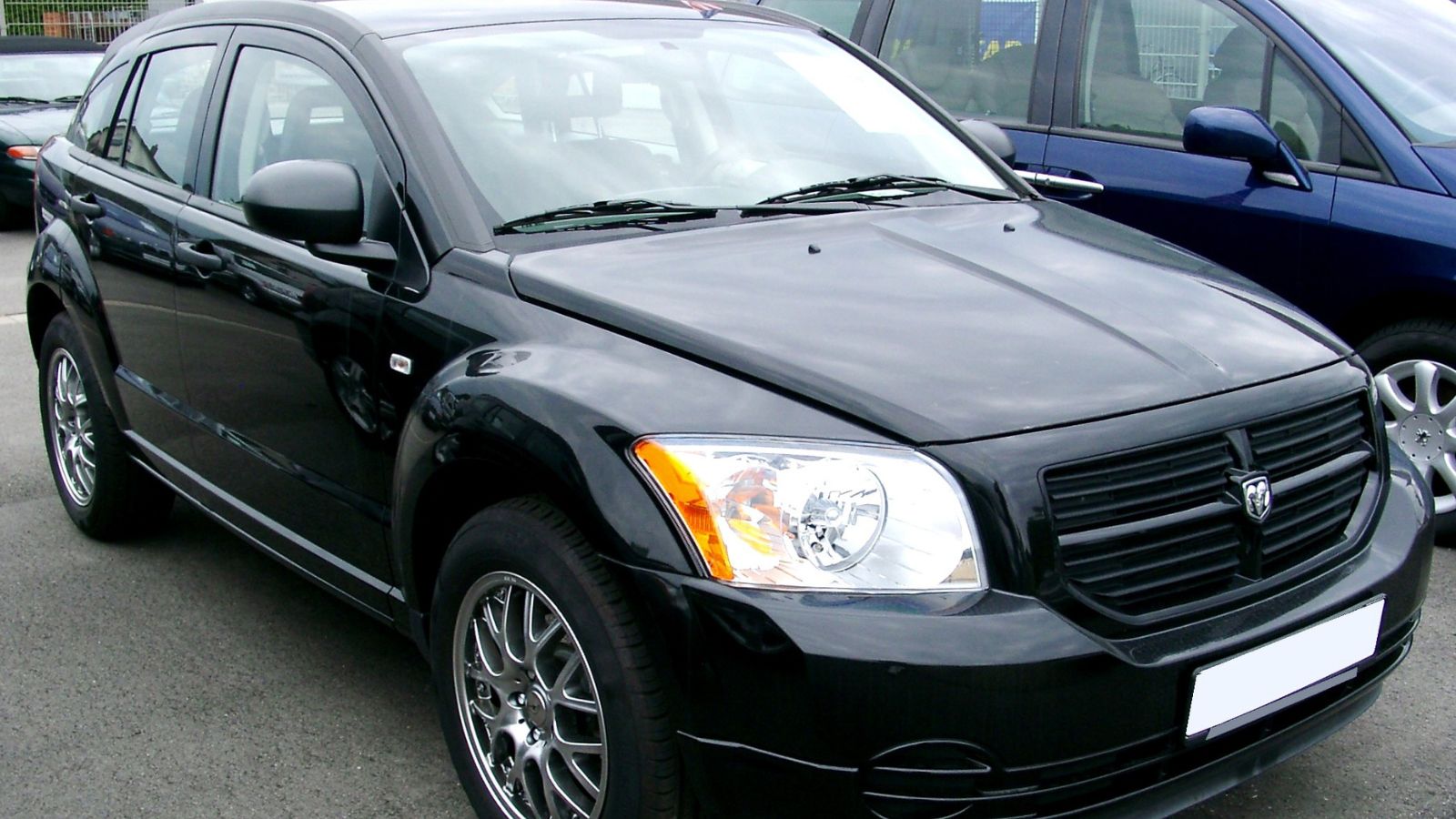
The Dodge Caliber has one of the worst reputations in the small car segment, largely due to its engines. Both the 1.8 and 2.0 versions suffer from poor oil control, blown head gaskets, weak timing components and general roughness that never improves. The engines feel strained at normal speeds and sound harsh during cold starts. Many Calibers experience major internal failures before reaching moderate mileage. Combined with the problematic CVT transmission, these engines cemented the Caliber’s status as a car to avoid on the used market.
Why These Engines Miss the Mark

Small engines should shine in efficiency, durability and simplicity. Instead, the engines on this list demonstrate what happens when cost cutting, heat management issues or rushed engineering collide with real world use. Canadian conditions expose every flaw. Cold starts thicken oil, long distances strain weak parts and temperature swings punish cooling systems. These powertrains simply were not built for the demands of daily Canadian driving.
25 Facts About Car Loans That Most Drivers Don’t Realize

Car loans are one of the most common ways people fund car purchases. Like any other kind of loan, car loans can have certain features that can be regarded as an advantage or a disadvantage to the borrower. Understanding all essential facts about car loans and how they work to ensure that you get the best deal for your financial situation is essential. Here are 25 shocking facts about car loans that most drivers don’t realize:
25 Facts About Car Loans That Most Drivers Don’t Realize
