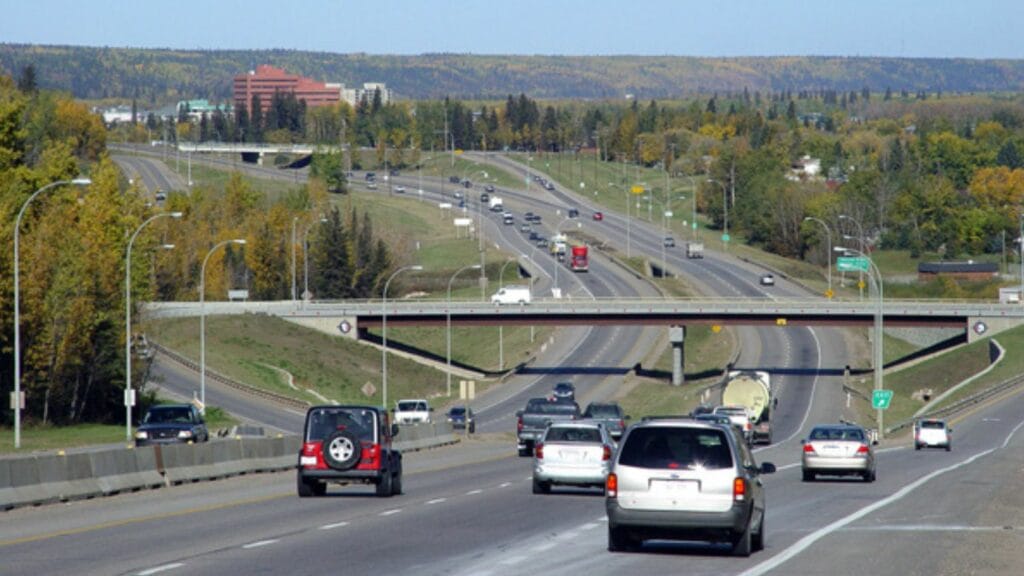
Canadian drivers follow some of the strictest and most detailed traffic rules in the world. From winter tire regulations to photo radar zones, the rules stack up quickly, and many motorists feel the system focuses more on punishment than practicality. Every driver has a wish list of changes that would make commuting smoother, safer and far less stressful. Here are ten traffic law tweaks Canadians dream about but may never see.
Ending the Endless Left Lane Hogs
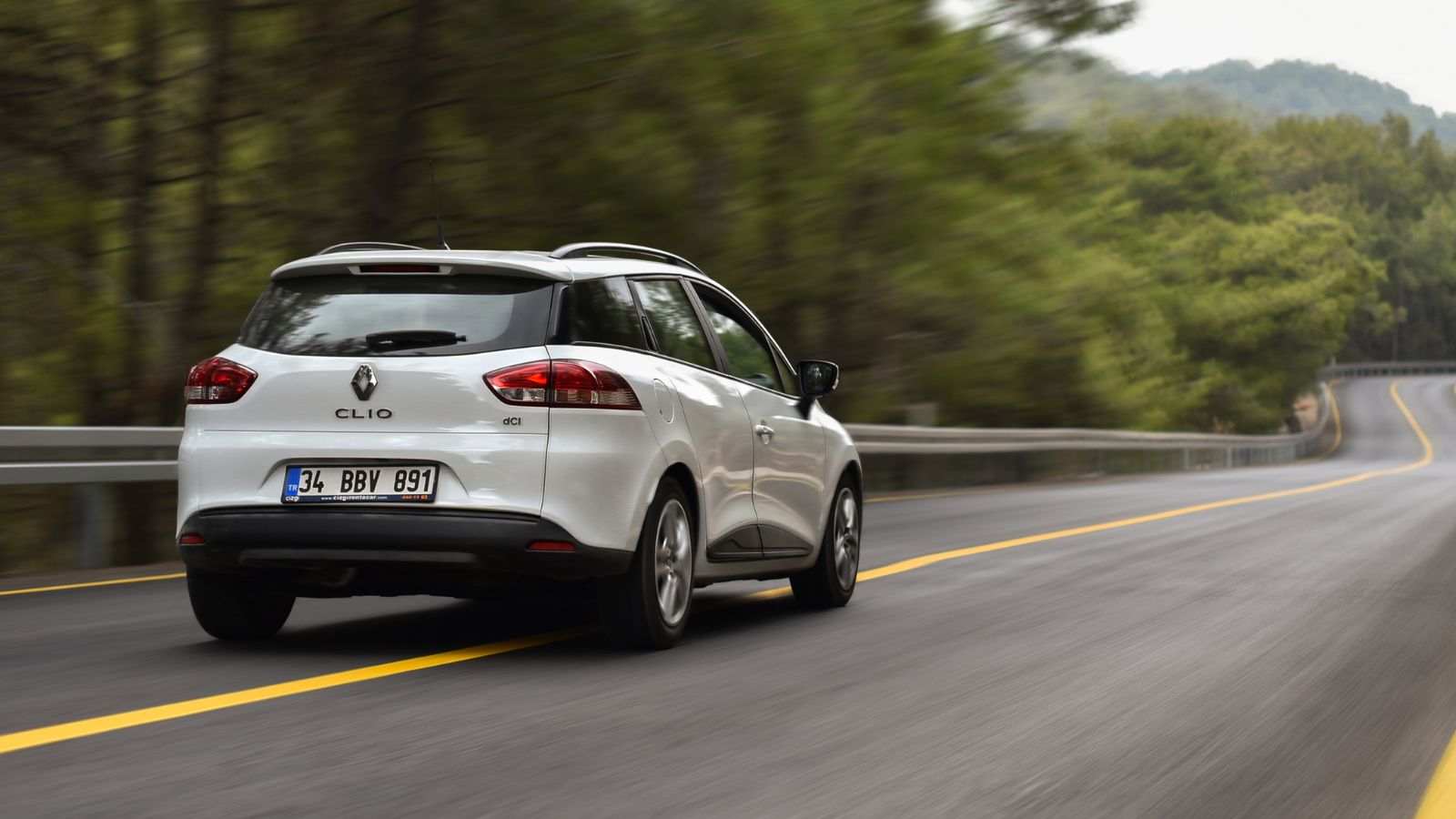
Nothing raises blood pressure faster than a driver cruising in the left lane at the same speed as the right lane. Many Canadians argue for much tougher penalties for left lane camping, especially on highways where traffic flow depends on proper lane discipline. Drivers want a simple rule, keep right unless passing. If enforced strictly, it would cut congestion and reduce dangerous weaving as frustrated motorists try to get around rolling roadblocks.
Making Photo Radar Fairer
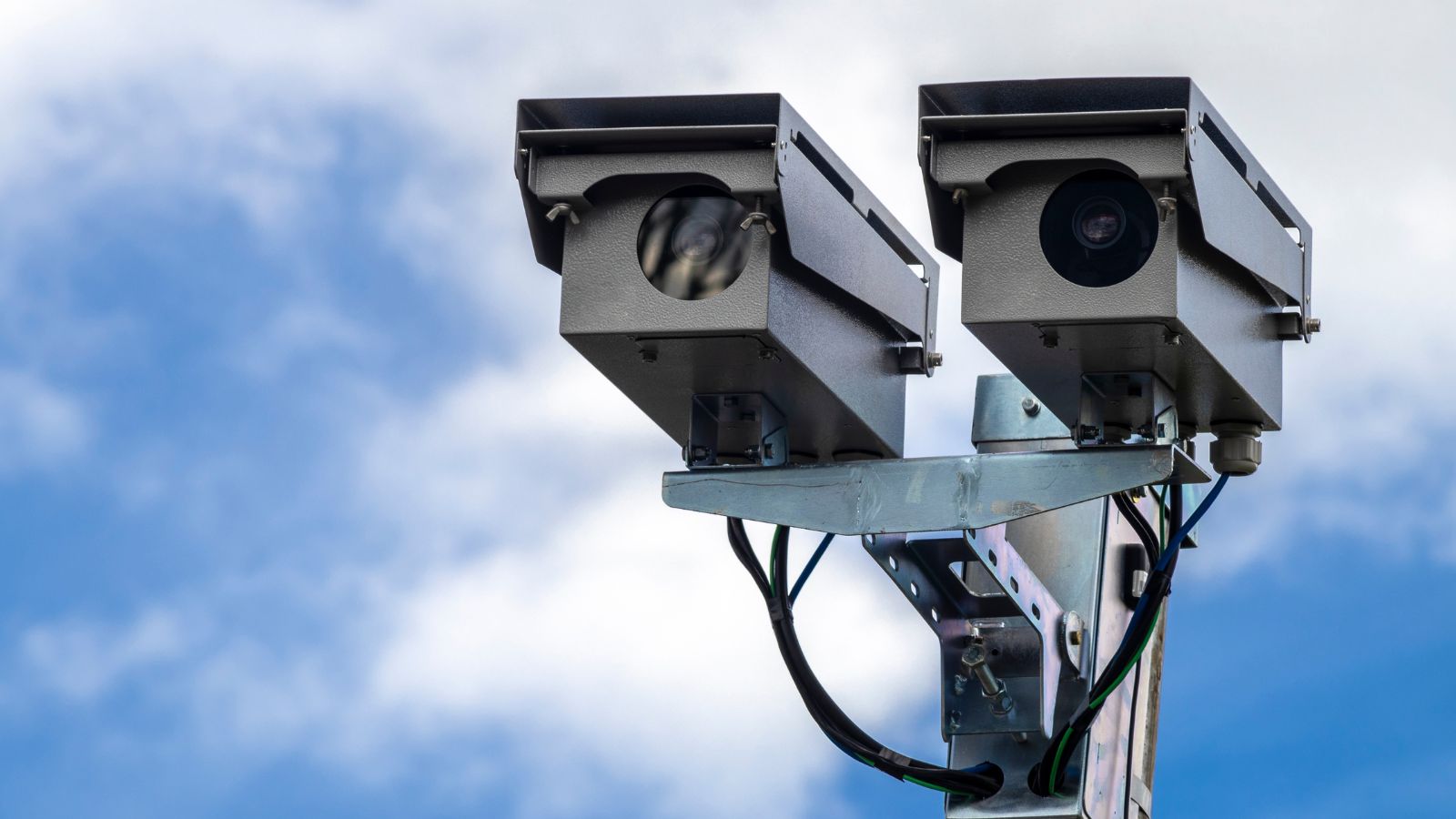
Photo radar remains one of the most polarizing enforcement tools in the country. Drivers do not want it removed entirely, but they do want laws that prevent hidden traps or revenue driven setups. Many wish for clear standards, large signage, daylight only operation and bans on placing units at locations with no safety history. The goal is simple, punish genuine speeding, not unsuspecting commuters.
Stricter Rules for Snow Clearance on Sidewalks and Streets
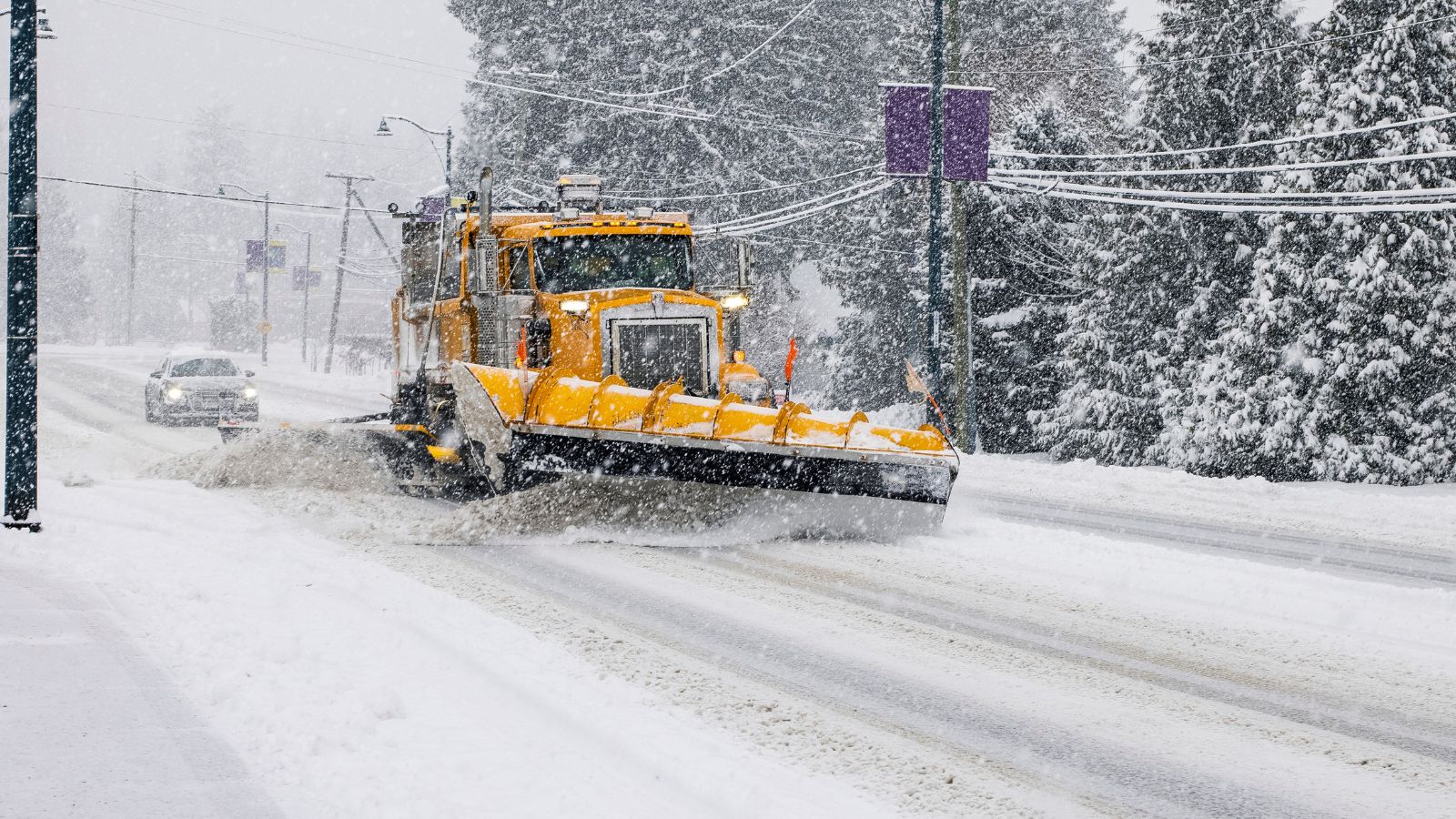
Drivers across the country dream of a rule that forces cities to clear snow properly before ticketing or blaming motorists for unsafe conditions. Snowbanks that block sightlines, buried hydrants and ice ruts make driving dangerous. Many believe provinces should require cities to meet specific snow clearing benchmarks before issuing fines or enforcing parking bans. If drivers must obey the law, municipalities should meet their own obligations too.
Allowing Right Turn on Red Everywhere Except Clear Danger Zones
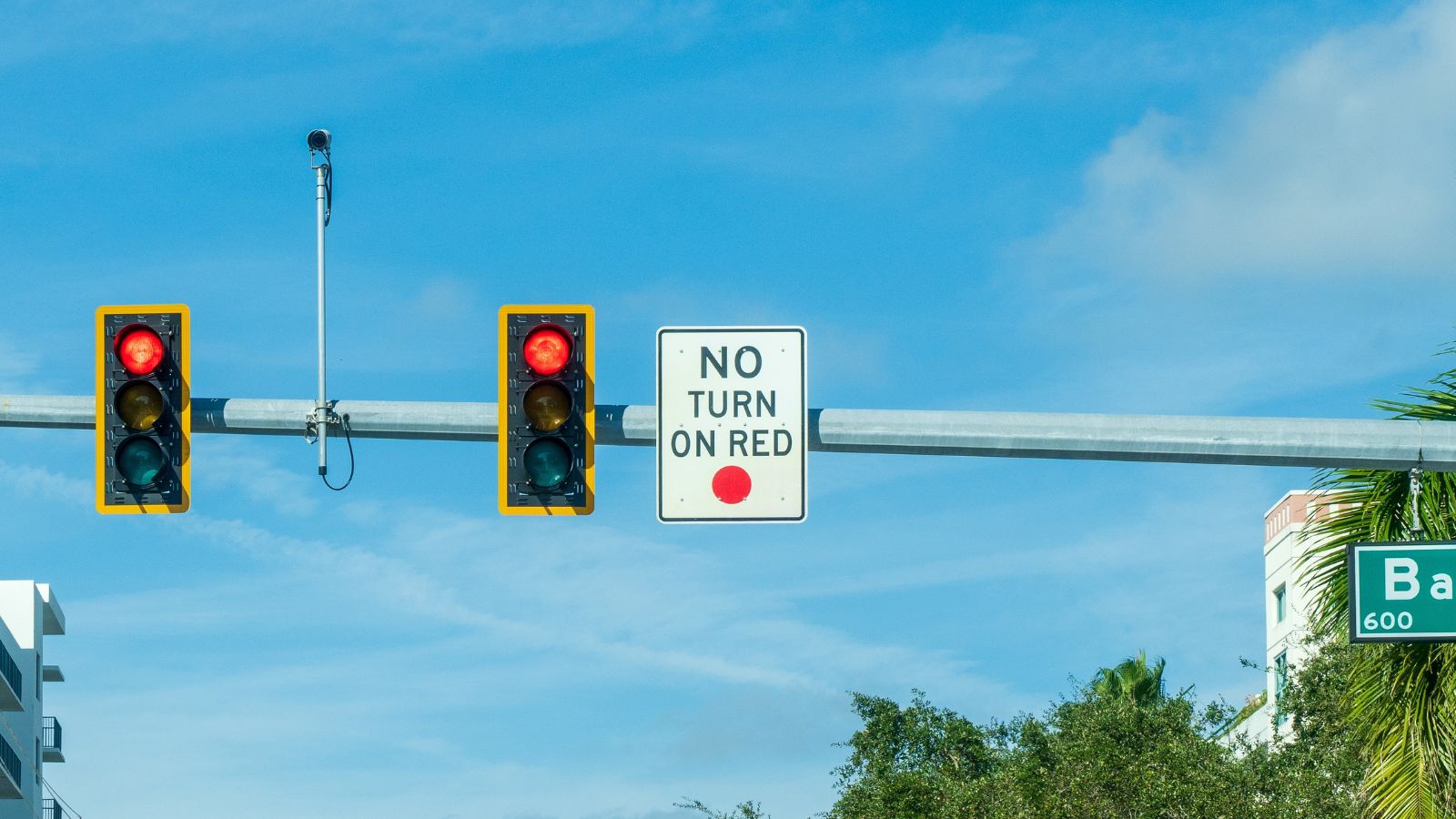
Some cities ban right turn on red entirely, which frustrates drivers who sit at empty intersections for no good reason. Canadians often say they would like universal right on red except at intersections marked for pedestrian safety or heavy traffic conflict. It is a simple change that would reduce unnecessary waiting and improve traffic flow without compromising safety.
Raising Speed Limits on Safe, Wide Highways
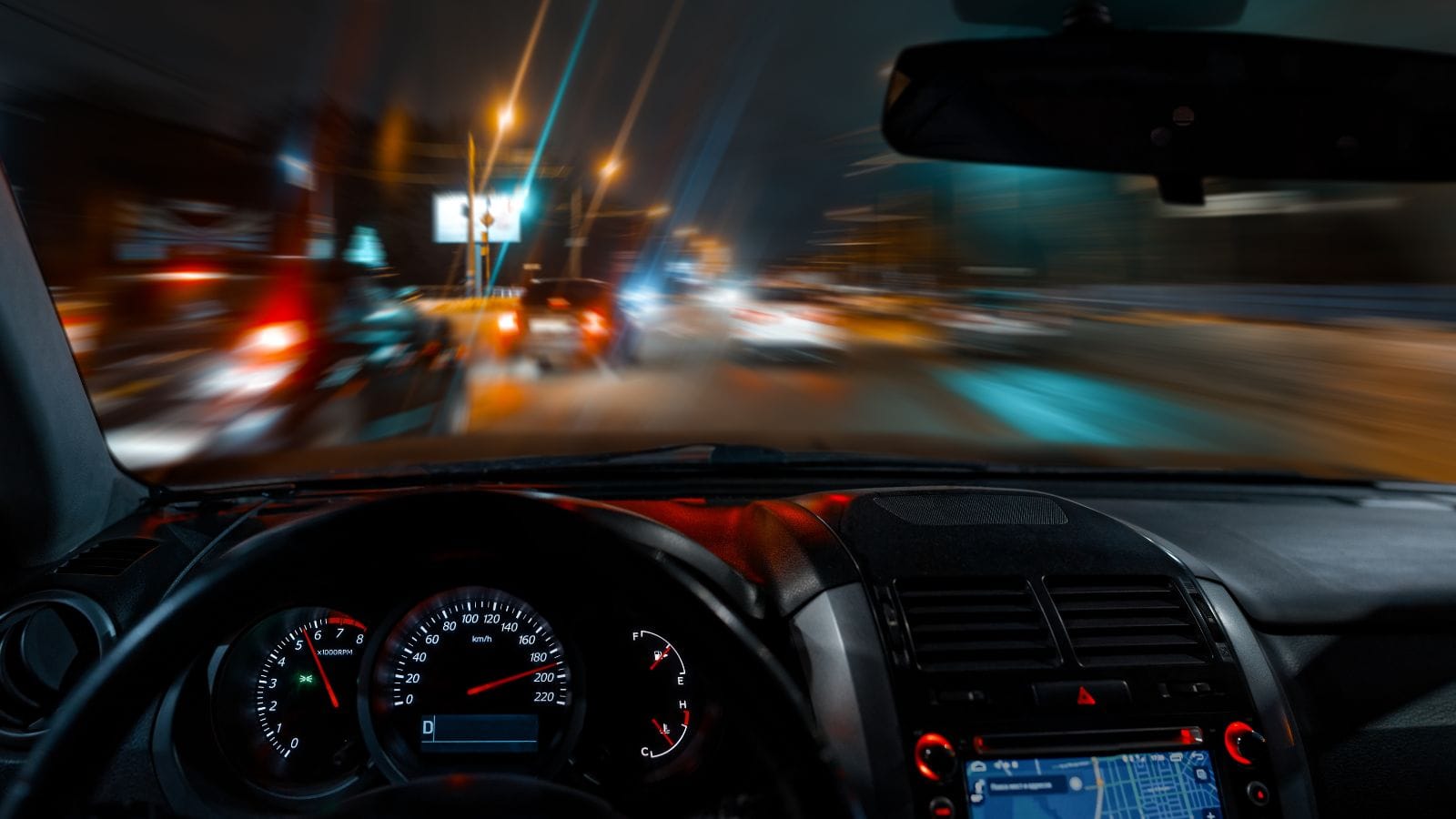
Many drivers argue that modern cars, better tires and improved road engineering make some current speed limits outdated. Wide, rural highways that remain capped at eighty or one hundred feel unnecessarily slow to drivers who safely travel long distances. The dream change would allow slightly higher limits in low risk areas while punishing reckless driving more severely. It is about matching speed limits to real world conditions rather than decades old assumptions.
Better Enforcement for Slow Moving Vehicles

Slow drivers can be as dangerous as fast ones. Canadians frequently wish for laws requiring slow moving drivers to pull over or change lanes when they are holding up long lines of traffic. A simple courtesy could prevent frustration and risky overtaking. Many drivers feel that enforcement focuses too much on high speed offenders and not enough on people who create rolling backups in unsafe places.
Making Passing Lanes Longer in Rural Areas

Short passing lanes cause chaos when drivers hesitate or accelerate unpredictably. Canadians living outside major cities want rules requiring longer, more predictable passing zones on rural highways. These stretches often see long convoys of vehicles stuck behind one slow driver for kilometers. Better laws around passing lane design would improve flow and reduce risky attempts at overtaking on single lane sections.
Harsher Penalties for Drivers Who Never Clear Their Windows

Few things annoy Canadians more than watching someone drive away with only a dinner plate sized hole scraped in their windshield. It is unsafe and unnecessary. Drivers often say they want far tougher penalties for failing to clear snow and ice properly. A law that treats it as a serious hazard rather than a polite suggestion would prevent countless winter close calls.
Relaxing the Rules on U Turns in Safe Locations
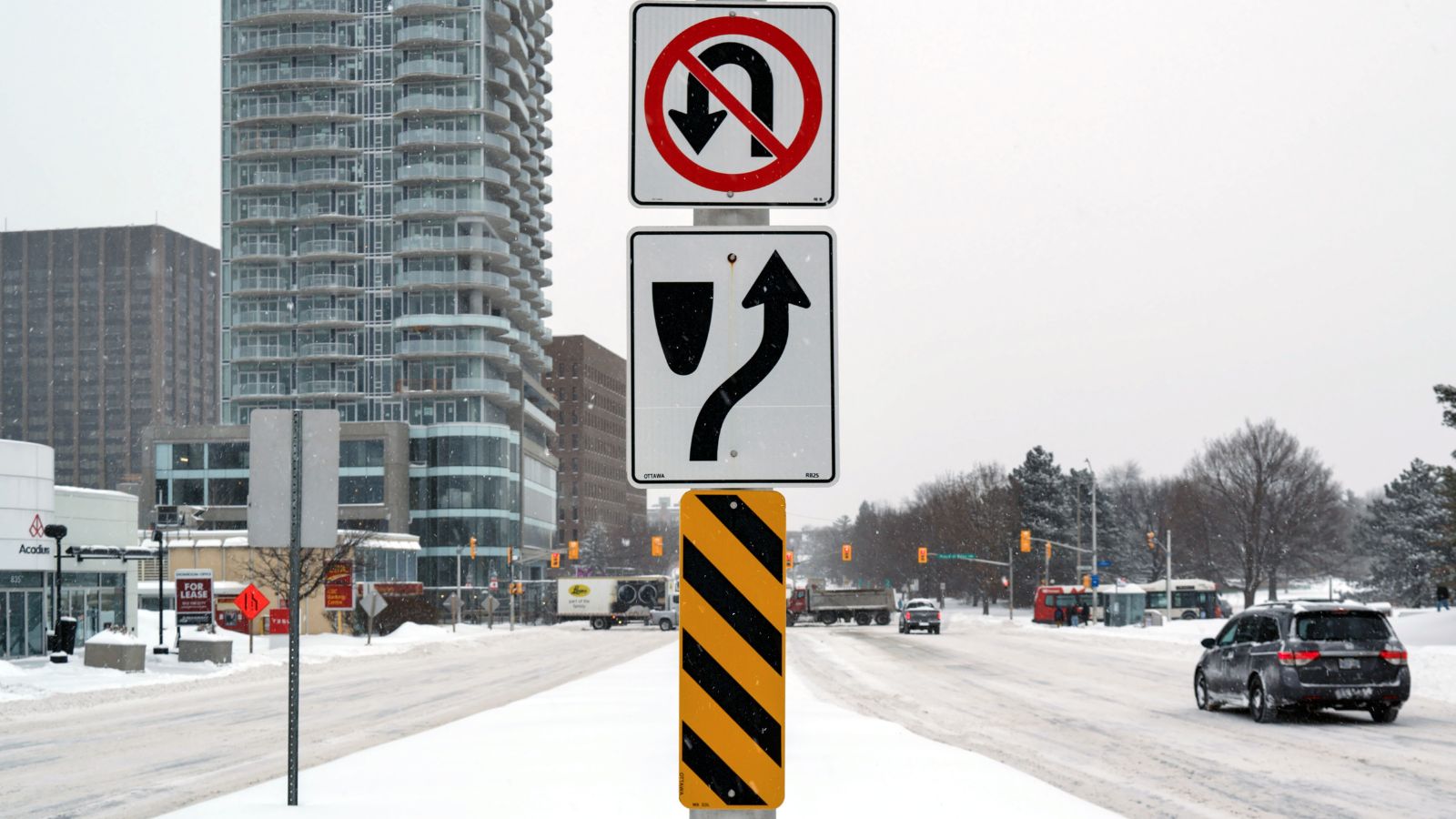
U turns are heavily restricted in many provinces, even in spots where they could be done safely with proper visibility. Drivers want more flexibility, especially in suburban areas where missing a turn means a long detour. A smart update would allow U turns where sightlines are clear and traffic volume is low. This would reduce unnecessary driving and cut congestion at intersections.
Making Turn Signals Mandatory, Not Optional

Canadian drivers consistently say they wish for stricter enforcement against drivers who simply refuse to use their turn signals. Failing to signal causes countless misunderstandings, sudden stops and near misses. A stronger penalty system would send the message that signaling is not a courtesy but a basic requirement of safe driving.
Why These Changes Matter
Drivers are not asking for chaos. They want common sense, safer conditions and rules that reflect how Canadians actually drive. Many of these changes would improve traffic flow, reduce frustration and encourage a more respectful driving culture. Whether legislators ever act on them is another story, but the wish list remains the same across provinces.
25 Facts About Car Loans That Most Drivers Don’t Realize

Car loans are one of the most common ways people fund car purchases. Like any other kind of loan, car loans can have certain features that can be regarded as an advantage or a disadvantage to the borrower. Understanding all essential facts about car loans and how they work to ensure that you get the best deal for your financial situation is essential. Here are 25 shocking facts about car loans that most drivers don’t realize:
25 Facts About Car Loans That Most Drivers Don’t Realize
