
Modern cars arrive loaded with equipment that sounds impressive during a sales pitch but does almost nothing once you actually drive the thing. These features often exist because they look good in marketing material or help justify a higher trim level. Most owners barely use them and some forget they even exist. Yet they still add weight complexity and a surprising amount of cost. Here are the features that inflate prices while offering little genuine benefit in daily driving.
Oversized Touchpads That Replace Simple Buttons

Some manufacturers love the idea of a futuristic touchpad on the center console. It looks sleek with its shiny surface and neat graphics but using one while driving requires the finesse of a surgeon. The cursor moves too quickly or too slowly and every bump in the road sends your finger sliding. A normal button works better costs less and keeps your attention on the road. The touchpad survives because designers like how it photographs even though it frustrates real owners day after day.
Fake Engine Sound Played Through the Speakers
To make modest engines feel more exciting some brands pump manufactured growls through the audio system. The result is an artificial soundtrack that never quite matches the engine speed or tone. Drivers often disable it once they realize the car sounds cleaner and more natural without it. The system involves software speakers and tuning work all of which add cost without improving performance. It is a digital illusion that provides no lasting enjoyment beyond the first few miles.
Gesture Controls for Stereo Volume

Waving your hand near the dashboard to change the music seems clever during a showroom demonstration. On the road it becomes a nuisance. Many systems misread your movements when you talk with your hands grab a bottle of water or adjust your hair. Drivers always fall back on wheel mounted buttons because they respond instantly. Gesture control adds a layer of technology that complicates things instead of simplifying them and it increases pricing for a feature most people abandon.
Overly Complex Drive Modes
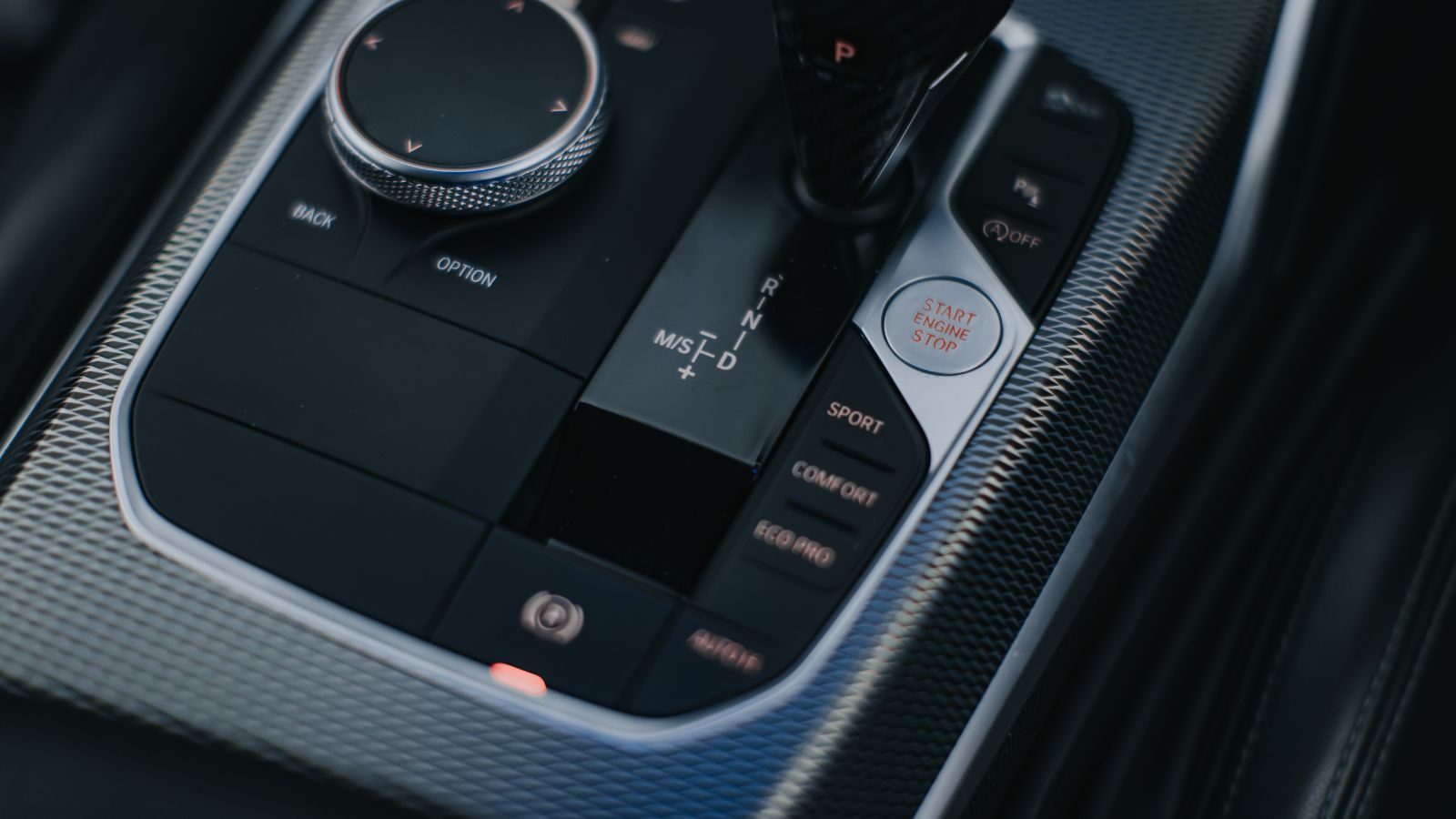
Some cars offer a long list of drive modes that barely change how the vehicle behaves. Eco normal comfort sport and track often feel nearly identical except for a different color on the dashboard screen. Behind the scenes engineers spend time tuning each setting and manufacturers promote them as premium equipment. Most drivers pick one mode and never switch again. The result is a menu full of options that raise costs rather than delivering meaningful personality or performance.
Steering Wheels With More Buttons Than Needed
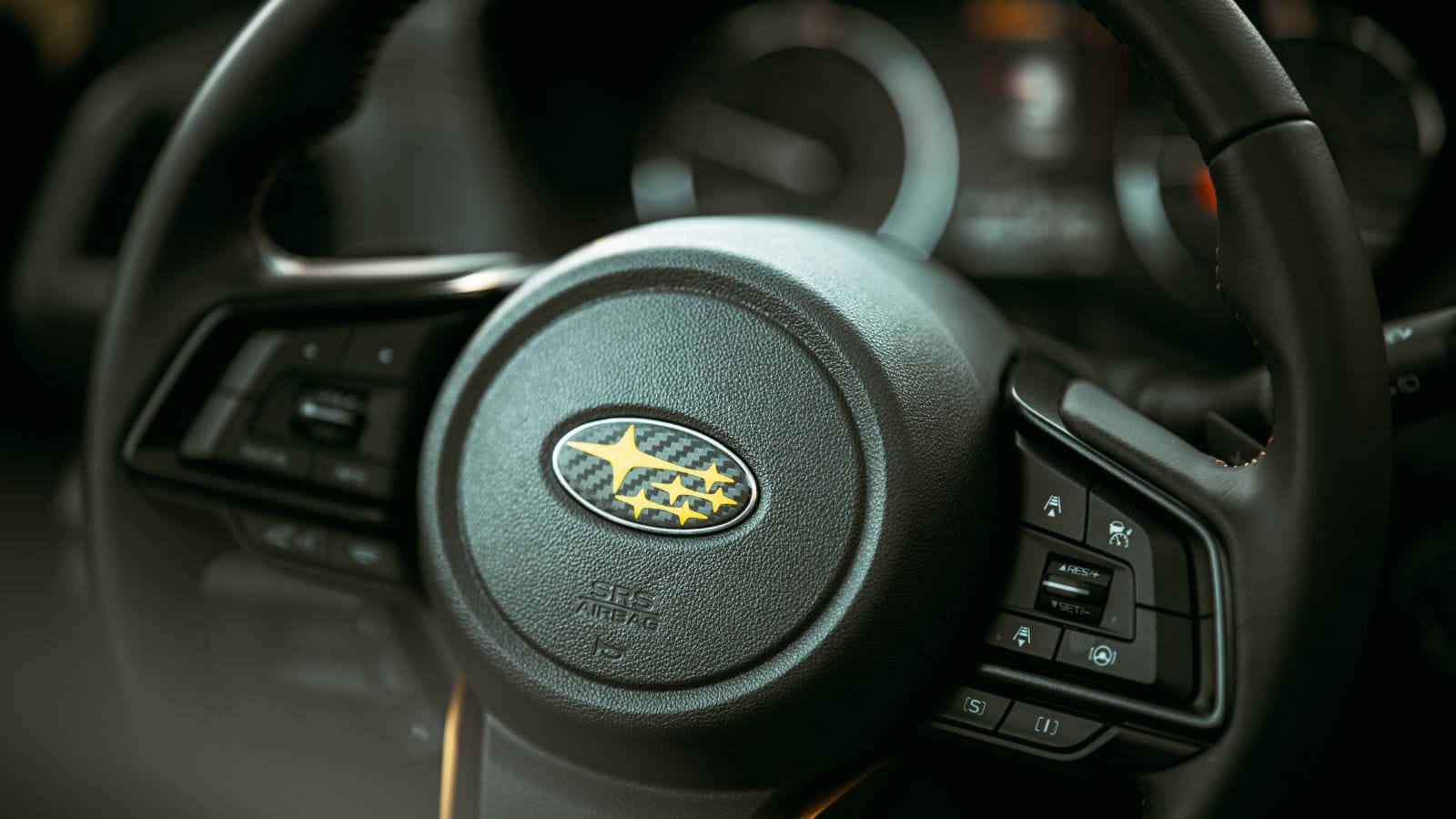
Modern steering wheels sometimes resemble gaming controllers with rows of functions packed into every corner. Most owners only use a few of them while the rest sit untouched. The clutter makes accidental presses common and clumsy menus even more distracting. All those extra circuits add cost without adding value. Clean simple wheel controls work faster feel better and make driving more enjoyable but manufacturers continue loading them up to appear more advanced.
Panoramic Sunroofs That Rarely Get Used
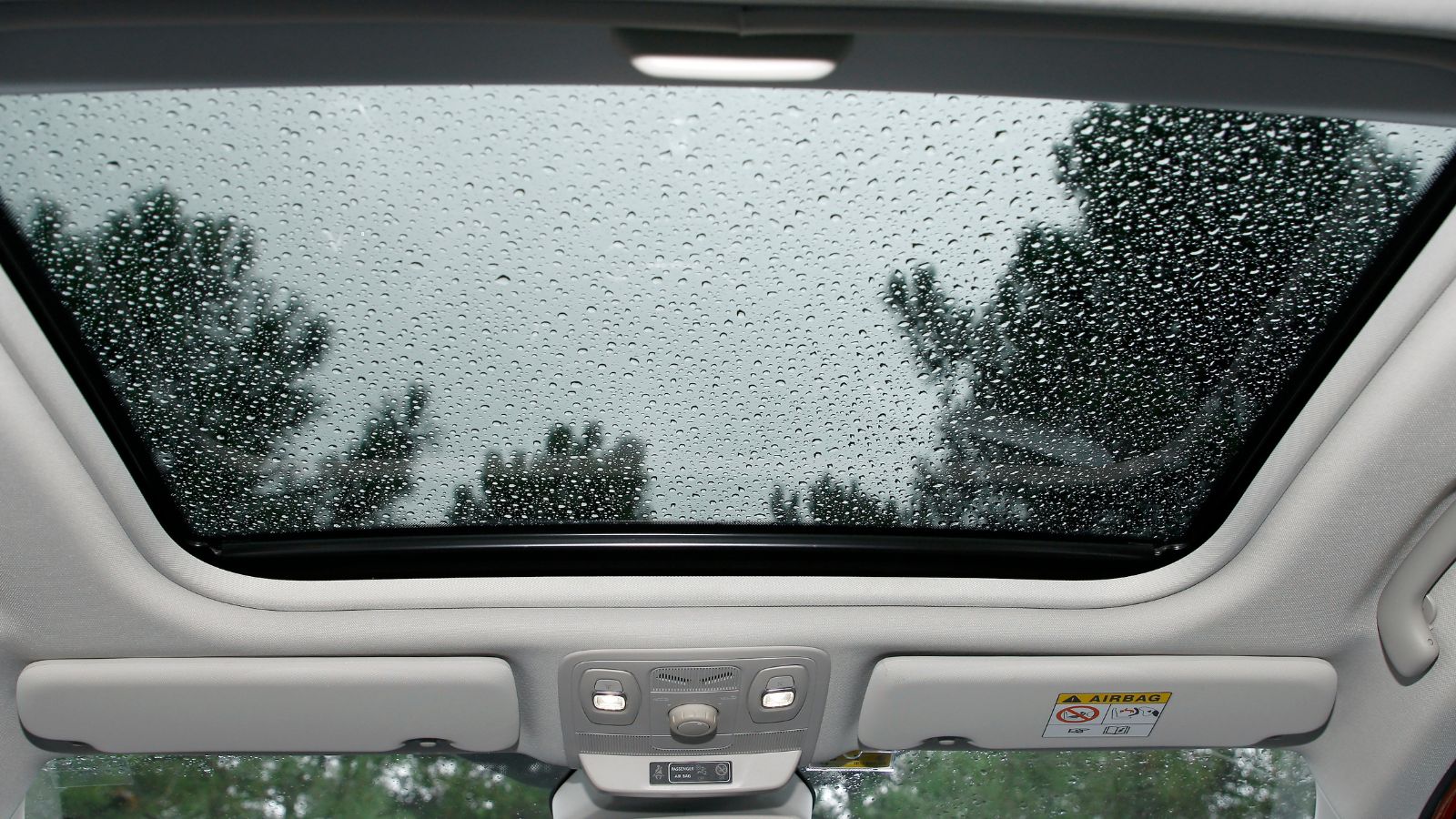
A panoramic sunroof brightens the interior and looks dramatic from outside. The problem is that many owners almost never open it especially in regions with hot summers or cold winters. The large glass panel adds weight to the roof and the mechanism is expensive to build and maintain. Traditional sunroofs do the same job with fewer drawbacks. The panoramic version remains popular only because it shines during the first test drive even though it sees little real world use.
Fake Leather Wraps on Hard Plastic
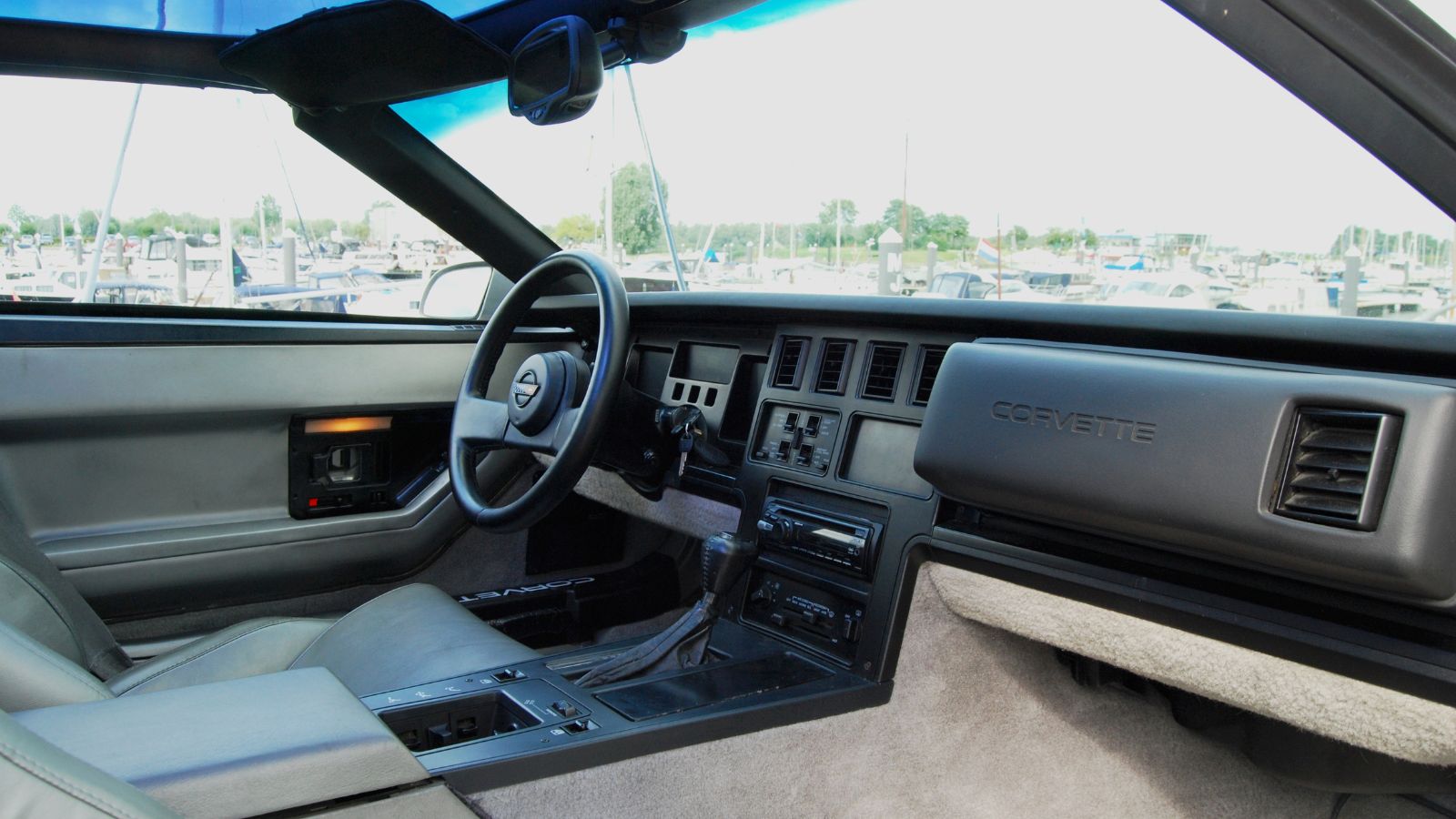
Automakers sometimes wrap plastic panels in thin layers of imitation leather to create a feeling of luxury. The effect lasts only until you touch it and realize the underlying texture is still hard plastic. The added material costs money and changes nothing about durability or comfort. Real improvements such as softer plastics or stronger construction would make more sense. Instead the cabin gets decorative coverings that appear upscale but add no lasting benefit.
Rear Seat Entertainment Screens
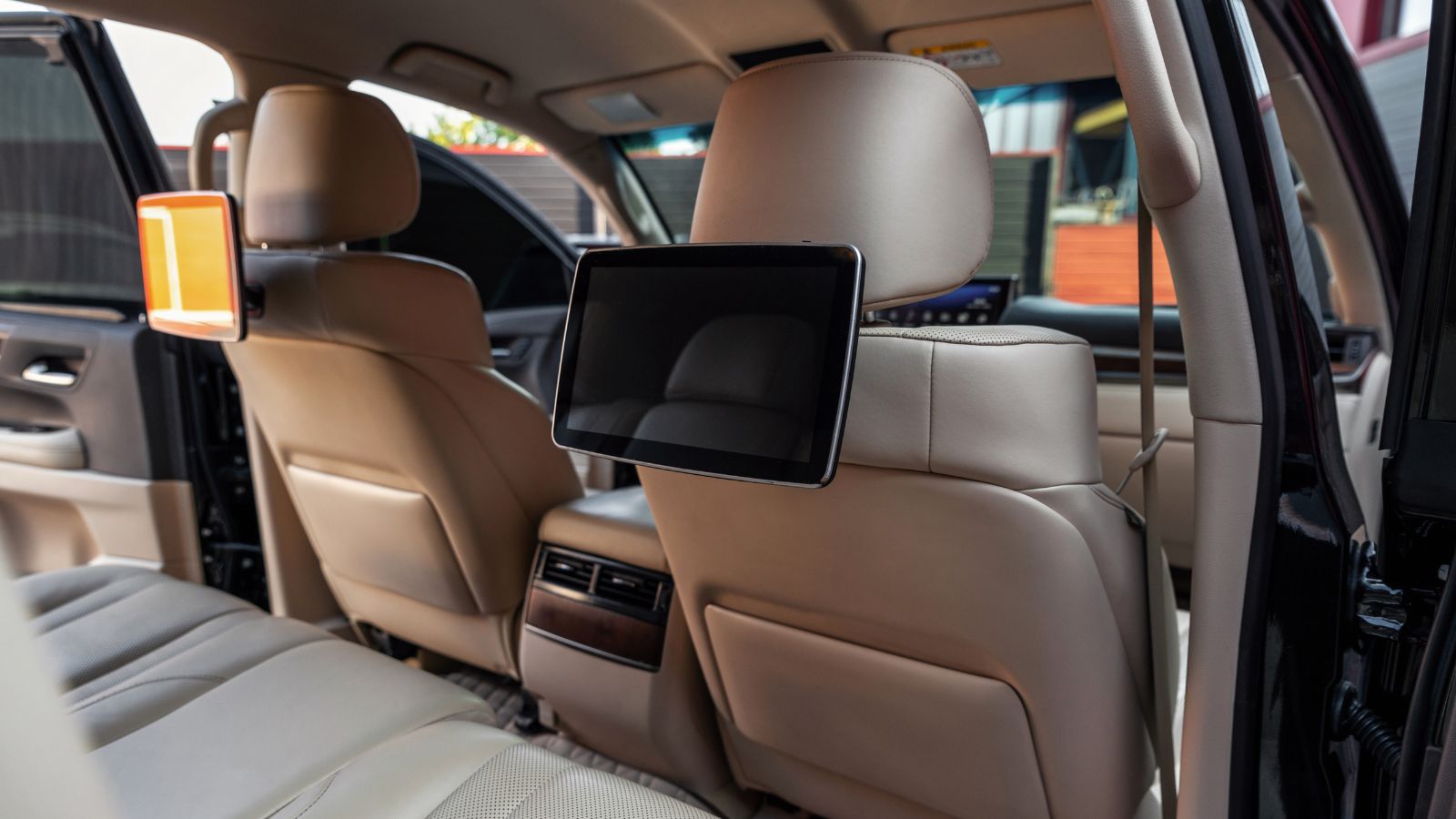
Built in entertainment screens once made sense. Today they are easily overshadowed by tablets which offer better apps higher resolution and lower cost. Factory installed screens become outdated quickly yet remain bolted into the vehicle for its entire life. Many families stop using them within a year while still paying a premium for the option. It is an expensive upgrade that loses relevance faster than almost any other interior feature.
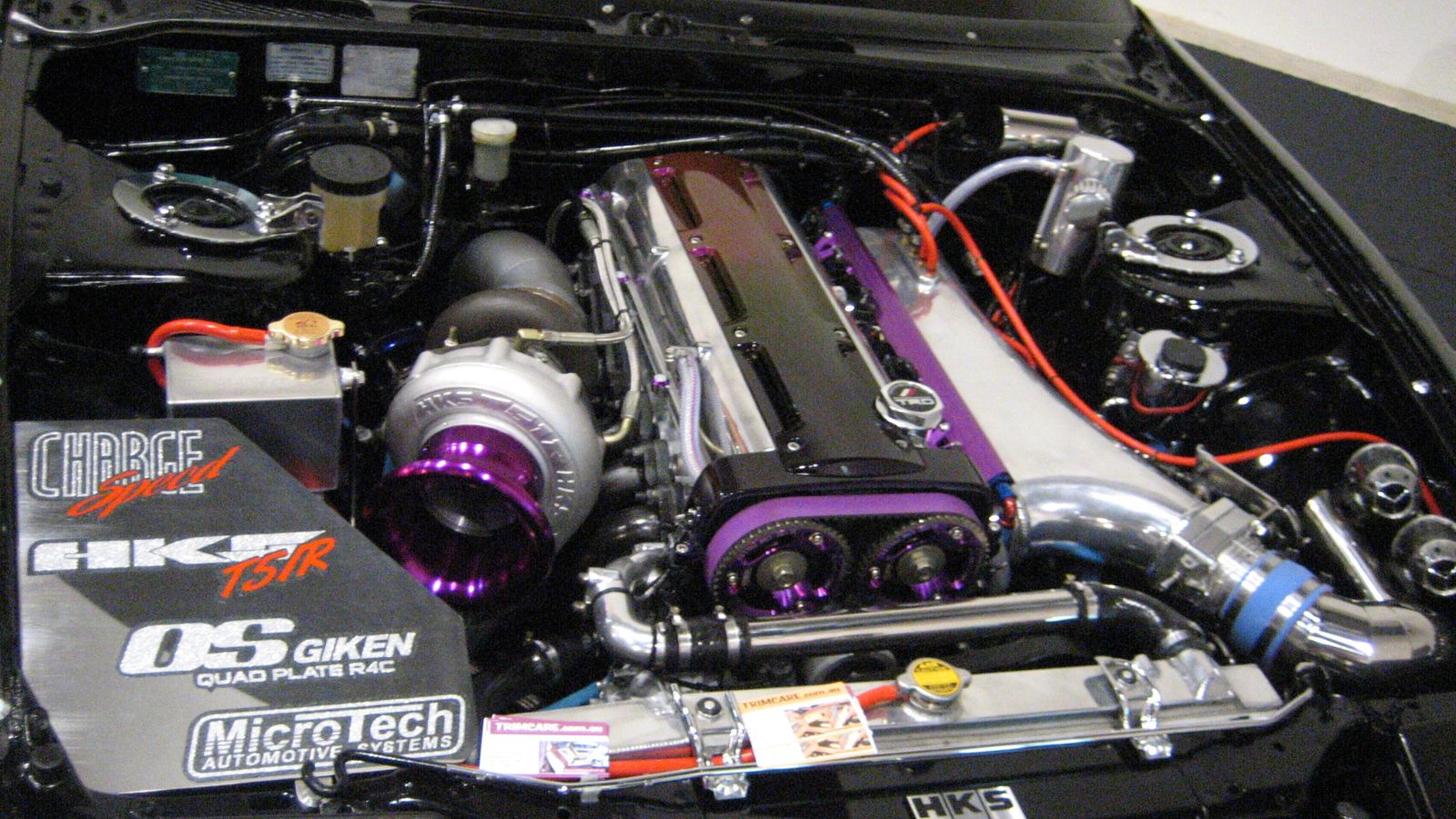
Vanity Engine Covers
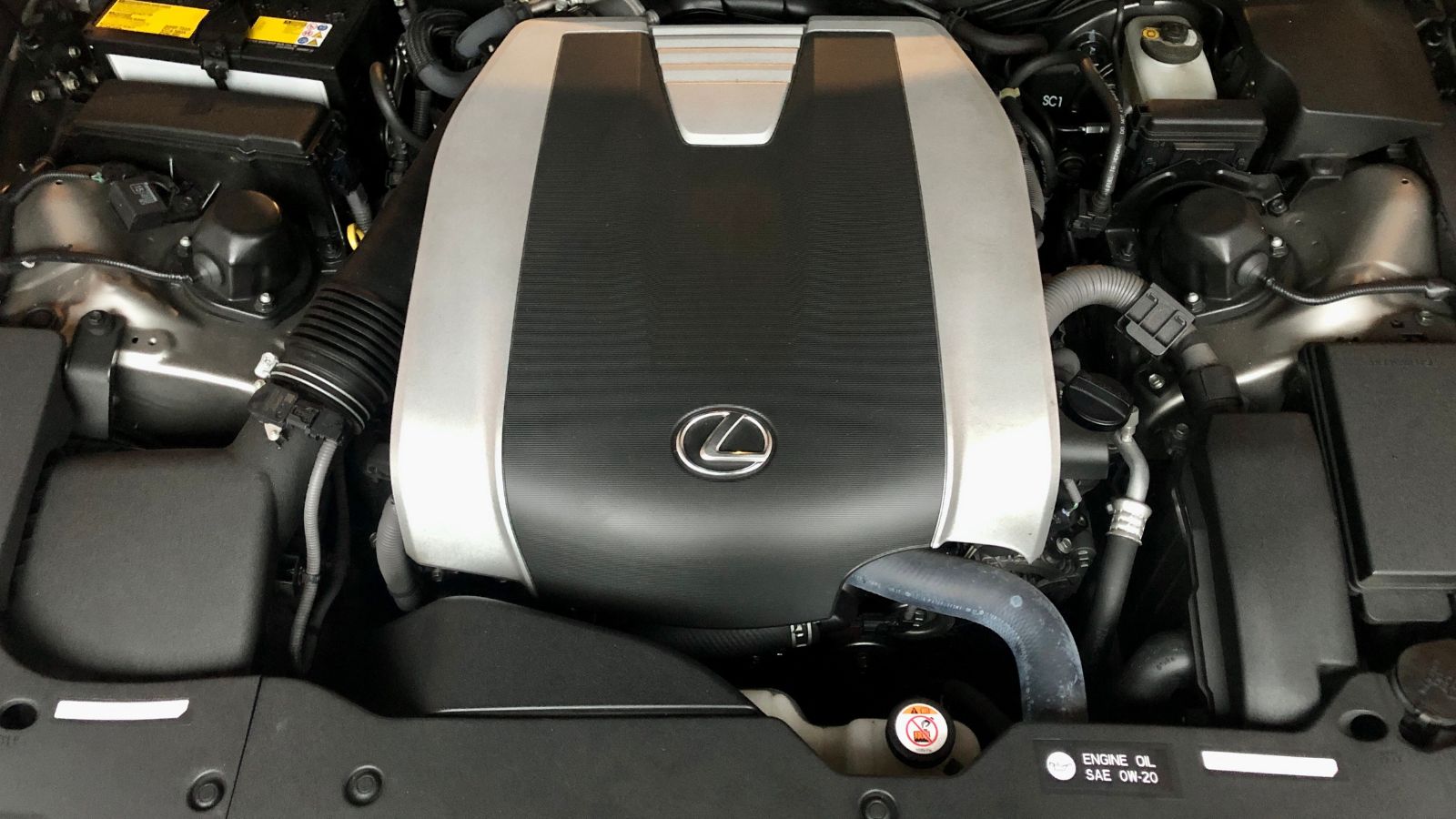
Lift the hood and you may find a sculpted plastic cover that offers no real function. It hides the working parts and can trap heat without improving performance reliability or serviceability. Manufacturers spend money designing molding and attaching these covers solely because they make the engine bay look tidy. Most drivers never notice them and mechanics remove them immediately. It is a decorative piece that contributes nothing to the driving experience.
Decorative Exhaust Tips

Manufacturers often attach large polished finishers that are not connected to the actual exhaust pipes. They look sporty but deliver no performance and sometimes discolor with age. Real exhaust hardware sits tucked behind them doing all the work. These decorative tips cost money and fill marketing photos yet offer no improvement in sound power or durability. They function purely as visual theater that owners quickly forget.
Overly Bright Ambient Lighting Systems

Some lighting packages offer dozens of colors shifting patterns and animated displays. After the novelty fades most drivers pick one color and leave it forever. The system requires additional wiring controllers and design work that increase the price of the car. A simple lighting setup would create the same atmosphere without the complexity. The extra choices look impressive in a brochure but add little joy once the car settles into everyday duty.
Head Up Displays Filled With Unnecessary Info
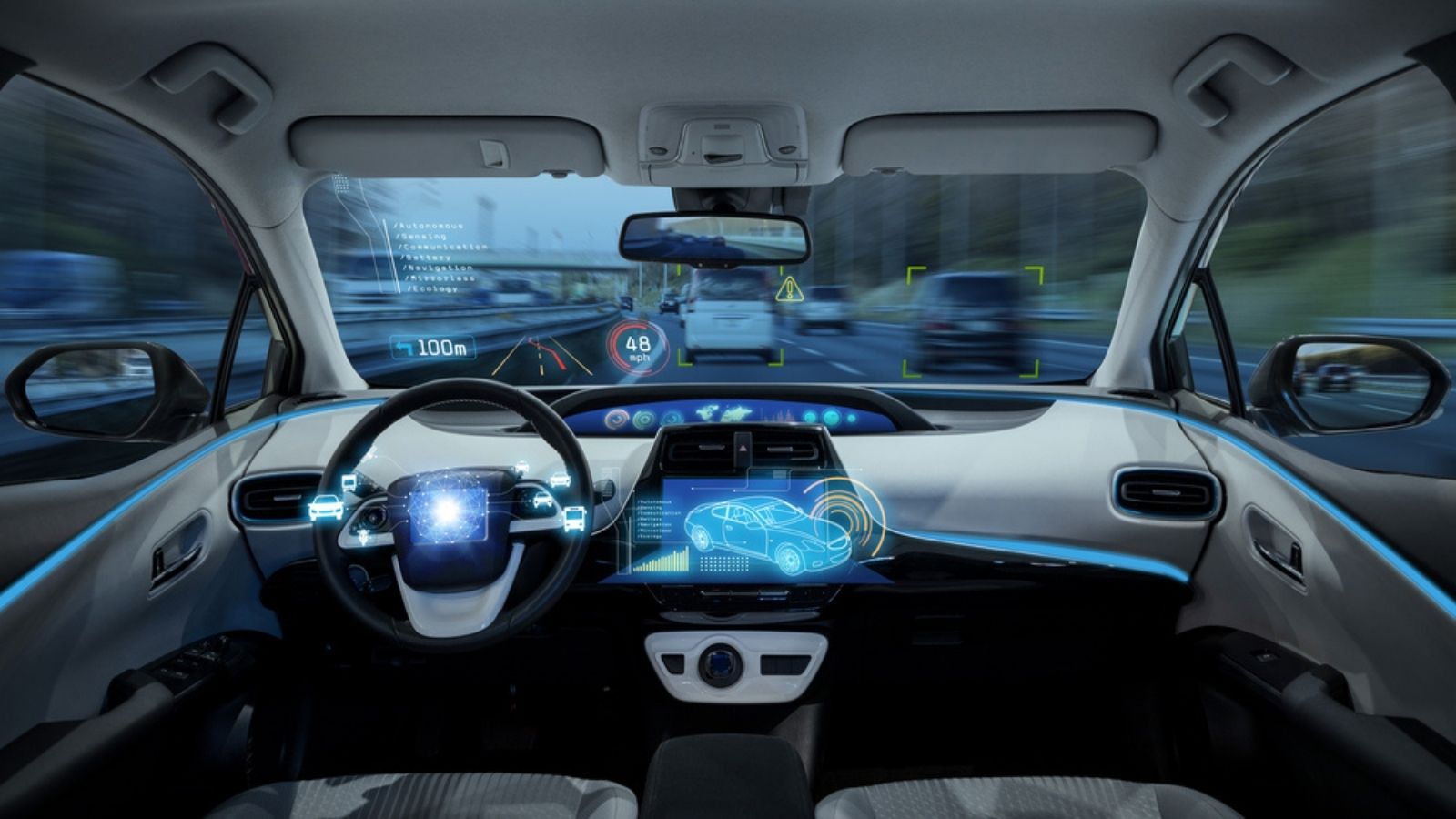
A basic head up display showing speed is genuinely useful. The problem occurs when manufacturers cram maps menus alerts and tachometer graphics across the windshield. The display becomes cluttered and distracting while costing more to develop and calibrate. Many drivers end up disabling half the features just to see the road clearly. What starts as a helpful tool turns into an expensive distraction that oversteps its original purpose of keeping eyes forward.
25 Facts About Car Loans That Most Drivers Don’t Realize

Car loans are one of the most common ways people fund car purchases. Like any other kind of loan, car loans can have certain features that can be regarded as an advantage or a disadvantage to the borrower. Understanding all essential facts about car loans and how they work to ensure that you get the best deal for your financial situation is essential. Here are 25 shocking facts about car loans that most drivers don’t realize:
25 Facts About Car Loans That Most Drivers Don’t Realize
