
The nineteen sixties were a period of fearless experimentation. Automakers pushed design boundaries because regulations were looser and imagination ran wild. Engineers tried unusual ideas that blended convenience with outright oddity and most of these experiments lasted only a few years. Modern drivers raised on touchscreens and strict safety rules would stare in disbelief at what passed for normal equipment back then. These ten features show how bold and bizarre the decade truly was on the open road.
Swivel Seats That Turned as You Entered
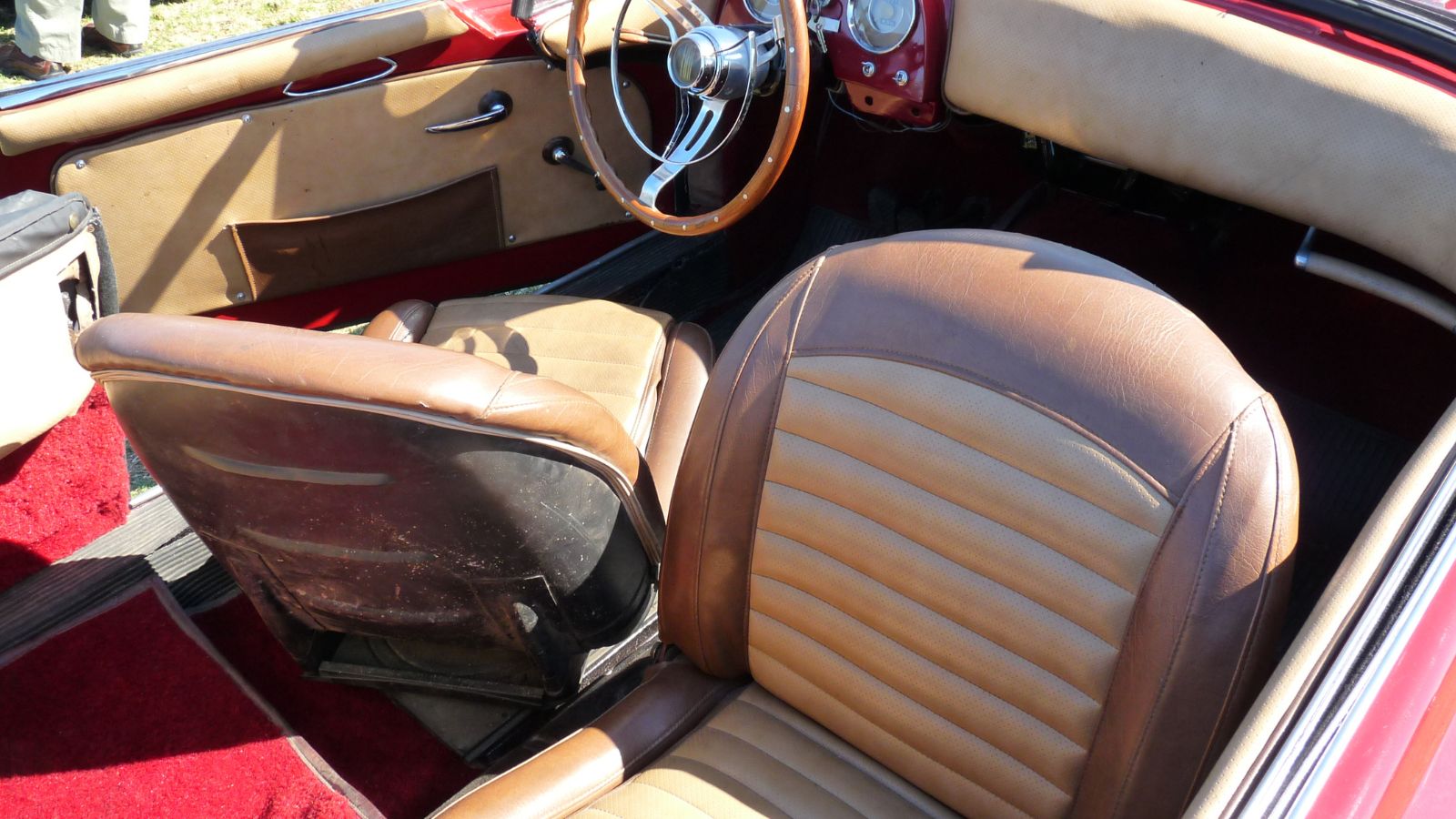
Some cars offered front seats that pivoted outward to make entry easier. The idea felt glamorous especially in big American coupes where a dramatic entrance mattered. But the mechanisms often loosened over time and created a floating sensation during sharp turns. Drivers did not think much of it because comfort and novelty mattered more than structural rigidity. Today a seat that swings outward on command sounds closer to something found in a retro diner than a modern sedan.
Push Button Gear Selectors on the Dashboard
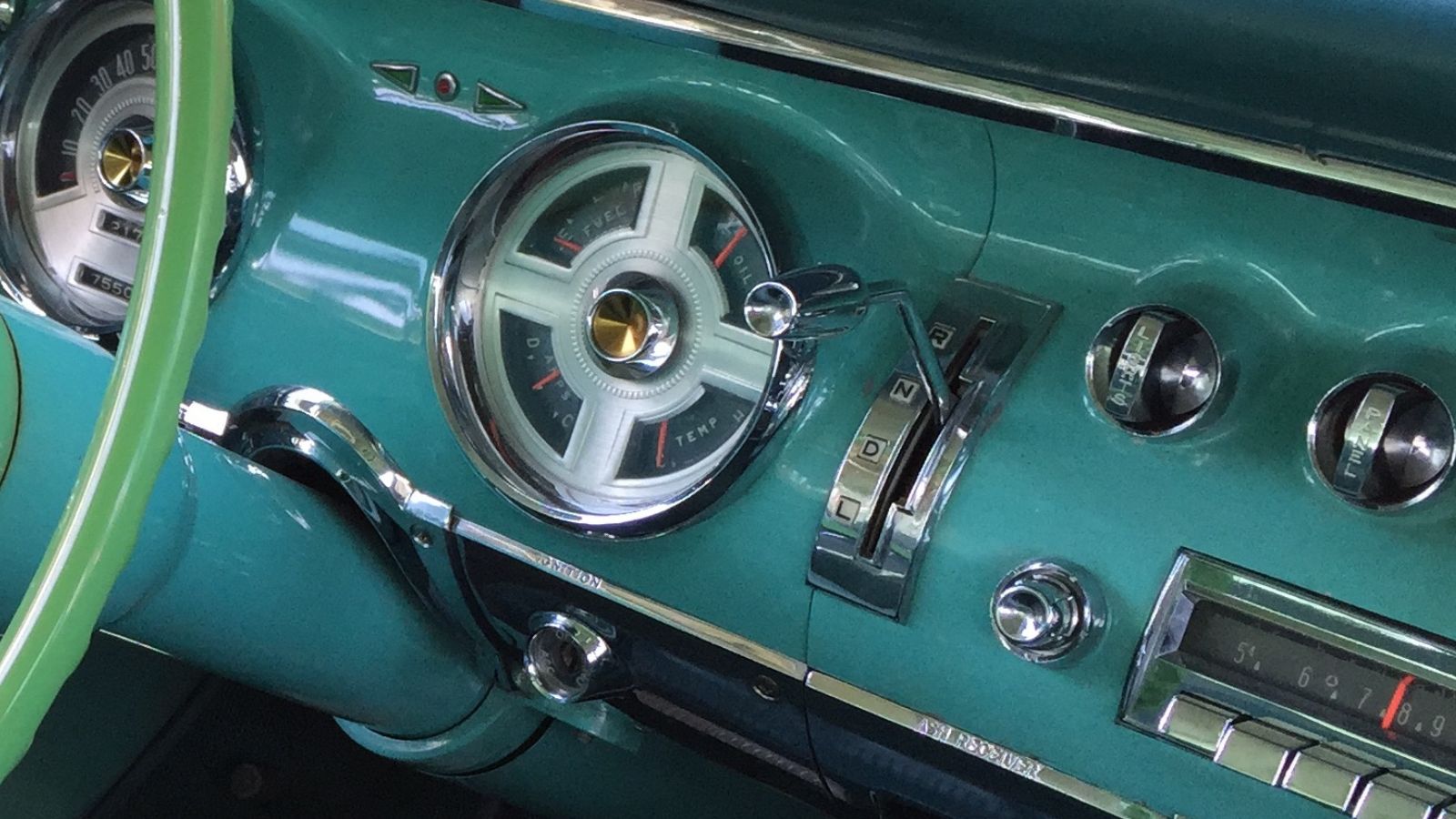
Push button shifting looked futuristic in brochures and allowed designers to clear space on the floor. Drivers pressed metallic buttons for drive reverse or neutral much like operating a household appliance. The concept confused new owners because the buttons lacked the tactile certainty of a lever. A misplaced tap could send the car into the wrong gear. Safety groups questioned the layout and manufacturers quietly phased it out. Modern retro shifters borrow the idea in digital form but the sixties version felt mechanical and strange.
Rear Facing Third Row Seats
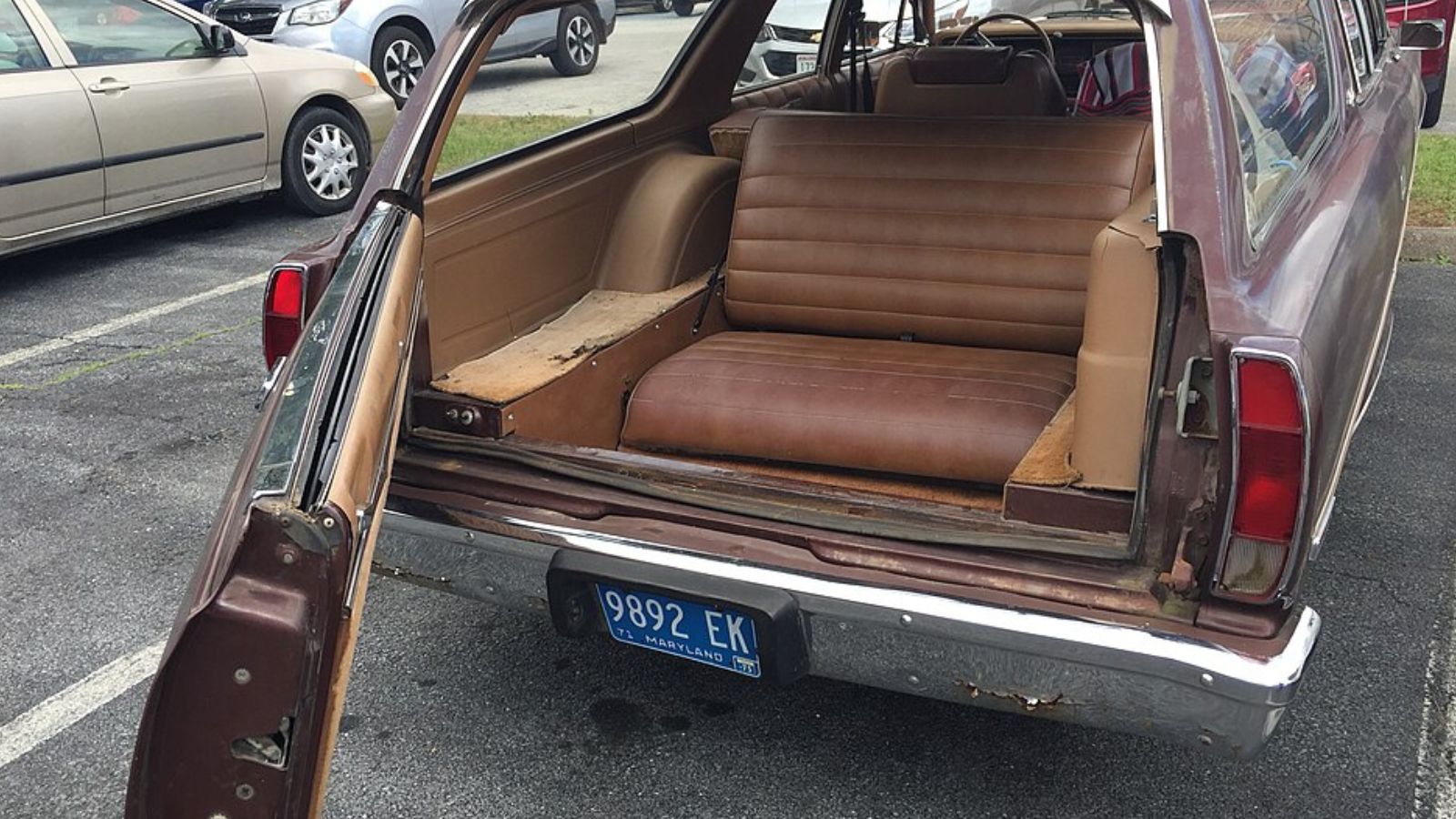
Station wagons were the family champions of the sixties and a rear facing bench was considered a fun upgrade. Kids treated the seat like a private viewing deck as they watched traffic from a completely reversed perspective. Parents liked the extra space but the exposure to rear end collisions became obvious as safety awareness grew. Today the idea feels absurd yet it remains a nostalgic memory for people who grew up during that era.
Foot Operated High Beam Switches
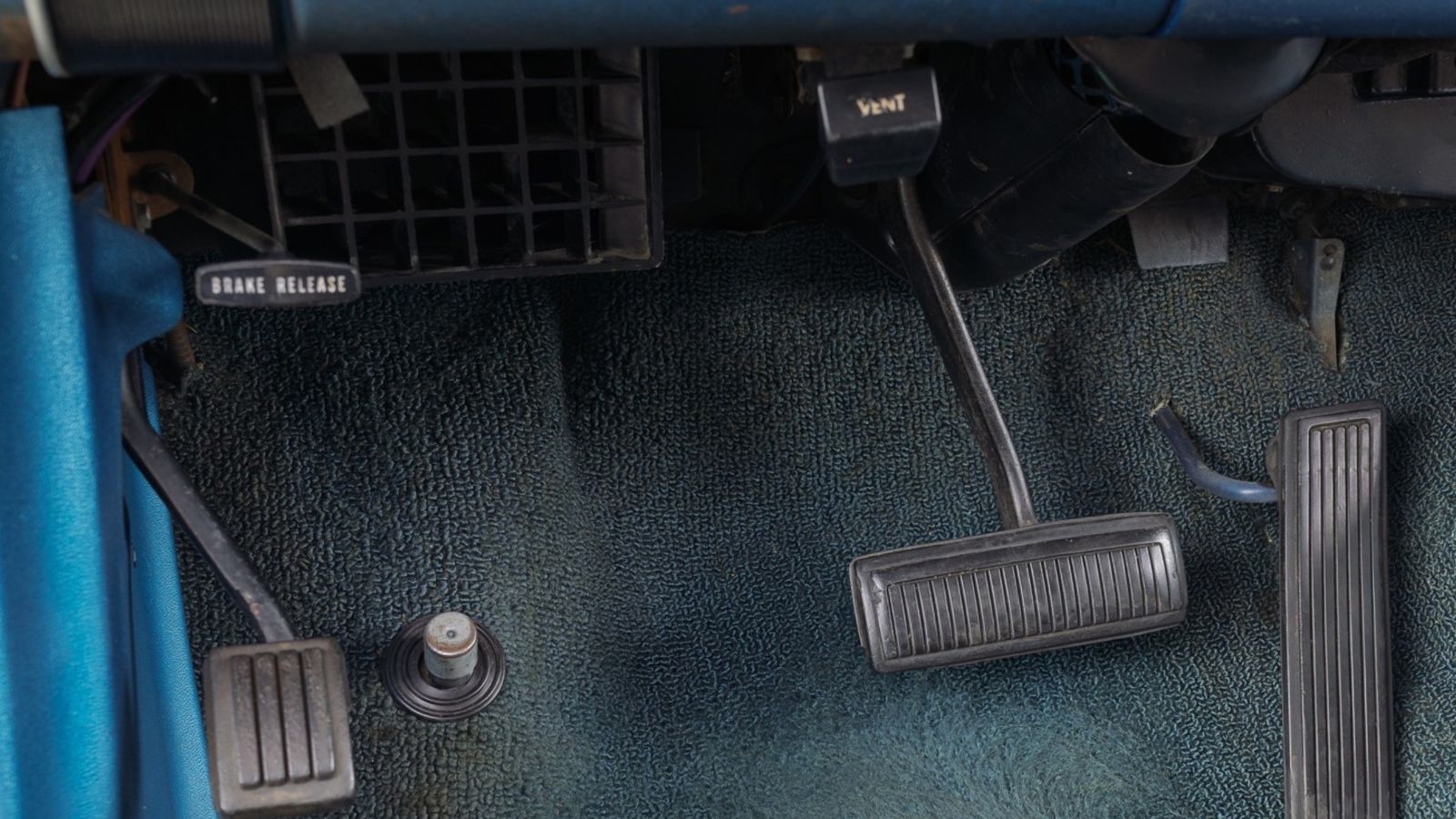
Instead of a stalk behind the wheel high beams were controlled by a small switch mounted near the clutch pedal. Drivers tapped it while cruising down dark country roads. In winter boots often covered the switch entirely which led to awkward foot hunts while driving. Dirt and gravel clogged the mechanism which made it require a firm stomp. Modern drivers would wonder why such an important function lived on the floor but for sixties motorists it was standard practice.
Vacuum Powered Wipers That Slowed Under Acceleration
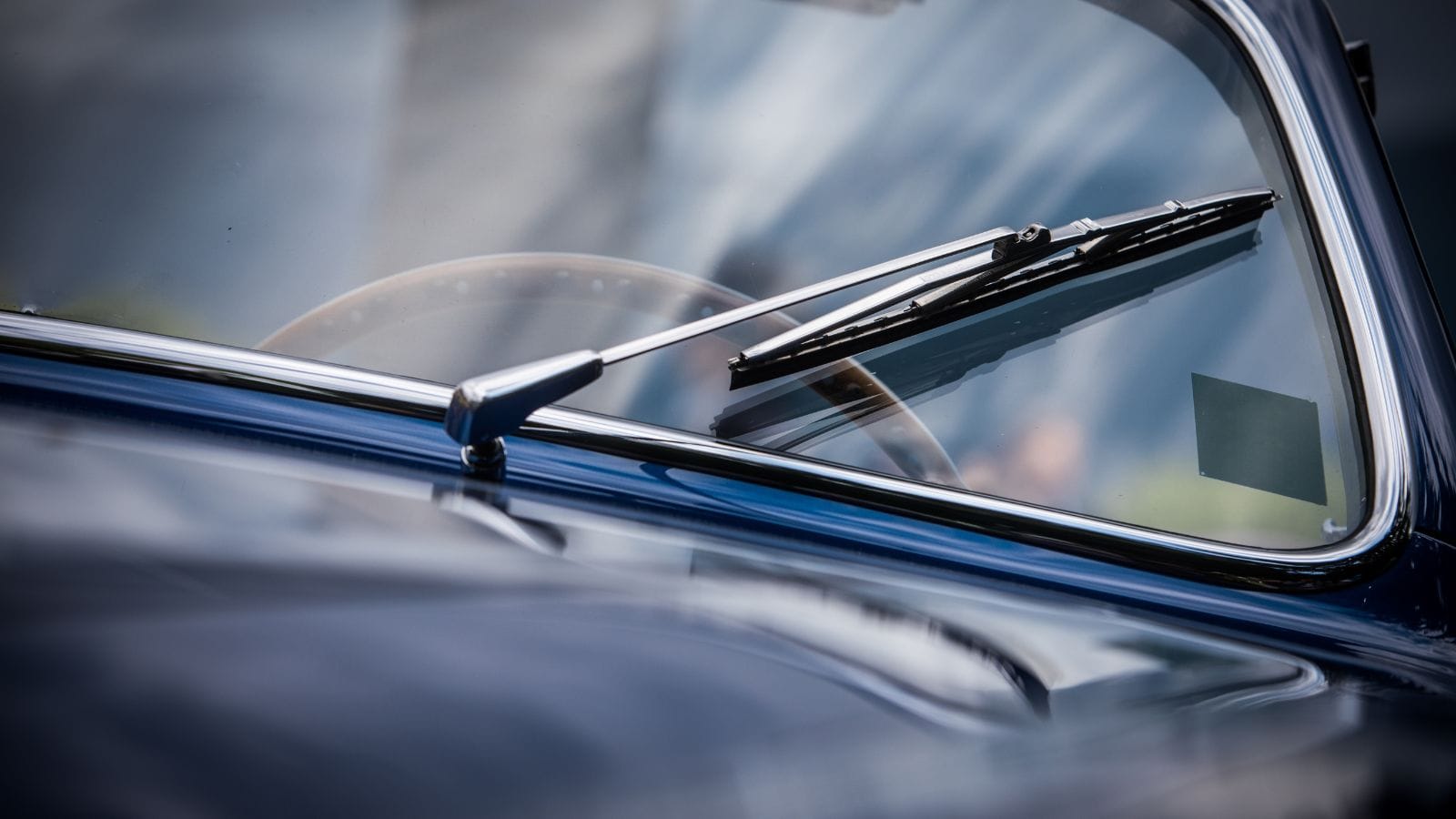
One of the strangest sixties quirks was the wiper system driven by engine vacuum. When drivers accelerated the engine created less vacuum and the wipers slowed to a lazy crawl or stopped completely. Passing another car in heavy rain suddenly became a risky guessing game. Drivers learned to feather the throttle to keep the wipers moving. It sounds outrageous now yet back then it was accepted as just another mechanical personality trait of the car.
Seat Belts Offered as Optional Extras
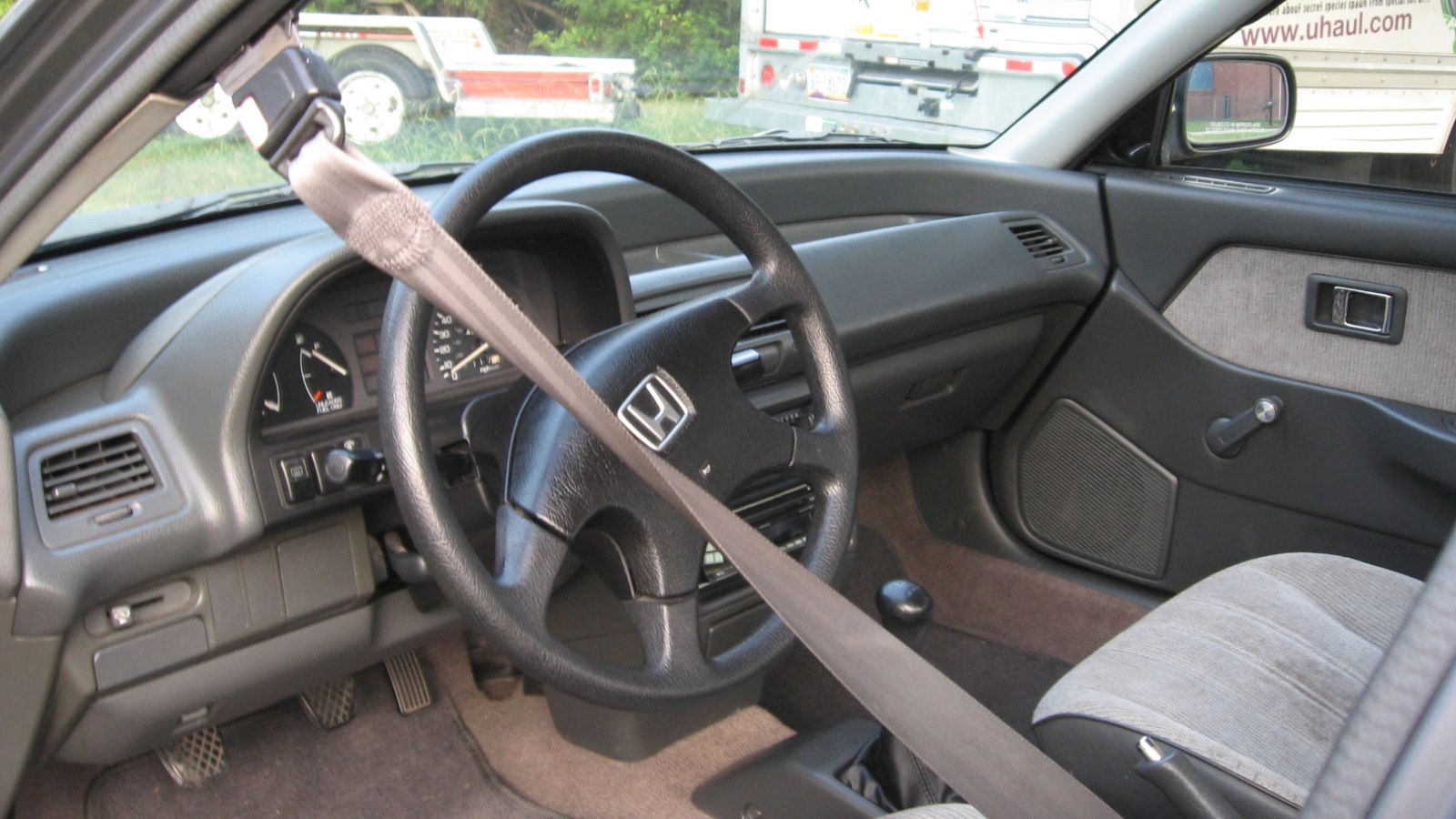
In an era before strict safety rules many manufacturers treated seat belts as luxury accessories rather than necessities. Some cars had them only in the front and others offered them as dealer add ons. Many buyers rejected them entirely believing they were uncomfortable or unnecessary. Modern drivers would never imagine a new car shipping without seat belts yet in the sixties safety was a personal choice more than a regulation.
Ashtrays and Lighters in Every Seating Position
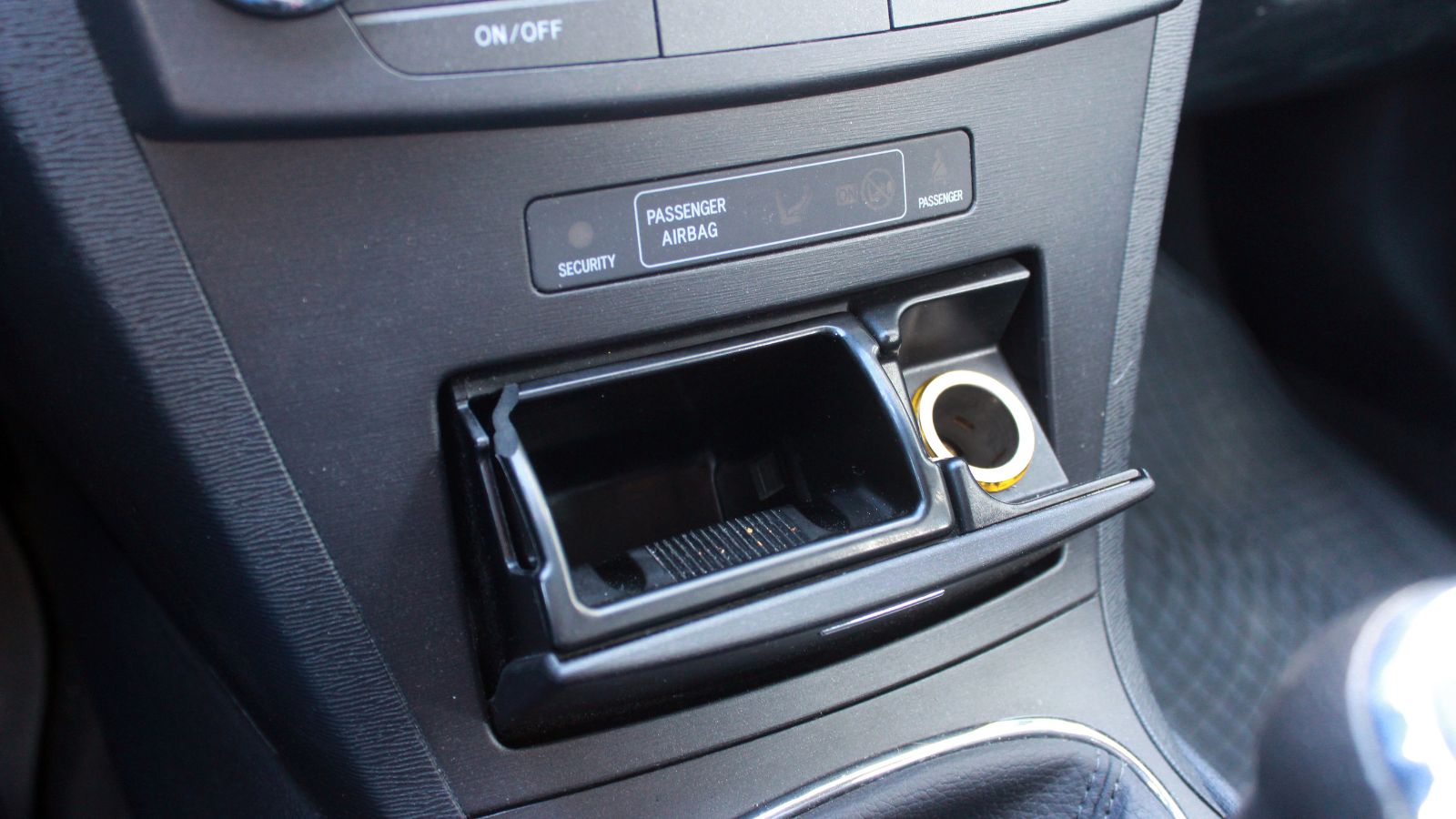
Smoking shaped interior design in ways that look unbelievable today. Most cars had ashtrays in each door panel along with metal lighters that glowed red when pushed in. Designers even built special storage compartments for cigarettes. It was considered polite engineering. Today the idea of planning an interior around smoking habits feels absurd but in the sixties it was a symbol of convenience and social normalcy.
Automatic Dimmer Sensors That Rarely Worked
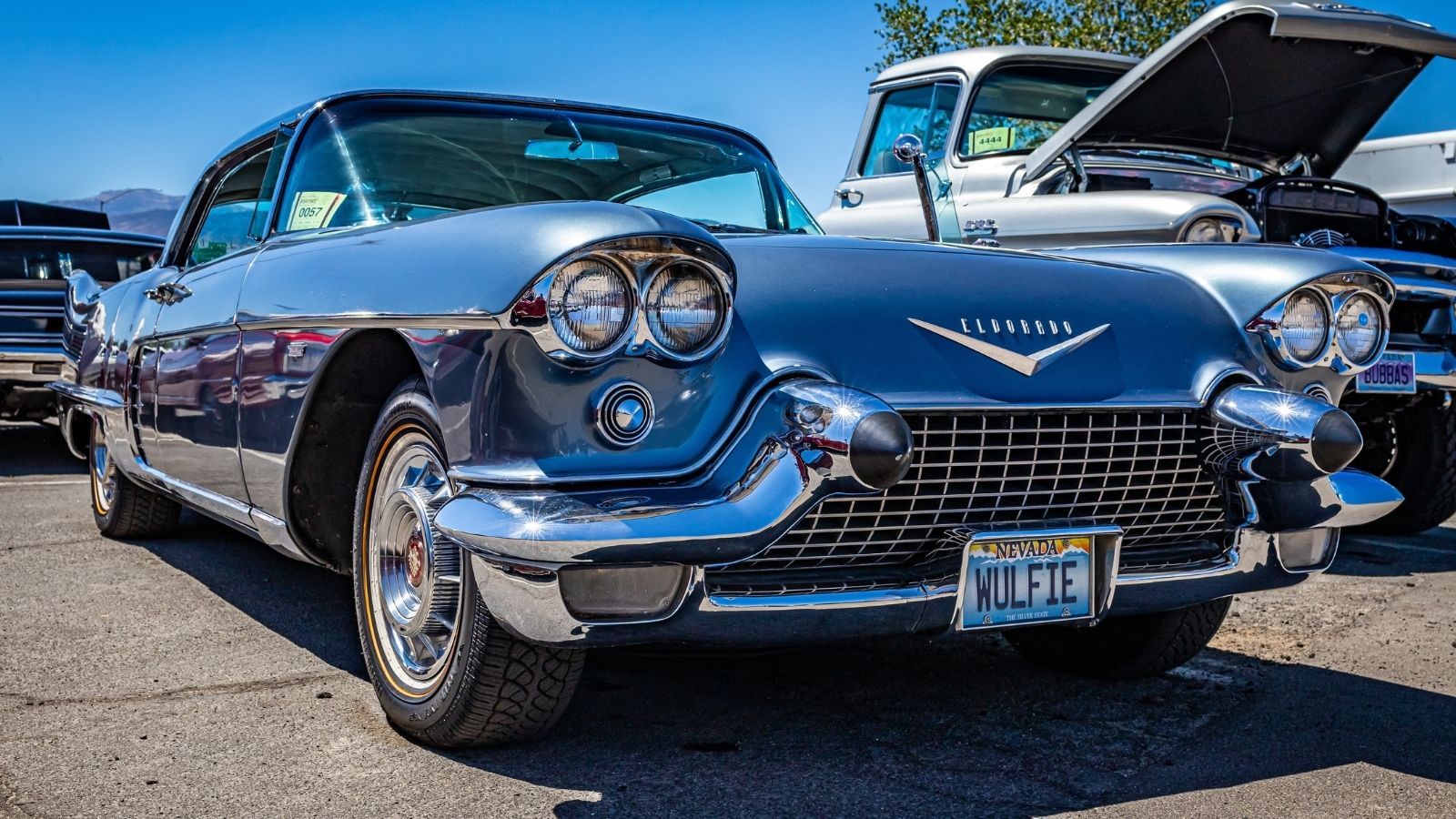
The earliest high beam sensors attempted to dim lights automatically when detecting oncoming cars. The technology struggled with reflections and often mistook street signs for headlights. Beam patterns flicked unpredictably and other drivers flashed their lights in frustration. The idea was ahead of its time but the execution created more chaos than convenience. Modern adaptive lighting owes its existence to this clumsy ancestor.
Transmission Lockouts Controlled by the Radio
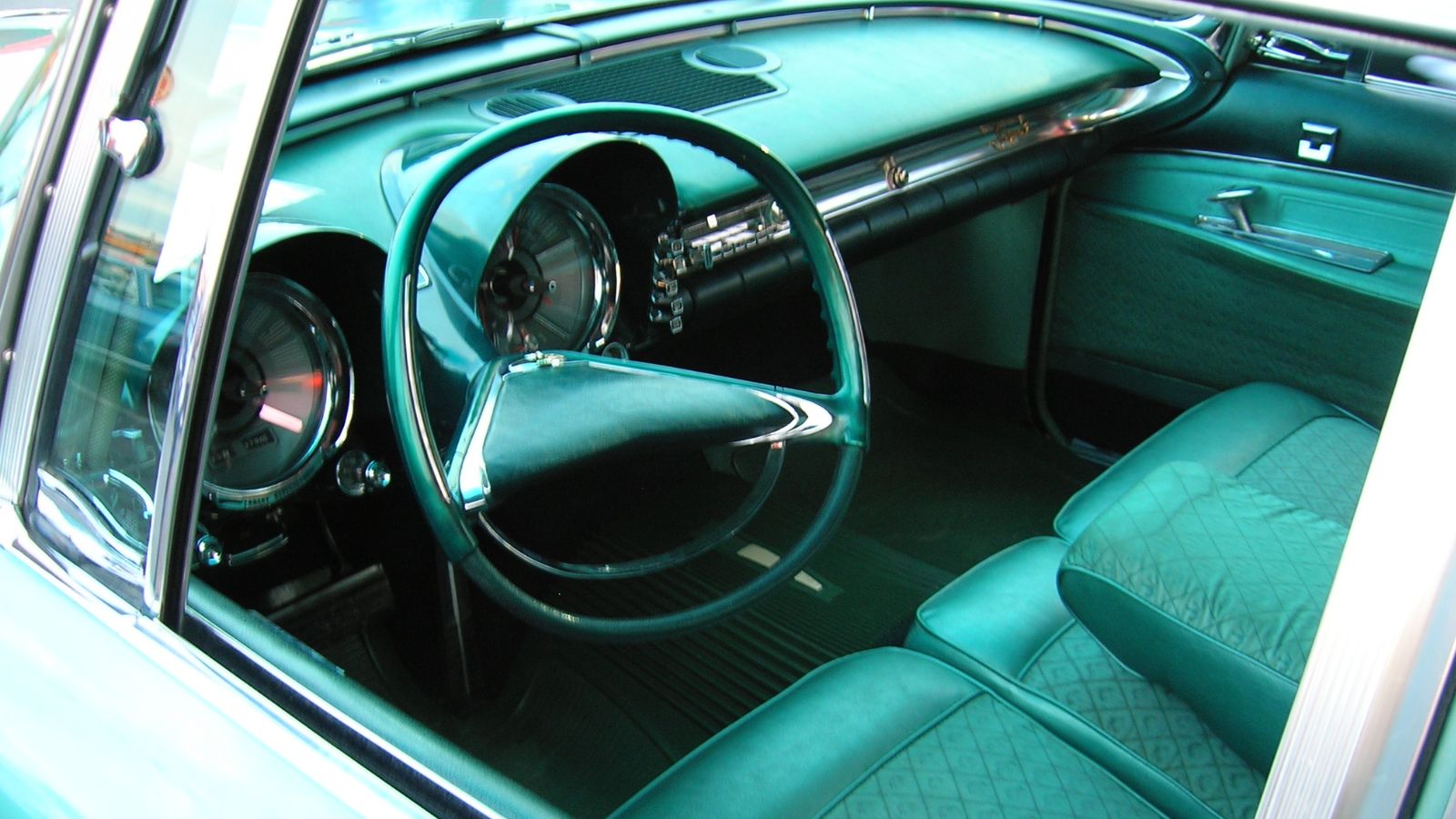
Some sixties cars linked the transmission to the radio in an attempt to prevent distracted driving or unsupervised use. The system required the radio to be off before shifting into drive. Parents liked the thought of it but most drivers found it annoying especially when adjusting the volume or switching stations. The feature faded quickly as customers pushed back. Today it feels like a prank rather than real engineering.
Giant Warning Lights for Simple Functions
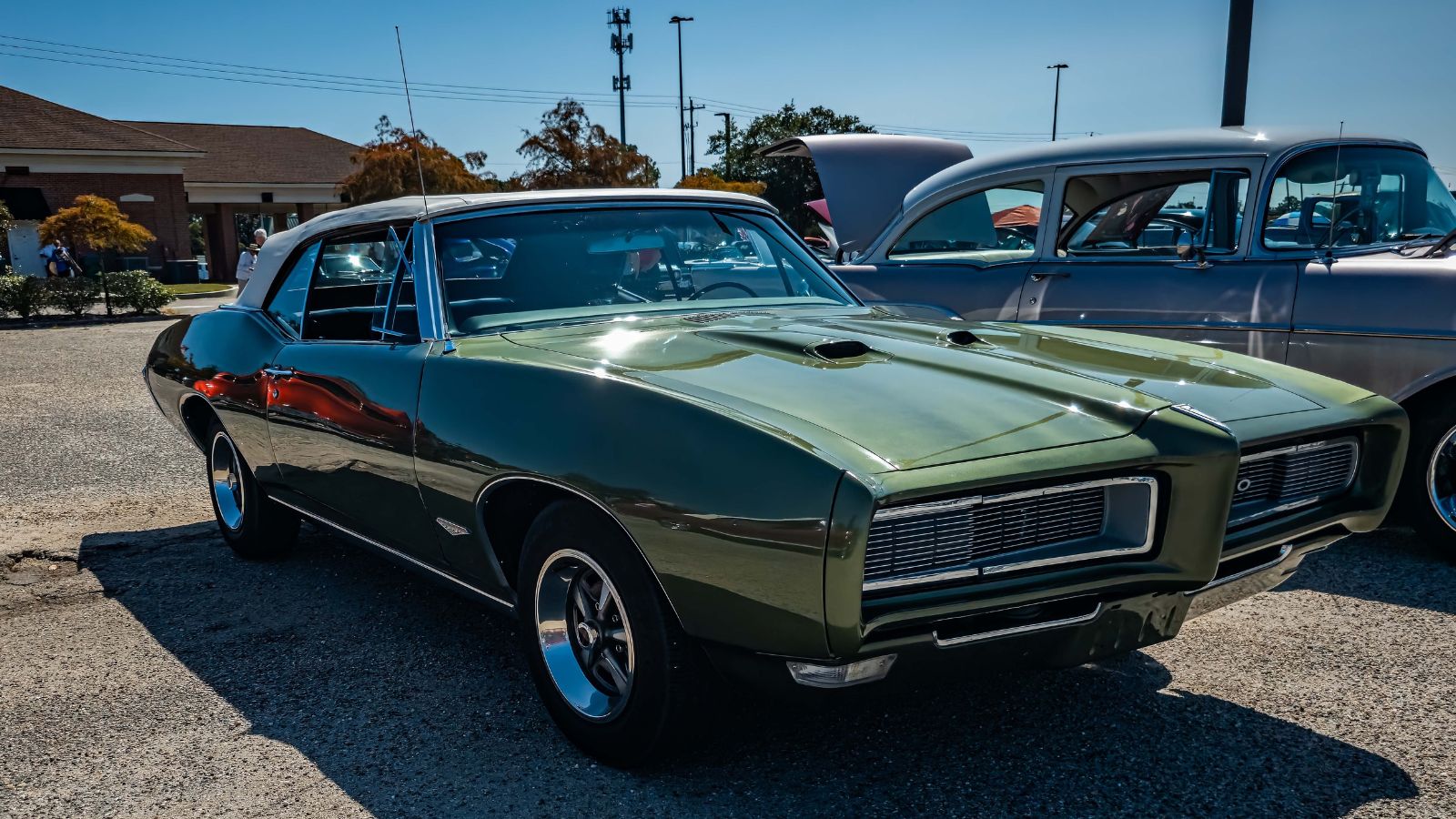
Dashboard design in the sixties leaned toward oversized gauges and glowing bulbs that demanded attention. Instead of small icons cars used huge bright indicators for basic functions such as the parking brake or door ajar notice. These lights illuminated half the cabin at night and gave the dashboard a spaceship vibe. Manufacturers believed large warnings meant safer driving. Modern clusters rely on smaller icons because drivers no longer need flashing billboards to alert them.
25 Facts About Car Loans That Most Drivers Don’t Realize

Car loans are one of the most common ways people fund car purchases. Like any other kind of loan, car loans can have certain features that can be regarded as an advantage or a disadvantage to the borrower. Understanding all essential facts about car loans and how they work to ensure that you get the best deal for your financial situation is essential. Here are 25 shocking facts about car loans that most drivers don’t realize:
25 Facts About Car Loans That Most Drivers Don’t Realize
