
When the United States adjusts tariffs, Canadian drivers feel the shock almost immediately. Supply chains run straight across the border and nearly every part of the Canadian automotive world depends on American manufacturing, shipping or materials. Even small tariff hikes ripple into higher prices, slower deliveries and unexpected shortages. These twelve pressure points show how quickly cross border politics can reach right into a Canadian driveway.
New Car Prices Climb Faster Than Expected

Tariffs push manufacturing costs higher for companies that rely on U S sourced components. Instead of absorbing the increase, automakers pass it straight to the showroom floor. Canadian buyers walk in expecting familiar numbers and walk out shocked. Even entry level cars and compact SUVs become noticeably more expensive when tariffs touch raw materials and electronics.
Replacement Parts Become Harder to Afford
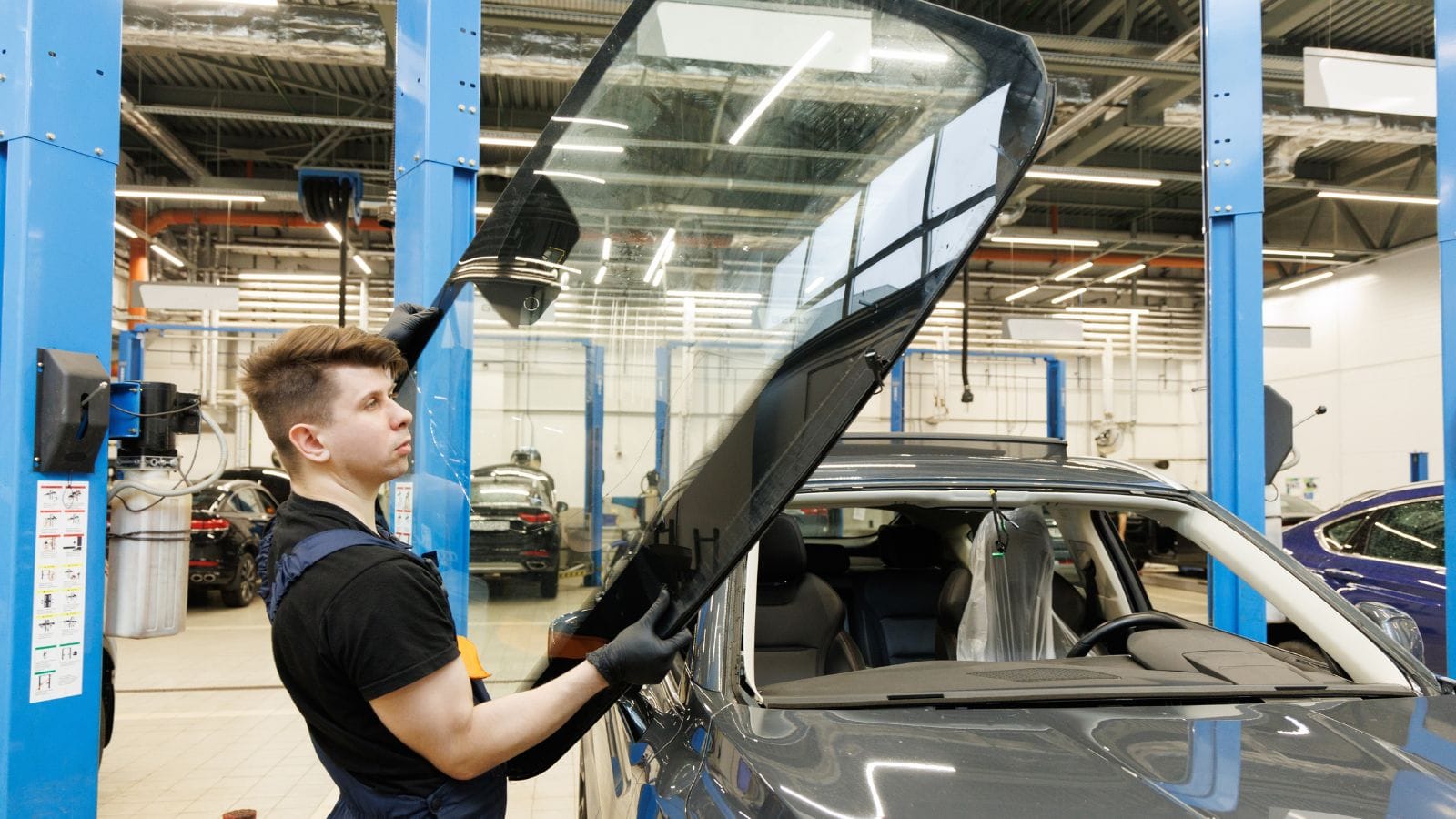
Everything from brake rotors to sensors crosses the border. When tariffs spike, parts stores raise prices and mechanics adjust their labour estimates to match. A simple repair that once felt routine suddenly costs hundreds more. Drivers who maintain older vehicles take the hardest hit because they rely on a steady stream of imported components.
Tires Shoot Up in Price Across All Segments

Tires depend on international rubber supplies and American processing plants. When tariffs disrupt the flow, Canadian retailers face higher import costs. Winter tires, already a major seasonal expense, climb quickly. Families with two vehicles or multiple seasonal sets feel the strain first.
Used Car Values Spike as Buyers Avoid New Models

When new cars become too expensive, buyers switch to used inventory. Demand jumps, prices follow and even older models hold their value longer than they should. A used vehicle that once sat at a comfortable middle ground becomes a near luxury purchase. Tariffs indirectly squeeze the used market simply by scaring shoppers away from new purchases.
EV Prices Rise Because Battery Materials Are Targeted
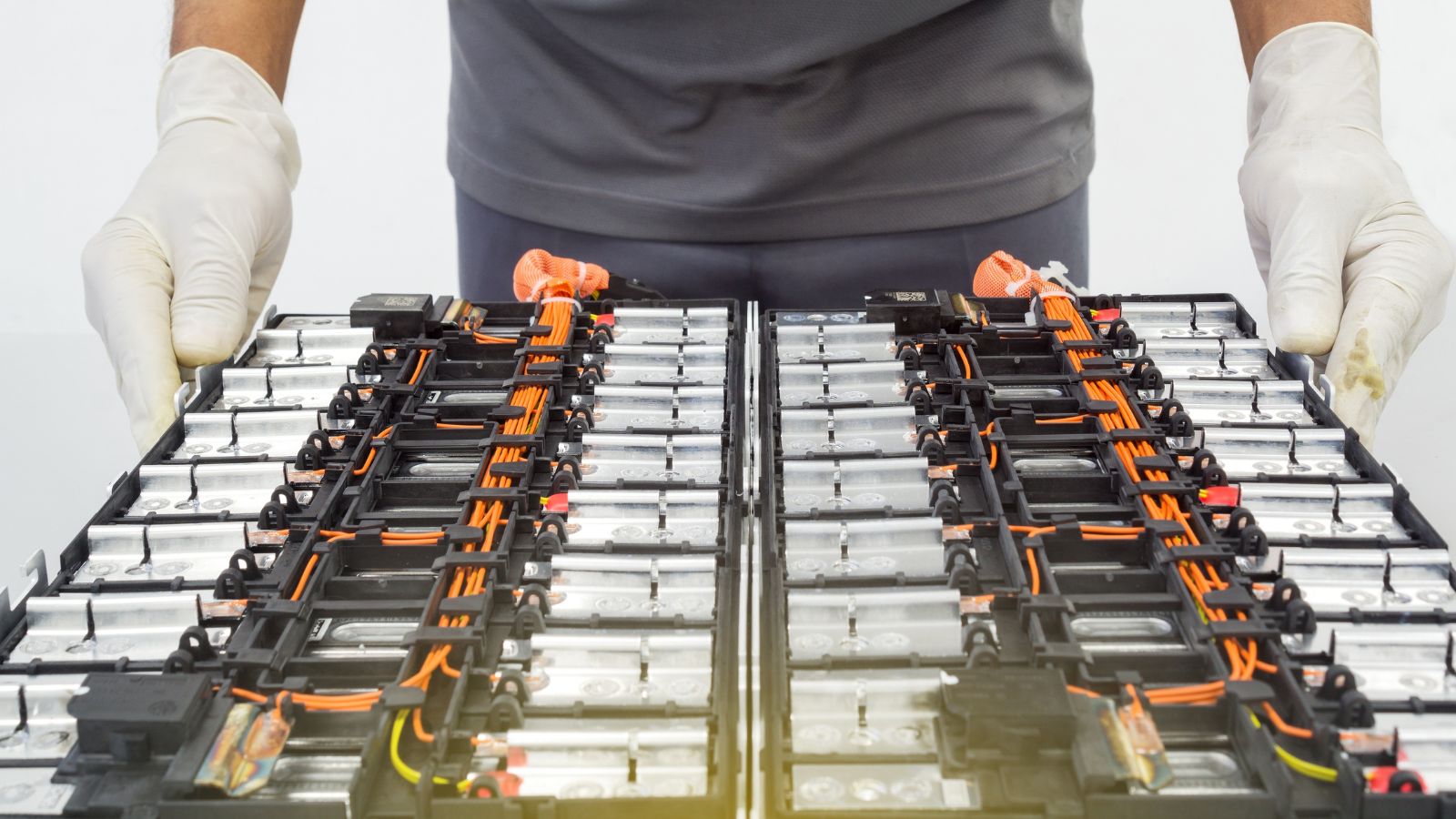
Electric vehicles rely on minerals, metals and electronics that cross the border multiple times during production. Any tariff aimed at materials or components pushes EV prices beyond the reach of many buyers. Canadians hoping to switch to electric for savings suddenly see ownership costs move in the opposite direction.
Cross Border Shopping for Car Deals Dies Out
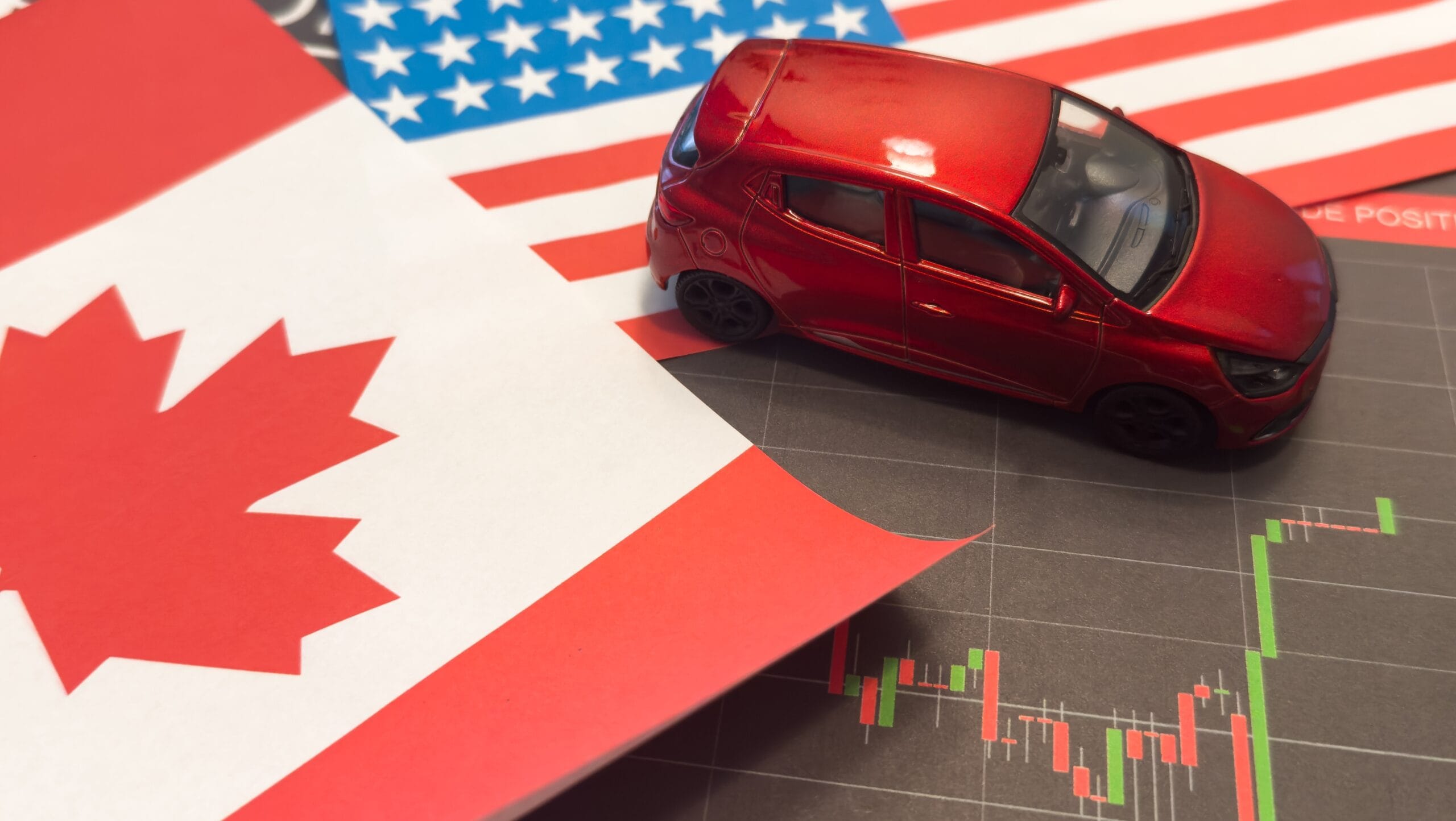
Many Canadians once travelled to the United States to find cheaper cars or better financing. Tariffs erase that advantage. Dealers south of the border cannot offer meaningful savings when their inventory is affected by the same cost increases. The weekend trip for a deal becomes something buyers no longer bother planning.
Insurance Rates Rise as Repair Costs Increase

Insurance companies watch repair pricing closely. When replacement parts and labour expenses jump, premiums follow. Even drivers with clean records discover their renewal notice creeping higher simply because the cost of fixing accident damage has risen. Tariffs quietly work their way into every corner of the insurance calculation.
Leasing Payments Jump With Higher Residual Values

Leasing depends on predicting what a car will be worth in a few years. When tariffs inflate prices, automakers adjust residual values and monthly payments rise. Leasing, once the affordable middle option, becomes harder to justify for families that rely on predictable payments.
Dealership Inventory Shrinks as Deliveries Slow

Tariffs disrupt shipping schedules and complicate cross border logistics. Deliveries slow down and dealers wait longer for stock. Canadian buyers who want specific trims or colours often face limited availability or long delays. When inventory dries up, negotiating power disappears and prices become far less flexible.
Cross Border Parts Shipping Takes Longer

Customs waits grow when tariffs change. Shipments require extra paperwork and inspections which delay everything from airbags to basic filters. Repair shops wait days for parts that once arrived overnight. Drivers who need quick fixes end up stranded or forced into rentals for longer periods.
Specialty Vehicles Become Nearly Impossible to Import
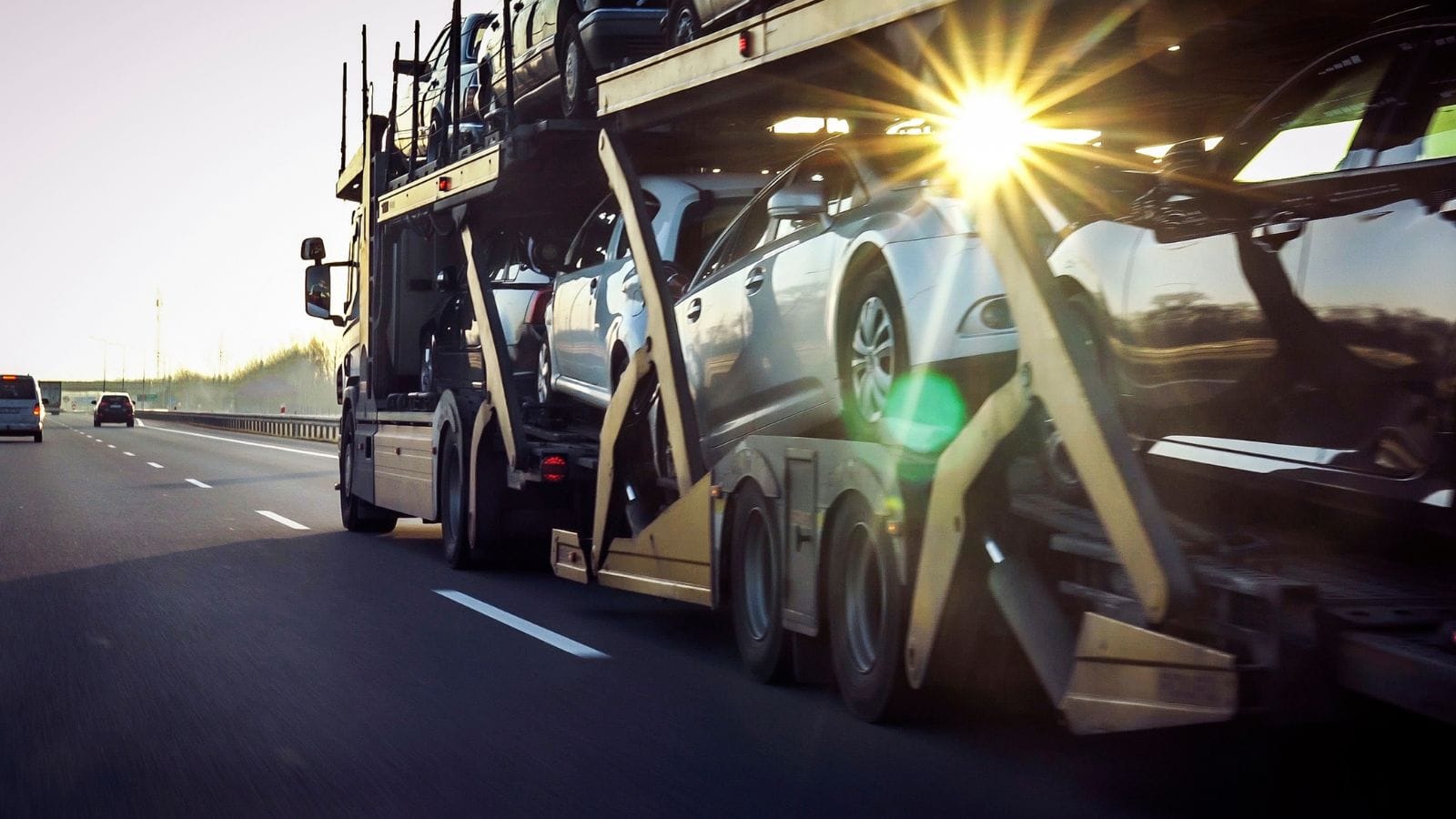
Enthusiasts who import trucks, muscle cars or off beat models from the United States face steep tariff penalties. The extra cost sometimes equals the entire value of the vehicle. Many give up on dream projects because the import fee makes the purchase unrealistic. The hobby suffers quietly but significantly.
Everyday Maintenance Becomes More Expensive
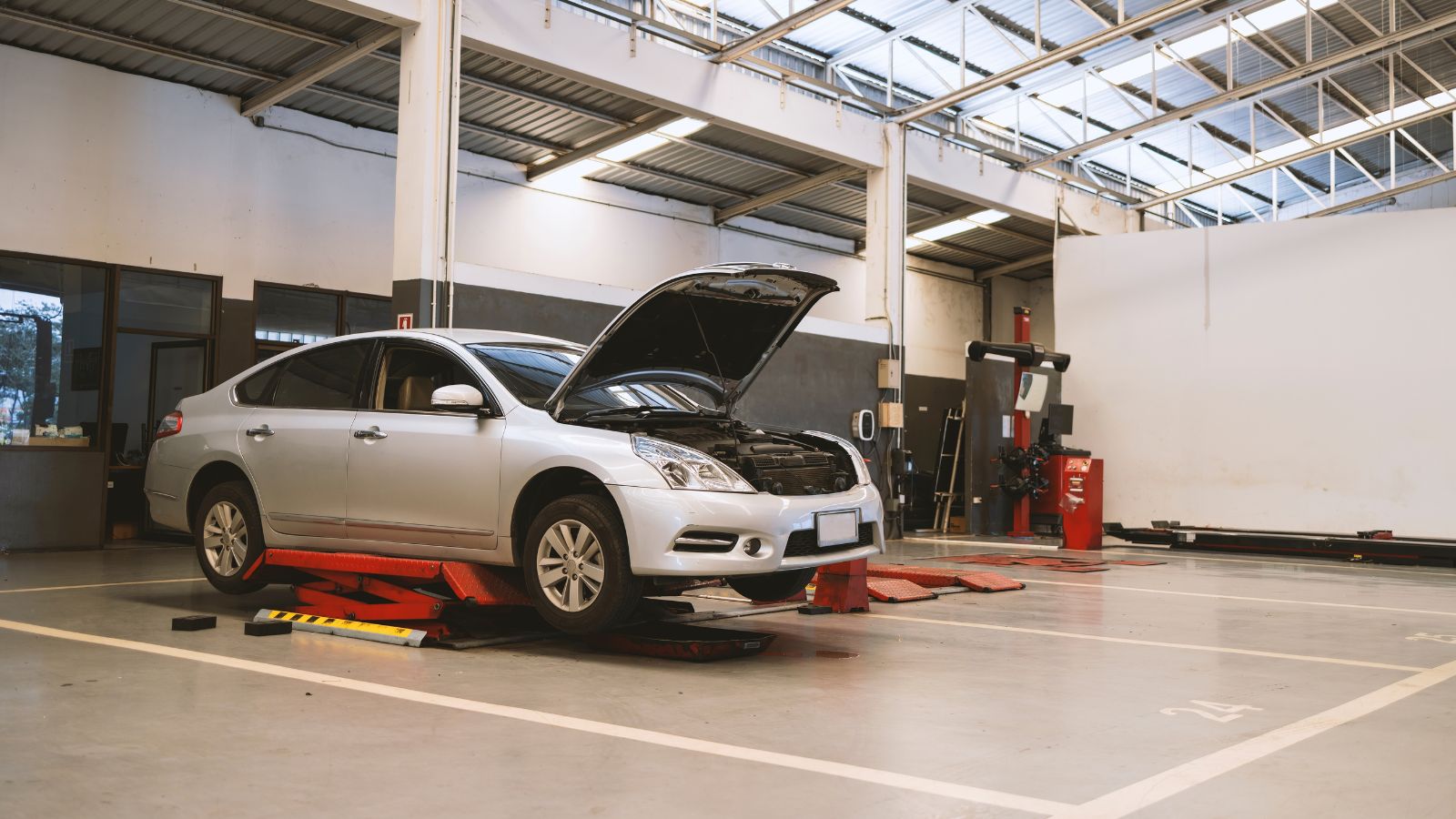
Oil filters, spark plugs, coolant, belts and hoses all depend on cross border distribution. Tariffs apply pressure to even the smallest items. Basic service visits creep upward in price and drivers feel squeezed even when performing simple upkeep. It is the slow steady rise that hits hardest because it affects everyone regardless of what they drive.
Road Trip Costs Increase as Fuel Supply Chains Shift

Tariffs on crude oil, refined fuel or transport equipment influence pump prices. Even minor changes ripple through the system and Canadians pay more to travel the same distance. Families planning long summer drives watch their budget stretch thinner each year as political decisions far from home raise the cost of every litre.
25 Facts About Car Loans That Most Drivers Don’t Realize

Car loans are one of the most common ways people fund car purchases. Like any other kind of loan, car loans can have certain features that can be regarded as an advantage or a disadvantage to the borrower. Understanding all essential facts about car loans and how they work to ensure that you get the best deal for your financial situation is essential. Here are 25 shocking facts about car loans that most drivers don’t realize:
25 Facts About Car Loans That Most Drivers Don’t Realize
