
Even the world’s best automakers occasionally produce an engine that becomes infamous. Some were rushed into production, others were built around flawed ideas and a few simply turned out to be mechanical ticking clocks. These engines developed reputations for catastrophic failures, expensive repairs and quirks that frustrated owners long after warranties expired. While some had redeeming qualities, each one left a mark on automotive history for all the wrong reasons. These nine engines stand as cautionary tales of how engineering missteps can haunt a brand for years.
Chrysler 2.7 V6 The Silent Killer of the Early 2000s

Chrysler’s 2.7 litre V6 looked promising on paper. It was smooth, compact and designed to power popular sedans of the era. In reality it became notorious for sludge buildup that clogged vital oil passages long before scheduled maintenance could prevent disaster. Once starved of lubrication, timing chains stretched, bearings failed and engines seized without warning. Even diligent owners who followed maintenance schedules sometimes faced catastrophic failure. As a result, many used Chryslers from the early 2000s dropped sharply in value because buyers feared this engine more than almost any other.
Subaru 2.5 Boxer Engine Head Gasket Disaster
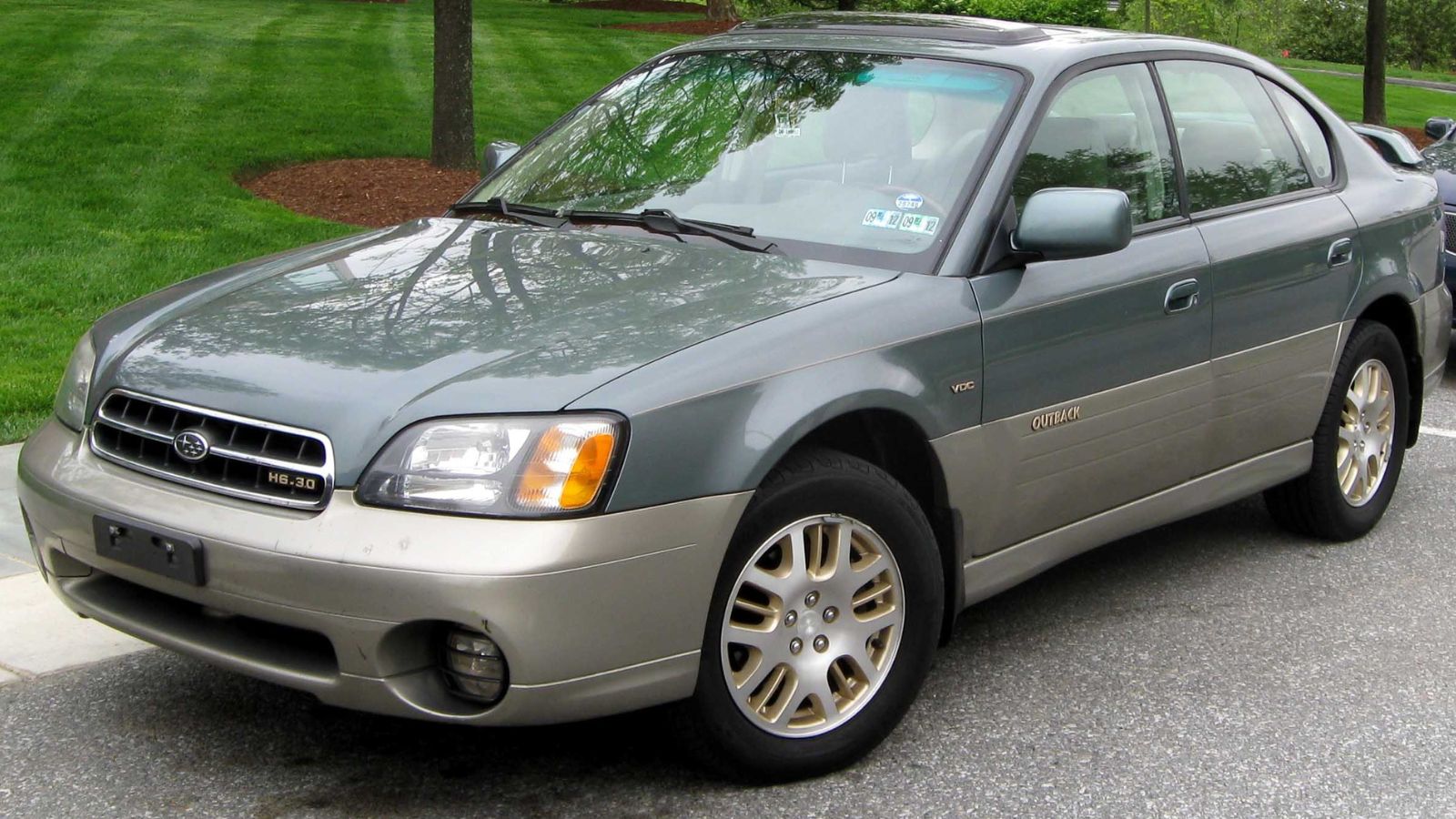
Subaru’s signature flat four should have been a reliable workhorse, but the early to mid 2000s 2.5 litre version suffered extremely frequent head gasket failures. The problem stemmed from gasket materials that deteriorated over time, allowing coolant to leak externally or oil to infiltrate coolant passages. Once overheating began, serious engine damage often followed. Many owners faced expensive repairs at surprisingly low mileage, souring the ownership experience. Subaru later improved the gasket design, but by then the engine’s reputation had become a lasting warning to used car buyers.
Volkswagen and Audi 2.0T FSI Carbon Buildup Nightmare

When VW and Audi launched their direct injection 2.0T engines, drivers loved the strong torque and efficiency. Unfortunately, direct injection caused carbon deposits to accumulate rapidly on intake valves because fuel no longer washed them clean. Power loss, misfires and rough running became common symptoms. The only fix was manual cleaning, an expensive procedure many owners endured repeatedly. Add in timing chain tensioner problems and high pressure fuel pump failures, and the early 2.0T gained a reputation for headaches that overshadowed its impressive performance.
Cadillac Northstar V8 The Overheating Luxury Engine
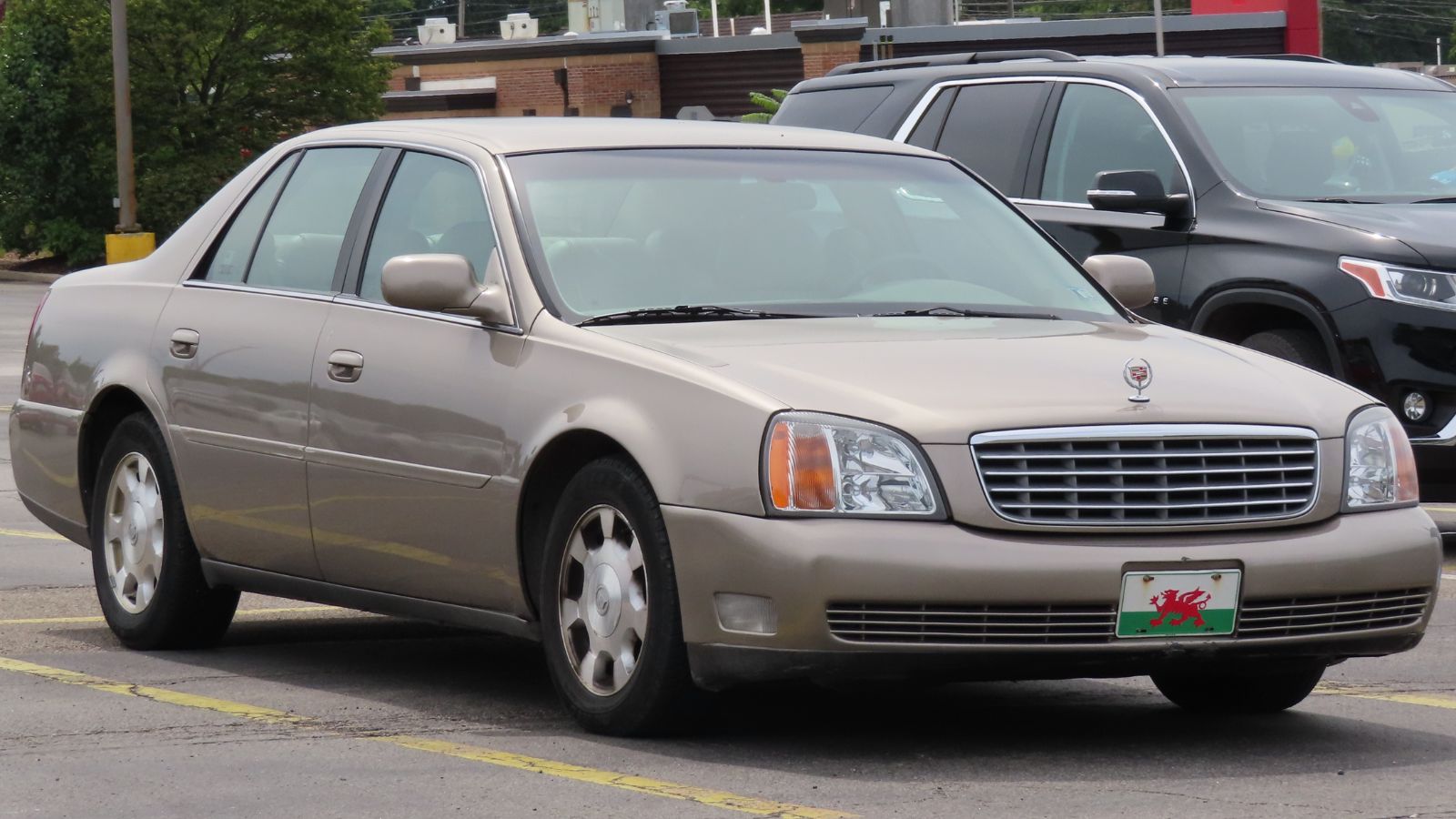
The Northstar V8 was supposed to modernize Cadillac with smooth power and advanced engineering. Instead, it became infamous for overheating and head bolt failures. The lightweight aluminum block relied on long head bolts that could stretch or pull out, causing the head gasket to fail dramatically. Once that happened, overheating spiraled into severe damage. Repairing the issue required extensive machine work, often costing more than the car’s market value. For many owners, the Northstar became the engine that ended their relationship with Cadillac.
Ford 6.0 Power Stroke Diesel The Truck Engine That Missed the Mark
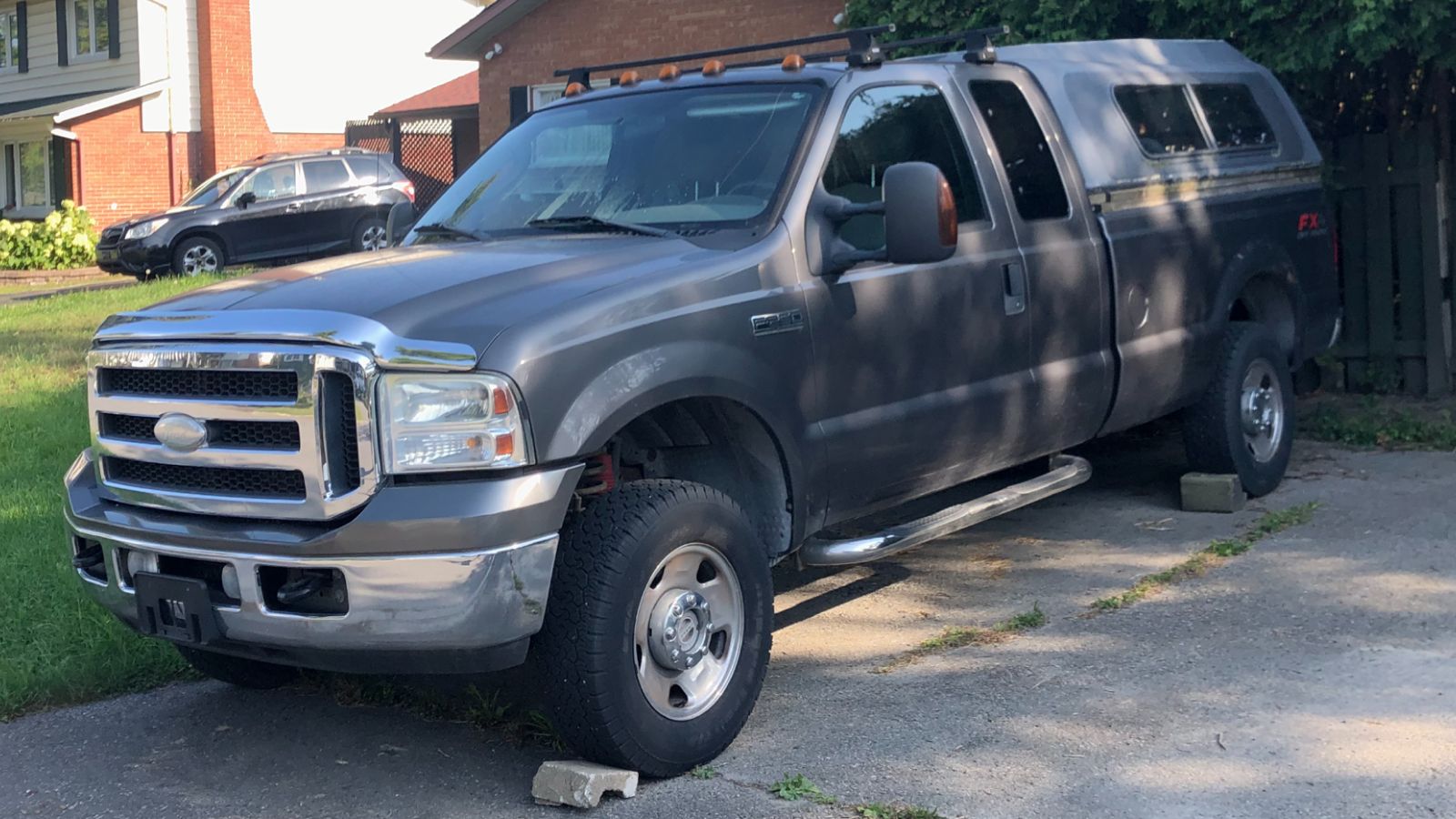
Ford intended the 6.0 litre Power Stroke to be a major improvement over the outgoing diesel, yet it turned into a reliability nightmare. The combination of a complex emissions system, fragile EGR coolers, faulty oil coolers and finicky injectors created a perfect storm of failures. Turbocharger issues were common, and many trucks required full engine overhauls far earlier than expected. Contractors and fleet owners who relied on durability felt betrayed. Although aftermarket solutions eventually improved reliability, the damage to Ford’s heavy duty reputation lingered for years.
BMW N54 Twin Turbo Six Brilliant but Fragile

BMW’s N54 engine delivered incredible performance when it debuted, offering strong torque and impressive tuning potential. Beneath the excitement, however, lurked several serious issues. High pressure fuel pumps failed repeatedly, leaving many drivers stranded. Turbo wastegate problems caused rattles and boost loss, and direct injection led to heavy carbon buildup. Some engines ran reliably, but others consumed parts with alarming frequency. Enthusiasts love the N54 for its potential, but they also warn newcomers to budget for repairs as part of ownership.
Mazda Rotary 1.3 Renesis Big Personality, Short Lifespan

The rotary engine in the RX 8 was a masterpiece of smooth revving engineering, but it carried major weaknesses. Apex seals wore down quickly which caused compression loss and made cold starting difficult. Fuel consumption was far worse than expected for a small engine, and oil usage required constant attention. Many owners faced expensive rebuilds before reaching one hundred thousand kilometres. The Renesis kept the rotary dream alive, but real world durability made it difficult for everyday drivers to love.
Mitsubishi 3.0 V6 in Early 2000s Models Oil Consumption Champion

Mitsubishi’s 3.0 litre V6 suffered from severe oil consumption problems that often went unnoticed until damage was done. Worn valve seals and piston rings caused oil to burn rapidly, and engines that ran low often suffered major failures. The problem became widespread enough that many used models from this era developed reputations as risky purchases. For a brand competing against strong Japanese rivals, this engine hurt Mitsubishi’s credibility at an unfortunate moment.
Toyota 3.0 V6 3VZ E The Rare Misstep From a Reliability Giant
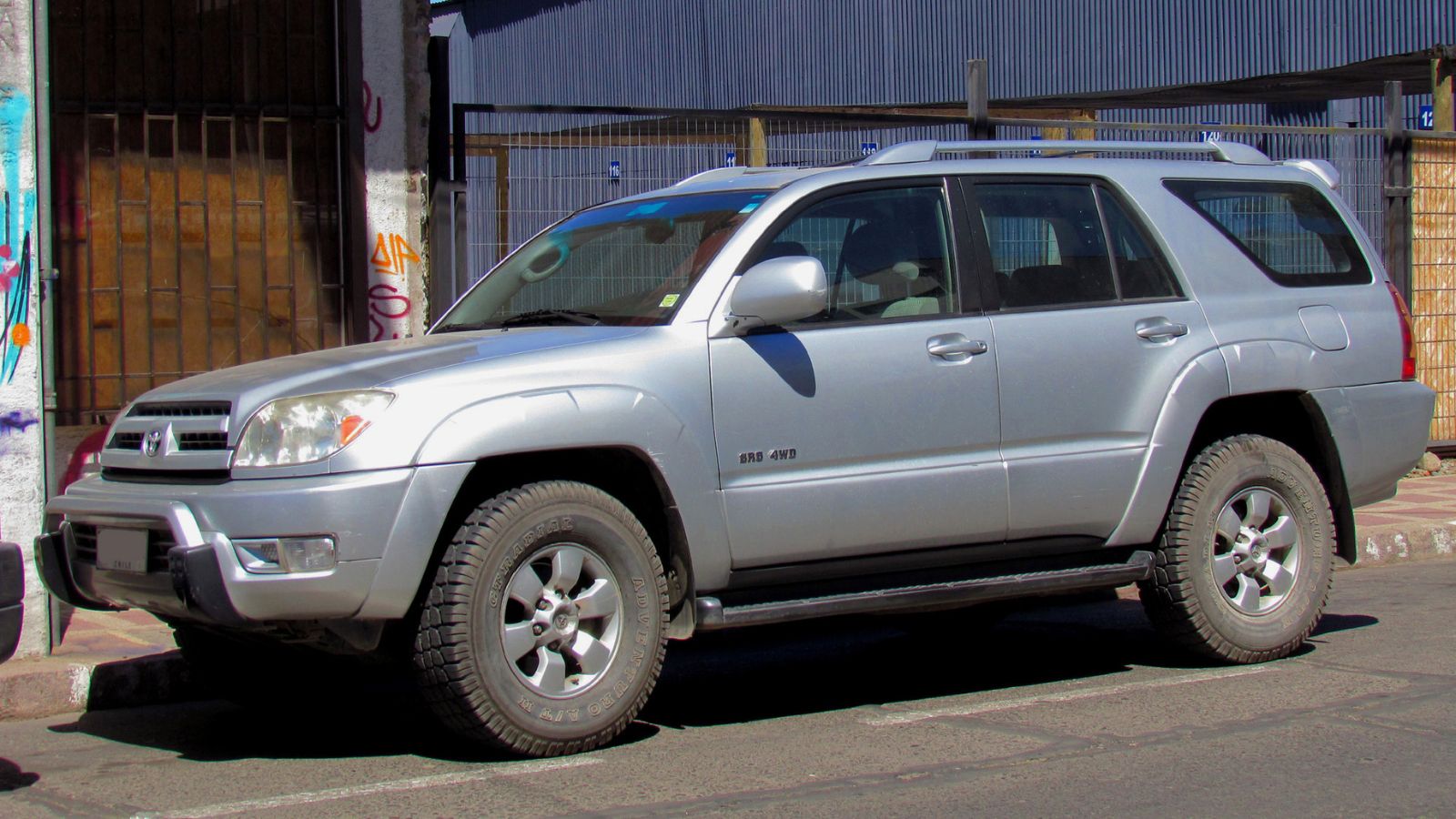
Toyota’s 3VZ E engine arrived in the early nineties and quickly developed a reputation for weak head gaskets that allowed coolant to leak and engines to overheat. Once overheated, cylinder heads warped easily, leading to costly repairs. The engine also delivered lackluster performance for its displacement and had poor fuel economy compared to later Toyota V6s. While many eventually lived long lives after repairs, the early failures created a rare blemish on Toyota’s reliability record.
25 Facts About Car Loans That Most Drivers Don’t Realize

Car loans are one of the most common ways people fund car purchases. Like any other kind of loan, car loans can have certain features that can be regarded as an advantage or a disadvantage to the borrower. Understanding all essential facts about car loans and how they work to ensure that you get the best deal for your financial situation is essential. Here are 25 shocking facts about car loans that most drivers don’t realize:
25 Facts About Car Loans That Most Drivers Don’t Realize
