
Tariffs are meant to protect domestic industries and pressure foreign buyers. In practice, many Canadian consumers and businesses have simply routed around them. The result isn’t a surge in American manufacturing or loyalty. It’s a quiet shift in buying behavior that leaves U.S. sellers sidelined while alternatives flourish.
This isn’t about politics. It’s about incentives. When costs rise without clear value, buyers adapt.
Canadians Are Buying Elsewhere Without the Drama
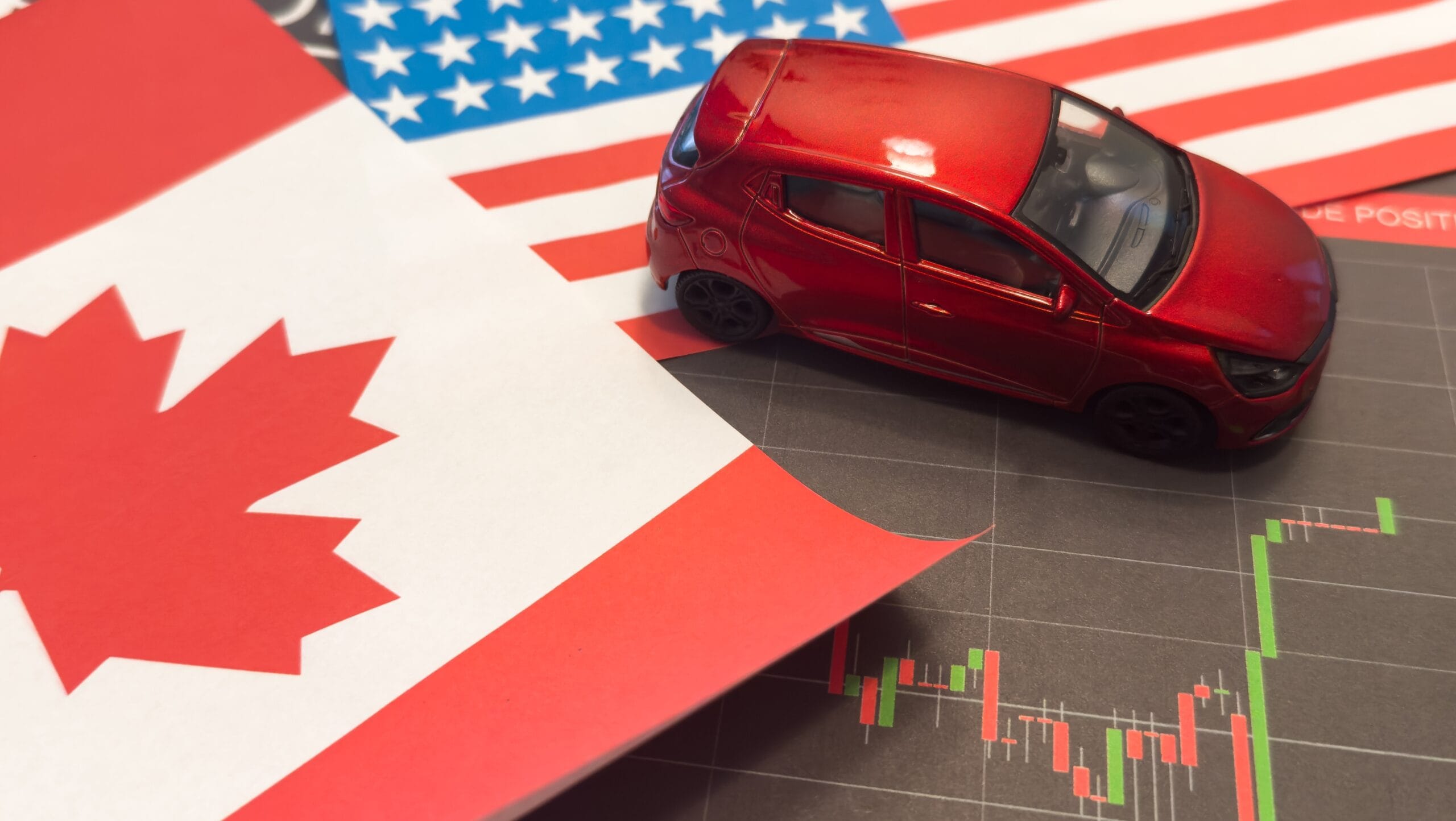
When U.S. tariffs add friction or uncertainty, Canadian buyers don’t protest. They pivot. European, Japanese, Korean, and increasingly Southeast Asian suppliers step in with competitive pricing, predictable delivery, and fewer surprises at the border. For many categories, switching suppliers takes weeks, not years.
Parallel Imports Are Filling the Gaps
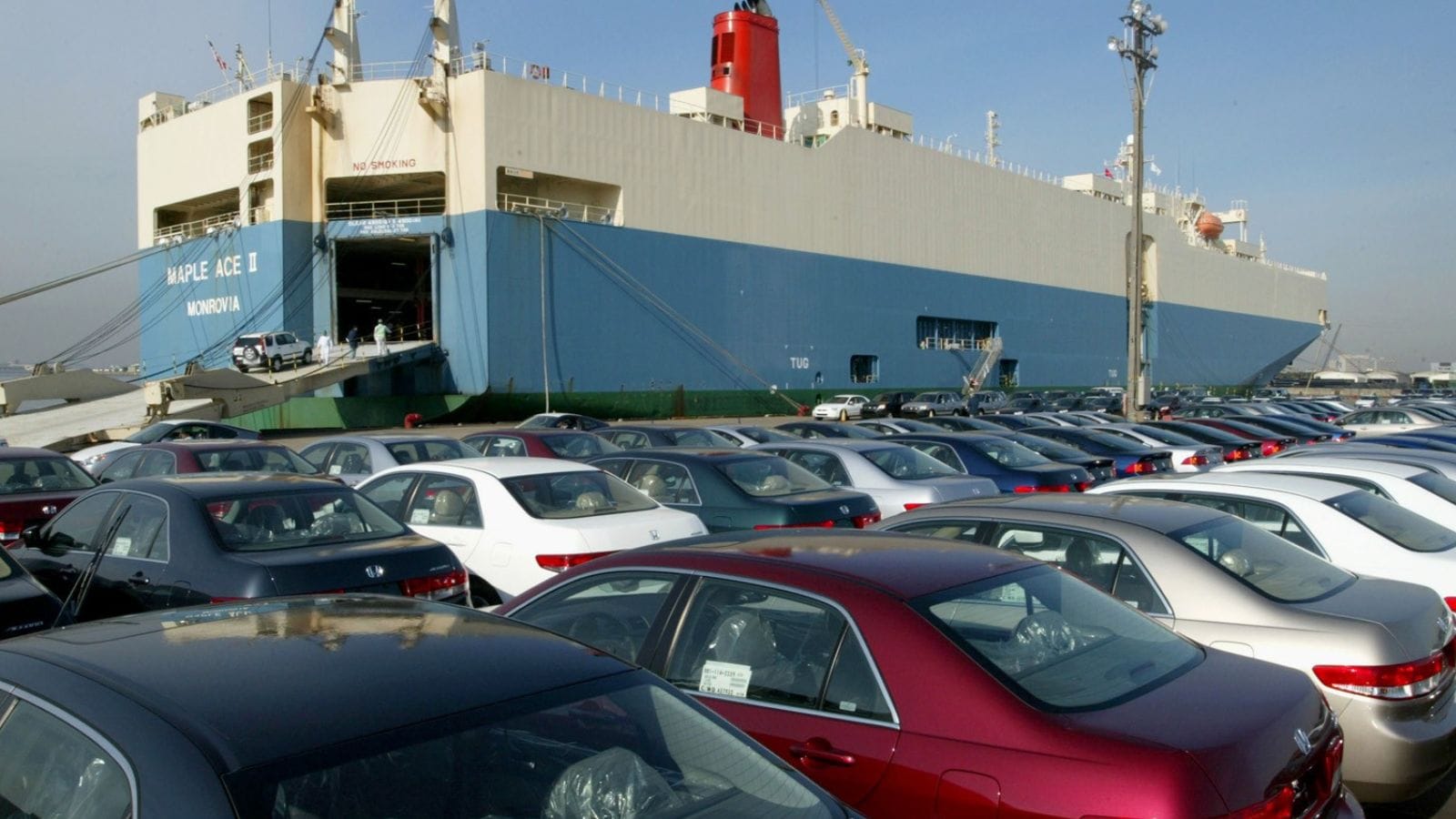
Automotive parts, tools, electronics, and even machinery are increasingly sourced through parallel channels. If a product is made overseas anyway, Canadians ask a simple question: why route it through the U.S. at all? Direct imports bypass tariff exposure and often arrive faster.
Logistics Makes Avoidance Easy

Canada’s ports, rail networks, and customs systems are built for global trade. Vancouver, Montreal, and Halifax connect directly to Asia and Europe. Modern logistics platforms make supplier switching routine. Tariffs don’t stop trade. They just change the path it takes.
U.S. Suppliers Are Losing Long-Term Relationships

Once a Canadian company restructures its supply chain, it rarely goes back. Even if tariffs ease later, trust is hard to rebuild. Buyers value stability. Sudden cost spikes signal risk, and risk pushes business elsewhere.
Consumers Adapt Faster Than Policymakers Expect

Retail shoppers notice price jumps immediately. If a U.S.-sourced product rises 15 or 25 percent overnight, alternatives appear on shelves within months. Brand loyalty only goes so far when the price gap widens without added value.
Small U.S. Exporters Take the Biggest Hit

Large multinationals can absorb tariffs or shift production. Smaller U.S. exporters cannot. Canadian buyers don’t see the difference. They simply replace the supplier. Over time, those lost accounts compound, quietly shrinking export volumes.
Domestic Substitutes Get a Boost
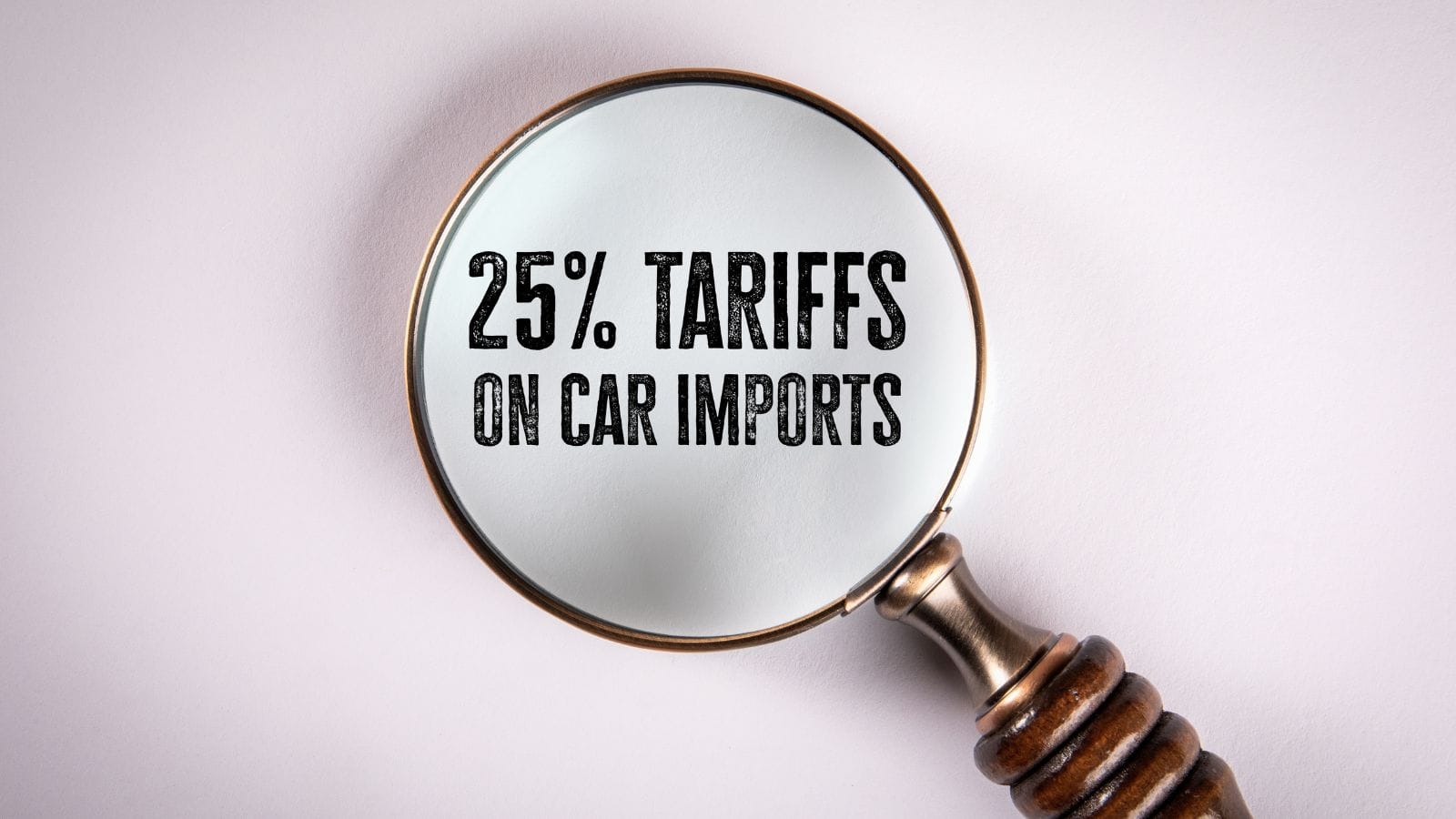
Tariffs intended to protect U.S. jobs often end up boosting non-U.S. producers instead. Canadian manufacturers and third-country suppliers gain share, invest locally, and lock in customers. The intended pressure never reaches its target.
Tariffs Add Paperwork Without Adding Value

From a buyer’s perspective, tariffs introduce delays, compliance costs, and accounting headaches. None of that improves the product. When two options perform the same, the simpler path wins every time.
The Cost Shows Up in Market Share, Not Headlines

There’s rarely a dramatic collapse. Instead, U.S. suppliers notice softer demand, fewer reorders, and quieter pipelines. By the time the impact is obvious, competitors are entrenched and contracts are signed.
Avoidance Becomes the New Normal

Once avoidance works, it sticks. Canadians don’t frame it as resistance. It’s just good business. Lower risk, clearer pricing, and dependable delivery matter more than origin stories.
The Unintended Outcome

Tariffs aimed at changing behavior often succeed, just not in the way intended. Canadians aren’t paying more. They’re paying someone else. And over time, that shift reshapes trade flows in ways that are hard to reverse.
The irony is simple. Measures designed to protect U.S. industry can end up isolating it. Not through backlash or boycotts, but through quiet, efficient workarounds that make the U.S. the more complicated option.
25 Facts About Car Loans That Most Drivers Don’t Realize

Car loans are one of the most common ways people fund car purchases. Like any other kind of loan, car loans can have certain features that can be regarded as an advantage or a disadvantage to the borrower. Understanding all essential facts about car loans and how they work to ensure that you get the best deal for your financial situation is essential. Here are 25 shocking facts about car loans that most drivers don’t realize:
25 Facts About Car Loans That Most Drivers Don’t Realize
