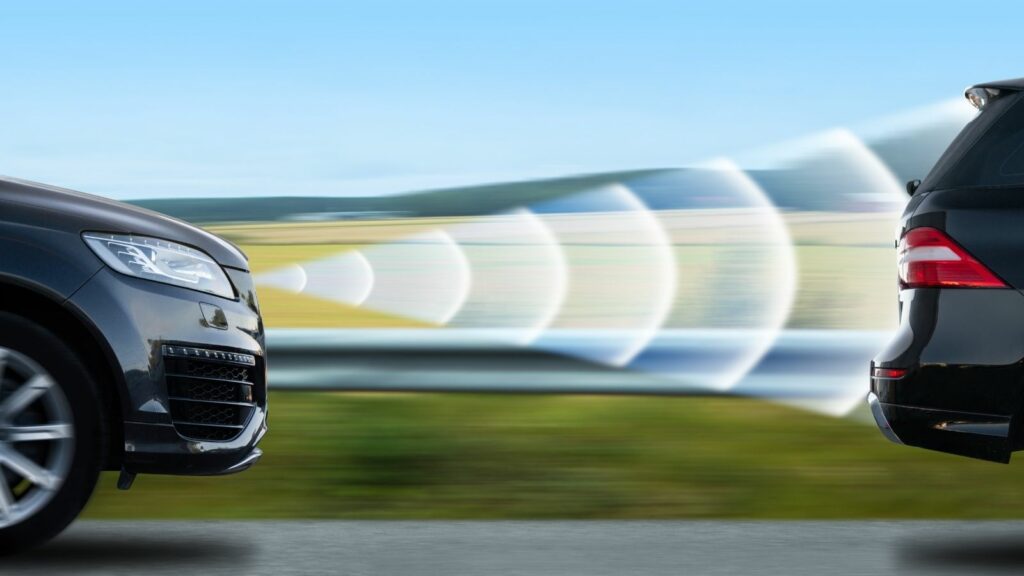
Cruise control is one of the most underrated tools in modern driving. It saves fuel, reduces fatigue and keeps your speed steady, yet many drivers either misuse it or avoid it entirely. When used properly, cruise control turns long drives into smoother, safer experiences. When used incorrectly, it becomes a source of frustration and danger. Here is how it works, how drivers misuse it and how to get the most out of it every time you hit the road.
The Real Purpose of Cruise Control

Cruise control was designed to maintain a constant speed without constant pedal input. It keeps your foot relaxed, helps your mind settle into the drive and cuts down the micro adjustments that burn extra fuel. On busy highways, where speeds rise and fall, cruise control smooths out human inconsistency. Used on steady open roads, it helps drivers stay alert and fight off fatigue far better than pounding the throttle for hours.
Where Drivers Misuse Cruise Control
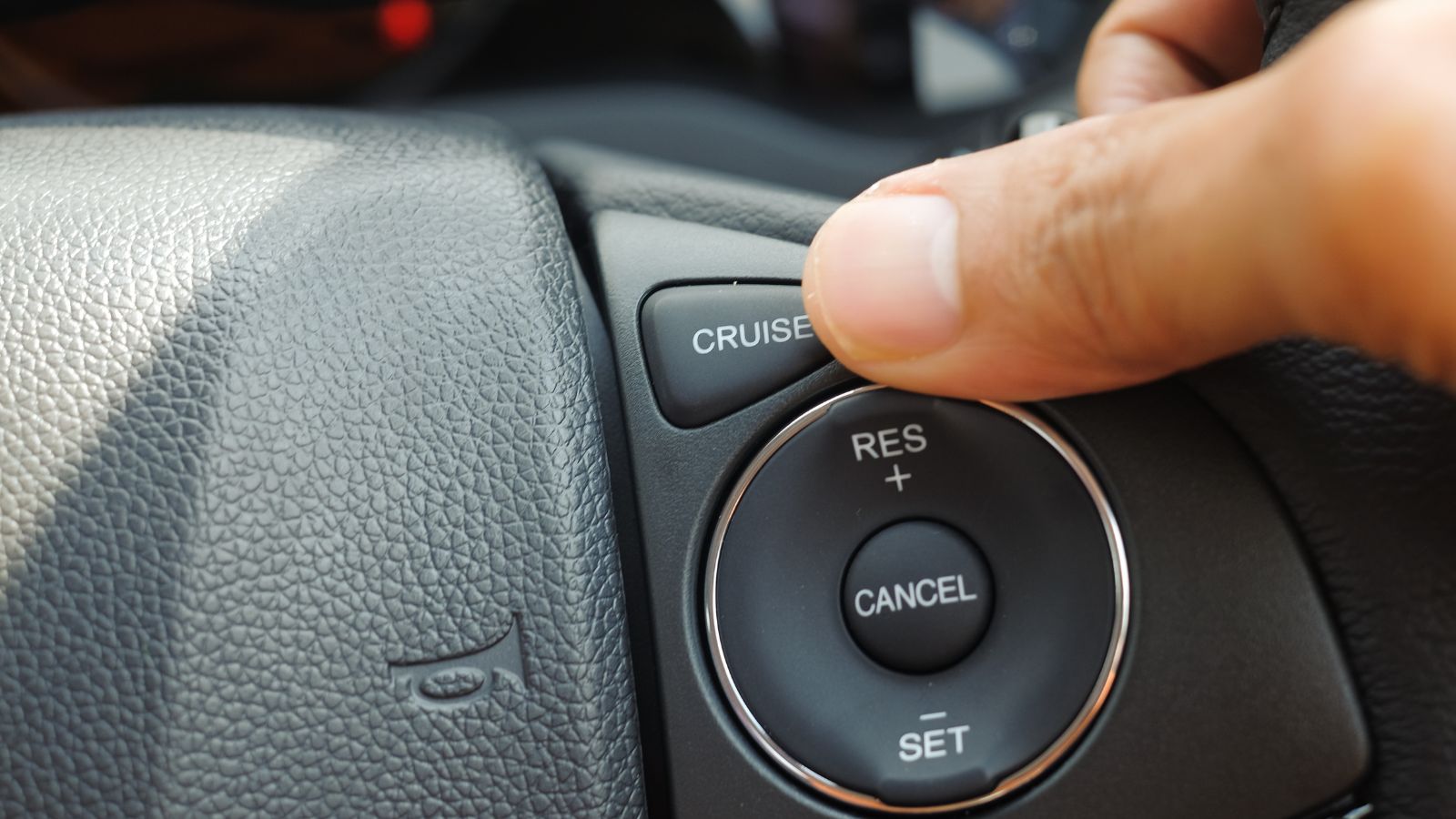
The biggest mistake people make is using cruise control in conditions where they should not. Heavy traffic, wet pavement, snow, ice or winding roads remove your ability to respond quickly. Some drivers set their speed and tune out entirely, letting the car do the work while they lose situational awareness. Others insist on using it while climbing steep hills, forcing the engine to hunt for gears and surge awkwardly. Cruise control is a tool, not a replacement for attention.
Why Cruise Control Improves Fuel Economy
Maintaining steady speed is one of the simplest ways to burn less fuel. When your foot constantly twitches on the accelerator, the engine responds with tiny bursts of unnecessary power. Cruise control removes those spikes. It keeps the throttle consistent, which is why highway economy numbers always outperform city driving. On longer trips, especially across Canada’s wide open stretches, the savings become clear at the pump.
Adaptive Cruise Control Raises the Game
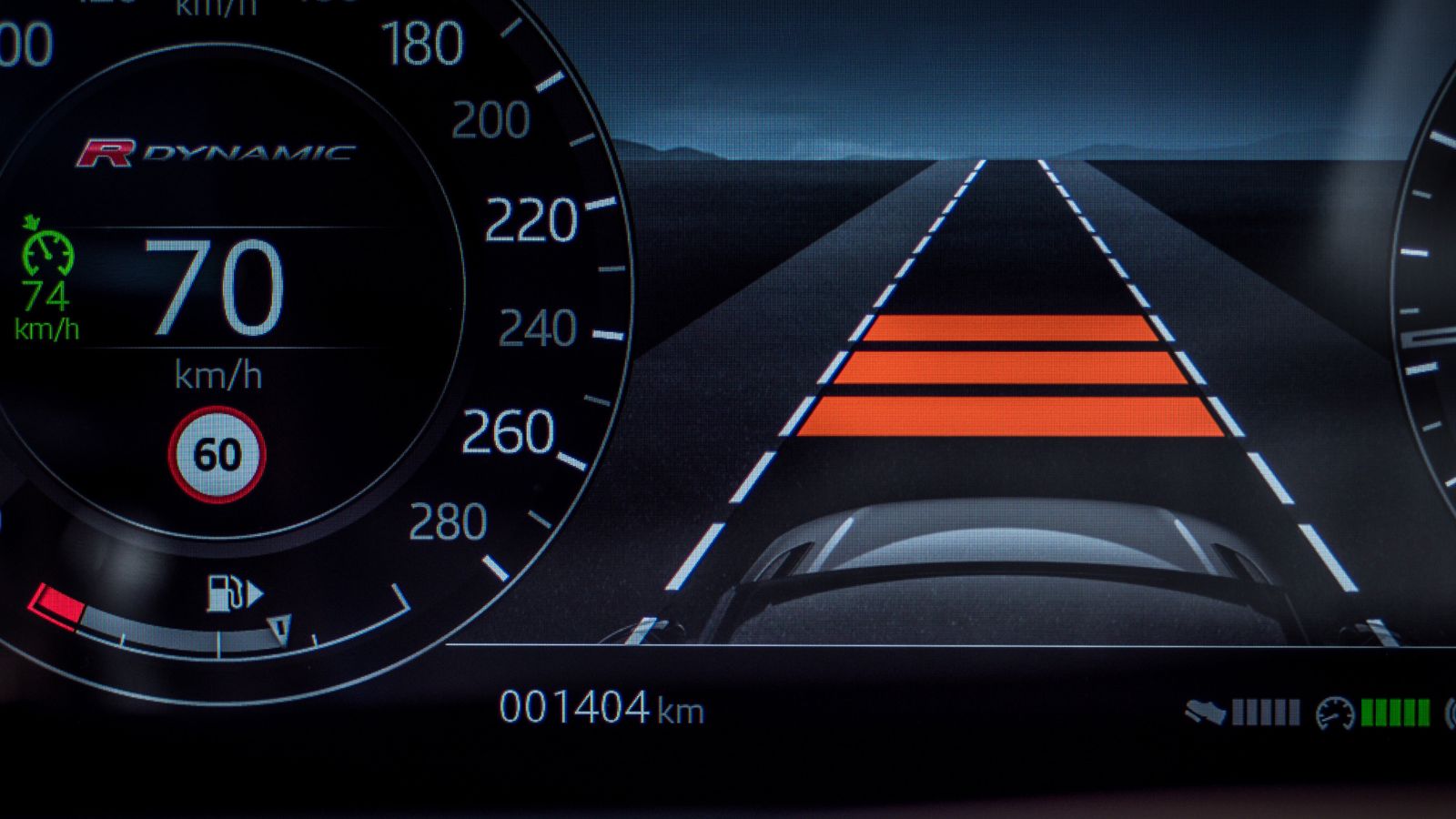
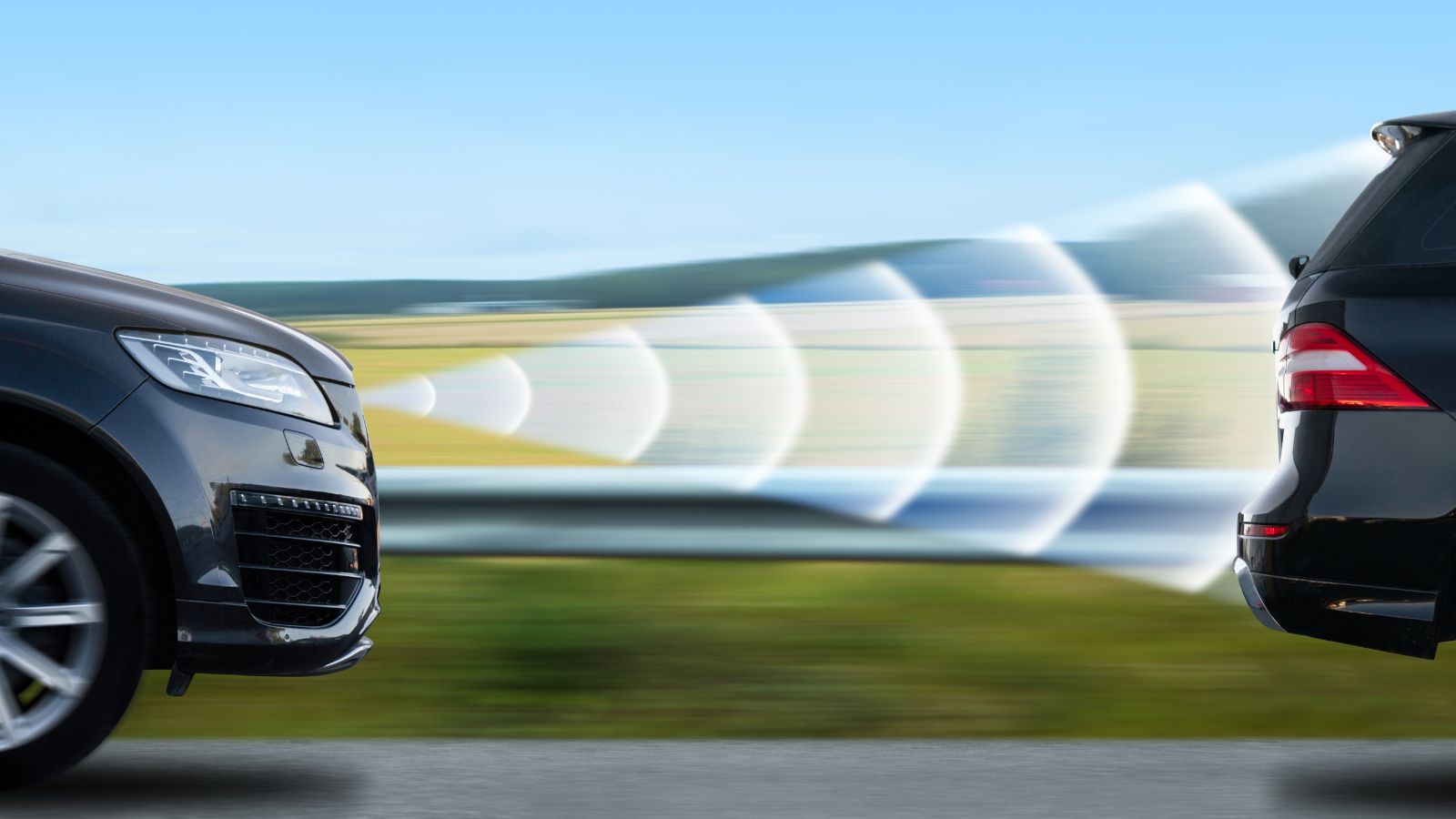
Newer cars offer adaptive cruise control, which uses radar or cameras to track the vehicle ahead and adjust speed automatically. It maintains a safe following distance without needing to brake manually. This makes long distance travel far more relaxing and eliminates the accordion effect of constant speeding up and slowing down. It also improves reaction time because the system responds faster than the human foot.
How to Use Cruise Control Safely
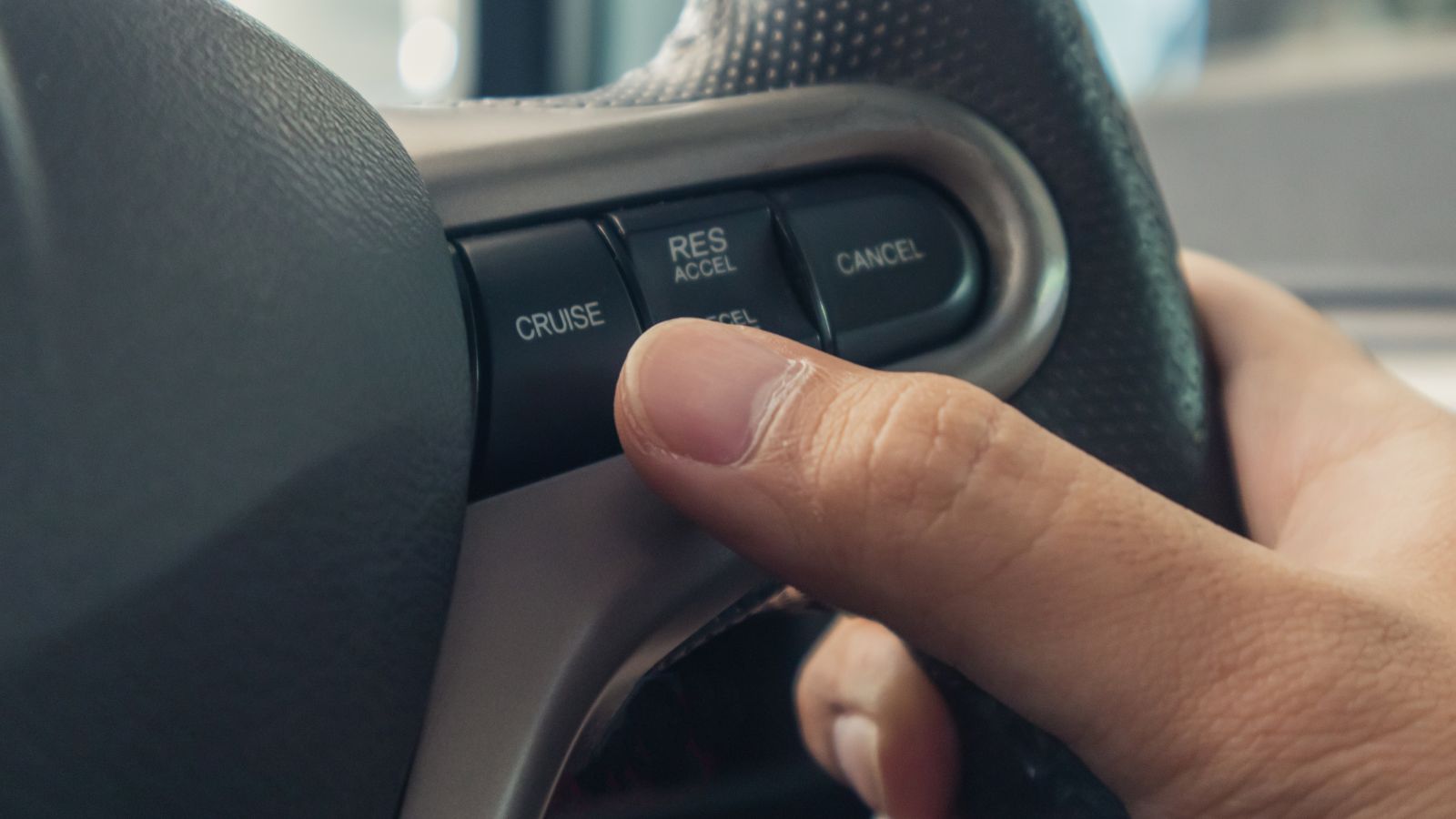
The safest way to use cruise control is on open highways with dry, predictable conditions. Set your speed once traffic flow settles, keep your hands on the wheel and your eyes on the road. Stay aware of upcoming hills, interchanges and braking zones. Cruise control should support your driving, not replace it. When weather shifts or traffic thickens, cancel it and return to full manual control.
Why You Should Avoid It in Bad Weather
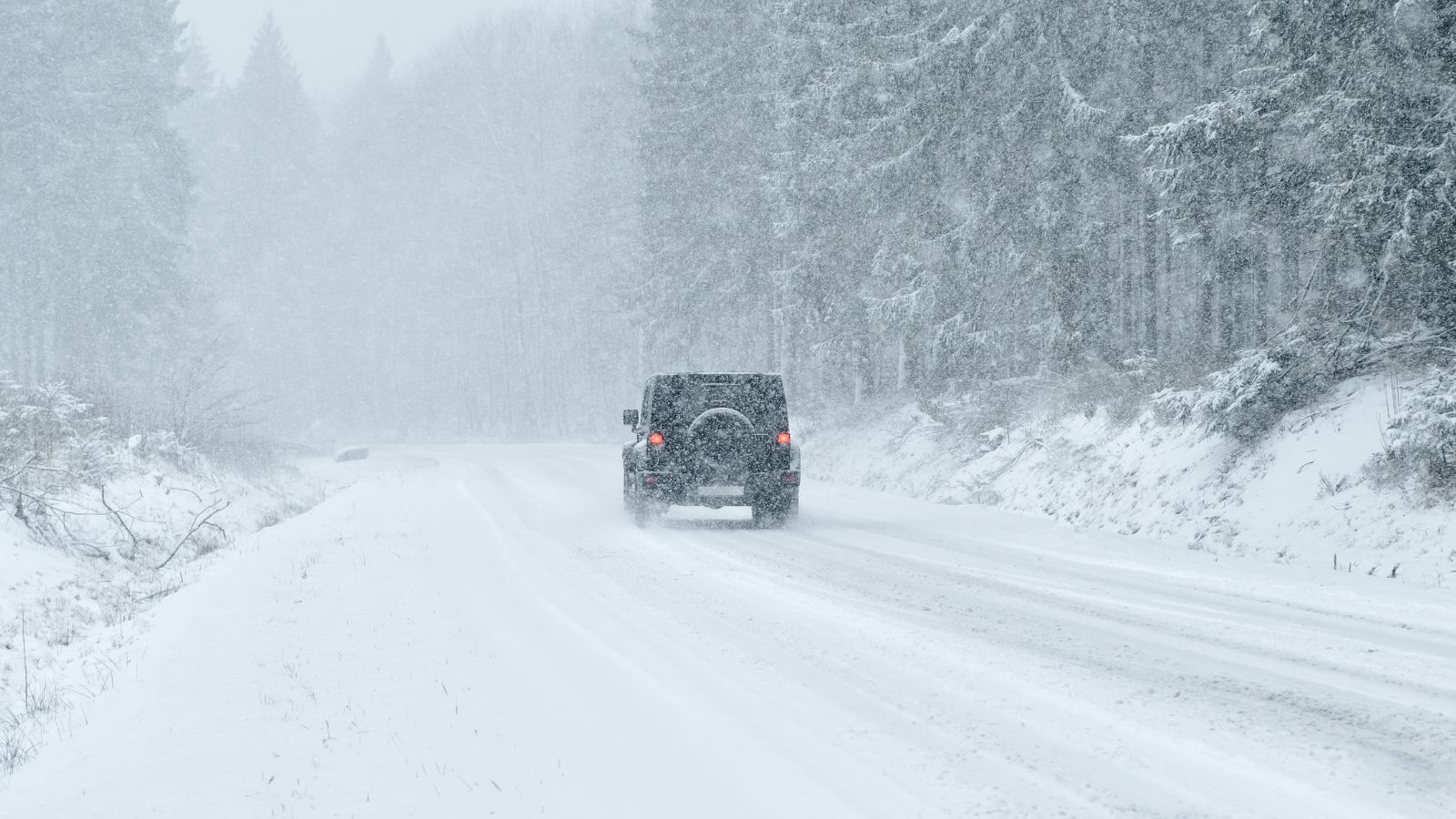
Cruise control does not understand surface traction. On wet or icy roads, a simple wheel slip can confuse the system and send power at the wrong moment. Older systems may even accelerate during a skid, which is the last thing any driver needs. Snow, ice, slush and standing water all demand direct throttle control. If the road feels unpredictable, turn cruise control off immediately.
The Hill Problem and How to Fix It
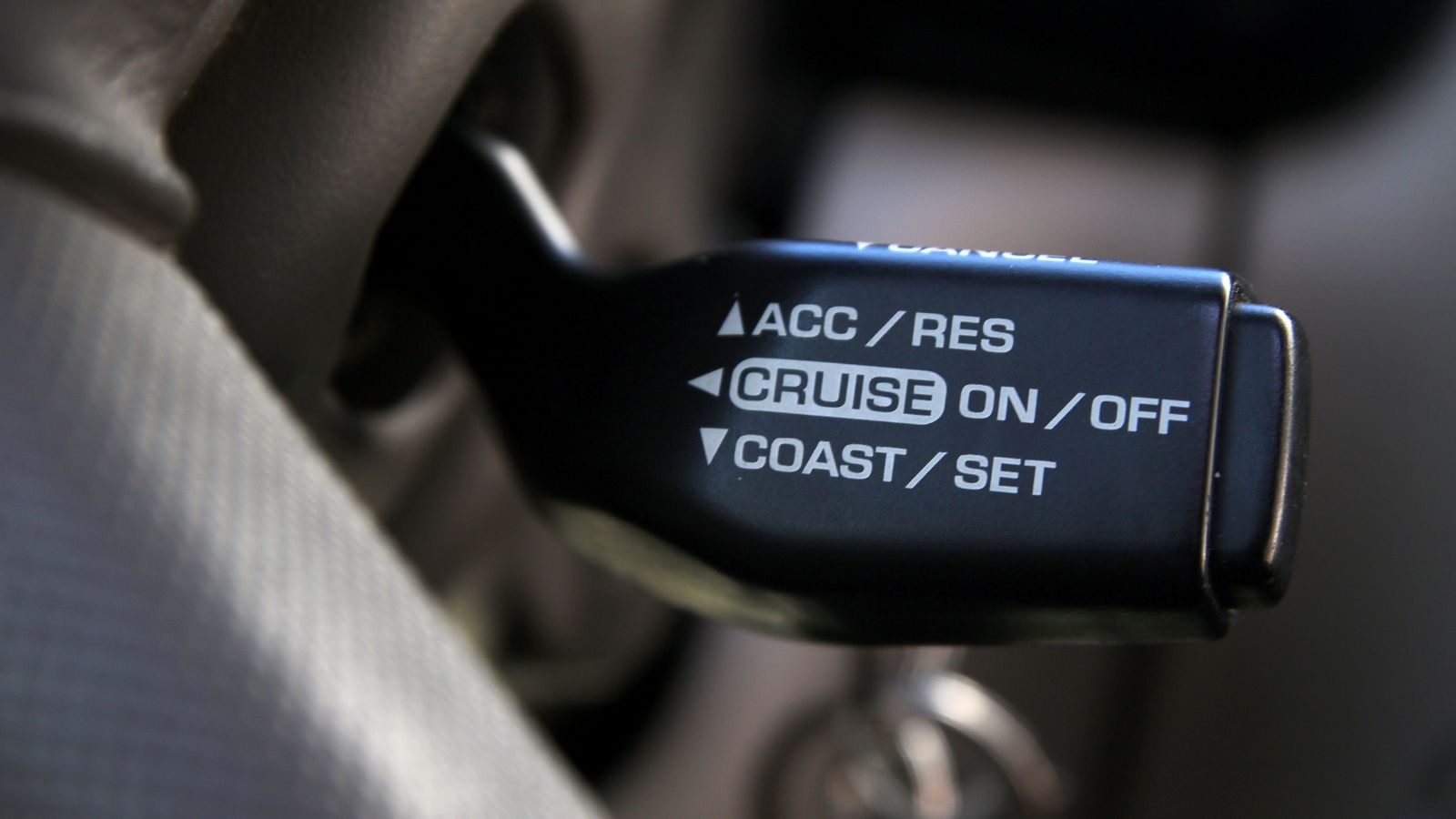
Many drivers complain that cruise control feels clumsy on hills. The reason is simple the car tries to maintain speed by downshifting aggressively. Instead of letting the engine surge, disable cruise control as you approach a long climb, then re engage once the road levels out. This prevents strain, keeps the ride smooth and avoids the awkward gear hunting that annoys passengers.
The Lane Hog Effect and How to Avoid It
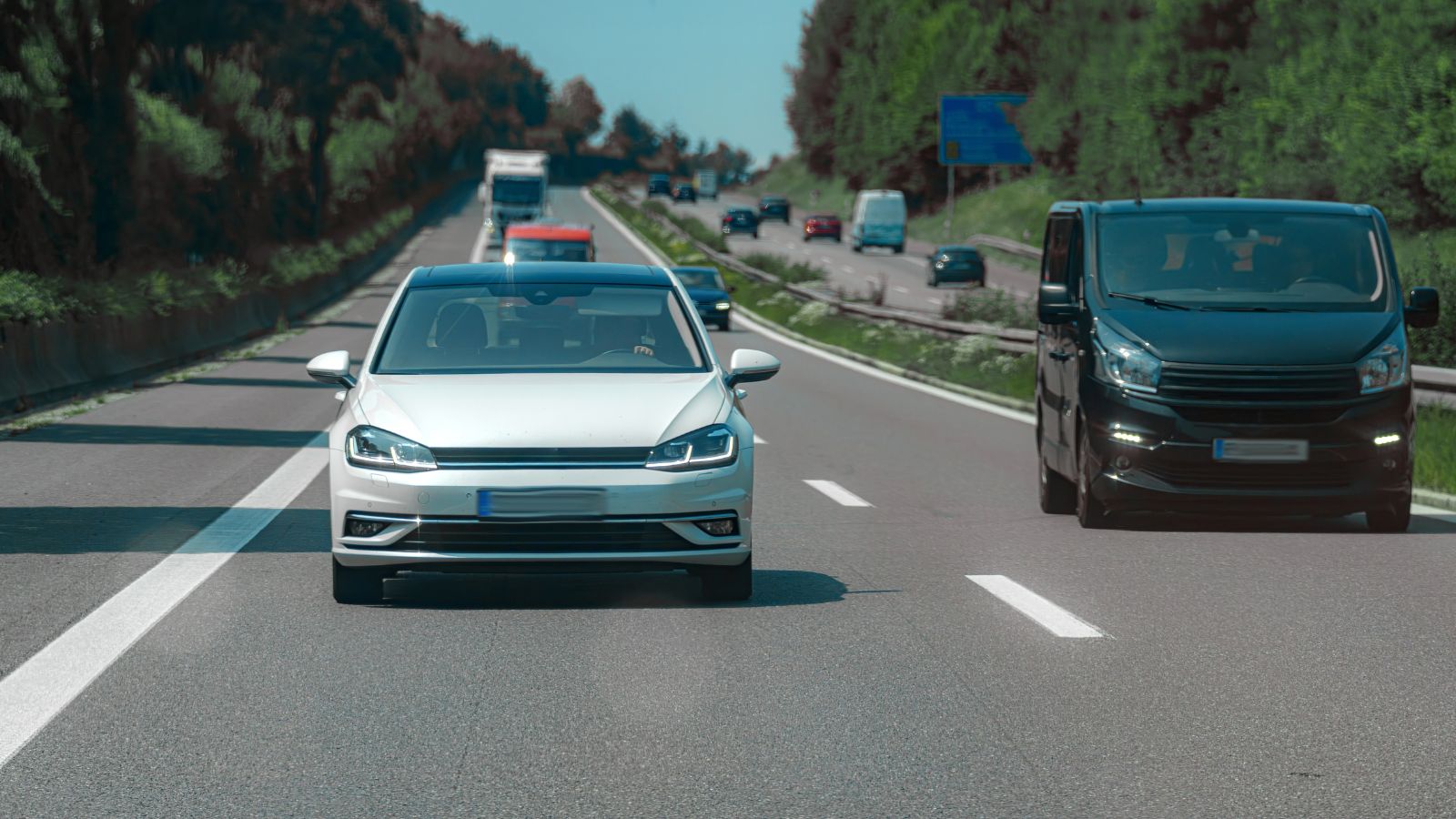
Some drivers set their cruise and forget they are slowing the flow in the passing lane. By locking themselves at a fixed speed, they unintentionally become rolling bottlenecks. The fix is easy stay out of the left lane unless you are actively passing. Cruise control should make you predictable, not stubbornly stuck at an inconvenient pace.
Using Cruise Control to Fight Fatigue
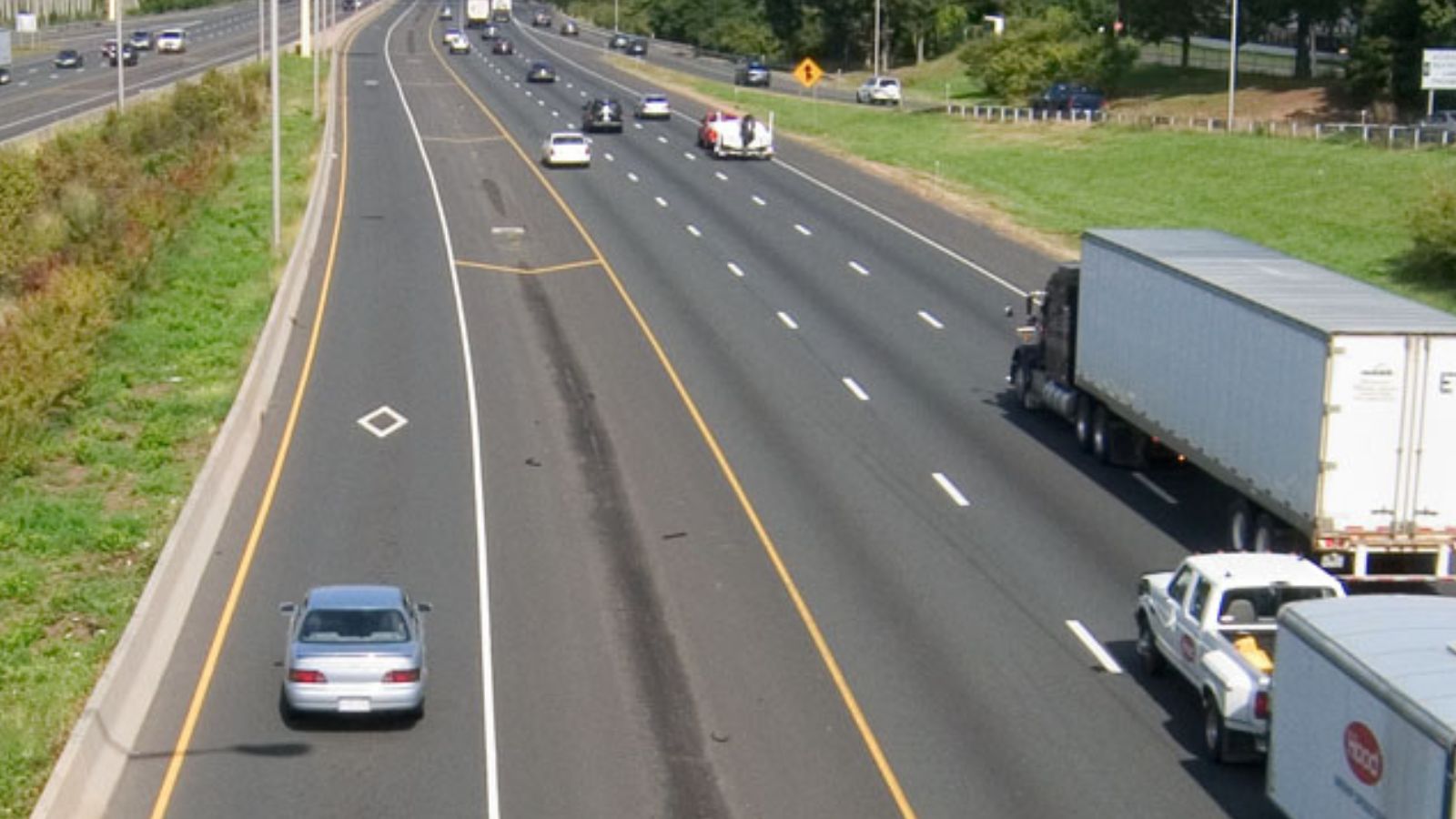
On a long highway trip, your right leg stiffens from constant pedal pressure. Over time, that strain contributes to fatigue. Cruise control frees your leg, loosens your posture and keeps you fresher for longer. It does not eliminate tiredness, but it delays that dull, creeping exhaustion that hits during hours of monotony. Combined with regular breaks, it makes long drives far more manageable.
Cruise Control Makes You a Smoother Driver
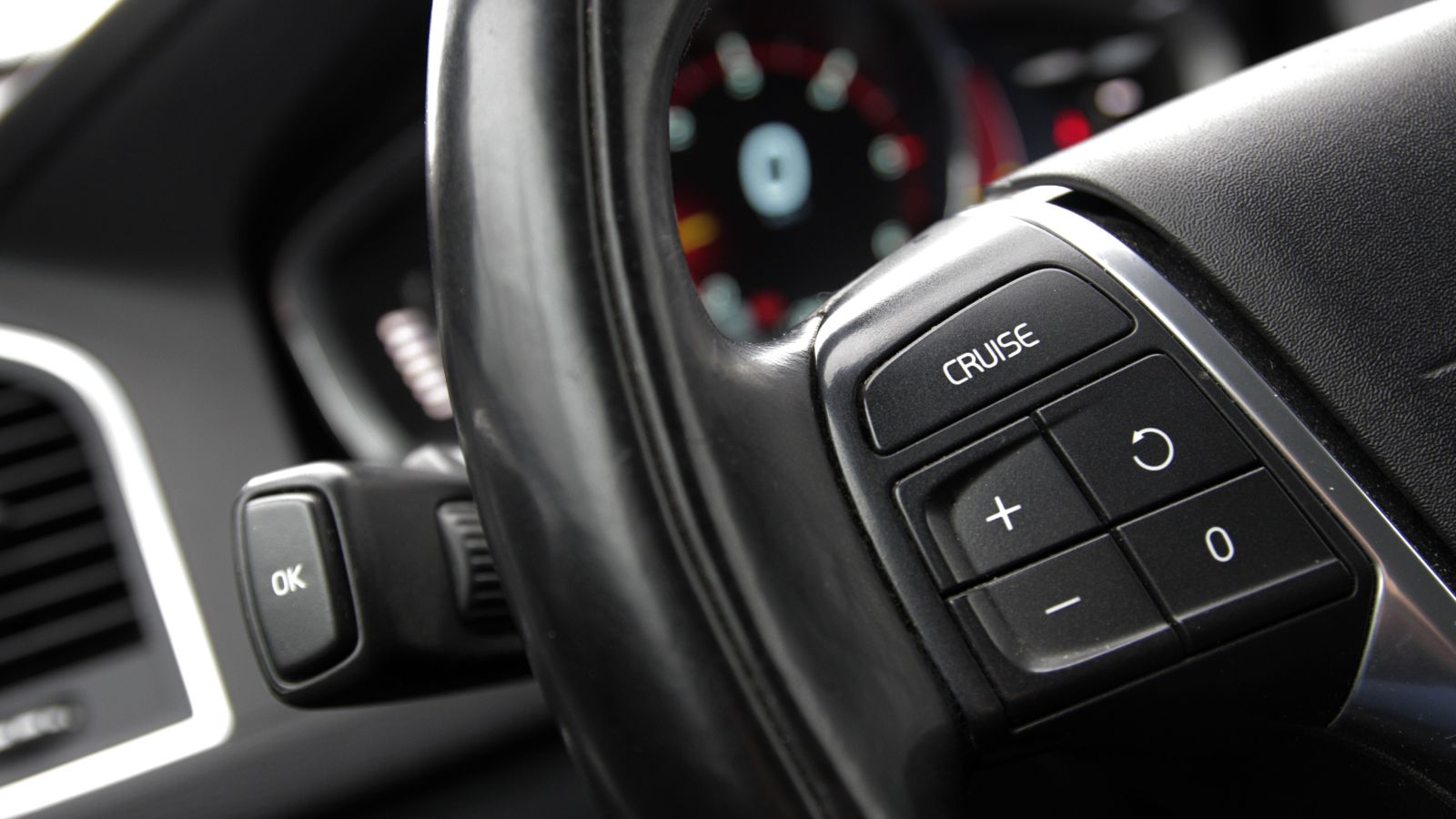
When used well, cruise control teaches you to maintain steady speed even when it is off. You become more aware of lapses in pace and more conscious of flow. It removes jerky acceleration habits and helps you anticipate traffic better. In short, the system trains you to be smoother, calmer and more consistent behind the wheel.
25 Facts About Car Loans That Most Drivers Don’t Realize

Car loans are one of the most common ways people fund car purchases. Like any other kind of loan, car loans can have certain features that can be regarded as an advantage or a disadvantage to the borrower. Understanding all essential facts about car loans and how they work to ensure that you get the best deal for your financial situation is essential. Here are 25 shocking facts about car loans that most drivers don’t realize:
25 Facts About Car Loans That Most Drivers Don’t Realize
