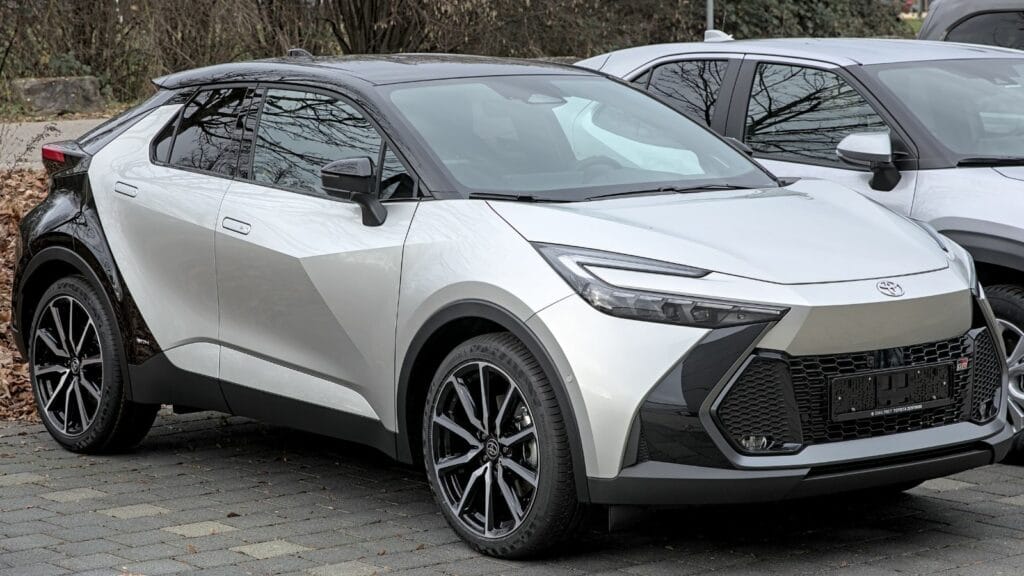
Tesla once felt like the default choice for anyone stepping into the electric future. It was bold, fast, tech heavy, and different from everything else on the road. But that honeymoon period is fading. A growing share of Tesla owners are walking away from electric cars entirely, not just switching brands. The reasons go beyond range anxiety or charging time and speak to deeper ownership realities that many did not expect.
The Brand No Longer Feels Neutral
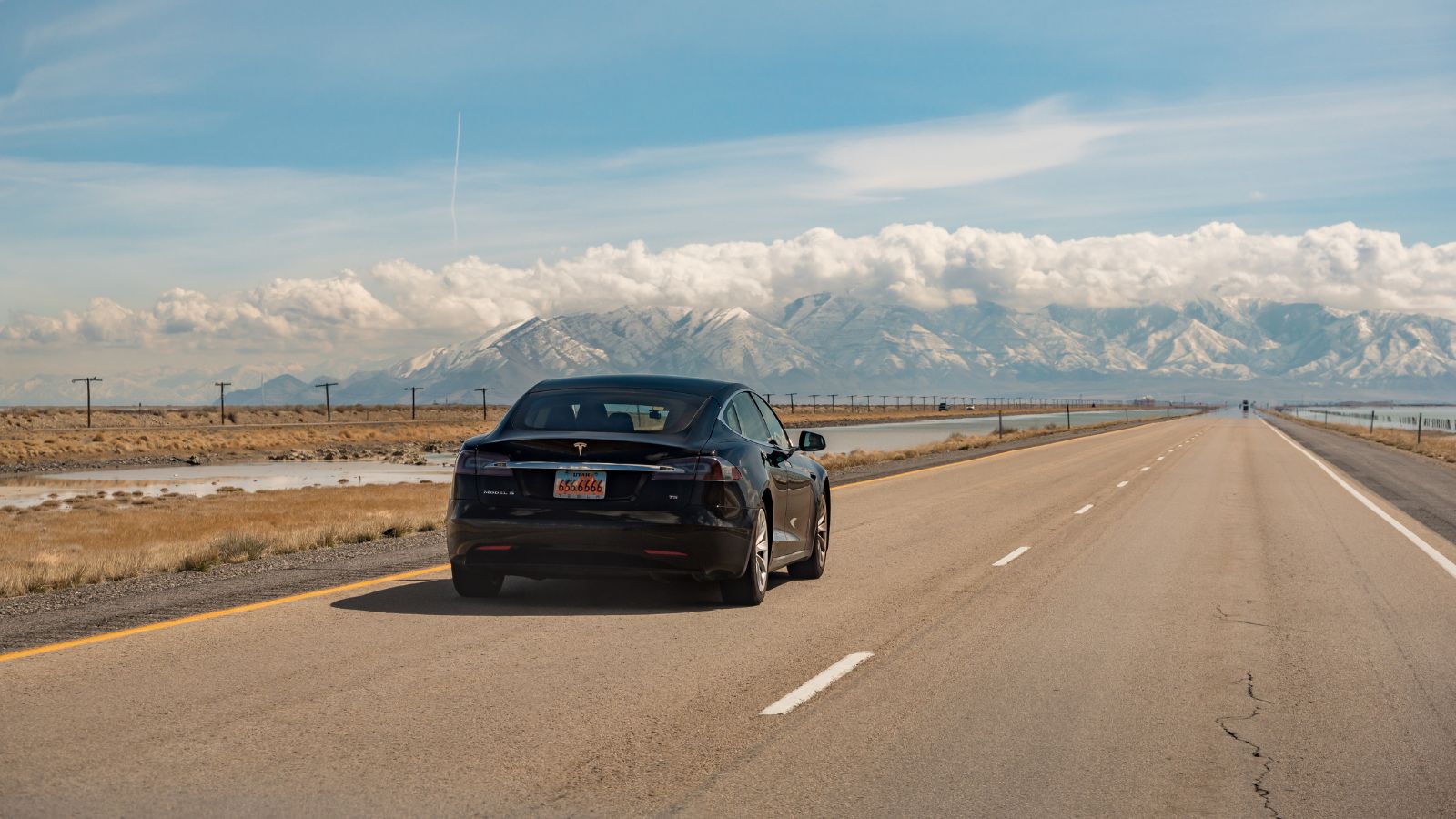
For years, owning a Tesla felt like owning a piece of forward thinking technology rather than a political or cultural statement. That has changed. Tesla’s public image is now tightly tied to its leadership, and that visibility has polarized opinion in a way most car brands never experience. Some owners admit they no longer feel comfortable with the attention the badge attracts. What once felt progressive now feels loaded, and for a portion of buyers, that discomfort outweighs the benefits of electric ownership.
Falling Resale Values Changed the Math

One of the biggest shocks for Tesla owners has been resale value. Frequent price cuts on new models have pushed down used prices, often overnight. Owners who expected strong residuals similar to luxury brands suddenly found their cars worth far less than anticipated. In real terms, this matters more than ideology. When a vehicle depreciates faster than planned, it directly affects trade in decisions, loan balances, and long term ownership satisfaction. For many, returning to a gas powered car feels financially safer.
EV Ownership Is Not Always Easier

Electric cars promise simplicity, but real world ownership can tell a different story. Charging logistics remain a friction point, especially for drivers without reliable home charging. Cold weather range loss continues to frustrate owners in northern regions, where winter conditions are unavoidable. Long distance travel still requires planning that gas drivers rarely think about. Over time, that mental overhead wears thin, and some owners simply want the convenience they gave up.
Build Quality and Repair Frustrations
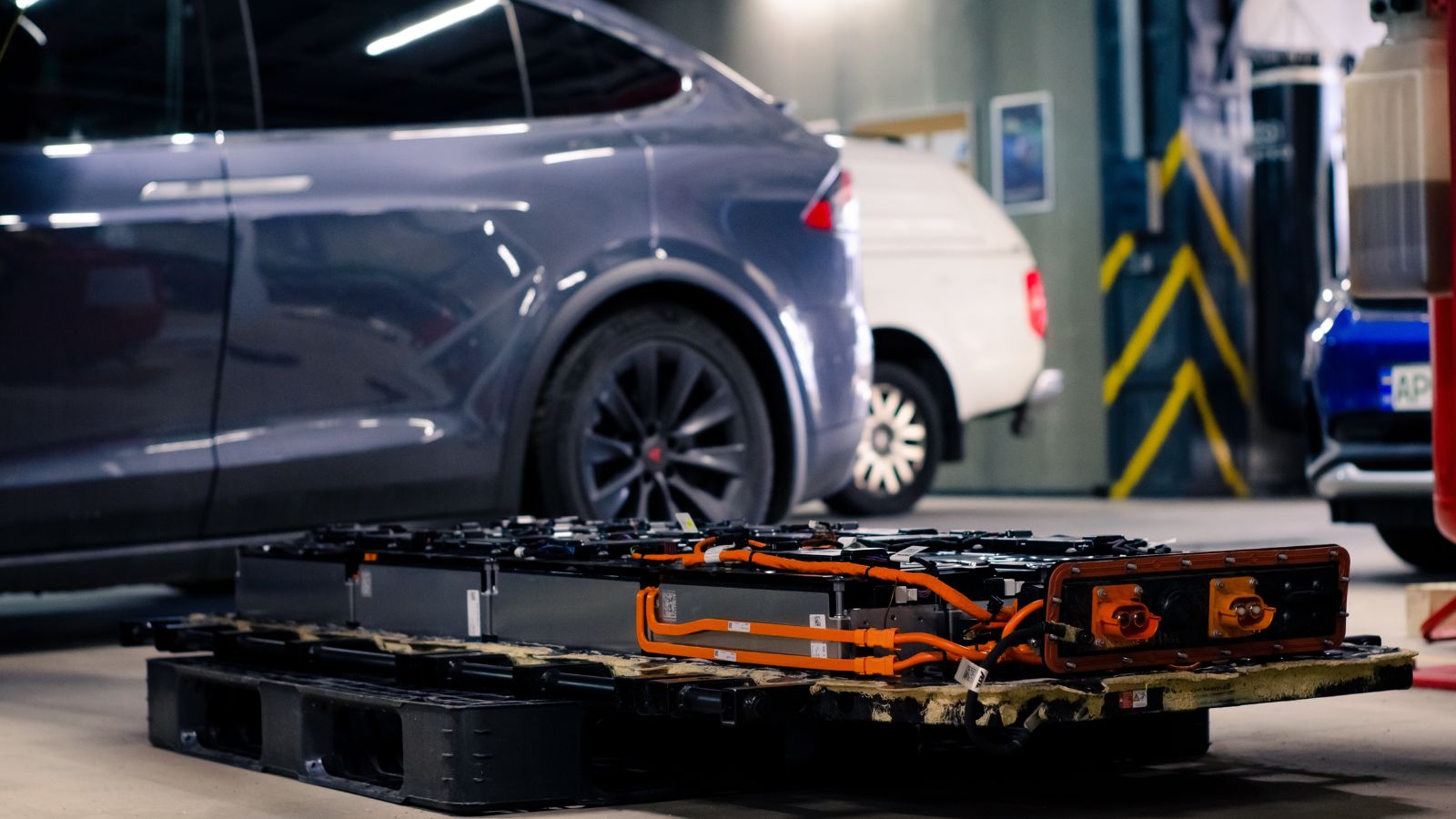
Tesla’s minimalist design and software first approach attracted early adopters, but it has also exposed weaknesses. Fit and finish complaints, inconsistent panel gaps, and interior wear have been common talking points among long term owners. Repairs can be expensive and slow depending on region, with limited service centers adding to the frustration. When something goes wrong, the experience often feels more like dealing with a tech company than a traditional automaker, and not everyone enjoys that tradeoff.
The Electric Novelty Has Worn Off
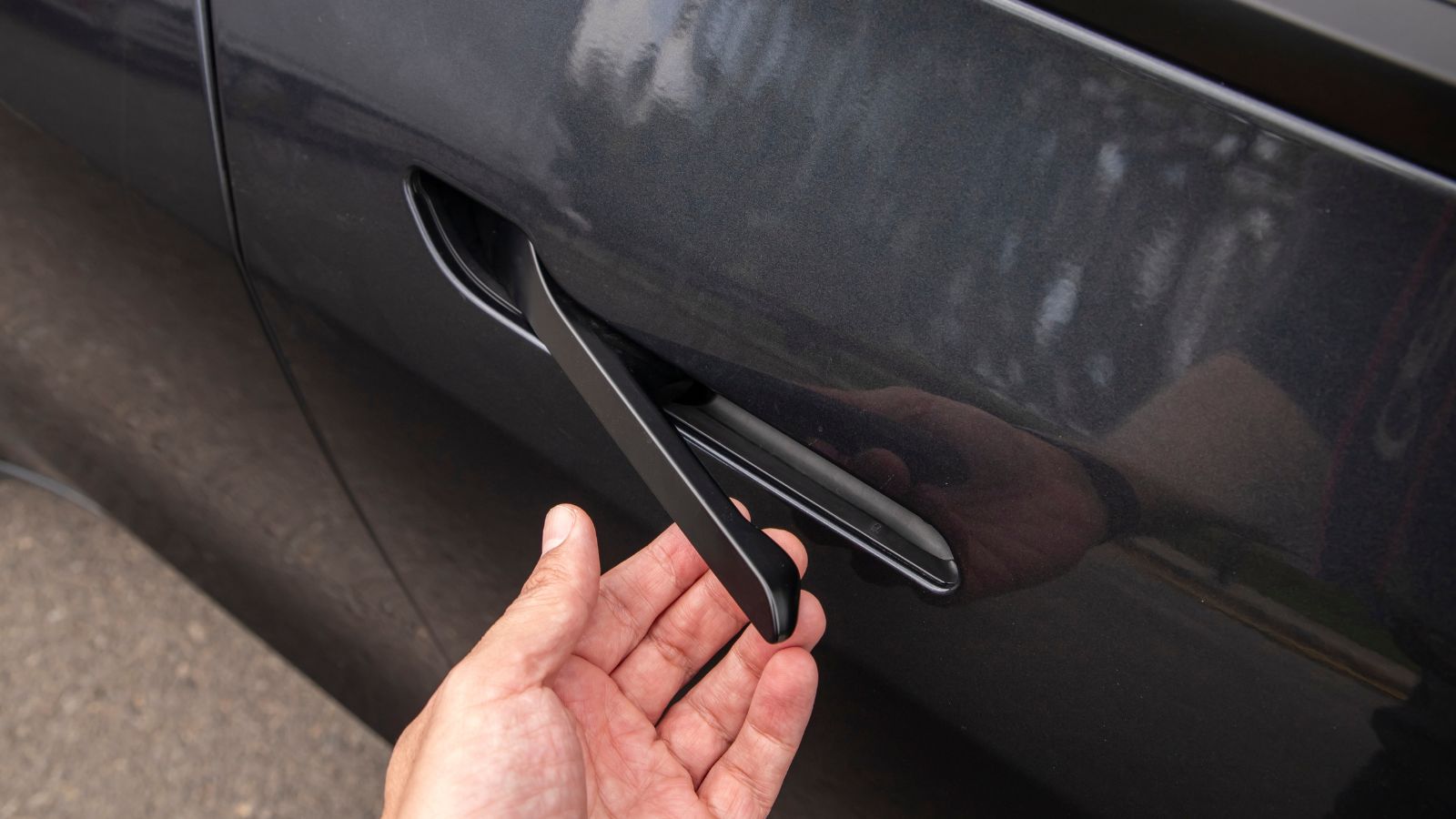
Early Tesla buyers were often enthusiasts, technologists, or environmental advocates. Today, many owners are simply drivers who wanted a good car. Once the novelty fades, expectations shift. Owners start judging their Tesla by the same standards as any other vehicle: comfort, reliability, value, and ease of ownership. When measured that way, some find the compromises harder to justify, especially when gas and hybrid alternatives have quietly improved.
Hybrids Are Pulling Buyers Back
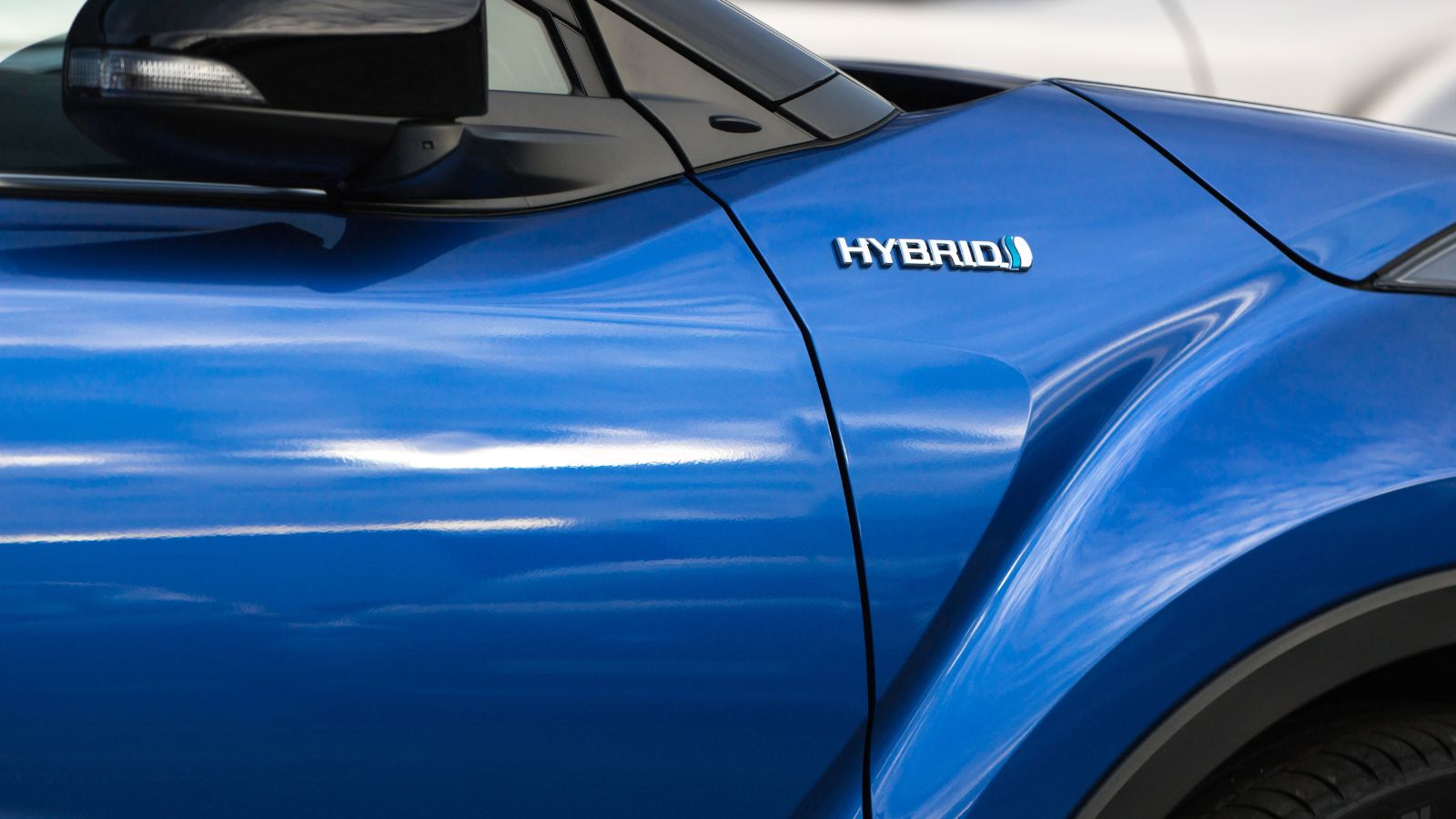
A surprising number of former Tesla owners are not abandoning electrification entirely, but they are stepping back from full EVs. Hybrids and plug in hybrids offer electric driving for daily use without forcing lifestyle changes. You get instant torque and efficiency without planning charging stops or worrying about winter range. For many, this feels like a more balanced solution, especially in Canada and colder US states where EV limitations are most visible.
Charging Fatigue Is Real

Even with a strong fast charging network, public charging can still be unreliable, crowded, or slow at peak times. Broken chargers, blocked stalls, and inconsistent pricing add friction to what should be a simple task. Owners who initially enjoyed the ritual of charging often grow tired of it after a few years. Gas stations may be old fashioned, but they are predictable, fast, and everywhere.
Competition Changed Expectations
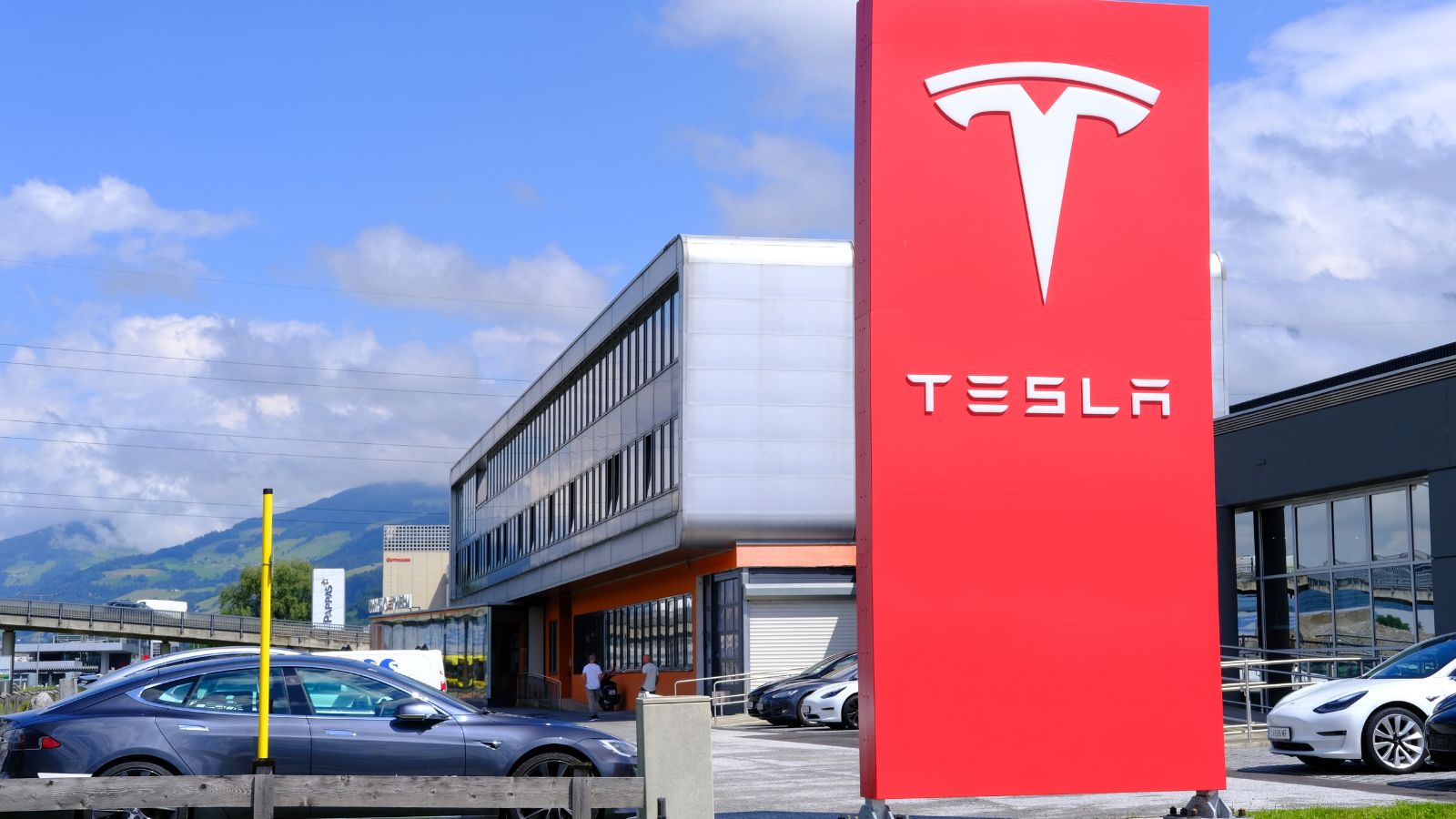
Tesla no longer operates in a vacuum. Other automakers have caught up in ride quality, interior refinement, and driver assistance systems. Some offer quieter cabins, better materials, and more familiar ownership experiences. When former Tesla owners sample modern gas cars or hybrids, the gap they once accepted feels harder to ignore. Switching back no longer feels like a step backward.
It Is Not Anti EV, It Is Pro Practical
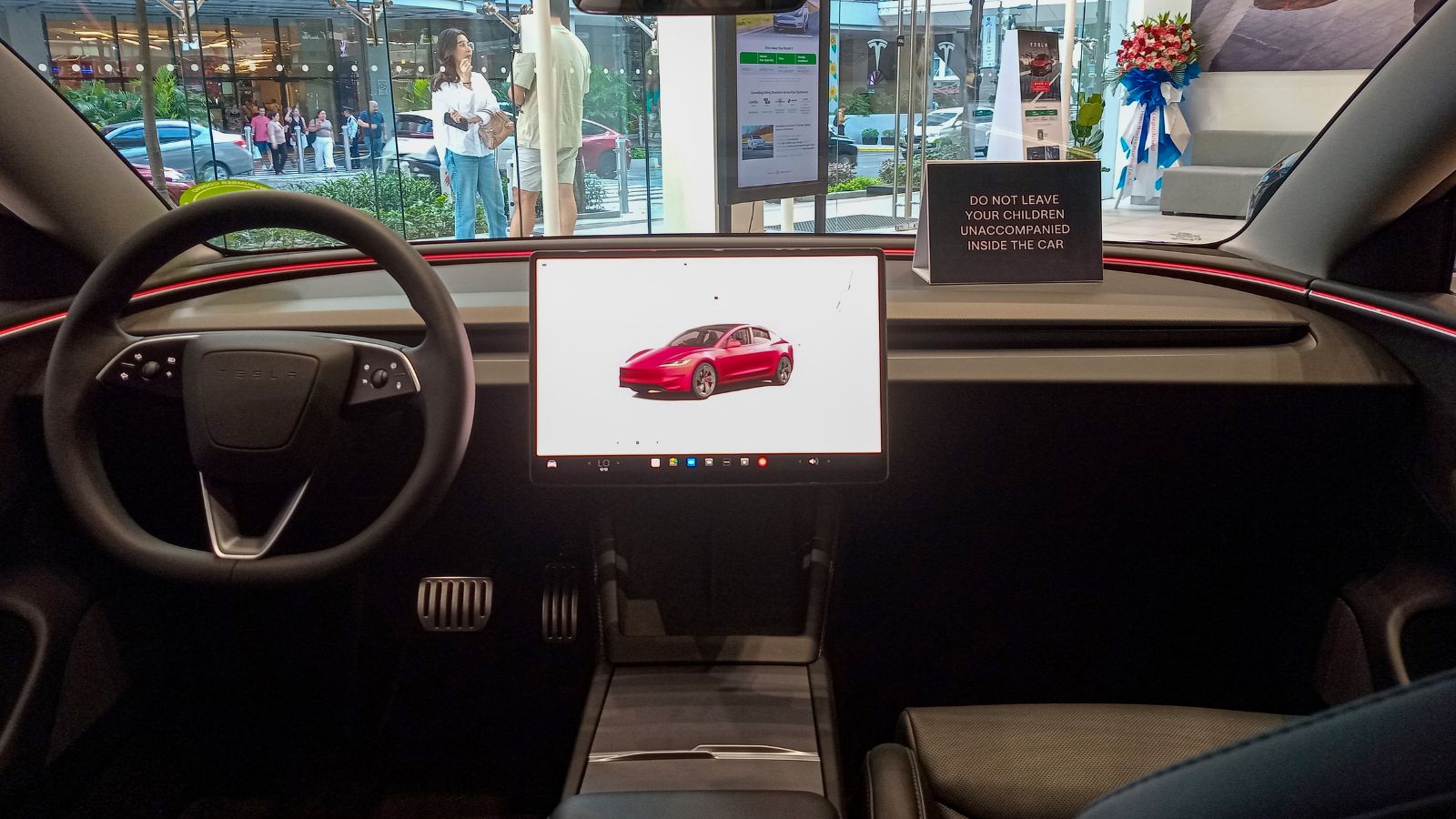
Most owners leaving Tesla are not rejecting electric vehicles out of fear or denial. They are reacting to lived experience. Depreciation, inconvenience, brand fatigue, and unmet expectations have reshaped their priorities. For some, that means choosing a different EV brand. For others, it means going back to gasoline or hybrid power without apology.
Tesla Changed the Market, But Owners Have Changed Too
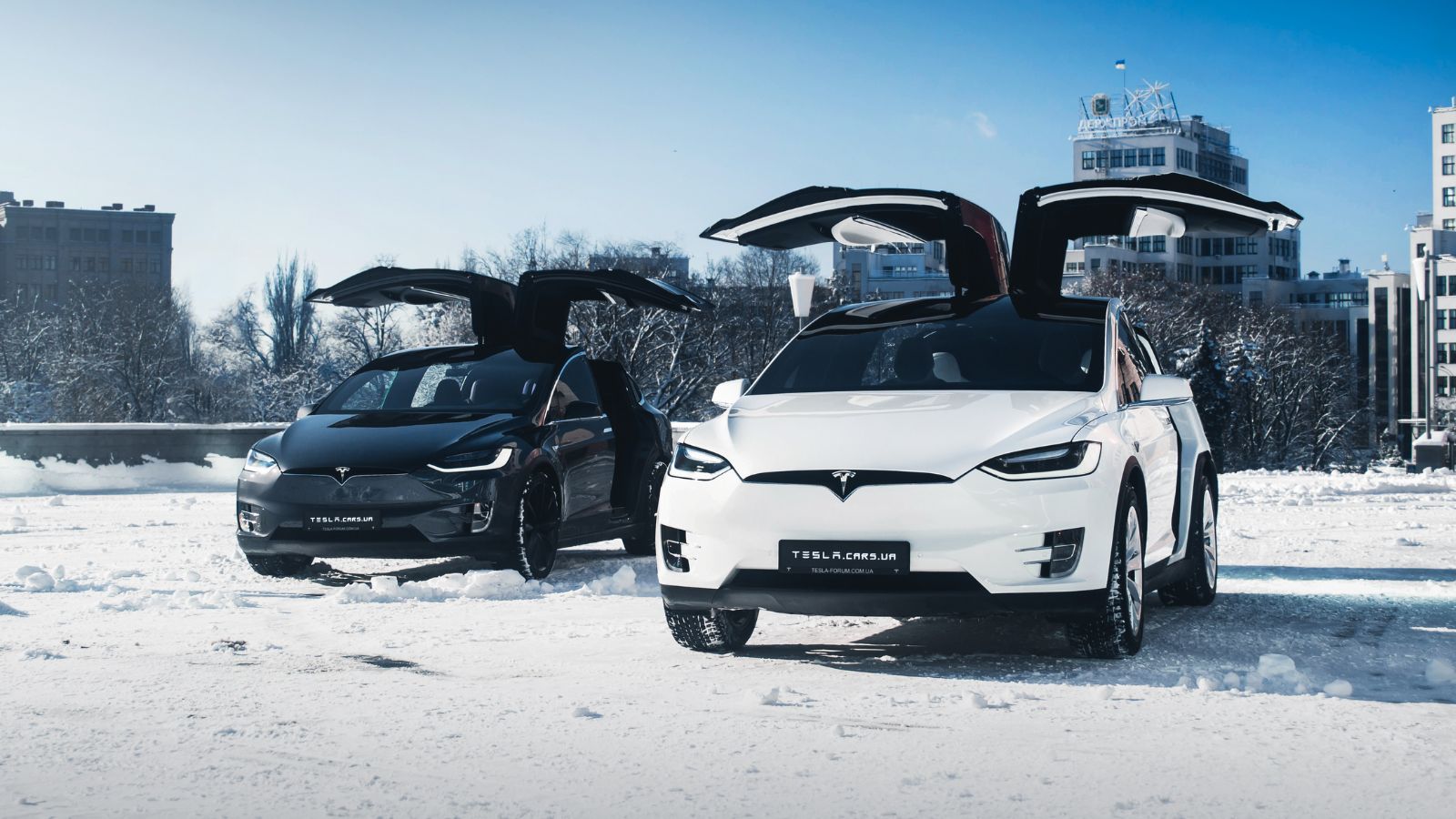
Tesla deserves credit for forcing the industry forward. But the market it created is now more mature, more critical, and less forgiving. As ownership moves from excitement to evaluation, some drivers are deciding that electric cars, at least for now, do not fit their lives as well as promised. That shift explains why such a large percentage of Tesla owners are choosing a different road the second time around.
25 Facts About Car Loans That Most Drivers Don’t Realize

Car loans are one of the most common ways people fund car purchases. Like any other kind of loan, car loans can have certain features that can be regarded as an advantage or a disadvantage to the borrower. Understanding all essential facts about car loans and how they work to ensure that you get the best deal for your financial situation is essential. Here are 25 shocking facts about car loans that most drivers don’t realize:
25 Facts About Car Loans That Most Drivers Don’t Realize
