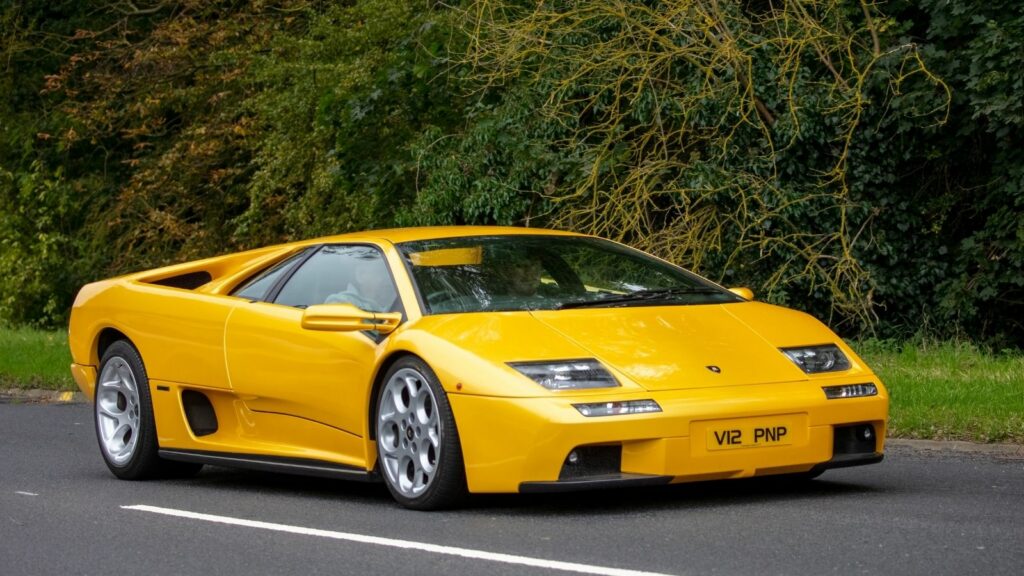
Canada has always enforced strict safety, emissions and import rules, which makes it impressive that some of the wildest performance machines in history ever made it onto public roads. These cars were so extreme in design, engineering or raw speed that they only just squeezed through regulatory hoops. Some arrived in tiny numbers. Others required special approvals. A few were sold only after manufacturers made last minute compromises. These ten sports and hypercars represent the absolute edge of what Canada would legally tolerate.
Lamborghini Diablo SV A V12 Monster Pushed to the Limit
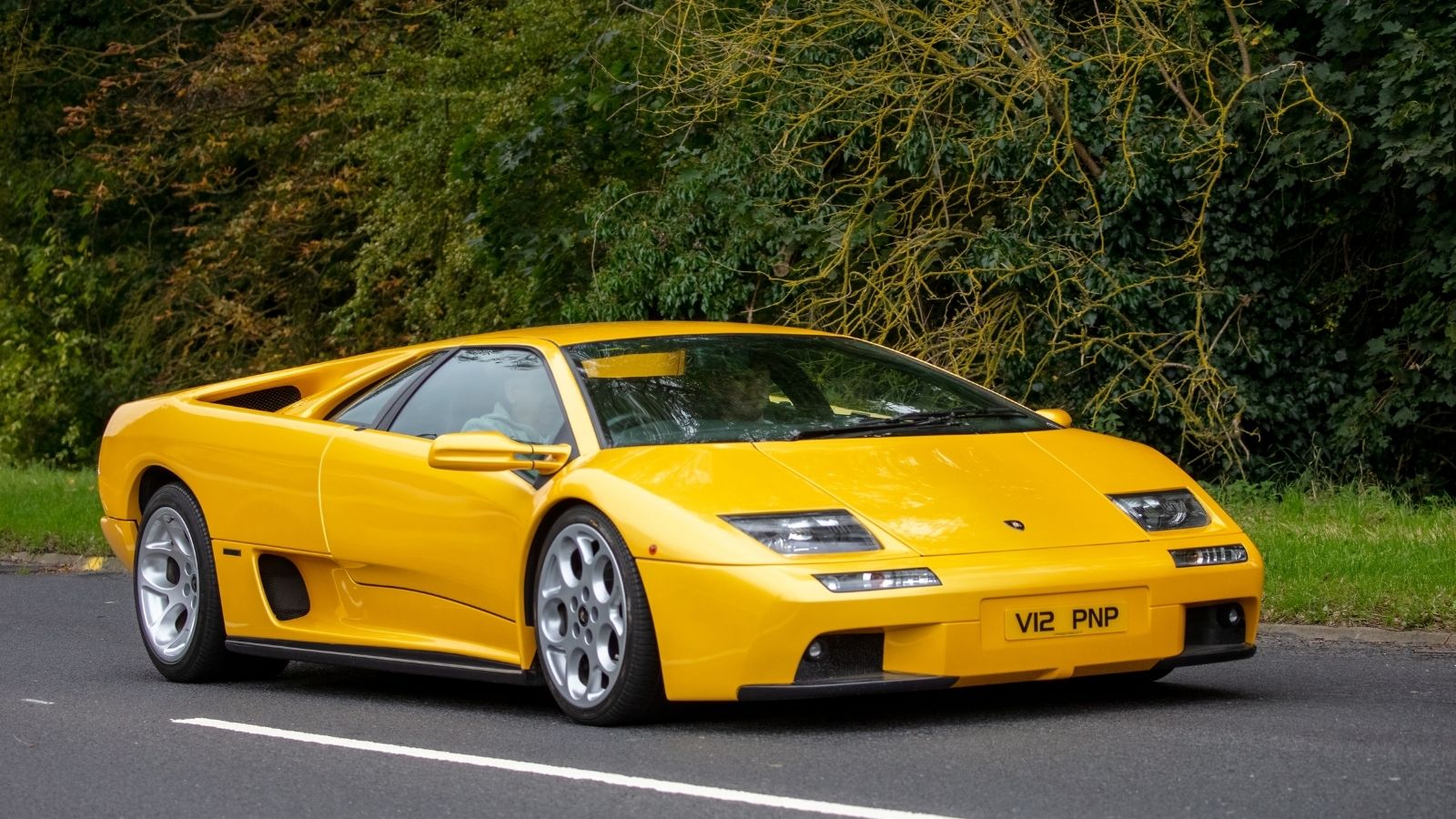
The Diablo SV arrived in the late nineties with a thunderous V12 that produced power levels Canadian regulators had never seen in a road car. Its height, lighting and bumper compliance barely passed approval and only after Lamborghini made subtle adjustments. Even then, the car felt like it belonged on a runway rather than a suburban street. With explosive acceleration and almost no electronic aids, the SV tiptoed along the edge of legality.
Porsche Carrera GT Too Fast, Too Raw, Almost Too Much

The Porsche Carrera GT entered Canada only because Porsche agreed to meet specific emissions standards for the North American market. Its carbon chassis, race bred V10 and minimal stability control made it an outlier in a safety focused era. Many believed it should have been track only. Instead, Canadians could buy one of the most demanding supercars ever built. It remains one of the purest but least forgiving road legal cars to touch Canadian soil.
Dodge Viper GTS A Legal Road Car With Barely Any Filters
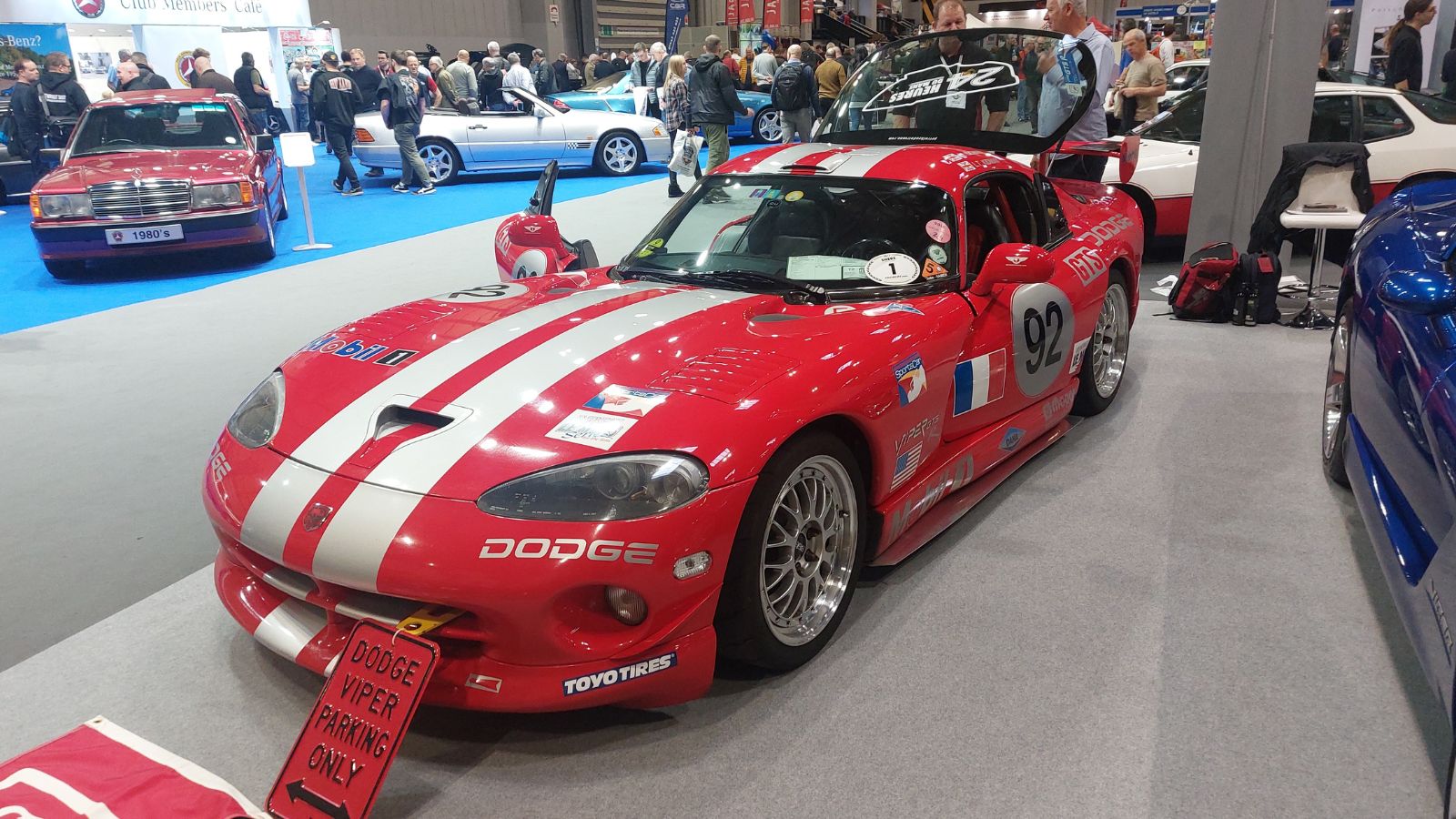
The Viper GTS was approved because it technically met the numbers, but it behaved nothing like a typical road legal vehicle. With no traction control, a massive V10 and a chassis that demanded respect, it felt barely domesticated. Canadian safety officials raised eyebrows at its lack of electronic protection, but Dodge had met every required regulation. The result was a car that roamed public roads with race car attitude.
McLaren F1 A Unicorn That Tiptoed Through Import Rules
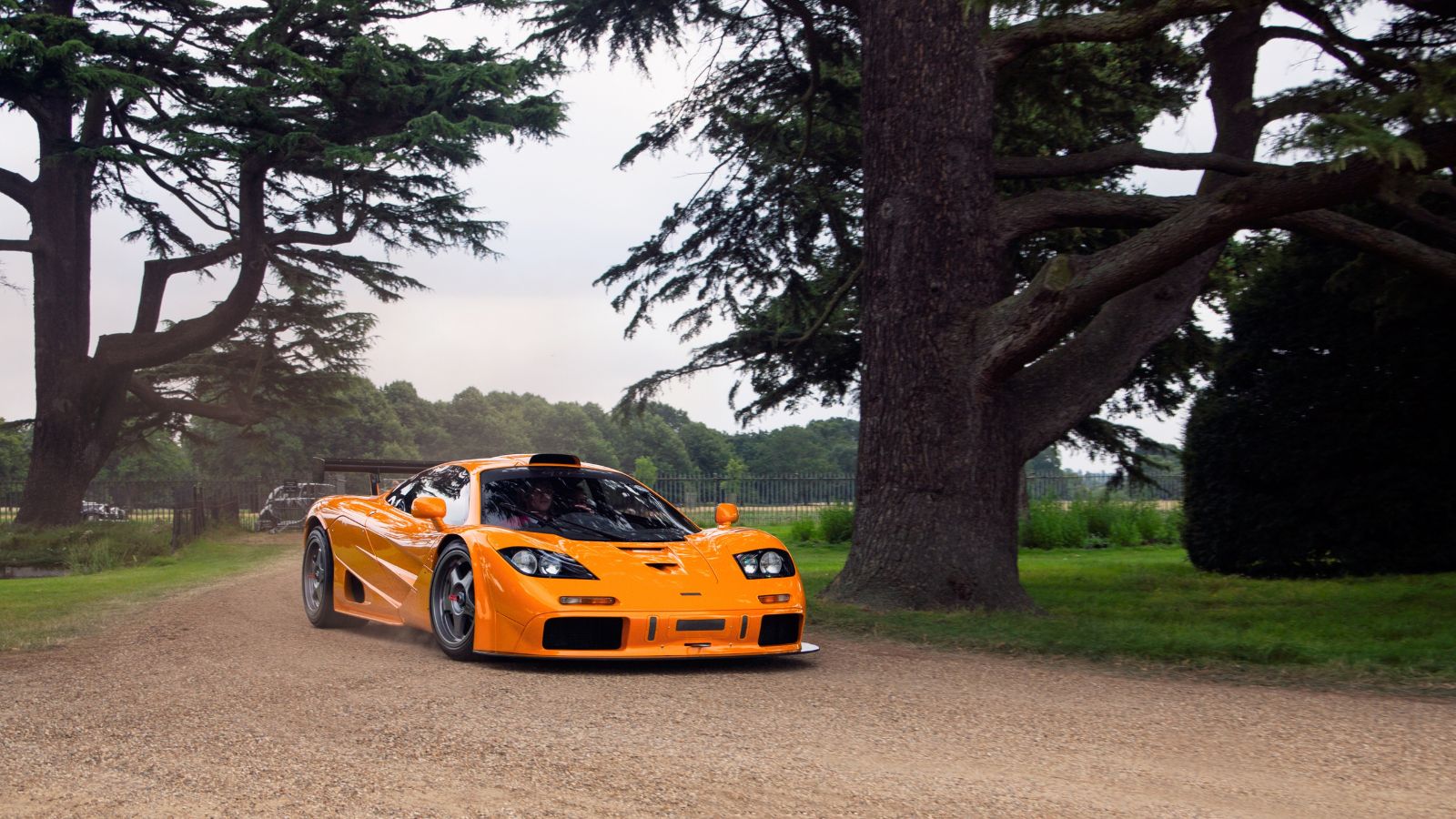
The McLaren F1’s Canadian presence happened mostly through individual approvals and grey import pathways once cars became old enough for qualification. Even in its day, it stunned regulators. With central seating, unconventional lighting and unprecedented top speed, the F1 forced Transport Canada to review exemptions case by case. It was legal, but just barely. For years, owning one here was an exercise in paperwork and patience.
Ferrari F40 Early Examples Struggled with Regulations
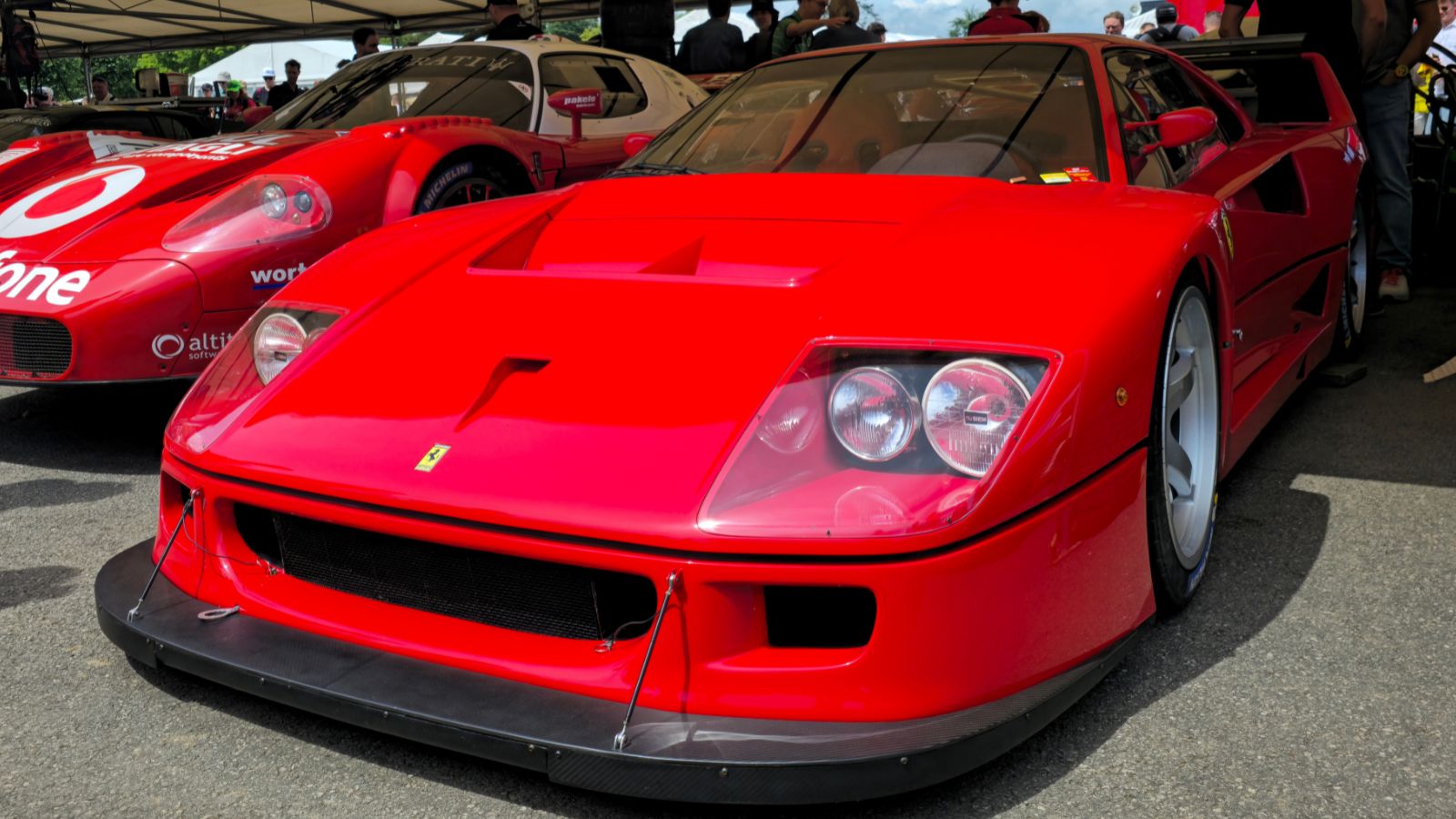
Ferrari’s F40 arrived at the cusp of tightening North American emissions standards. To get the car into Canada, Ferrari had to detune exhaust systems and adjust certain safety requirements. Some early cars required additional compliance work after landing. Even with modifications, the car was a barely contained animal. Twin turbos, minimal insulation and race inspired suspension made it feel completely out of place sitting at a red light in downtown Toronto.
Nissan GT R R34 Only Legal Once It Turned Old Enough

The R34 GT R never officially came to Canada when new because it could not meet federal crash standards and emissions requirements. The only reason Canadians can legally own one today is because the country’s fifteen year rule finally opened the door. Before that, it was forbidden fruit. Even now, it is one of the most extreme street legal cars available, with performance that embarrasses many modern machines.
Pagani Zonda C12 S A Rare Exemption for a Road Going Work of Art

Pagani never officially sold the Zonda in Canada, but a handful arrived through one off approvals that treated them as individually exempt vehicles. The Zonda’s unconventional headlights, height regulations and emissions challenges meant it simply did not fit standard rules. Yet because of its rarity and engineering sophistication, Transport Canada allowed a few to register. Each one felt like a hypercar that snuck past the bouncers.
Ford GT First Generation A Supercar That Pushed Crash Rules
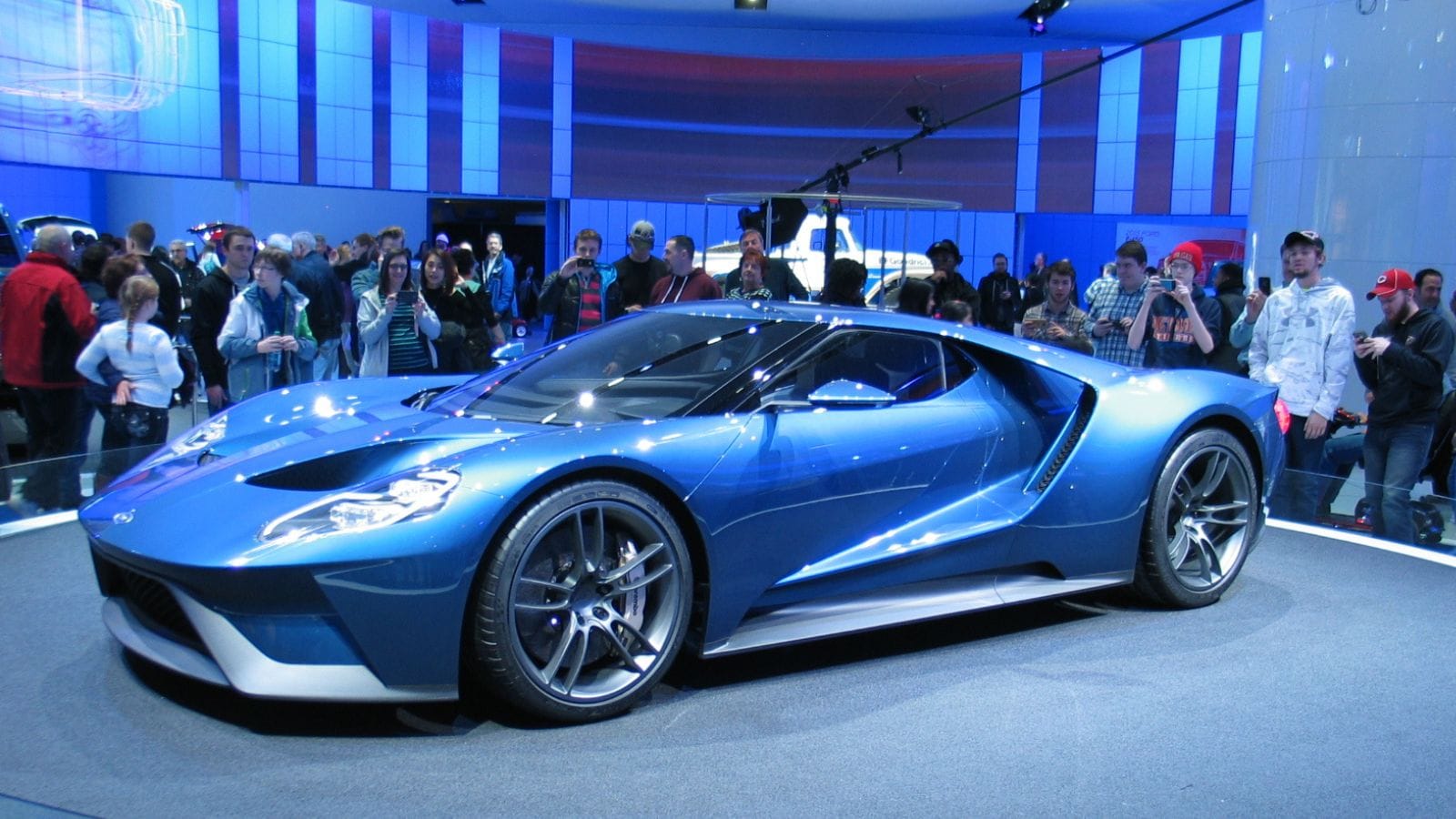
The mid 2000s Ford GT faced tight scrutiny due to bumper height and structure regulations. Ford engineered clever reinforcement to pass Canadian compliance without altering the car’s beautiful proportions too much. The result was a road legal monster that felt like a Le Mans refugee. The GT pushed boundaries on noise levels, exhaust routing and lighting placement to enter showrooms legally.
Bugatti Veyron A Hypercar That Redefined Legal Limits
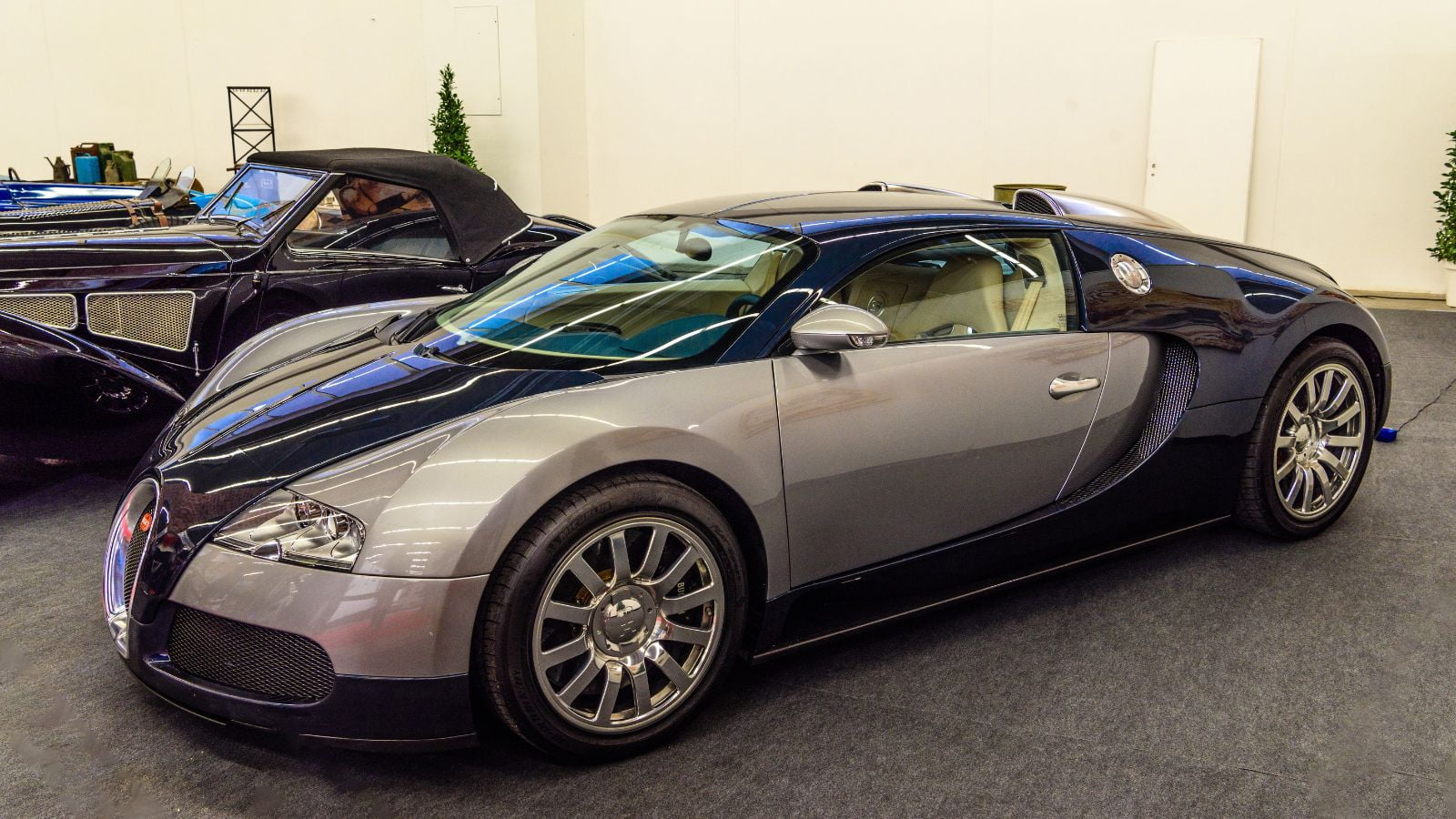
The Veyron’s top speed, cooling requirements and braking performance were far beyond anything Transport Canada had tested before. Its massive engine and quad turbo layout required emissions work to satisfy federal guidelines. Even after approval, the car remained an engineering anomaly. The fact that something capable of surpassing four hundred kilometres per hour could wear a Canadian plate still amazes enthusiasts today.
KTM X Bow A Track Car That Barely Qualified
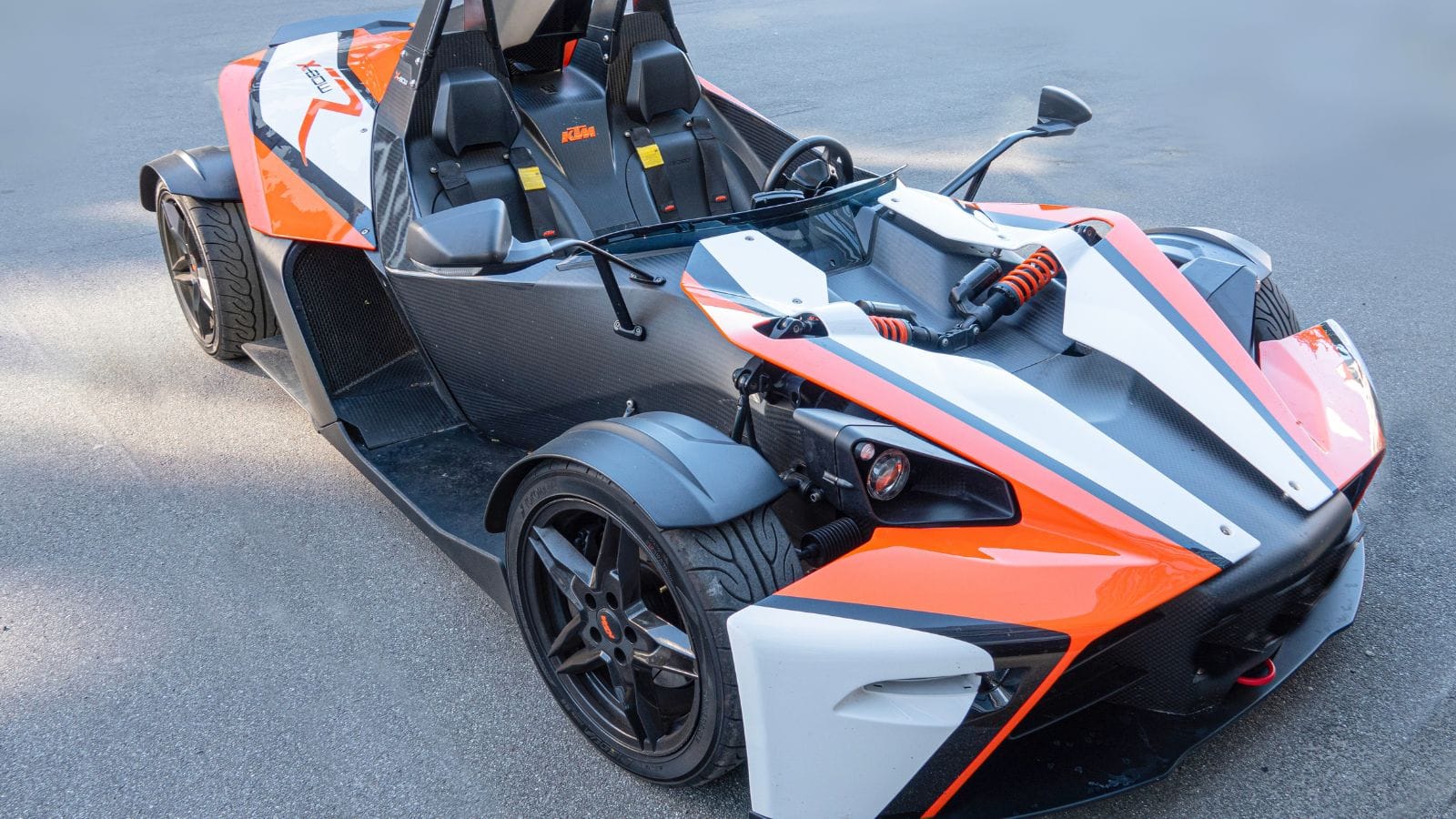
The KTM X Bow entered Canada through a limited approval path normally used for specialty vehicles. With its open cockpit, exposed chassis and minimalist safety equipment, it resembled a track toy more than a street car. It met just enough criteria to be classified as road legal in certain provinces, but only after buyers agreed to restrictions. Seeing one in traffic feels like spotting a Formula car rolling through a school zone.
25 Facts About Car Loans That Most Drivers Don’t Realize

Car loans are one of the most common ways people fund car purchases. Like any other kind of loan, car loans can have certain features that can be regarded as an advantage or a disadvantage to the borrower. Understanding all essential facts about car loans and how they work to ensure that you get the best deal for your financial situation is essential. Here are 25 shocking facts about car loans that most drivers don’t realize:
25 Facts About Car Loans That Most Drivers Don’t Realize
