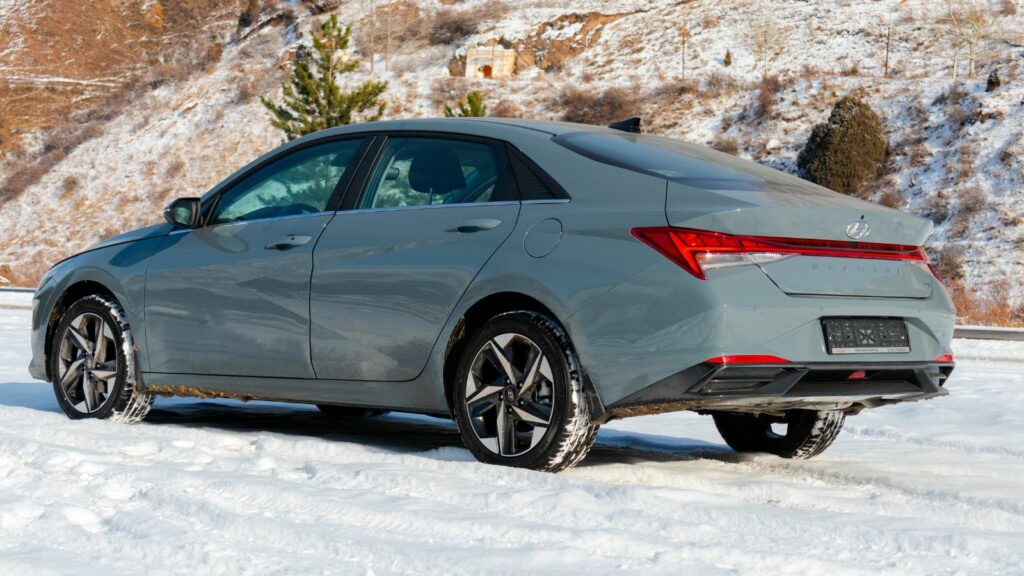
Hybrid cars have earned their reputation for fuel savings and long term durability, but many owners privately admit the experience is not always as flawless as the brochures promise. Some quirks are harmless, others slightly annoying and a few can become expensive surprises. Most drivers stay quiet because hybrids have such a positive public image, but the reality is more complicated. This expanded look highlights the ten issues hybrid owners rarely discuss but often experience.
Battery Packs Lose Strength Over Time
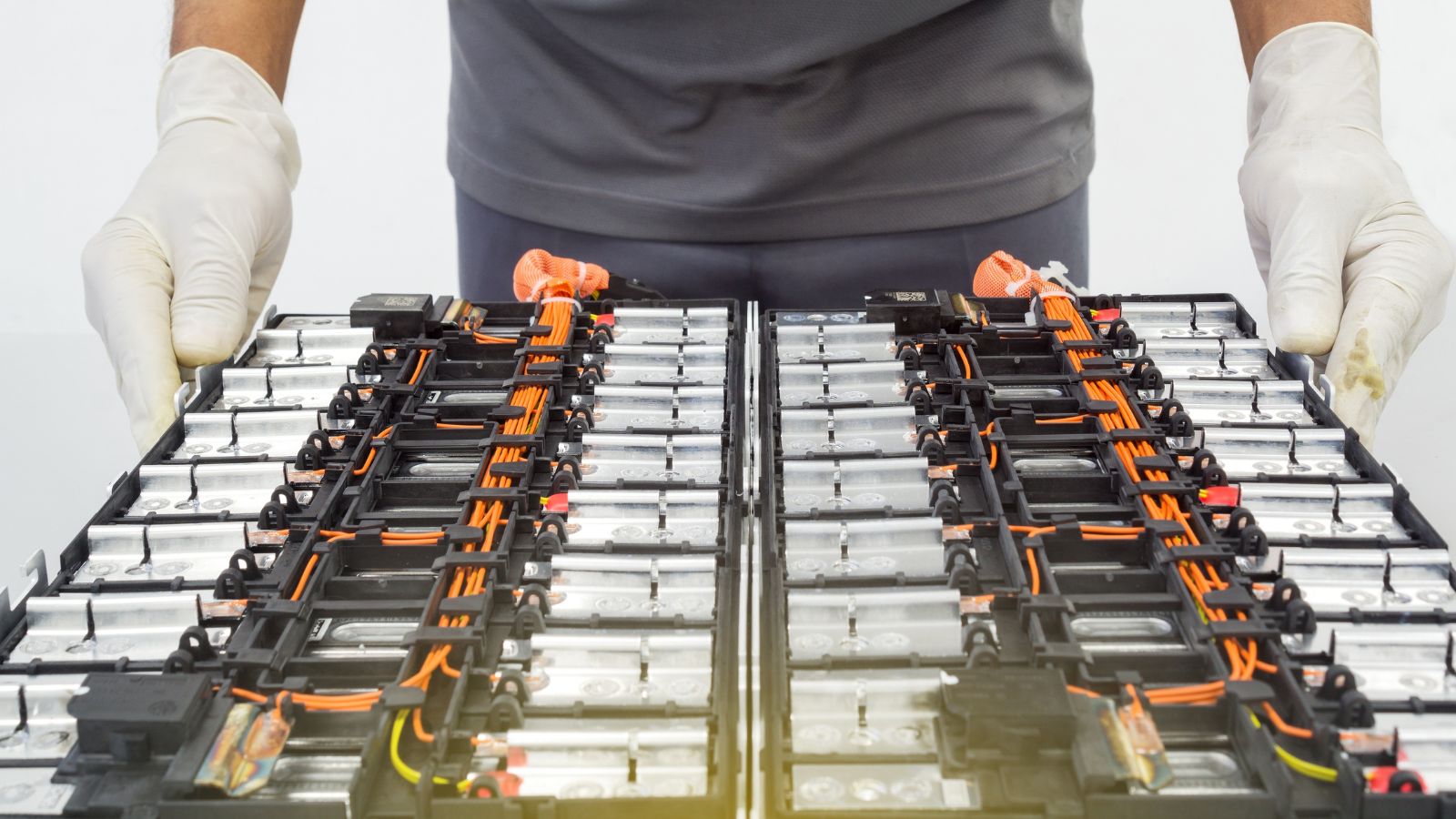
Hybrid batteries are designed to last the life of the vehicle, but age eventually slows them down. Reduced capacity means the electric motor does not assist the gas engine as strongly, and the car relies on fuel more often. The once crisp transitions between electric and gas modes become less frequent, and overall efficiency drops. Replacement batteries are cheaper than they were a decade ago, but still expensive enough that owners avoid the topic during resale conversations. Battery degradation does not kill the car, but it quietly reduces its appeal over time.
Winter Weather Can Crush Fuel Economy
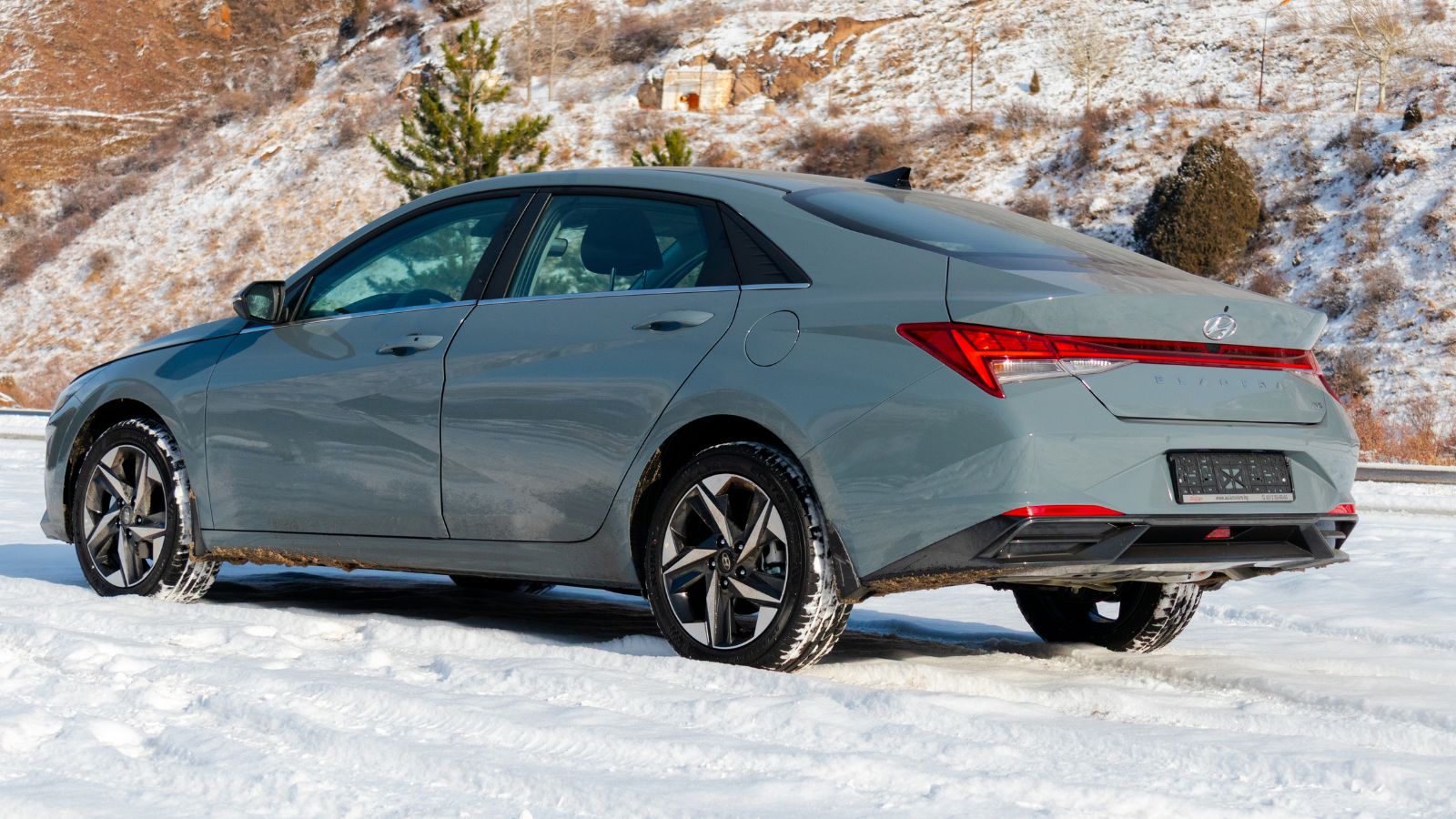
Cold Canadian winters expose one of the hybrid’s biggest weaknesses. Batteries operate best when warm, but winter temperatures force the system to protect itself by relying heavily on the gas engine. Regenerative braking becomes less effective because cold batteries cannot accept energy as easily. Cabin heating also draws energy from the system, further reducing efficiency. Even the most economical hybrids can see winter fuel economy fall by twenty to forty percent. Owners often resort to pre heating, garage parking or careful driving, but the cold still wins.
The Engines Sound and Feel Strange at Times
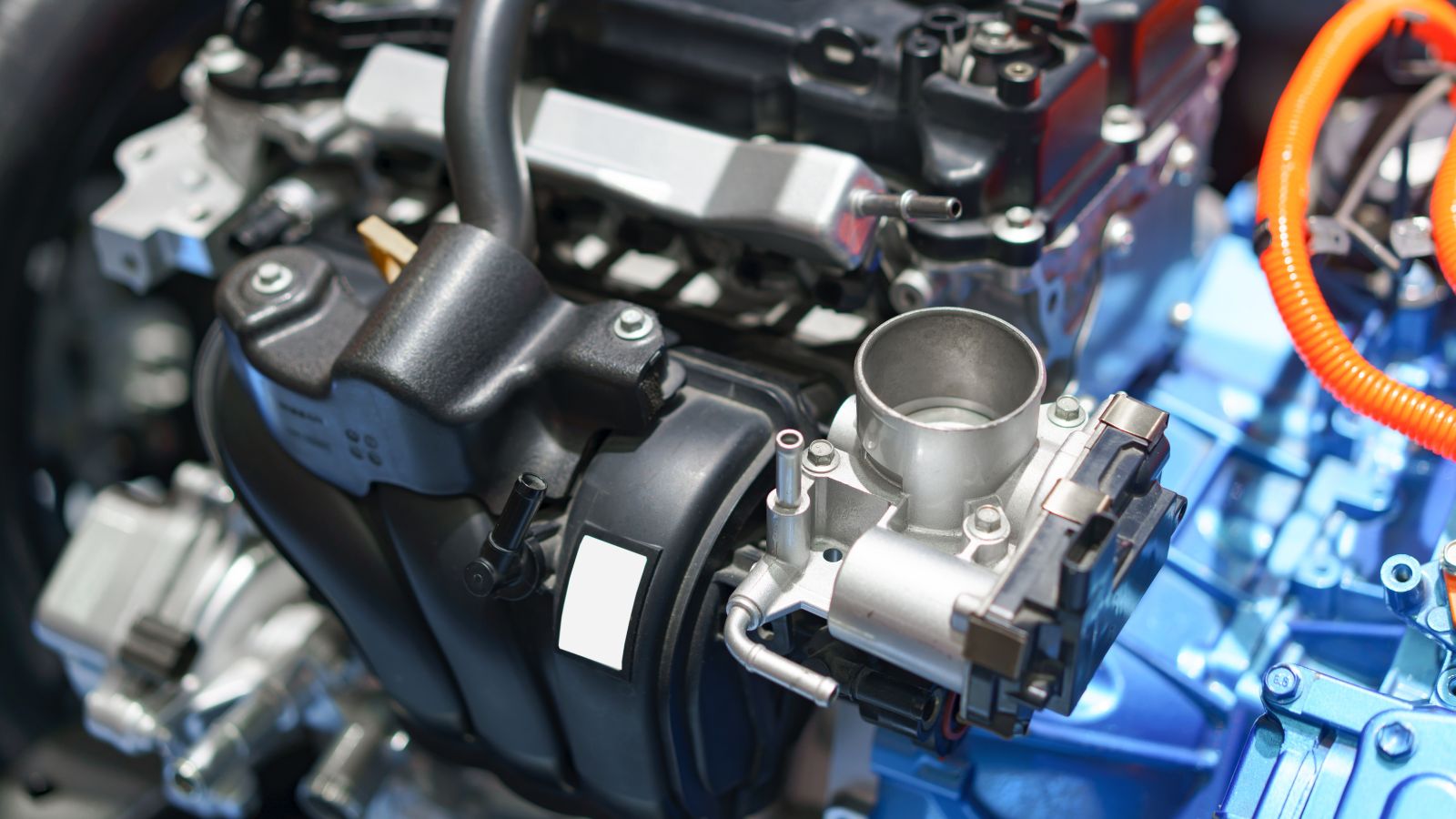
Hybrid powertrains behave differently from traditional engines, and the sounds they make can feel unnatural. The gas engine may rev unexpectedly as the system charges the battery or meets sudden power demands. CVT transmissions can hold the engine at odd RPMs that feel disconnected from pedal input. This creates a droning sound that some drivers never get used to. While normal, the behaviour feels mechanical and unpredictable compared to a conventional drivetrain, and owners often avoid admitting the engine noise bothers them.
Acceleration Can Feel Hesitant
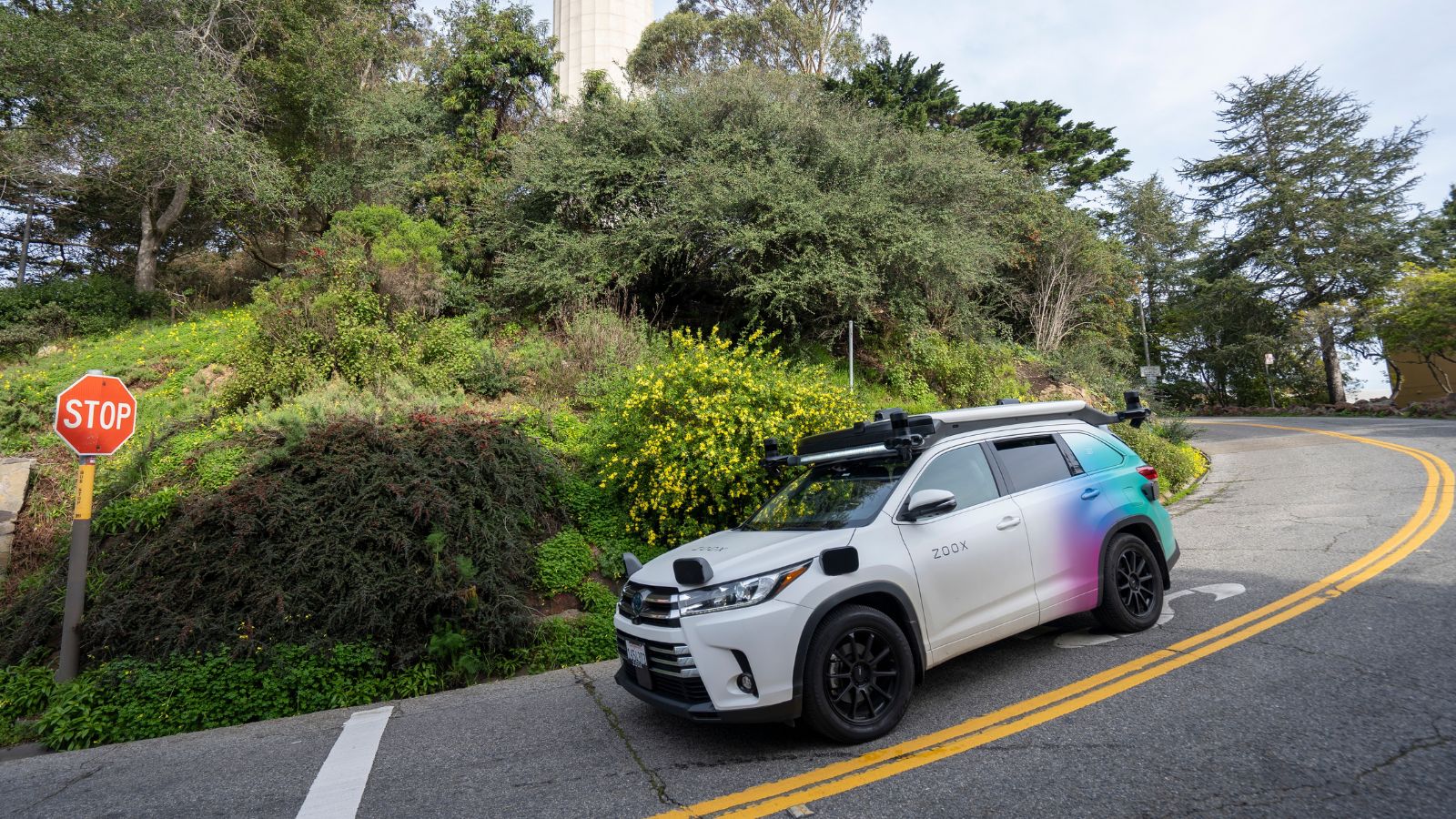
Although hybrids deliver strong low speed torque, they can struggle when asked for quick highway passing or long hill climbs. If the battery is low, the gas engine must do nearly all the work and that results in sluggish acceleration. Many hybrids prioritize efficiency over power, so throttle response can feel delayed even in perfect conditions. Drivers sometimes plan passes more carefully or avoid aggressive driving entirely, but few admit publicly that their hybrid feels tired when pushed hard.
Regenerative Brakes Take Getting Used To

Regen braking captures energy, but it changes brake feel dramatically. The system blends traditional mechanical braking with regenerative resistance, and the switch between the two can feel abrupt. At slow speeds, the brakes may grab suddenly which surprises new drivers. In winter, the sensation of regen on slippery roads can feel unsettling, especially when the system modulates braking automatically. Most owners eventually adjust, but many admit the brakes never feel quite as predictable as conventional ones.
Cargo Space Can Be Compromised
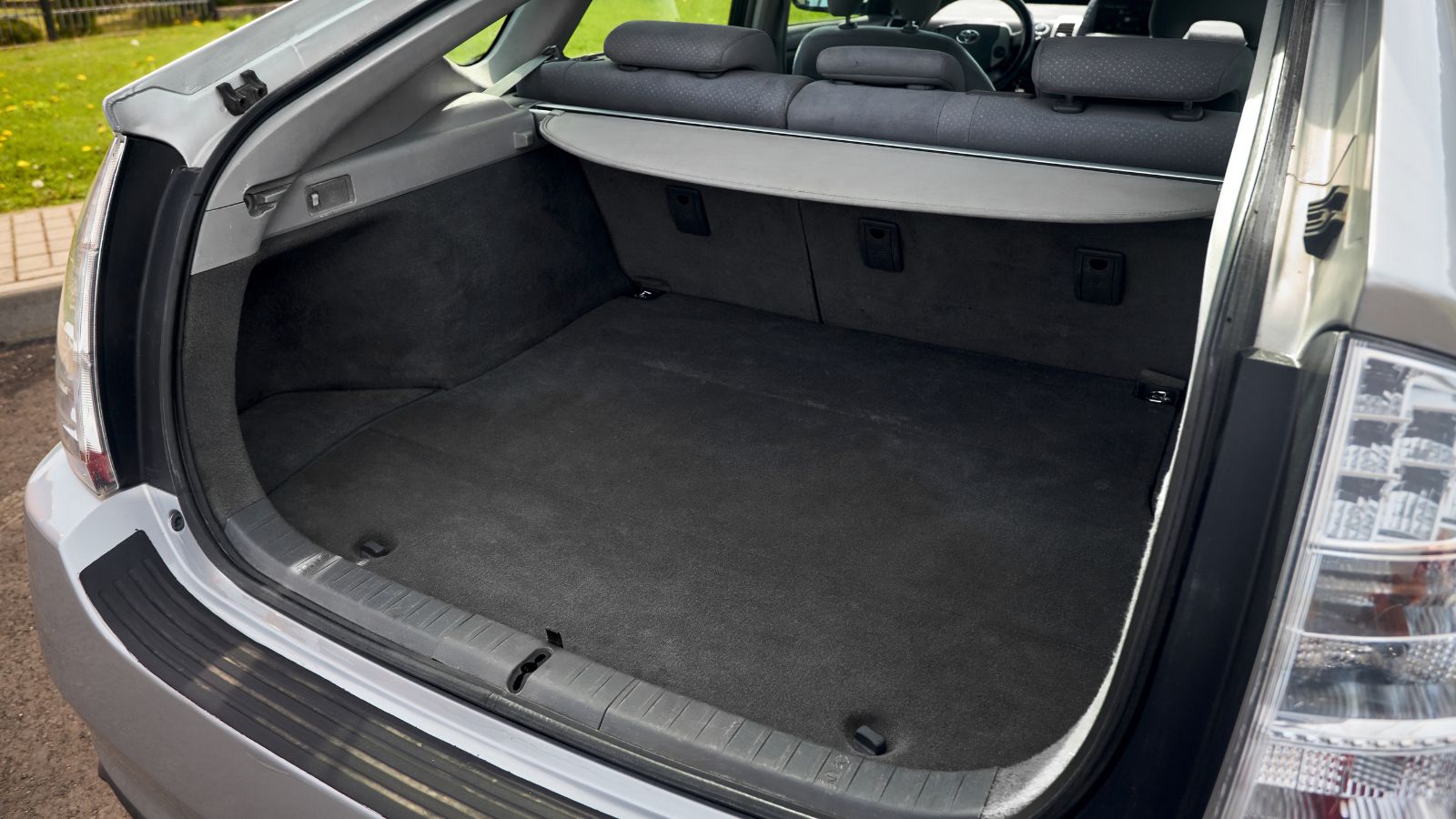
The placement of hybrid battery packs varies by model, but in some cars the battery reduces trunk depth or eliminates hidden storage compartments. Folding seats may not fold as flat, and overall cargo capacity suffers. For families and road trip travellers, those lost inches matter. Brochures often hide this detail well, but owners quickly notice when loading strollers, hockey bags or camping gear. It is not a deal breaker, but it is a real compromise that many hybrid fans prefer not to highlight.
High Voltage Repairs Can Be Costly
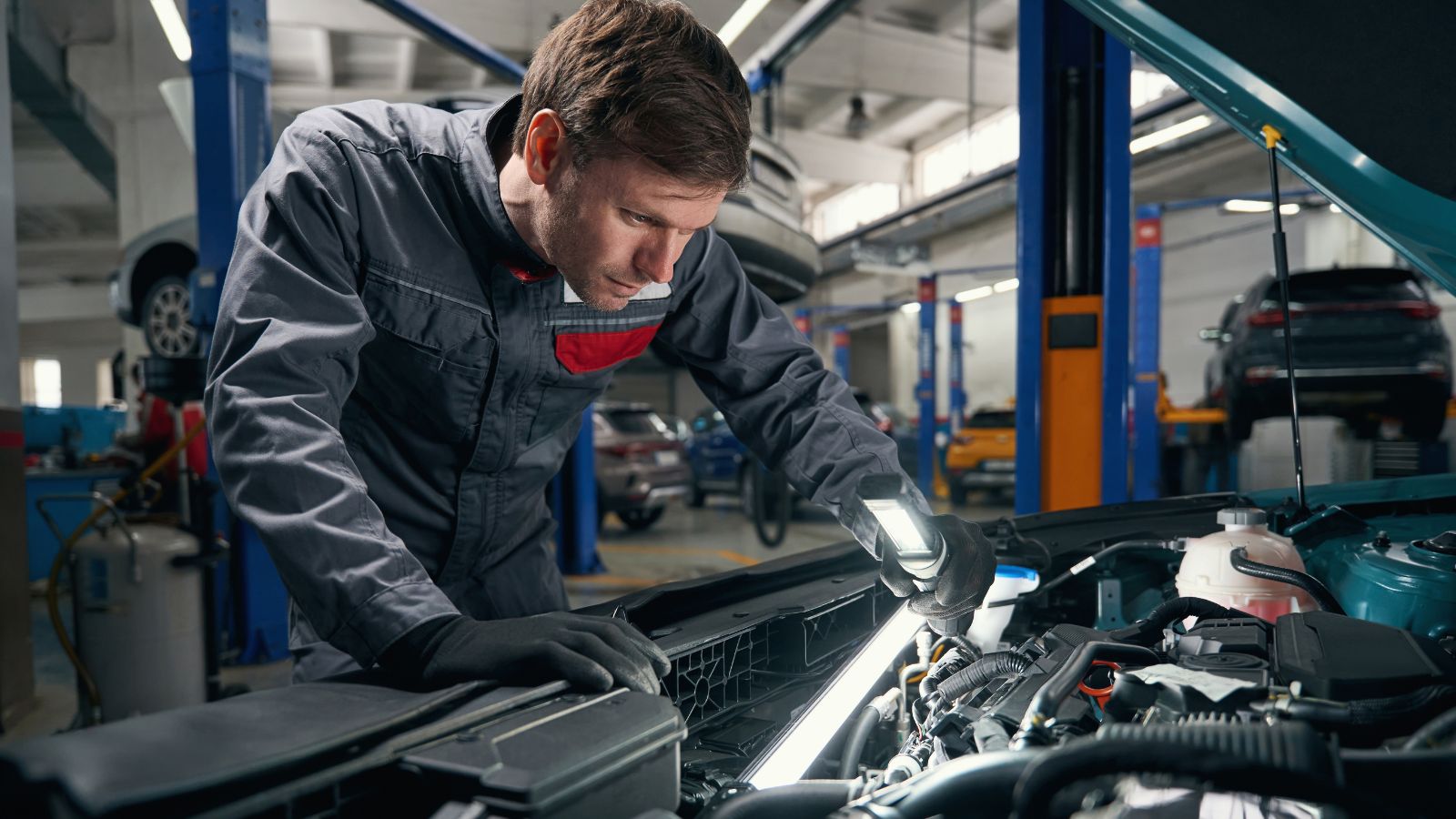
Hybrid systems are reliable, but when something does fail, repair costs climb quickly. High voltage components cannot be serviced by every shop, and specialized labour rates reflect the knowledge required. Inverters, DC converters and electronic control units are expensive parts that drivers hope never fail. While rare, the possibility of a four figure repair looms in the back of every owner’s mind. Many hybrid drivers quietly buy extended warranties for this exact reason.
The Gas Engine Runs More Than You Expect
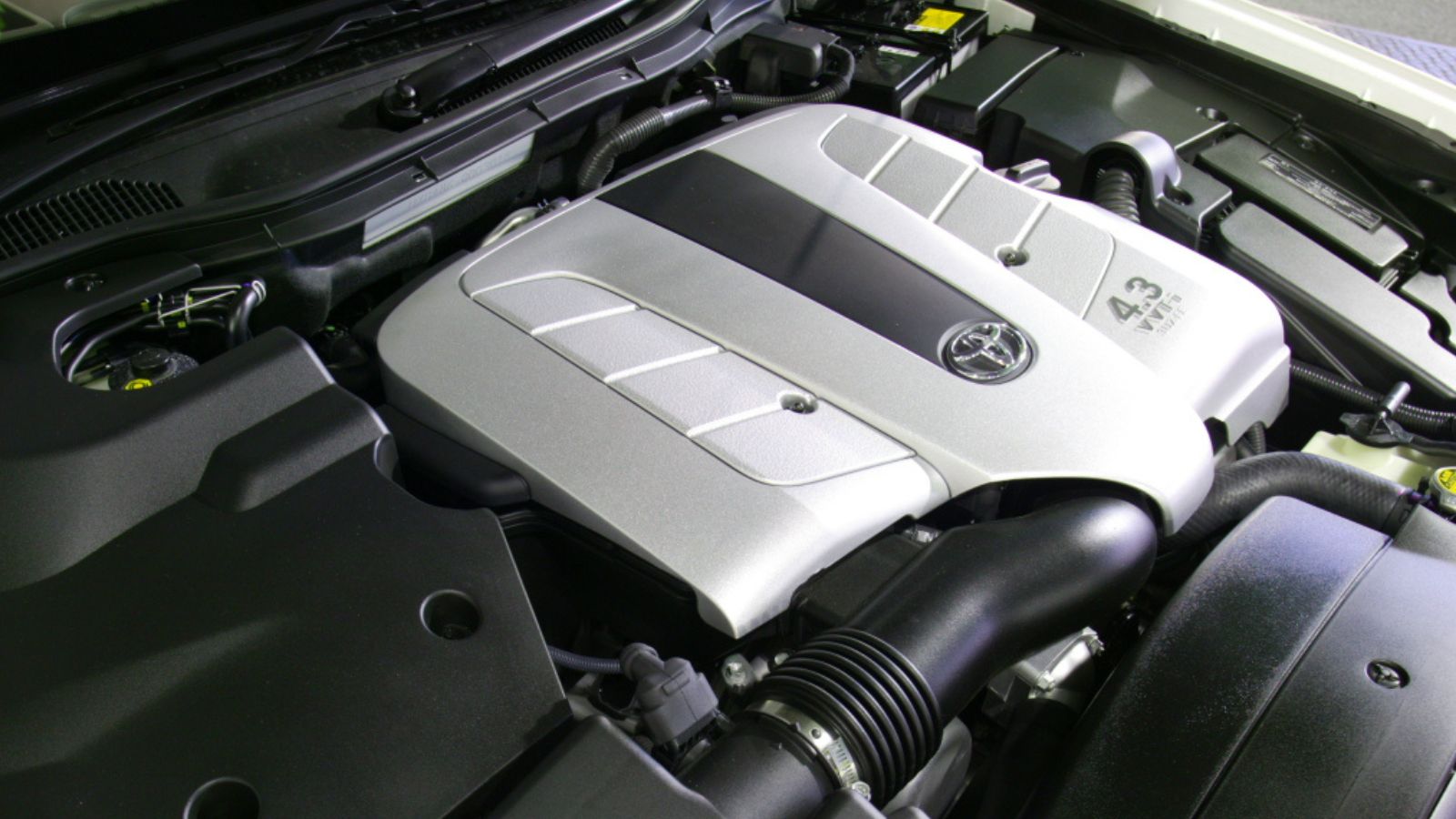
New hybrid owners often imagine long stretches of silent electric driving, but real world behaviour is different. The gas engine activates frequently to warm the cabin, maintain battery charge or deliver extra power. Even short bursts of acceleration can trigger the engine, reducing the dream of whisper quiet operation. Owners sometimes feel disappointed that their hybrid behaves more like a regular car than expected, especially in winter when electric only driving becomes limited.
Towing and Heavy Loads Are Not Their Strength
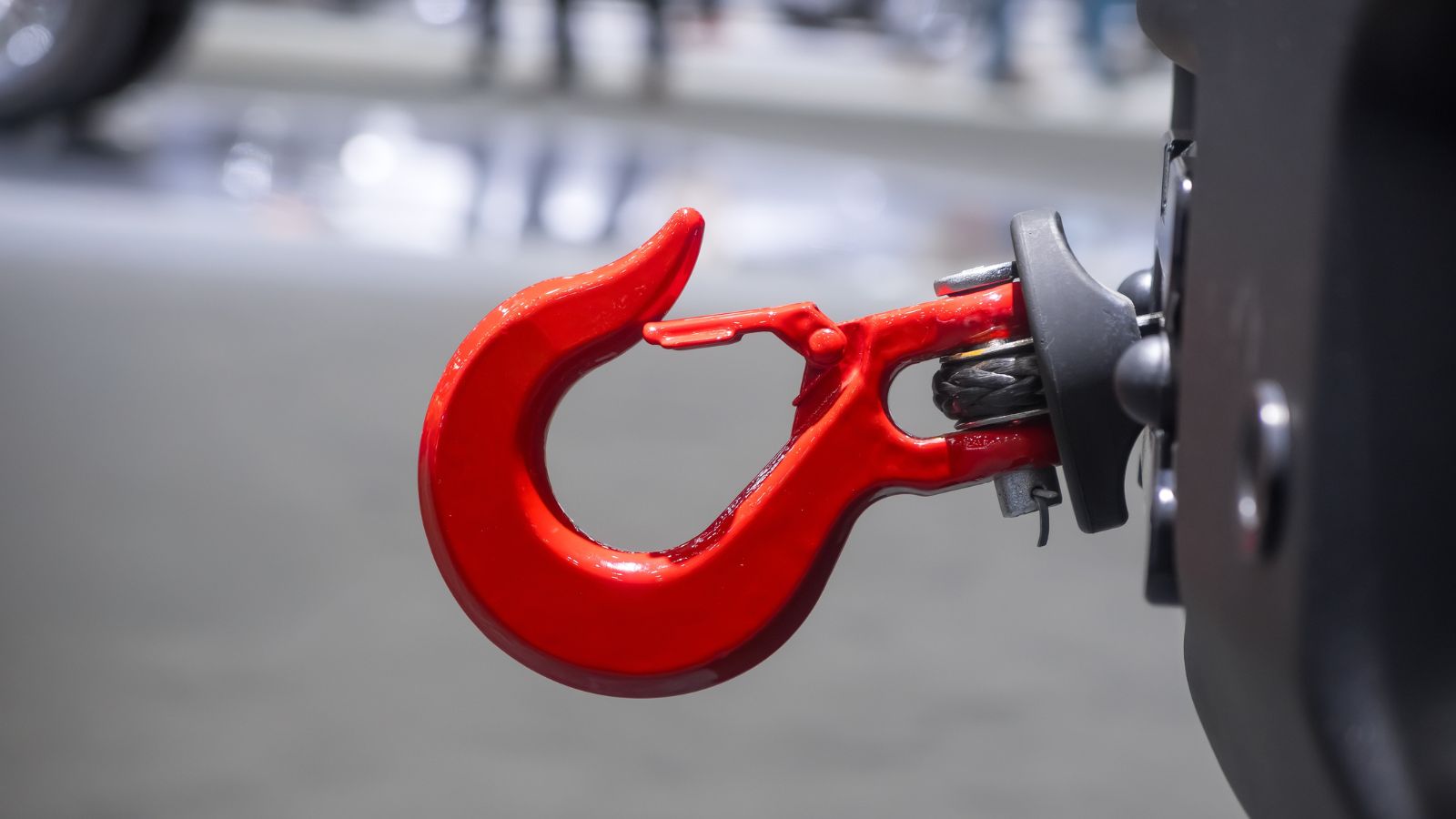
Hybrids generally sacrifice some towing and payload capability because their drivetrains prioritize efficiency over brute force. The added battery weight also reduces how much the vehicle can legally tow. When owners attempt hauling beyond light trailers, the engine feels strained, the battery drains quickly and fuel economy drops sharply. The capability gap is noticeable for drivers coming from trucks or crossovers designed for real utility.
The Driving Experience Can Feel Too Disconnected
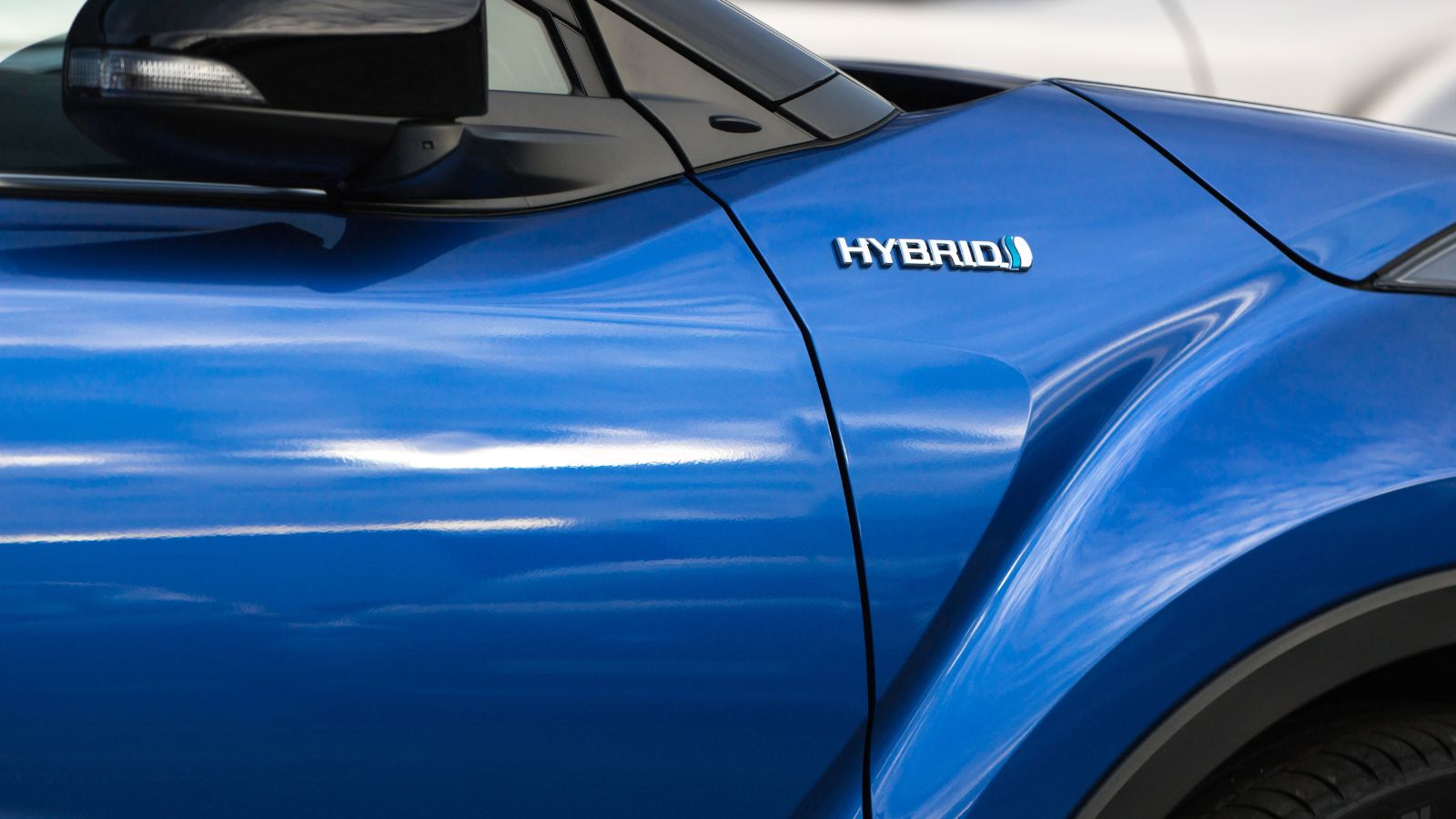
Hybrids deliver smoothness, but that smoothness comes with a trade off. The system constantly decides whether to run electric, gas or both which removes some of the mechanical feel that driving enthusiasts enjoy. The throttle, brakes and transmission often feel filtered through software. For many drivers, especially those who grew up with traditional engines, the hybrid driving experience can feel oddly distant. Owners may appreciate the efficiency, but few admit that the engagement just is not the same.
25 Facts About Car Loans That Most Drivers Don’t Realize

Car loans are one of the most common ways people fund car purchases. Like any other kind of loan, car loans can have certain features that can be regarded as an advantage or a disadvantage to the borrower. Understanding all essential facts about car loans and how they work to ensure that you get the best deal for your financial situation is essential. Here are 25 shocking facts about car loans that most drivers don’t realize:
25 Facts About Car Loans That Most Drivers Don’t Realize
