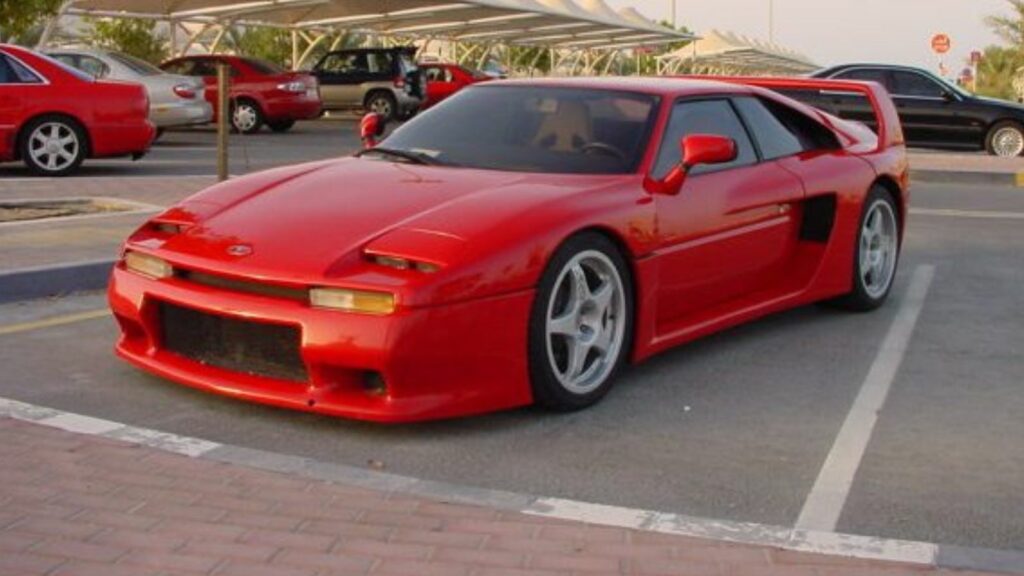
The 1980s and 1990s were decades when supercars became something more than just fast machines. They were statements of style, engineering ambition, and national pride. It was a time when technology was advancing rapidly, and automakers were experimenting with bold materials, wild aerodynamics, and power figures that broke records. Yet while some became household names like the Ferrari F40 and the McLaren F1, others quietly faded into obscurity. These are the forgotten heroes supercars that captured the spirit of excess and innovation but never got their due.
Vector W8
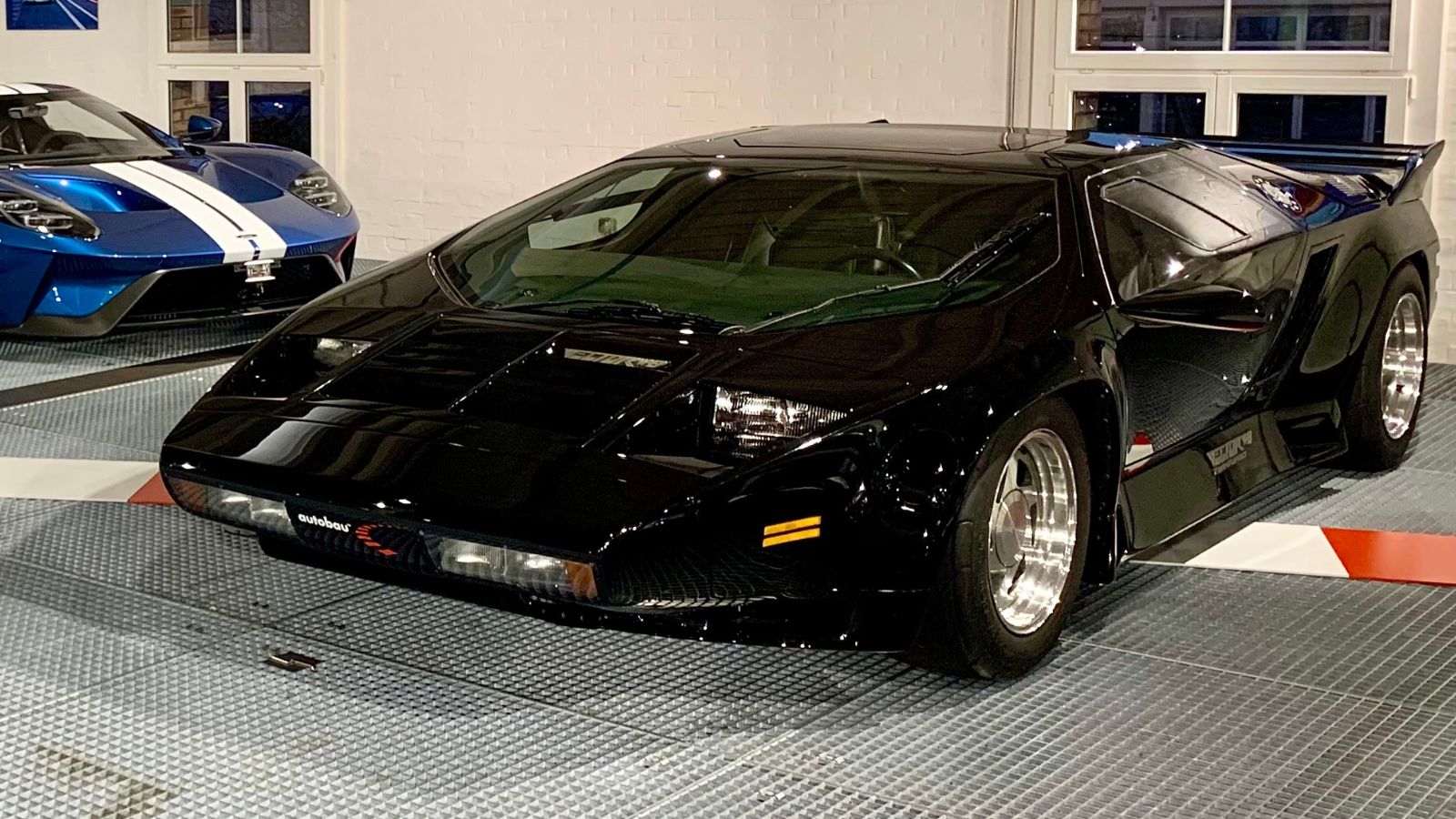
The Vector W8 was America’s bold declaration that it could rival Europe’s finest. Designed by Gerald Wiegert, the car was a futuristic masterpiece that looked more like a stealth jet than something meant for the street. Under its angular body sat a twin-turbo 6.0 liter V8 producing around 625 horsepower. The body was built from a mix of Kevlar and carbon fiber, a technology far ahead of its time.
Inside, the cockpit featured digital gauges, aerospace switches, and aircraft-inspired controls. It was wild, loud, and unapologetically over-engineered. Unfortunately, the company struggled financially, and only nineteen cars were built before production ceased. Today, the Vector W8 is remembered as an audacious experiment in American performance one that dared to dream bigger than anyone thought possible.
Cizeta Moroder V16T
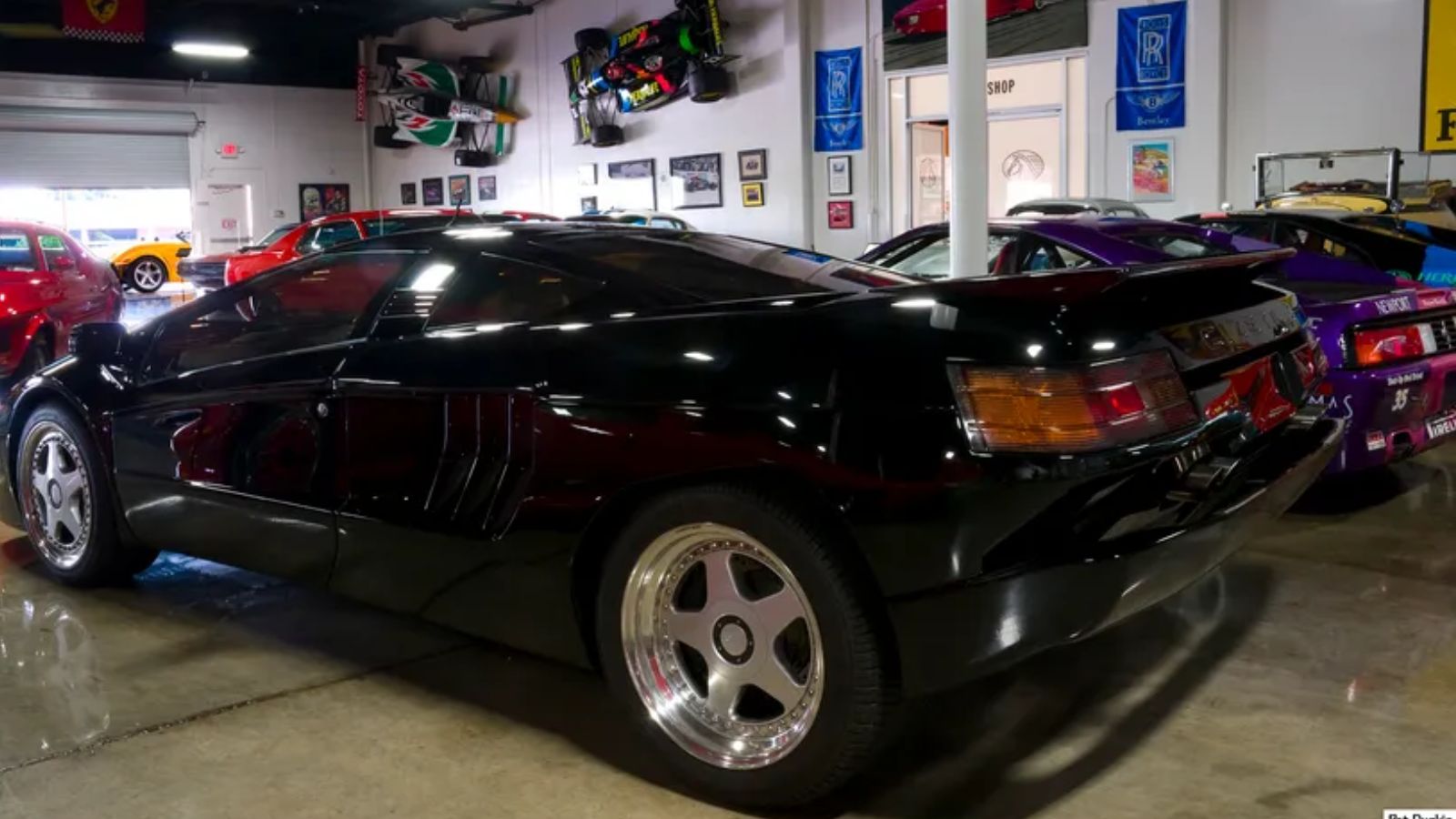
Few cars have a backstory as fascinating as the Cizeta Moroder V16T. Born from a partnership between Italian engineer Claudio Zampolli and music producer Giorgio Moroder, it embodied the extravagance of the late 1980s. Beneath its wedge-shaped body sat a transversely mounted 6.0 liter V16 engine producing 540 horsepower. Its design, penned by Marcello Gandini, was instantly recognizable, featuring sharp angles reminiscent of the Lamborghini Countach but with even more flair.
Every part of the Cizeta was built by hand, and the attention to detail was astonishing. However, with a price higher than the Ferrari F40 and economic troubles looming, it never found enough buyers. Only a handful were built before production ended. Today, the Cizeta remains one of the most unique and technically fascinating supercars ever made the ultimate expression of 80s excess and Italian passion.
Isdera Imperator 108i
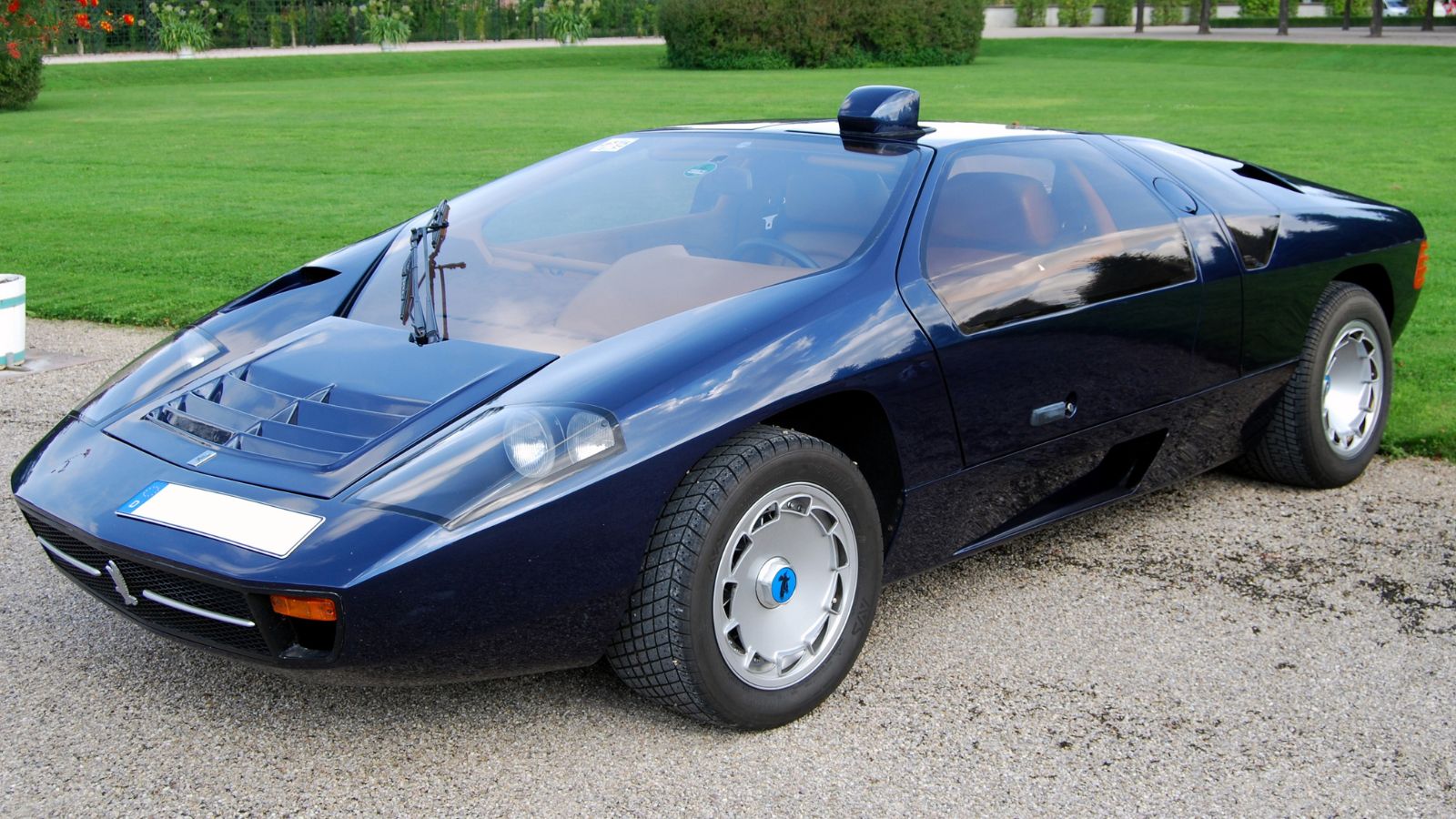
The Isdera Imperator 108i might be the most mysterious supercar Germany ever produced. Originally developed as a Mercedes-Benz concept, it was revived by engineer Eberhard Schulz under his own small company, Isdera. The car’s gullwing doors, low profile, and minimalist lines gave it an otherworldly appearance. Power came from Mercedes V8 engines, which gave it both speed and refinement.
Built entirely by hand, each Imperator was a bespoke creation tailored to its owner. Its top speed exceeded 170 miles per hour, but it was its craftsmanship and style that truly set it apart. Only around thirty examples were ever produced, and its rarity makes it a true collector’s treasure. The Imperator was a reminder that even small builders could craft something timeless when passion led the project.
Jaguar XJR-15
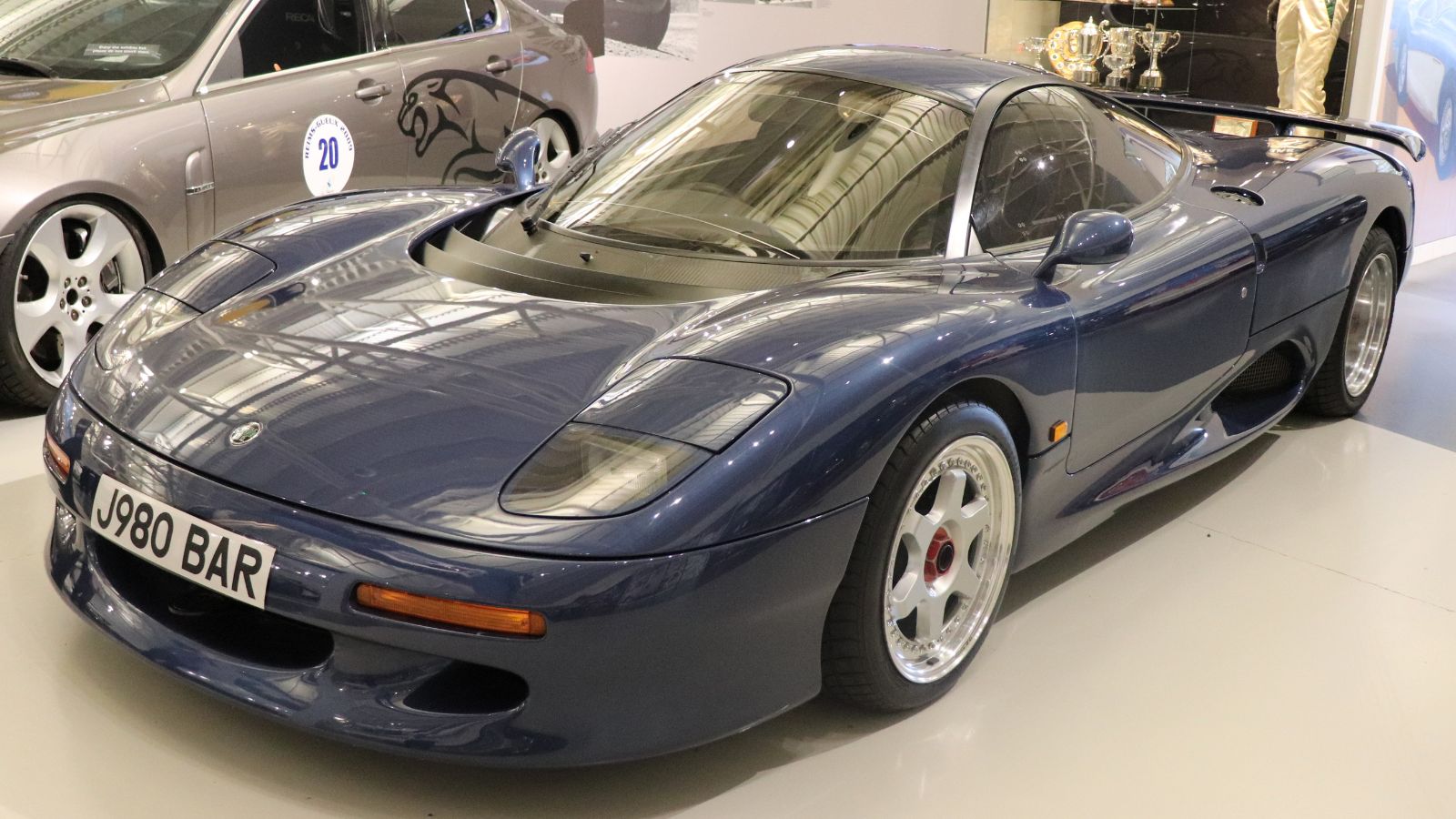
Before Jaguar unleashed the XJ220, it built something even more extreme the XJR-15. Developed by Tom Walkinshaw Racing, this was a road-going version of Jaguar’s Le Mans-winning XJR-9. It featured a carbon fiber monocoque chassis, making it one of the first production cars to use that technology. Under the hood, a 6.0 liter V12 delivered over 450 horsepower and a ferocious soundtrack.
The XJR-15 was designed primarily for the track, and it showed. It was loud, stiff, and intimidating to drive, but breathtakingly fast in capable hands. Only 53 units were built, and many were sold with an invitation to compete in a special one-make racing series. Although overshadowed by the sleeker XJ220, the XJR-15 remains one of the purest examples of a racing car adapted for the street.
Dome Zero
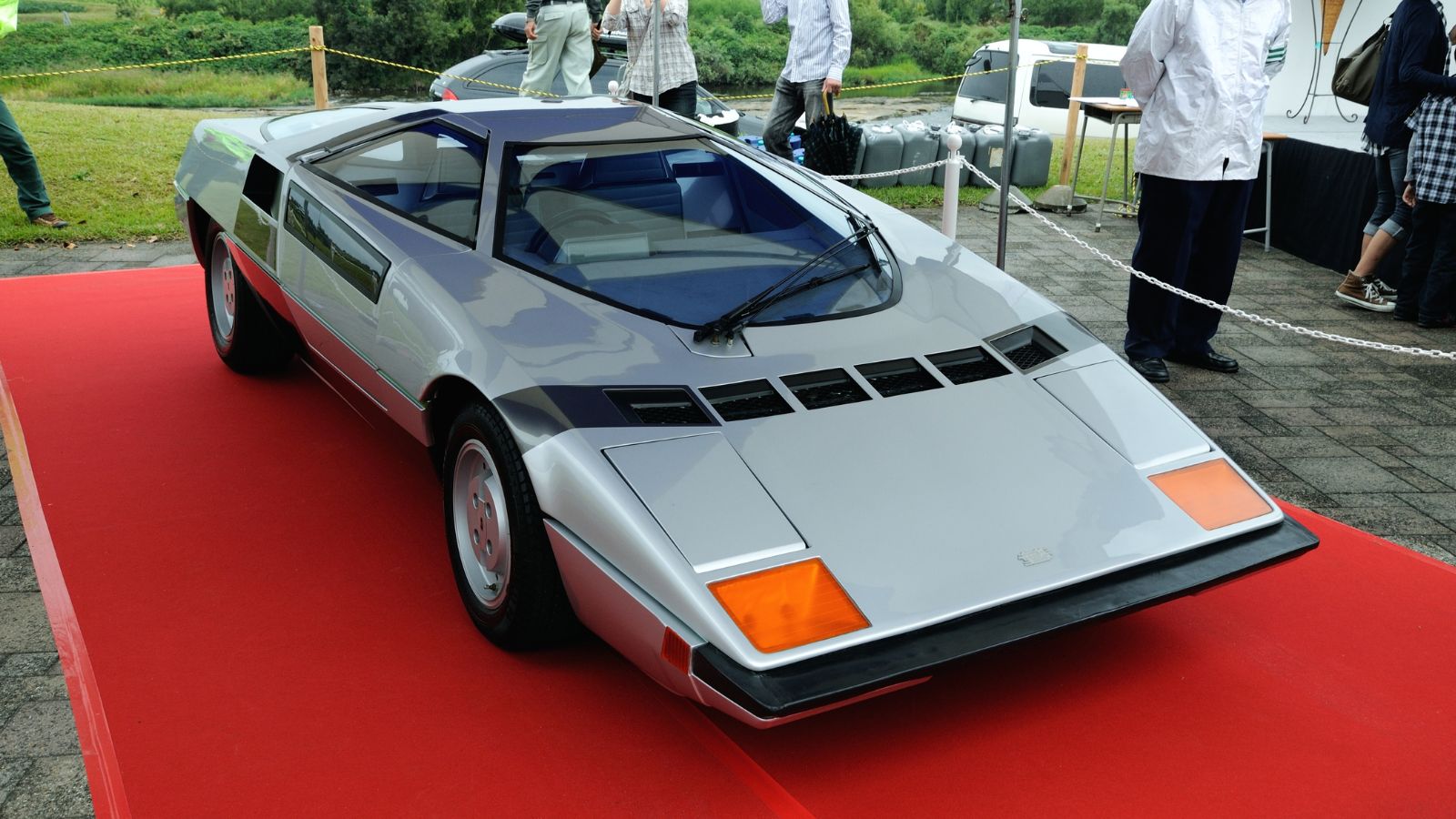
The Dome Zero was Japan’s unrealized dream of supercar greatness. First shown in 1978, it looked decades ahead of its time, with a razor-edged wedge design, low stance, and futuristic interior. Powered by a modest Nissan inline six engine, it wasn’t the fastest car on paper, but it was stunning to behold.
Dome’s goal was to create Japan’s first global supercar, but strict Japanese regulations made road certification impossible. Despite interest from international buyers, production never took off. The company turned to motorsport instead, using the Dome name in racing. The Zero, though, remains an icon of what Japan could have achieved long before the NSX arrived a symbol of ambition stifled by bureaucracy.
Monteverdi Hai 650 F1
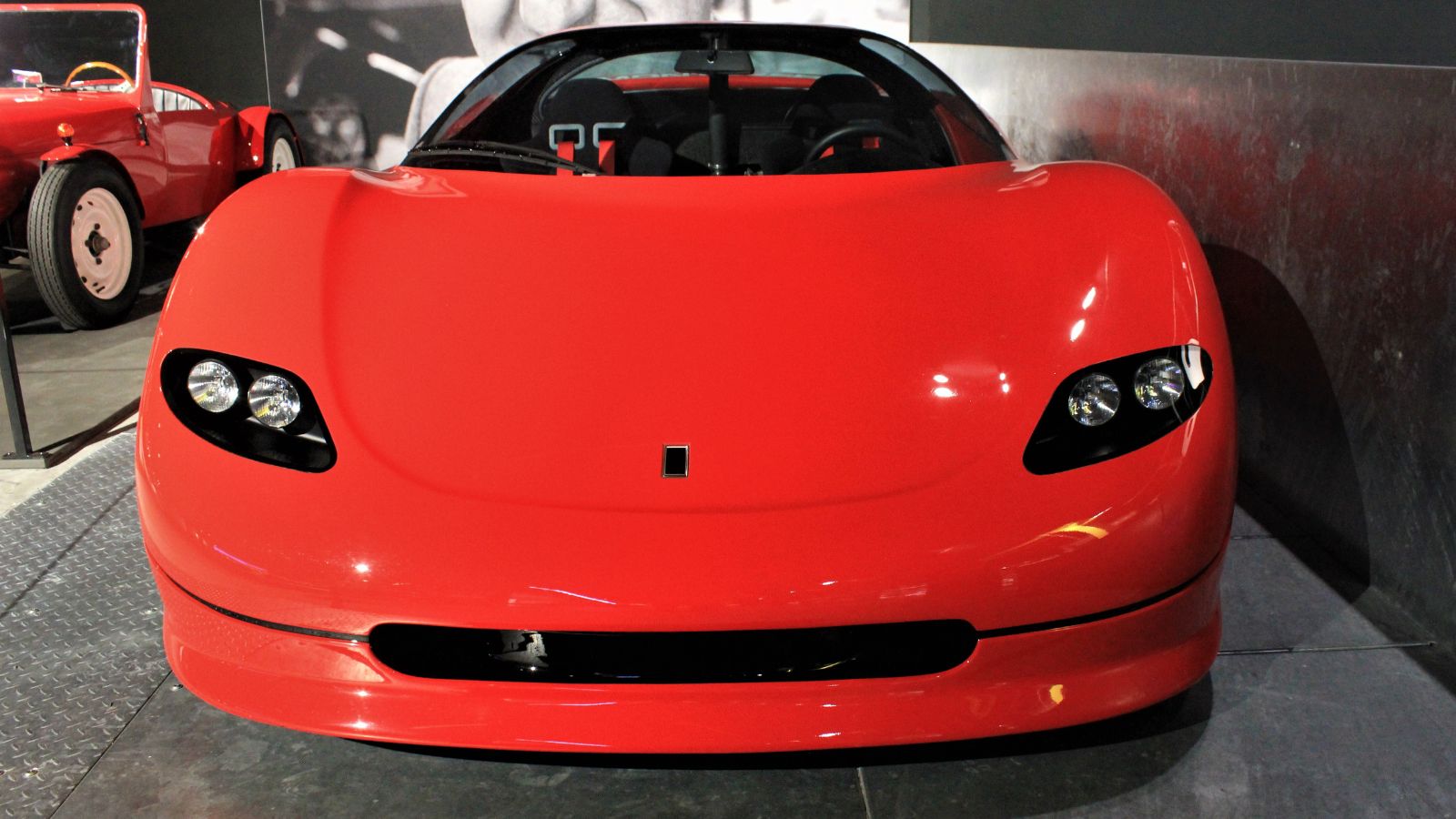
Swiss manufacturer Monteverdi built luxury cars for years, but the Hai 650 F1 was a different beast. Debuting in 1992, it was powered by a Formula One-derived 3.5 liter Lamborghini V12 producing 650 horsepower. The body was sculpted for speed and stability, and its claimed top speed exceeded 210 miles per hour an incredible figure for the era.
Despite its potential, the Hai 650 F1 never entered full production. It was too expensive, too niche, and arrived just as the supercar market softened. Only a few prototypes were ever made. Still, it showcased the kind of daring engineering that made the early 1990s so thrilling for car enthusiasts. It remains one of the most intriguing forgotten experiments in European performance.
Lotec C1000
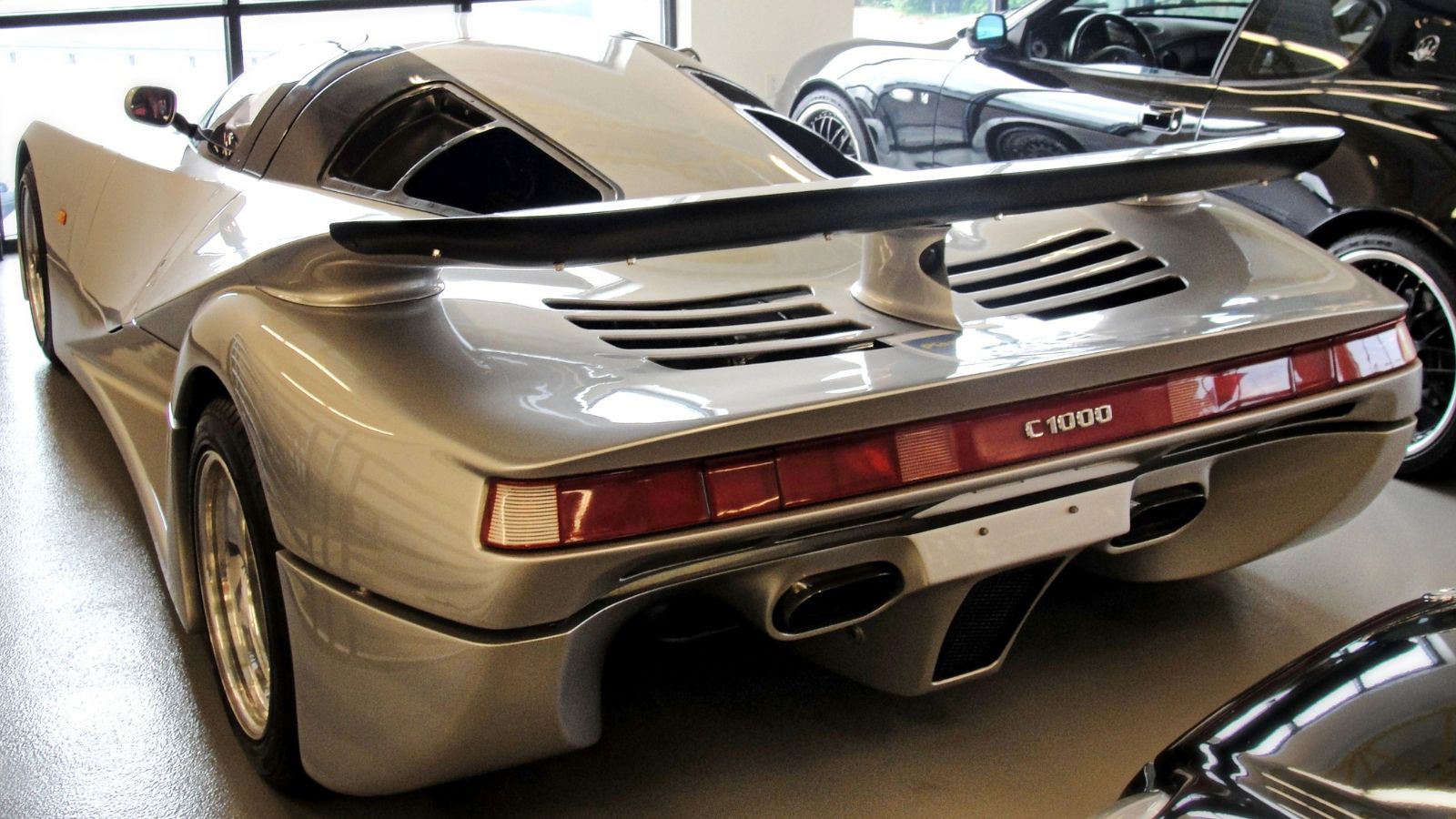
The Lotec C1000 is perhaps the most outrageous one-off supercar ever created. Built in 1995 for a wealthy Middle Eastern client, it combined a carbon fiber chassis with a twin-turbocharged Mercedes V8 producing an unbelievable 1,000 horsepower. The name came directly from that power figure.
The C1000’s performance numbers bordered on science fiction a claimed top speed of over 260 miles per hour and acceleration that rivaled modern hypercars. It was finished in bright silver, resembling a spaceship more than a car. Unfortunately, it was a one-of-a-kind project, never meant for production. Even so, it proved that small-scale builders could achieve extraordinary results when given freedom and resources.
Venturi 400 GT
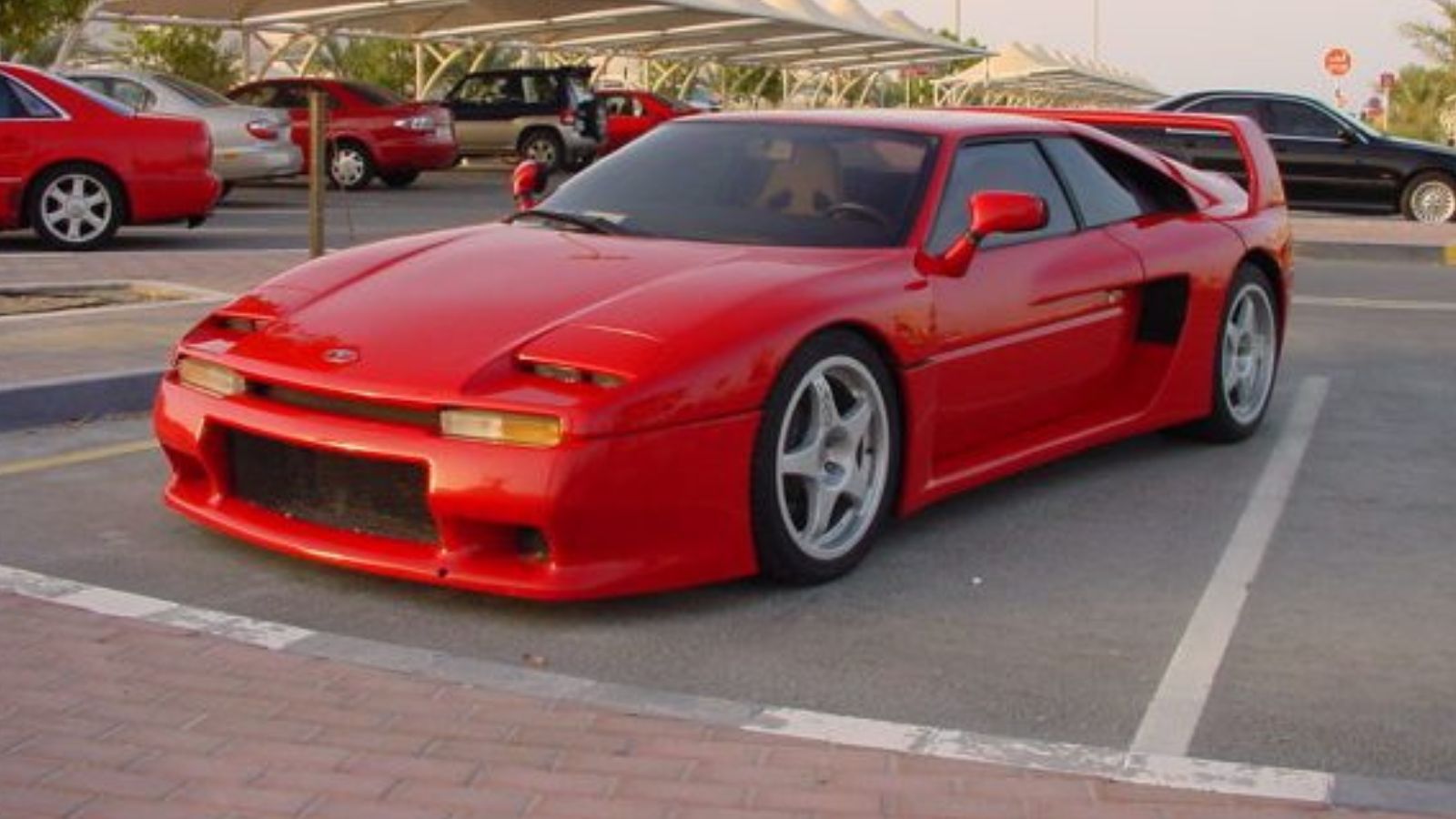
France rarely appears in supercar conversations, but the Venturi 400 GT deserves recognition. Built in the mid-1990s, it was based on Venturi’s racing program and became the fastest French car of its time. A twin-turbo V6 produced 408 horsepower, while lightweight construction and race-inspired aerodynamics made it agile and precise.
The 400 GT offered a refined driving experience mixed with brutal performance. Yet due to its high cost and limited marketing, only a few were ever made. It remains a hidden gem, representing the height of French innovation before Venturi disappeared from the performance car scene. Among connoisseurs, it stands as one of Europe’s great lost supercars.
The Ghosts of Speed
These forgotten machines tell the story of an era when passion mattered more than profit. They came from engineers, dreamers, and small manufacturers who believed they could redefine what a supercar should be. Many failed commercially, but each left a legacy of bravery, creativity, and technical brilliance.
From the radical American Vector to the mysterious German Isdera and the tragic genius of the Bizzarrini BZ 2001, these cars remind us that not all legends are famous. Some remain in the shadows, roaring quietly in memory, waiting for a new generation of enthusiasts to rediscover them. True greatness, after all, isn’t measured by fame it’s measured by the courage to be different.
25 Facts About Car Loans That Most Drivers Don’t Realize

Car loans are one of the most common ways people fund car purchases. Like any other kind of loan, car loans can have certain features that can be regarded as an advantage or a disadvantage to the borrower. Understanding all essential facts about car loans and how they work to ensure that you get the best deal for your financial situation is essential. Here are 25 shocking facts about car loans that most drivers don’t realize:
25 Facts About Car Loans That Most Drivers Don’t Realize
