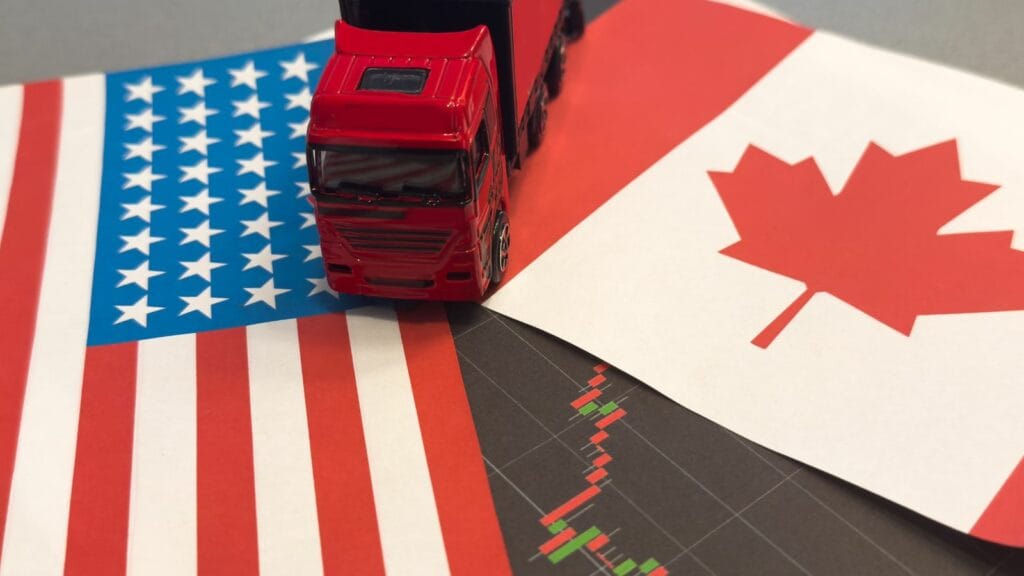
Cross border shopping has always appealed to Canadians, especially when American cars offer trims, colours or prices not found here. But with tariffs, import fees and shifting trade rules, buying a U.S. built car can feel like navigating a minefield. The good news is that Canadians still have smart ways to enjoy American iron without getting hammered by unexpected costs. Here is how to approach it, what to check and how to keep your wallet intact.
Buy the Canadian Market Version When Possible

Many American cars sold in the United States are also built or offered for the Canadian market. When you buy the Canadian spec version, you avoid import duties entirely while still enjoying the exact same vehicle. Models like the Ford F150, Chevrolet Silverado, Dodge Challenger, Dodge Charger and many GM SUVs are already sold here with full warranty support. You get the look, the sound and the power of American performance without the paperwork or border headaches.
Check Where the Vehicle Was Actually Built
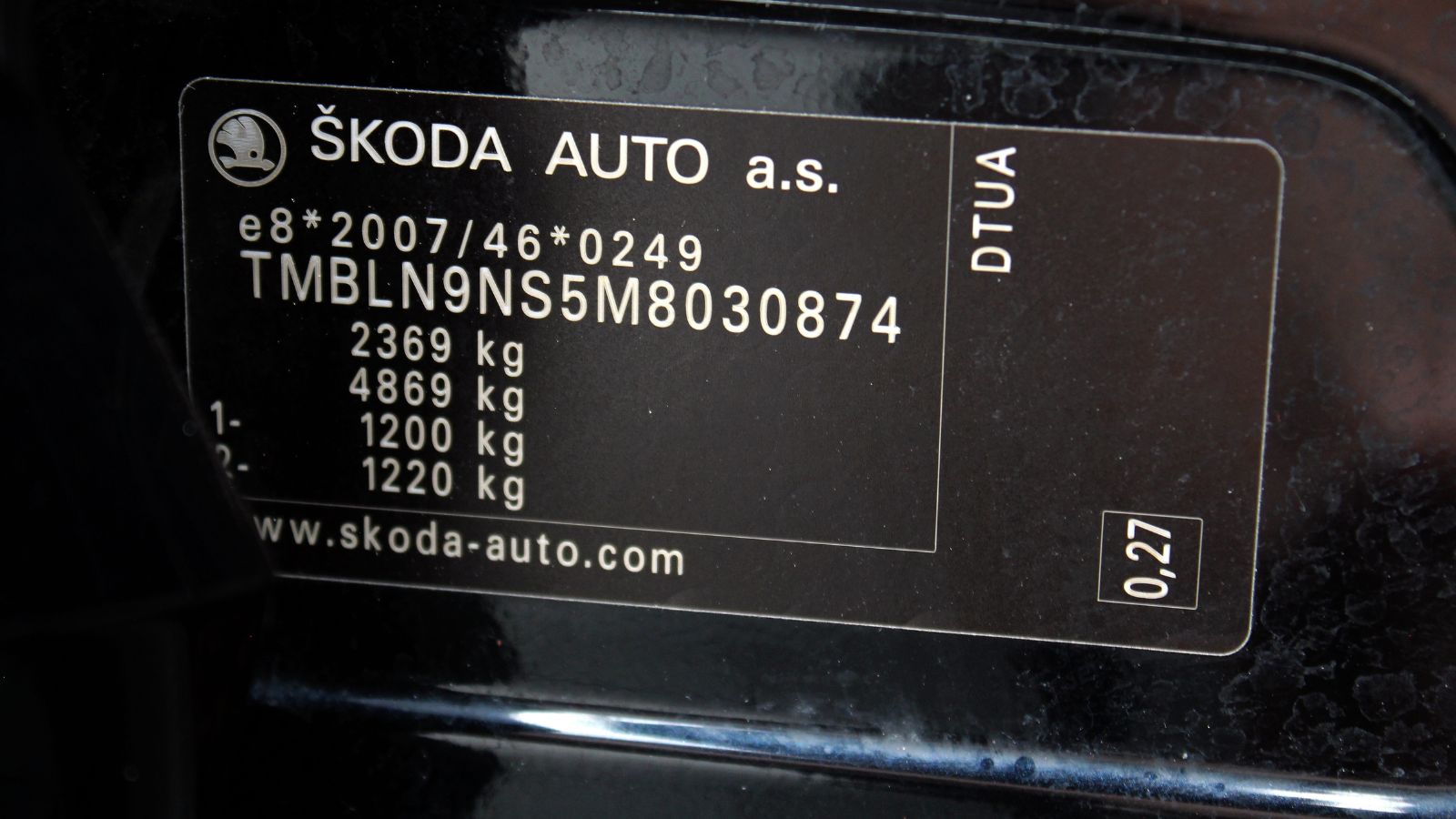
This is the trick many shoppers overlook. Tariffs apply based on where the car is manufactured, not the brand printed on the grille. Many American nameplates are assembled in Canada or Mexico which keeps them exempt from certain duties. The VIN tells the whole story. A number starting with a one, four or five means United States production. A two means Canada. A three means Mexico. If you choose a model built in Mexico or Canada, you avoid the higher tariff brackets altogether.
Consider Used Canadian Inventory Before Looking South
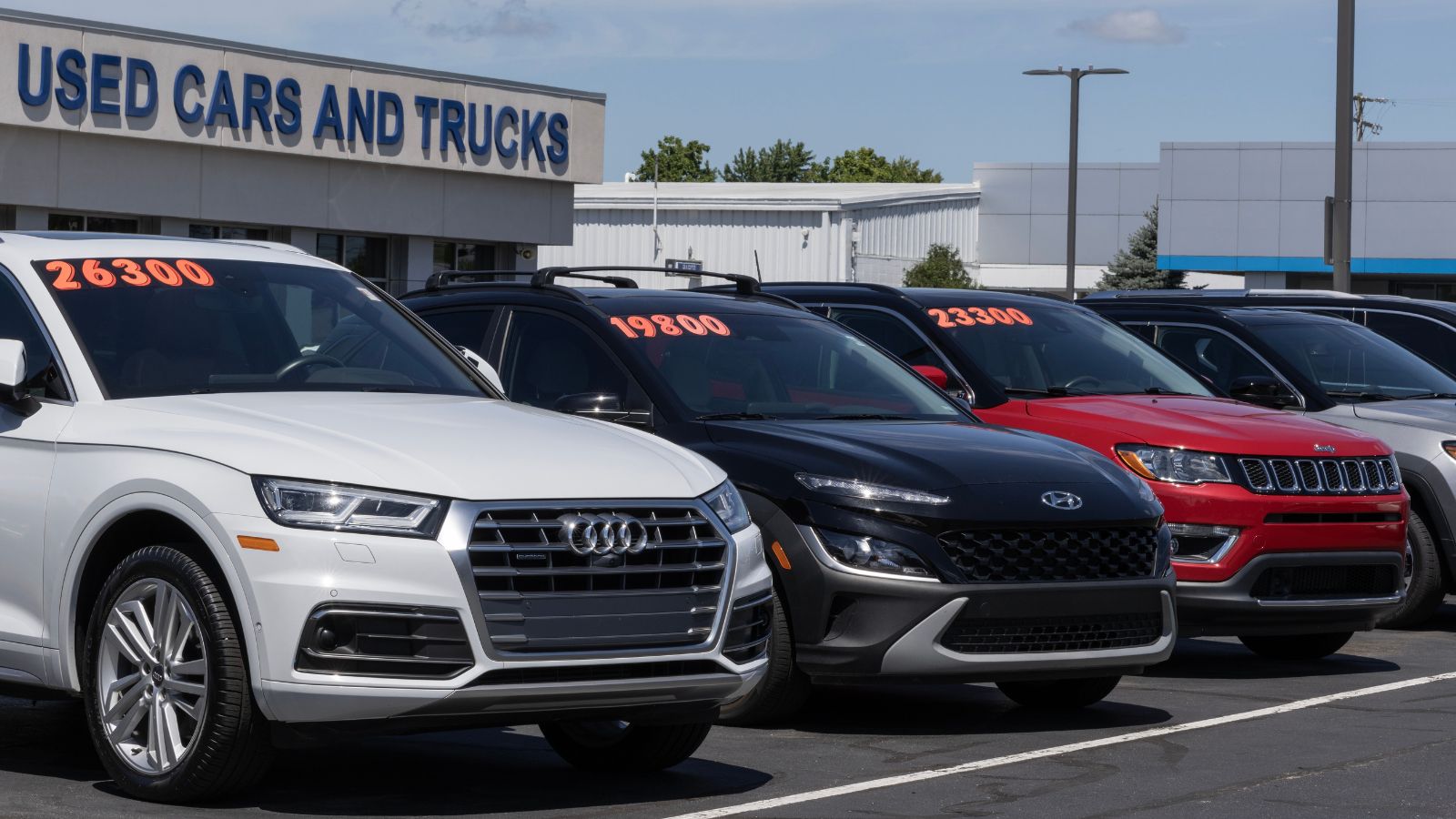
Importing a used American car looks tempting until the add ons start stacking up. Transport fees, broker fees, GST, duties and inspection costs quickly erase most of the savings. Canada already gets strong used inventory for models like the Corvette, Mustang GT, Challenger and Jeep Wrangler. Buying domestic used stock keeps the process simple. The car passes local safety rules and you skip the surprise paperwork at the border.
Use a Licensed Import Broker if You Must Bring One Across
If importing from the United States is still your best option, do it with an expert. A licensed automotive import broker understands tariff codes, admissibility rules and inspection requirements. They can tell you exactly what the total cost will be before you commit. Many Canadians get burned because they assume the only cost is the sticker price. Brokers ensure you are not blindsided by unexpected duties or recall clearance delays.
Look for Older Models That Fall Under Lower Tariff Categories
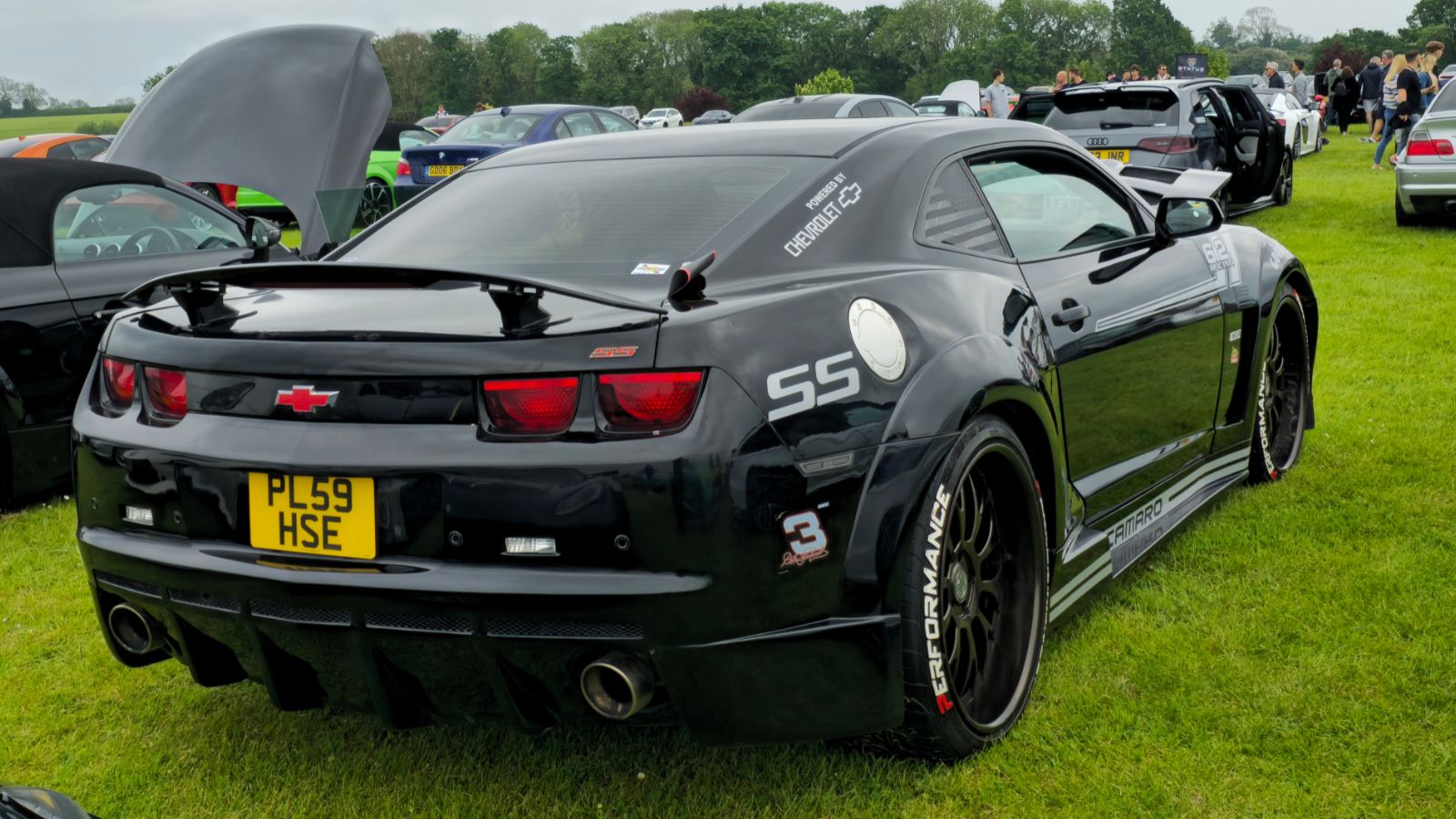
Age matters more than people think. Many older American cars qualify for reduced duty and simpler import steps, especially vehicles more than fifteen years old. These cars bypass several bureaucratic requirements and avoid many tariff triggers. For Canadians hunting an older Corvette, Camaro, Thunderbird or Cadillac, this path can make the purchase dramatically cheaper.
Choose Models With Shared North American Parts

Vehicles with a high North American parts content rarely attract heavy tariff penalties. Manufacturers often split production across plants in Canada, Mexico and the United States which means many American models qualify for easier cross border entry. Before you buy, research the model’s parts sourcing percentage. High domestic content helps protect your wallet when import rules tighten.
Factor in Warranty Service Before Making the Move

A cheaper American price does not help if the Canadian dealership will not honour the warranty. Some manufacturers restrict cross border warranty coverage, and getting repairs across the border is not realistic. Before buying, confirm whether warranty service is valid in Canada. Choosing models with full North American warranty support avoids massive frustration later.
Watch Exchange Rates Because Timing Is Everything
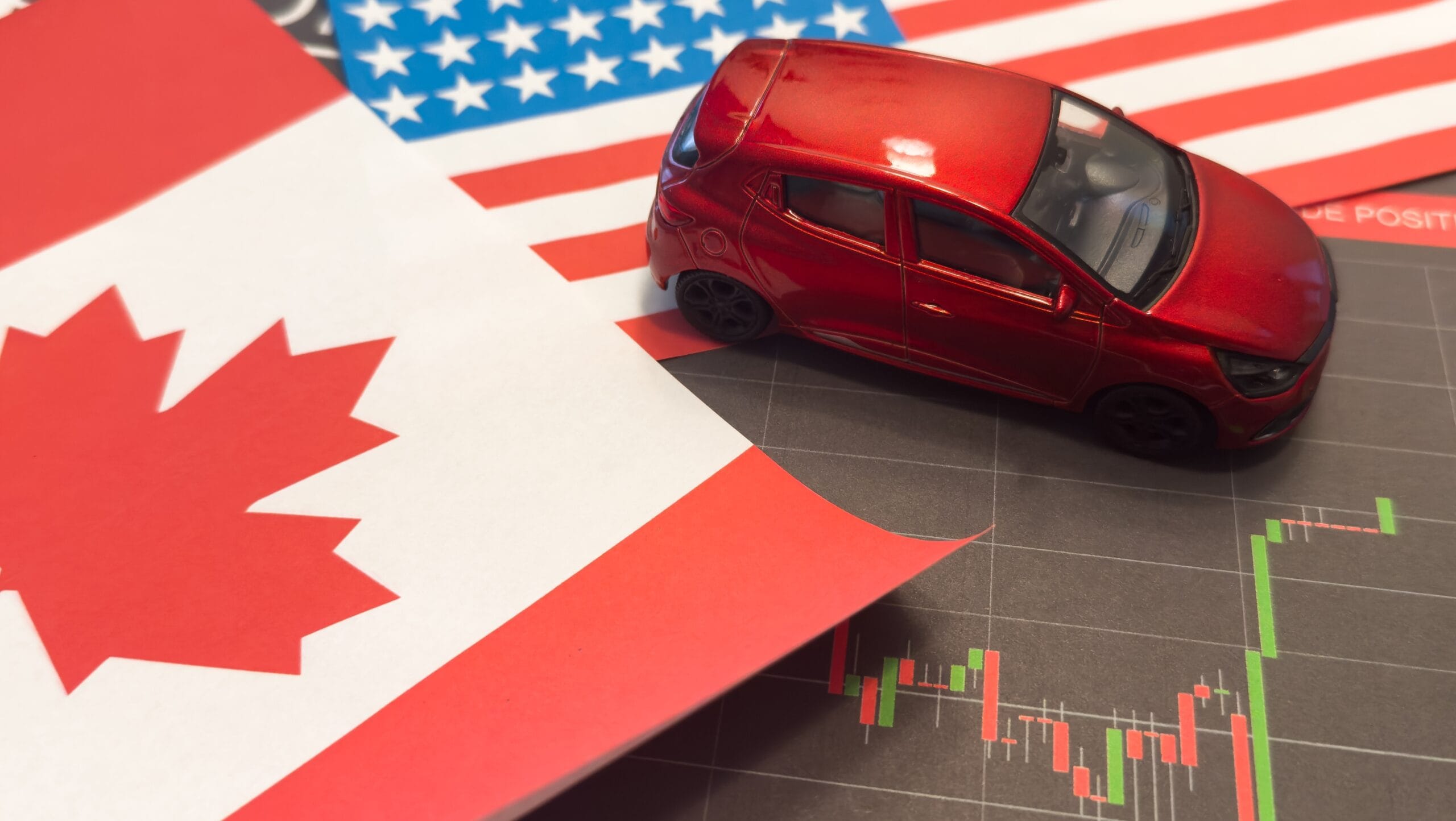
Even without tariffs, a weak Canadian dollar can erase any savings from a U.S. purchase. When the exchange rate swings a few cents, the entire cost structure changes. Savvy buyers shop when the dollar strengthens which can save thousands before fees even enter the equation. It is one of the simplest but most overlooked strategies.
Consider Leasing Instead of Buying
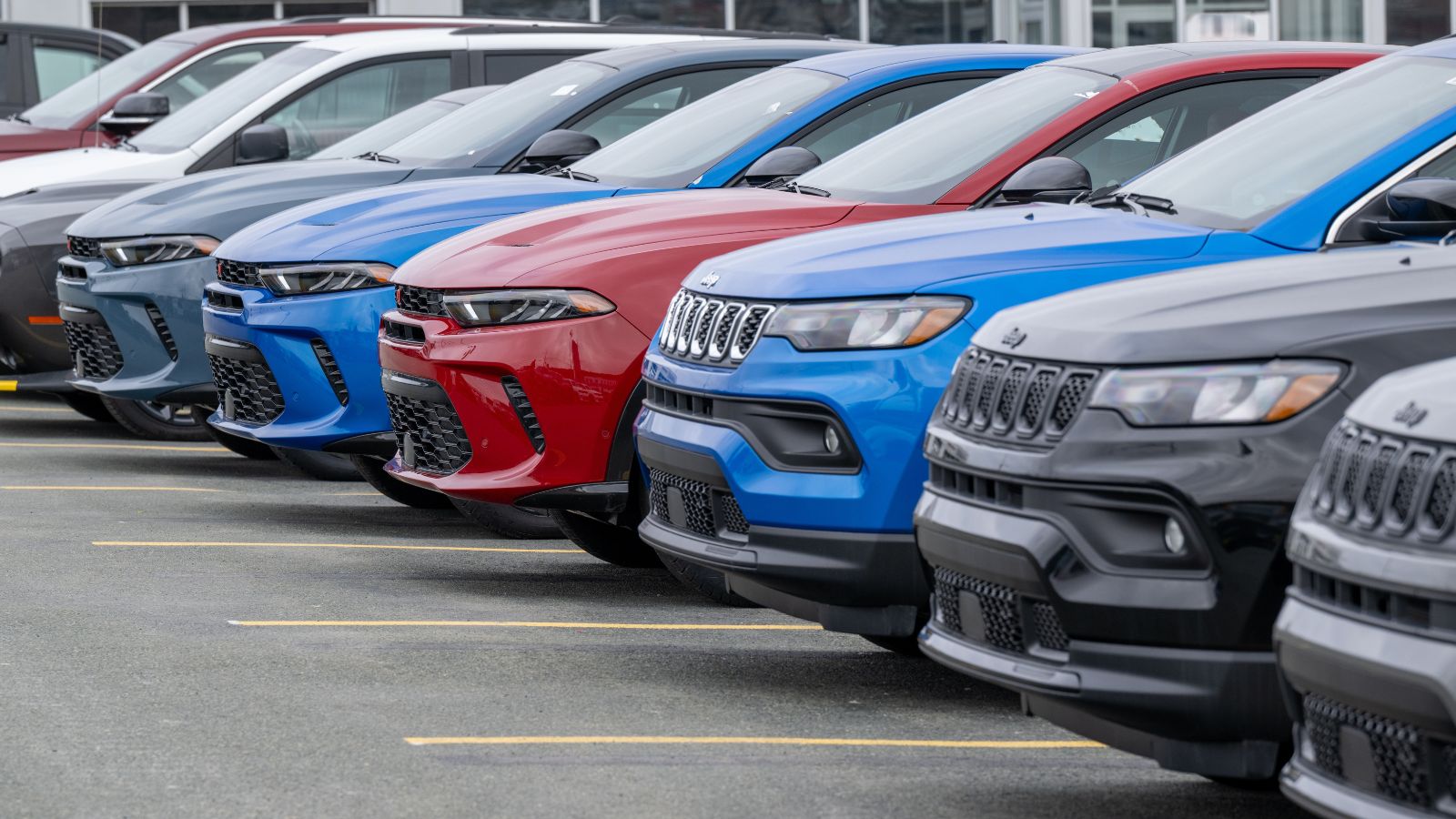
A lease through a Canadian dealer avoids all tariff concerns while letting you enjoy the newest American models without long term commitment. Lease offers often remain competitive even when border pricing does not. If you want the car now but do not want tariff drama, leasing keeps everything straightforward.
Sometimes the Best Strategy Is to Avoid the Hassle Entirely

The truth is simple. If the car is sold in Canada at a reasonable price, buying locally remains the easiest, safest and often cheapest option. Between tariffs, brokerage fees and paperwork, the savings from importing frequently disappear. Unless the vehicle is rare, unavailable or heavily discounted in the United States, sticking to Canadian inventory usually makes the most financial sense.
25 Facts About Car Loans That Most Drivers Don’t Realize

Car loans are one of the most common ways people fund car purchases. Like any other kind of loan, car loans can have certain features that can be regarded as an advantage or a disadvantage to the borrower. Understanding all essential facts about car loans and how they work to ensure that you get the best deal for your financial situation is essential. Here are 25 shocking facts about car loans that most drivers don’t realize:
25 Facts About Car Loans That Most Drivers Don’t Realize
