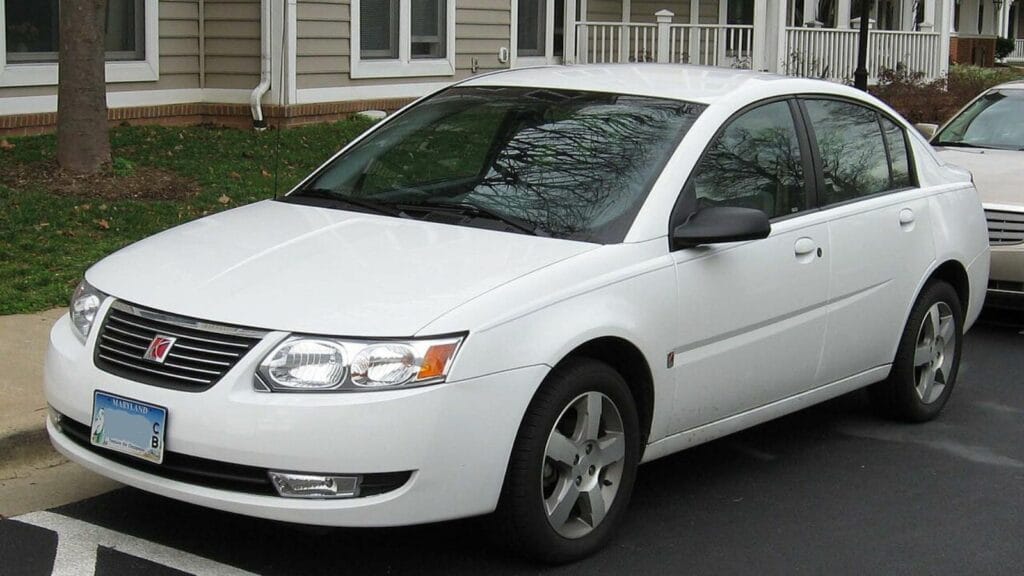
The 1990s produced some brilliant cars, but it also gave us a wave of cost cutting disasters held together by optimism and plastic clips. Panel gaps, failing interiors and mechanical shortcuts were common as manufacturers chased volume and margins. These ten cars became infamous not because they were misunderstood, but because their build quality simply did not survive real ownership.
Daewoo Lanos
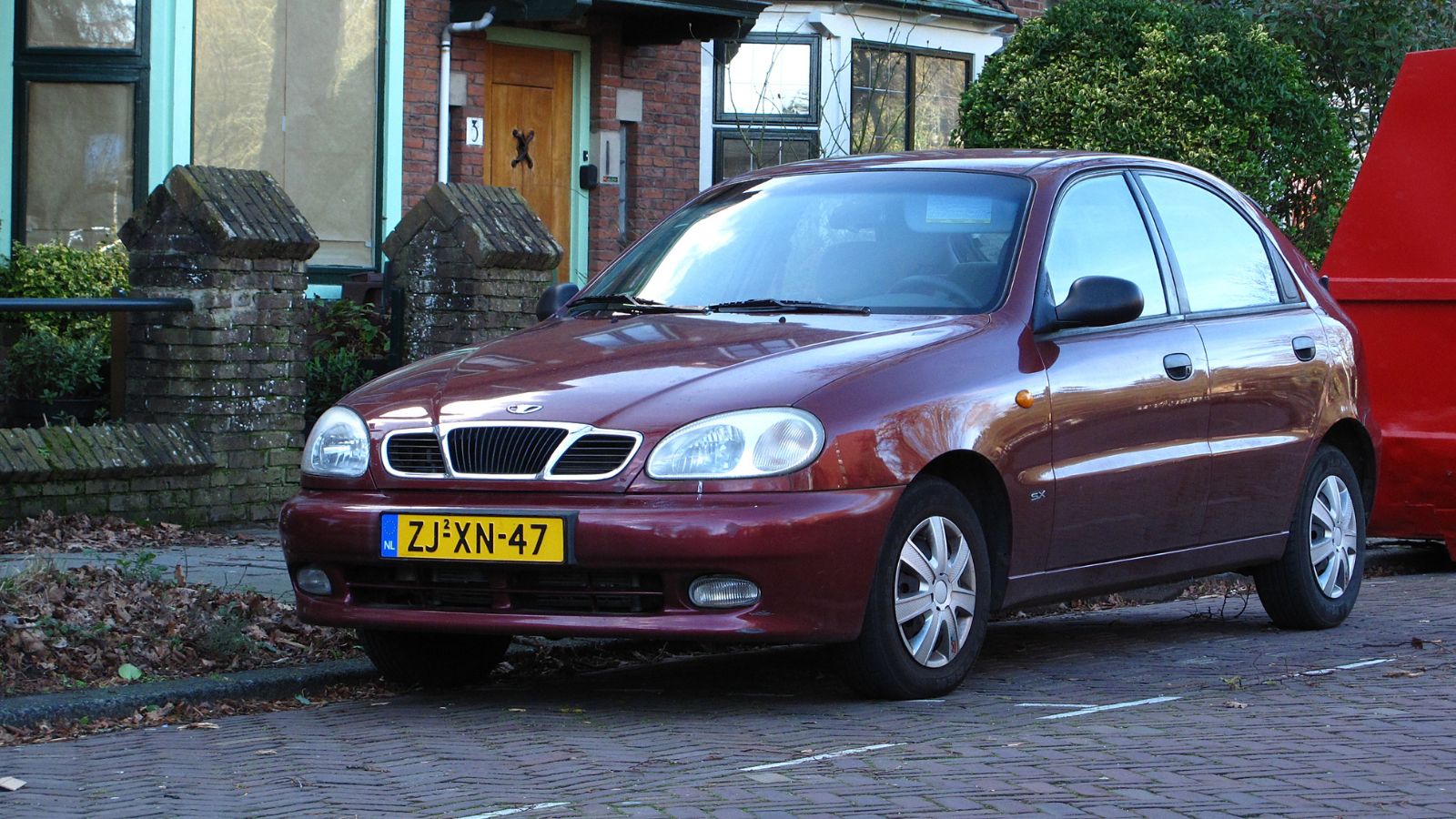
The Lanos felt flimsy the moment you shut the door. Thin body panels, fragile interior plastics and poor corrosion protection meant many aged rapidly. Even low mileage examples developed rattles and structural fatigue. It was cheap for a reason, and owners paid for it later.
Ford Aspire
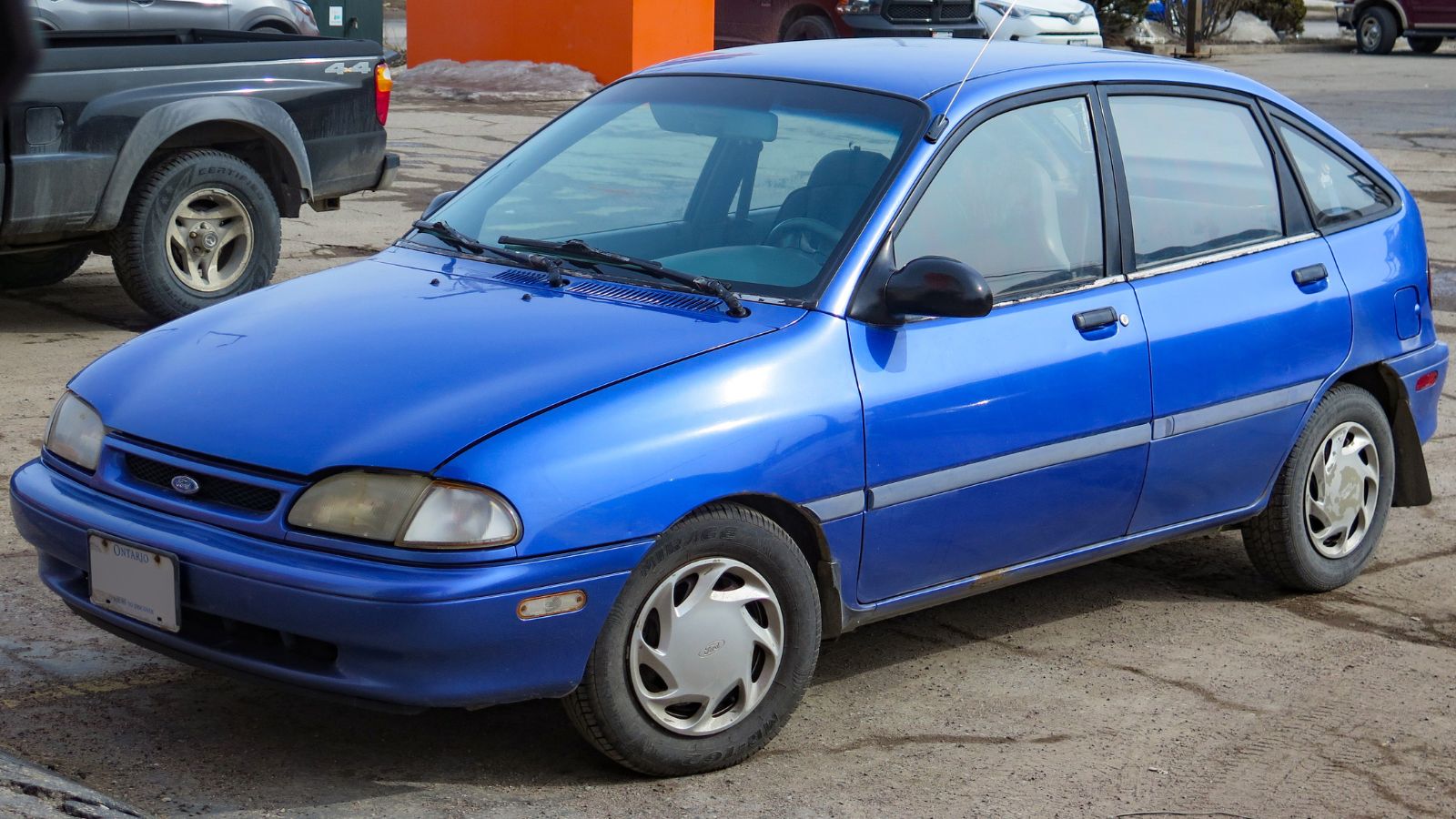
Built to a price and it showed everywhere. Weak trim materials, sloppy assembly and suspension components that wore out quickly made the Aspire feel disposable. It was transportation in the most literal sense and nothing more.
Chrysler Sebring
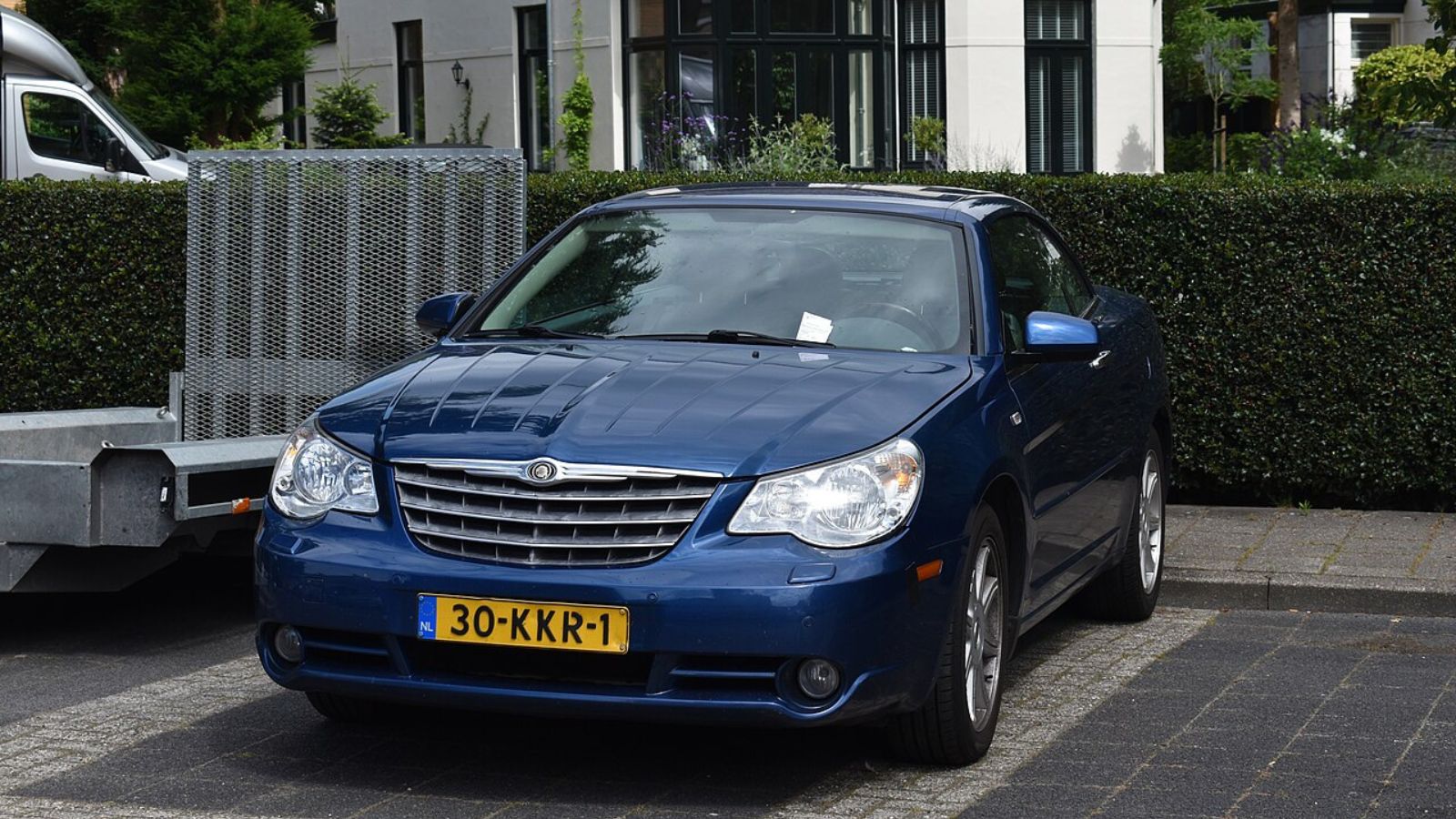
The Sebring promised style but delivered disappointment. Interior pieces broke easily, door seals failed and electrical gremlins were common. Even careful owners struggled to keep them feeling solid beyond a few years.
Geo Metro

The Metro was praised for fuel economy, but build quality was almost an afterthought. Paper thin metal, weak seats and minimal sound insulation made it feel temporary. Many survived only because they were mechanically simple.
Volkswagen Jetta
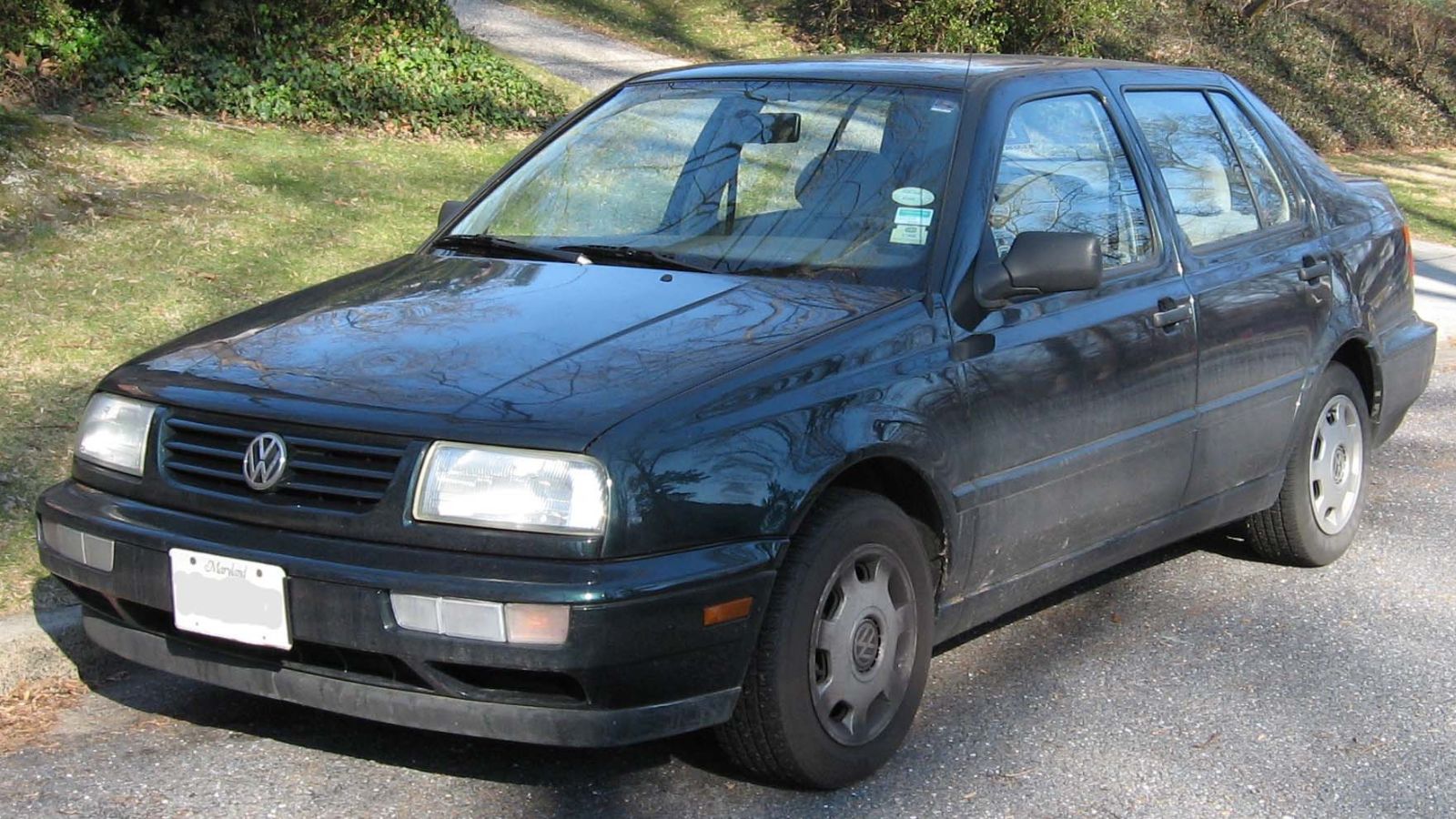
Early 1990s Jettas suffered from interior disintegration. Headliners sagged, door handles snapped and switchgear failed regularly. While the engines could last, the cabin often fell apart long before.
Saturn SL
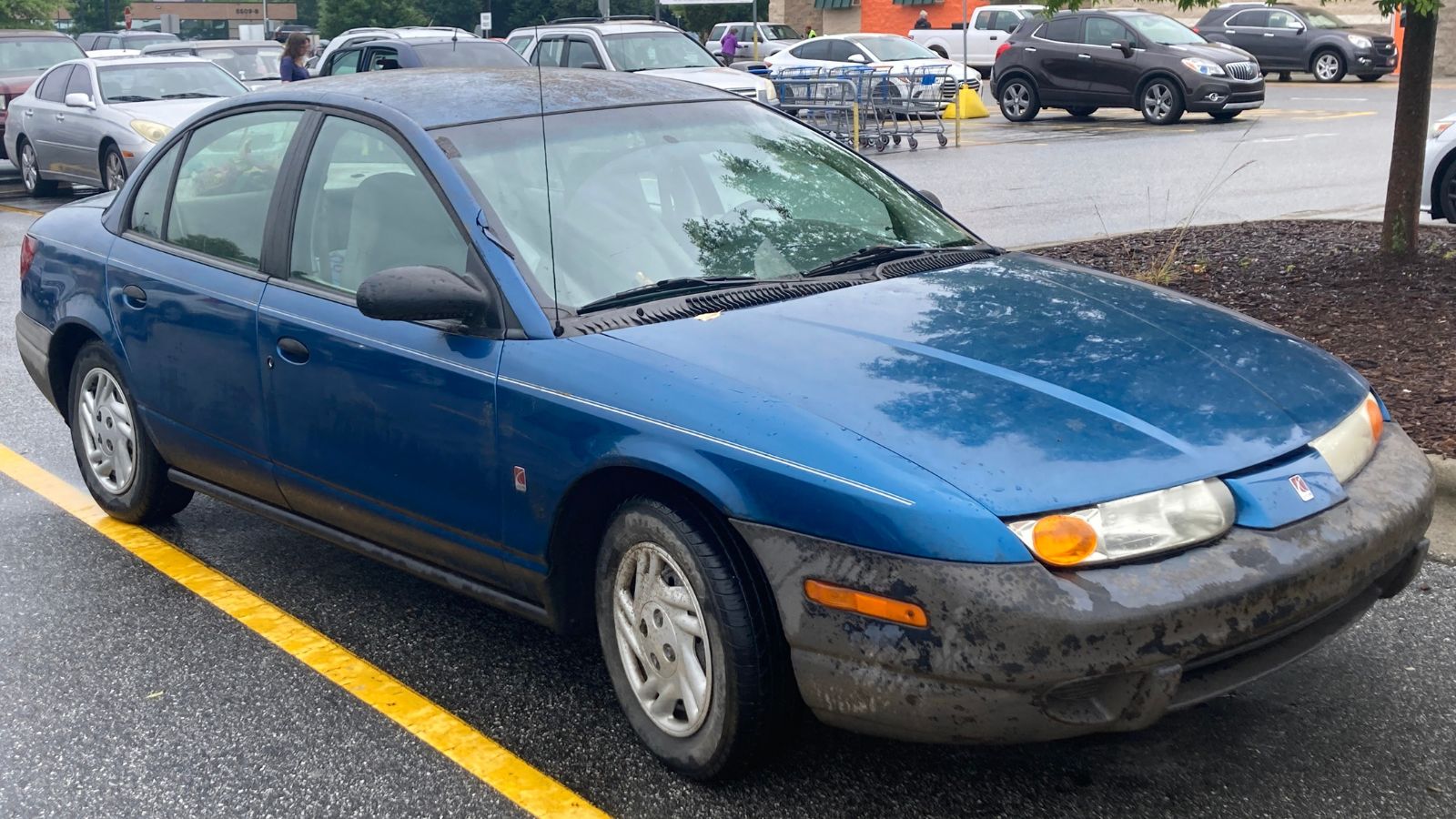
Plastic body panels hid deeper issues. Interior quality was poor, suspension components wore early and fit and finish felt rushed. Saturn promised a new way forward, but the execution never matched the vision.
Hyundai Excel
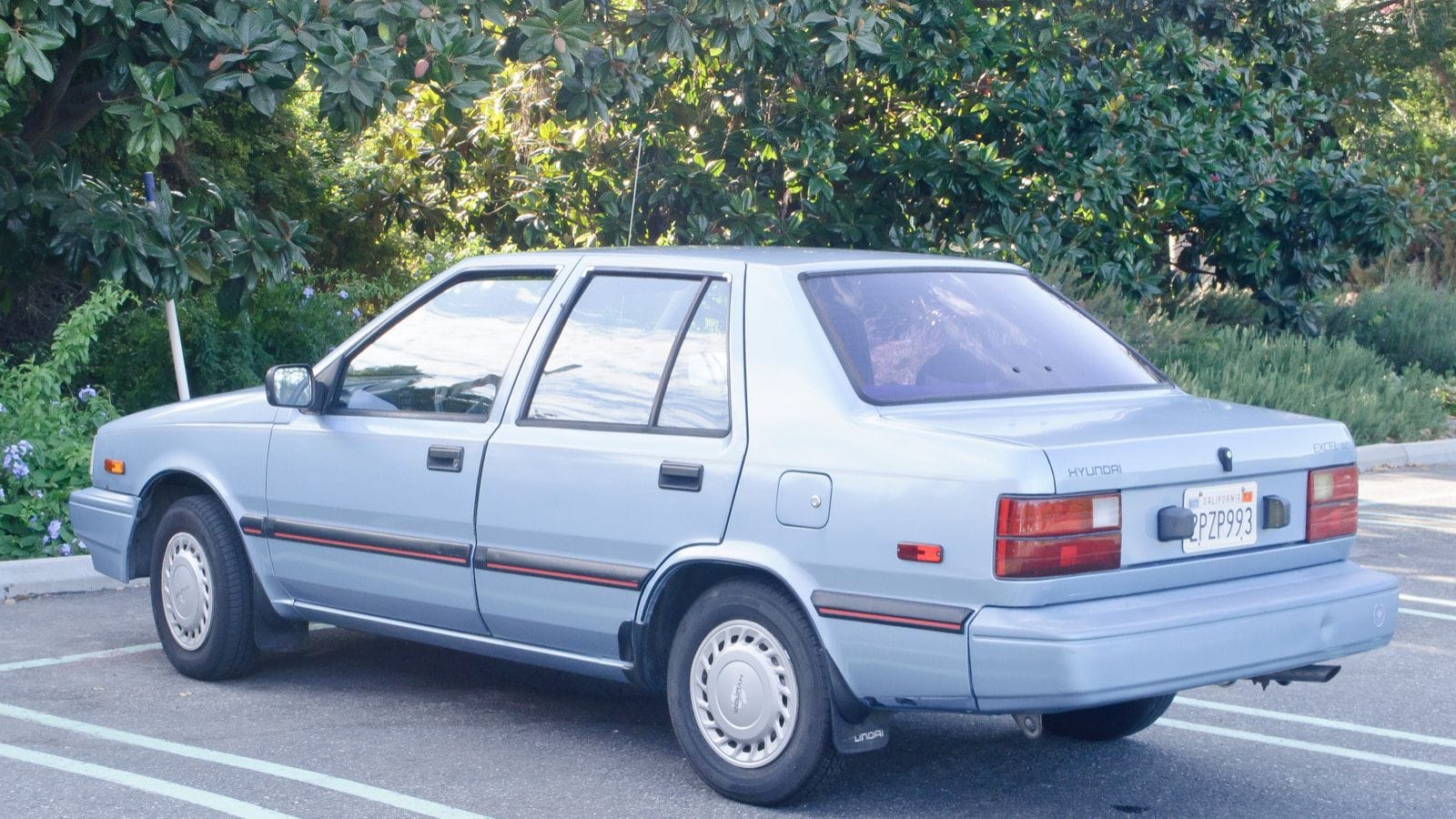
The Excel helped Hyundai grow, but quality was not its strength. Rust, weak engines and cheap materials plagued early examples. It earned a reputation that took the brand years to shake off.
Chevrolet Cavalier
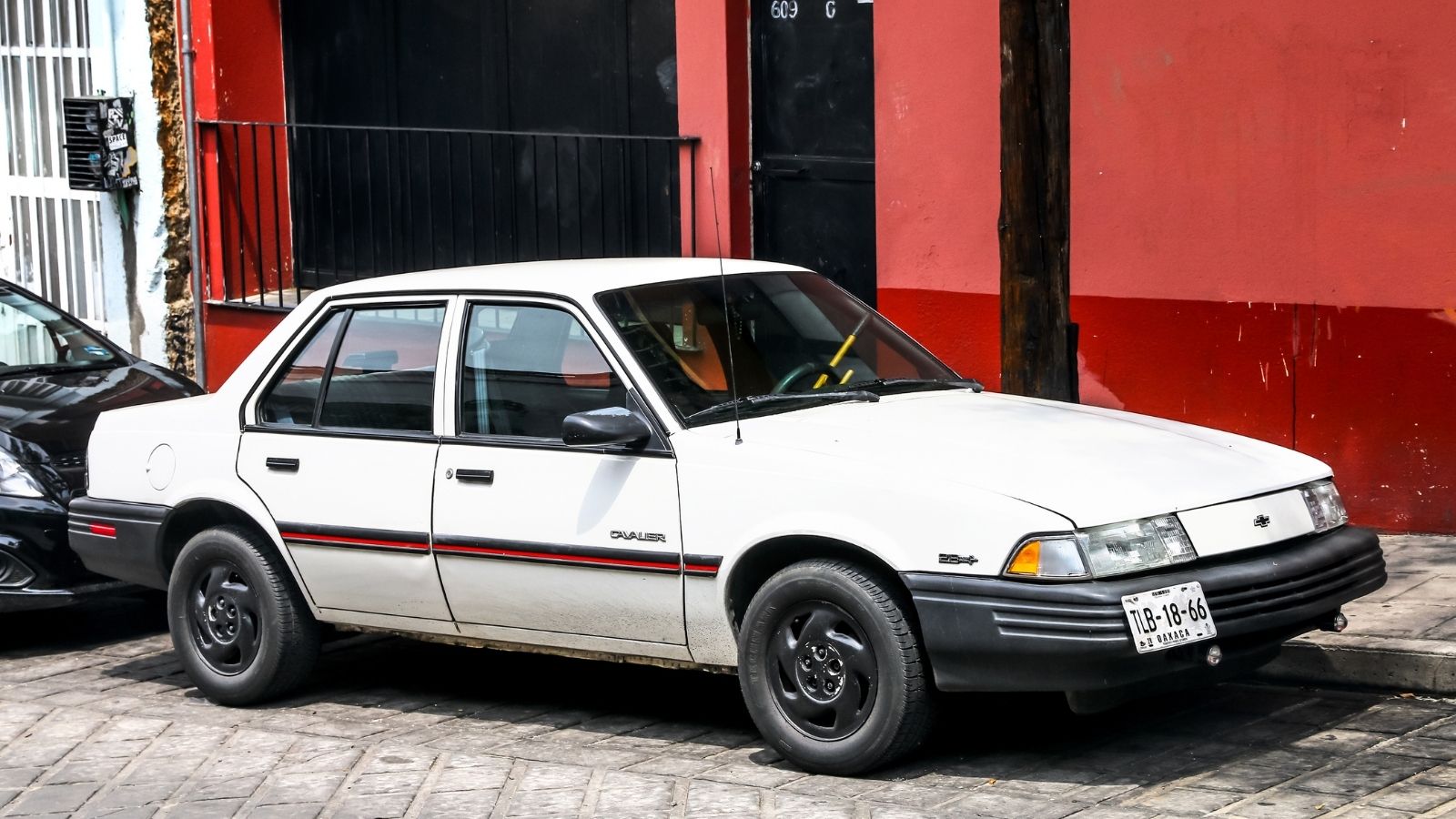
The Cavalier sold well but aged terribly. Interior plastics cracked, dashboards rattled and suspension components wore fast. Many felt worn out long before reaching respectable mileage.
Peugeot 306
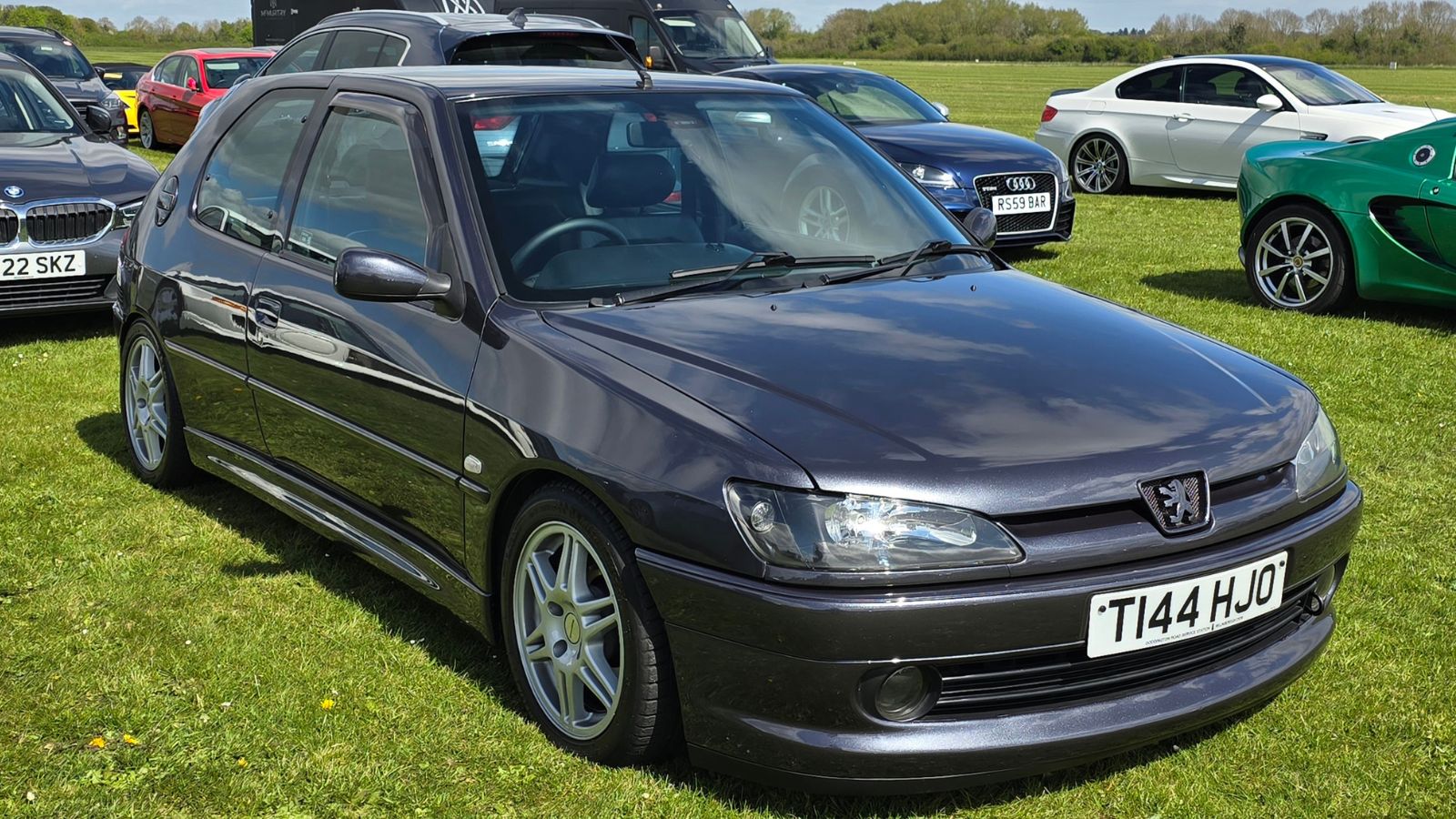
Great handling could not save it. Electrical failures, fragile interiors and inconsistent assembly quality frustrated owners. It drove well when everything worked, which was not often enough.
Fiat Tipo
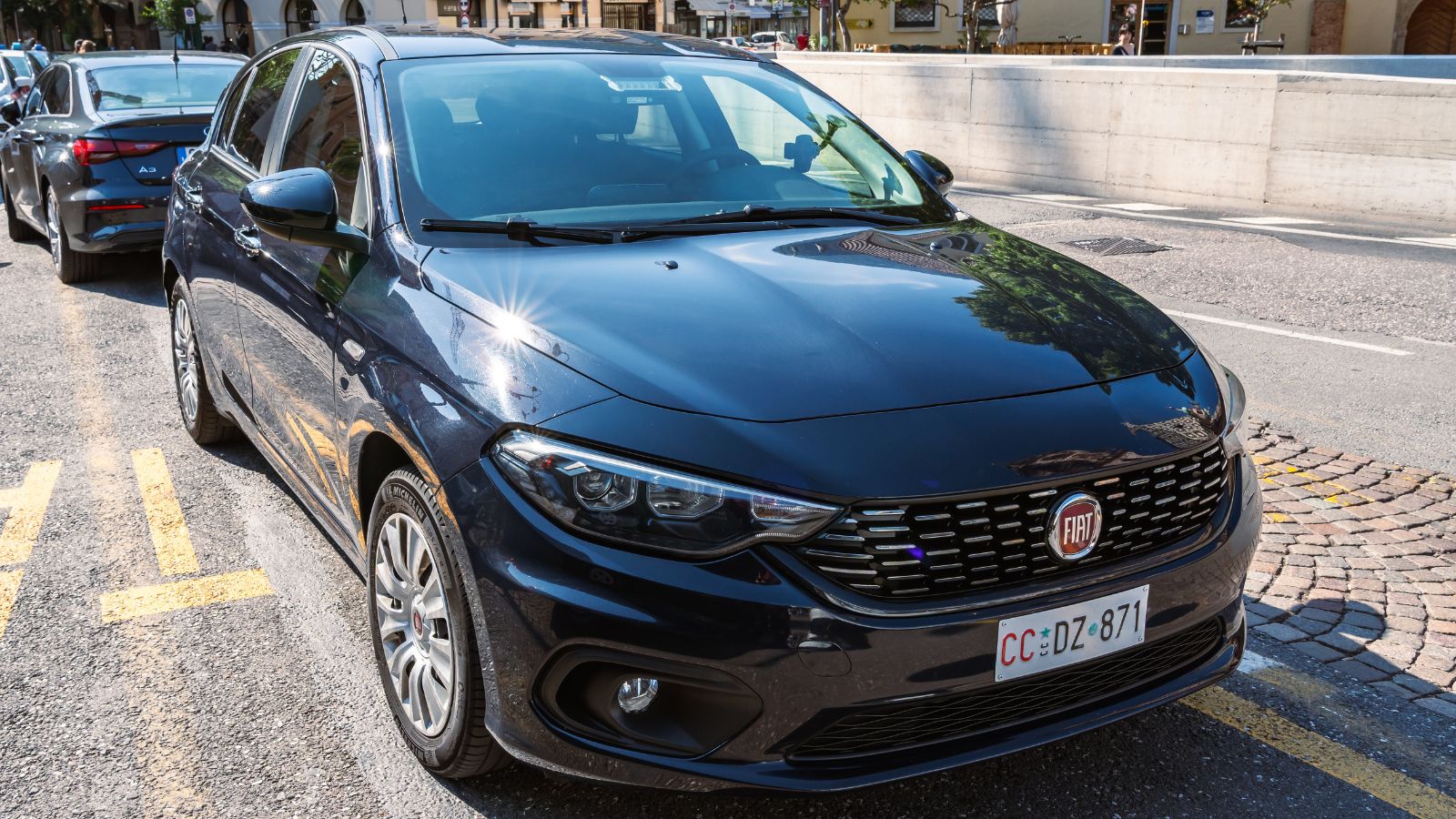
The Tipo offered clever packaging but suffered from dreadful material quality. Switches failed, trim detached and rust appeared early. It was innovative on paper and fragile in reality.
25 Facts About Car Loans That Most Drivers Don’t Realize

Car loans are one of the most common ways people fund car purchases. Like any other kind of loan, car loans can have certain features that can be regarded as an advantage or a disadvantage to the borrower. Understanding all essential facts about car loans and how they work to ensure that you get the best deal for your financial situation is essential. Here are 25 shocking facts about car loans that most drivers don’t realize:
25 Facts About Car Loans That Most Drivers Don’t Realize
