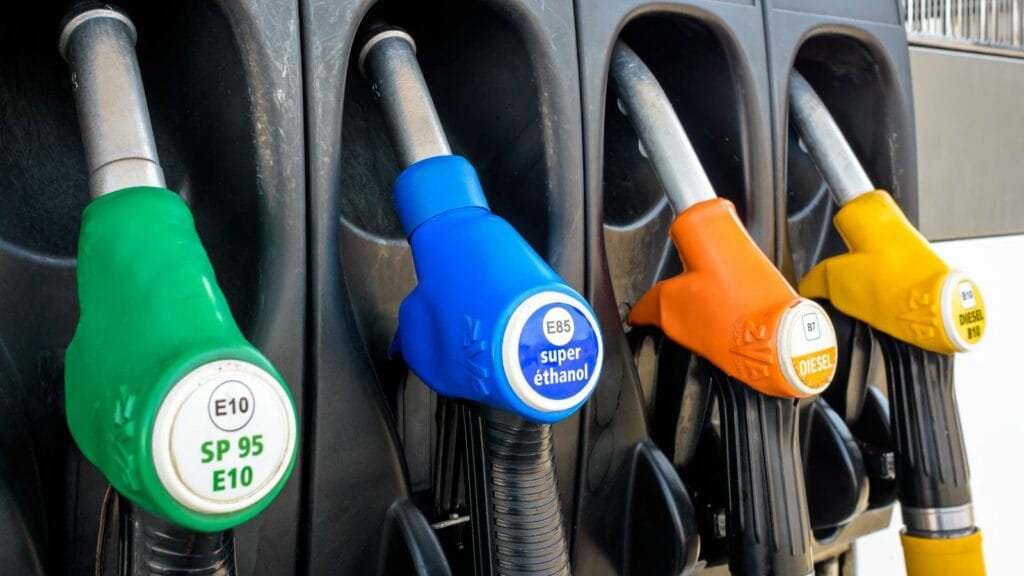
Montreal drivers are seeing an unusually wide split at the pump. On October 11, 2026, retail data sourced from Quebec’s energy regulator put diesel at roughly $2.91 a litre in Montreal while regular gasoline averaged about $1.97. The difference works out to approximately 94 cents for every litre purchased.
The gap is striking because gasoline itself remains expensive, yet diesel has moved into an entirely different price range. For truck operators, contractors, delivery companies and households with diesel vehicles, the difference can add tens of dollars to a single fill-up. The forces behind it extend well beyond individual service stations. Wholesale fuel markets, tight global supplies of diesel and other distillates, geopolitical disruptions and seasonal demand are all contributing to a market in which diesel has become considerably more expensive than gasoline.
The Gap Is Real — and It Has Widened Quickly
Montreal’s latest retail readings help put the headline number into perspective. Regular gasoline averaged approximately 197.2 cents a litre on October 11, while the latest diesel reading stood near 291.0 cents. That produces a 93.8-cent difference, which rounds to 94 cents. The spread has grown because diesel prices have risen far more aggressively than gasoline prices during the past several weeks.
The recent history is equally revealing. Montreal diesel reached about 298.7 cents a litre on September 18, meaning today’s $2.91 level is elevated but is not the recent high. Across the roughly seven-week period beginning in late August, diesel averaged about 282.7 cents a litre, compared with roughly 199.3 cents for regular gasoline. For motorists accustomed to seeing diesel and gasoline separated by a comparatively modest amount, a gap approaching a dollar per litre represents a dramatic change in the economics of filling a tank.
Most of the Premium Appears Before Fuel Reaches the Pump
The biggest clue comes from Montreal’s wholesale market. Petro-Canada’s weekly terminal pricing effective October 10 listed regular gasoline at 144.26 cents a litre before taxes, while ultra-low-sulphur diesel stood at 223.61 cents. That is already a wholesale difference of 79.35 cents per litre before a retailer adds taxes, distribution expenses and its own margin.
In other words, roughly 85 percent of the current 94-cent retail spread can be seen in the difference between wholesale gasoline and diesel prices alone. That makes the situation fundamentally different from a price increase caused primarily by service-station markups. Wholesale diesel is simply far more valuable in the current market. Refiners and commodity traders often describe that difference through refining or “crack” spreads—the amount by which the value of a refined fuel exceeds the crude oil used to produce it. Diesel crack spreads have become exceptionally elevated during 2026 as available supply struggles to keep pace with demand.
Diesel Is Caught in a Global Distillate Squeeze
Diesel belongs to a broader group of petroleum products known as distillates, which also includes heating oil. These fuels are traded internationally, so tightness in one major refining region can quickly influence prices somewhere else. The U.S. Energy Information Administration reported in September that global distillate supplies had become constrained by reduced refining activity in Russia, China and the Middle East.
American inventories provide another indication of the pressure. As of the week ending September 11, U.S. distillate inventories were about 13 percent below their previous five-year seasonal average, according to the EIA. Despite strong U.S. refinery production, exports remained elevated because overseas buyers were competing for available diesel. Canada operates within that same interconnected market. A refinery in Montreal does not set prices independently of New York, the U.S. Gulf Coast or European trading hubs. When internationally traded diesel becomes scarce and expensive, the effect can travel rapidly through wholesale terminals and eventually appear on Montreal pump signs.
Emergency Oil Releases Show How Serious the Shortage Has Become
Governments rarely focus emergency petroleum policy specifically on diesel unless the market is under significant stress. On October 7, International Energy Agency members agreed to accelerate previously announced emergency stock releases and, where possible, prioritize diesel because of what the agency described as tight conditions in diesel markets. The IEA said approximately 325 million barrels of oil had already been released under its March 2026 collective action.
Another roughly 100 million barrels previously pledged remained available for release, while IEA governments still held around 1.1 billion barrels of publicly controlled emergency stocks. More than 200 million barrels of that total consisted of diesel. The scale of those numbers illustrates that Montreal’s pump prices are part of a much larger energy story. Emergency stocks can provide temporary supply and calm market fears, but they do not immediately rebuild refinery capacity or eliminate disruptions. Retail prices may therefore react gradually even when governments announce substantial intervention.
Quebec Is Connected to an International Fuel Market
Canada produces large quantities of petroleum, but that does not mean every province is self-sufficient in every refined fuel. The Canada Energy Regulator reported that Canada imported about 485,000 barrels per day of refined petroleum products in 2025. Nearly 80 percent came from the United States. Quebec alone imported approximately 103,000 barrels per day, accounting for about 21 percent of Canadian refined-product imports.
Many of those imports are transportation fuels such as gasoline, jet fuel and diesel. Quebec’s geography provides some diversification because marine access allows suppliers to buy products from European and other overseas markets as well as the United States. The province also has domestic refining capacity. Still, suppliers choose among local production and imports according to price, availability, specifications, transport costs and logistical constraints. That exposure means a global shortage of diesel can reach Quebec even when Canada as a whole produces more petroleum products than Canadians collectively consume.
Montreal’s Taxes Do Not Explain a 94-Cent Difference
Fuel taxes certainly contribute to the final amount displayed on a Montreal pump, but the tax structure does not explain why diesel is currently almost a dollar more expensive than gasoline. Quebec’s regular fuel-tax rate is 19.2 cents per litre for gasoline and 20.2 cents for non-coloured diesel. Gasoline sold within the Montreal metropolitan transit jurisdiction also carries an additional three-cent-per-litre levy used to support public transportation.
That means the fixed Quebec and Montreal fuel-tax burden on regular gasoline is actually about two cents per litre higher than the comparable provincial fuel tax on diesel. GST and QST also apply to fuel purchases, but those percentage-based taxes affect both products. Ottawa has meanwhile proposed extending its federal fuel-excise relief through January 31, 2027; as of October 11, Bill C-38 remained at report stage in the House of Commons. Whatever happens to that legislation, the enormous current gasoline-diesel difference clearly originates primarily upstream in commodity and wholesale markets.
Truckers and Businesses Feel the Spread First
Diesel prices matter beyond owners of diesel passenger vehicles because the fuel remains essential to commercial transportation. Statistics Canada reported that Canada had more than 155,000 business locations in the truck-transportation subsector as of June 2026. Those businesses move everything from groceries and construction materials to vehicles, machinery and bulk liquids. When diesel suddenly becomes much more expensive, fuel bills can become a major operating problem almost immediately.
That pressure was already visible earlier in 2026. Statistics Canada reported that truck-transportation prices rose 9.5 percent year over year in the second quarter and 5.3 percent from the previous quarter amid sharply higher global energy costs. By the third quarter, 30.8 percent of transportation and warehousing businesses expected input costs to present an obstacle over the coming months, while 22.4 percent expected to raise their prices. Fuel is not the only factor affecting freight rates, but exceptionally expensive diesel increases pressure throughout a supply chain built heavily around trucks.
A Large Tank Makes the Difference Difficult to Ignore
A 94-cent-per-litre spread can appear abstract until it is translated into a fill-up. At approximately $2.91 per litre, 100 litres of diesel costs about $291. The same volume of regular gasoline at roughly $1.97 costs about $197. The difference is approximately $94 on that single 100-litre purchase. That comparison does not mean gasoline and diesel vehicles use identical amounts of fuel, but it demonstrates the size of the current price separation.
For commercial operators, the arithmetic becomes considerably larger. A hypothetical 500-litre diesel purchase at the same price represents about $1,455 in fuel. Applying the 94-cent differential to that volume produces roughly $470 more than an equivalent volume priced at the gasoline rate. Fleets buy fuel repeatedly, turning a per-litre difference that seems manageable to a passenger-car driver into a substantial operating expense. That is why diesel spikes tend to attract attention from trucking, agriculture, construction and delivery businesses particularly quickly.
Fall and Winter Could Keep Distillates Under Pressure
October is not an ideal moment for the diesel market to enter a supply squeeze. Distillate demand typically strengthens during fall and winter because diesel shares the refining system with heating oil. Agricultural activity, freight movement and colder-weather heating demand can all place additional pressure on the same broad pool of distillate fuels. Refinery maintenance during autumn can simultaneously reduce available production.
The U.S. Energy Information Administration expects those seasonal forces to matter in 2026. Its September outlook projected diesel refining margins above $2 per gallon from August through November before gradually easing into 2027. That forecast assumes improvements in Middle Eastern oil flows and increased availability of internationally traded fuel. Forecasts can change rapidly when wars, refinery outages, shipping disruptions or weather events alter supply. Montreal drivers therefore should not interpret a modest daily decline in diesel as proof that the broader problem has ended. The underlying international market remains unusually tight.
What Would Have to Change for the Gap to Shrink
A sustained narrowing of Montreal’s gasoline-diesel gap would likely require improvement well before fuel reaches local service stations. More global distillate production, recovering inventories and lower refining margins would all help. Normalized shipping through major energy routes and stronger refinery output in the Middle East, Russia, China or other major producing regions could add supply. Lower crude prices would also reduce part of the underlying cost shared by both gasoline and diesel.
There are reasons to expect eventual relief, but timing is uncertain. The EIA’s outlook anticipates diesel refining margins declining into 2027 if international fuel flows recover, while the IEA has demonstrated that governments remain willing to deploy emergency inventories. For now, Montreal’s roughly $2.91 diesel price and $1.97 gasoline average show how differently two fuels made from the same barrel of crude can behave. The 94-cent gap is not simply a local pricing curiosity. It is a visible consequence of a strained global diesel market reaching directly into everyday transportation costs.
