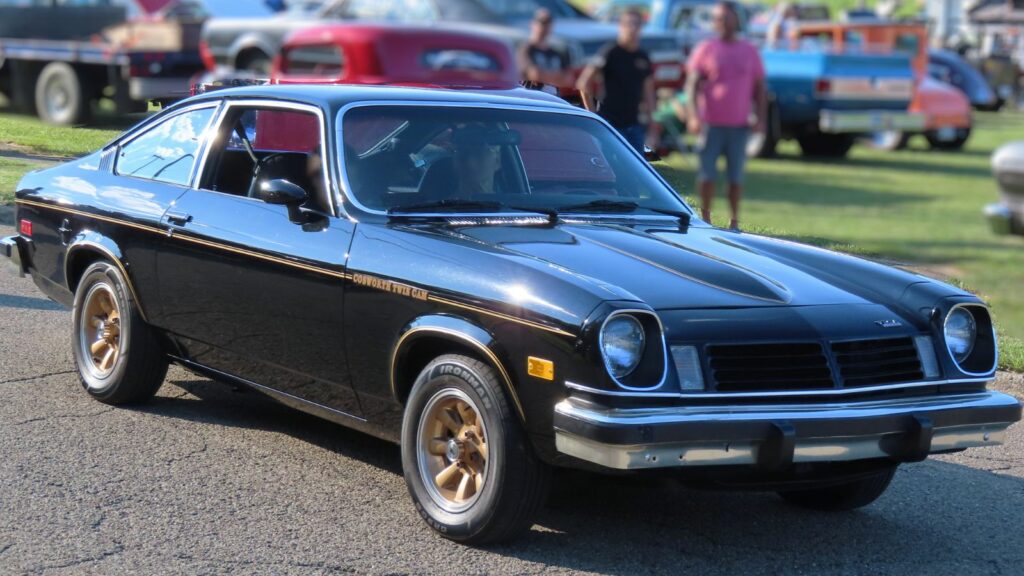
Engines define a car’s reputation more than styling or badges ever will. When an engine fails, everything else stops mattering. Some powerplants were rushed to market, others were strangled by emissions, and a few were simply bad ideas that never should have left the drawing board. These nine engines earned infamy for breakdowns, weak performance, or catastrophic design flaws that haunted owners for years.
Oldsmobile 5.7 Diesel V8 1978 to 1985
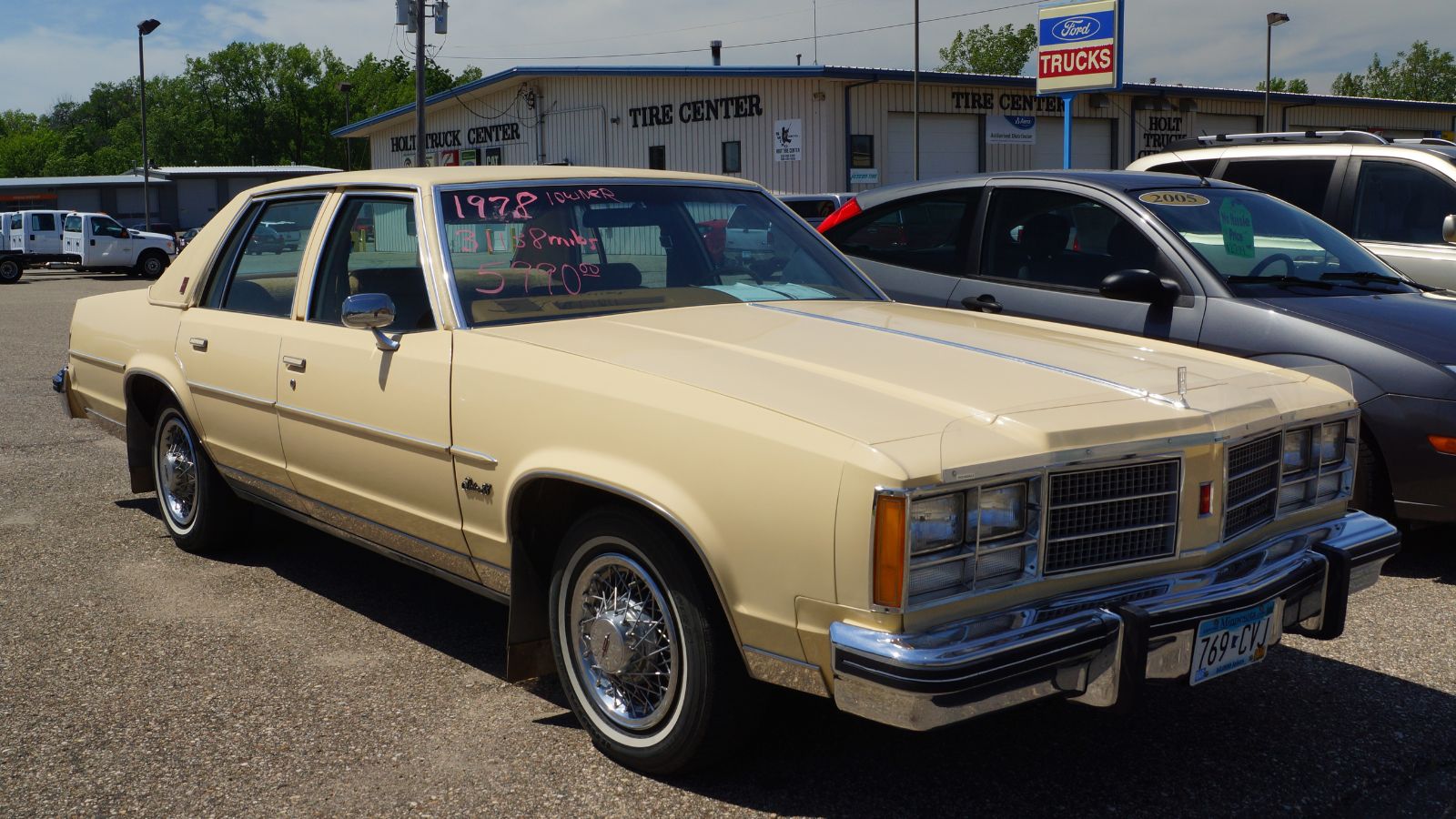
This engine is often cited as the moment diesel gained a bad reputation in North America. Oldsmobile rushed it into production during the fuel crisis by adapting a gasoline block instead of designing a true diesel. Head bolts stretched, head gaskets failed, and fuel systems contaminated easily. Many engines died well before 100,000 miles. Owners expected efficiency and longevity but got constant repairs and frustration instead.
Chevrolet Vega Aluminum Four Cylinder 1971 to 1977
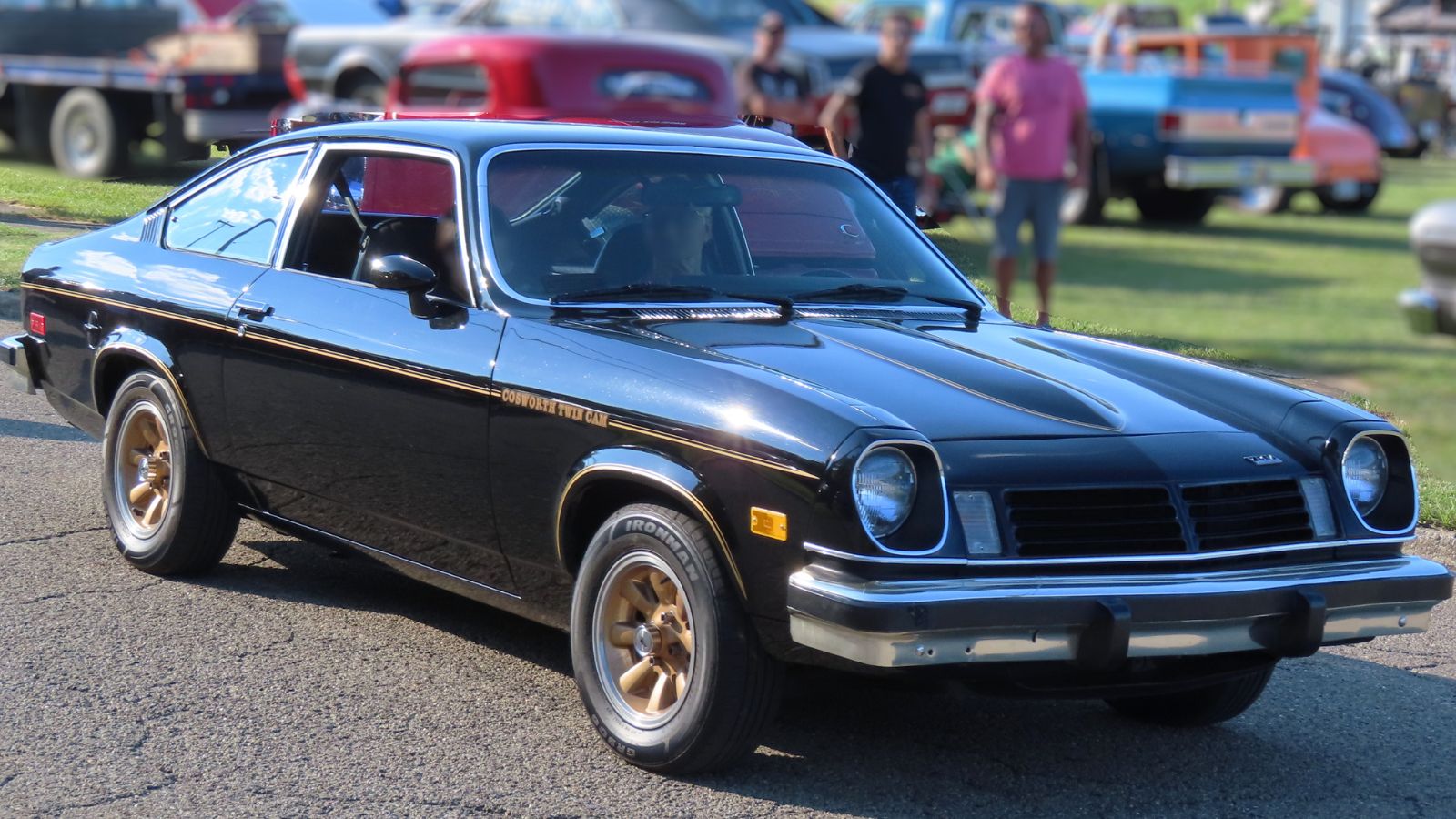
The Vega engine looked innovative with its aluminum construction, but reality was brutal. Poor cooling and inadequate cylinder liners caused rapid wear. Engines burned oil known for warping and overheating. Many failed before the warranty expired. Owners watched brand new cars deteriorate quickly, and Chevrolet’s reputation took a massive hit. It became a textbook lesson in why materials and engineering shortcuts matter.
Cadillac HT4100 V8 1982 to 1987
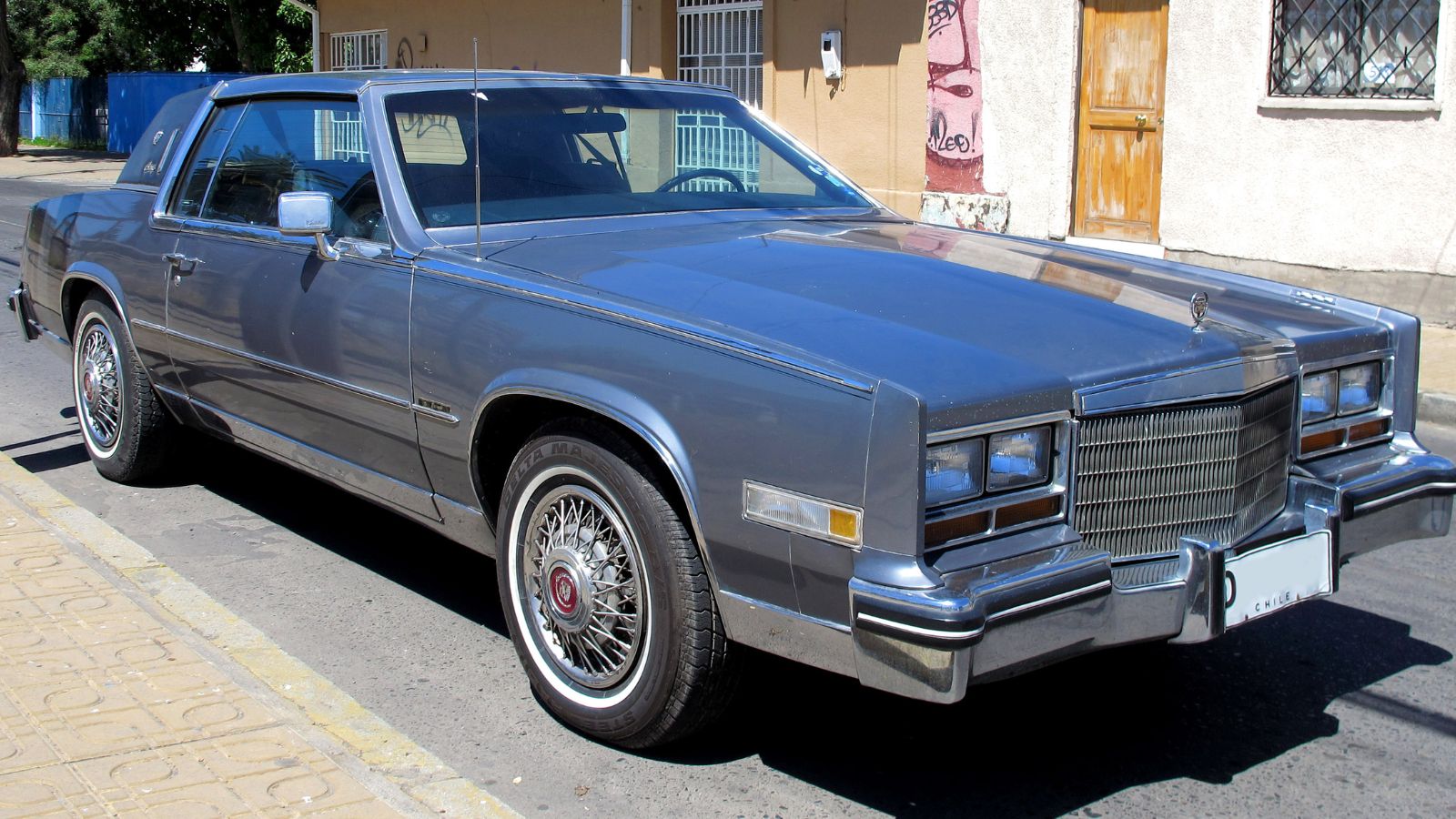
Cadillac tried to modernize with the HT4100, but the result felt underdeveloped. Aluminum blocks paired with cast iron heads caused sealing problems. Overheating and coolant leaks were common. Power output disappointed even casual drivers. For buyers expecting traditional Cadillac smoothness and durability, this engine felt fragile and uninspiring. Many cars became unusable long before their luxury interiors wore out.
Ford 5.4 Triton Three Valve V8 2004 to 2010
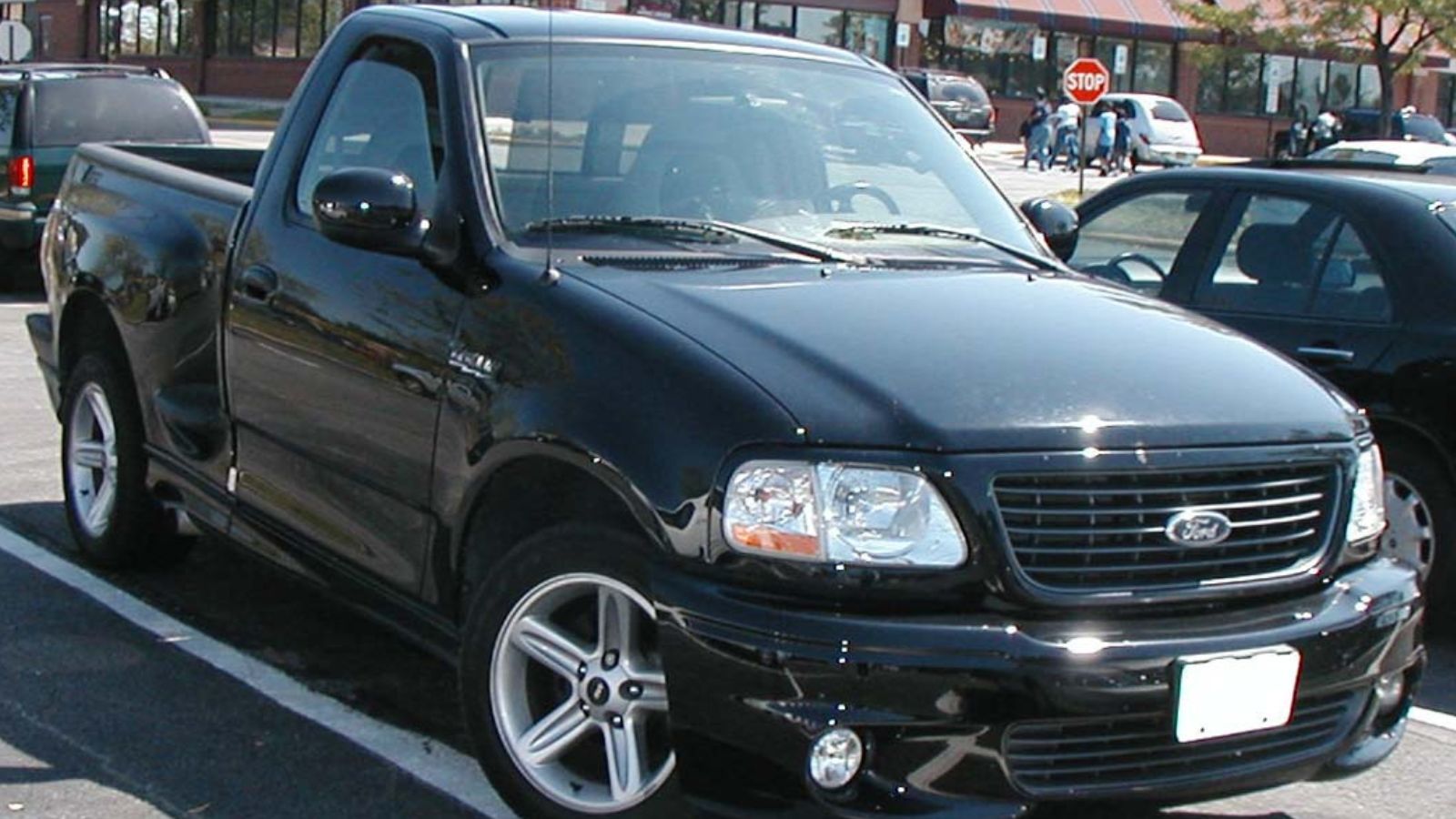
This engine looked solid on paper but became infamous in real world use. Spark plugs broke during removal, often destroying cylinder heads. Cam phaser failures caused loud rattles and poor running. Timing chain issues followed. Repair costs piled up fast. Many trucks needed major work before hitting high mileage. Owners loved the trucks but dreaded engine service.
Subaru 2.5 Liter EJ25 1996 to 2011
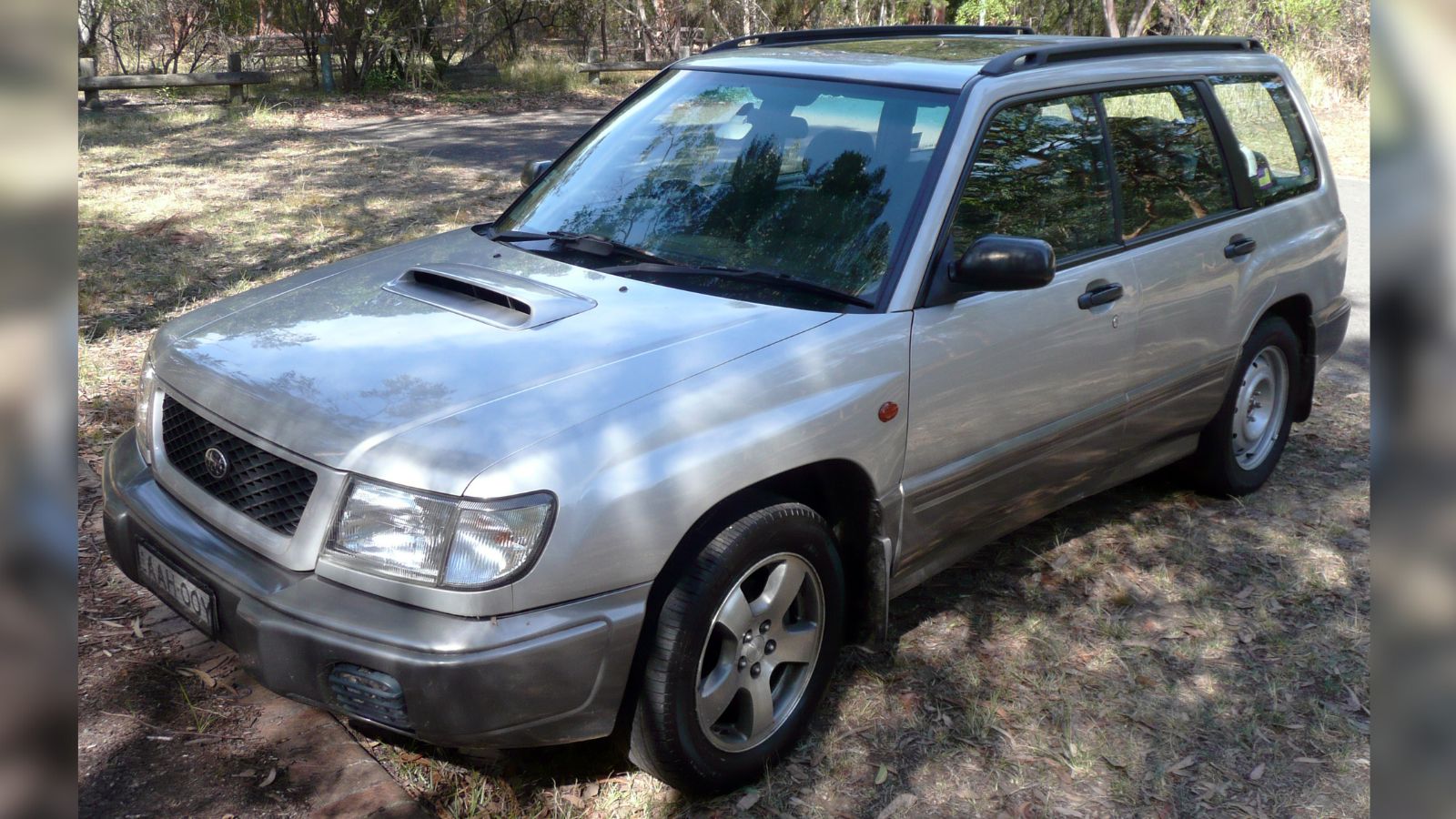
Subaru’s flat four had loyal fans, but the EJ25 earned a reputation for head gasket failures. Coolant leaks, overheating, and oil contamination plagued owners. Even careful maintenance could not always prevent failure. Repairs were expensive due to engine layout. Many drivers accepted the risk because they loved all wheel drive traction, but the engine’s reliability record remains controversial.
Renault PRV V6 1974 to 1998
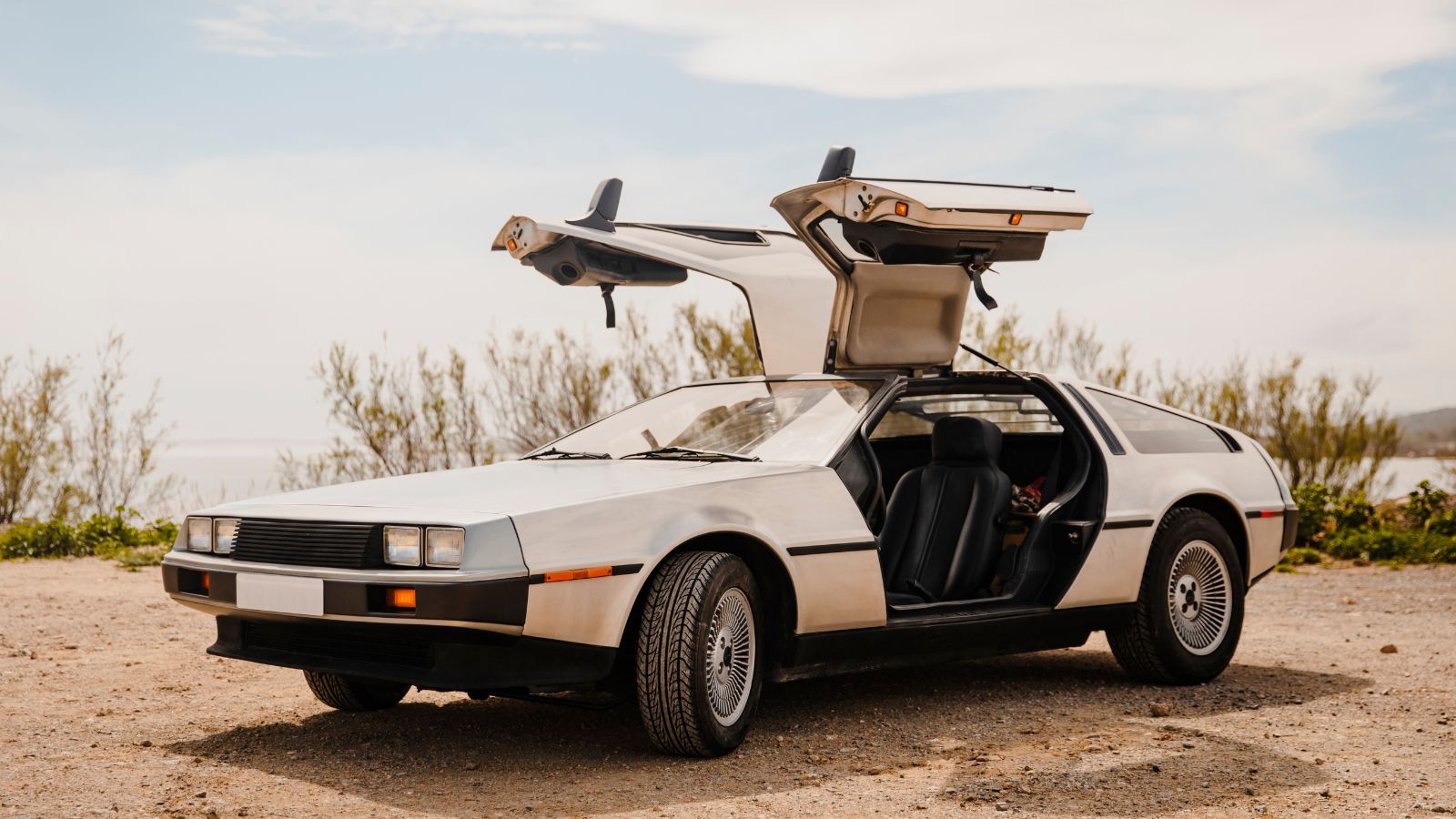
Originally designed as a V8, the PRV V6 was compromised from the start. Odd firing intervals made it feel rough. Early versions suffered from oiling and timing issues. Power delivery disappointed for its size. Used across multiple brands, it gained a reputation for being neither smooth nor durable. It stands as an example of how abandoned design plans can haunt production engines.
Volkswagen 2.0 TSI Early Generation 2008 to 2013
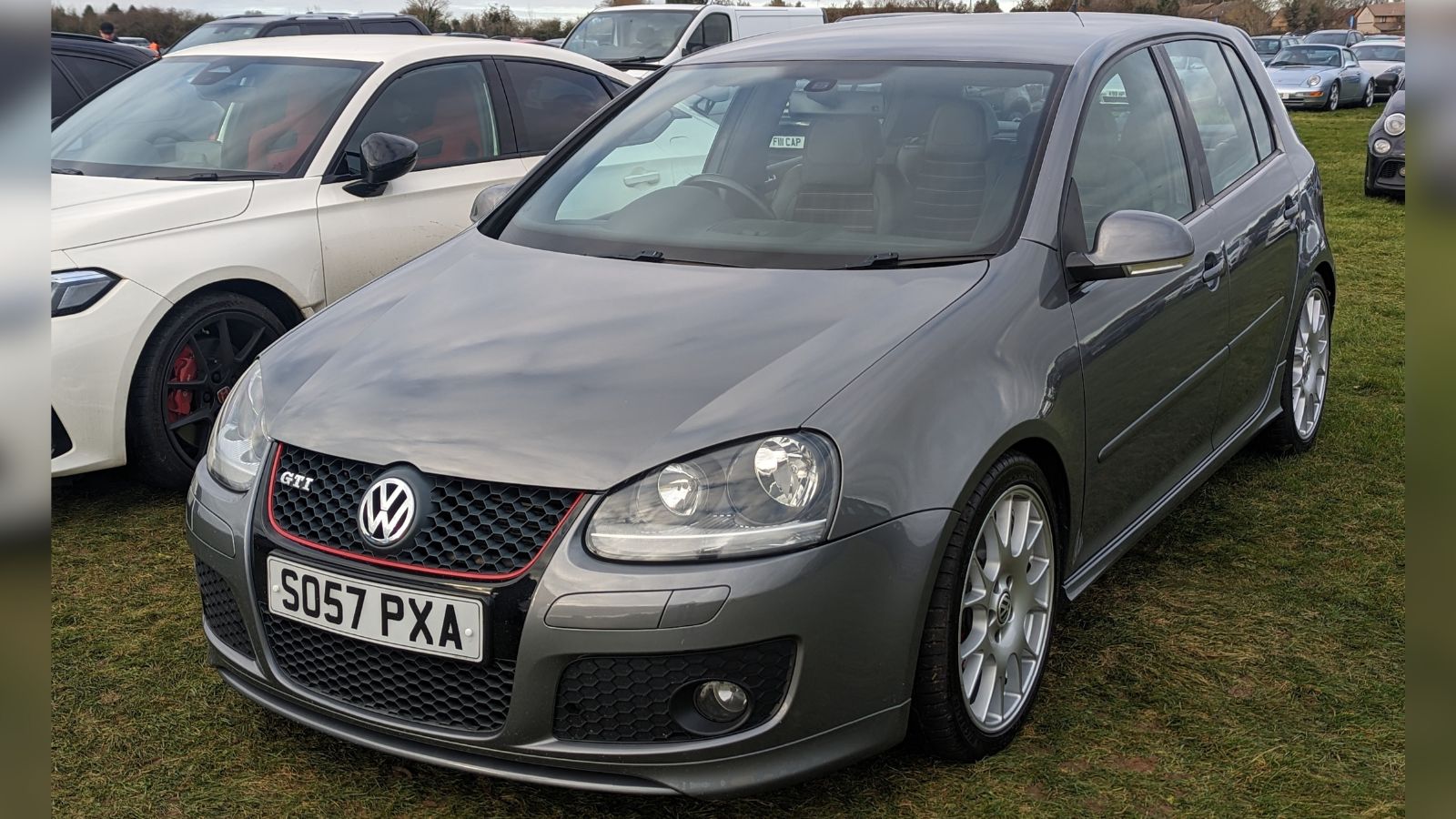
Early turbocharged direct injection engines promised performance and efficiency. Instead, timing chain tensioner failures caused catastrophic damage without warning. Oil consumption plagued many owners. Repairs were costly and often required full engine teardown. Later revisions improved reliability, but early cars burned trust along with oil. Many owners learned about timing issues only after hearing a very expensive noise.
Chrysler 2.7 Liter V6 1998 to 2010
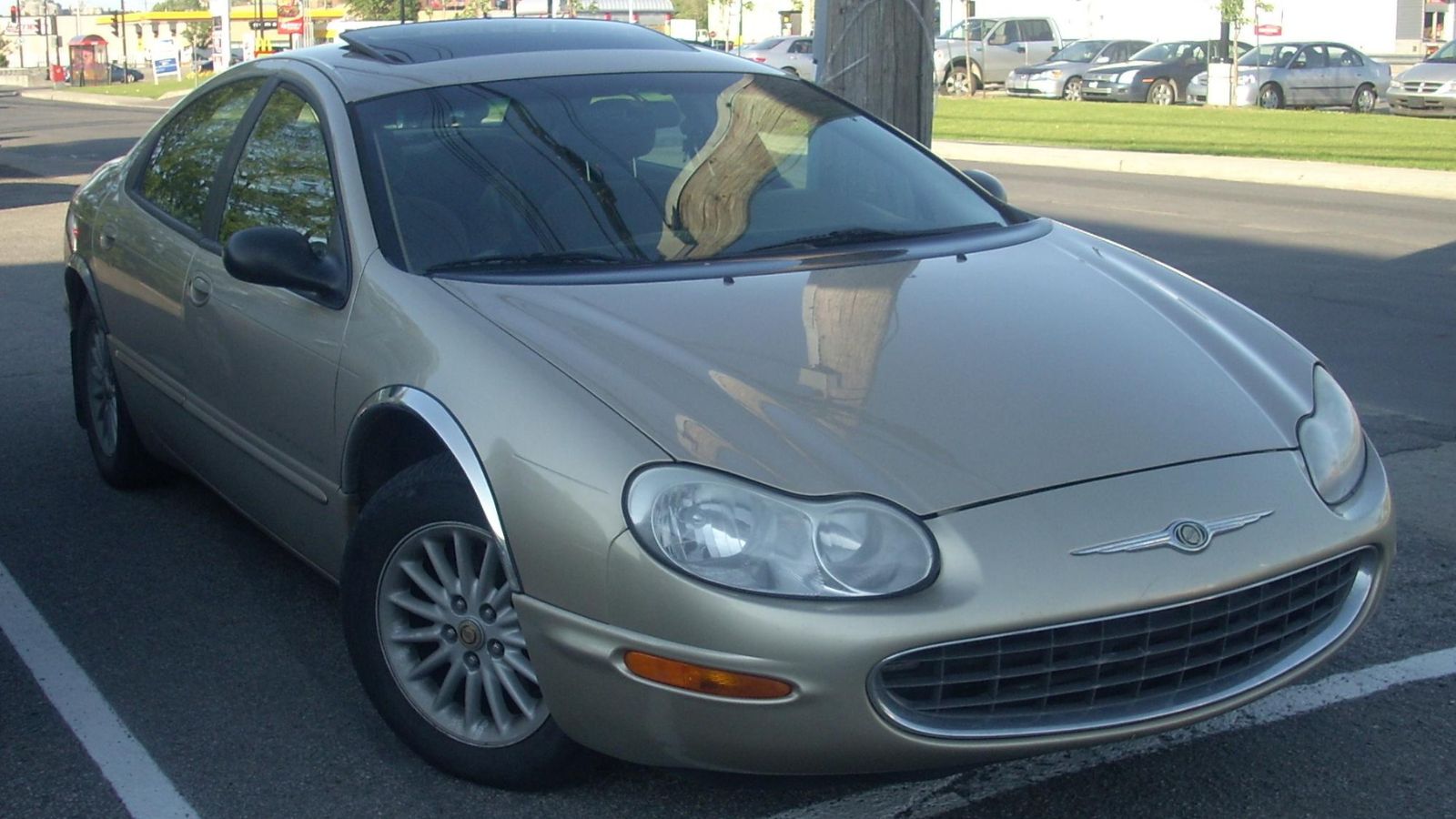
This engine became infamous for sludge buildup that killed engines early. Poor oil circulation and high temperatures destroyed internals even with proper maintenance. Timing chain failures followed. Many engines failed before 100,000 miles. Owners who stretched oil change intervals paid the ultimate price. It remains one of the most widely criticized modern V6 designs ever produced.
Yugo 1.3 Liter Inline Four 1985 to 1992
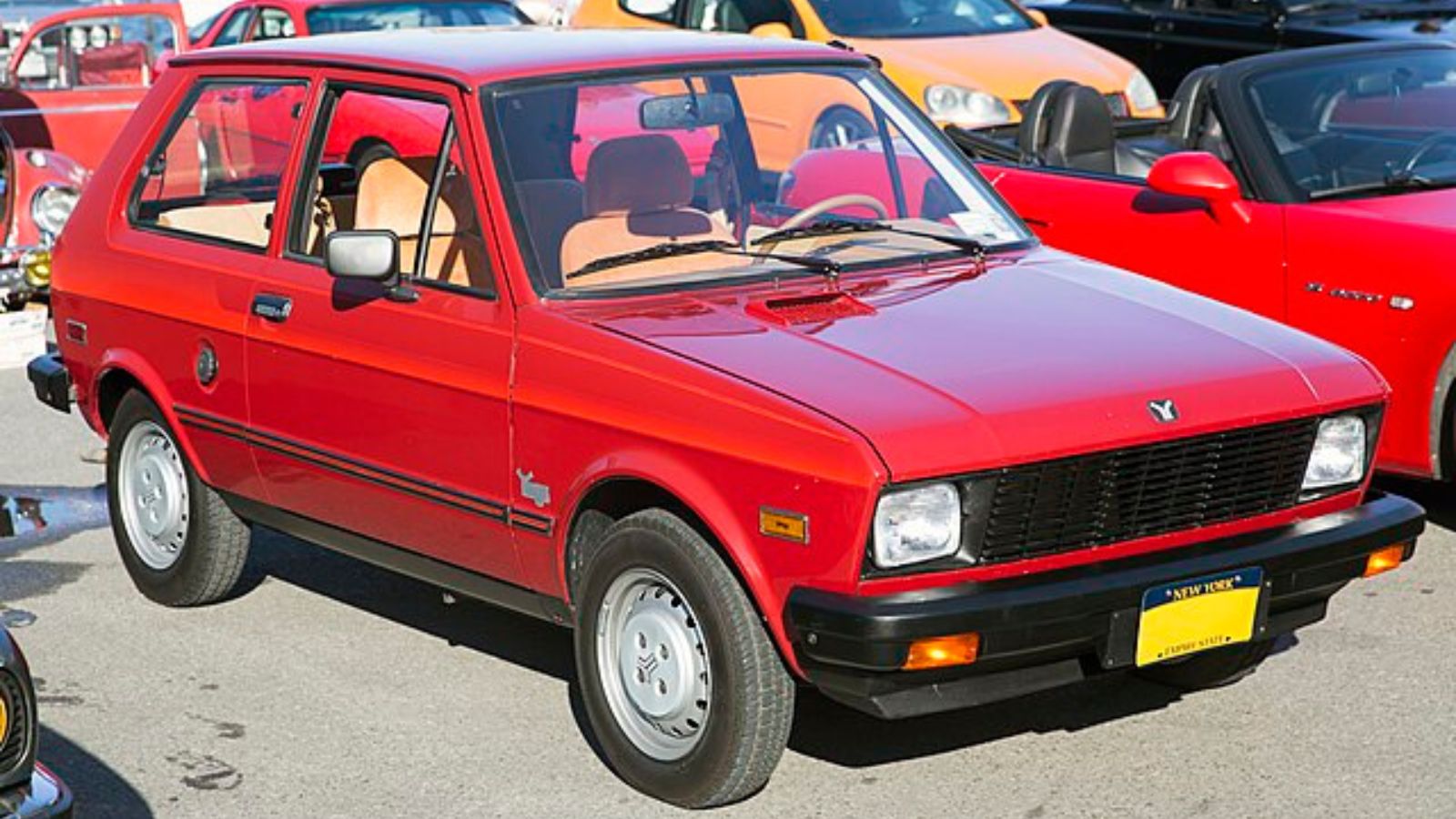
The Yugo engine symbolized everything that could go wrong with cost cutting. Low power, poor quality control, and frequent breakdowns defined ownership. Cooling issues and electrical failures were common. While simple, it lacked durability and refinement. Many engines failed early, reinforcing the car’s punchline status. It became less transportation and more cautionary tale.
25 Facts About Car Loans That Most Drivers Don’t Realize

Car loans are one of the most common ways people fund car purchases. Like any other kind of loan, car loans can have certain features that can be regarded as an advantage or a disadvantage to the borrower. Understanding all essential facts about car loans and how they work to ensure that you get the best deal for your financial situation is essential. Here are 25 shocking facts about car loans that most drivers don’t realize:
25 Facts About Car Loans That Most Drivers Don’t Realize
