Canadian drivers are about to face one of the biggest shake ups the automotive world has seen in years. New federal rules, updated provincial policies and industry wide technology shifts are all landing at once in 2026. Some changes are meant to improve safety or reduce emissions. Others feel like convenient new ways for governments and automakers to collect more money from people who simply need to get around. No matter what you drive, these twelve changes will influence what you buy, how you repair it and how much you pay to keep it on the road. Here is what Canadians should be prepared for, before the bills start showing up.
Stricter Emission Standards Make Some Cars More Expensive

Canada’s upcoming emission regulations will be the toughest yet, forcing automakers to modify engines, update software and redesign entire powertrains to stay compliant. These engineering changes get passed directly to buyers through higher prices. Some smaller car models may even disappear if companies decide compliance costs are not worth it. Expect budget friendly sedans to be the first casualties and mid size SUVs to see noticeable price jumps. Used buyers will feel it too, since reduced new inventory tends to inflate pre owned values.
More EV Mandates for New Car Sales
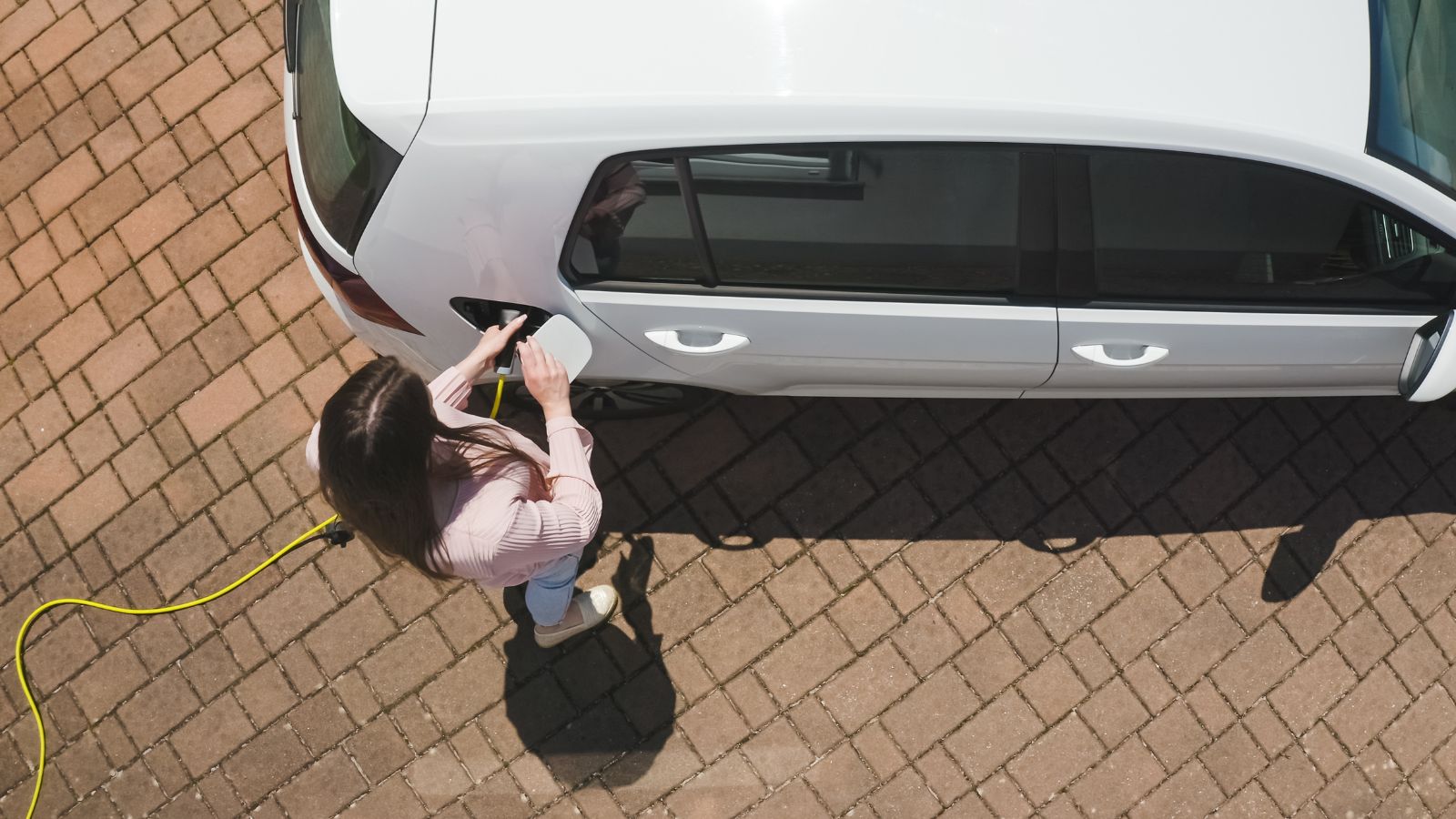
Ottawa wants a sharp increase in electric vehicle sales by the end of the decade, and 2026 is a major step in that plan. Automakers must sell a required percentage of EVs or face penalties. Many companies simply raise the prices on their gas models to cover these penalties. That means even drivers who are not interested in an EV may end up paying more for the privilege of staying with gasoline. Some automakers will also reduce the number of gas trims they offer, limiting choice and pushing buyers toward higher cost electrified options.
New Safety Tech Requirements

Advanced driver assist features such as automatic emergency braking, lane departure alerts and pedestrian detection will be required on far more vehicles in 2026. These systems rely on a network of sensors, cameras and processors that significantly raise production costs. They also raise repair bills. A simple bumper tap today can cost several hundred dollars. Under the new rules, the same repair in 2026 may require recalibration, diagnostics and sensor replacement. Safety improves, but affordability takes another hit.
Higher Fuel Taxes in Major Provinces
Some provinces have already hinted at increasing fuel taxes to offset the cost of climate initiatives. Even a modest bump adds hundreds of dollars per year for commuters and families relying on long highway drives. Rural Canadians will feel this most, since alternatives like public transit or home charging infrastructure may not exist in their area. Higher fuel taxes often impact the cost of goods as well, since transportation companies pass the cost along to consumers.
Luxury Tax Expansion
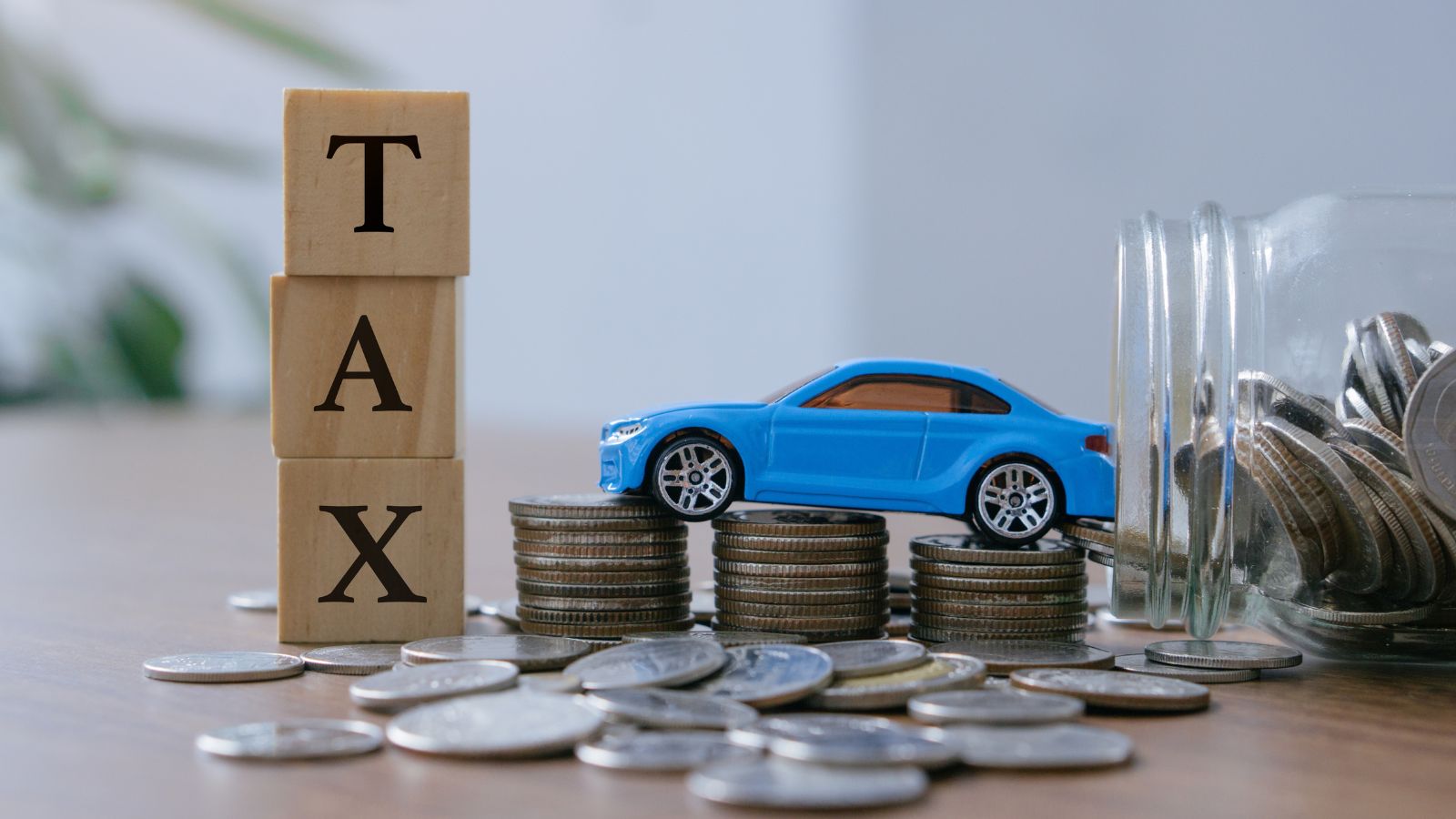
The current federal luxury tax applies to vehicles above a certain value threshold. As vehicle prices rise with inflation, more and more SUVs and trucks unintentionally fall into that category. There is growing political pressure to lower the threshold further, which would pull popular models into luxury territory even if they are bought for practical family use. A standard three row SUV could suddenly cost thousands more, purely because the tax line moved.
Tougher Noise Restrictions for Performance Cars

Noise cameras and stricter decibel limits are already being tested in several Canadian cities, and national guidelines could come in 2026. Performance cars, older sports cars and modified vehicles may face fines, mandatory inspections or costly exhaust replacements. Even factory exhaust systems that are louder by design could be flagged, adding new expenses to ownership. For enthusiasts, this may become one of the most frustrating new policies.
More Restrictions on Large Trucks in Urban Areas
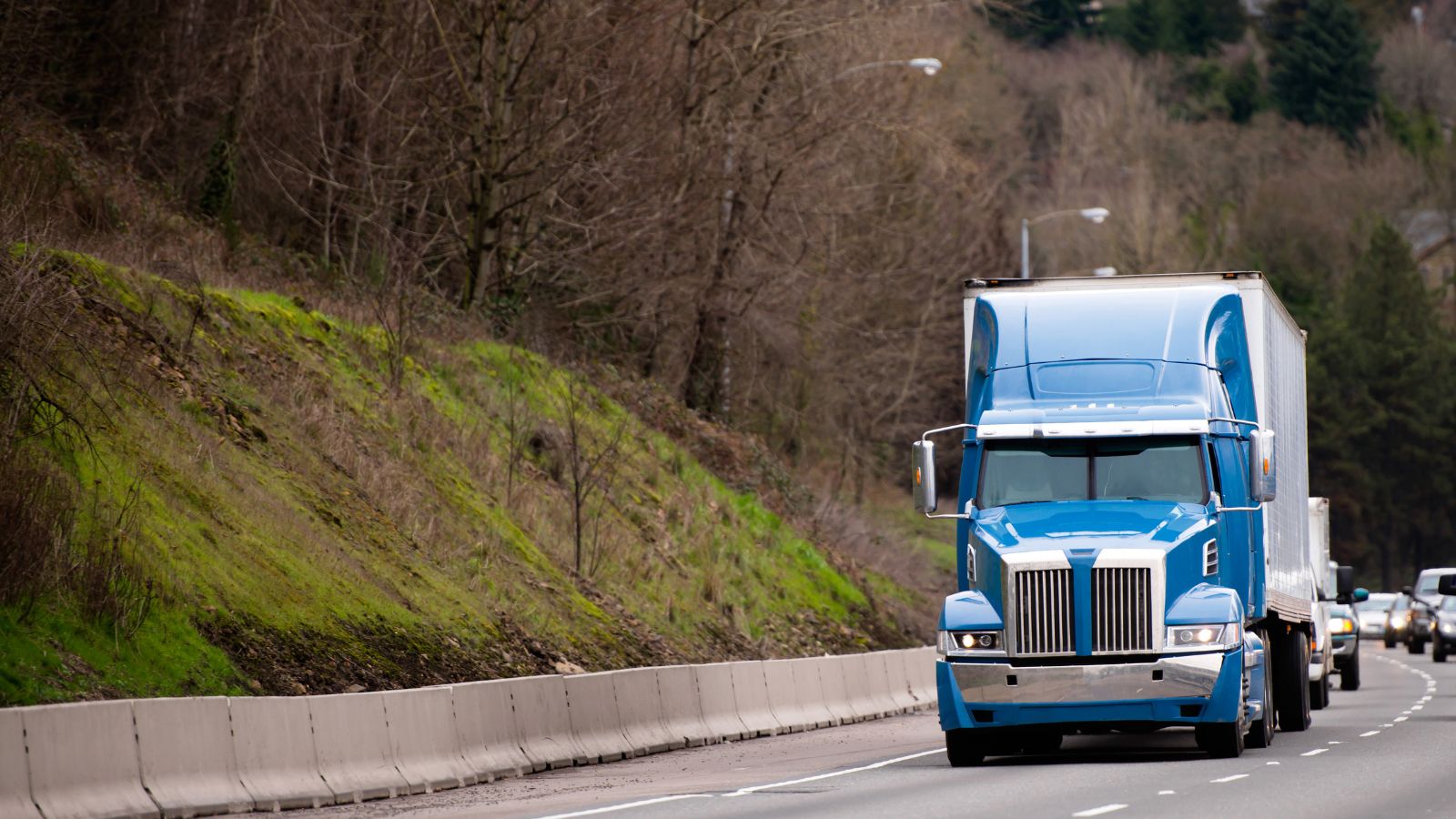
Oversize trucks have triggered debates in major cities about safety and congestion. Proposed rules include higher registration fees for large pickups, additional parking surcharges and possible access restrictions in downtown areas. If adopted nationwide, this could dramatically change how tradespeople and suburban families choose their vehicles. Many rely on full size trucks for work or towing, but the cost of owning one in a city could rise sharply.
New Tire Standards That Increase Replacement Costs
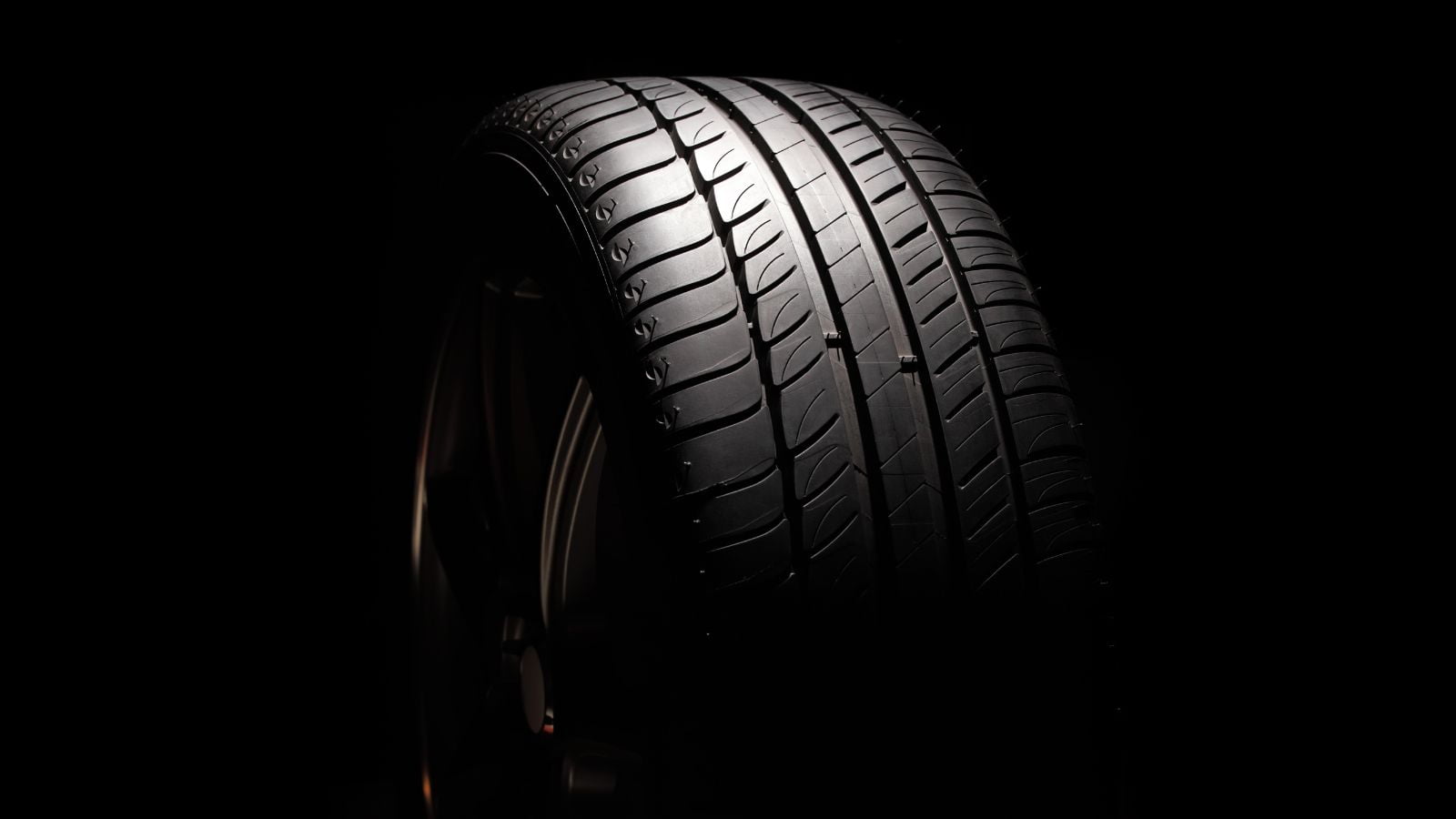
Upcoming tire rules focus on improving safety, traction and efficiency. Winter performance standards may become stricter while rolling resistance requirements tighten for better fuel economy. The result is a new generation of tires that perform better but cost more to manufacture and purchase. Tire shops expect replacement costs to climb, especially for SUVs and trucks that already use pricier tire sizes.
Mandatory Driver Assist Calibration After Repairs

Modern vehicles rely heavily on cameras, radar and ultrasonic sensors for safety systems. Starting in 2026, provinces may require certified calibration after any repair that touches these systems. A simple windshield replacement could now cost twice as much because the forward camera must be recalibrated. A minor fender repair could require multiple scans and alignment checks. Body shops warn that even small accidents will become expensive.
Shift to Over the Air Software Updates

Automakers are increasingly turning cars into software platforms. In 2026, expect more features to be delivered through paid upgrades or subscriptions. Drivers might find heating levels, navigation tools, parking assist or performance options locked behind monthly fees. A car used to be a purchased item. Going forward, a car may become a product with ongoing costs built into ownership. For budget conscious Canadians, this shift will be a major adjustment.
Provincial Insurance Changes

Insurance companies are adjusting premiums to reflect rising repair costs, higher vehicle prices and increased accident payouts. Provinces evaluating new rating formulas may tie premiums more closely to a vehicle’s repair complexity. Cars packed with sensors and aluminum panels naturally cost more to fix, which means even safe drivers could see rate increases. Older models without advanced tech may become cheaper to insure, flipping traditional pricing logic.
Potential Road Usage Fees for EVs and Hybrids
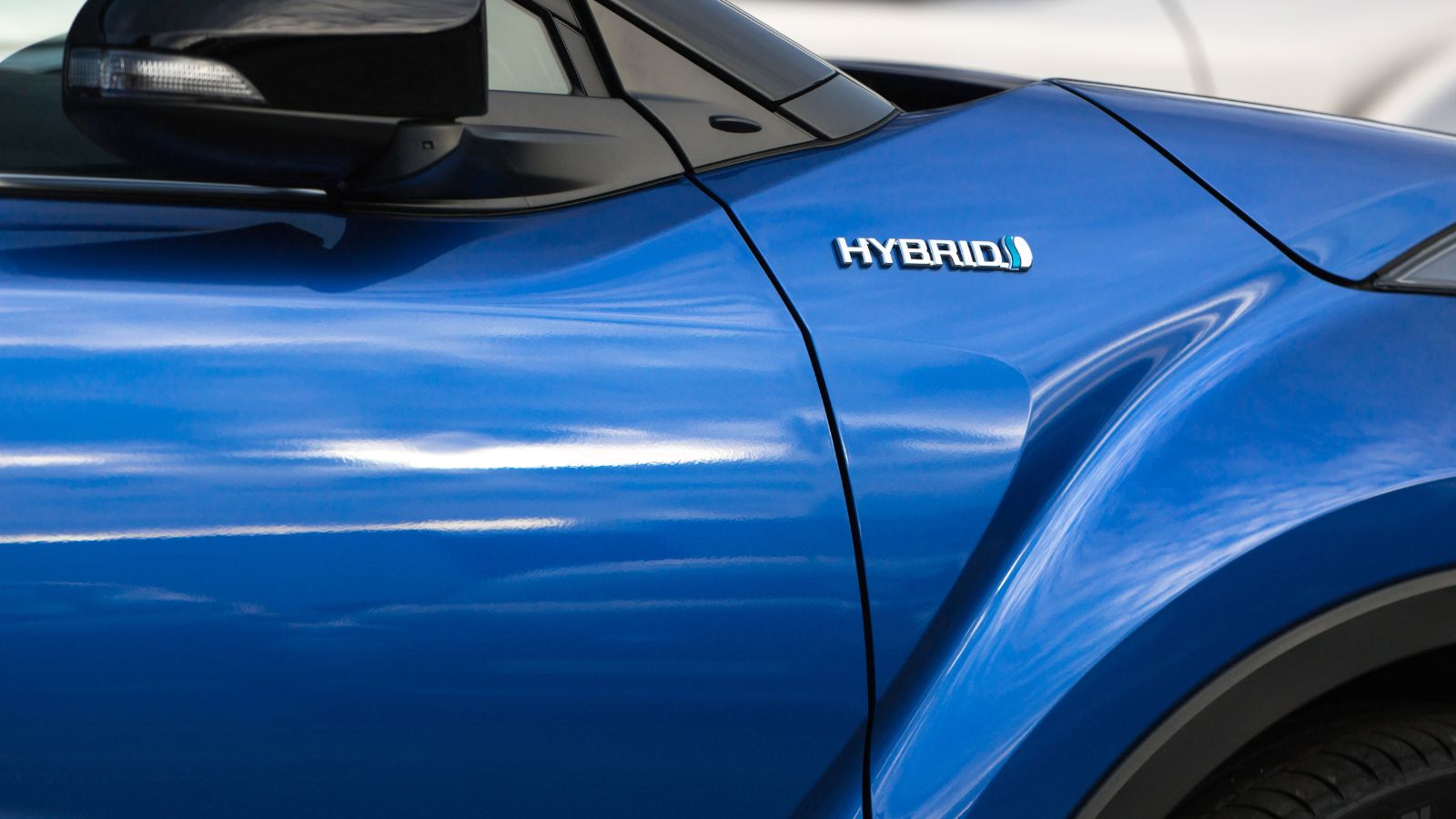
Fuel tax revenue continues to fall as more Canadians switch to electric and hybrid vehicles. To make up for the shortfall, provinces are considering road usage fees based on distance driven. For EV owners, this could change the cost equation entirely. Instead of saving at the pump, they may end up tracking their annual mileage and paying fees that mimic fuel tax revenue. The convenience of electric driving could gain a new cost layer.
The Benefits
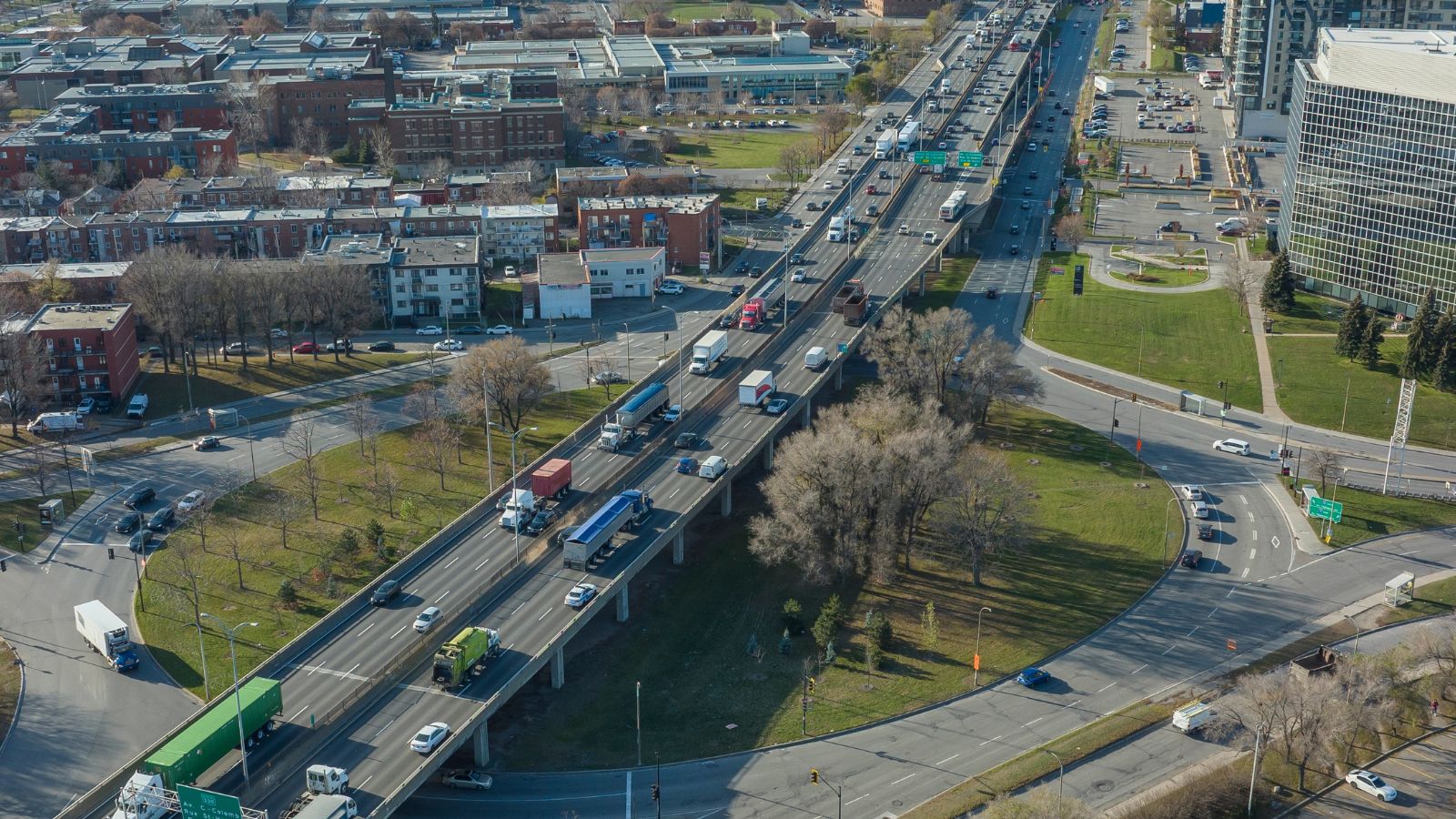
The year 2026 is shaping up to be the most expensive moment for Canadian drivers in more than a decade. Safety improvements and cleaner technology offer benefits, but they come with price tags that will affect every household. Whether you buy new, buy used, or hold onto your current car as long as possible, the automotive landscape is about to change in ways that touch every budget.
25 Facts About Car Loans That Most Drivers Don’t Realize

Car loans are one of the most common ways people fund car purchases. Like any other kind of loan, car loans can have certain features that can be regarded as an advantage or a disadvantage to the borrower. Understanding all essential facts about car loans and how they work to ensure that you get the best deal for your financial situation is essential. Here are 25 shocking facts about car loans that most drivers don’t realize:
25 Facts About Car Loans That Most Drivers Don’t Realize
