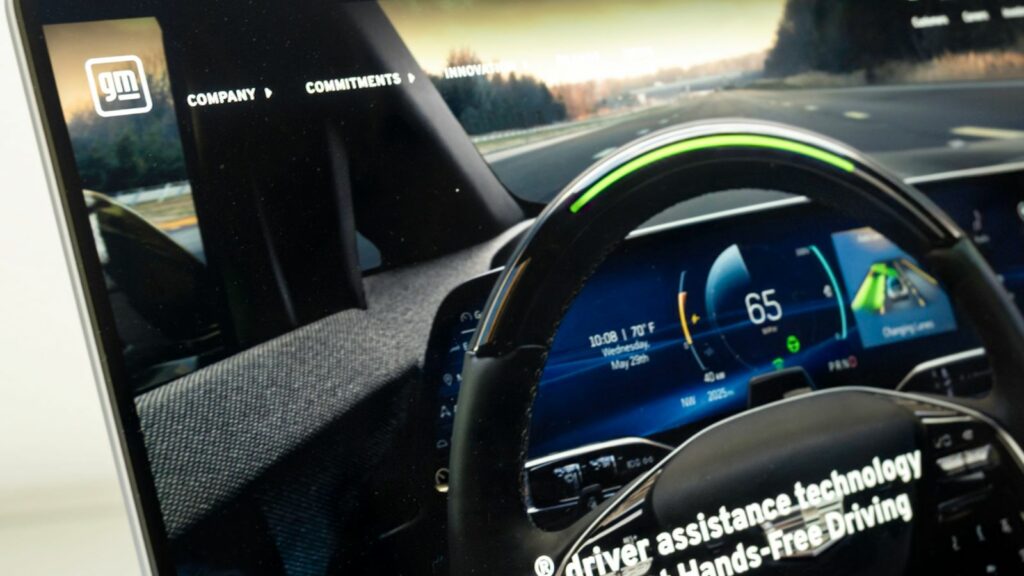
The idea sounds simple and unsettling at the same time. What if your car refused to go faster than the posted speed limit. No warning chime. No flashing icon. Just a firm electronic ceiling you cannot override. That concept is quietly moving from theory to policy discussion, and Canada may not be far behind.
The Technology Already Exists
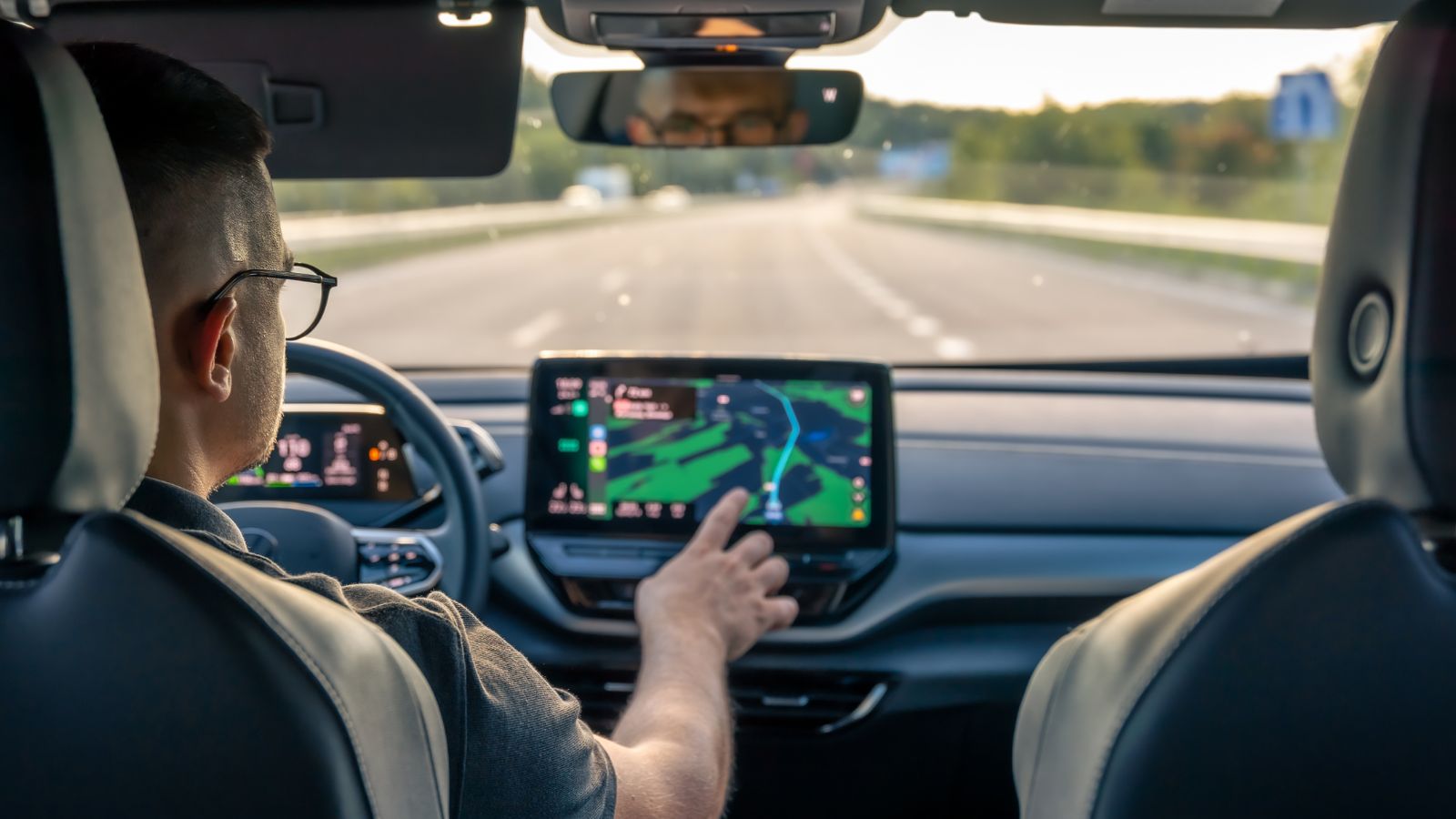
Modern vehicles already know the speed limit. Cameras read roadside signs. GPS databases track posted limits by location. Many cars today warn drivers when they exceed the limit or subtly resist the accelerator. Turning those warnings into hard limits is not a technological leap. It is a software decision.
How Speed Limiters Would Work
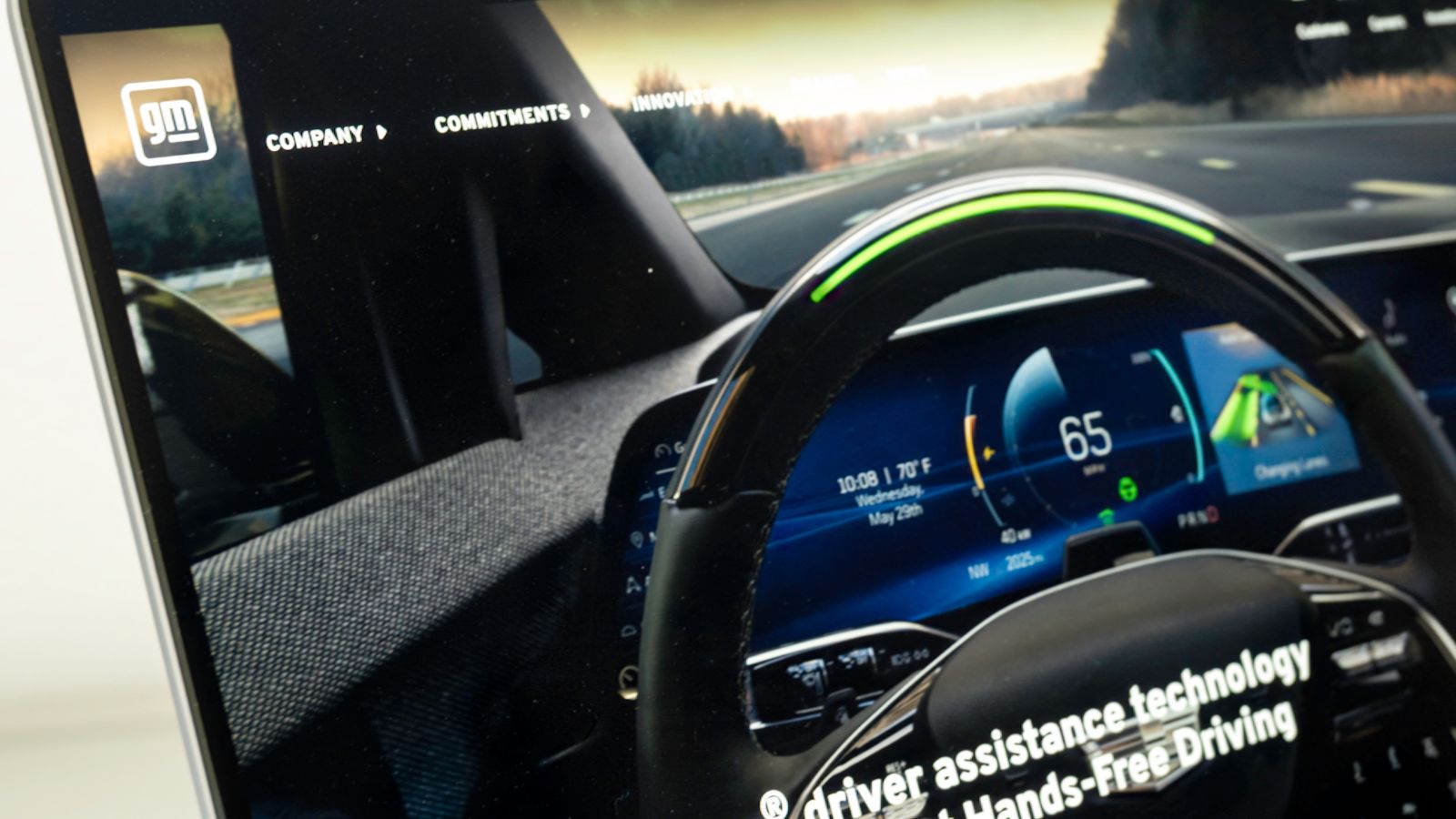
The most likely system would be Intelligent Speed Assistance that actively controls throttle input. When a driver reaches the limit, acceleration simply stops. The pedal still moves, but the car does not respond. In some versions, a small buffer may exist for brief overtaking, while others allow no override at all.
Europe Is Setting the Template

The European Union has already mandated Intelligent Speed Assistance on new vehicles. While current rules allow drivers to disable it, regulators are openly discussing stronger enforcement. Canada often mirrors European safety policy with a delay. Once systems become standard globally, disabling them becomes politically easier to justify.
Why Canada Is Paying Attention

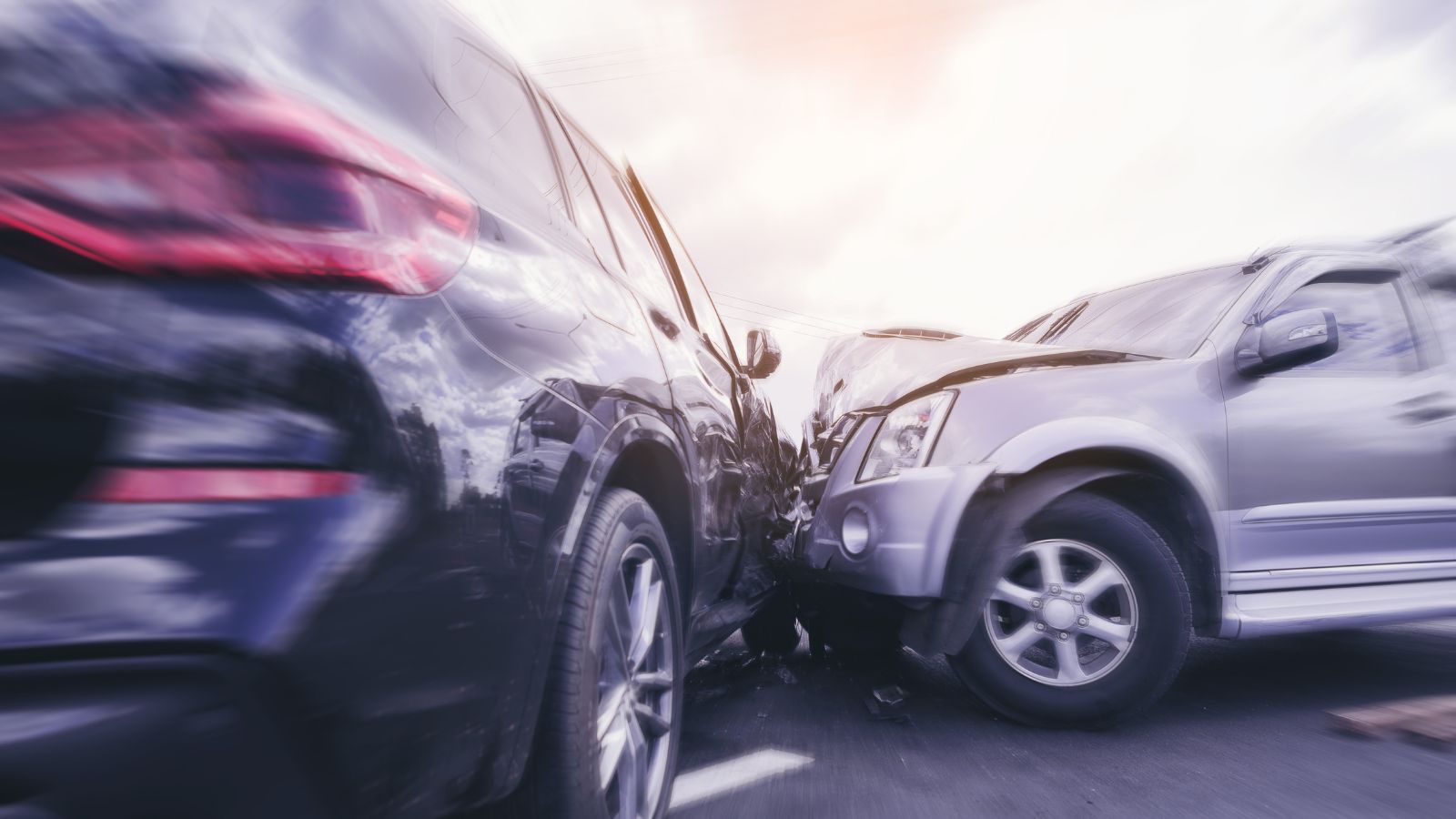
Road safety statistics remain stubborn. Speeding is still a leading factor in fatal collisions, particularly in urban areas. Policymakers see limiters as a way to reduce crashes without relying on enforcement. From their perspective, a car that physically cannot speed solves a problem tickets never fully fixed.
The Case Being Made by Regulators
Supporters argue speed limiters remove human error. They claim smoother traffic flow, fewer severe crashes, and lower insurance costs. Advocates also point to reduced emissions and noise. For governments, it is a rare policy that promises safety and environmental gains at the same time.
Where the Controversy Starts

Drivers see something very different. Speed limiters shift control from the person behind the wheel to software written by manufacturers and regulators. Speed limits are not always logical or up to date. Construction zones, poorly posted roads, and outdated GPS data could turn everyday driving into frustration.
Emergency Situations and Edge Cases
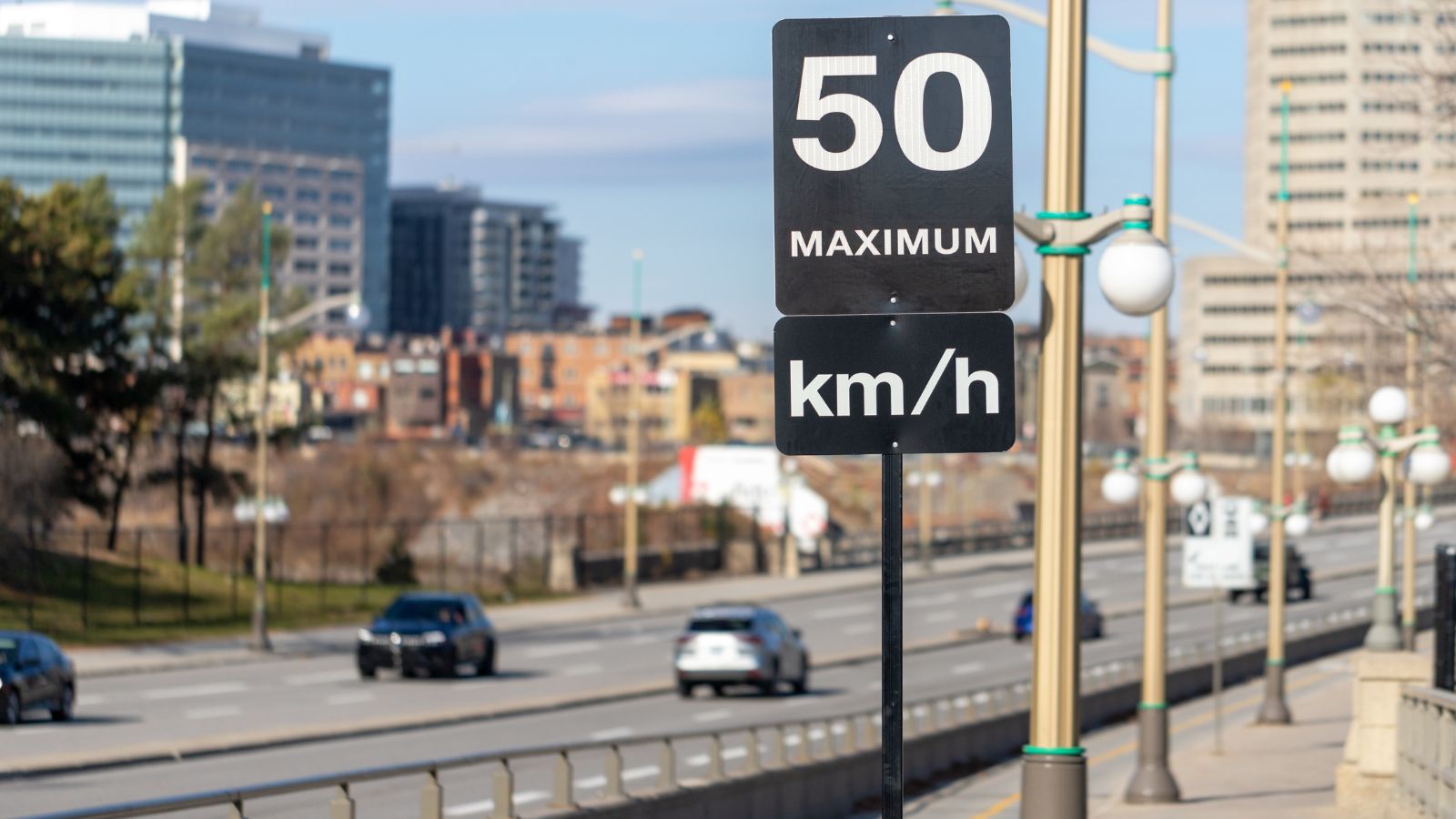
Critics raise obvious questions. What happens during an emergency. What if avoiding a collision requires brief acceleration. How does the system behave on rural highways where limits change frequently. These scenarios are difficult to code perfectly and mistakes would be felt immediately by drivers.
Privacy and Data Concerns
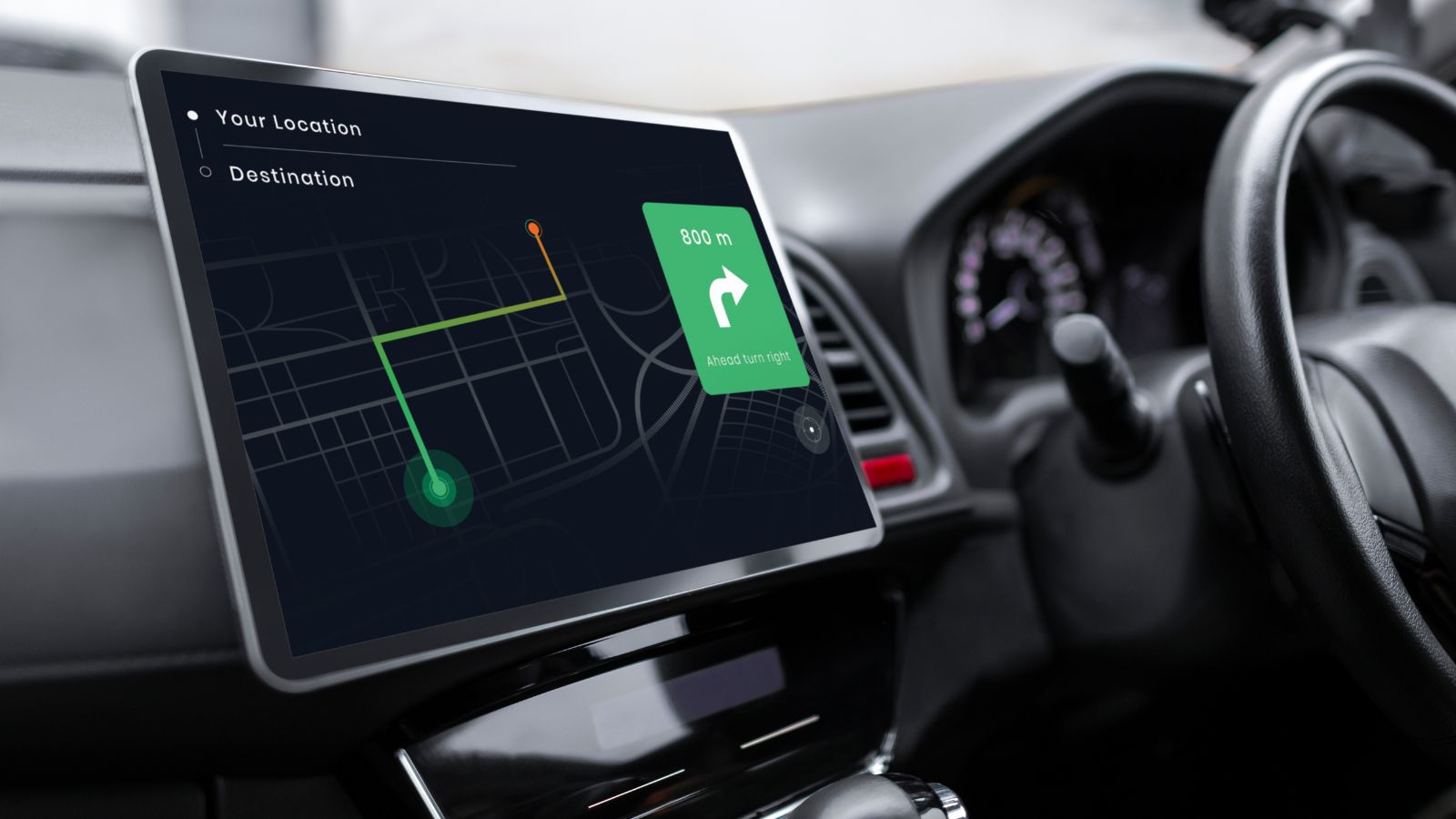
For speed limiters to work consistently, cars must constantly know where they are and what rules apply. That requires location data, mapping updates, and potentially cloud connectivity. This raises concerns about tracking and data ownership. Once the infrastructure exists, its use rarely stays limited to one purpose.
The Role of Transport Canada
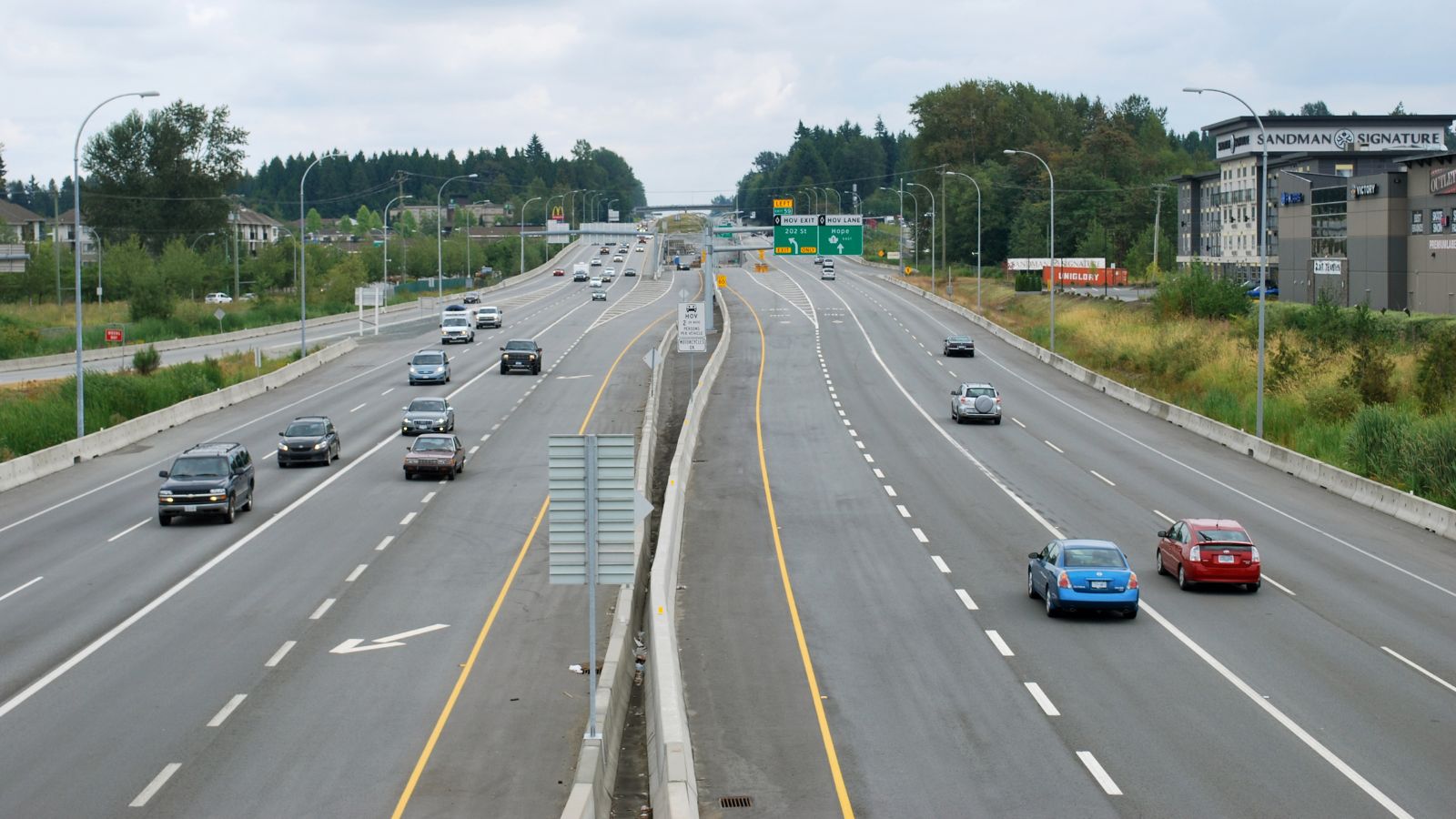
Any nationwide move would involve Transport Canada and federal safety standards. Mandating hardware or software at the federal level would bypass provincial enforcement differences. That makes the policy attractive to lawmakers but controversial among drivers who see it as overreach.
Why This Feels Different From Past Safety Tech

Seat belts and airbags protected drivers when things went wrong. Speed limiters intervene before anything happens. They do not just reduce injury. They actively control behavior. That psychological shift is why the debate feels so intense. It is not about safety equipment anymore. It is about autonomy.
Whether Canadians Will Accept It

Public reaction will likely follow a familiar pattern. Initial resistance, followed by gradual normalization as systems become default. Younger drivers raised on driver assistance tech may accept it more easily. Enthusiasts and rural drivers are likely to push back hardest. The real test will be whether opt out options remain.
25 Facts About Car Loans That Most Drivers Don’t Realize

Car loans are one of the most common ways people fund car purchases. Like any other kind of loan, car loans can have certain features that can be regarded as an advantage or a disadvantage to the borrower. Understanding all essential facts about car loans and how they work to ensure that you get the best deal for your financial situation is essential. Here are 25 shocking facts about car loans that most drivers don’t realize:
25 Facts About Car Loans That Most Drivers Don’t Realize
