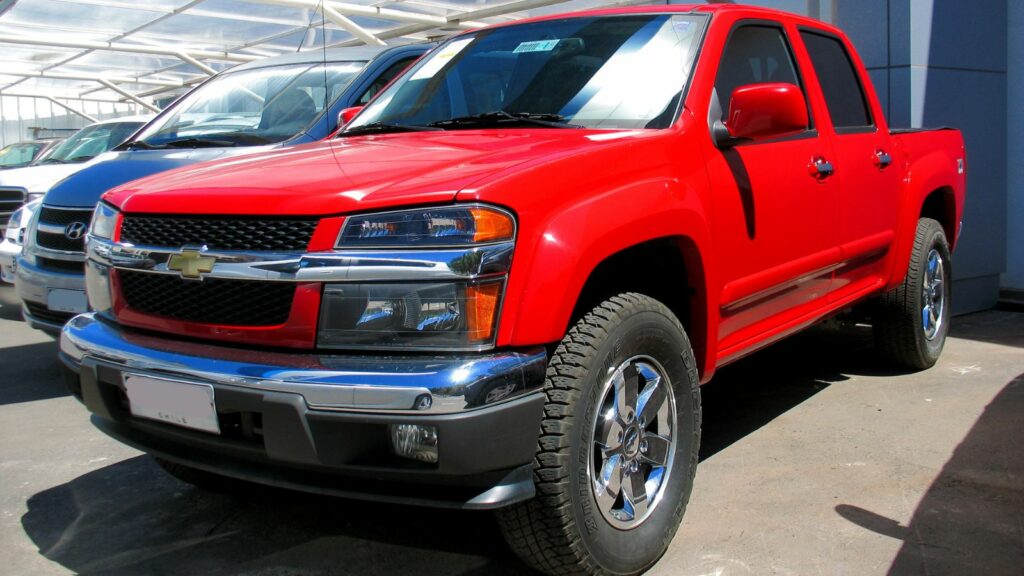
Pickup trucks are supposed to be dependable workhorses. People buy them expecting years of hauling, towing, and hard use without drama. But not every engine lived up to that expectation. Some were rushed to market, others suffered from design flaws, and a few simply could not handle real world abuse. These ten pickup trucks gained reputations for engines that disappointed owners and drained wallets.
Ford F 150 5.4 Triton V8 2004 to 2010
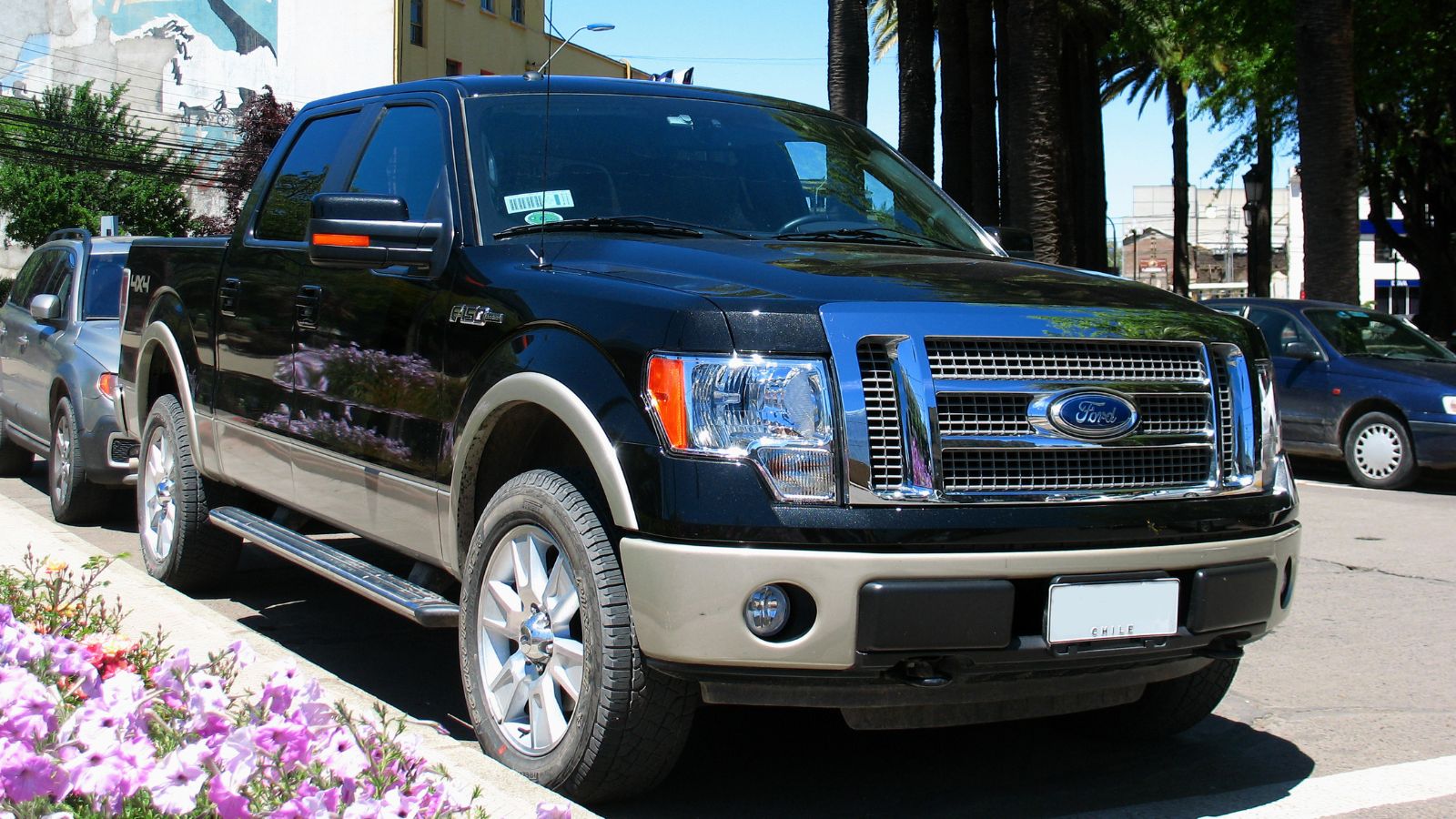
The 5.4 Triton promised power and durability but delivered frustration for many owners. Spark plug failures were common, often breaking off inside the cylinder head during removal. Cam phaser issues caused loud ticking and poor performance. Timing chain problems followed as mileage climbed. Repairs were expensive and frequent, turning what should have been a dependable truck into a costly ownership experience.
Dodge Ram 1500 4.7 V8 2002 to 2008
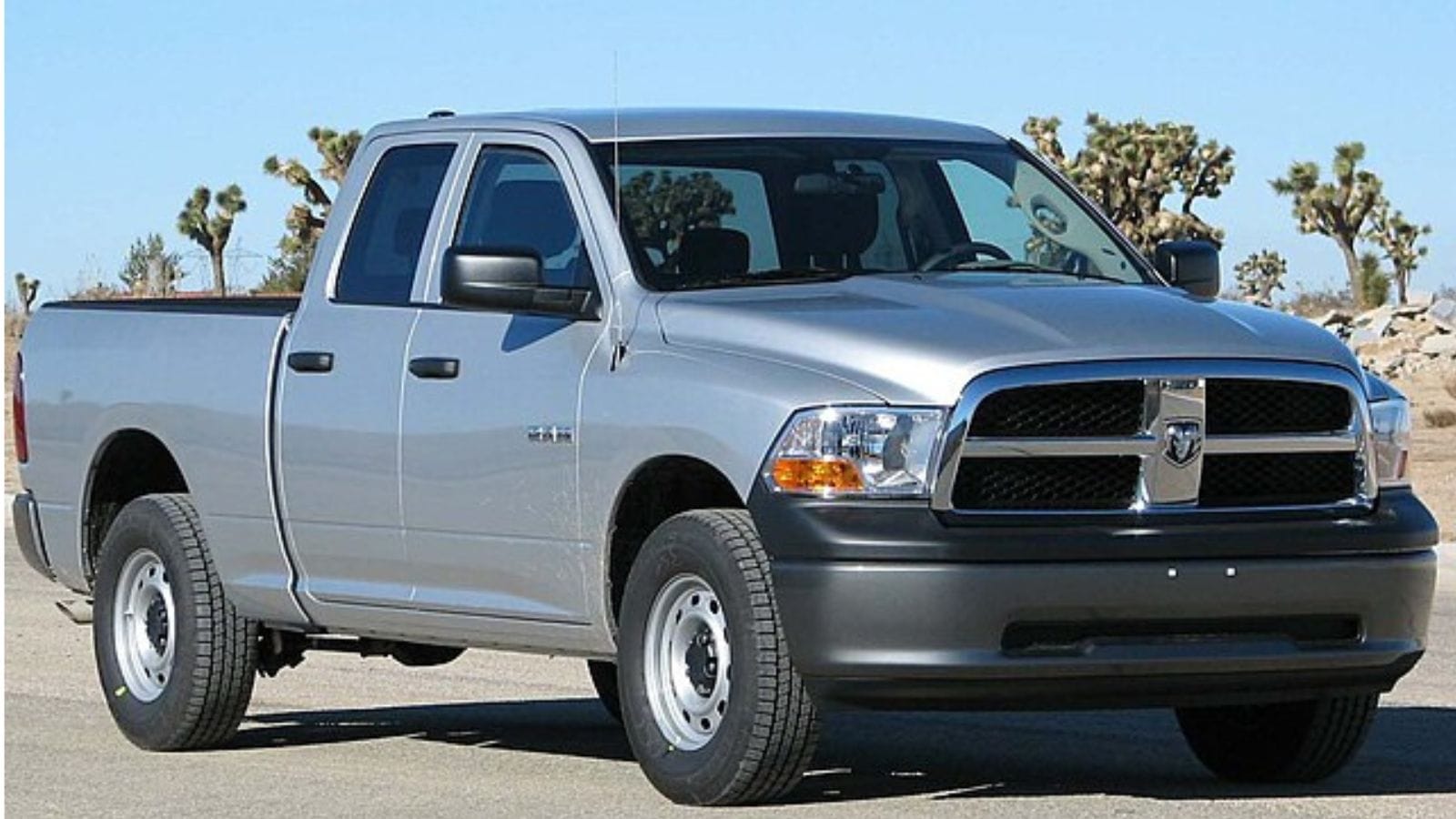
The 4.7 liter V8 looked good on paper but struggled in real use. Sludge buildup, oil pressure issues, and premature valve train wear were common complaints. The engine was sensitive to oil change intervals and punished neglect harshly. Many owners experienced power loss and internal damage well before expected mileage, hurting confidence in an otherwise capable truck.
Chevrolet Silverado 1500 5.3 Active Fuel Management 2007 to 2014
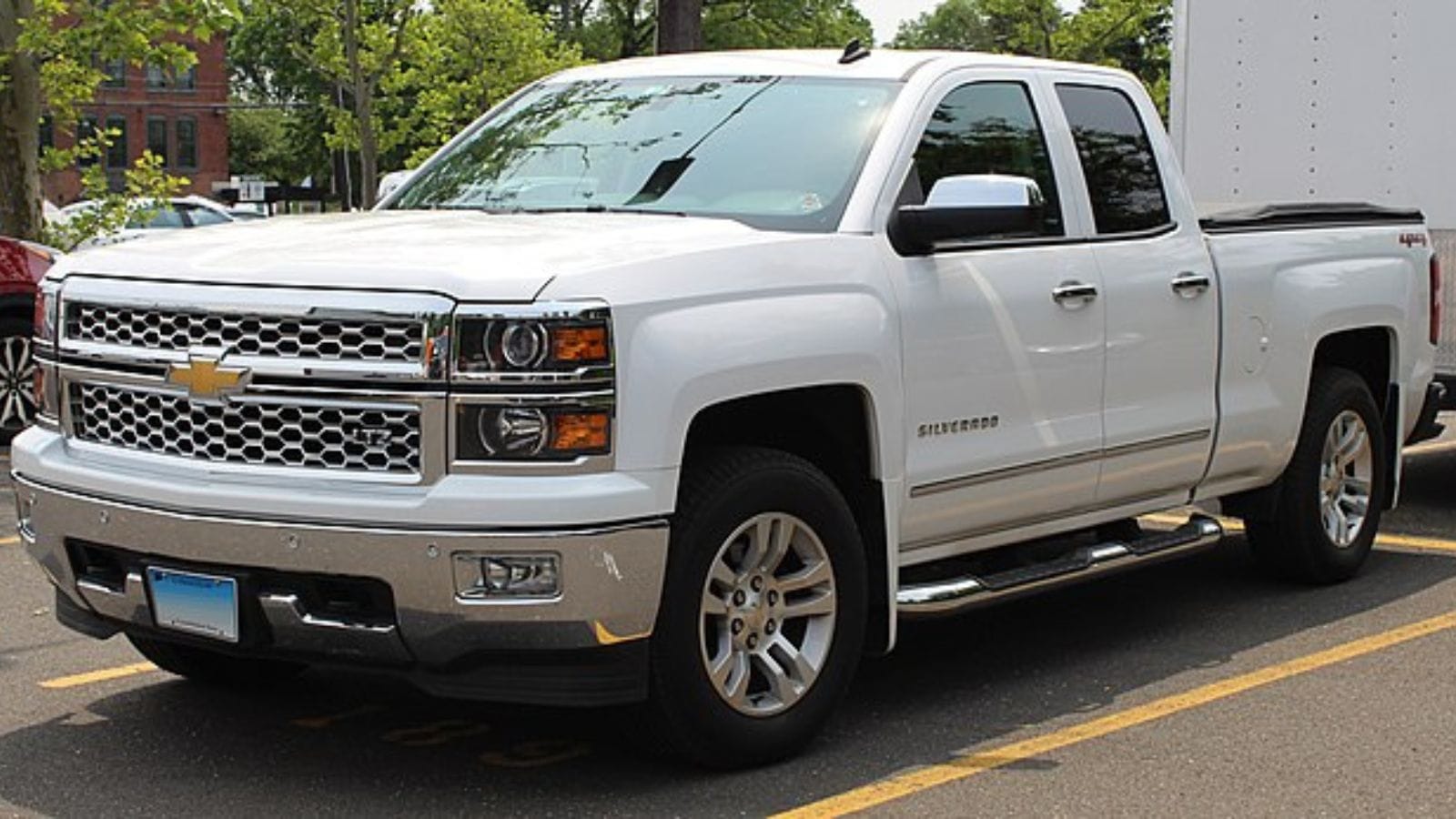
Chevrolet’s AFM system was designed to improve fuel economy by shutting down cylinders, but it introduced serious reliability problems. Lifters failed, camshafts wore prematurely, and oil consumption became widespread. Some engines ran fine, but many did not. Repairs were costly and often required major internal work. The idea was good, but execution hurt long term reliability.
Nissan Titan 5.6 V8 2004 to 2015
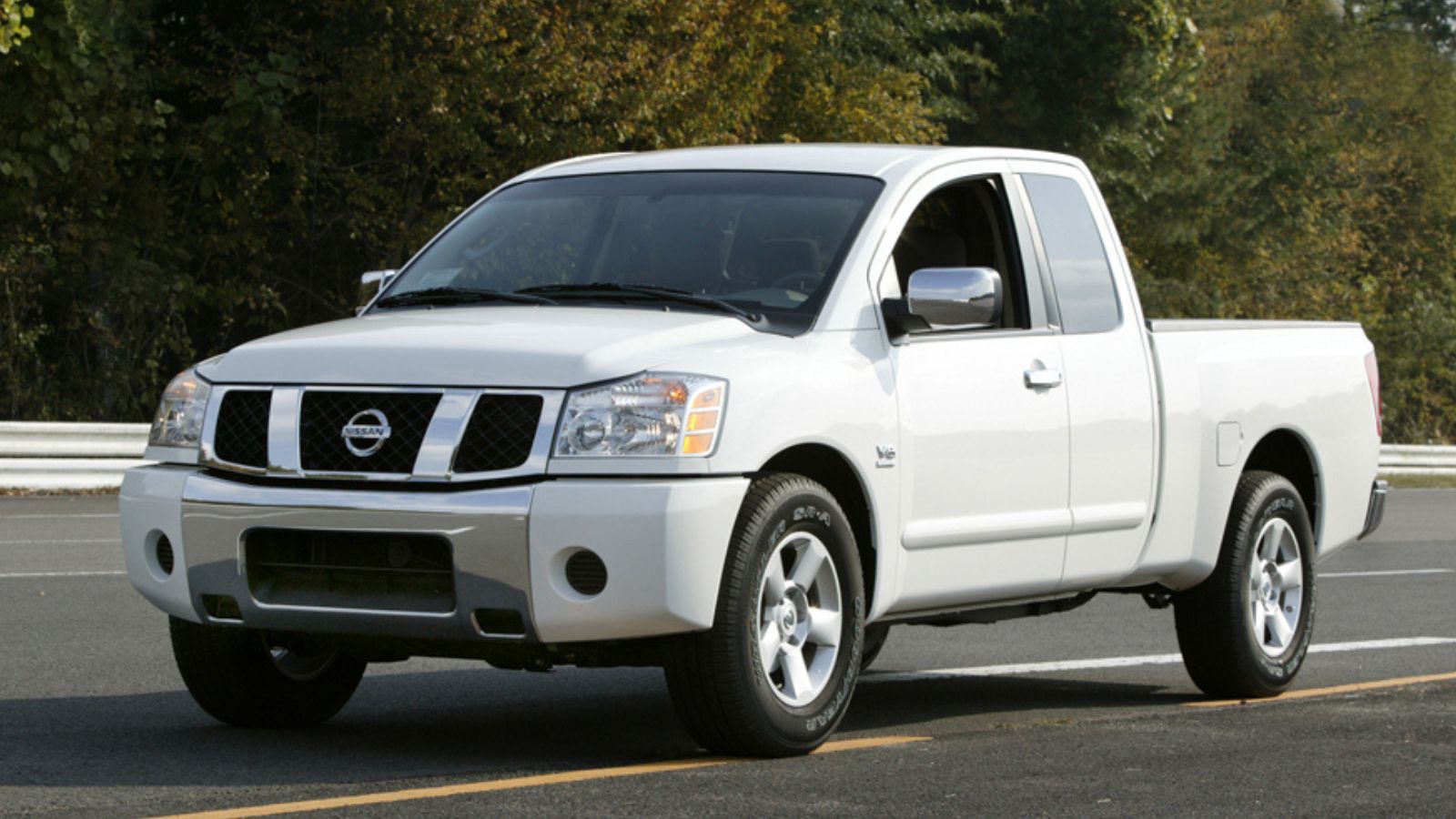
The Titan promised big power and toughness but struggled with engine related issues over time. Exhaust manifold failures, timing chain problems, and cooling issues were common. Early models also suffered from rear differential failures that added to the truck’s reputation for costly repairs. Many owners loved the performance but were disappointed by durability.
Ford F 250 6.0 Power Stroke Diesel 2003 to 2007
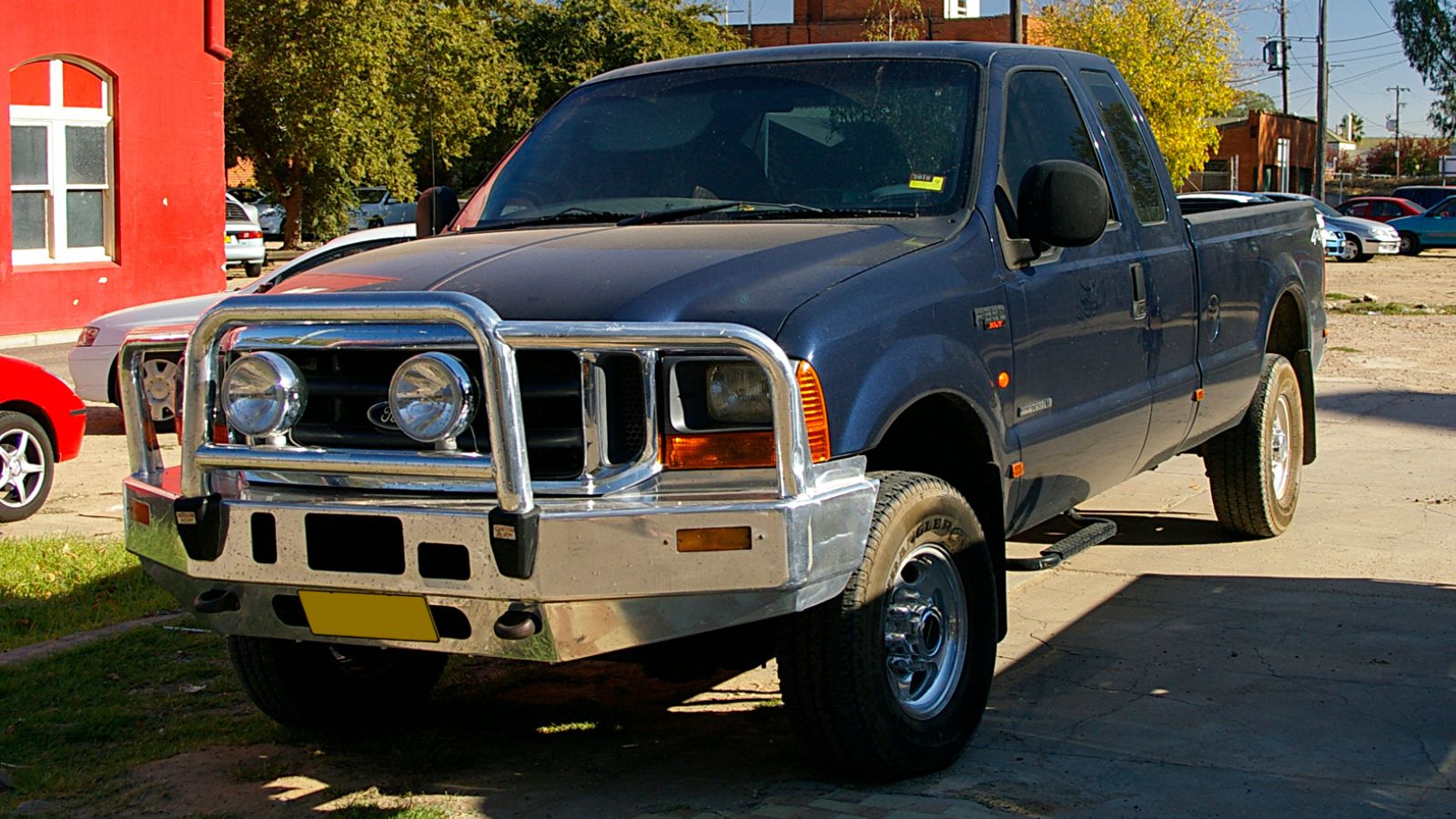
The 6.0 Power Stroke is infamous in truck circles. EGR failures, head gasket issues, and high pressure oil system problems plagued owners. Towing performance was strong, but reliability was not. Many engines required expensive modifications just to become dependable. It became one of the most criticized diesel engines ever installed in a pickup.
Chevrolet Colorado 3.7 Inline Five 2007 to 2012
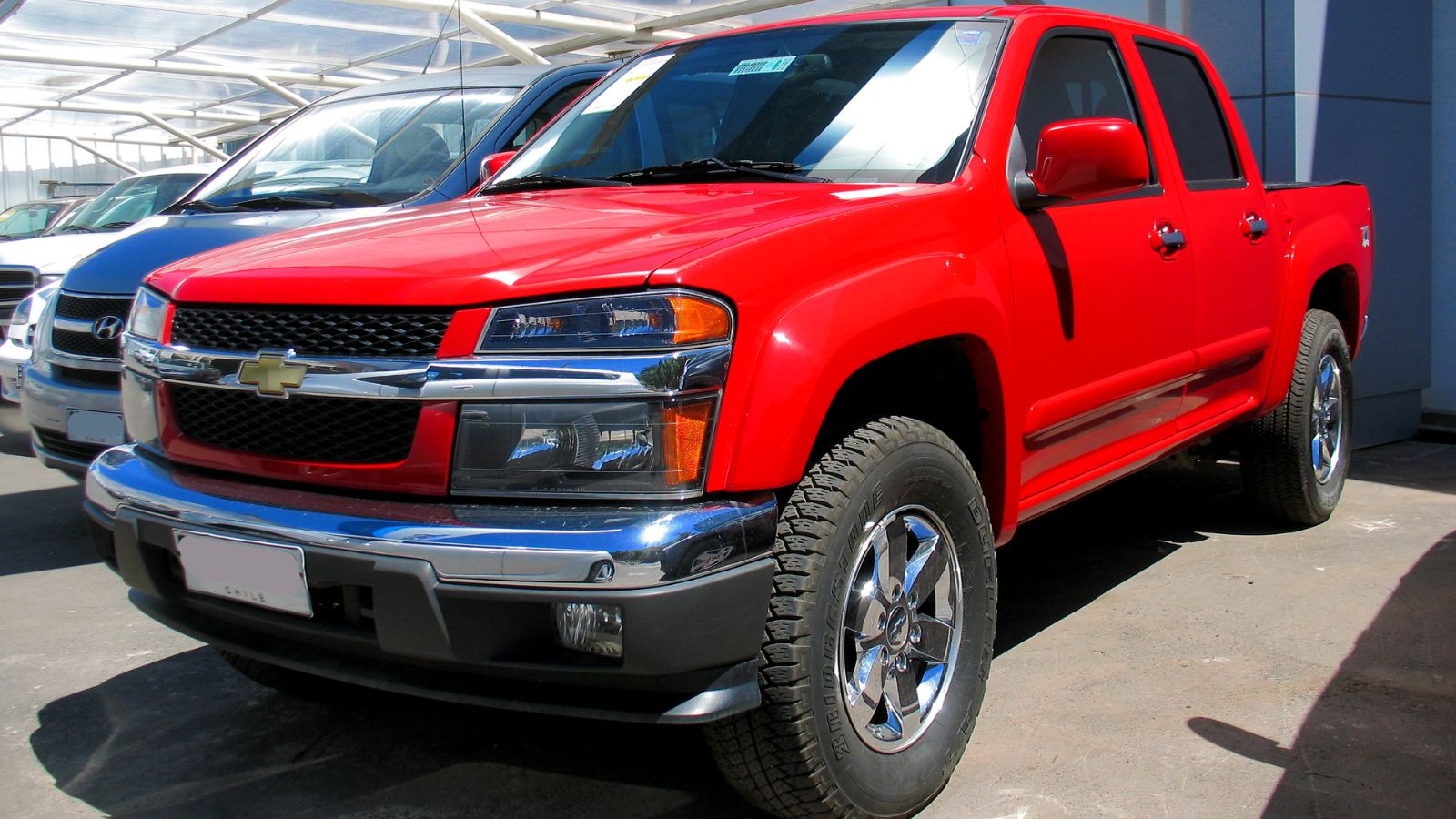
GM’s inline five was meant to be a durable middle ground between four and six cylinder engines. Instead, it suffered from timing chain issues, misfires, and valve problems. Power delivery felt rough and fuel economy disappointed. Repairs were not cheap, and parts availability became an issue over time. It never earned the trust GM hoped for.
Ram 1500 EcoDiesel 2014 to 2019
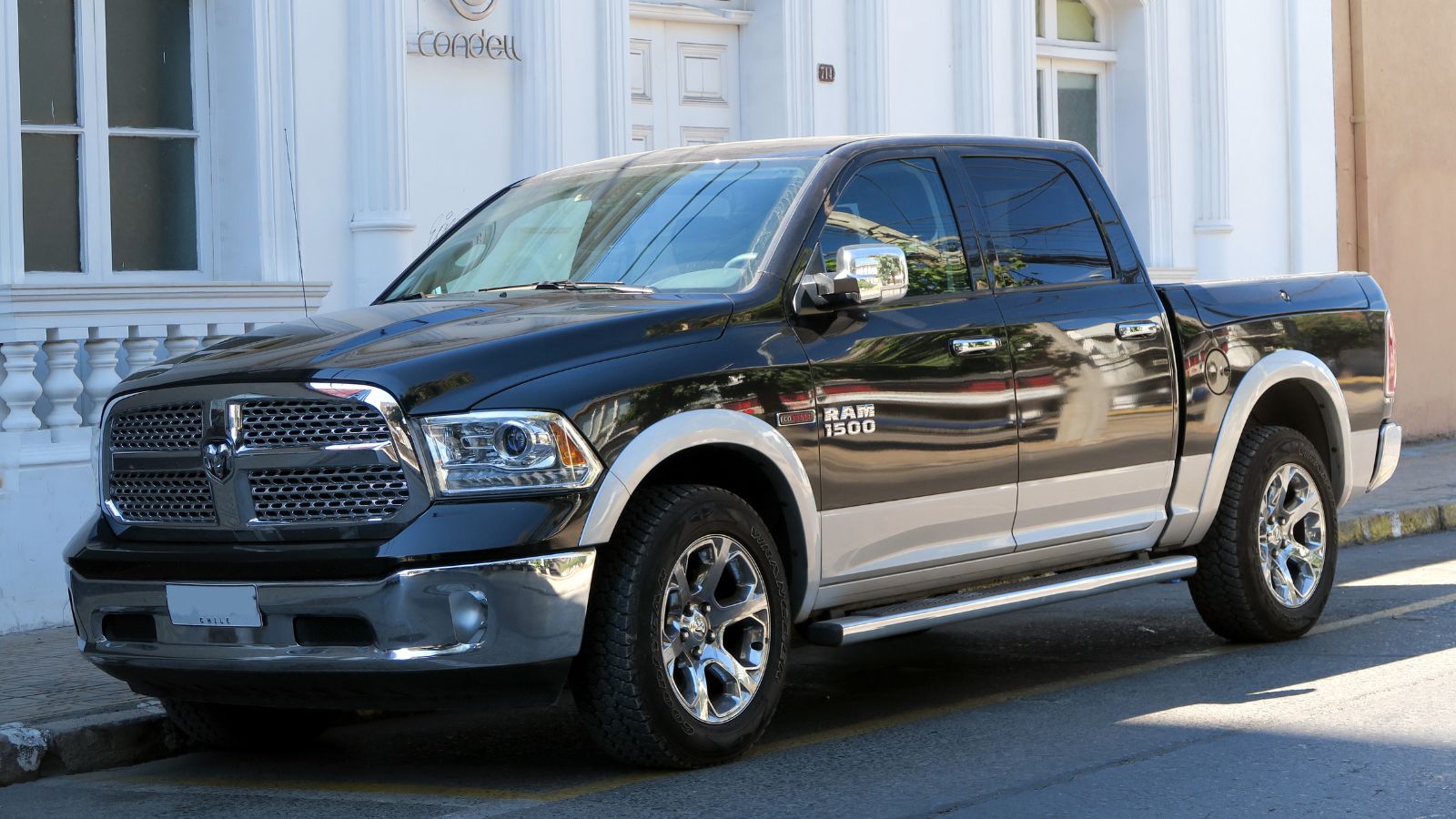
The EcoDiesel offered impressive torque and fuel economy, but reliability concerns quickly followed. EGR failures, emissions system problems, and bearing failures led to expensive repairs. Many trucks spent long periods off the road waiting for parts or updates. Owners loved the efficiency but often regretted the long term ownership costs.
Toyota Tundra 3.0 Turbo Hybrid 2022 to Present
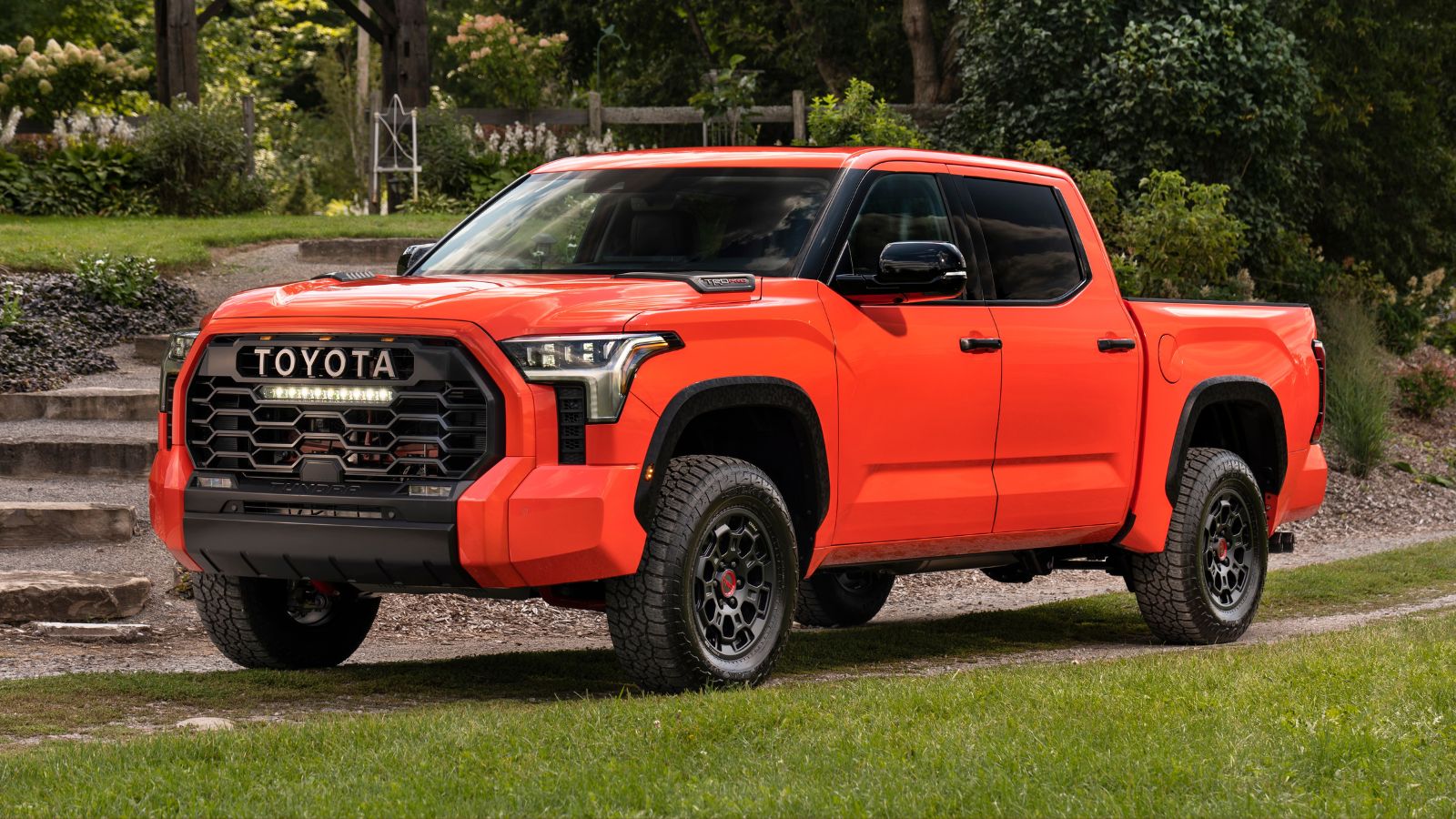
Toyota’s reputation took a hit with early versions of this engine. Bearing failures and manufacturing issues led to recalls and engine replacements. For a brand known for durability, the problems surprised many buyers. While Toyota acted quickly, early owners experienced downtime that hurt confidence in what was supposed to be a next generation powertrain.
Ford Ranger 2.3 EcoBoost 2019 to Present
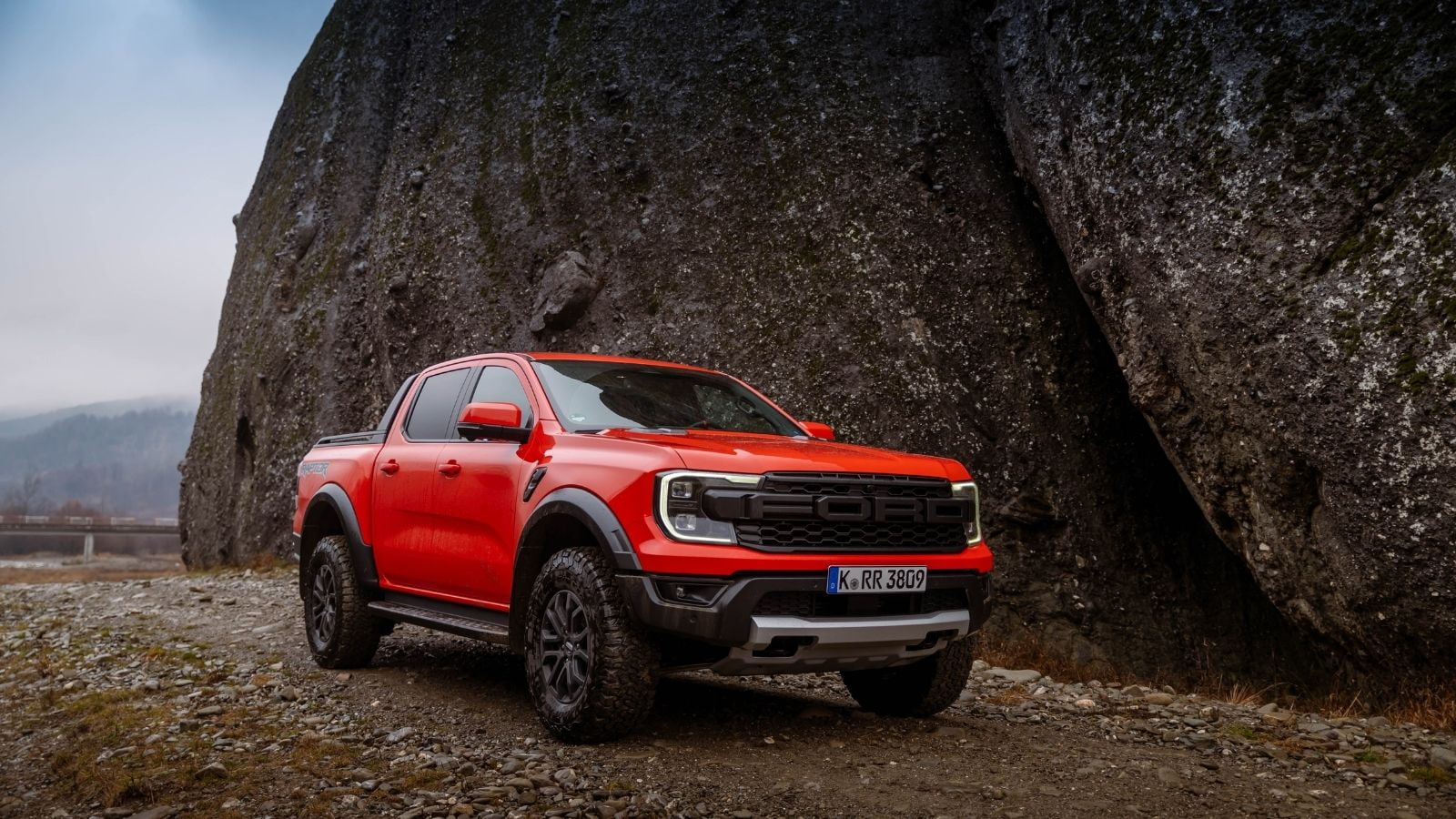
The turbocharged four cylinder delivers good power but has shown sensitivity to maintenance and driving style. Carbon buildup, transmission pairing issues, and turbo related complaints have surfaced. While not a total failure, it has not earned the bulletproof reputation of older Ranger engines. Owners who tow frequently report higher wear than expected.
GMC Sierra 1500 3.0 Diesel Early Models 2020 to 2022

This diesel impressed with fuel economy but raised concerns about complexity. Emissions systems, sensor failures, and software issues caused frustration for early adopters. Repairs were expensive and required specialized service. While newer versions improved, early models left some owners questioning long term durability.
25 Facts About Car Loans That Most Drivers Don’t Realize

Car loans are one of the most common ways people fund car purchases. Like any other kind of loan, car loans can have certain features that can be regarded as an advantage or a disadvantage to the borrower. Understanding all essential facts about car loans and how they work to ensure that you get the best deal for your financial situation is essential. Here are 25 shocking facts about car loans that most drivers don’t realize:
25 Facts About Car Loans That Most Drivers Don’t Realize
